16 Relaxed Hairstyle Ideas for Every Stage of Your Relaxer Cycle
Every other Saturday when I was growing up, I sat beside my mother at her favorite salon while she got her relaxer touched up. I’d watch the stylist carefully section her hair, smooth the cream onto the new growth only, and later wrap her hair around her head into a perfect, glossy circle. “That’s a doobie wrap,” my mom told me once. “It’s how you keep it swinging.”
Years later, my cousin relaxed her own hair and called me, frustrated. Her hair looked amazing for two weeks, then by week six, the new growth at her roots made every style feel impossible. What she didn’t realize was that relaxed hair needs different styles at different points in the relaxer cycle.
So I’ve organized these 16 relaxed hairstyle ideas by stage of your relaxer cycle: fresh relaxer, mid-cycle, the new growth stage, stretching and transitioning. For each style, you’ll see why it works at that stage and its heat level, plus real stories from my family and friends.
What Is Relaxed Hair?
Relaxed hair has been chemically treated with a relaxer, a cream that permanently straightens curly or coily hair by breaking down the bonds that create its natural curl pattern. Once hair is relaxed, that section stays straight until it’s cut off. As your hair grows, the new hair at the roots has your natural texture, which is why relaxers are “touched up” on new growth every few weeks or months.
The Line of Demarcation: The Most Fragile Point
The line of demarcation is where your relaxed hair meets your natural new growth. Because the two textures are so different, this area is especially fragile and prone to breakage.
Many of the styles below are designed to protect this line, especially as your new growth gets longer.
Fresh Relaxer (Weeks 1–2)
Right after a relaxer, your hair is smooth, straight and full of movement. This is the time to enjoy sleek, swingy styles.
1. The Silky Doobie Wrap
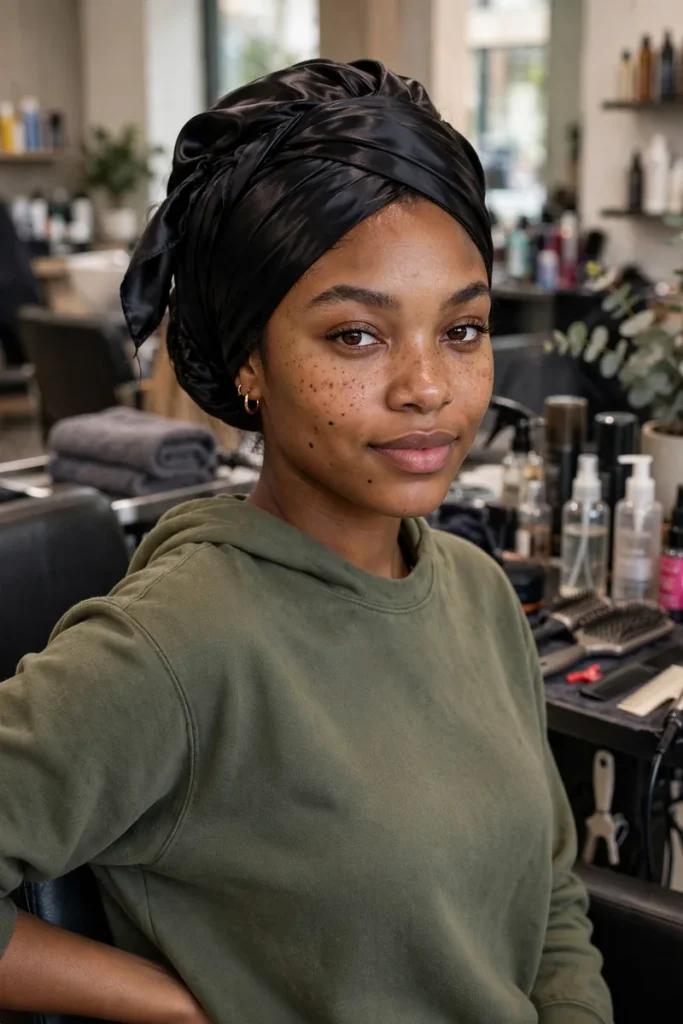
The doobie wrap is a classic technique for relaxed hair. Damp hair is combed and wrapped smoothly around the head, secured with pins or a scarf, and left to dry. When unwrapped, hair is incredibly smooth, swingy and full of movement.
Why it works now: freshly relaxed hair wraps smoothly and holds the shape beautifully.
Heat level: none to low (air dry or a hooded dryer)
2. Bone-Straight Middle Part
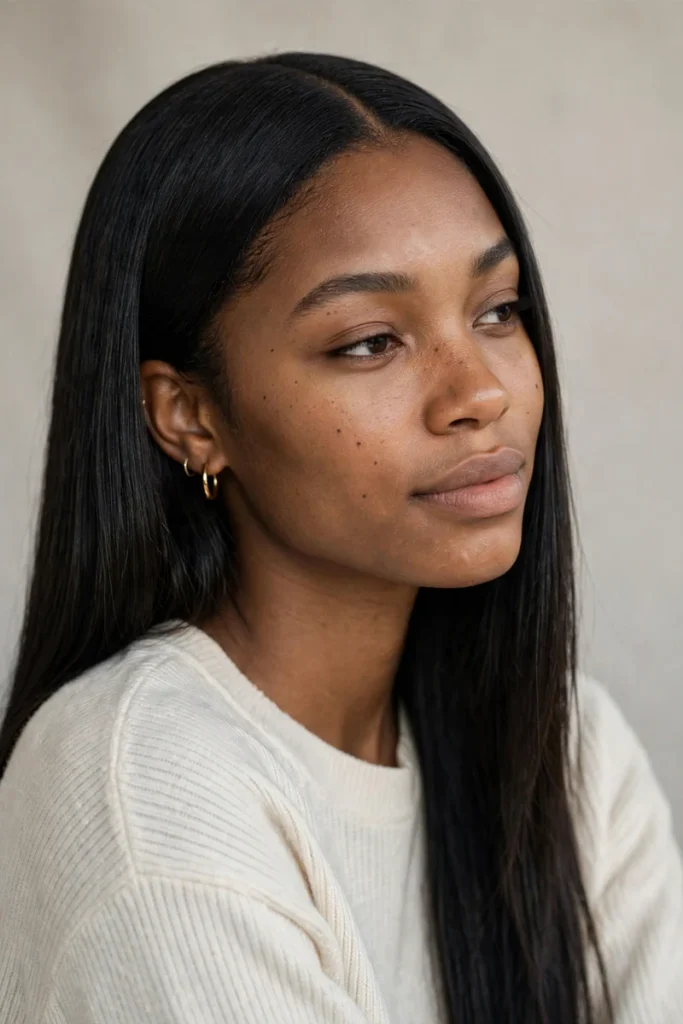
Smooth, straight hair with a crisp middle part. It’s sleek, glossy and shows off your fresh relaxer.
Why it works now: fresh relaxer creates smooth, straight lengths.
Heat level: low
3. The Layered Bouncy Bob
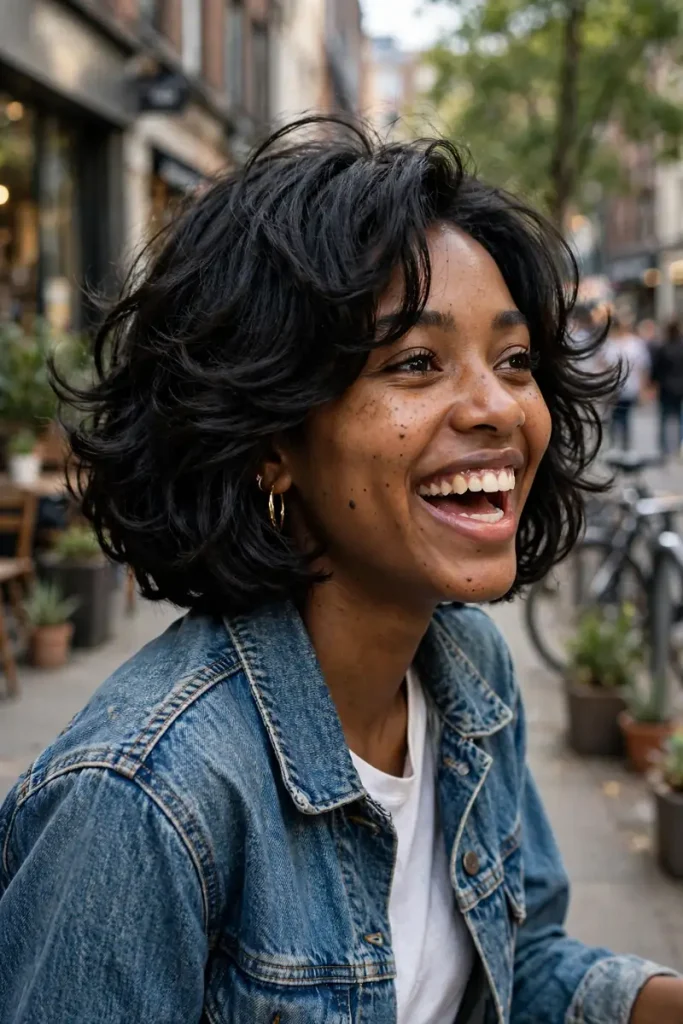
A layered bob that moves and swings with every step. It’s polished, fun and very easy to maintain.
My cousin got this cut right after her fresh relaxer. She said it was the first time her hair had ever bounced like that.
Why it works now: relaxed hair holds the shape of the layers well.
Heat level: low to medium
4. The Sleek Side-Swept Pixie
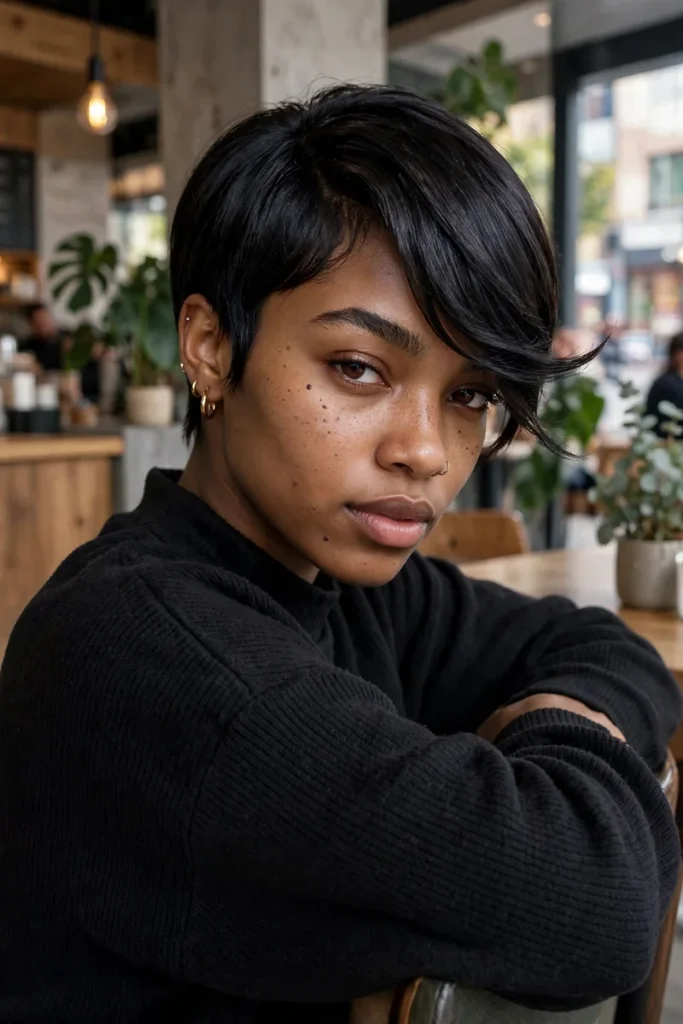
A short, sleek pixie with a side-swept fringe. It’s chic, confident and quick to style.
Why it works now: fresh relaxer makes short cuts look smooth and sculpted.
Heat level: low
Mid-Cycle (Weeks 3–6)
As a little new growth starts to appear, styles with curl and volume help blend the textures.
5. The Roller Set
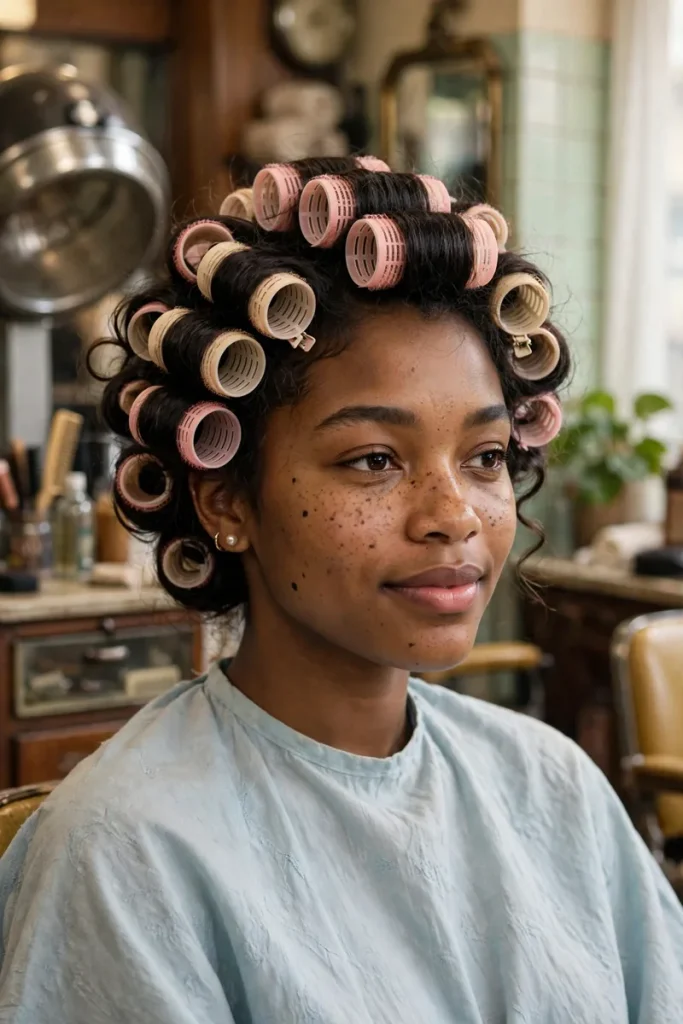
A wet set on rollers, dried under a hooded dryer, creates smooth, bouncy curls. It’s a classic and gentle styling method for relaxed hair.
My mother has worn roller sets for as long as I can remember. She still says they’re the best way to make her hair look “freshly done” between appointments.
Why it works now: curls hide a little new growth and add volume.
Heat level: low (hooded dryer)
6. The Flexi-Rod Set
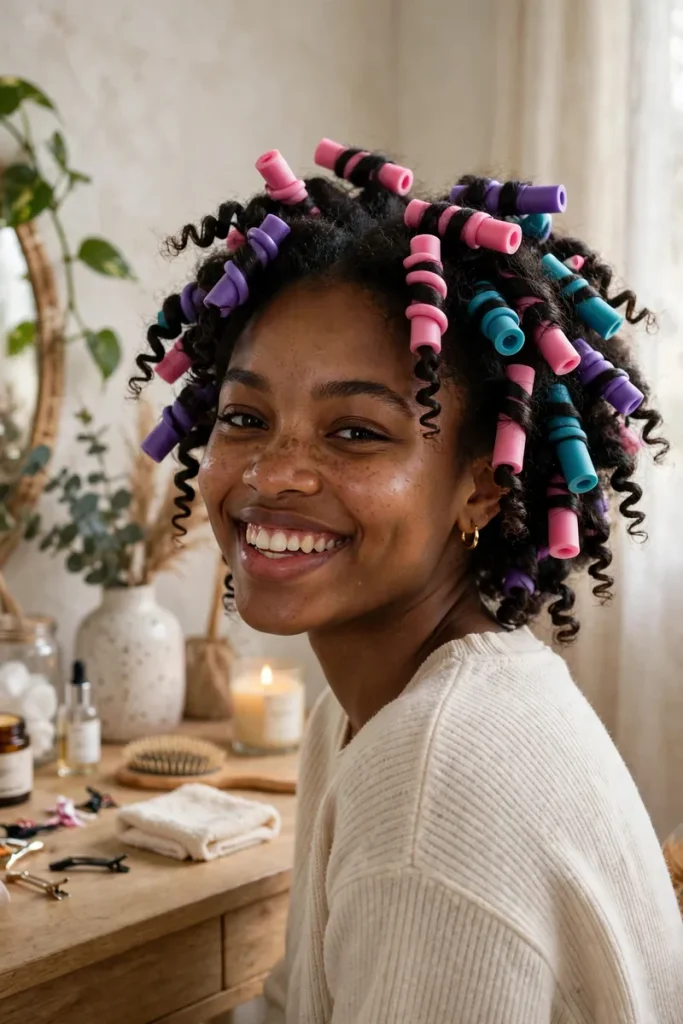
Damp hair wrapped around flexi rods and dried, creating spiral curls that blend relaxed lengths with new growth.
Why it works now: spirals disguise the difference in texture at the roots.
Heat level: none to low
7. Bouncy Curled Ends
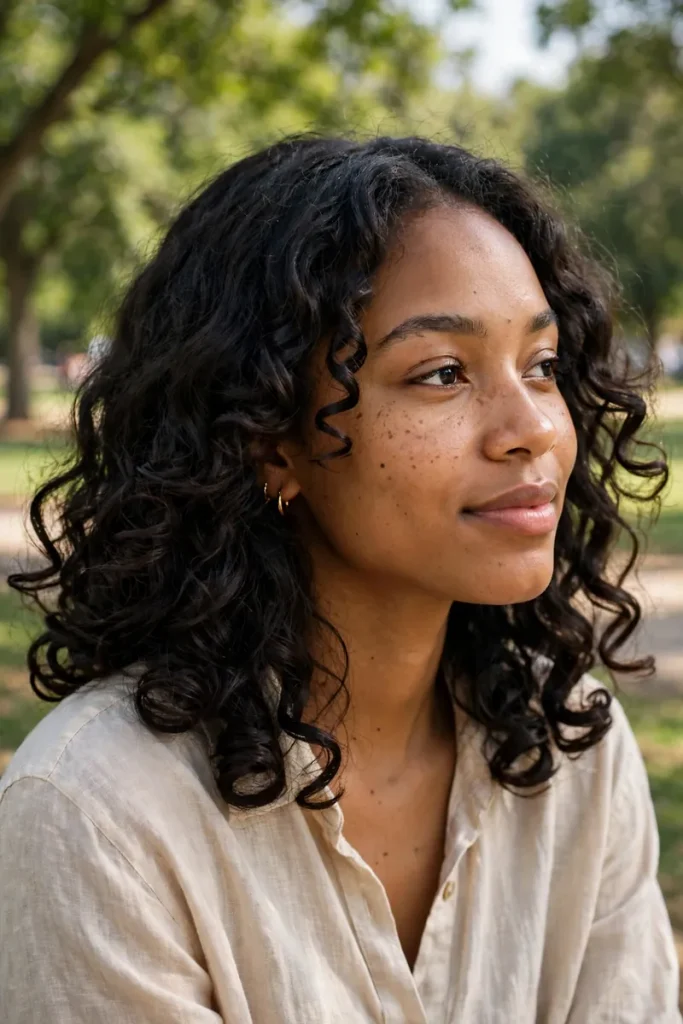
Smooth hair with the ends curled for a bouncy finish, using hot rollers or a curling iron on a low setting.
Why it works now: keeps the focus on the bouncy lengths.
Heat level: medium
8. The Sleek Low Ponytail
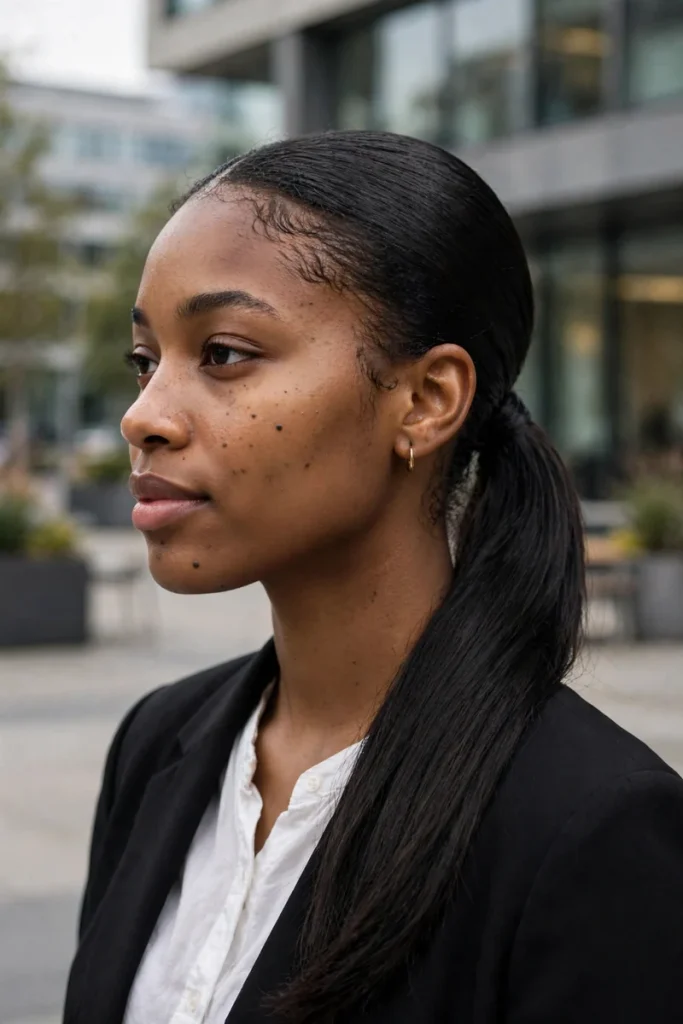
A smooth, low ponytail with a center or side part. It’s simple, polished and doesn’t put stress on the roots.
Why it works now: low tension protects emerging new growth.
Heat level: none to low
The New Growth Stage (Weeks 7 and Beyond)
As new growth becomes more noticeable, choose styles that blend textures and protect the line of demarcation.
9. The Bantu Knot-Out
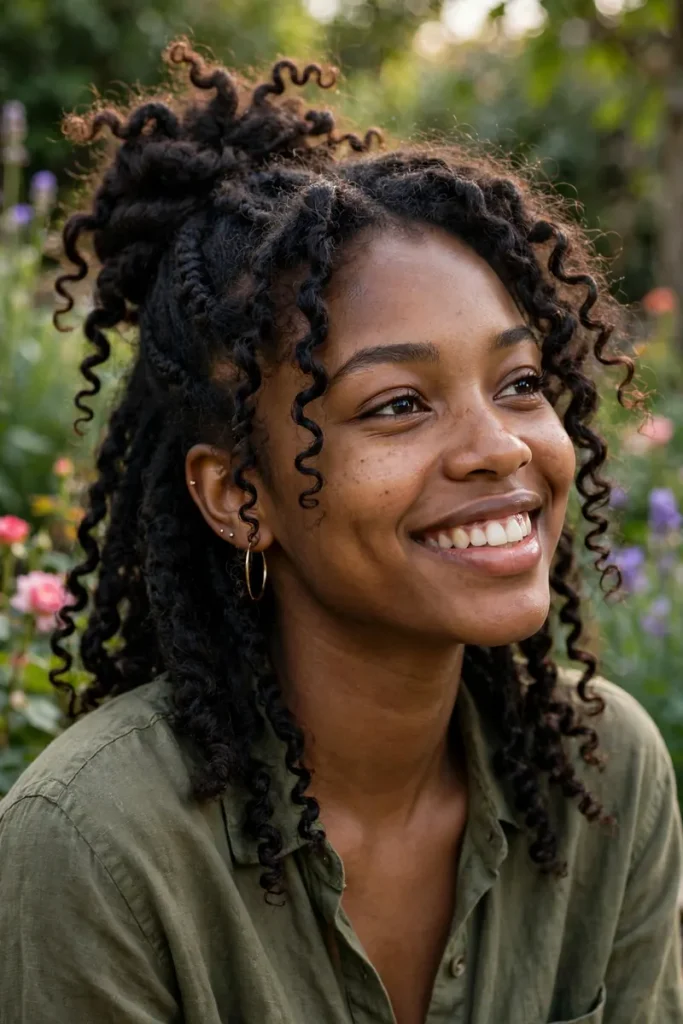
Small Bantu knots set overnight and unraveled for defined curls. The curls blend relaxed lengths with natural roots beautifully.
My best friend relies on Bantu knot-outs during the weeks before her touch-up. She says it’s the only time her new growth feels like a feature instead of a problem.
Why it works now: curls disguise the change in texture.
Heat level: none
10. The Braid-Out
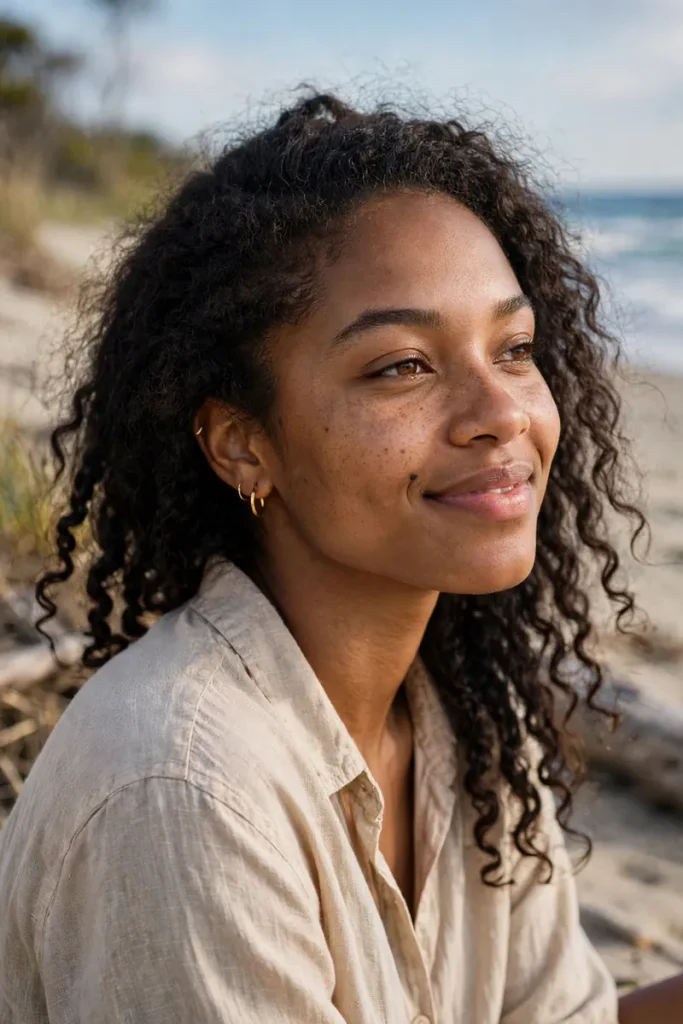
Braids set on damp hair and unraveled once dry for soft, wavy texture.
Why it works now: waves blend new growth with relaxed hair.
Heat level: none
11. The Two-Strand Twist Updo
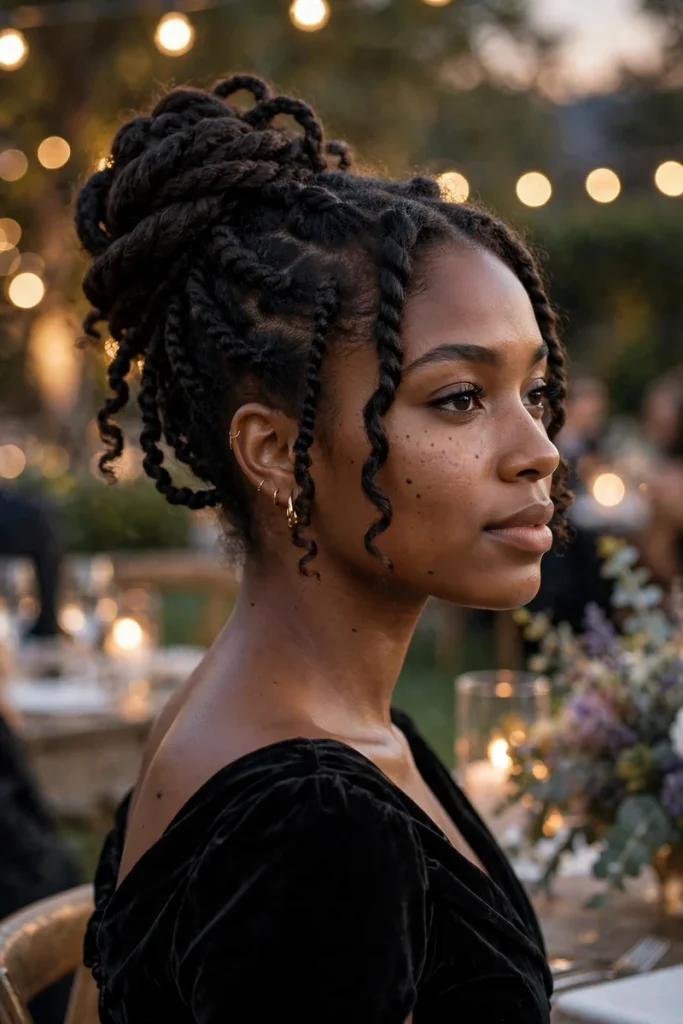
Two-strand twists gathered into an elegant updo. It protects your ends and your line of demarcation.
Why it works now: low manipulation reduces breakage.
Heat level: none
12. The Low Bun With Smoothed Edges
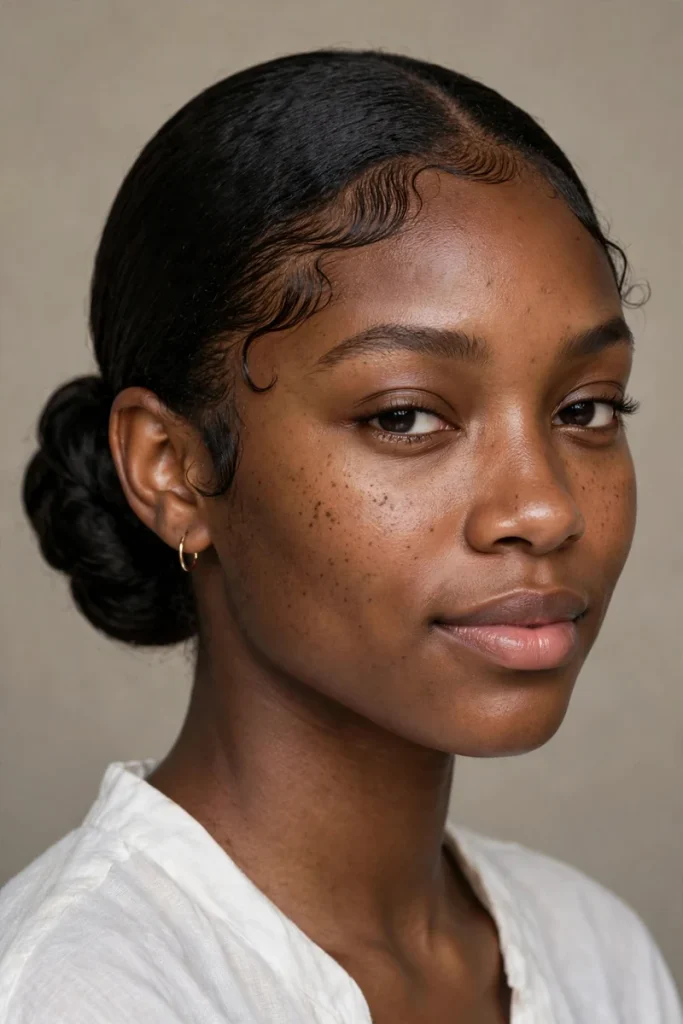
A low bun with your edges gently smoothed with a little edge control. It’s polished and keeps new growth neat.
Why it works now: smooth edges look polished while the bun hides texture differences.
Heat level: none
Stretching Your Relaxer
“Stretching” means waiting longer between relaxer touch-ups. Many people stretch to give their hair and scalp a break.
13. The Protective Low-Manipulation Bun
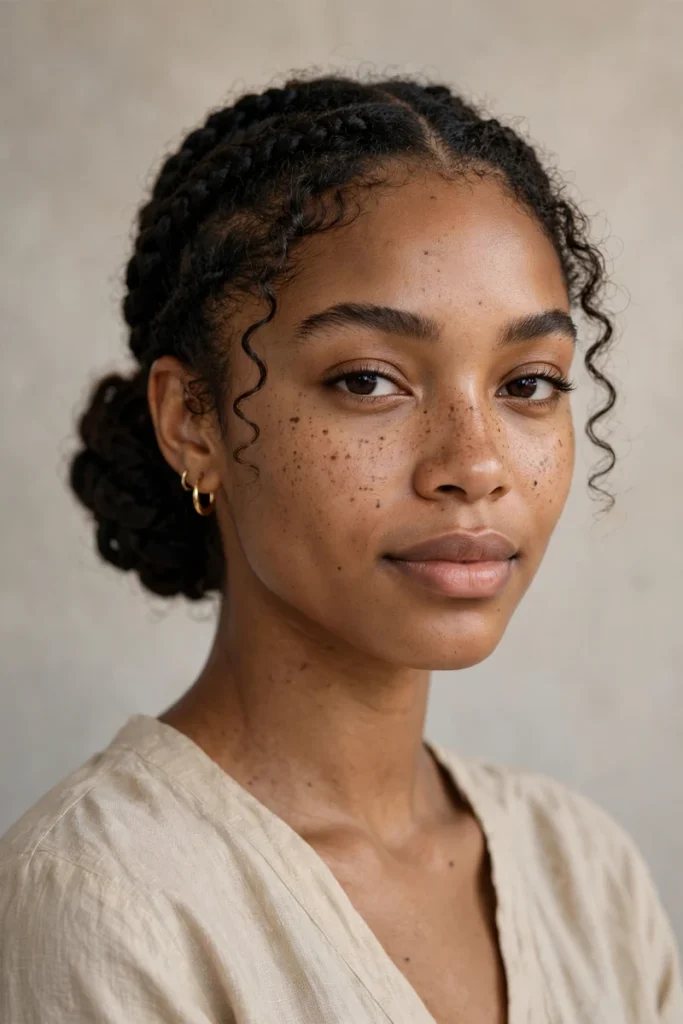
A soft bun that protects your ends and requires little daily styling.
Why it works now: reduces breakage at the line of demarcation.
Heat level: none
14. Braids During a Stretch
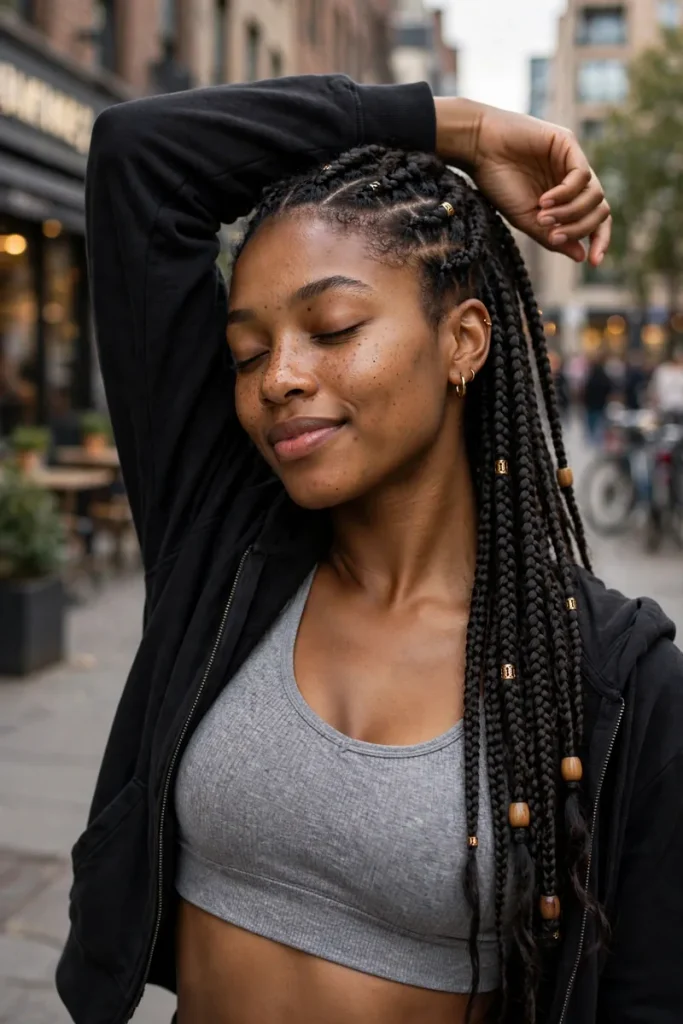
Braided protective styles, like box braids or cornrows, can help you stretch your relaxer while protecting your hair.
My cousin wore box braids during a long stretch before a big trip. She said it was the easiest stretch she’d ever done.
Why it works now: braids protect both textures.
Heat level: none
Transitioning to Natural
Some people decide to stop relaxing and grow out their natural hair.
15. The Flat Twist-Out
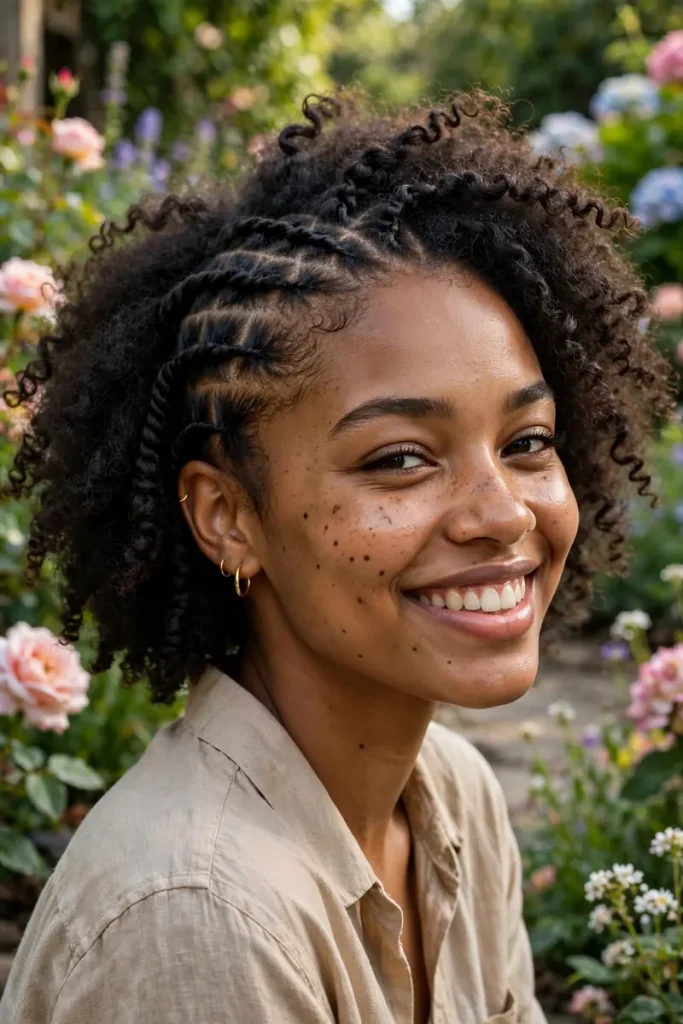
Flat twists along the scalp set overnight and unraveled for textured waves that blend natural roots and relaxed ends.
Why it works now: blends two very different textures.
Heat level: none
16. The Short Tapered Cut
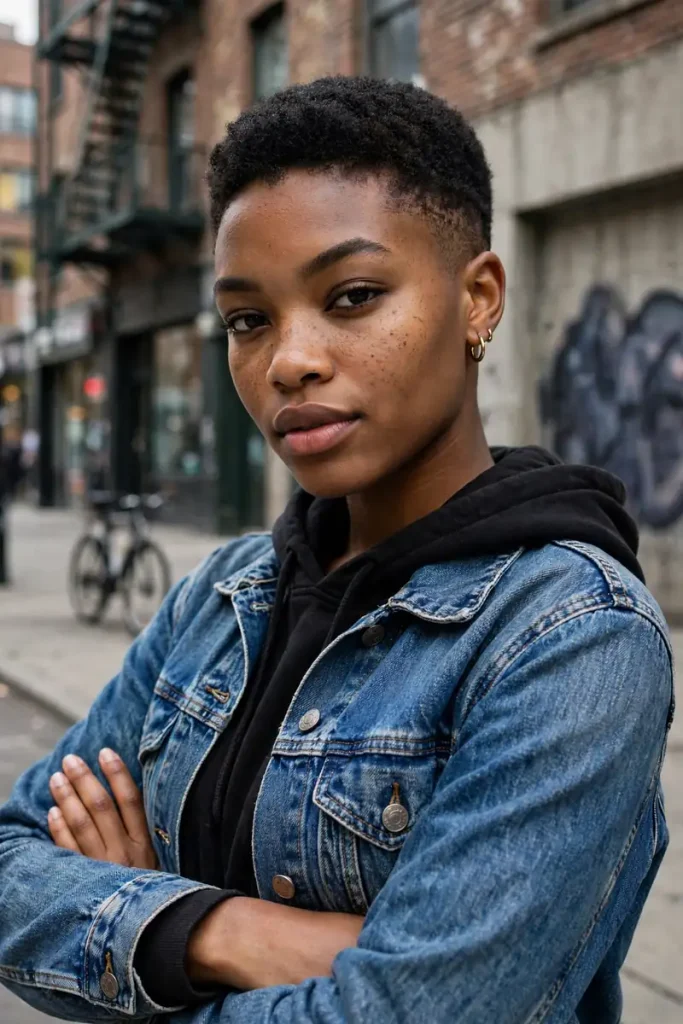
Some people choose a “big chop,” cutting off most or all of their relaxed hair at once. A short tapered cut is a stylish way to embrace natural texture right away.
Why it works now: removes relaxed ends and starts fresh.
Heat level: none
Relaxer Touch-Up Timing
Many stylists recommend touch-ups every 8 to 12 weeks, though this varies from person to person. A few important points:
- Apply relaxer only to new growth, never to previously relaxed hair. Overlapping can overprocess and weaken your hair.
- Don’t relax too often. Frequent touch-ups can damage hair and irritate your scalp.
- Consider a professional. A skilled stylist knows how to protect your scalp and avoid overlap.
The Protein–Moisture Balance
Relaxed hair often needs both protein and moisture to stay healthy:
- Protein helps strengthen hair that’s been chemically treated.
- Moisture keeps hair soft, flexible and less likely to break.
If your hair feels mushy or overly stretchy, it may need protein. If it feels stiff, dry and brittle, it may need moisture. Many people alternate protein treatments with moisturizing deep conditioners.
Protecting Your Scalp During Relaxers
- Don’t scratch or brush your scalp right before a relaxer.
- Ask your stylist to “base” your scalp with a protective cream.
- Tell your stylist immediately if you feel burning or tingling.
- Do a patch or strand test if you’re trying a new product.
A Note on Health
Some research has suggested a link between frequent use of chemical hair straightening products and certain health risks. If you have concerns, it’s a good idea to talk with your doctor and make the choice that feels right for you.
Wrapping Your Hair at Night
To keep relaxed hair smooth overnight:
- Comb your hair smoothly around your head in a circular wrap.
- Secure with a silk or satin scarf.
- Sleep on a satin pillowcase for extra protection.
- Unwrap and comb through in the morning.
Final Thoughts
Relaxed hair can be beautiful at every stage of your relaxer cycle. Sleek, swingy styles shine right after a touch-up, roller sets and curls work mid-cycle, and textured styles like Bantu knot-outs and braid-outs protect your hair as new growth comes in. Whether you’re stretching your relaxer or transitioning to natural, there’s a style that fits where you are.
Pay attention to your line of demarcation, balance protein and moisture, and choose styles that keep your hair healthy and strong.
Where are you in your relaxer cycle right now? Let me know in the comments below.