15 Black Hairstyle Ideas Matched to Your Hair’s Porosity
Most hairstyle lists sort by length or occasion, but one detail almost nobody mentions is how your hair’s porosity, meaning how easily it absorbs and holds moisture, actually determines which styles will genuinely hold their shape and which ones will fight you from the first hour. Low porosity hair resists product and takes longer to style but holds a set beautifully once it finally takes. High porosity hair absorbs product fast but loses style and moisture just as quickly. Knowing which category you fall into before choosing a style saves a lot of frustration.
This list is organized around that idea, fifteen styles grouped by which porosity type they suit best, with a quick porosity check included so you know exactly where you stand before reading further.
A Quick Way to Check Your Porosity
Drop a clean strand of your own hair into a glass of water and watch what happens over a few minutes. If it floats near the top the whole time, you likely have low porosity hair. If it sinks slowly and settles somewhere in the middle, you likely have medium porosity. If it sinks quickly to the bottom, you likely have high porosity. This isn’t a lab-grade test, but it gives a genuinely useful starting point for the styles below.
Styles for Low Porosity Hair
Low porosity hair has tightly bound cuticles that resist moisture and product absorption, which means styles depending on deep penetration of curl creams or heavy gels often sit on top of the hair rather than sinking in, leading to buildup and a style that never quite sets.
Braid-Outs on Damp, Not Soaked Hair

Because low porosity hair takes a long time to actually absorb water, starting a braid-out on fully soaked hair means it may still be damp the next morning when you unravel it. Instead, apply product to hair that’s been blotted to merely damp, then braid and let it air dry fully before bed, giving the cuticle enough time to actually accept the moisture rather than just carrying it on the surface.
Bantu Knot-Outs With a Lightweight Cream
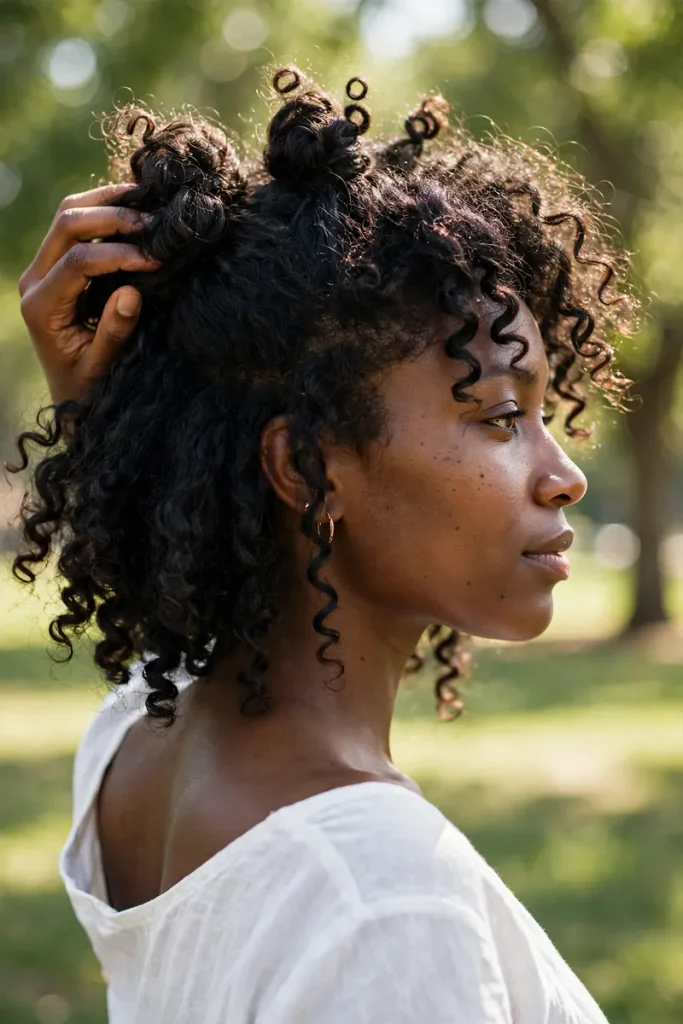
Heavy butters and thick creams tend to sit on low porosity strands rather than absorbing, so a lightweight, water-based cream works better here than a dense product. Set small Bantu knots on damp hair, allow full drying time, usually overnight, and unravel for defined, bouncy curls that actually took the style rather than reverting within an hour.
Twist-Outs Using Gentle Heat to Open the Cuticle

A genuinely useful trick for low porosity hair specifically: sit under a soft hooded dryer or use a warm towel over freshly twisted hair for ten to fifteen minutes before letting it air dry the rest of the way. The gentle heat helps the stubborn cuticle open slightly so product can actually penetrate, resulting in a more defined, longer-lasting twist-out than air drying alone would produce.
Simple Wash and Go With a Light Gel

Low porosity hair often does well with a wash and go style specifically because there’s less risk of the hair becoming overloaded with product the way high porosity hair might. A light, water-based gel applied to soaking wet hair, then allowed to air dry or diffuse, produces clean definition without the heaviness that can weigh down this hair type.
Styles for Medium Porosity Hair
Medium porosity hair tends to be the most cooperative of the three categories, absorbing and retaining moisture at a reasonably balanced rate, which means it generally has the widest range of styles that will work well without much special adjustment.
Classic Two-Strand Twists

A straightforward two-strand twist, using a regular curl cream or twisting butter, typically holds well on medium porosity hair without needing special timing or technique adjustments. They suit most lengths and can be worn as the finished style or unraveled into a twist-out.
Flat Twist Updo

Flat twists worked close to the scalp and gathered into a bun or puff hold their shape reliably on medium porosity hair, since the hair accepts product evenly without the resistance low porosity hair shows or the rapid drying out that high porosity hair experiences.
Finger Coils

Small, defined coils created by twirling small sections of hair around a finger with a styling cream or gel, finger coils tend to hold their shape well on medium porosity hair through several days of wear, making them a good low-maintenance option for an entire week.
Styles for High Porosity Hair
High porosity hair has gaps and raised cuticles that let moisture in quickly but let it escape just as fast, meaning styles that rely on all-day moisture retention need extra sealing to actually last, and heavier, richer products tend to perform better here than light, water-based ones.
Protective Twists or Braids With Heavier Butter

Because high porosity hair loses moisture quickly, sealing twists or braids with a heavier butter rather than a light cream helps lock moisture in for longer, extending how many days the style looks genuinely fresh rather than dry and frizzy by day two.
Silk Press With a Strong Heat Protectant

High porosity hair is more vulnerable to heat damage since the open cuticle structure lets heat penetrate faster and deeper than it would on low porosity hair. A genuinely thorough heat protectant application before any flat ironing is non-negotiable here, more so than for the other two porosity types, to prevent the style from also becoming a source of long-term damage.
Bantu Knots Sealed With Oil

Setting Bantu knots and sealing each one with a small amount of oil after applying a cream helps high porosity hair hold onto the moisture needed for defined curls, since oil creates a barrier that slows the rapid moisture loss this hair type is prone to.
Braided Updo With a Leave-In Base

Starting any braided updo with a genuinely saturating leave-in conditioner, rather than skipping straight to a styling cream, gives high porosity hair the moisture foundation it needs before the style is set, since this hair type can otherwise end up looking dry and dull by the time the braiding is finished.
Styles That Work Regardless of Porosity
A few styles are forgiving enough across all three porosity types that they’re worth knowing regardless of which category you fall into.
Box Braids or Knotless Braids With Extensions

Because the bulk of the style’s length comes from added braiding hair rather than your natural strands, porosity matters far less here than with styles relying entirely on your own hair’s behavior. These remain one of the most universally reliable protective style choices across every porosity type.
Cornrows
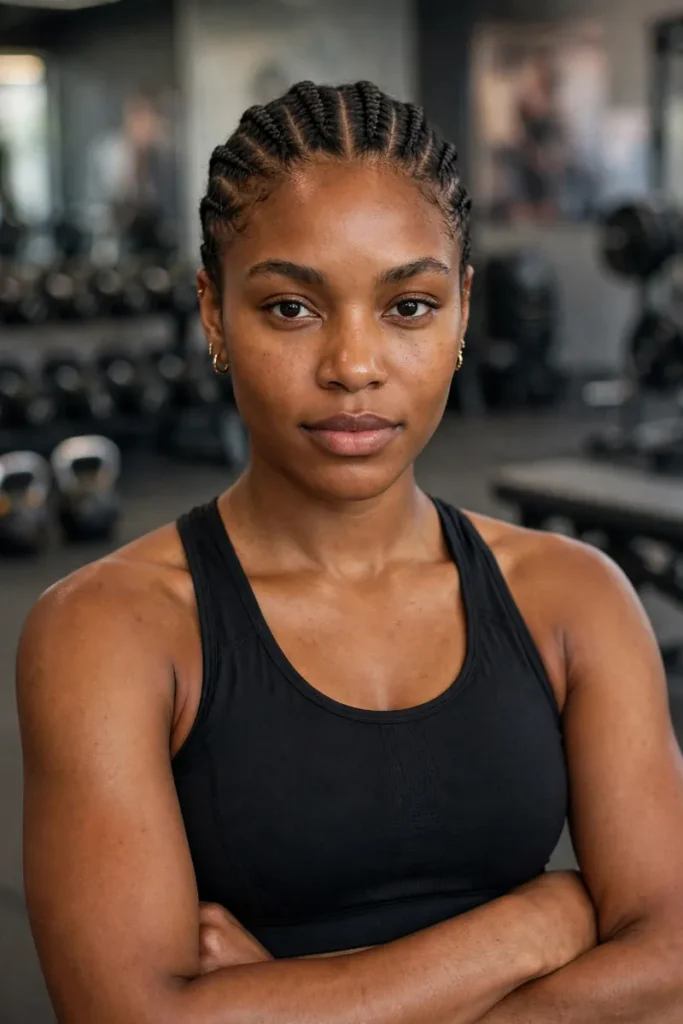
Braided flat against the scalp, cornrows hold their shape through sheer structural tension rather than depending heavily on product absorption, making them a reliable choice regardless of how your hair behaves with moisture.
A Simple Puff

Gathering hair into a single puff at the crown works across porosity types since it’s more about gathering technique than about how well product has absorbed into the strand, though low porosity hair may need a touch more gel at the edges to smooth any resistant baby hairs.
Adjusting Product Routine by Porosity, Not Just the Style
Even when choosing the same style, the actual product routine should shift based on porosity. Low porosity hair benefits from lighter products applied to damp rather than soaking hair, sometimes with gentle heat to help absorption. Medium porosity hair has the most flexibility and can generally use whatever a styling tutorial recommends without much adjustment. High porosity hair benefits from richer products and an extra sealing step, whether that’s oil, butter, or a leave-in conditioner applied before the main styling product, to counteract how quickly moisture otherwise escapes.
A Few Signs Your Porosity Guess Might Be Off
If a style consistently reverts or loses its shape within hours despite following every instruction correctly, and you assumed low porosity, you may actually be higher porosity than the water test suggested, since some strands behave differently than others on the same head. If product seems to sit on top of your hair without ever fully absorbing no matter how long you wait, and you assumed medium or high porosity, you may be dealing with product buildup rather than a porosity mismatch, worth addressing with a clarifying wash before reassessing.
Porosity Can Change Over Time
It’s worth knowing that porosity isn’t always a fixed, permanent trait. Heat damage, chemical processing, and even sun exposure can raise the porosity of hair that was naturally lower, meaning a routine that worked perfectly two years ago might need adjusting if your hair’s history has changed since then. Re-running the simple water test every so often, especially after a major change like a color treatment or a long stretch without a trim, helps keep your styling choices matched to how your hair is actually behaving now rather than how it used to behave.
Choosing a hairstyle based on length or occasion alone only tells half the story. Knowing whether your hair resists or welcomes moisture, and adjusting both the style and the product routine around that, is what actually determines whether a style holds beautifully for days or falls apart by lunchtime.