17 African Hairstyles, Organized by What They’re Built From
The first time I saw a gele tied in person was at my friend Funmi’s wedding in Lagos. Her aunt sat in front of a mirror while a stylist pleated, folded and sculpted a stiff piece of shimmering fabric into a towering headpiece in under ten minutes. I watched, completely mesmerized. When I told Funmi’s aunt it looked like a work of art, she laughed and said, “It is. Hair and headwraps have always been our art.”
That idea has stayed with me. African hairstyles carry centuries of creativity, skill and meaning. Some are built from hair alone, using only hands, combs or thread. Others use extensions, beautiful fabrics or adornments like cowrie shells and gold cuffs.
So I’ve organized these 17 African hairstyles by what they’re built from: your own hair, extensions, fabric and adornments. For each one, you’ll find where it comes from, what to wear it for, and stories from friends, family and events I’ve been lucky enough to attend.
Wearing African Styles With Respect
African hairstyles are a celebration of culture, history and artistry. If these styles are part of your heritage, they’re a beautiful way to honor it. If they’re not, appreciation starts with respect:
- Learn about a style’s origins and share them when people ask.
- Book skilled African and Black braiders and stylists, supporting the people who carry these traditions.
- Avoid styles with sacred or ceremonial meaning unless you’ve been invited to wear them.
- Never rename a style or present it as a new trend.
Built From Your Hair Alone
These styles use only natural hair, shaped by hands, combs or thread.
1. African Threading
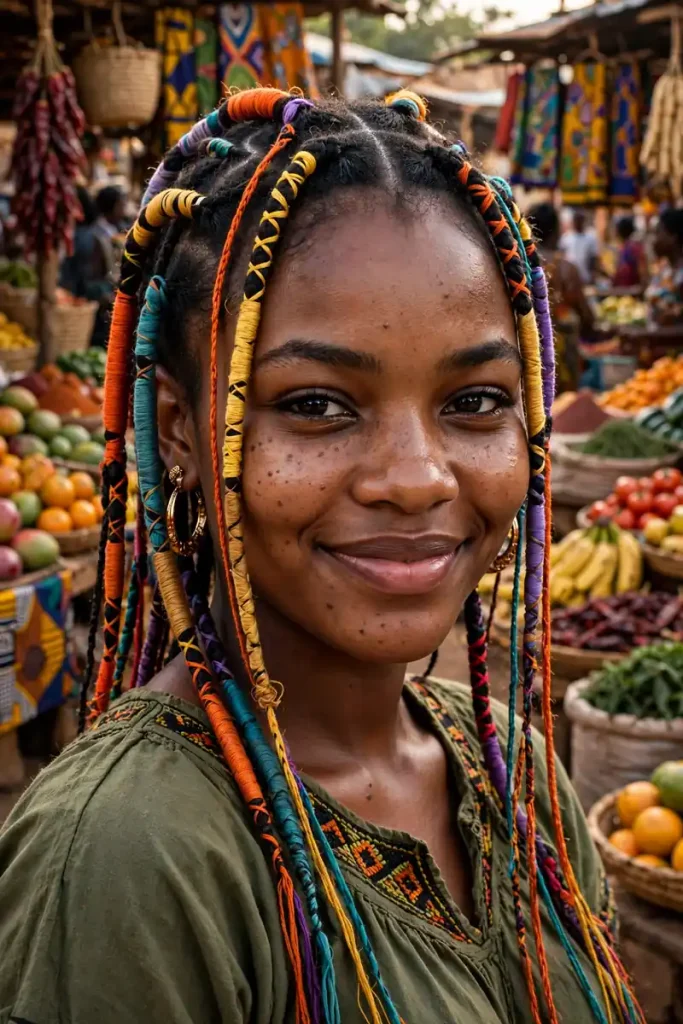
African threading wraps sections of hair tightly with thread from root to tip, creating stretched, sculptural shapes. Among the Yoruba people of Nigeria, threaded styles are known as irun kiko. When the thread is removed, the hair is stretched without heat.
My friend’s grandmother still threads her own hair every week. She told me she learned the technique from her mother, sitting on the floor of their family home as a child.
Where it comes from: traditional styling in West Africa, especially among the Yoruba
Wear it for: everyday wear, or as a heat-free way to stretch natural hair
2. Bantu Knots
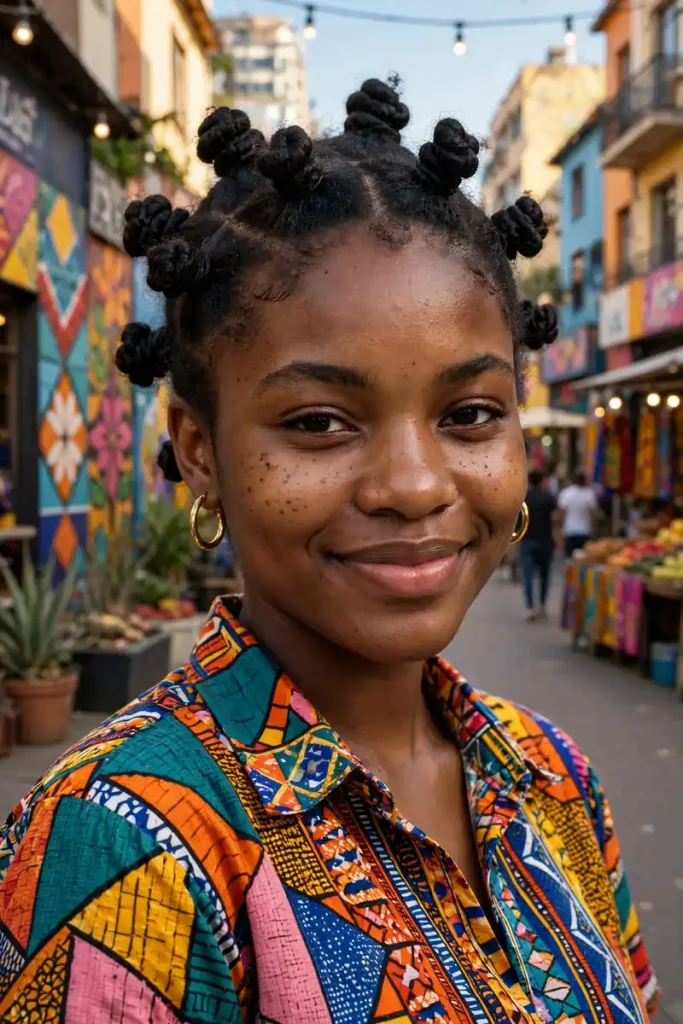
Small sections of hair twisted and coiled into neat knots across the head. The name refers to the Bantu-speaking peoples of Central, Eastern and Southern Africa, and the style has a long history across these regions.
Where it comes from: Bantu-speaking communities across much of Africa
Wear it for: everyday wear, or as a set for a curly knot-out
3. The Shaped Afro
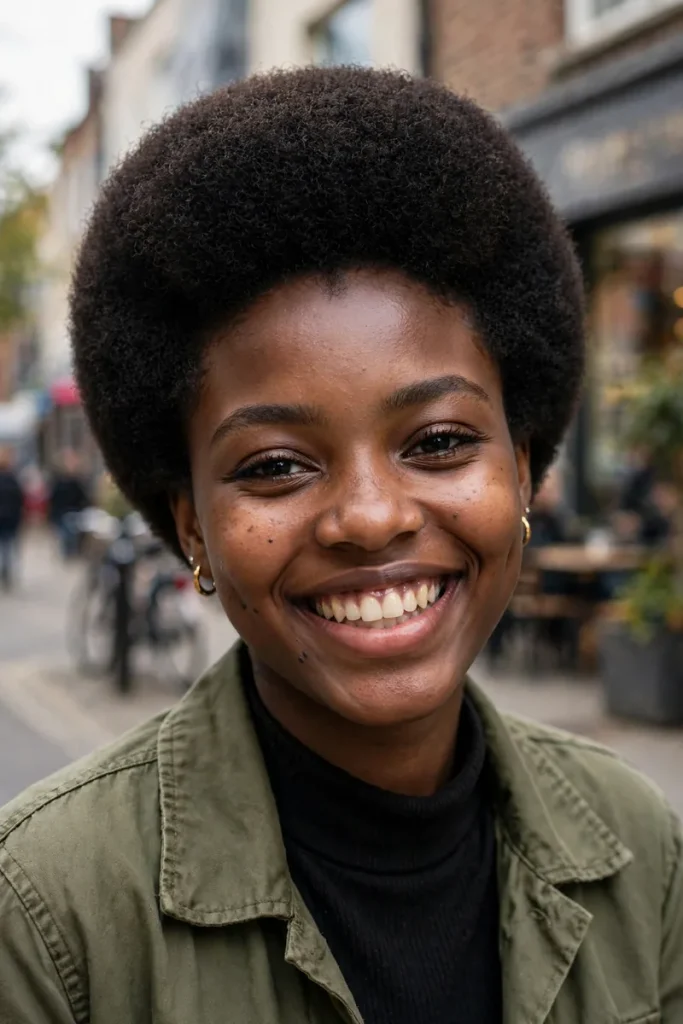
A full, rounded afro shaped with a pick or by a skilled barber. It celebrates the natural volume and texture of hair.
Where it comes from: natural hair traditions across Africa and the diaspora
Wear it for: any occasion
4. The Cornrow Crown
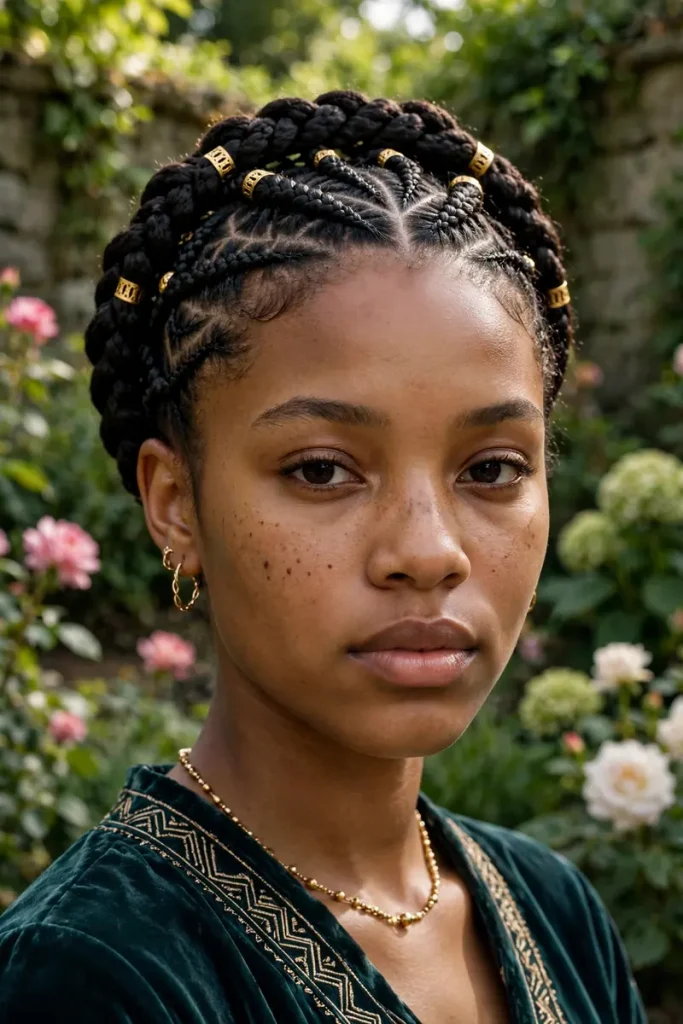
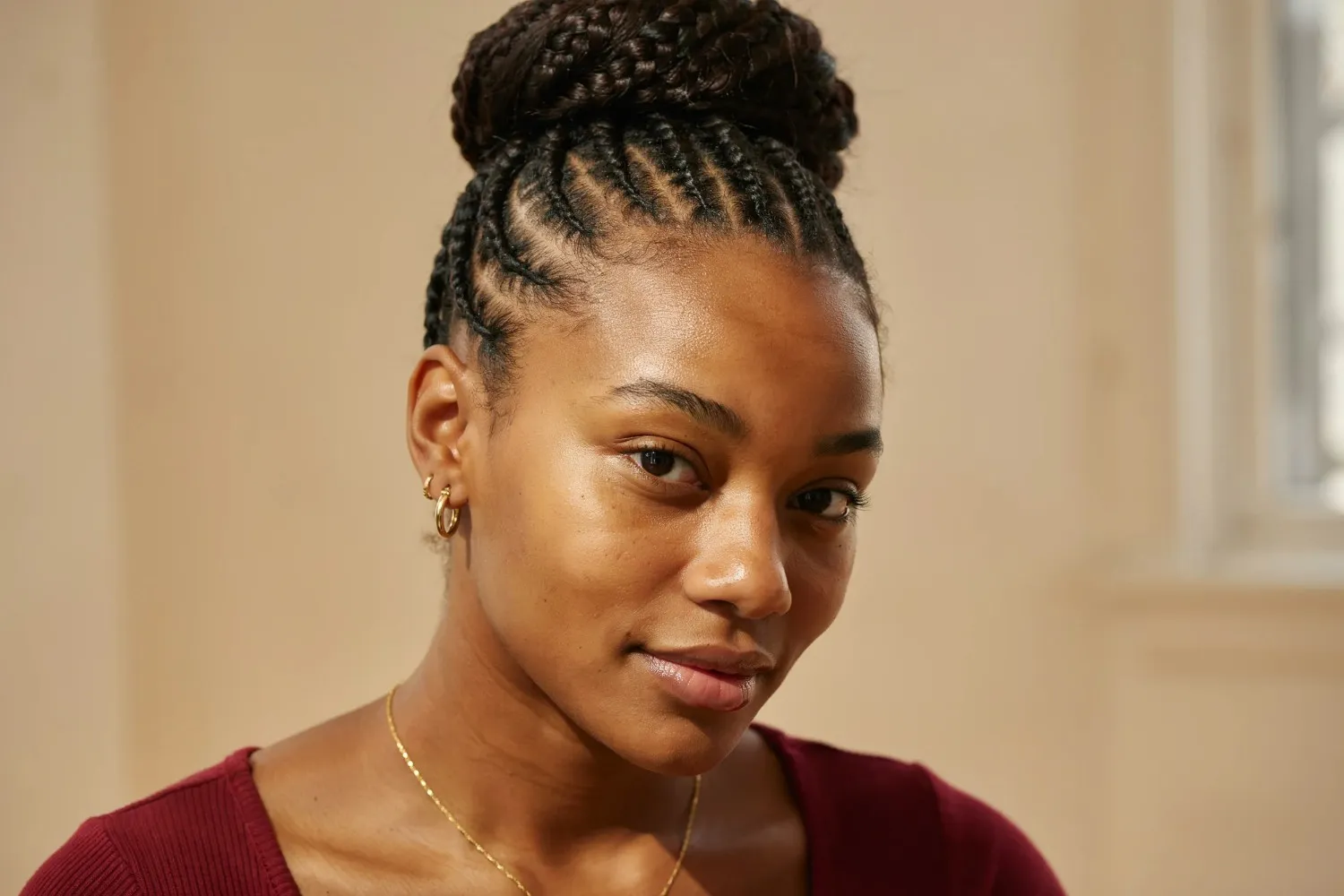
Cornrows braided upward from the hairline and gathered into a raised crown at the top of the head.
Where it comes from: braided styles with roots in many African cultures
Wear it for: weddings, celebrations and special occasions
5. Natural Two-Strand Twists
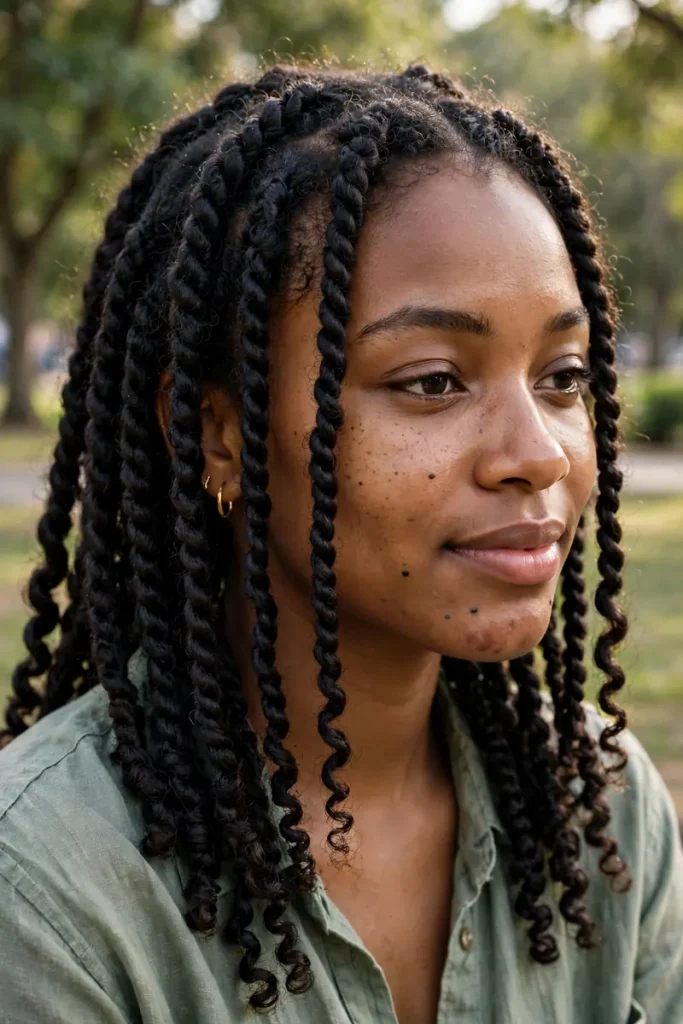
Hair twisted into small two-strand twists all over the head. They’re protective, versatile and easy to maintain.
Where it comes from: twisting techniques used across Africa and the diaspora
Wear it for: everyday wear
6. The Low Cut With a Shaved Design
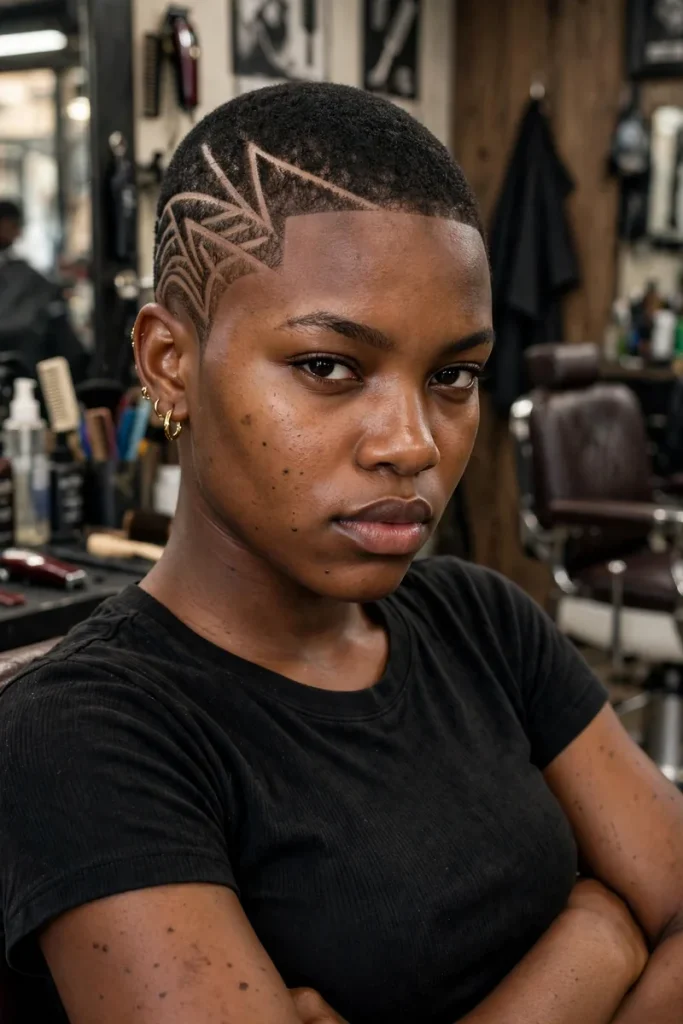
A close, low haircut with a design shaved into the side, like a line, curve or pattern. Barbers in many African cities are true artists, creating intricate designs by hand.
On a trip to Accra, I watched a barber create a beautiful geometric pattern in a young man’s hair in less than fifteen minutes, using only clippers and a razor.
Where it comes from: barbering traditions across Africa and the diaspora
Wear it for: everyday style with personality
Built With Extensions
These styles use added hair for length, volume and creativity.
7. Ghana Weaving
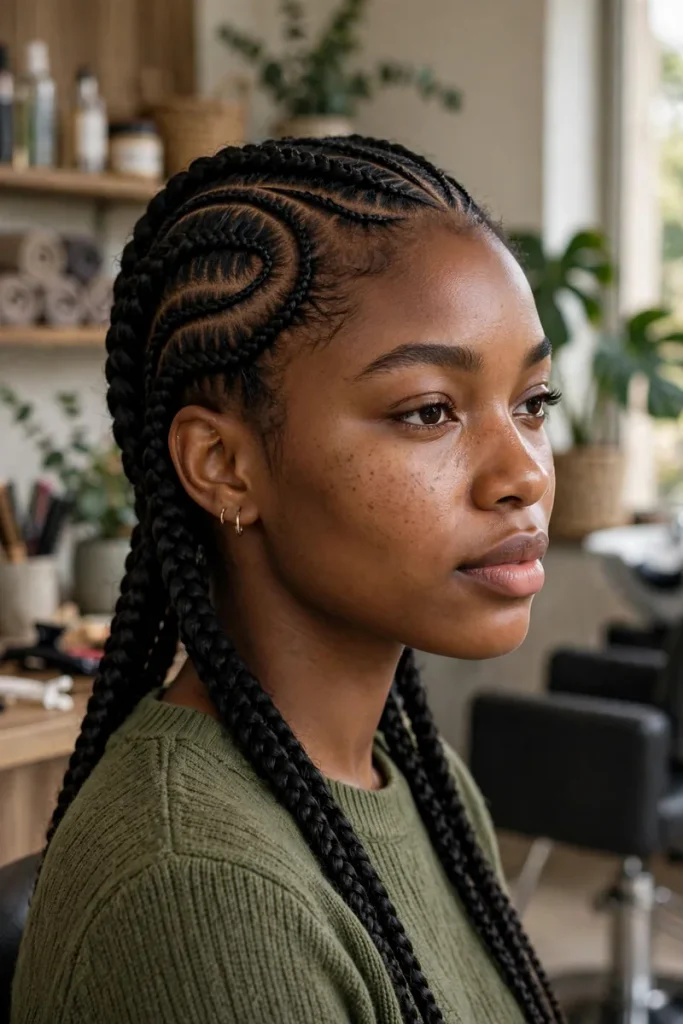
Feed-in cornrows that start thin at the hairline and grow thicker toward the back, often braided straight back or in curved patterns. The style is popular across Ghana, Nigeria and much of West Africa.
Where it comes from: West African braiding traditions
Wear it for: everyday wear and protective styling
8. Kinky Twists
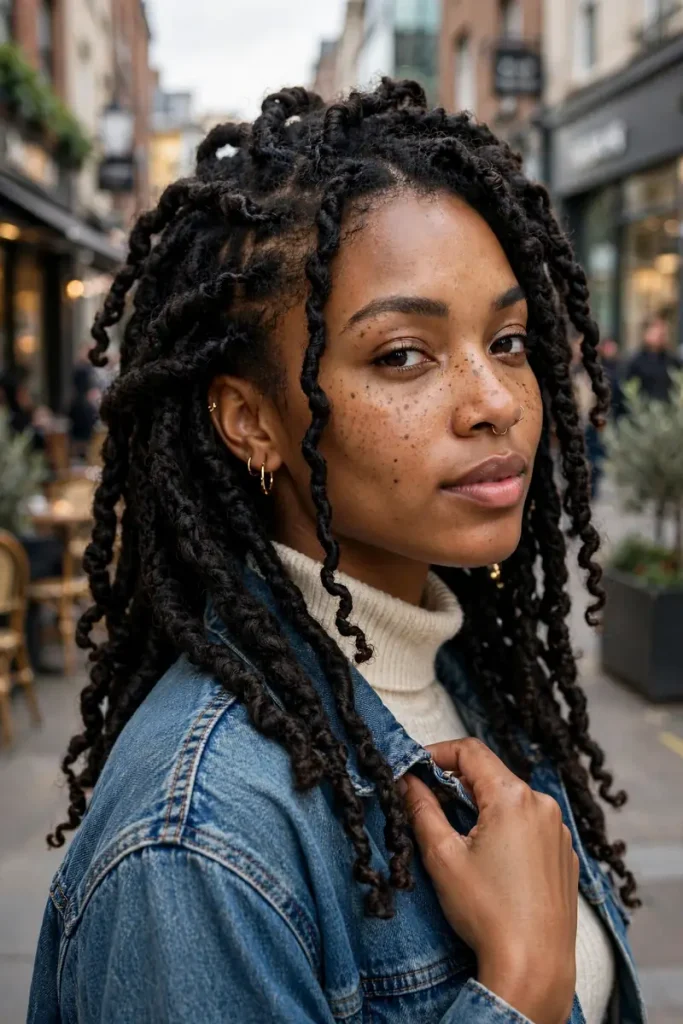
Twists created with kinky-textured extensions that resemble natural hair. They look full, soft and natural.
Where it comes from: modern African and diaspora protective styling
Wear it for: everyday wear and long-lasting protection
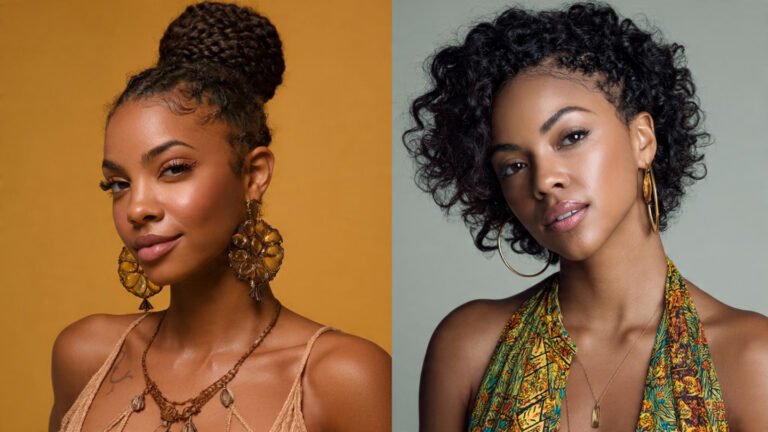
9. The Jumbo Braided Updo
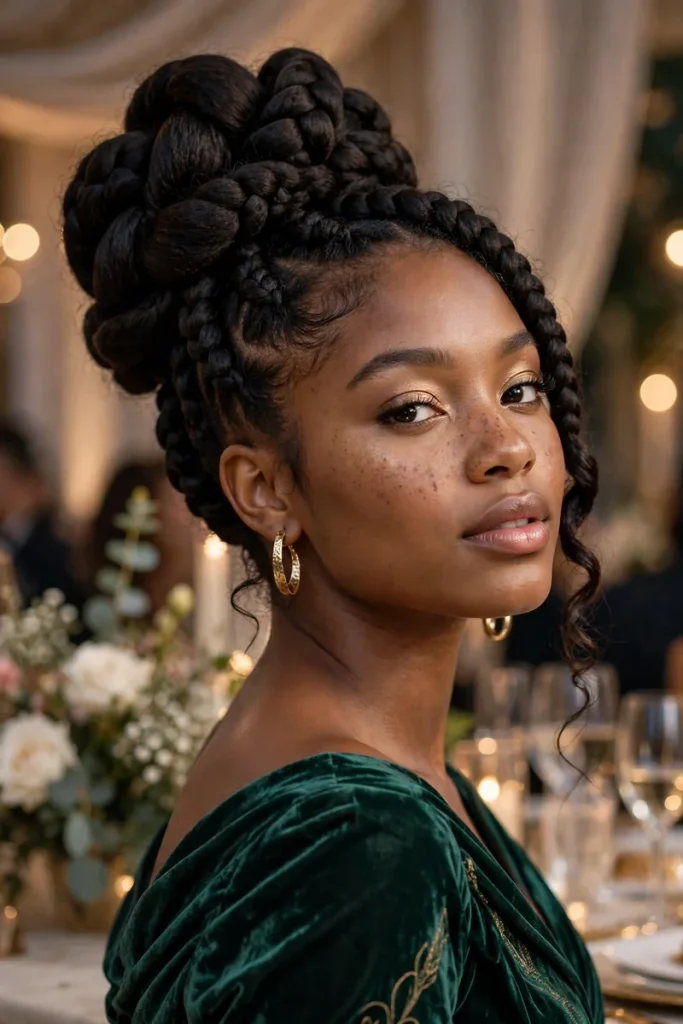
Large braids gathered into a sculpted updo at the crown. It’s bold, regal and perfect for celebrations.
Where it comes from: braided styles across Africa and the diaspora
Wear it for: weddings, graduations and parties
10. The Braided Bob With Beads
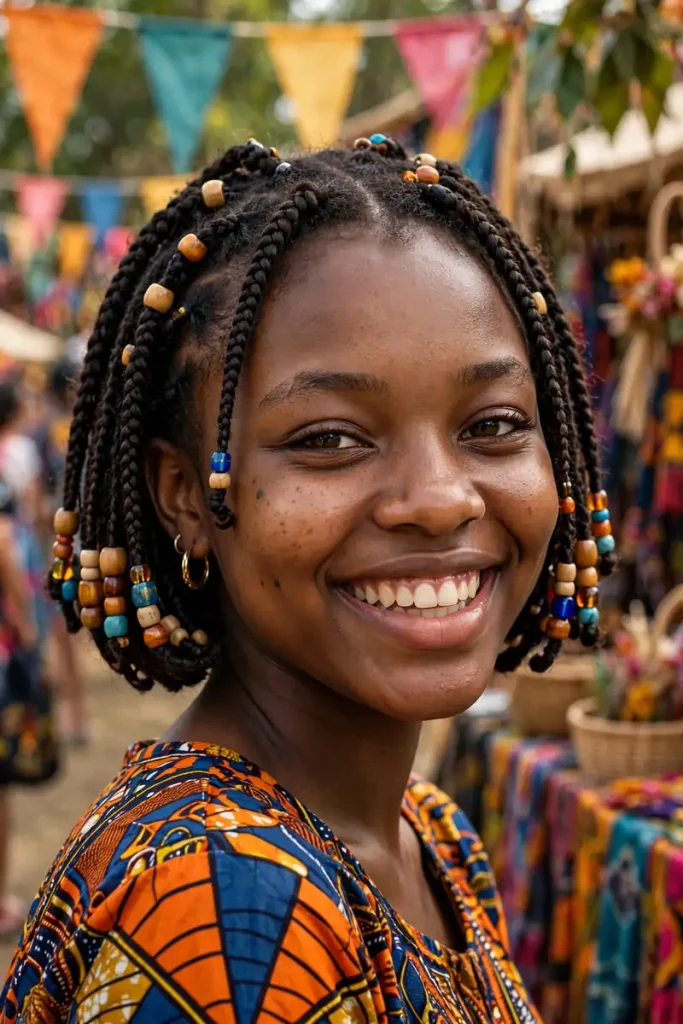
Braids cut to bob length and finished with colorful beads at the ends. It’s playful, practical and full of color.
Where it comes from: beaded braid traditions across many African cultures
Wear it for: everyday wear and holidays
Built With Fabric
Headwraps are an important part of African style and can be both everyday and ceremonial.
11. The Gele
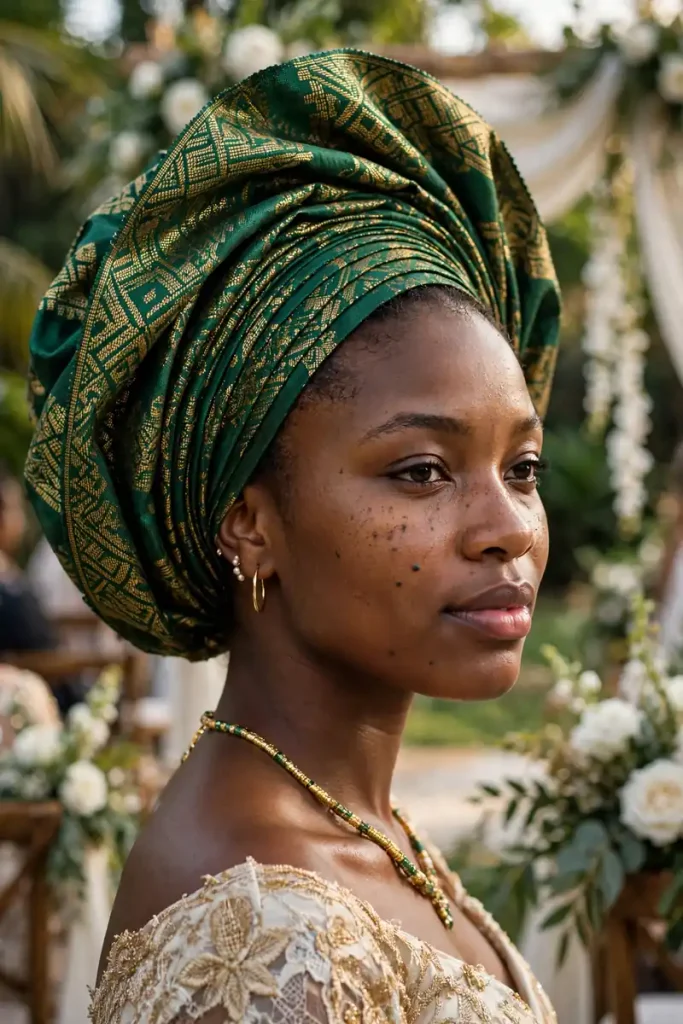
A gele is a dramatic, sculpted headtie, especially associated with Yoruba and wider Nigerian celebrations like weddings. It’s often made from stiff, decorative fabric that holds its shape.
At Funmi’s wedding, every woman’s gele was different: some tall and fan-shaped, others wide and pleated. The room looked like a garden of sculptures.
Where it comes from: Nigeria, especially Yoruba traditions
Wear it for: weddings and major celebrations
12. The Turban-Style Wrap
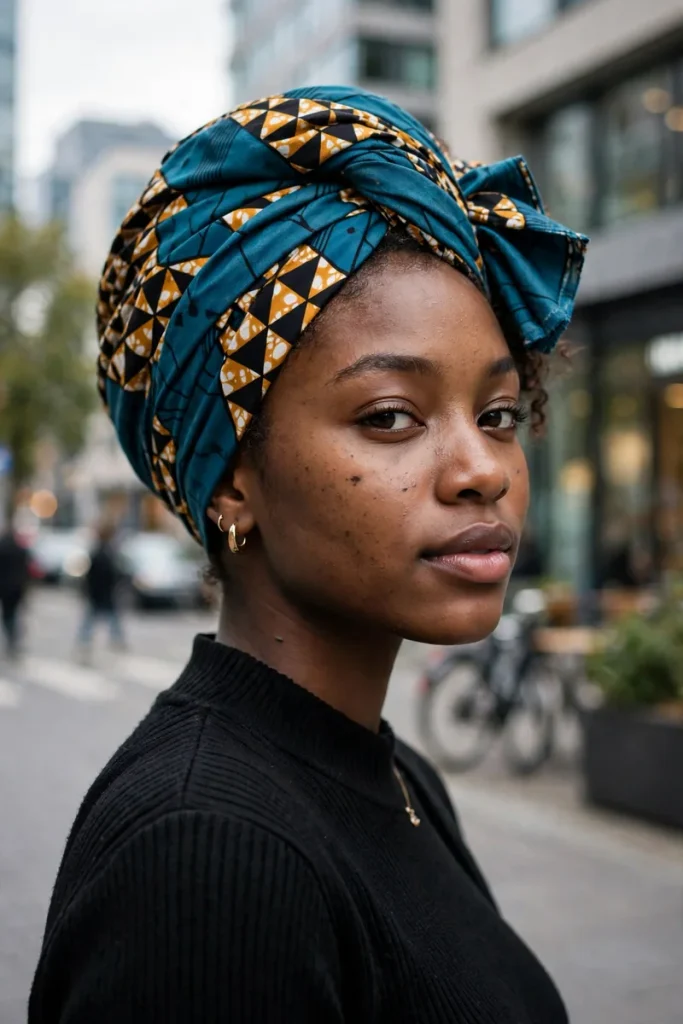
A long scarf wrapped around the head into a smooth, rounded turban shape, covering all of the hair.
Where it comes from: headwrapping traditions across Africa
Wear it for: everyday wear, work and special occasions
13. The Ankara Print Headband With an Afro Puff
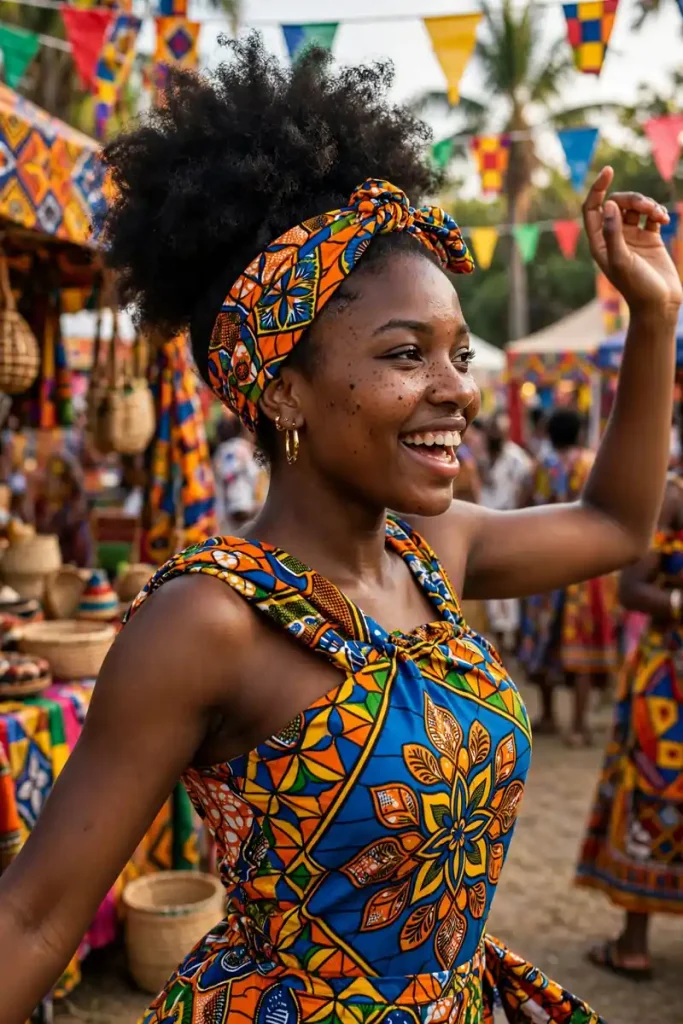
A headband made from Ankara fabric, the bold, colorful wax-print fabric widely worn across West Africa, paired with a natural afro puff.
Where it comes from: West African fashion
Wear it for: casual days and cultural events
14. The Doek
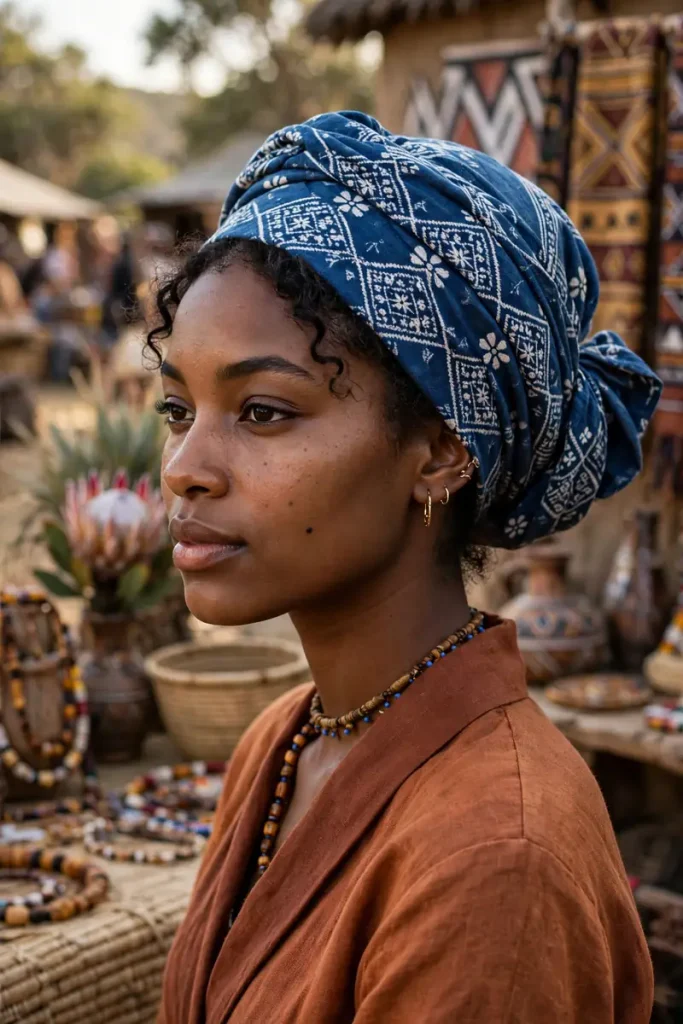
In South Africa, a headscarf is often called a doek. Doeks are worn in many styles, from simple knots to elaborate wraps, for both everyday wear and special occasions.
My South African friend Lerato wears a doek on Sundays and says it always makes her feel connected to her grandmother, who wore one every day.
Where it comes from: South Africa
Wear it for: everyday wear, church and celebrations
Built With Adornments
Adornments add beauty, meaning and personality.
15. Cowrie Shell Braids
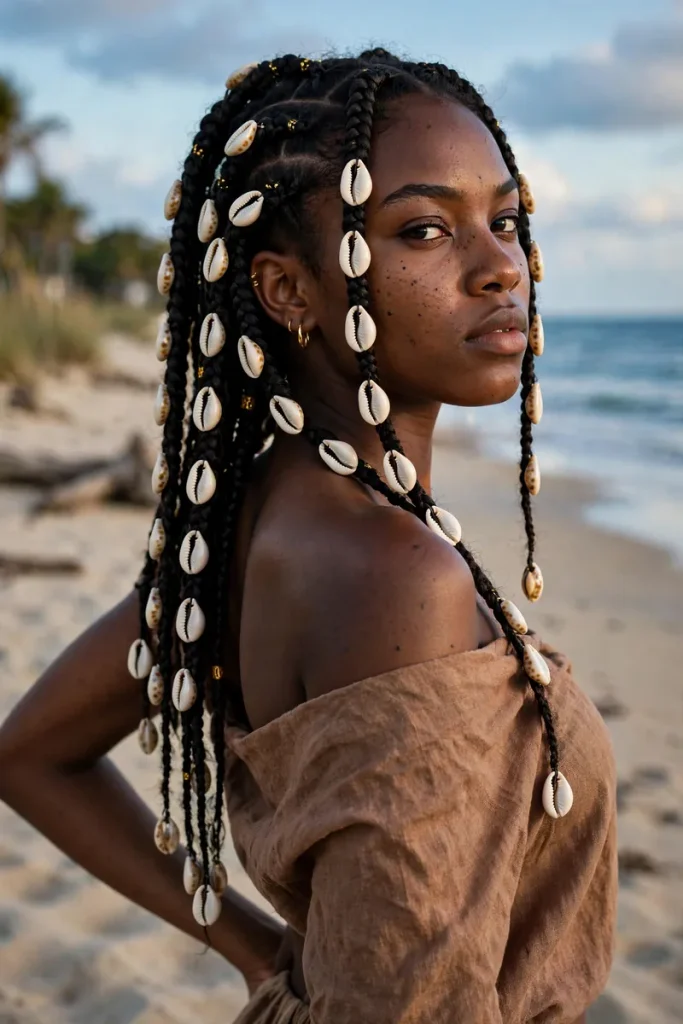
Braids decorated with cowrie shells, small white shells with a long history across many African cultures. They often symbolize prosperity and beauty.
Where it comes from: many West and Central African cultures
Wear it for: cultural celebrations and everyday style
16. Gold Cuffs and Rings on Braids or Locs
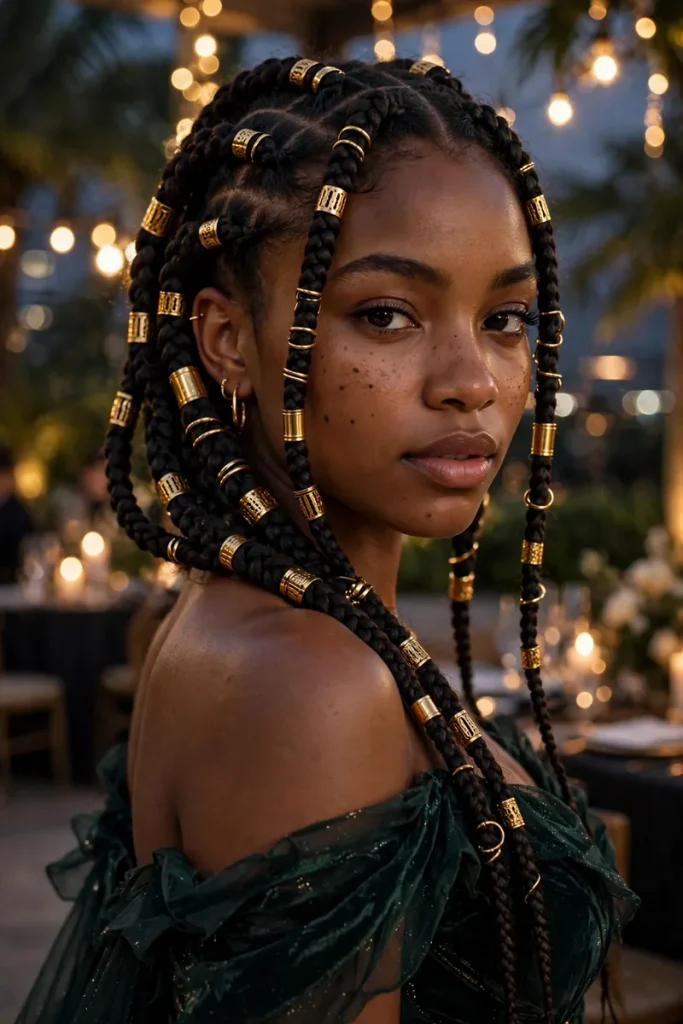
Gold cuffs and rings slipped onto braids or locs add shine and elegance.
Where it comes from: adornment traditions across Africa and the diaspora
Wear it for: everyday wear and special occasions
17. Colorful Beaded Braids
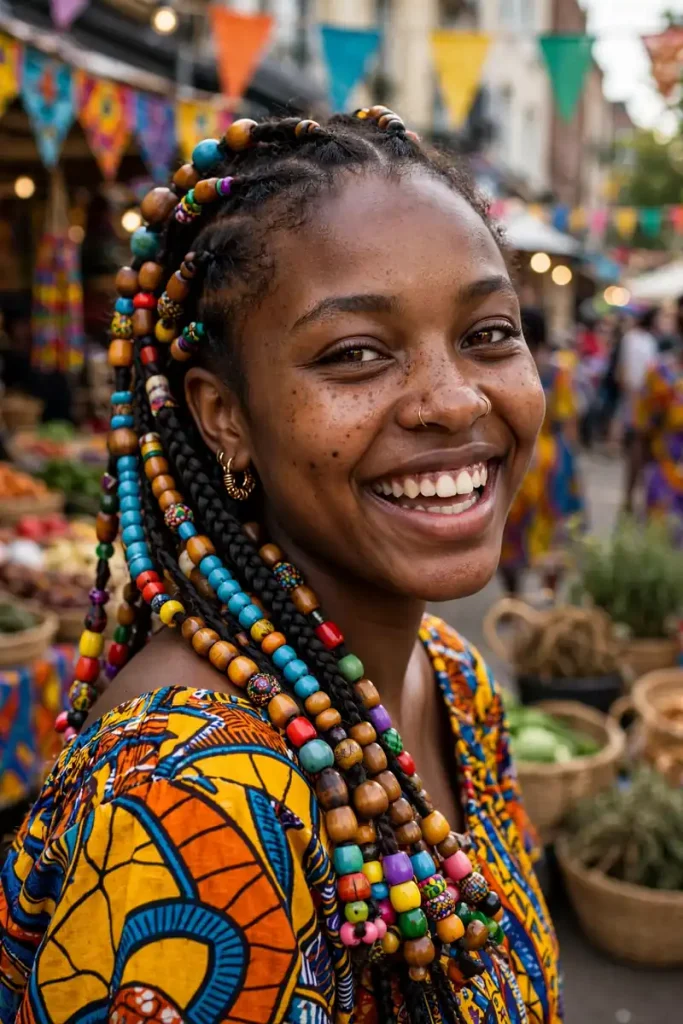
Braids decorated with colorful beads woven along their length or at the ends.
Where it comes from: beadwork traditions across many African cultures
Wear it for: everyday wear, celebrations and holidays
How African Threading Works
If you’d like to try threading:
- Choose a strong thread, such as wool or nylon.
- Section your hair into small, even parts.
- Start wrapping the thread tightly at the root.
- Continue wrapping down the length of the section.
- Secure the end and shape the threaded sections if desired.
When you remove the thread, your hair will be stretched and smooth without heat.
Tying a Gele: The Basics
Tying a gele takes practice, and many people book a professional “gele tier” for weddings. The basics include:
- Choosing a stiff fabric that holds pleats and shape.
- Wrapping the fabric around the head and pulling it tight at the back.
- Creating pleats and folds at the front for height and drama.
- Tucking and securing the ends neatly.
Watching a skilled gele tier at work is unforgettable.
Traditional Hair Care From Across Africa
Many traditional ingredients from Africa are now used in hair care worldwide:
- Shea butter, from the nuts of the shea tree in West Africa, is used to moisturize and seal in moisture.
- Chebe powder, a traditional mixture from Chad, has long been used by Basara women to help protect the length of their hair.
- Black soap, traditionally made in West Africa, is used as a gentle cleanser.
Supporting African Braiders and Salons
When you book an African hairstyle, choose skilled braiders and stylists from African and Black communities. Many are small business owners who carry generations of knowledge. Tip generously, recommend them to friends and leave reviews.
Final Thoughts
African hairstyles are living art, built from hair, thread, extensions, beautiful fabrics and meaningful adornments. Whether you wear threaded styles, Bantu knots, a sculpted gele or cowrie-shell braids, you’re carrying forward traditions that have been passed down for generations.
Learn the story behind your style, support the artists who create it, and wear it with pride.
Which African hairstyle speaks to you most? Let me know in the comments below.