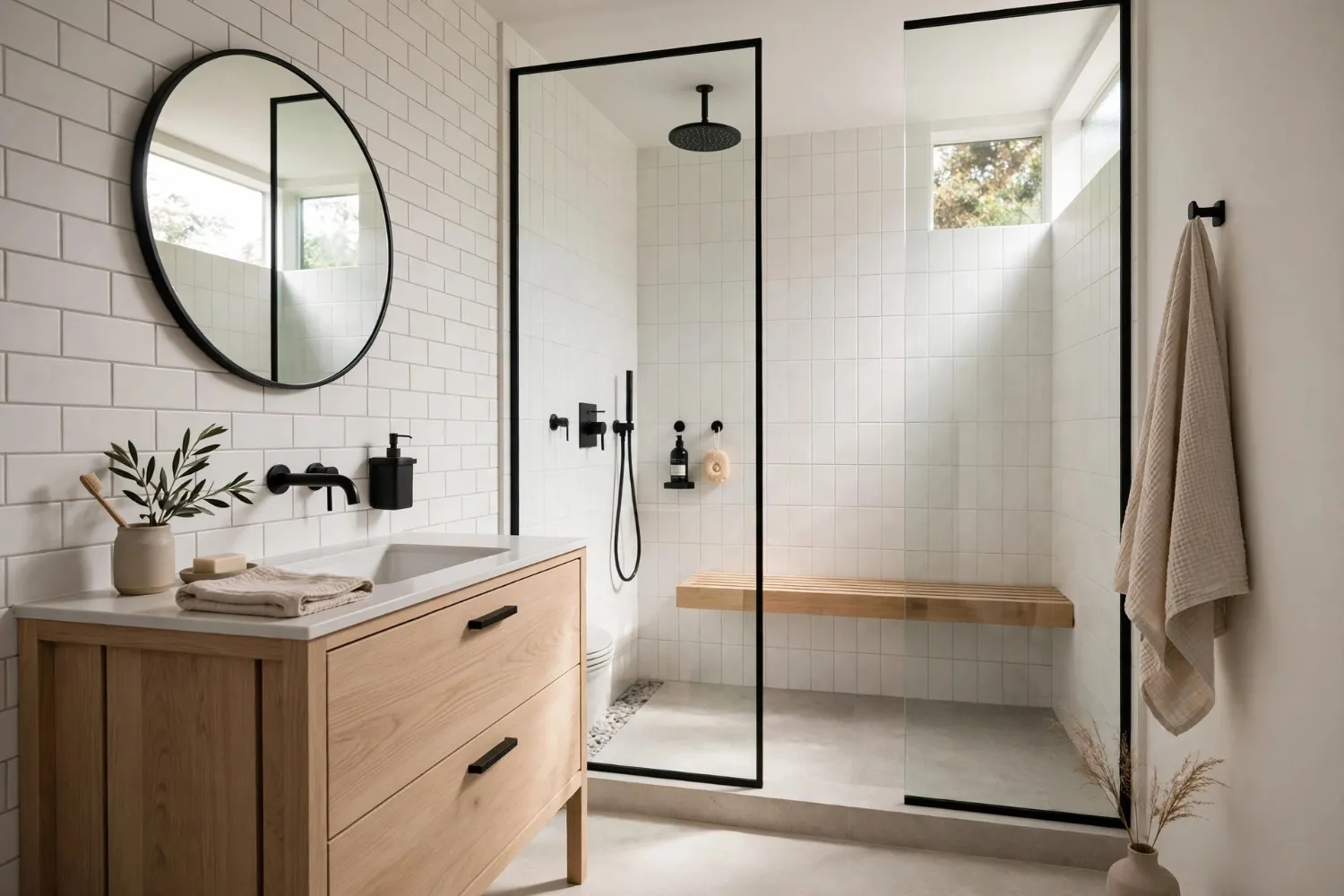
20 Trending Bathroom Ideas That Look Expensive (But Many Are Surprisingly Doable)
Bathrooms used to be the room we decorated last. We picked a shower curtain, found a matching bath mat, and called it a day. Not anymore. Today’s bathrooms feel warm, personal, and almost spa-like—even when they are small enough to touch both walls at once. The best trends are not only pretty for Pinterest. They also make mornings easier, hide everyday clutter, and help a home feel more finished.
I learned this after painting my first bathroom a chilly blue-gray. In the store, the paint chip looked calm. On my wall, it looked like a rainy parking lot. Two weekends and one very dramatic hardware-store trip later, I repainted it warm cream and added wood shelves. Suddenly the room felt welcoming. My lesson was simple: a trend should support the way you live, not boss you around.
Below are 20 bathroom ideas women across the USA can adapt to a large primary bath, a tiny powder room, or a rental. The cost ranges are rough DIY estimates because labor and materials vary by city. Start with one change, keep moisture in mind, and never let a cute basket block an air vent. Bathrooms have enough drama without mold joining the group chat.
The Warm-and-Natural Trend Report
1. Wrap the Room in Warm Neutrals
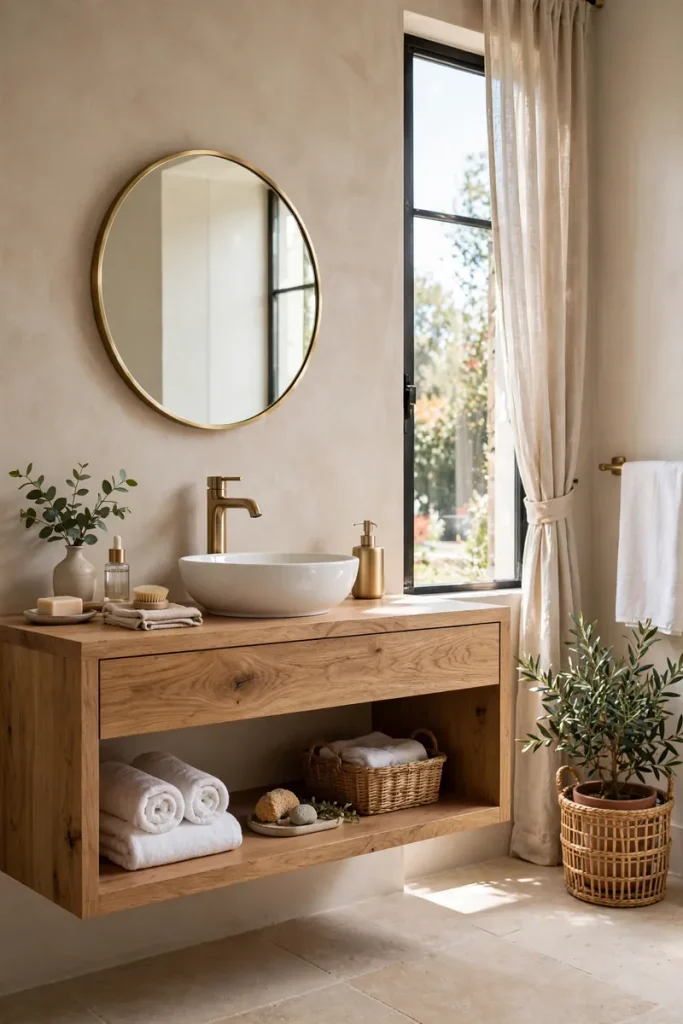
Warm white, oatmeal, sand, and mushroom tones are replacing icy gray. These colors soften shiny tile and make a bathroom feel calm without looking boring. Try one paint color on the walls and trim for a cozy, wrapped effect. A gallon of quality bathroom paint usually costs about $35 to $70, so this is one of the biggest changes for the smallest budget. In a rental, bring in the palette through towels, a washable rug, and a fabric shower curtain. Small bathroom? Keep the ceiling light so the room still feels open.
2. Add a Wood Vanity
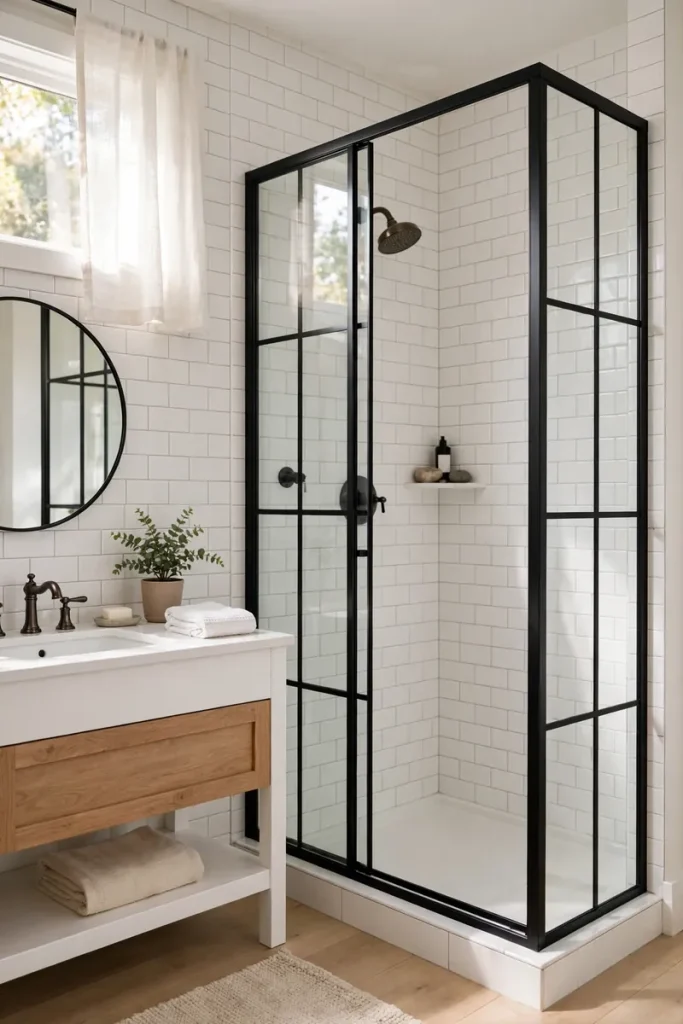
A wood vanity instantly warms up white tile and porcelain. White oak has the cleanest modern look, while walnut feels richer and moodier. A ready-made vanity can run from about $400 to $1,500 before plumbing labor. You can also refresh a solid existing cabinet with stain or wood-look adhesive film for under $100. Choose a sealed surface made for humid rooms. I once used an unfinished wooden tray beside a sink; after a month, it had the personality of a potato chip. Seal the wood. Your future self will thank you.
3. Bring In Fluted Details
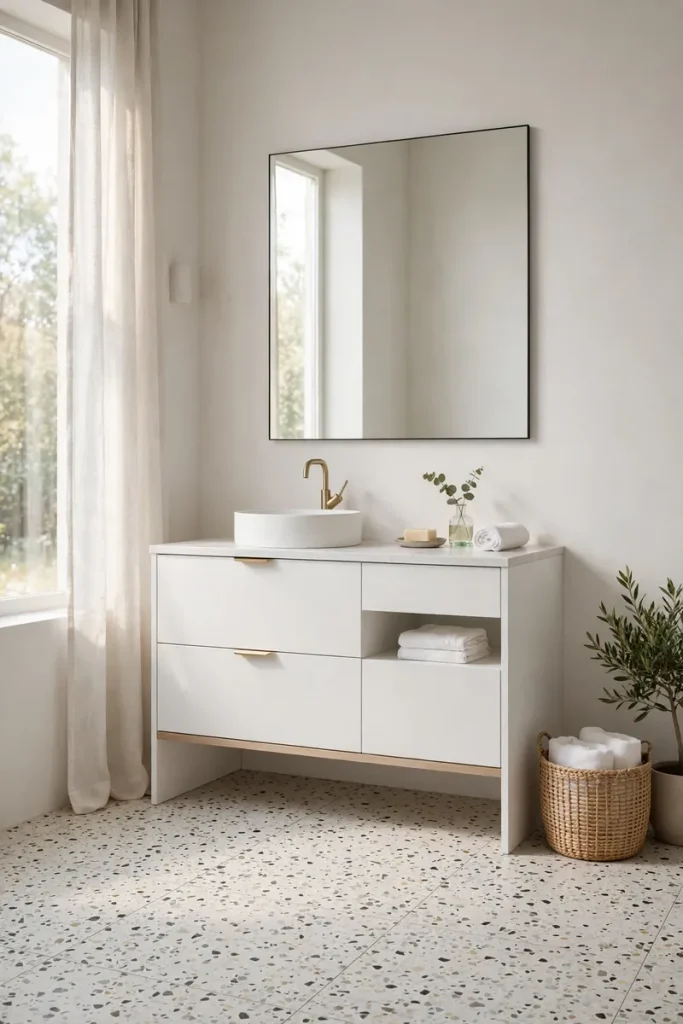
Fluted vanities, reeded glass, and ribbed cabinet fronts add texture without loud color. The vertical lines also make a compact room appear taller. For a low-cost version, add half-round molding to a flat vanity front, then paint everything one color. DIY materials may cost $40 to $120. Renters can use a ribbed wastebasket, glass soap dispenser, or removable fluted film on a window. Keep the rest of the room simple so the texture looks thoughtful instead of like the bathroom is wearing corduroy pants.
4. Mix Stone With Soft Textures
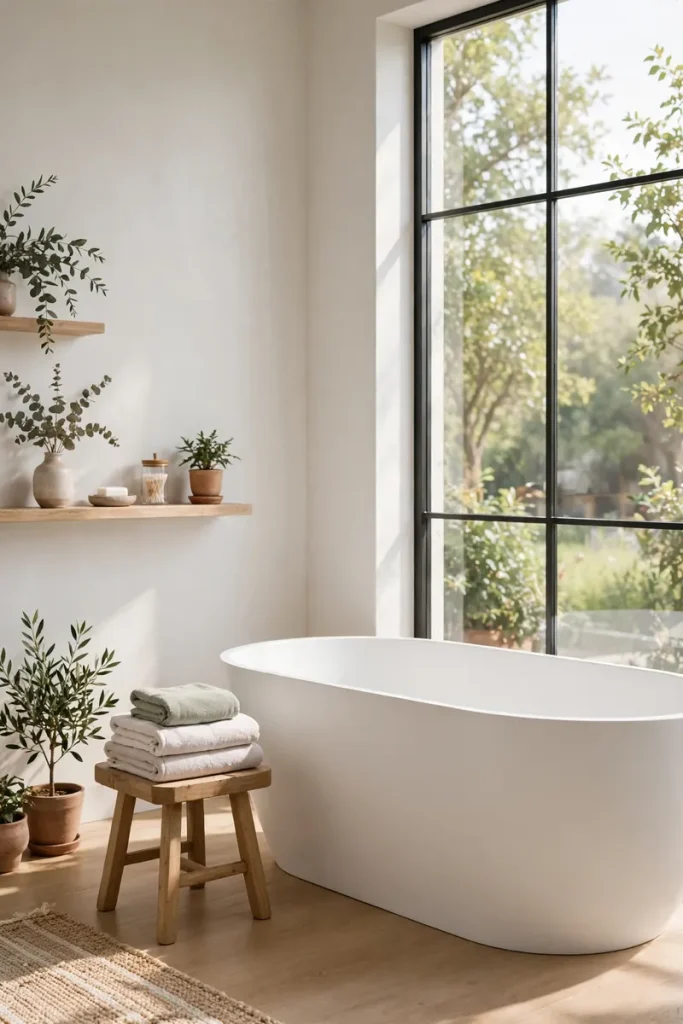
Stone-look counters and tile feel luxurious, but a bathroom needs softness too. Pair them with thick cotton towels, a fabric shade, and a plush washable mat. Real marble is beautiful but can stain; porcelain that looks like marble is often easier to maintain and can cost roughly $3 to $12 per square foot before installation. For renters, a stone tray and textured towels create the same mix. In a small bath, repeat one stone pattern instead of using several. Fewer finishes make a tiny room feel calmer and more expensive.
5. Style a Nature-Inspired Green Bathroom
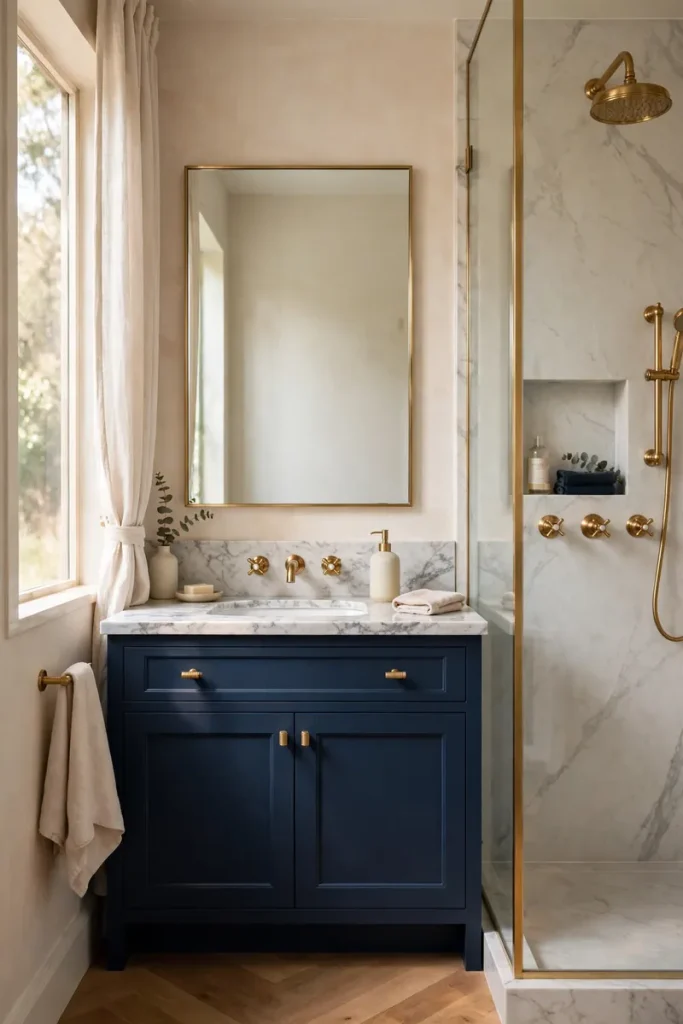
Sage, olive, and moss green are staying popular because they work like neutrals. Paint the vanity for about $50 to $100 in supplies, or use green tile as a backsplash or shower accent. Pair green with cream, brass, black, or medium wood. If the room has little natural light, choose a softer sage rather than a deep forest shade. Renters can try green towels and botanical art in moisture-safe frames. I added one leafy plant to my windowless guest bath and quickly discovered that optimism is not sunlight. Use a good faux plant if needed.
Tiles and Walls Having Their Main-Character Moment
6. Choose Large-Format Tile
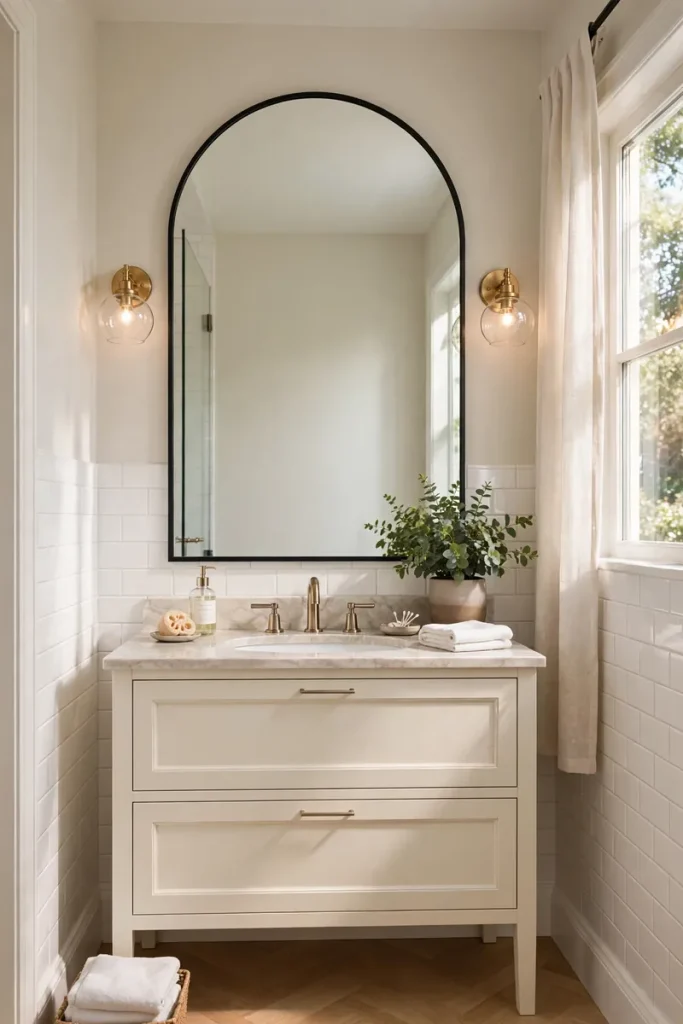
Large tile creates fewer grout lines, which makes a bathroom feel cleaner and more spacious. Sizes like 24 by 48 inches look especially modern on floors and shower walls. Material prices often start near $4 per square foot and climb well past $15, while professional installation adds much more. Large tiles need very flat surfaces, so this is not always a beginner DIY. In a small bath, continue the same floor tile into the shower when possible. The unbroken look helps the eye travel farther.
7. Try Checkerboard Flooring
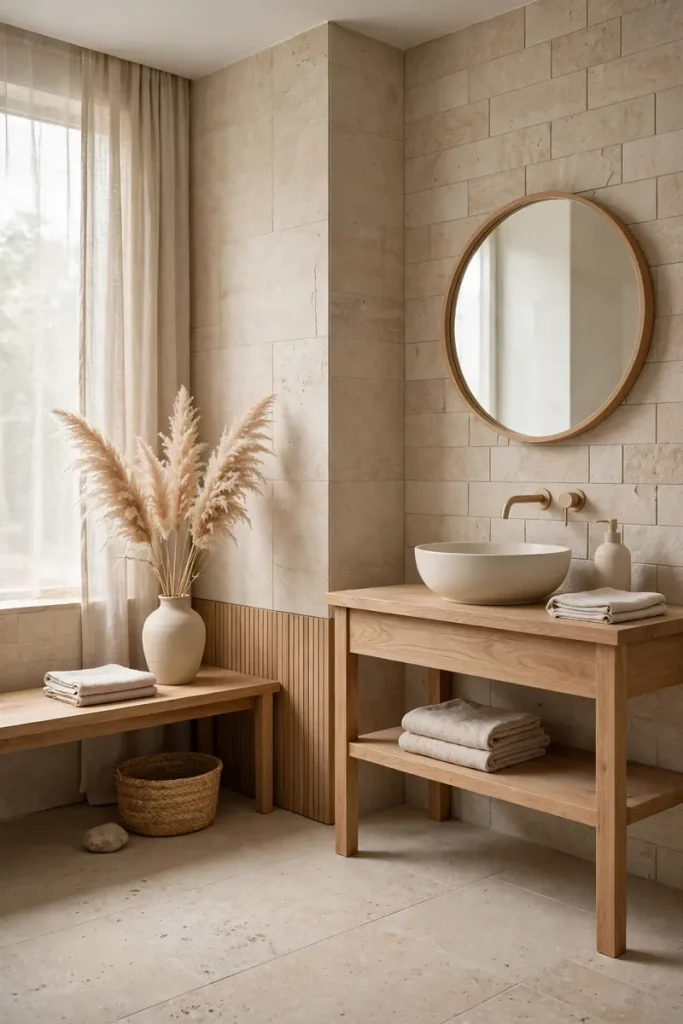
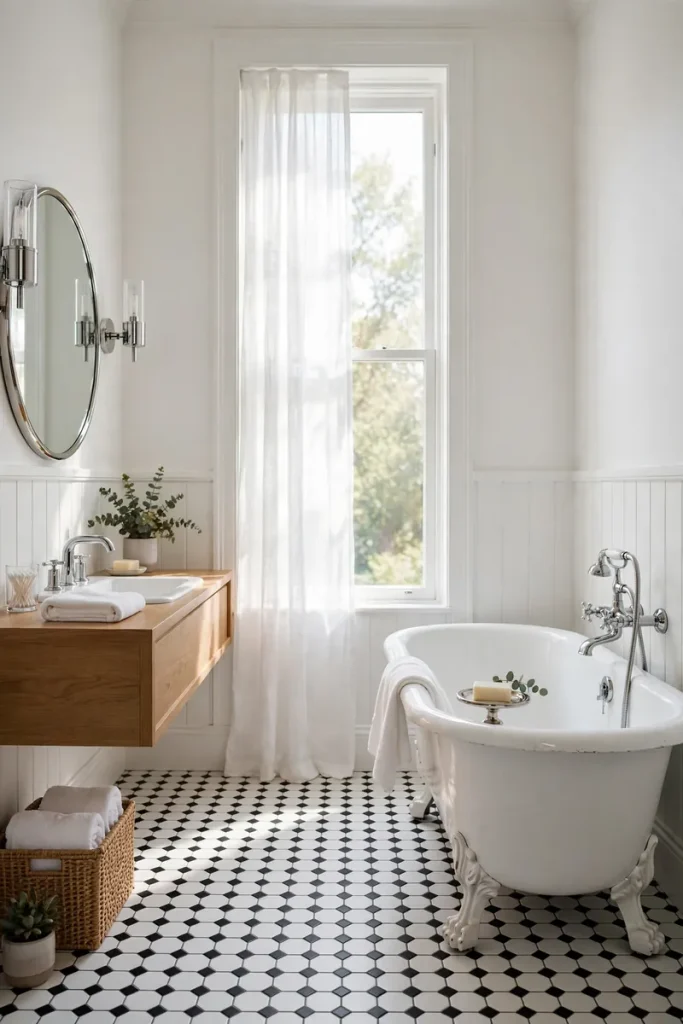
Checkerboard floors are back, but today’s version feels softer than a classic black-and-white diner. Try cream with tan, dusty green, or warm gray. Porcelain tile may cost around $3 to $10 per square foot before installation. Peel-and-stick squares can create a renter-friendly look for roughly $1 to $4 per square foot, but check your lease and test one hidden spot first. Use a smaller pattern in a tiny powder room and let the floor be the star. Everything else can quietly hold its purse.
8. Run Tile Up the Entire Wall
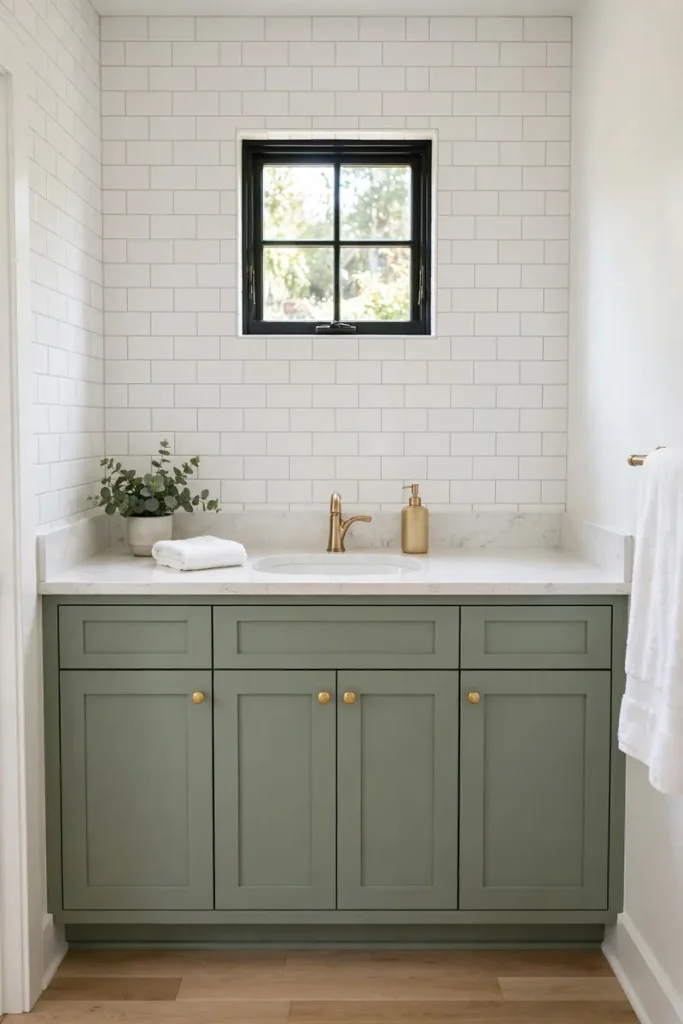
Floor-to-ceiling tile turns a basic bathroom into a polished retreat and protects walls from splashes. It works behind a vanity, around a tub, or throughout a shower. To control the budget, tile one feature wall instead of every surface. Depending on the tile, materials might cost $5 to $20 per square foot, plus installation. A renter can copy the look with removable tile decals away from direct shower spray. Match grout closely to the tile for a smooth look, or use contrast only if you truly want every line noticed.
9. Use Handmade-Look Tile
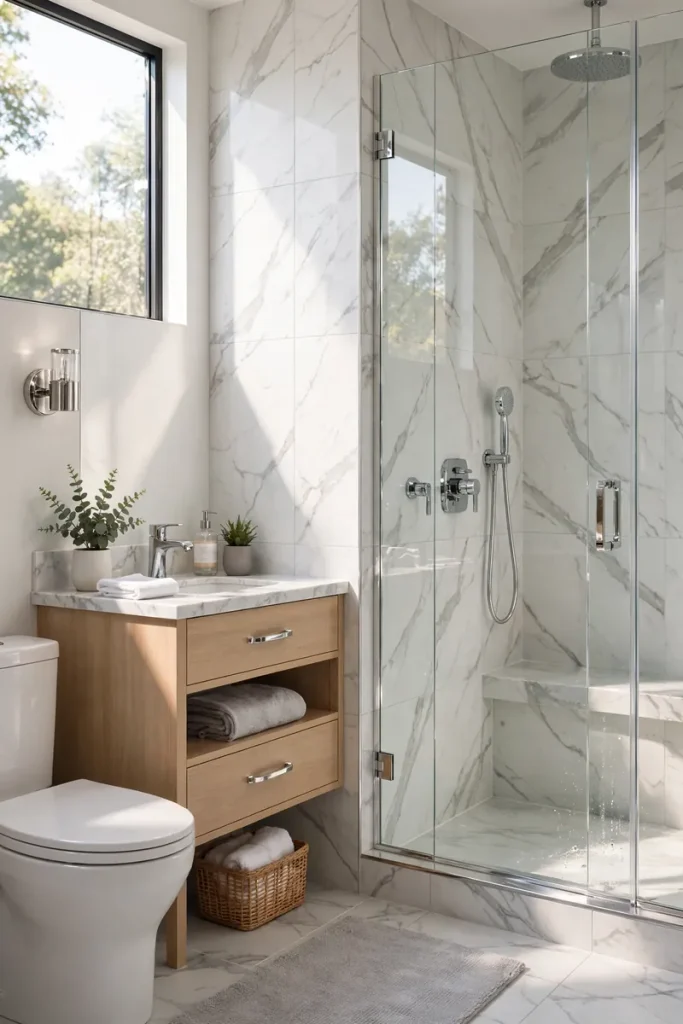
Zellige-style and other handmade-look tiles have uneven edges and subtle color changes. Those little differences catch the light and keep a simple wall interesting. Authentic handmade tile can be pricey, but ceramic look-alikes are often available around $5 to $15 per square foot. Use them as a short backsplash to save money. Because the surface already has movement, choose quiet countertops and floors. This trend is perfect for anyone who likes character but does not want a bold print. It is charmingly imperfect—like bangs on a humid day, only much prettier.
10. Paint a Color-Drenched Powder Room
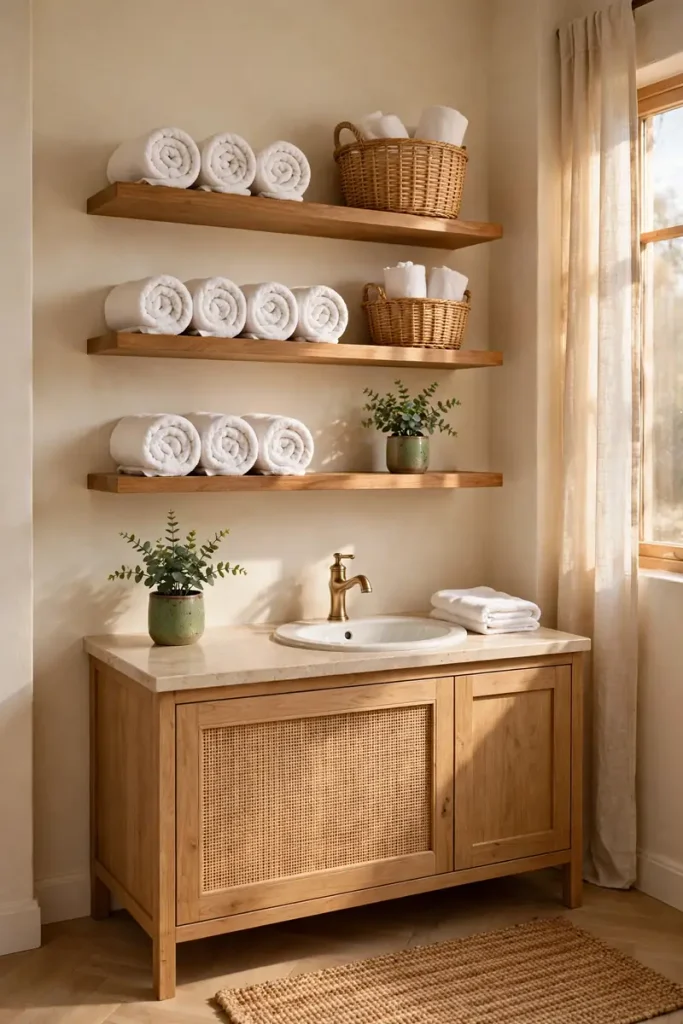
A powder room is a safe place to go bold because visitors stay only a few minutes. Paint the walls, trim, and ceiling in one deep color such as aubergine, navy, or chocolate brown. The total paint cost may be $50 to $120, depending on room size and product. Add a bright mirror or warm metal light fixture so the space does not feel flat. For renters, use peel-and-stick wallpaper on one wall and repeat its darkest color in towels and art. Tiny rooms can handle drama; they are basically jewelry boxes with plumbing.
Smart Upgrades That Make Daily Life Easier
11. Install a Floating Vanity
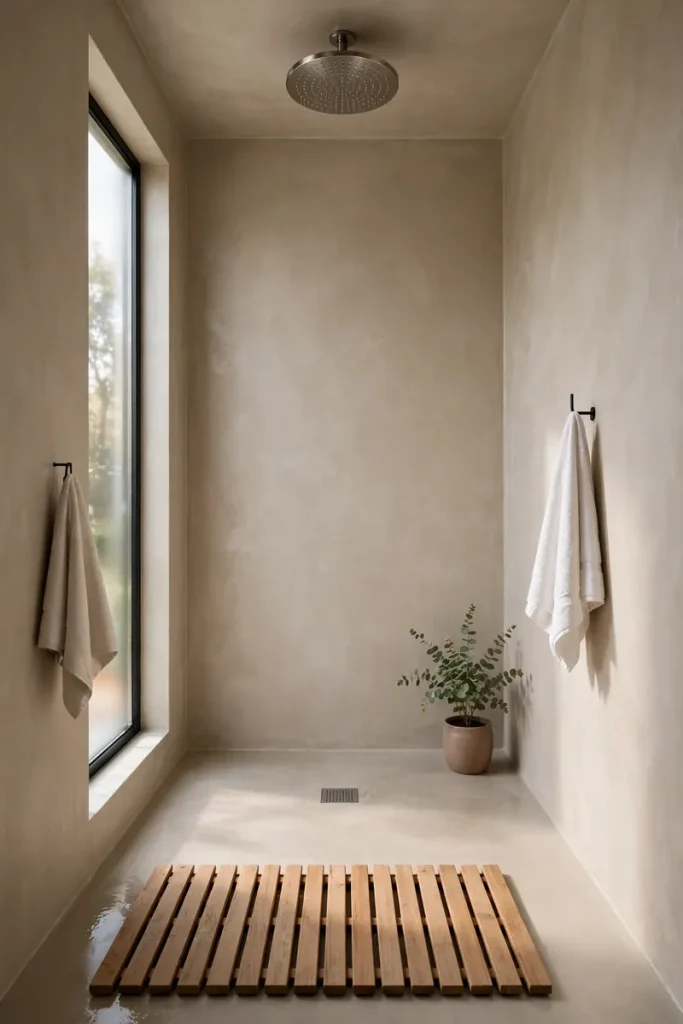
A wall-mounted vanity shows more floor, so even a narrow bathroom feels less crowded. It also makes cleaning easier because dust has fewer hiding places. Basic models may start around $300, while custom designs can reach several thousand dollars before plumbing and wall support. Add drawers instead of open shelves if you prefer hidden storage. Renters can create a similar airy feeling with a slim-legged console and wall-mounted organizers, without changing the sink. Place a low basket underneath for extra toilet paper, but resist the urge to build a basket mountain.
12. Build a Shower Niche That Works Hard
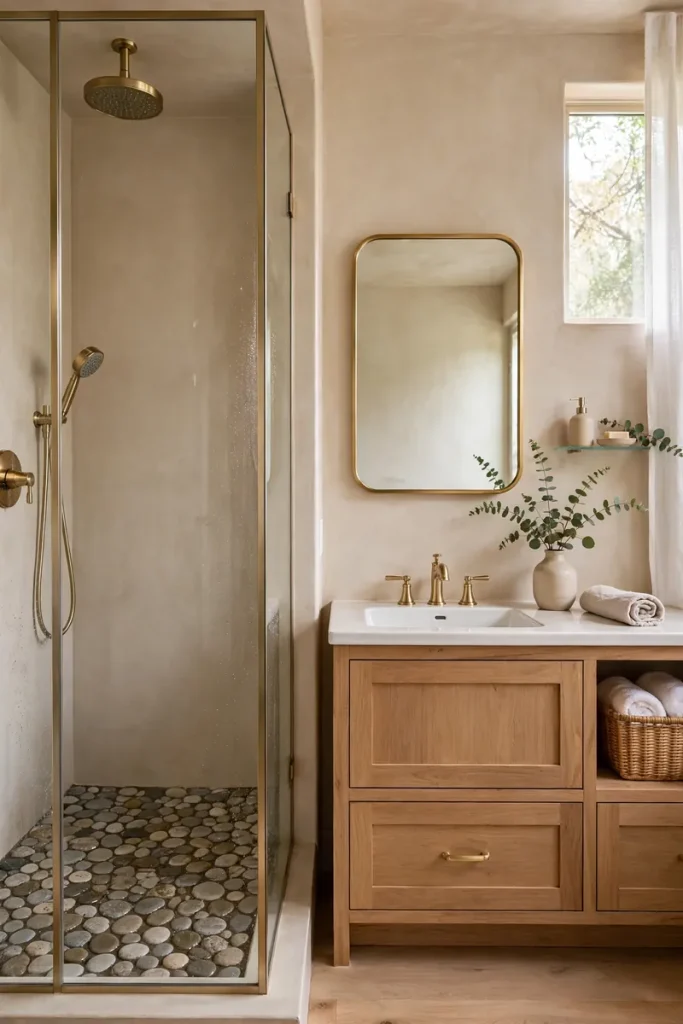
A shower niche keeps bottles off the floor and looks cleaner than a hanging caddy. During a remodel, ask for one long horizontal niche or two smaller niches at different heights. A professionally built niche may add several hundred dollars or more because waterproofing must be correct. Add a slight slope so water drains out, and use easy-to-clean tile inside. Not remodeling? A tension-pole caddy or adhesive shelf rated for wet areas offers the function for $30 to $100. Measure your tallest bottle first—shampoo should not need to crouch.
13. Hide Outlets and Tools in a Vanity Drawer
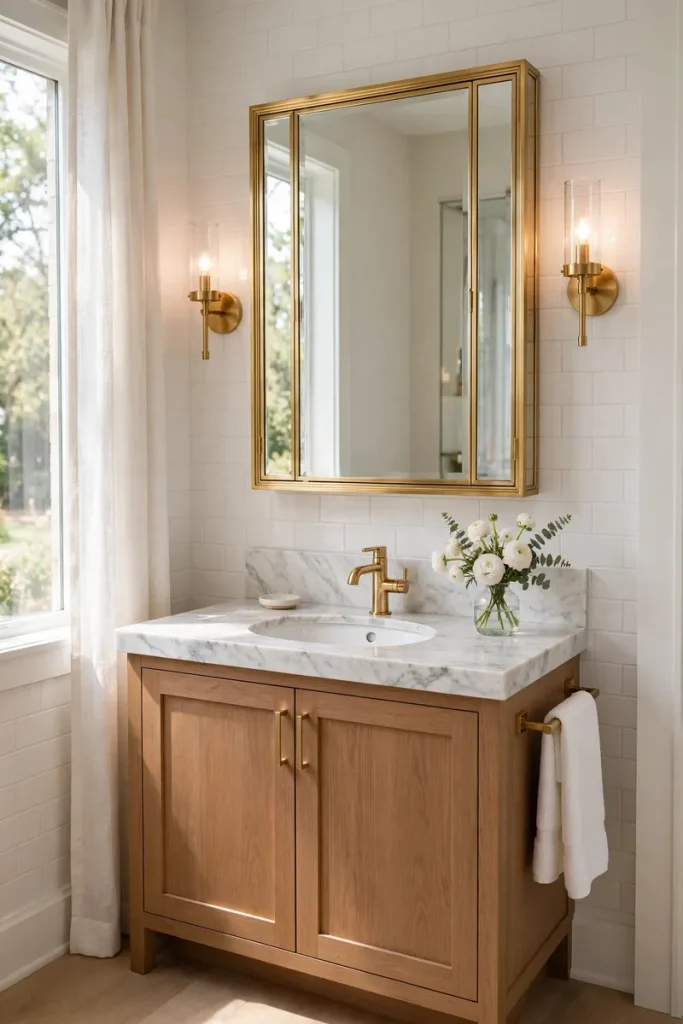
A powered vanity drawer gives hair tools a home and clears the countertop. Built-in systems vary widely but may cost about $150 to $500 plus electrical work. Always use a licensed electrician and bathroom-safe, code-compliant outlets. A simpler renter option is a heat-safe tool holder mounted inside the cabinet door, with cords unplugged after use. Add drawer dividers for makeup, brushes, and skincare. I organized mine once and found three almost-empty mascara tubes. Apparently, they had formed a tiny support group in the back corner.
14. Add a Backlit or Medicine-Cabinet Mirror
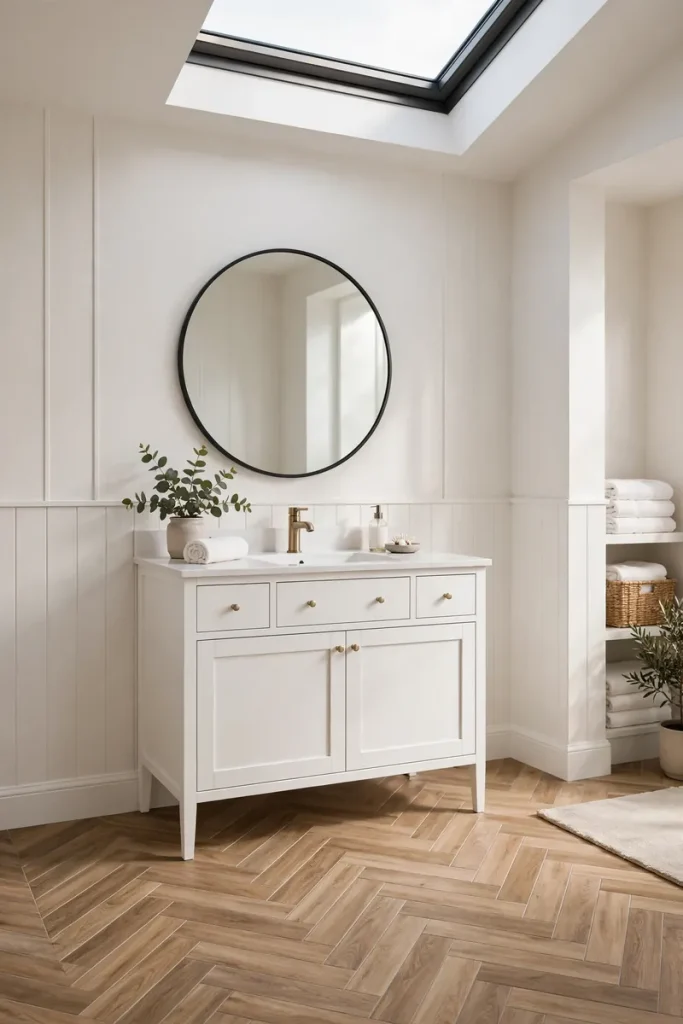
A backlit mirror gives even light for makeup and soft light at night. A recessed medicine cabinet adds hidden storage at eye level, which is gold in a small bathroom. Plug-in lighted mirrors can start around $100; hardwired and premium models may cost $300 to $1,000 or more, plus installation. Renters can use a rechargeable mirror or a framed medicine cabinet that hangs like artwork if wall rules allow. Choose warm or adjustable light rather than harsh blue light. Everyone deserves a mirror that does not act like airport security.
15. Upgrade to Layered Lighting
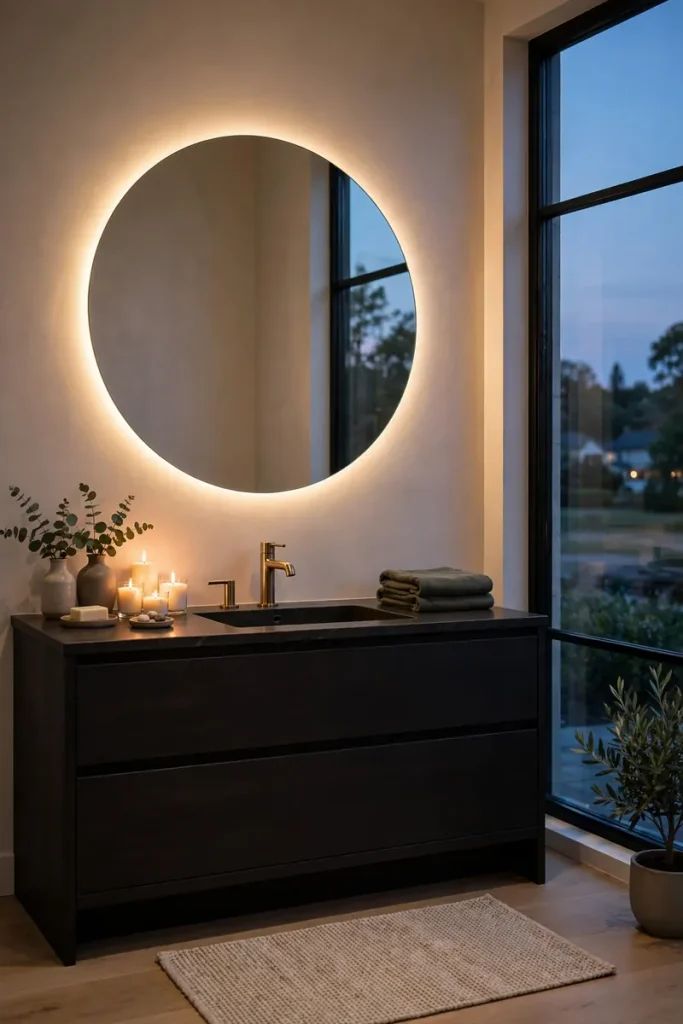
One ceiling bulb cannot do every job. Combine overhead light with sconces beside the mirror and a small lamp or night-light for softer evenings. Sconces can cost about $50 to $300 each, not including electrical work. If rewiring is not possible, look for attractive plug-in or rechargeable wall lights. Place side lighting near face level to reduce shadows. In a small bath, use simple fixtures with clear or pale shades. Pick bulbs with the same color temperature so your bathroom does not look warm on one side and like a science lab on the other.
Personality, Comfort, and the Little Luxuries
16. Mix Metal Finishes With a Plan
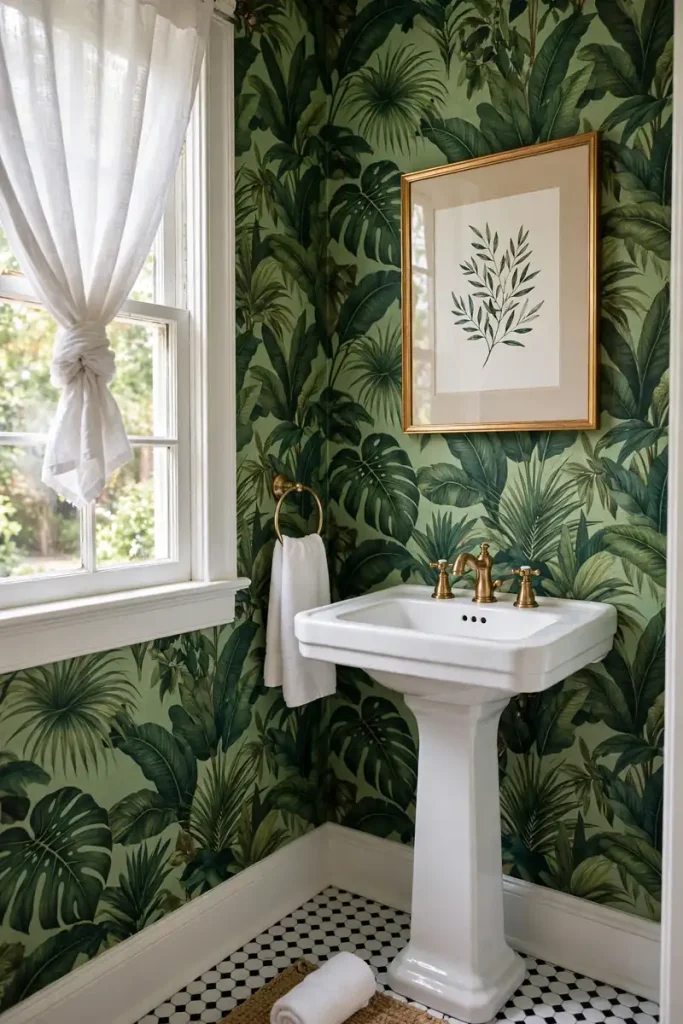
Matching every metal is no longer required. Mixing two finishes makes a bathroom feel collected and custom. Try warm brass lights with polished nickel plumbing, or matte black hardware with chrome fixtures. The trick is repetition: use each finish at least twice. Swapping knobs can cost $20 to $80, while new faucets often range from $100 to $500 before labor. Renters can change cabinet pulls if the originals are stored safely. Keep the finish mix to two in a small room. Three can work, but four starts to feel like a hardware-store speed date.
17. Frame the Shower With Soft Fabric
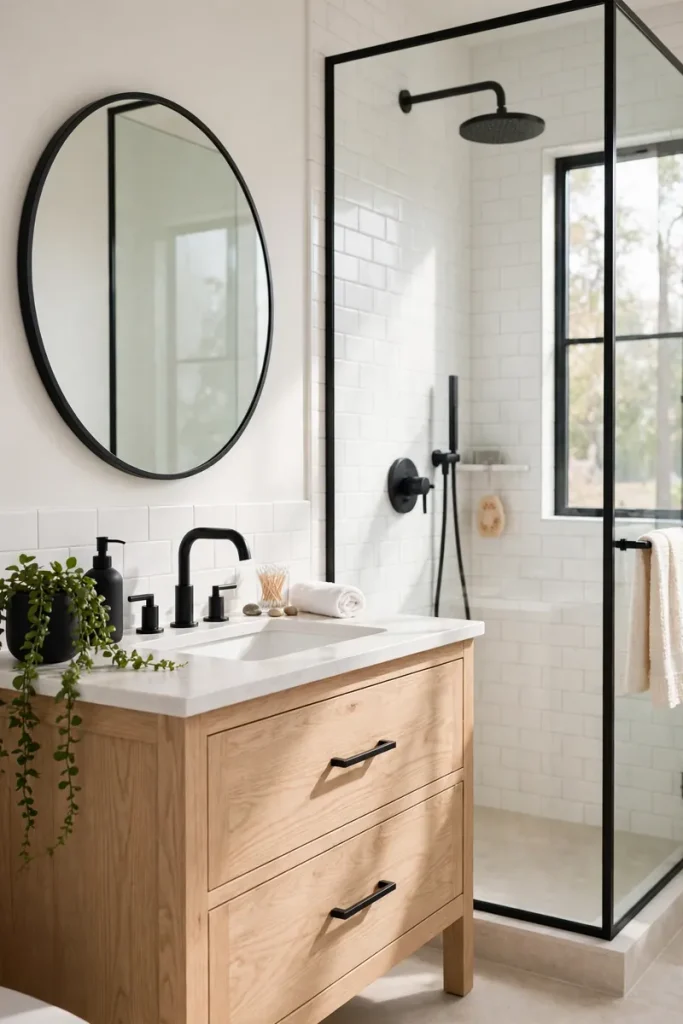
Even with a glass shower door, a ceiling-height curtain can add warmth and make the room look taller. Choose washable cotton or linen-look fabric with a waterproof liner. A rod, rings, liner, and curtain may total $60 to $200. Hang the rod closer to the ceiling and let the curtain nearly touch the floor. This is one of the easiest renter-friendly upgrades, and it hides older tile without construction. In a narrow bath, pick a pale solid or small print. Heavy, dark fabric can make the room feel like the shower is closing the theater curtains.
18. Create a Small Spa Corner
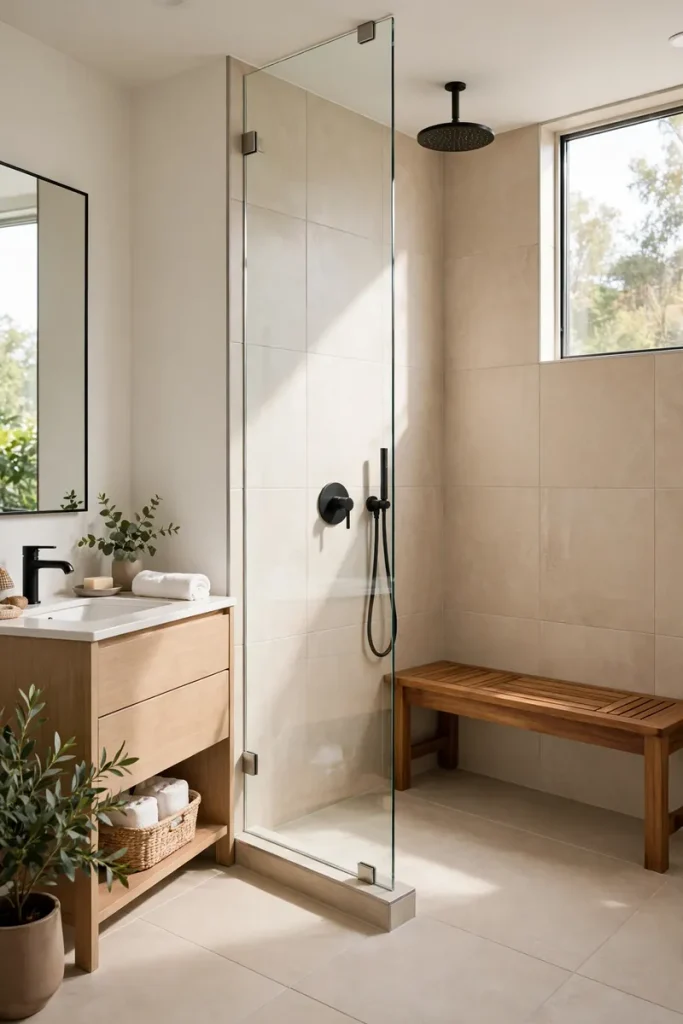
You do not need a giant soaking tub to make a bathroom feel restful. Add a teak stool, a stack of matching towels, a candle, and one pretty jar for bath salts or cotton rounds. Start with what you own, then spend $30 to $150 on the missing pieces. Use only a few items so the corner feels peaceful rather than staged for a store display. For small bathrooms, place a narrow stool beside the tub or use a tray across it. Renters can take every piece with them, which is the best kind of renovation.
19. Display Art That Can Handle Humidity
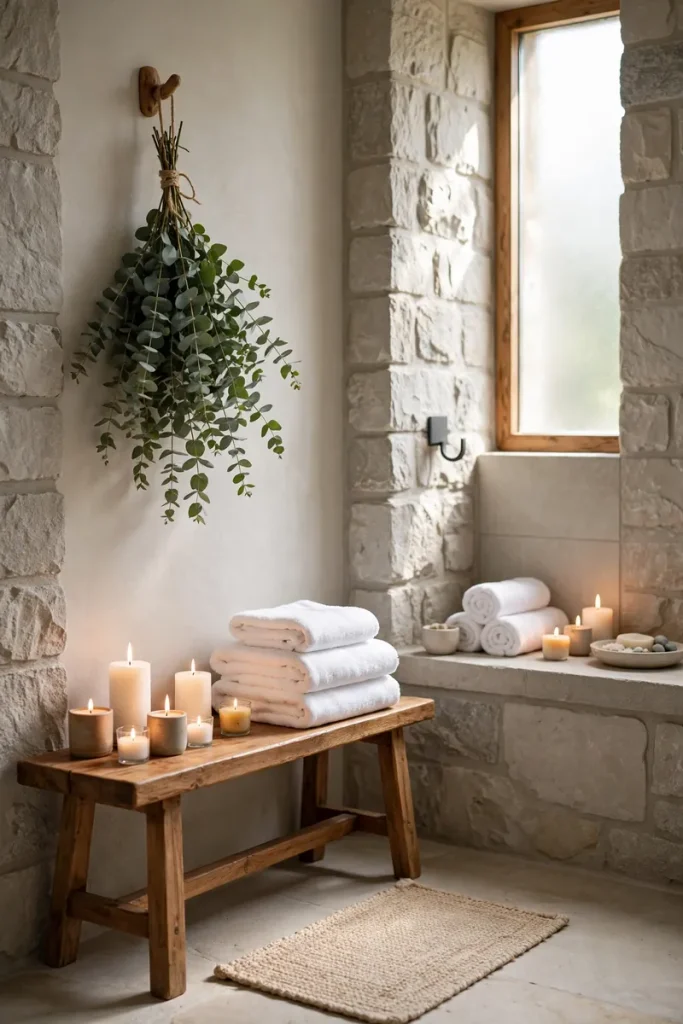
Bathrooms deserve art, but steam is not kind to valuable paper. Use inexpensive prints in sealed frames, vintage-looking metal art, or canvas protected with a suitable finish. Keep special photographs and original artwork away from showers. A small gallery can cost under $100 if you use printable art and thrifted frames. In a tiny room, one larger piece often looks calmer than six little ones. I hung a funny beach print in my guest bath, and it gets more compliments than the expensive art in my living room. Bathrooms keep us humble.
20. Turn Storage Into a Styled Feature
Open shelves can be useful when they hold things you actually need: rolled towels, lidded jars, and one decorative object. Floating shelves usually cost about $30 to $150, while a recessed cabinet or custom built-in costs much more. In a small bath, use the wall above the toilet but leave enough headroom. Renters can try an over-the-toilet shelf that stands on the floor. Keep personal clutter inside matching boxes or baskets, and leave some empty space. Empty space is not wasted; it is what keeps your cotton swabs from looking like a retail inventory system.
How to Pick Your First Project
Start by naming the bathroom’s biggest problem. If it feels cold, add warm paint, wood, and softer fabric. If it feels crowded, focus on a floating vanity, mirrored storage, or large-format tile. If it looks dated but works well, swap the lighting, hardware, mirror, and shower curtain before considering demolition. A $75 update that fixes the daily annoyance is often more satisfying than a $750 trend that only photographs well.
For a weekend refresh, choose one color, one texture, and one useful upgrade. Maybe that means sage towels, a ribbed soap dispenser, and a better shower shelf. For a full remodel, collect samples and view them in the bathroom during morning and evening light. Confirm measurements twice, include ventilation in the plan, and reserve part of the budget for surprises. Old houses love surprises. They deliver them with the confidence of a woman carrying a casserole to a neighborhood potluck.
The real bathroom trend is not one tile or faucet. It is creating a room that feels good to use every day. Pick the ideas that fit your budget, your lease, and your cleaning style. Keep what you love, skip what you do not, and let the finished room look like your home—not a showroom that would panic at the sight of a wet towel.