20 Teen Girl Bedroom Ideas So Good She May Actually Keep Her Room Clean
A teen girl’s bedroom has a big job. It is a sleep space, study zone, dressing room, snack headquarters, and private retreat—all inside four walls. I once helped my younger cousin redo hers after she announced that the lavender room she loved at twelve was now “deeply embarrassing.” We kept the expensive basics, changed the color layers, and spent one Saturday moving furniture. By dinner, the room felt completely new. By Monday, clothes were on the chair again, because interior design has limits.
The best teen rooms balance personality with practical choices. Before buying anything, measure the walls, door swings, window, and walking paths. Then set a budget and ask what she actually needs: more storage, a better desk, sleepover space, or simply a style that feels like her. The ideas below are arranged like a real makeover path—from flexible color foundations to hardworking furniture and finishing details—so you can use one idea or build a whole room plan.
Phase One: Choose the Mood
1. Build a Blush-and-Cream Base That Can Grow Up
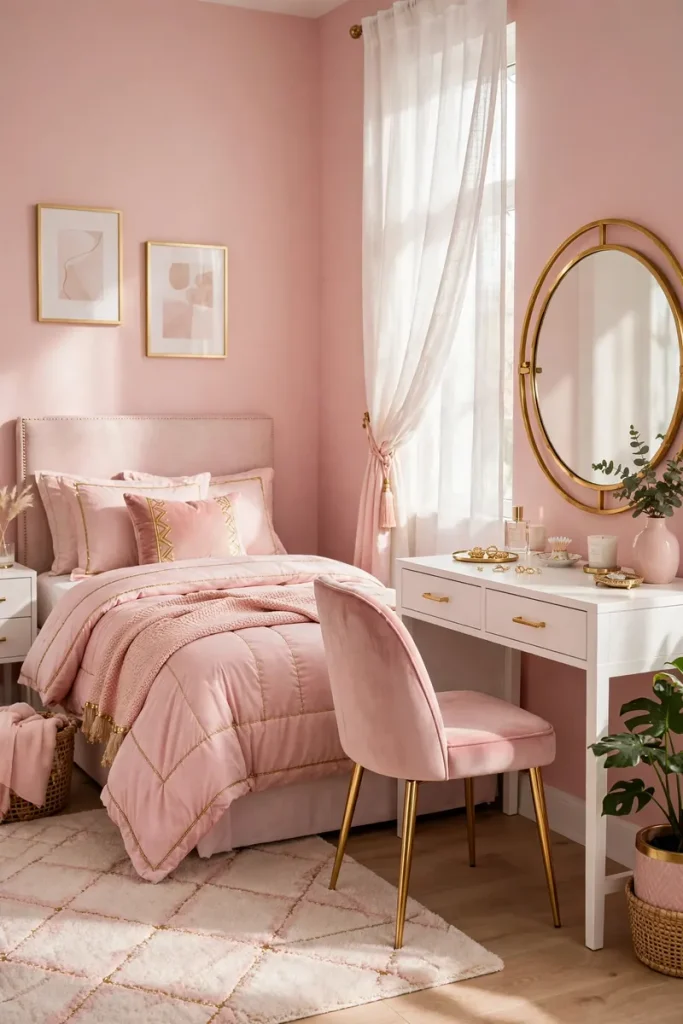
A blush-and-cream room feels soft without looking babyish. Paint just one wall dusty pink and keep the other walls warm white; then repeat the color in a throw pillow, lamp, or blanket. A gallon of interior paint usually lands around $30–$65, while a peel-and-stick panel can cost about $25–$80 for a small accent wall. Renters can skip paint and hang a large blush fabric panel from removable hooks. My niece once requested “all pink everything,” then changed her favorite color three months later. The white furniture saved the day—and my sister’s budget.
2. Try a Sunny Study Nook by the Window
Put the desk where daylight reaches it, but turn the screen sideways to the window to reduce glare. A narrow writing desk, task lamp, and supportive chair can create a real homework zone in only four feet of wall space. Expect roughly $80–$250 for a basic setup, less if you repaint a secondhand desk. Add a small tray for pens and one cork strip for reminders. Keeping school supplies in the study zone stops the bed from becoming a paper mountain. The bed deserves better; it already works the night shift.
3. Layer Warm Neutrals for a Calm Boho Room
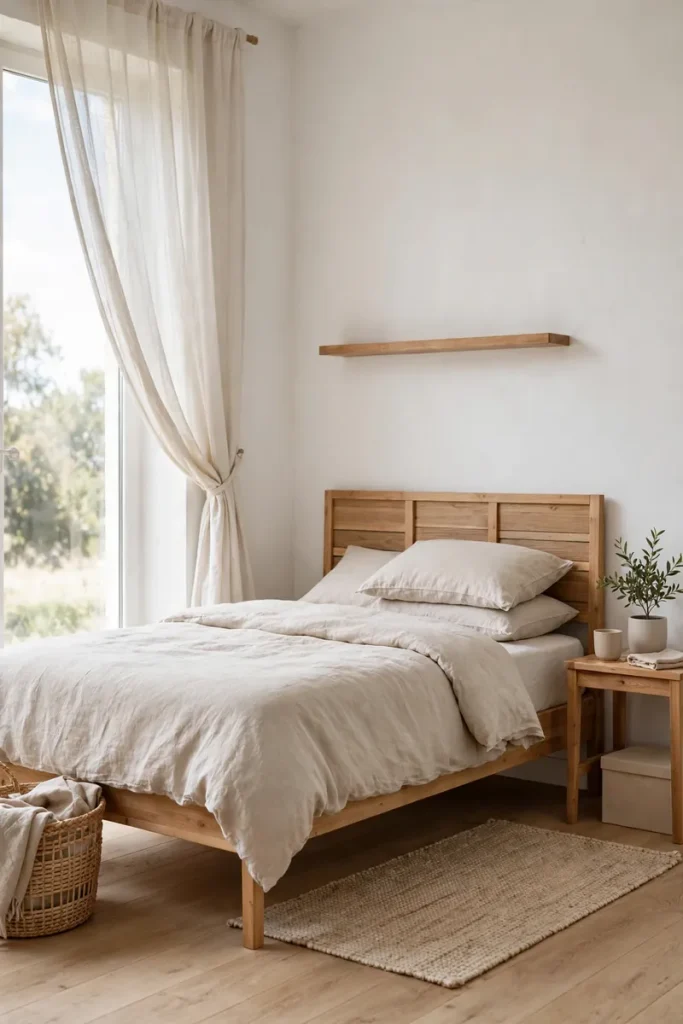
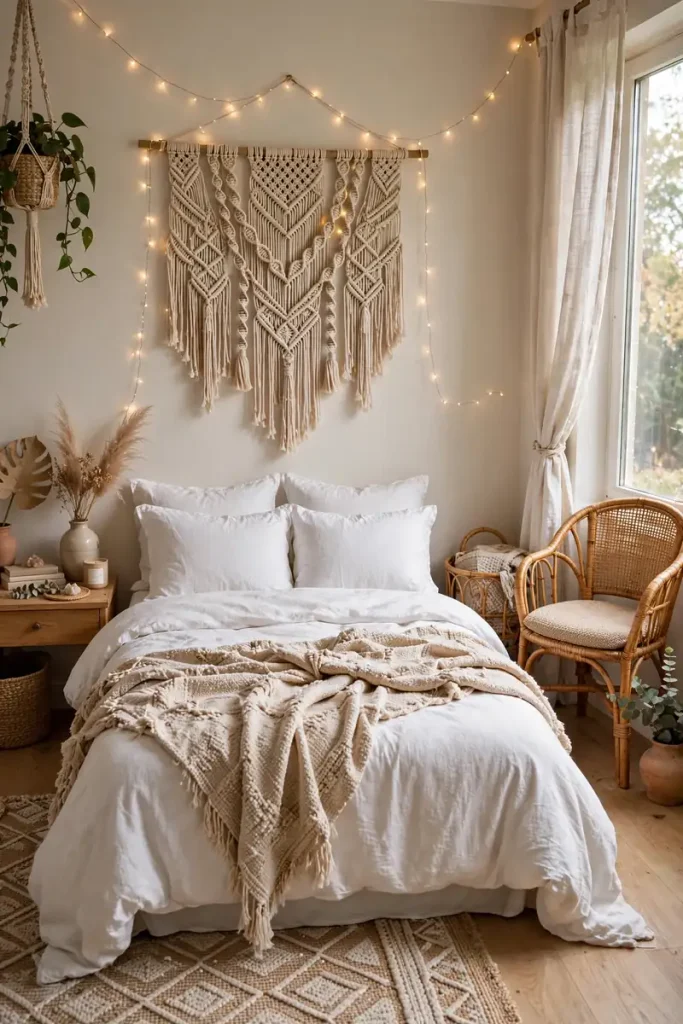
Cream bedding, light wood, woven baskets, and one faded rug make a cozy boho bedroom without visual clutter. The secret is texture, not piles of tiny decorations. Mix cotton, rattan, linen-look fabric, and a soft knit throw. A washable 5-by-7 rug may cost $60–$180, while thrifted baskets can be under $15 each. In a small room, choose a bed with open legs so more floor stays visible. Add one leafy plant near the window—or a good faux plant if keeping homework alive is already enough responsibility.
4. Go Minimal With Gray, White, and One Personal Color
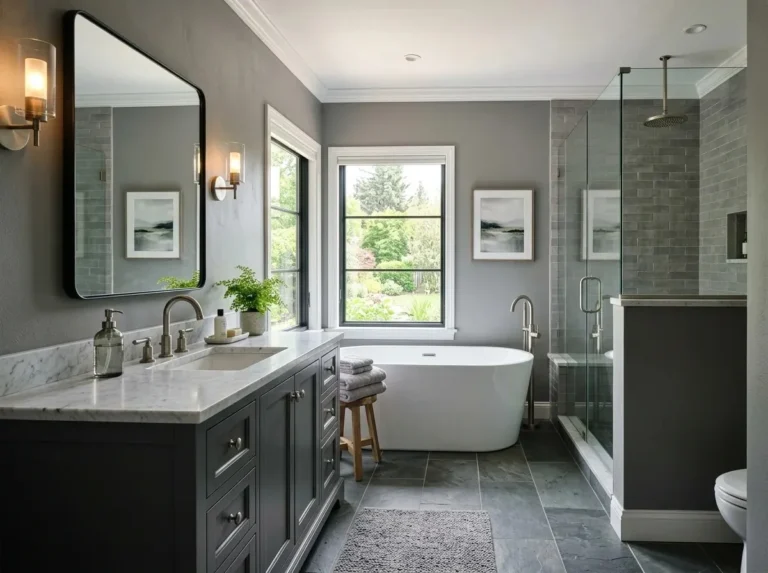
A simple gray-and-white room is easy to refresh as tastes change. Use pale gray on bedding or curtains, keep walls light, and let one chosen color show up in art and pillows. This plan works especially well for siblings passing down furniture because almost everything coordinates. For about $40–$100, new pillow covers, a throw, and framed prints can change the mood without replacing the bed. Use matching closed bins under the bed to hide chargers, sports gear, and the mysterious collection of water bottles every teen room seems to grow.
5. Create a Built-In Look With Budget Bookcases
Place two narrow bookcases on both sides of the bed and paint them the same color as the wall. The result feels custom, but ready-to-assemble shelves often start around $35–$90 each. Secure tall units to studs with anti-tip hardware; this is not the fun part, but it is the important part. Style only part of each shelf so the room can breathe. Books, baskets, and a small lamp are enough. Leave a few open spots for future interests instead of designing a museum for who she was last Tuesday.
Phase Two: Make Every Inch Work
6. Use Peach Bedding to Warm a Plain Rental
If painting is not allowed, let bedding carry the color. Peach, coral, or terracotta adds warmth to white or beige rental walls and looks pretty in morning light. A duvet cover can run $35–$100, and pillow covers are an even cheaper update. Repeat peach once near the desk or window so it feels planned. Washable fabric is smarter than delicate trim for snack-friendly bedrooms. I learned this after a cocoa spill met a dry-clean-only comforter. The comforter lost; the stain developed tenure.
7. Raise the Bed and Reclaim the Floor
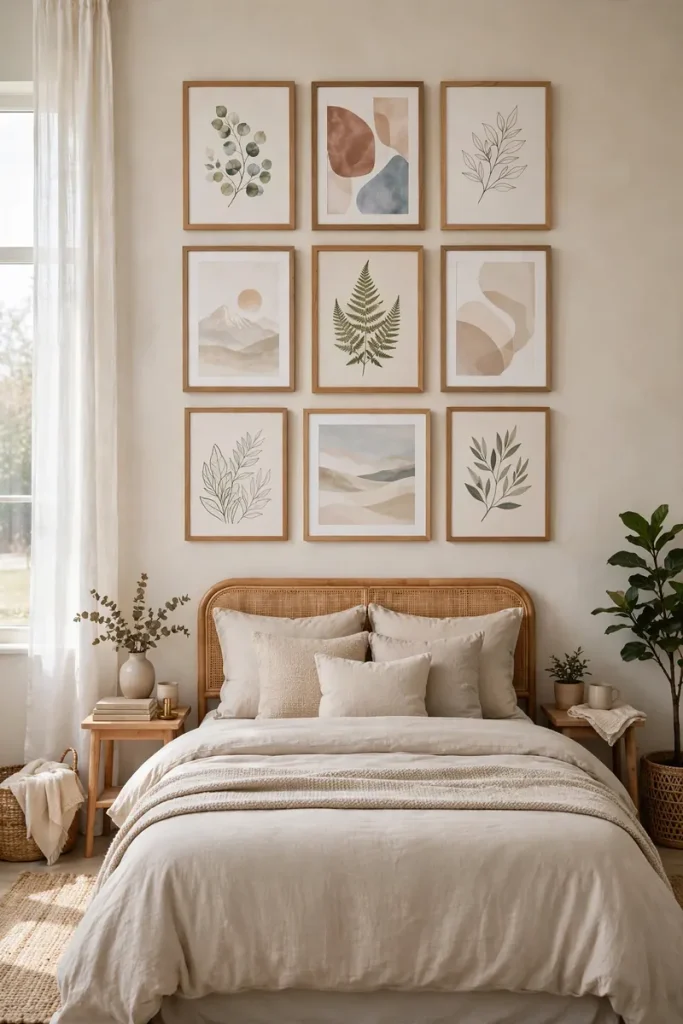
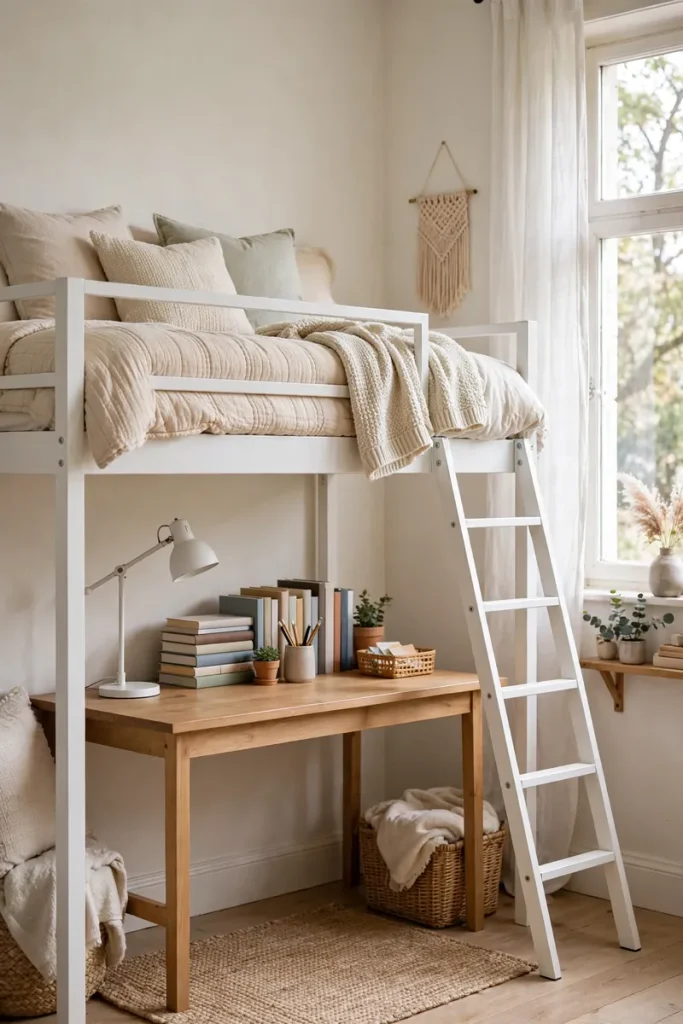
A loft bed can turn one small footprint into two useful zones: sleep above, study or lounge below. Before buying, measure ceiling height and check the manufacturer’s age and weight rules. A new loft frame may cost $250–$700, but secondhand options can be much less; inspect hardware carefully. Use a slim desk or beanbag underneath and mount a reading light to save surface space. Keep the ladder path clear. A stylish bedroom should not become an obstacle course during a midnight water run.
8. Hang Floor-to-Ceiling Curtains for Instant Height
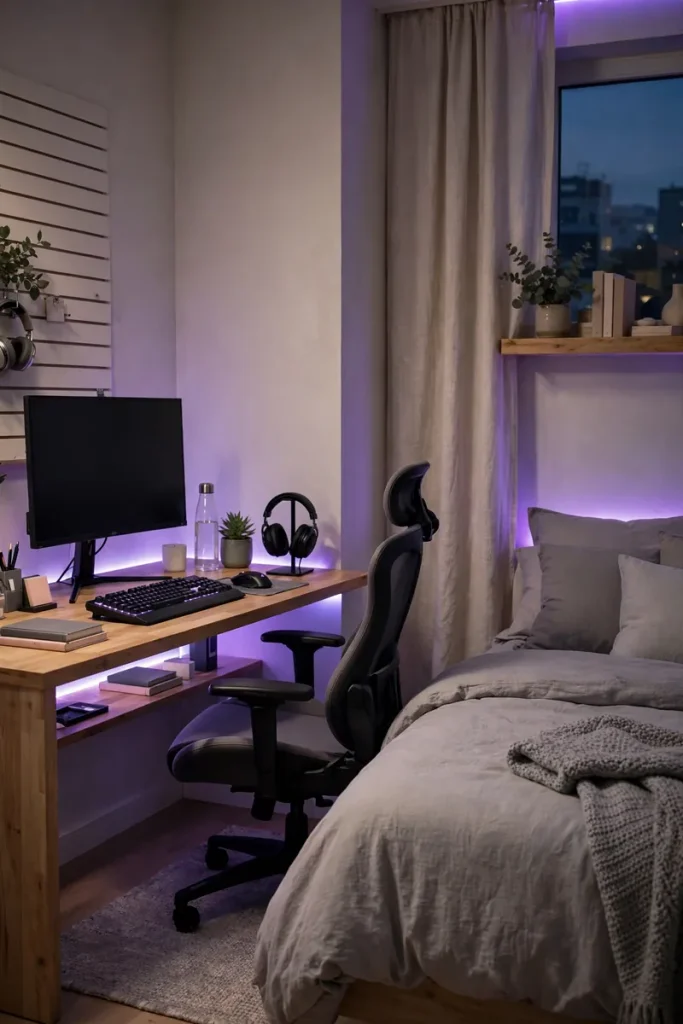
Mount curtain hardware a few inches below the ceiling and let panels almost touch the floor. This simple trick makes windows and walls look taller. Basic rods and panels can total $40–$120. Renters can try no-drill brackets or tension solutions when the window shape allows. Choose light-filtering panels for softness and add a roller shade if privacy is needed. Measure twice, especially before ordering 96-inch curtains. My first pair stopped six inches above the floor and looked like the room had unexpectedly grown taller.
9. Make a Window Seat the Favorite Hangout
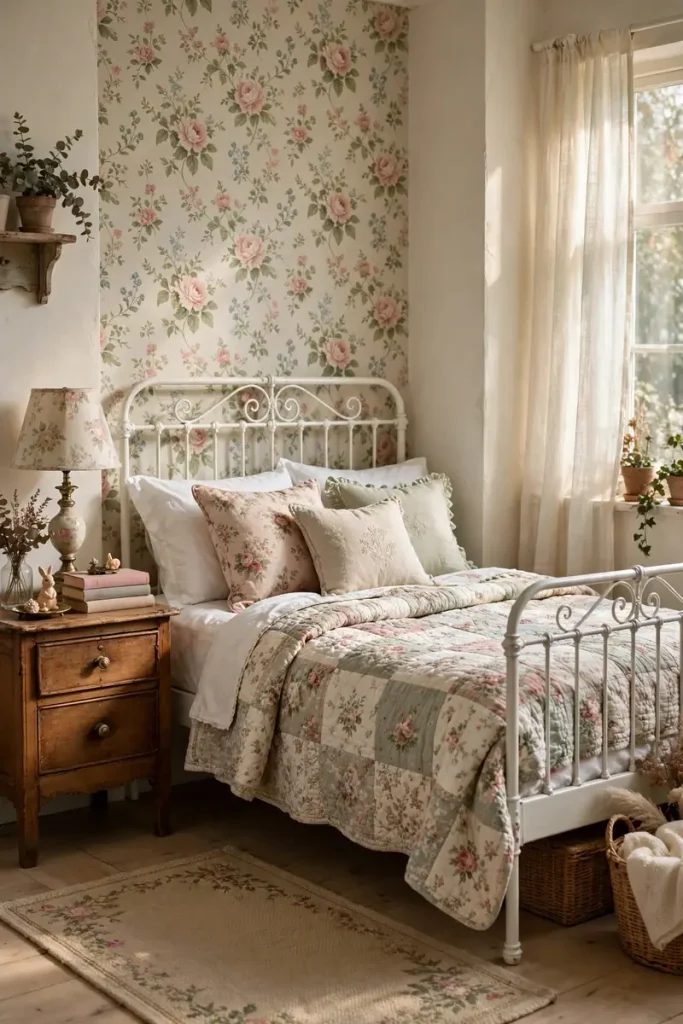
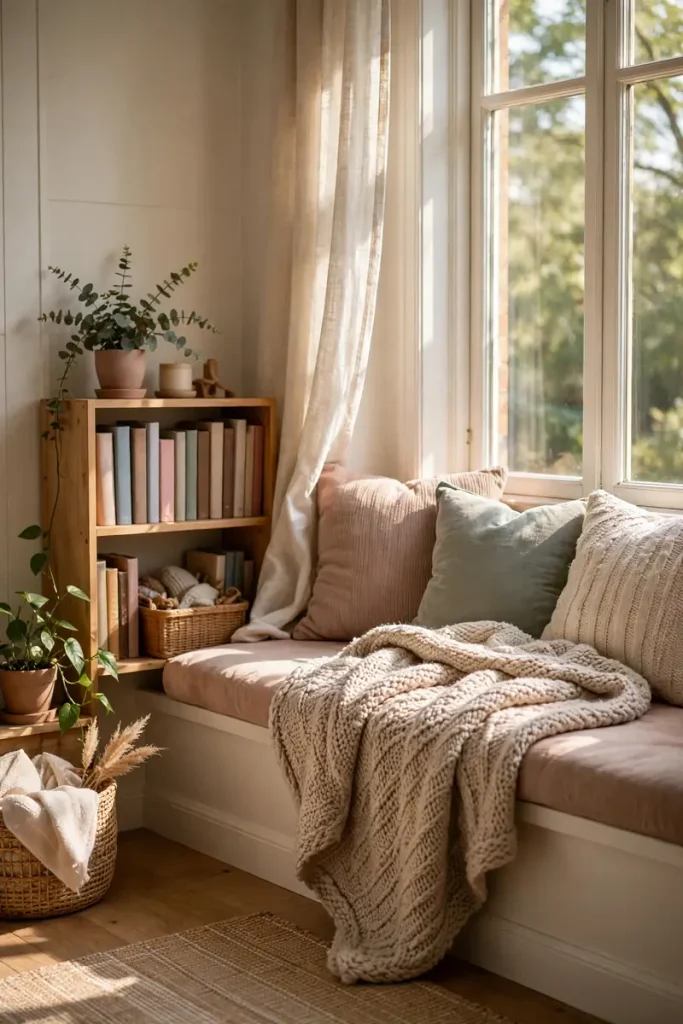
A low bench beneath a window creates a reading spot, friend seat, and storage zone in one move. Use a sturdy storage bench, then add a washable cushion and two firm pillows. Ready-made benches often cost $100–$300; a simple cube unit can cost less, but confirm it is rated for sitting. Store blankets or bags in baskets below. In a narrow bedroom, choose a shallow bench so walking space stays open. This little corner often gets used more than an expensive accent chair because sunlight is the best free accessory.
10. Add a Full-Length Mirror Without Crowding the Room
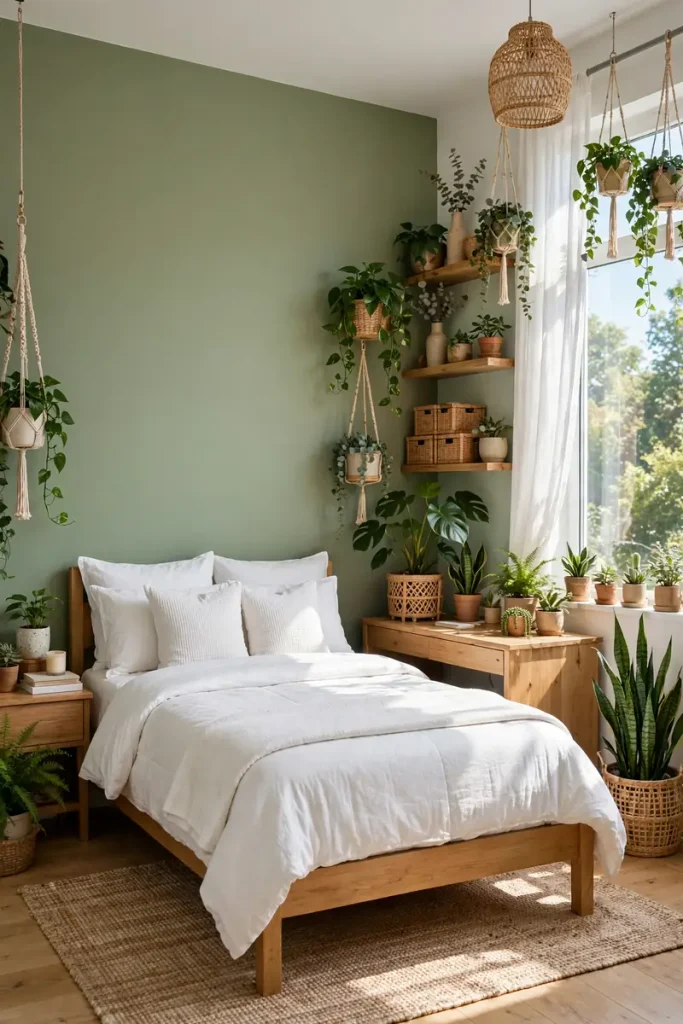
A tall mirror bounces light and makes a small bedroom feel more open. Leaning mirrors look relaxed, but they must be safely anchored; a wall-mounted mirror is better in tight walkways. Prices range from about $40 for a simple frame to $180 or more for a large arched style. Place it across from a window, not directly beside a cluttered shelf. Add a small hook nearby for tomorrow’s outfit. That five-minute setup can prevent the morning fashion show from becoming a full Broadway production.
Phase Three: Add Personality Without Permanent Regret
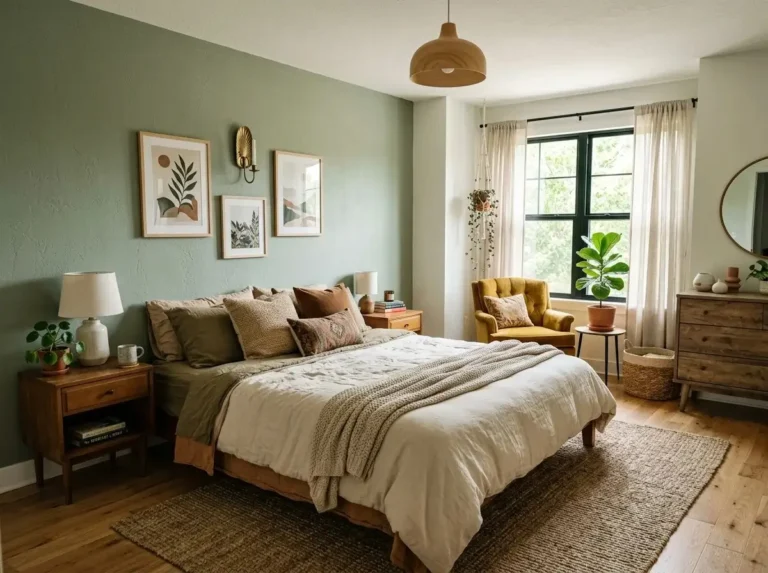
11. Bring In Sage Green for a Fresh, Quiet Mood
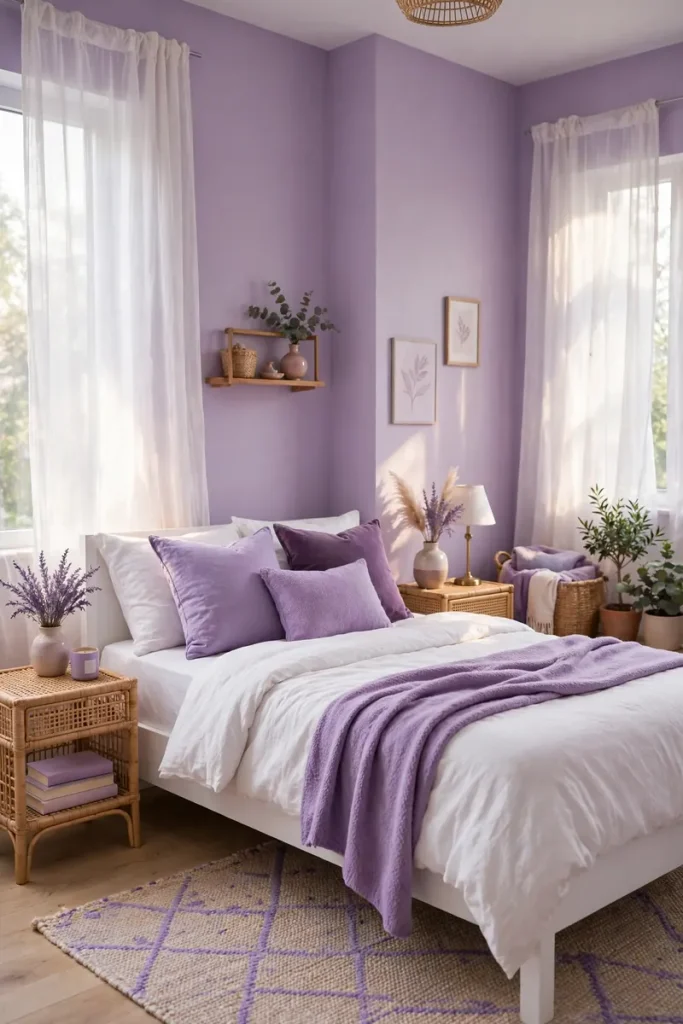
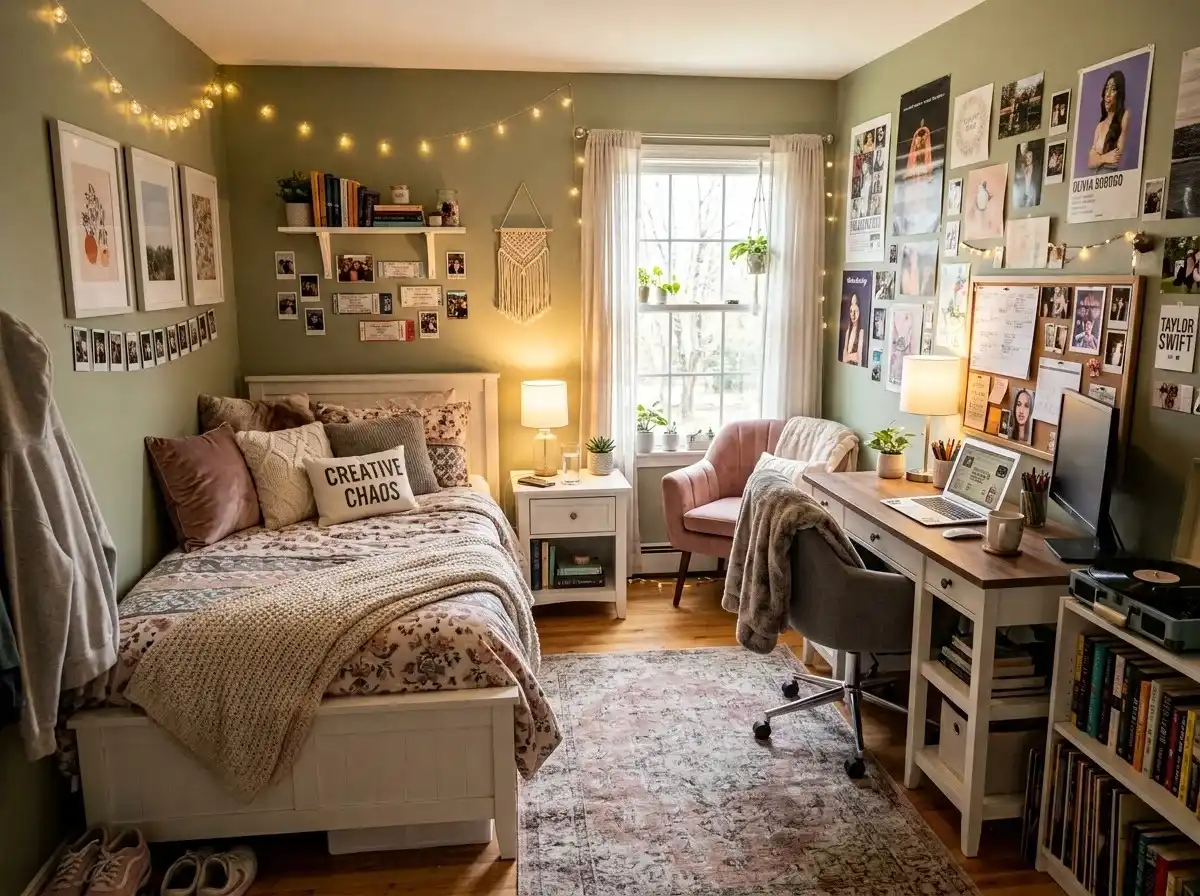
Sage green feels current, calm, and easy to pair with wood, white, cream, or black. Paint one wall, use removable wallpaper, or introduce the color through a quilt and desk chair. A peel-and-stick accent can cost $50–$160 depending on wall size. Test samples in morning and evening light because green can shift dramatically. Keep the rest of the palette limited to two neutrals. A small plant, striped pillow, and warm lamp complete the look without turning the bedroom into a greenhouse with Wi-Fi.
12. Choose a Low Wood Bed for an Airy Modern Look
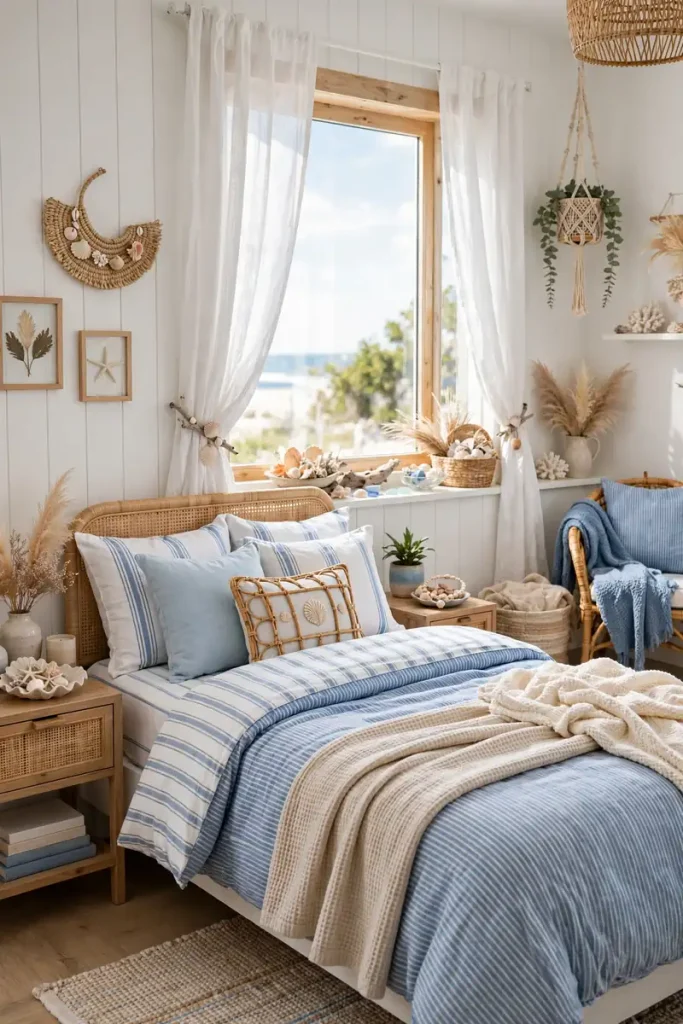
A low platform bed creates clean lines and keeps a small room from feeling top-heavy. Light oak or pine brings warmth without demanding a matching furniture set. Frames commonly cost $150–$500, while a DIY-look upgrade can be as simple as replacing bulky bedding with a fitted quilt. Check mattress support and under-bed clearance before buying; low beds may sacrifice storage. If storage matters, choose drawers built into the frame. Design is lovely, but so is having a place for off-season sweaters.
13. Let One Happy Rug Lead the Color Story
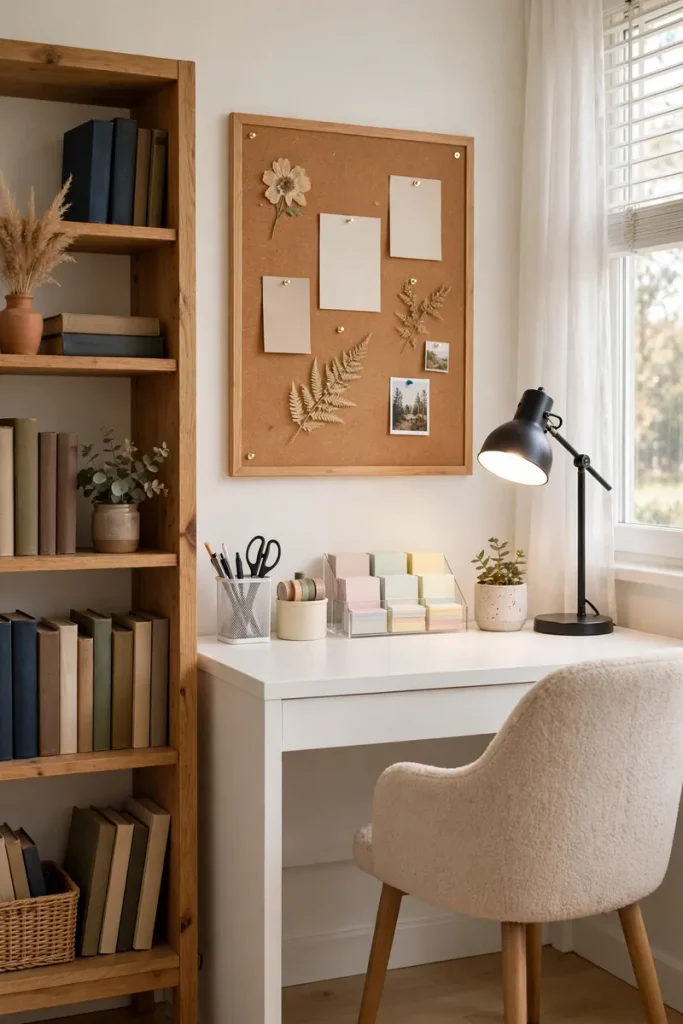
Start with a colorful rug and pull two or three shades from it for pillows, art, and a lamp. This gives the room energy while keeping the palette controlled. A washable 5-by-7 rug often costs $70–$200. Use a non-slip pad so it stays flat, especially beside the bed. Renters get big impact with zero wall changes. In my cousin’s room, a pink-and-green rug settled a week-long debate over paint colors. Apparently, peace talks work better when they are soft underfoot.
14. Turn a Blank Wall Into a Removable Gallery
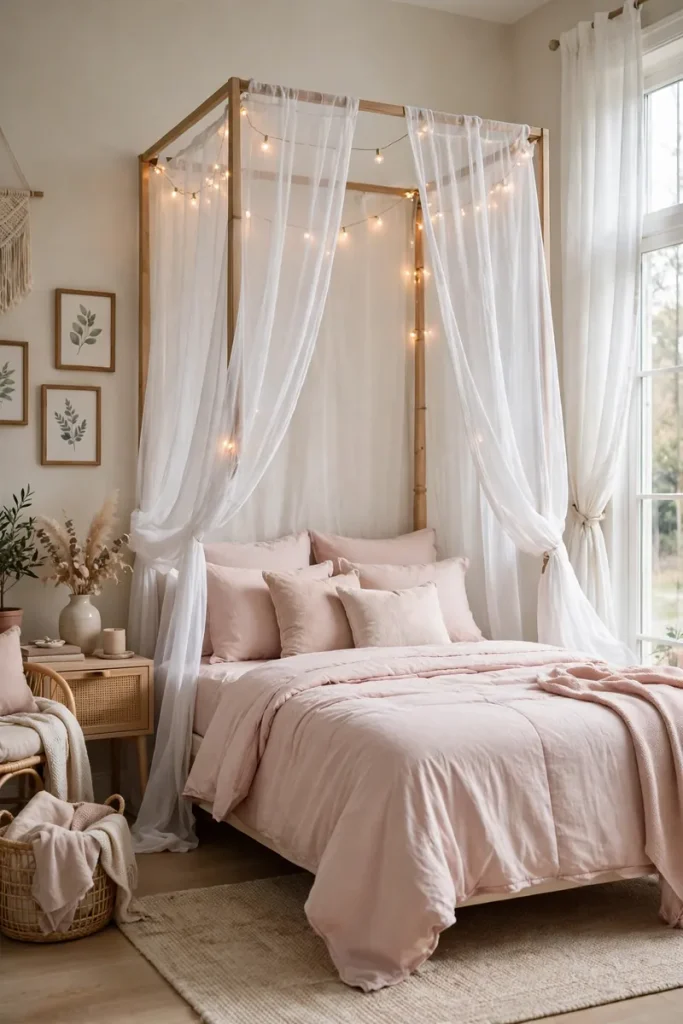
Create a gallery wall with personal photos, thrifted frames, postcards, and small art prints. Lay the arrangement on the floor first, then transfer it to the wall with removable picture strips rated for each frame’s weight. A collected wall can cost $25–$100 depending on frames. Mix sizes but repeat one finish, such as white or natural wood, for order. Avoid placing glass frames directly above the pillow. The finished wall should tell her story, not look like a décor store selected her personality from aisle seven.
15. Give Vintage Style a Fresh Color Twist
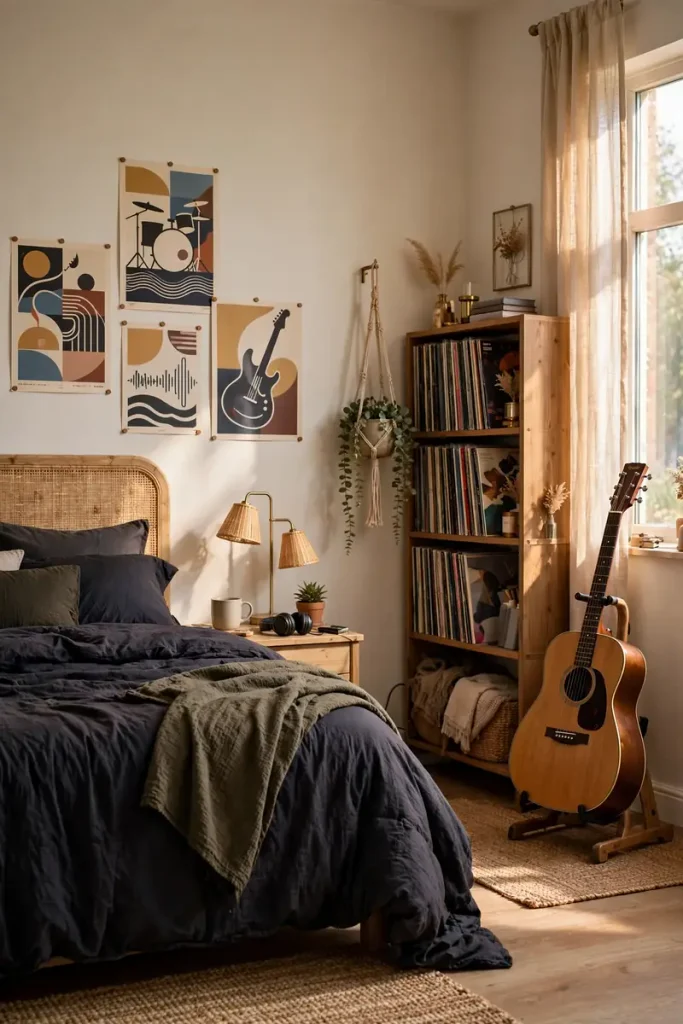
A vintage dresser or spindle bed looks playful with modern color. Paint one furniture piece teal, coral, or butter yellow and balance it with simpler bedding. A quart of furniture paint plus supplies may cost $25–$60. Sand, clean, prime when needed, and let each coat cure fully. Renters can update only removable items, such as the nightstand. Mixing eras also saves money because the furniture does not have to match. Matching sets are polite; rooms with one surprising old piece are usually more interesting.
Phase Four: Finish With Flexible, Future-Proof Details
16. Use a Daybed for Sleepovers and Small Rooms
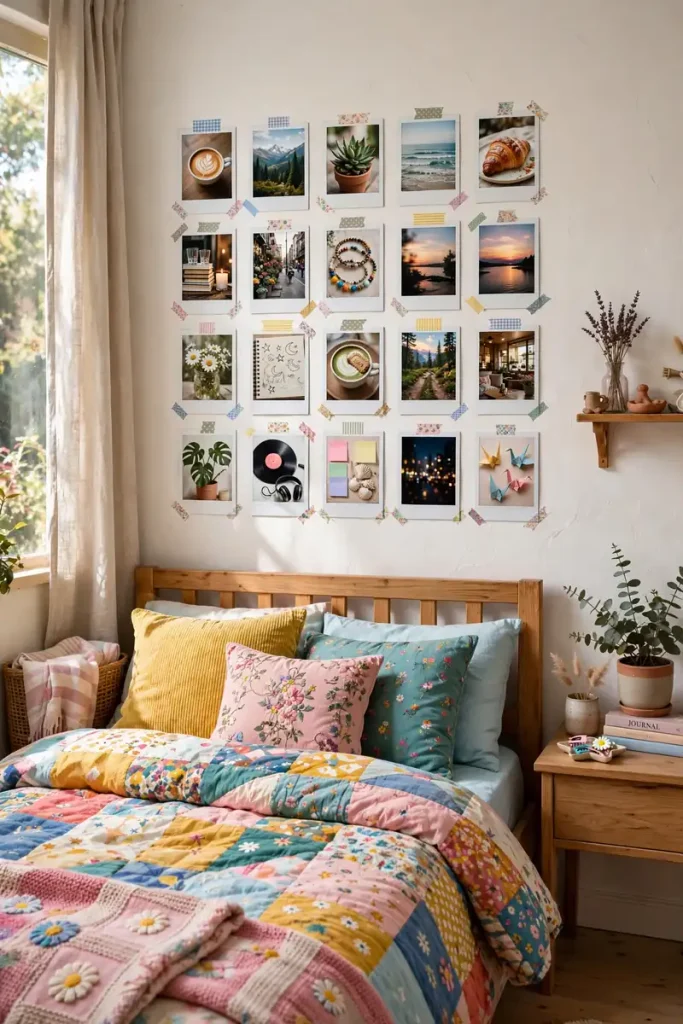
A daybed works as a sofa during the day and a bed at night, making it ideal for a narrow bedroom or frequent sleepovers. Add large back cushions and keep a trundle or folding mattress nearby if space allows. Frames range from about $180–$600, plus mattresses. Measure drawer and trundle clearance before ordering. Choose washable pillow covers because the daybed will host snacks, chats, homework, and probably one dramatic retelling of what happened at lunch. That is a lot for one piece of furniture.
17. Carve Out a Bright Corner Desk
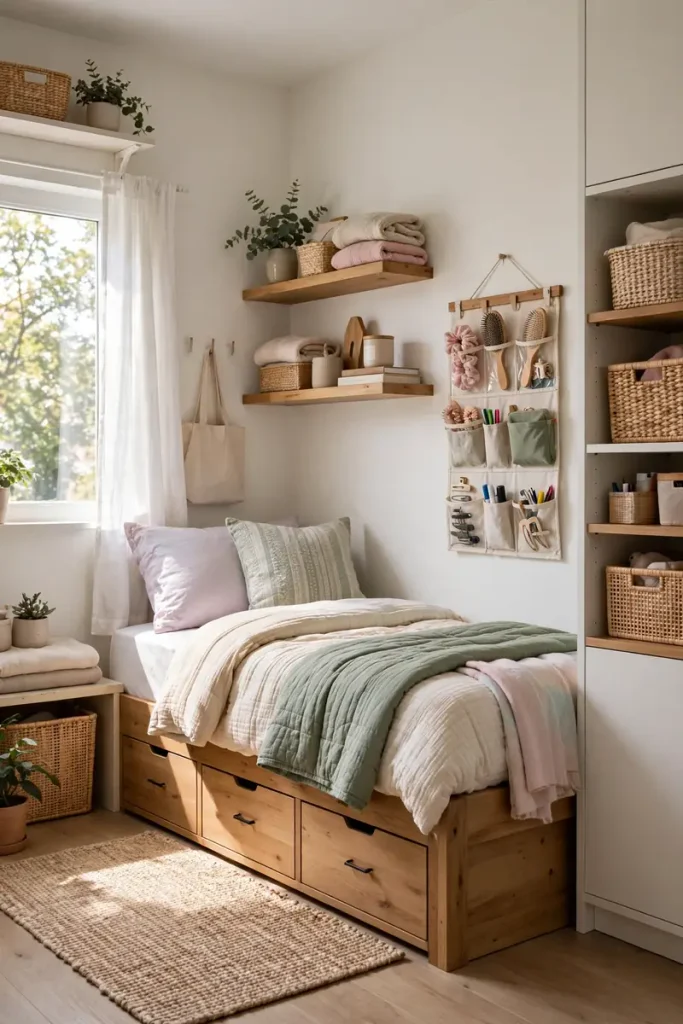
An unused corner can become a compact study station with an L-shaped desk or two wall-mounted surfaces. Keep the desktop pale to reflect light, then add one colorful chair and a vertical organizer. Budget about $70–$250 depending on the desk. Floating shelves above the workspace use height instead of floor area, but fasten them into studs or approved anchors. Route cords along the desk leg with removable clips. A clear desk will not magically finish algebra, sadly, but it removes one excellent excuse.
18. Soften the Room With a Rainbow-Pastel Theme
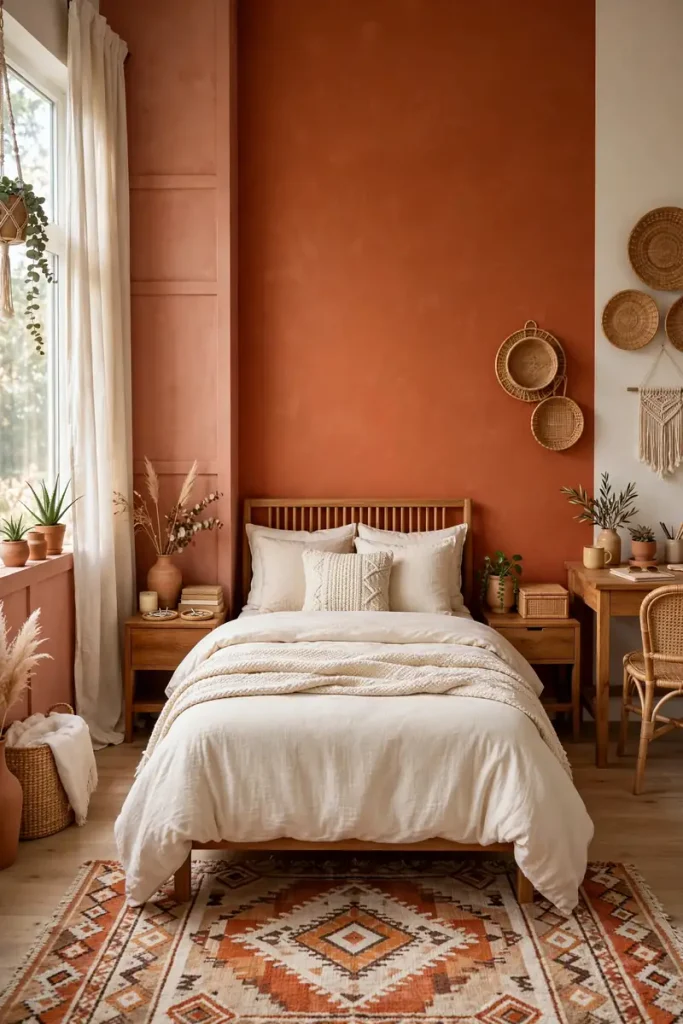
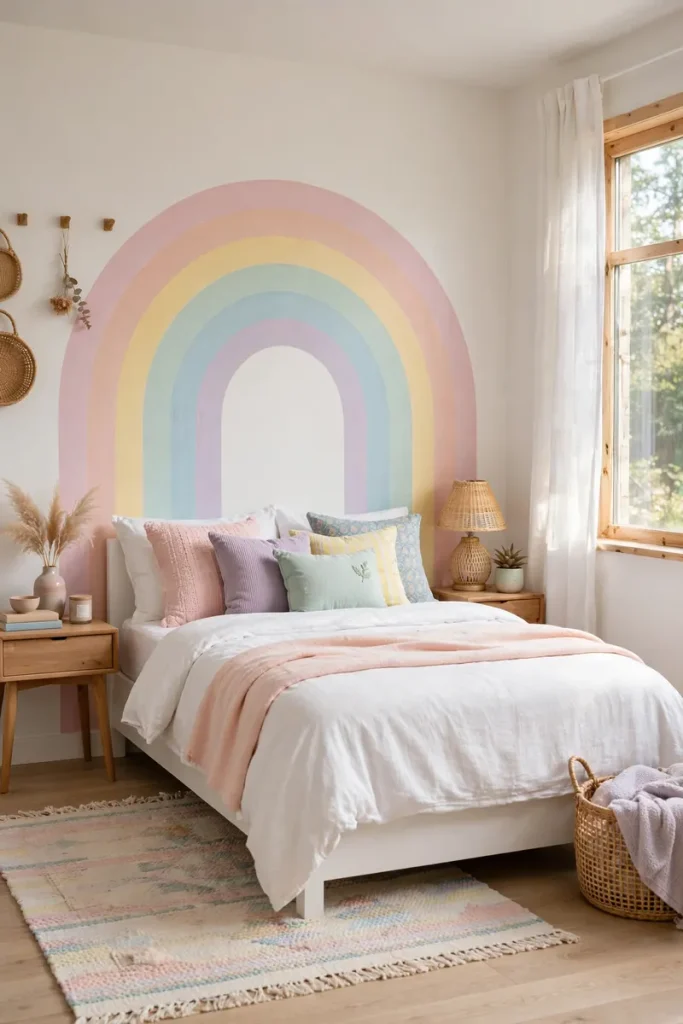
Pastel rainbow décor can feel cheerful rather than childish when shapes are simple. Pick three soft colors—such as lavender, mint, and peach—and repeat them in small amounts. Keep the bed and walls mostly white so the shades have room to shine. A few pillow covers, a throw, and one piece of art can cost under $75. Skip literal theme décor everywhere; one curved wall motif or rainbow cushion is enough. The goal is happy color, not a room that looks like a cereal box exploded.
19. Use Strong Color in One Controlled Zone
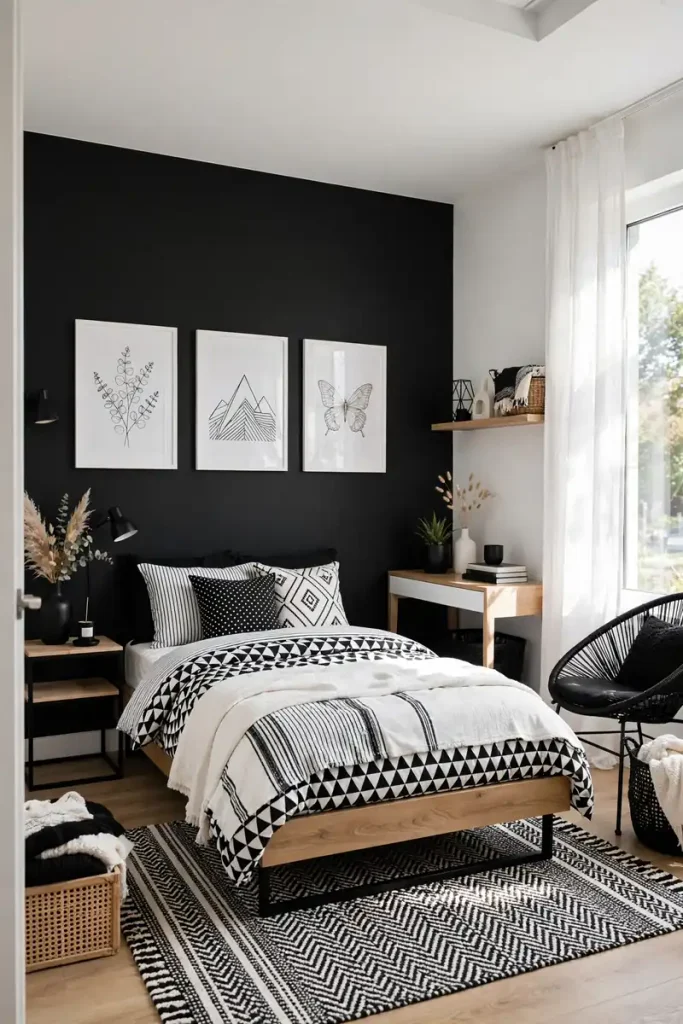
Teens who love bold color do not need to cover every surface. Choose one zone—the headboard wall, reading corner, or desk—and let it carry the saturated shade. Balance it with white bedding and natural wood. A bold paint wall may cost under $70, and removable wallpaper offers a renter-friendly path. Repeat the strong color only twice in small accessories. This approach makes the room dramatic in photos but peaceful enough for sleep. Even hot pink knows when it is time to use an indoor voice.
20. Design a Flexible Room That Changes With Her
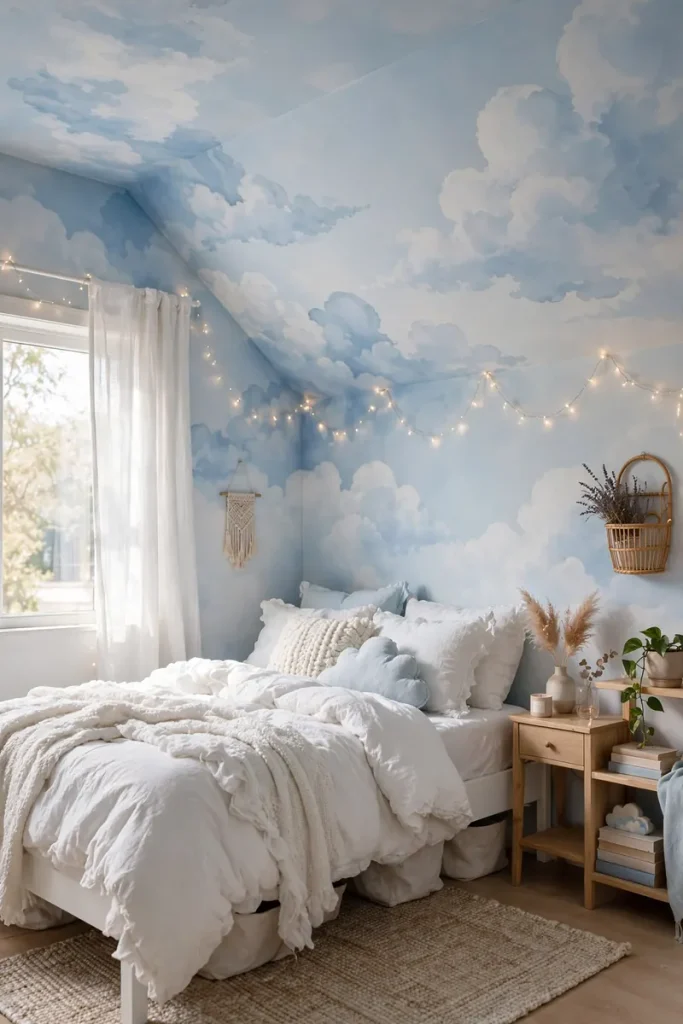
The smartest teen room is built to evolve. Choose a sturdy bed, neutral desk, useful lighting, and closed storage first; then express personality through affordable layers. Pillow covers, posters, throws, and peel-and-stick details can change for roughly $50–$150 instead of replacing furniture. Keep a memory box for favorite old décor rather than forcing every phase to stay on display. A bedroom should fit the person living there now while leaving space for who she becomes next. That may be the most grown-up design decision of all.
A Simple Weekend Makeover Plan
On Friday night, empty surfaces and sort everything into keep, donate, relocate, and trash groups. On Saturday, paint or install the main removable feature, then move the largest furniture first. On Sunday, add storage, hang art, make the bed, and style only what she truly likes. Keep receipts until the room has been lived in for a week. A chair may look adorable online and still be wildly uncomfortable during a two-hour study session.
If the budget is tight, spend first on safety, sleep, lighting, and storage. A supportive mattress, anchored furniture, good task light, and usable bins matter more than trendy accessories. Save money with thrifted frames, secondhand wood furniture, DIY pillow covers, and paint. Avoid buying twenty tiny items just because they are cheap; together they can cost more than one useful piece and create extra clutter.
The Room Should Feel Like Her
A successful teen bedroom does not need to match a Pinterest photo. It needs to support school mornings, late-night reading, friends, hobbies, and changing tastes. Let her make meaningful choices, even if you would have picked a different lamp. Agree on the budget and permanent changes, then give her room to experiment with removable layers.
Choose one idea that fixes a real problem and one that is simply fun. Maybe that means a corner desk plus a bold rug, or under-bed storage plus peach bedding. When function and personality meet, the room becomes easier to use and nicer to come home to. Will it stay spotless every day? Let us remain hopeful—but maybe keep one good laundry basket within throwing distance.