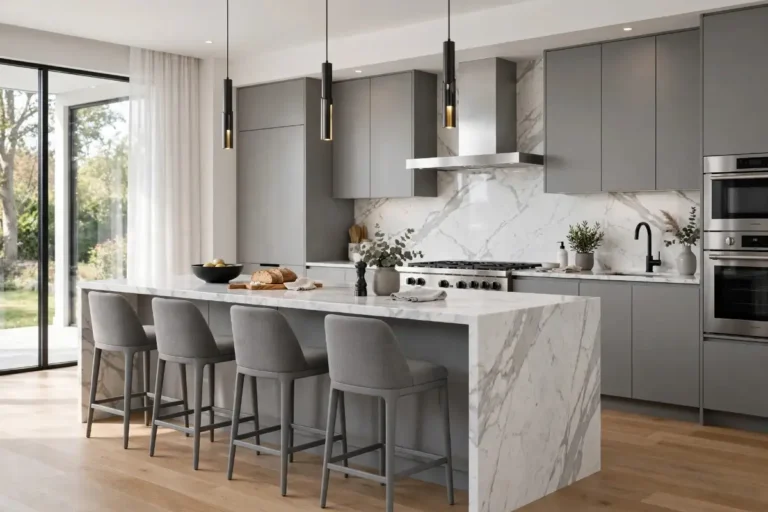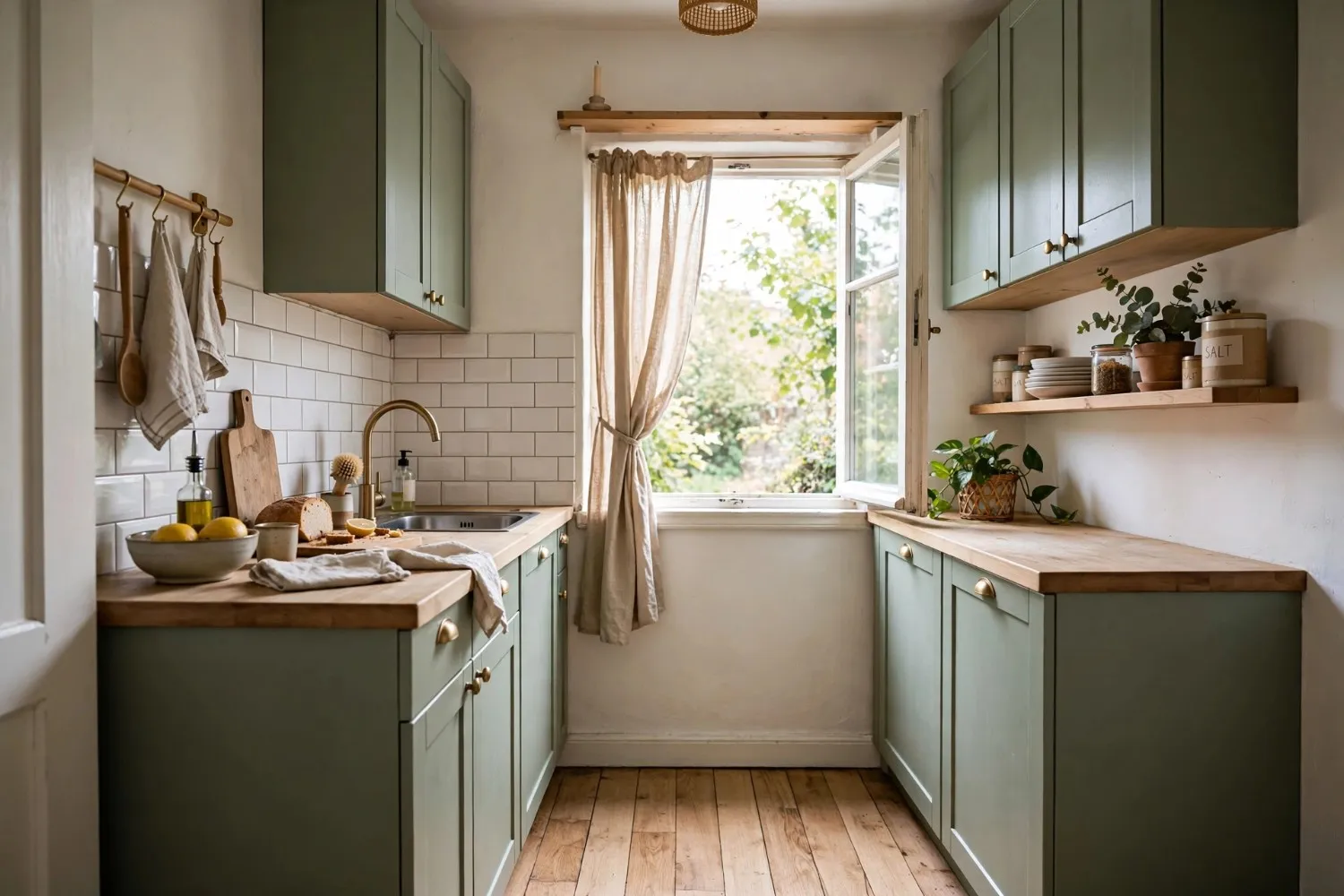
19 Small Kitchen Ideas So Smart, You Will Forget the Room Is Tiny
My smallest kitchen had one true counter, a drawer that bumped the oven door, and a refrigerator that seemed determined to join every conversation. I used to balance a cutting board over the sink and call it an “island.” It was not glamorous, but it taught me that a small kitchen does not need to feel like a daily puzzle.
The best changes do three things: protect open counter space, use walls wisely, and make the room pleasant to look at. These 19 small kitchen ideas mix storage, color, lighting, and flexible furniture. Each one includes a rough cost and a renter-friendly path, so you can find an option that fits your home instead of dreaming about a kitchen that belongs to someone else.
Chapter One: Make the Room Feel Wider
Start with the view. Light colors, warm materials, and less visual weight can change how a tight kitchen feels before you move a single wall.
1. Brighten a Narrow Galley With Warm White
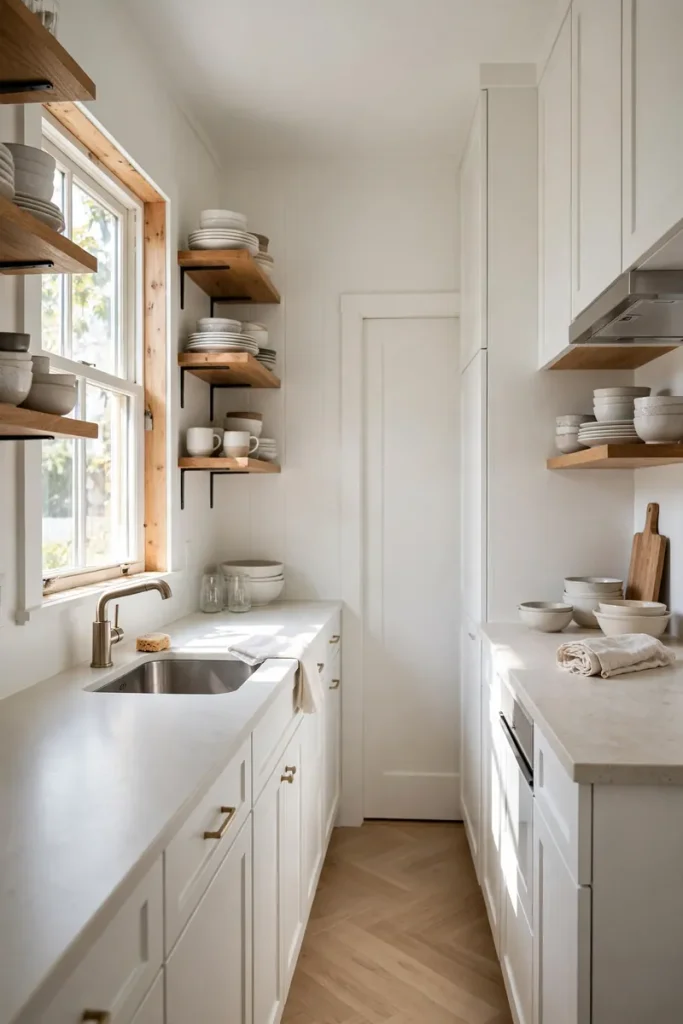
Choose creamy white, soft ivory, or very pale greige, then add wood through a backsplash, cutting board, or stool so the room does not feel cold. Painting existing cabinets can cost roughly $200 to $600 as a DIY project, while professional work often starts near $1,500. Renters can use removable light-toned backsplash panels and pale washable rugs. Then tomato sauce met a cabinet door. Good washable paint—not perfection—turned out to be the real hero.
2. Replace One Upper Cabinet With Open Shelves
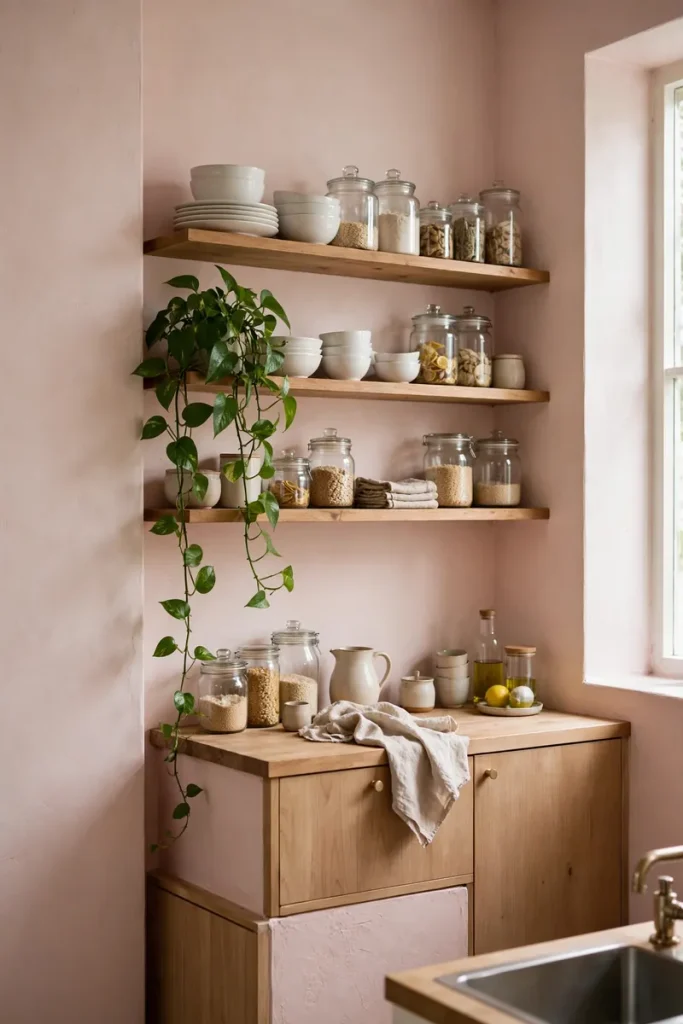
Two open shelves can make a small kitchen feel wider and keep everyday dishes close. Use them for plates, bowls, mugs, and jars you actually reach for; hide the odd plastic cups somewhere else. A pair of shelves may cost $60 to $250, depending on the wood and hardware. Renters can place a narrow freestanding shelf on the counter for the same airy effect without drilling. Who knew breakfast had such design talent?
3. Add Butcher Block for Instant Warmth
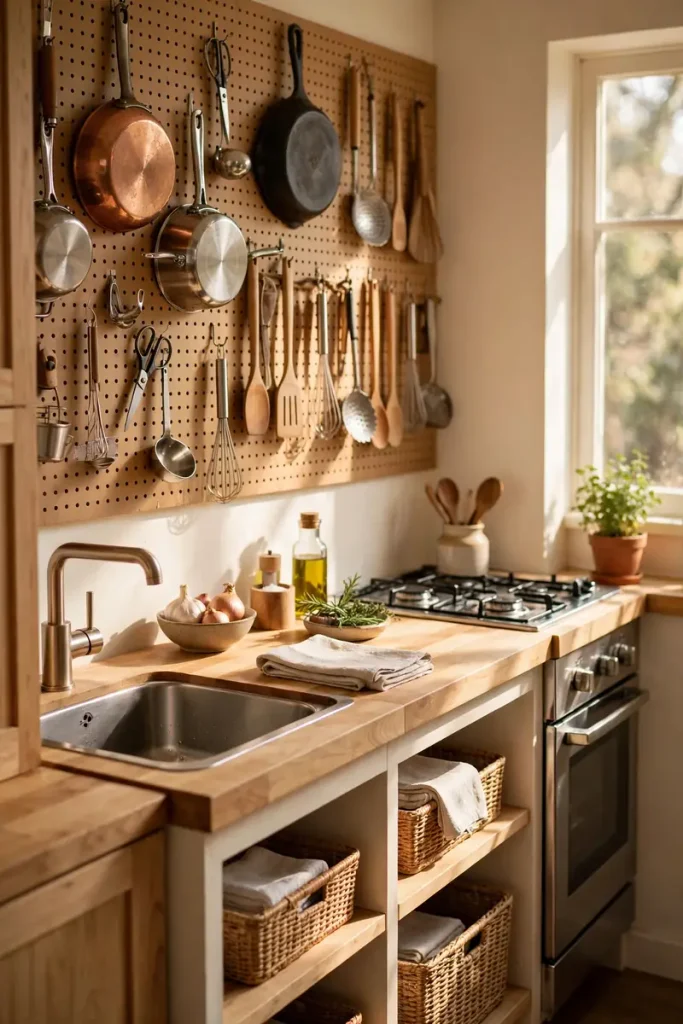
Wood counters soften white cabinets and bring cozy character into a tiny room. Butcher block commonly costs about $50 to $150 per section before installation, though wood type and size change the price. Seal it well around the sink and wipe water quickly. If replacing counters is not possible, set a large butcher-block cutting board over one section to create the look for $30 to $100. Pair the warm wood with black knobs, simple tile, and one small plant.
Chapter Two: Put the Walls to Work
Once the room feels lighter, claim vertical space. These ideas move useful items up and off the counter while keeping the design neat.
4. Turn an Empty Wall Into a Pegboard Station
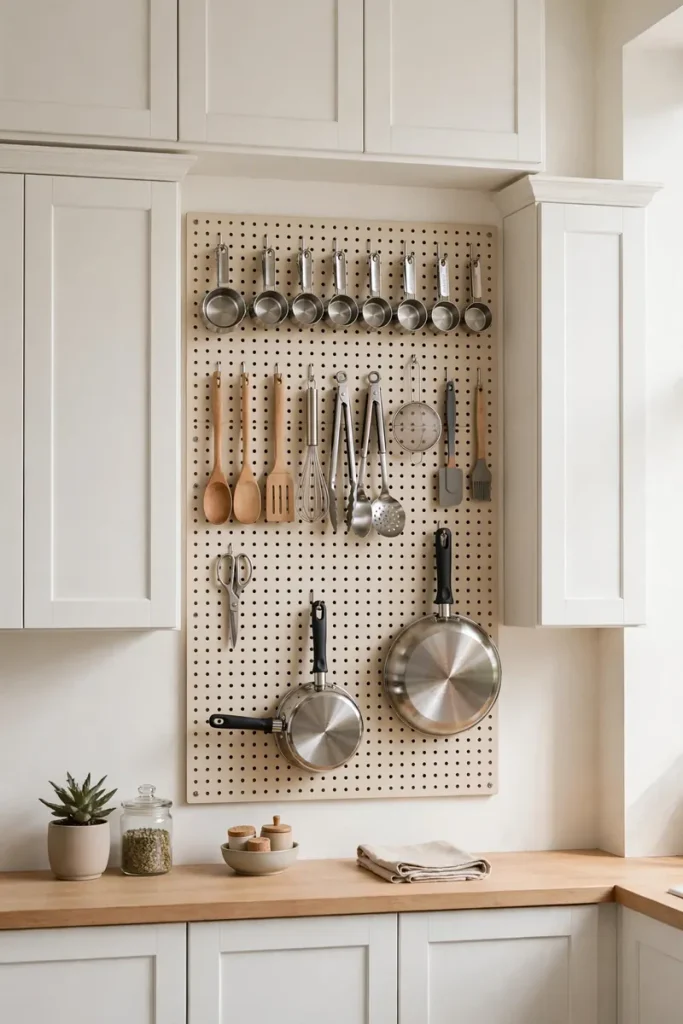
A pegboard gives pans, utensils, measuring cups, and small shelves a flexible home. A small setup can cost $40 to $150. Keep the items you use most between waist and eye level, and do not hang heavy cookware unless the board is anchored correctly. Renters can attach pegboard to a freestanding frame or the side of a sturdy cart. Editing it down to daily favorites made it both prettier and much easier to use.
5. Roll In a Mobile Island Cart
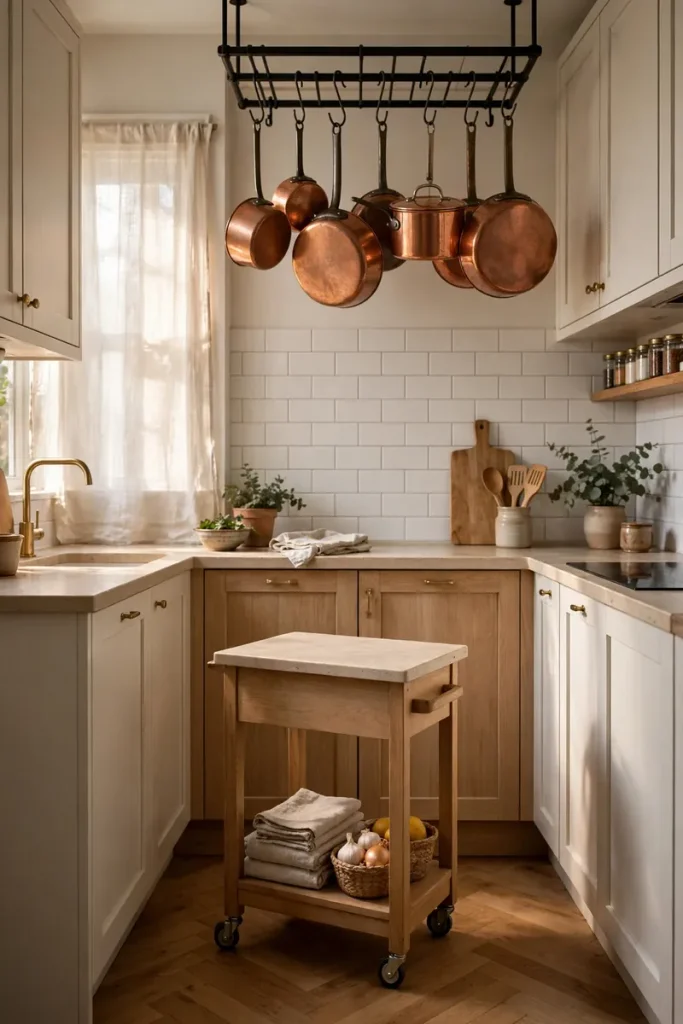
A slim cart can add prep space, shelves, and a serving surface without locking you into one layout. Look for wheels that lock, a wipeable top, and a width that leaves at least 36 inches of walkway when possible. Basic carts cost around $70 to $250; solid-wood versions can be more. Renters can take the cart to the next apartment, which makes it a smarter buy than permanent cabinetry. It is basically a helpful kitchen friend who never eats the snacks.
6. Free the Counter With a Magnetic Knife Strip
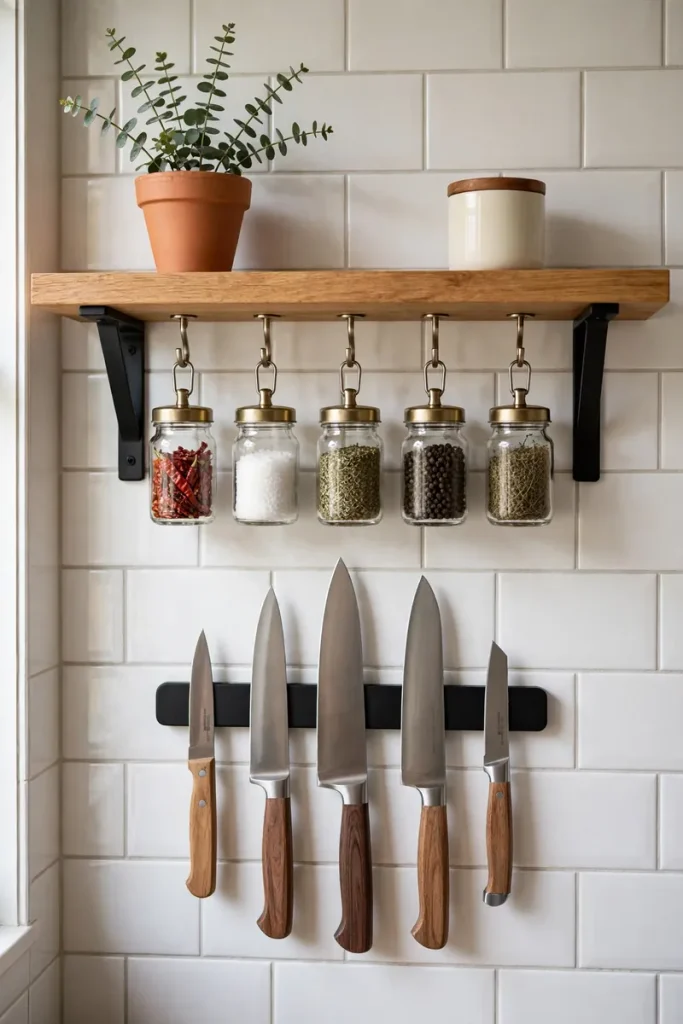
A magnetic strip moves knives off the counter and keeps the blades easy to see. Mount it away from the stove, sink splashes, and children’s reach. A good strip usually costs $20 to $80. For safety, use the mounting method recommended by the maker and confirm that the magnet holds each knife firmly. If drilling is not allowed, use an in-drawer knife tray instead; it gives you the same clear counter. This is storage, not a dramatic sword scene before dinner.
7. Add Under-Cabinet Light Where You Chop
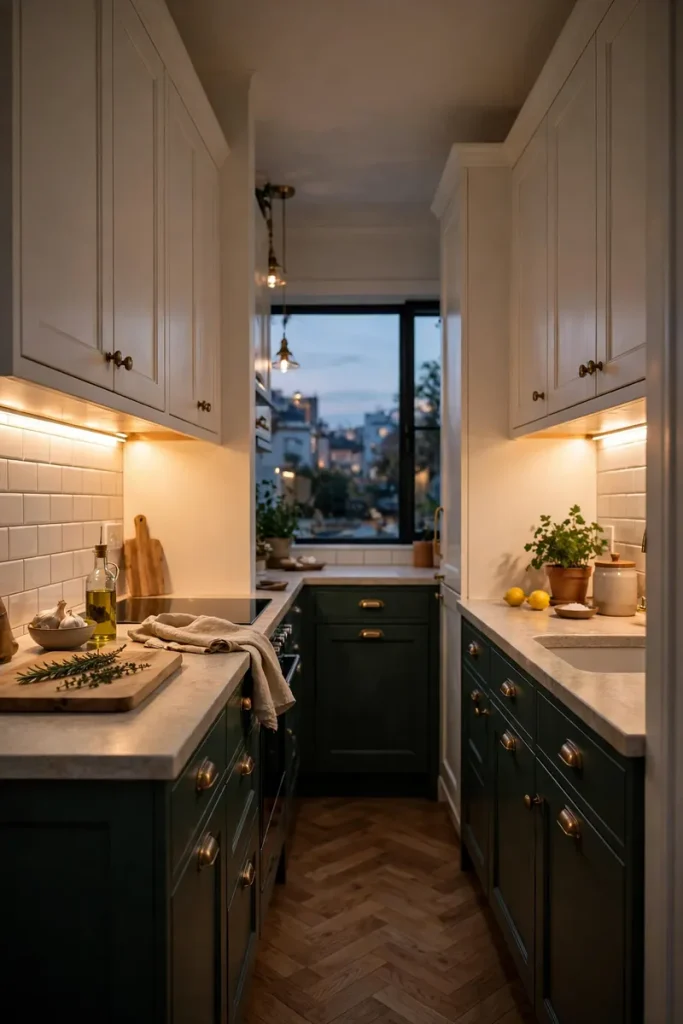
Small kitchens often feel gloomy because upper cabinets cast shadows across the counter. Plug-in and rechargeable kits often cost $20 to $100, making this one of the easiest renter-friendly upgrades. Pick warm white light around 2700K to 3000K for a cozy glow, and hide visible cords along a cabinet edge. Lighting will not create more square feet, but it makes every inch easier to use—and helps you notice the onion piece that tried to escape.
Chapter Three: Furniture That Knows When to Move
Small kitchens need flexible pieces. A table that folds or a bench that stores supplies can do more than one job without crowding the floor.
8. Mount a Fold-Down Table
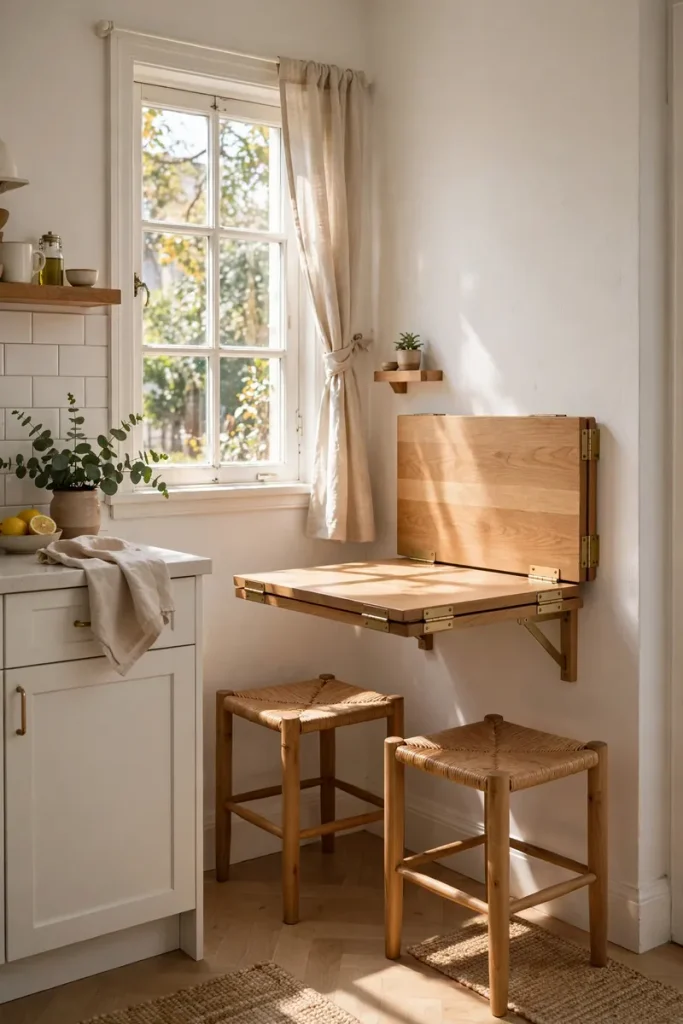
A wall-mounted drop-leaf table can serve as breakfast spot, laptop desk, or extra prep surface, then fold nearly flat. Models usually cost $80 to $300 before installation. Check the weight limit and mount it securely into studs or approved wall anchors. In a rental, choose a narrow gateleg table or nesting tables instead of attaching anything to the wall. When dinner ends, fold it away and enjoy the rare luxury of seeing your floor again.
9. Tuck a Banquette Into a Corner
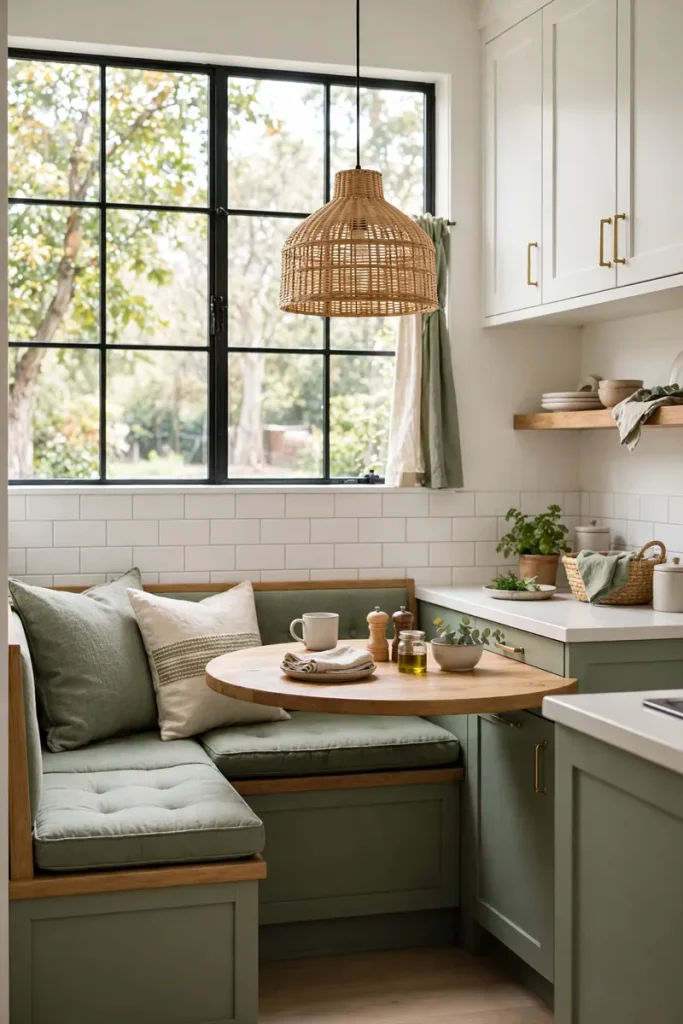
A corner bench uses wall space better than chairs that need room on every side. A DIY bench may cost $200 to $700, while custom work often runs $1,500 or more. Renters can push an upholstered bench against the wall and pair it with two light chairs. I love a banquette because it makes weekday coffee feel a little like brunch. The fact that the bench can hide paper towels and pet food is our practical little secret.
10. Take Storage All the Way Up
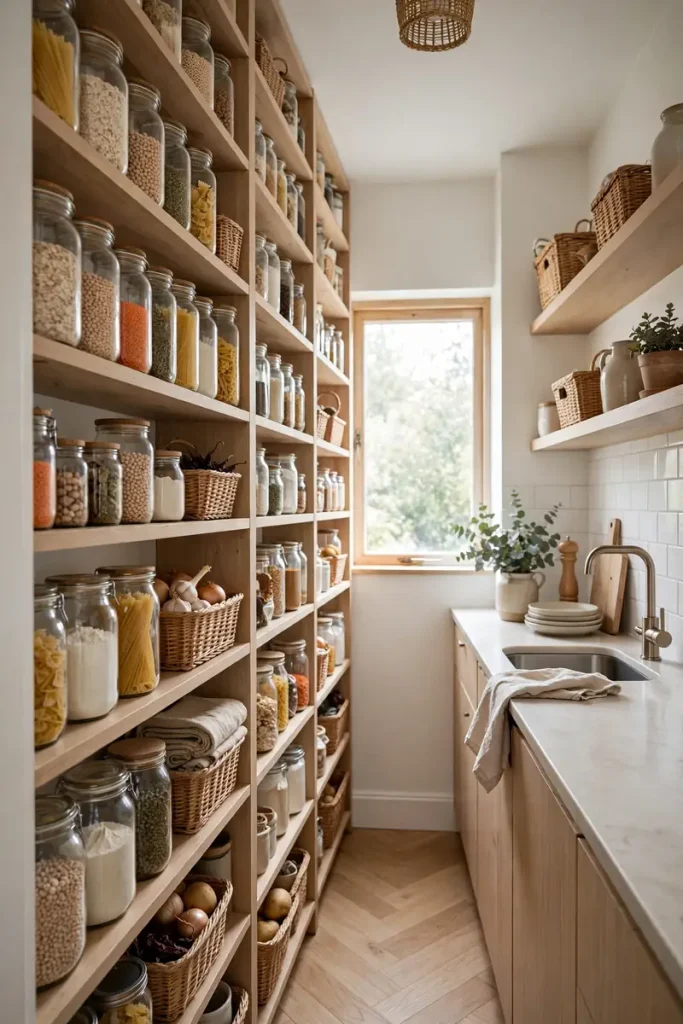
Combine rails, hooks, narrow ledges, and baskets, placing daily tools low and special-occasion pieces high. A simple rail system costs about $25 to $120. Keep the arrangement narrow so nothing sticks into the walkway. Renters should use a tall freestanding rack or tension-pole organizer. Repeat one finish—black, brass, or stainless steel—to make mixed storage feel planned. And please use a real step stool for top shelves; dining chairs are charming but terrible ladders.
Chapter Four: Use Light as a Design Tool
Glass, pale finishes, and reflective surfaces help natural and electric light reach farther. The room looks calmer, and food prep becomes easier.
11. Lighten the Room With Glass-Front Doors
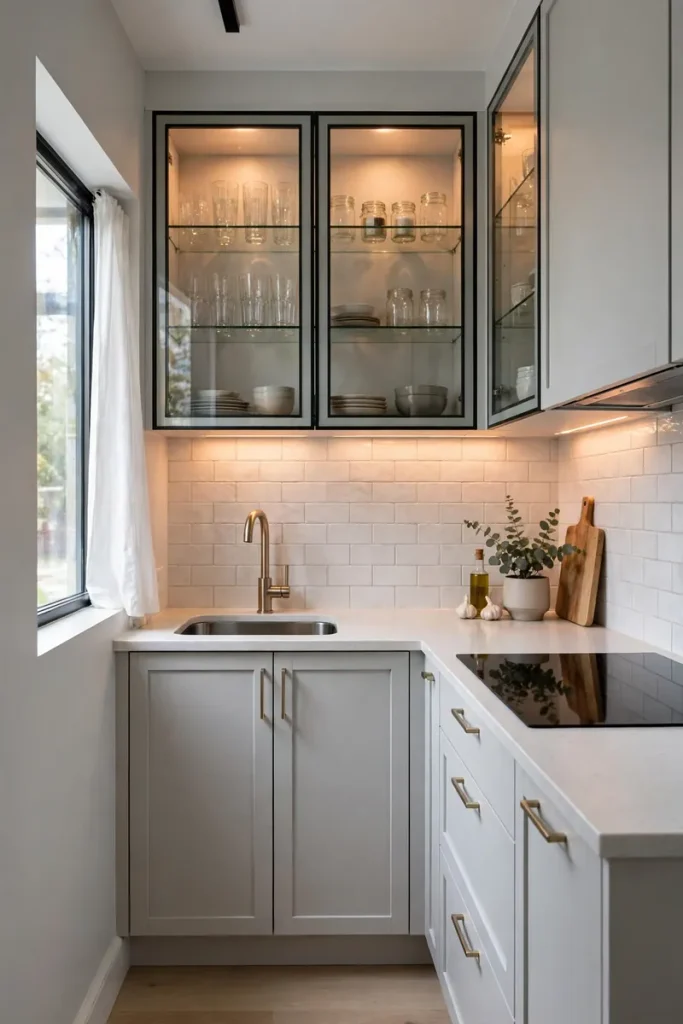
Glass-front cabinets reduce the heavy feeling of a wall full of solid doors. Replacing a few door panels may cost $150 to $800, depending on the cabinet style and glass. Renters can sometimes remove doors carefully, store the hardware, and reinstall everything before moving—only with landlord approval. Frosted or fluted film adds softness and can hide imperfect stacks. Clear glass is beautiful, but it does not forgive a mug avalanche.
12. Use a Soft, Light Color Palette
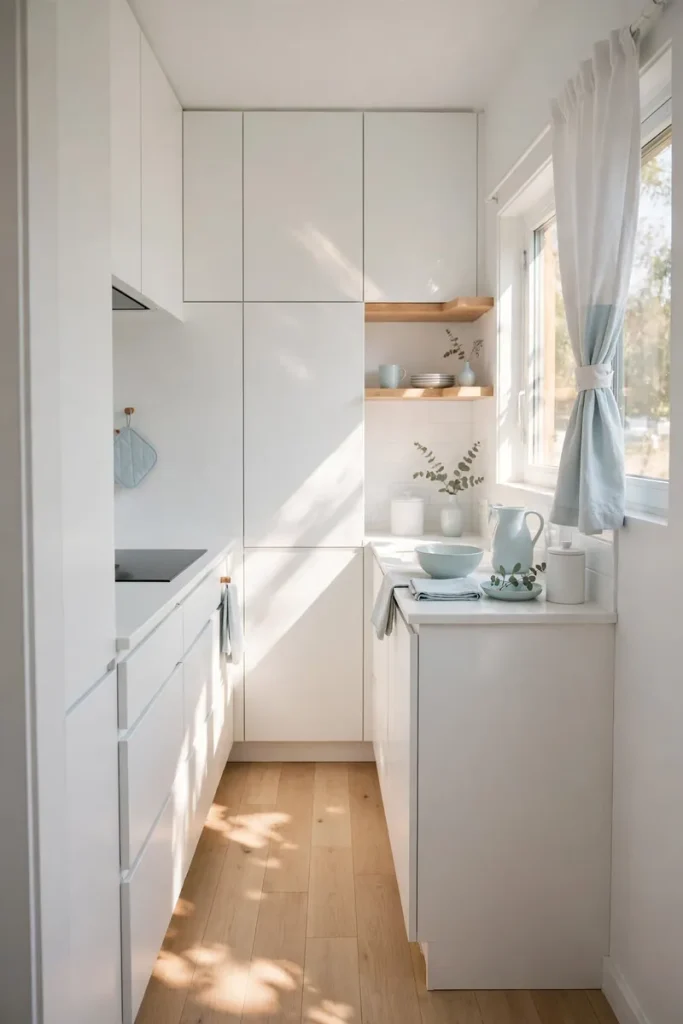
Pale oak, warm white, misty gray, and soft beige help a small kitchen feel calm rather than crowded. Cabinet paint may cost $100 to $300 for supplies, while changing handles can cost $30 to $150. Renters can create the palette with a washable runner, light curtains, removable backsplash sheets, and wood accessories. A black faucet or a few dark knobs can outline the design nicely, like eyeliner for your kitchen—subtle, useful, and surprisingly powerful.
13. Bounce Light With a Reflective Backsplash
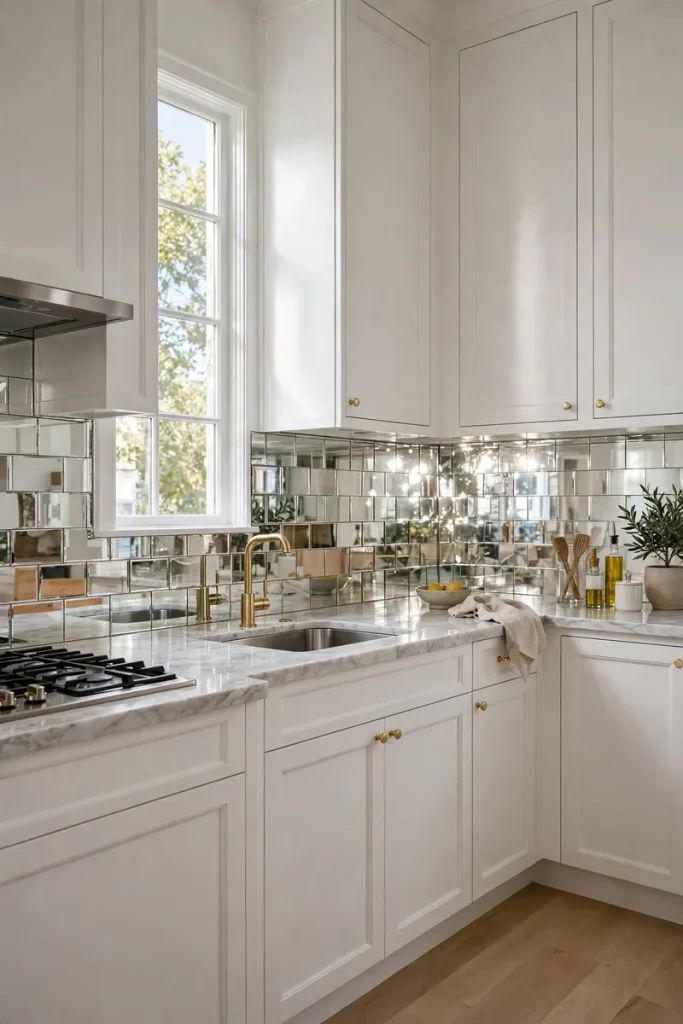
A mirrored or high-gloss backsplash reflects windows and makes a short wall look deeper. Materials can range from about $8 to $40 per square foot, plus installation. Renters can try removable reflective tile stickers after testing one in a hidden spot. Keep the counter below simple so the reflection does not double the clutter. The bonus is brighter prep light; the surprise is seeing how often someone opens the fridge while deciding what to eat.
14. Bridge the Space Above the Sink
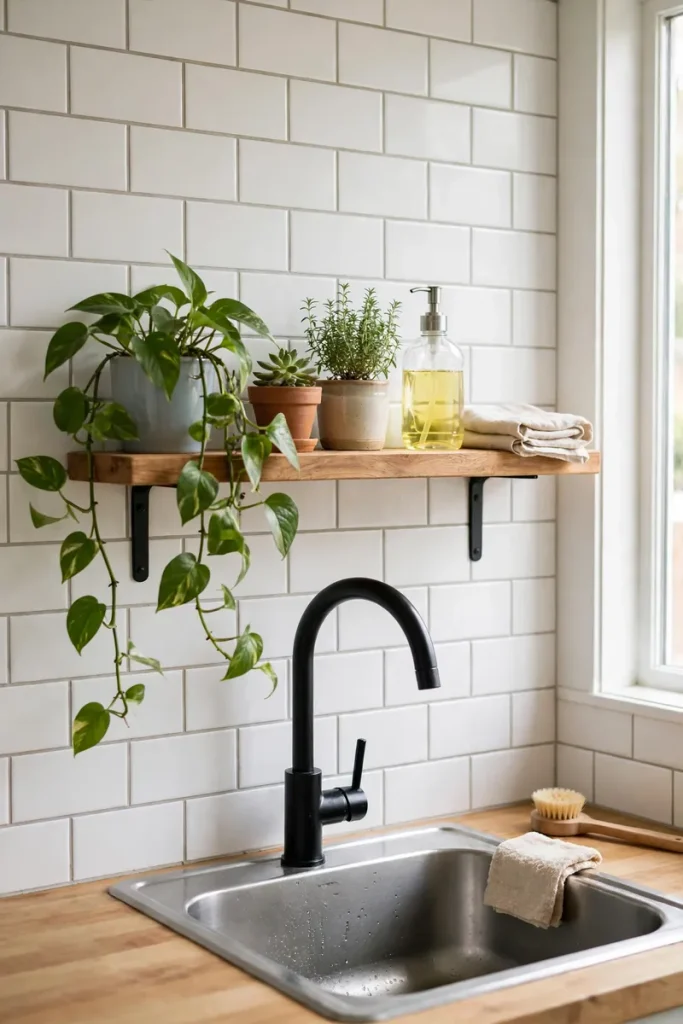
A shelf above the sink turns a blank strip into storage for glasses, plants, or a compact dish rack. A basic sealed-wood shelf may cost $30 to $120. Use moisture-resistant finishes and secure the brackets properly. If you rent, try an over-sink rack that stands on the counter and costs roughly $25 to $80. I once filled an over-sink ledge with seven plants. It looked dreamy until watering day became indoor rain. Two plants were plenty.
Chapter Five: Win Back the Hidden Inches
The last group focuses on narrow gaps, correctly sized appliances, and tidy interiors. These are practical upgrades that make everyday cooking less annoying.
15. Slide a Pull-Out Pantry Into a Slim Gap
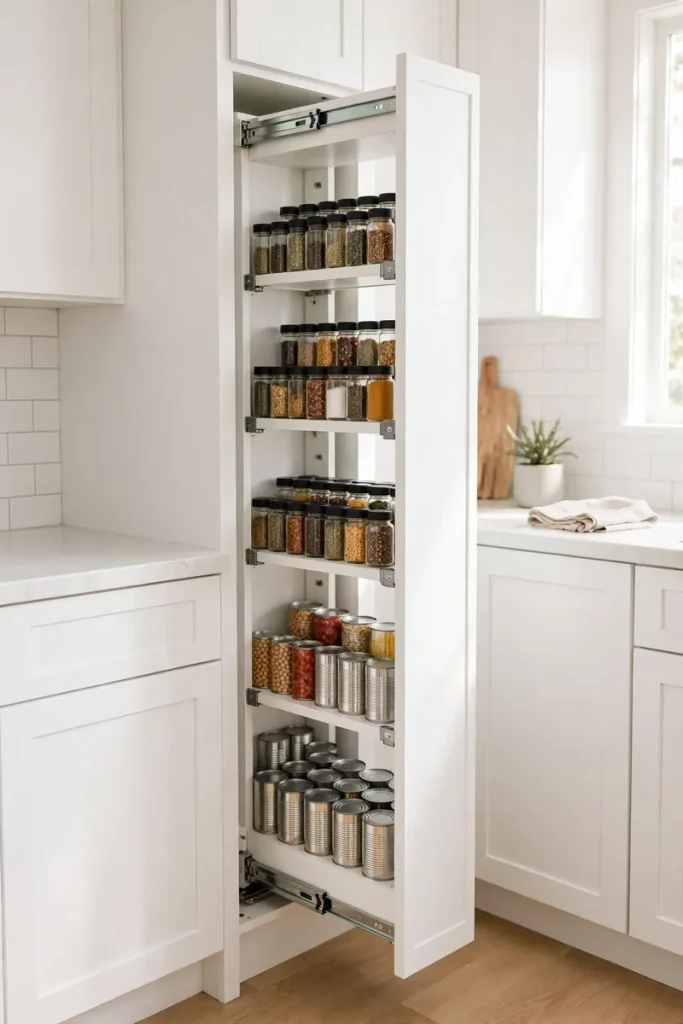
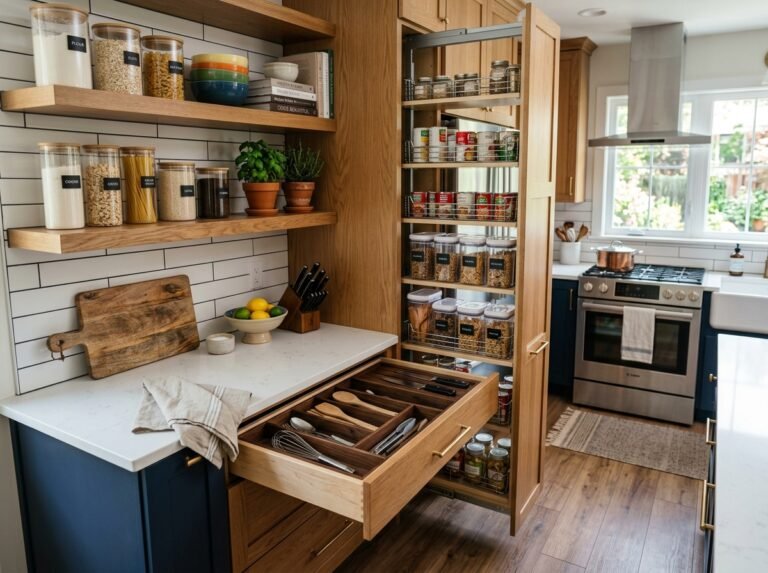
The narrow gap beside a refrigerator or cabinet can become a pull-out pantry for cans, spices, and bottles. Ready-made rolling units start around $40, while custom built-ins may cost $500 to $2,000 or more. Measure the gap at the top, middle, and bottom; walls and cabinets are not always as straight as they appear. Renters should use a freestanding rolling tower that can leave with them. A slim pantry will not hold everything, but it can finally stop olive oil and snacks from playing hide-and-seek.
16. Choose Appliances That Match the Room
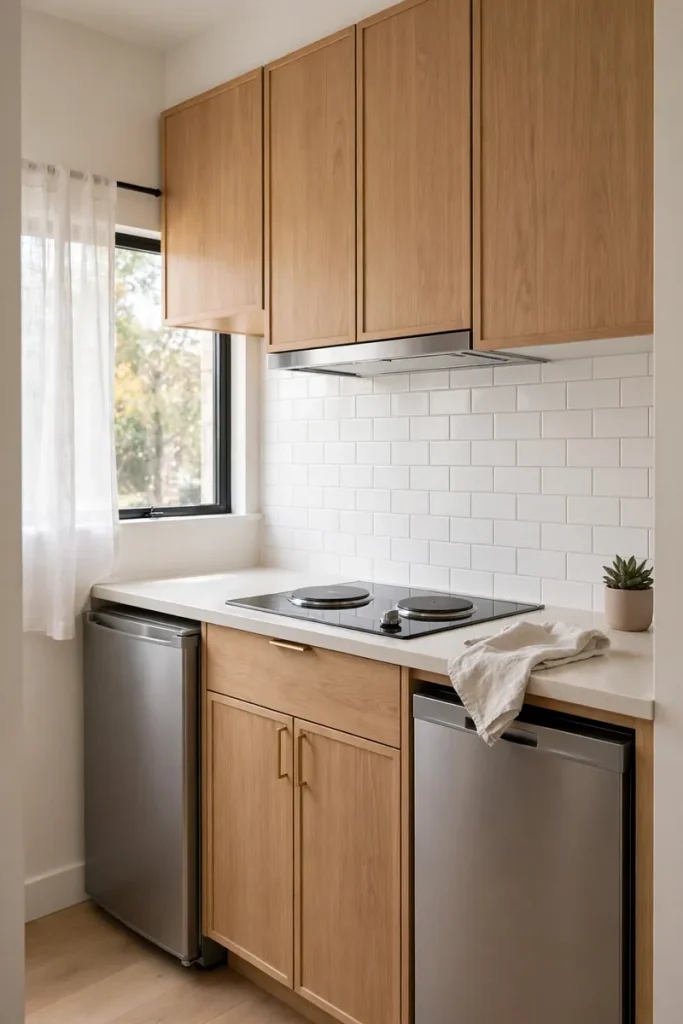
Apartment-size ranges, counter-depth refrigerators, and slim dishwashers protect valuable walkway and cabinet space. Measure doors, handles, ventilation gaps, and the delivery path before ordering. Compact appliances vary widely, but expect roughly $500 to $2,000 per item. Do not downsize a refrigerator simply because it looks cute; match capacity to how you cook and shop. Renters can use smaller countertop appliances and store rarely used gadgets outside the kitchen. It is choosing pieces that work hard without acting like the kitchen’s main character.
17. Hang Pots Without Crowding the Room
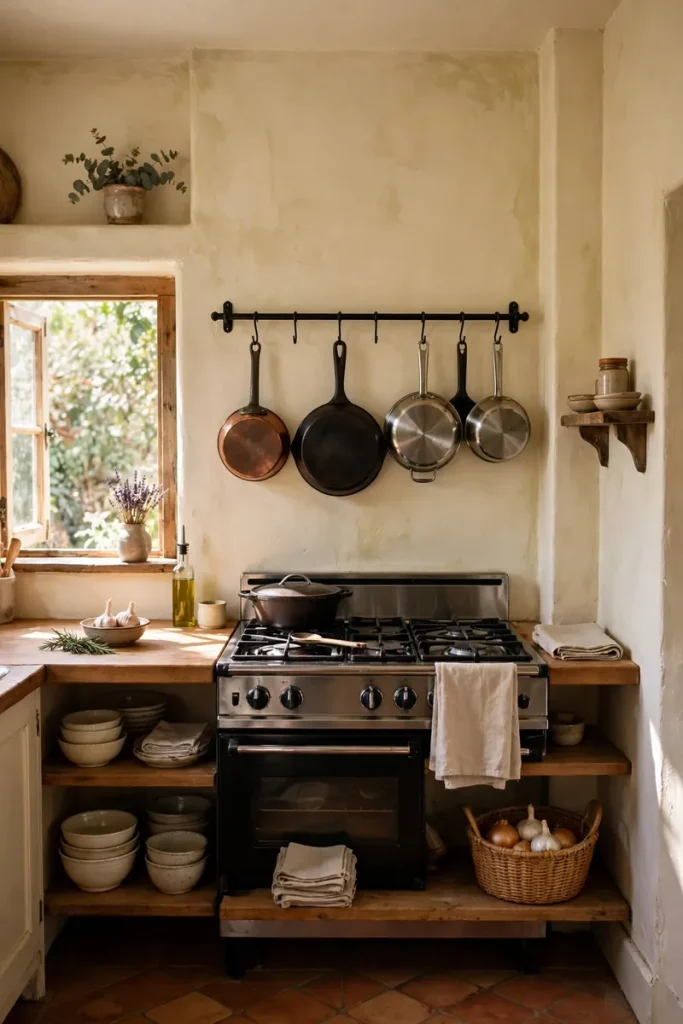
A wall rail or ceiling rack can move bulky pans out of a cabinet, but it must fit the room. A rail and strong hooks may cost $30 to $120. Hang only the pans you use often, keep handles from sticking into the walkway, and anchor the rail into studs. Renters can use a sturdy freestanding baker’s rack with hooks. If every pan you have is hanging like a metal jungle, the kitchen may feel smaller, not larger. Editing is free—and wonderfully quiet.
18. Divide Drawers by the Task
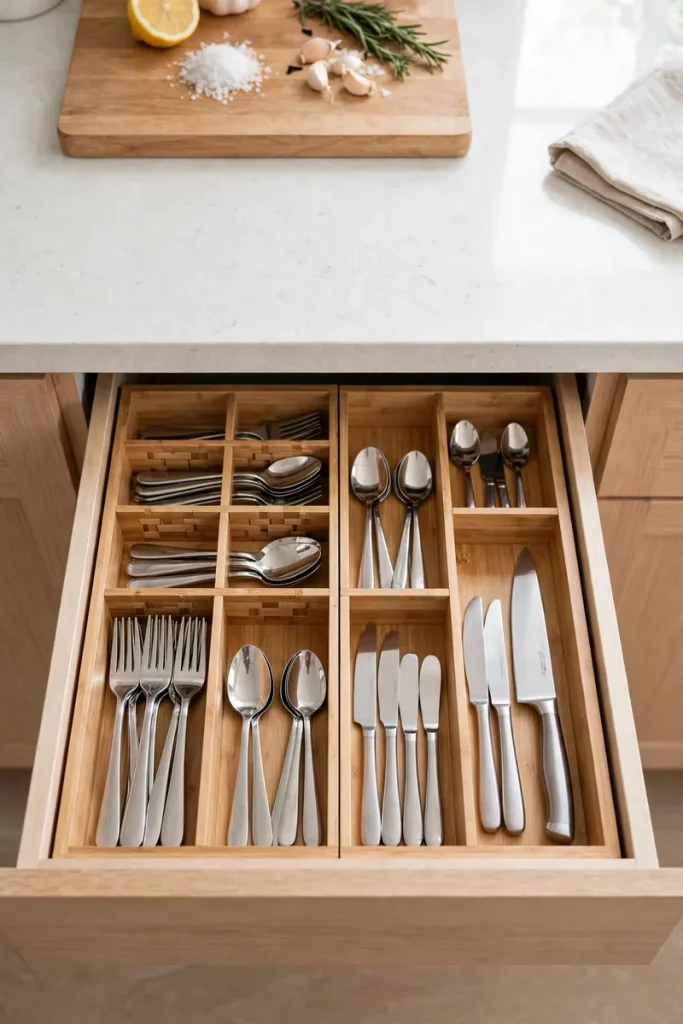
A well-planned drawer can hold more because tools stop overlapping. Use an expandable cutlery tray, small bins, or adjustable dividers, then place everyday items near where you use them. A complete drawer refresh can cost $15 to $60. This upgrade is perfect for renters because nothing is attached. My junk drawer once contained four bottle openers and no working pen. Ten minutes with dividers exposed the truth and gave me space for the things I actually needed.
19. End With a Cozy Breakfast Nook
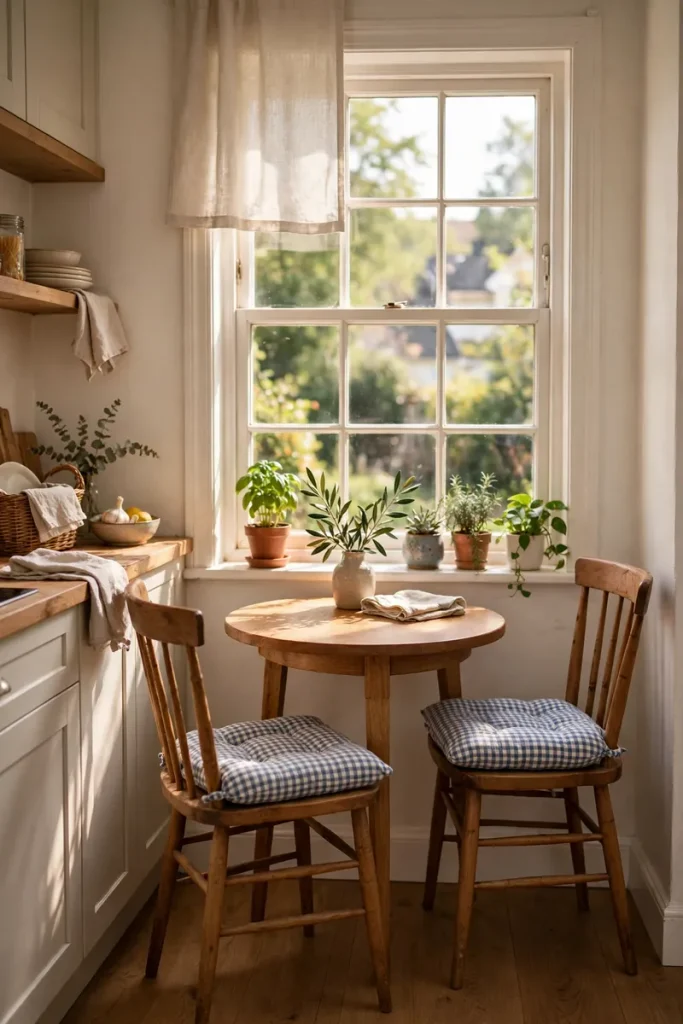
A tiny breakfast nook makes the kitchen feel like a room to enjoy, not only a place to complete chores. Use a round or narrow table, stools that slide underneath, and one pendant or wall light to define the zone. A simple setup may cost $150 to $600 using ready-made pieces. Renters can layer a washable rug, a small table, and removable art for an instant nook. Even if breakfast is just toast eaten in a hurry, the corner can still make the morning feel cared for.
A Practical Plan Before You Start
For one normal week, notice where the kitchen slows you down. Do you lack a place to chop, search for pans, or bump into a table? Fix that problem first. Measure the full area, including doors, handles, and walking space. Then choose one project with a budget you can finish. A $40 drawer system that improves every morning may be more useful than a beautiful $400 shelf you rarely touch.
Keep heavy items low, protect heat and water zones, and use proper anchors for anything mounted. Renters should check the lease before drilling or painting, test removable products in a hidden spot, and save original hardware. For any electrical, plumbing, or cabinet work beyond your skills, hire a qualified professional. Cute decor is lovely; a safe kitchen is better.
Your Small Kitchen Can Still Feel Like Home
A successful small kitchen is not packed with clever products. It is easy to move through, simple to clean, and filled with details that make you smile. Maybe your answer is a rolling cart and better lighting. Maybe it is one pale wall, one open shelf, and a breakfast corner where you can drink coffee in peace.
Begin with the biggest daily annoyance, make one thoughtful change, and leave some breathing room. Your kitchen may stay small on the floor plan, but it can feel organized, warm, and completely yours. And if the refrigerator still joins every conversation, at least it can do so beside a very stylish cart.