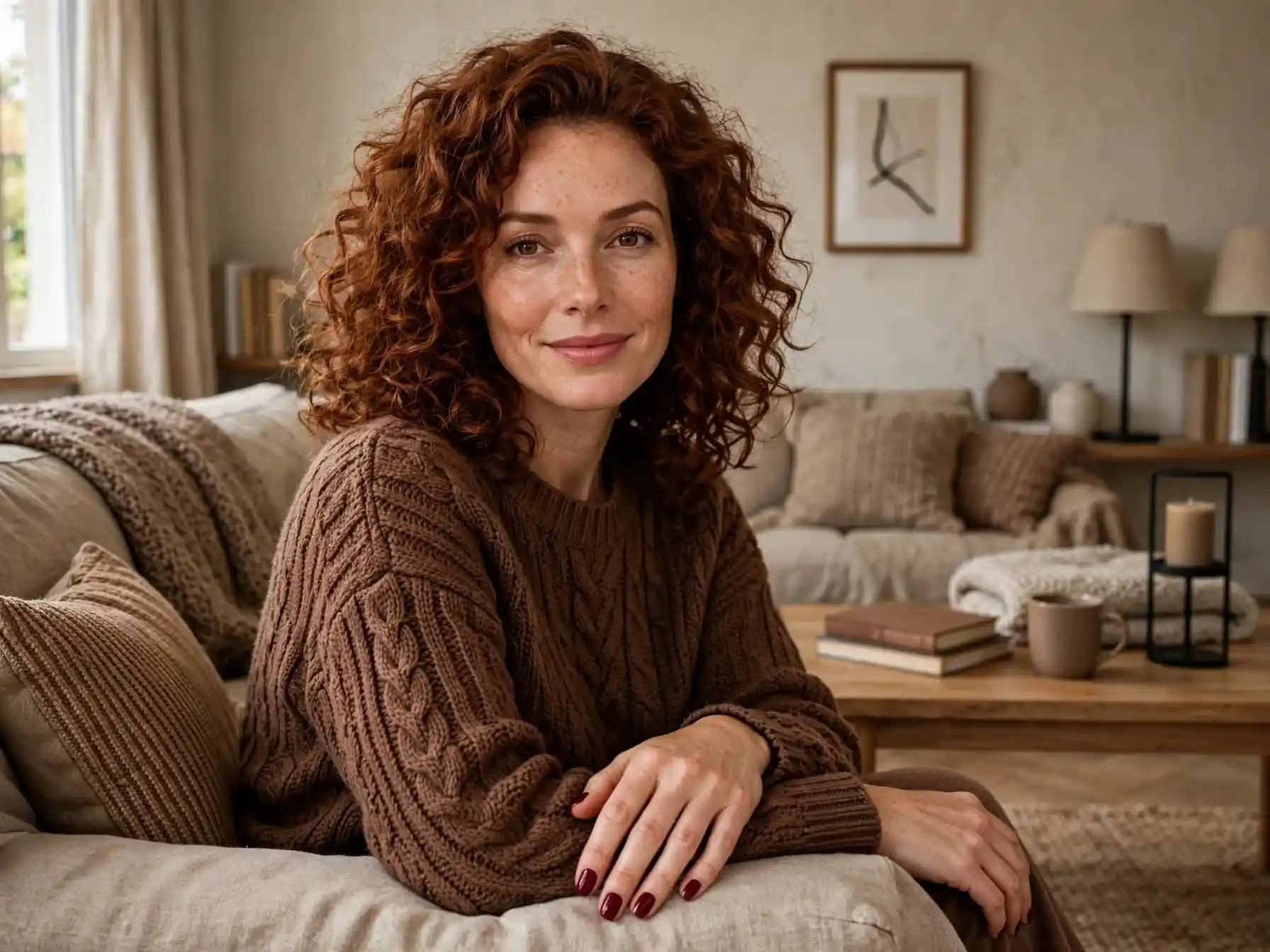
18 Fall Nails Colors, Poured Like a Wine Tasting Flight
A sommelier once told me the biggest mistake new wine drinkers make is judging a glass by its color alone, glancing at it, deciding “that’s red” or “that’s white,” and moving on without ever considering body, tannin, or how it actually sits on the palate over time. Nail polish shoppers make the exact same mistake standing in front of a wall of bottles, glancing at a swatch, deciding “that’s orange” or “that’s brown,” and grabbing it without any real sense of how it will actually behave on their hands for the next two weeks.
So I built this post as an actual tasting flight. Eighteen colors, poured in order from the lightest body to the fullest, each with a body rating, a tasting note describing its actual character, a pairing suggestion, and a glass, meaning the finish, glossy, matte, or shimmer, best suited to bring out its character. Extras on training your palate and caring for the aftermath follow the flight.
The Flight
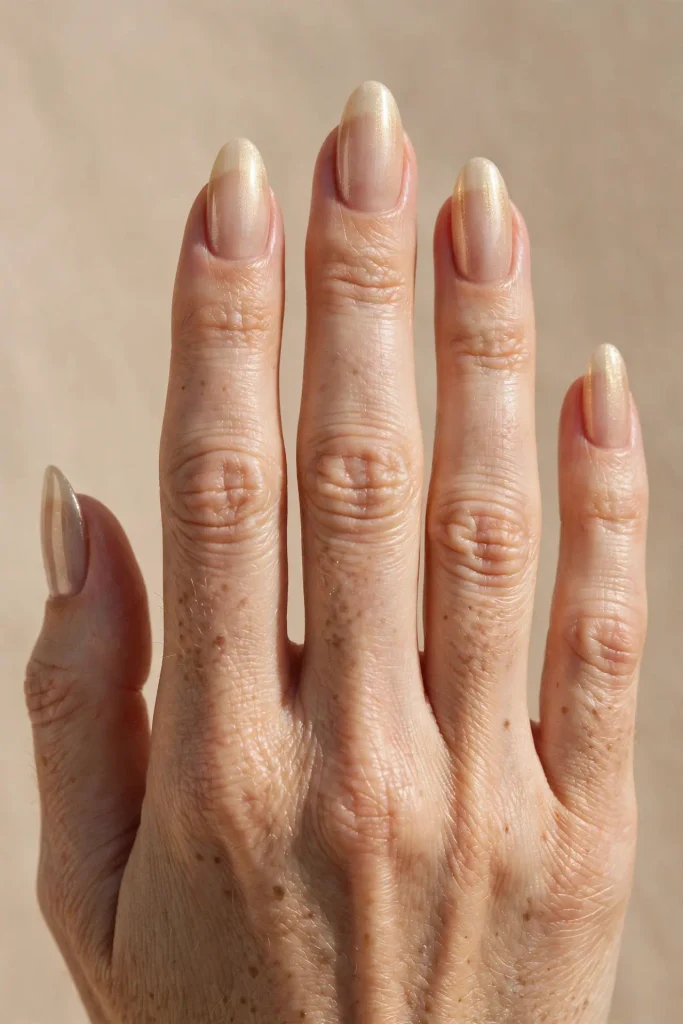
Pour 1, Sauvignon Blanc: Champagne Gold.
Body: light, sheer, almost weightless.
Tasting note: crisp, pale gold with a faint shimmer, bright without being sweet.
Pairing: silk blouses, pearl jewelry, early October.
Glass: a glossy finish lets the pale gold catch light the way a chilled white wine catches sunlight through the glass.
Pour 2, Pinot Grigio: Milky Ivory.
Body: light. Tasting note: soft, sheer, barely-there, the polish equivalent of a wine so pale it’s almost clear.
Pairing: cream sweaters, minimalist office days.
Glass: a pearl finish adds just enough dimension so the color doesn’t disappear entirely against pale skin.

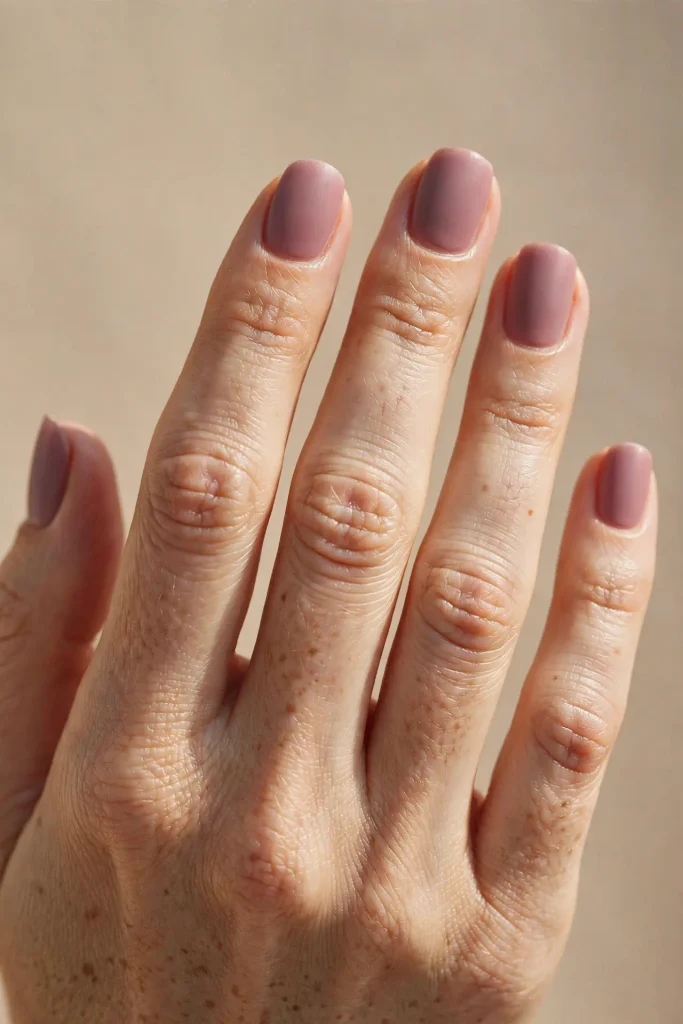
Pour 3, Rosé: Dusty Mauve.
Body: light to medium.
Tasting note: a muted, grown-up pink with a faint gray undertone, nothing sweet or candy-like about it.
Pairing: blush knits, camel coats, transitional early-fall days.
Glass: a satin, semi-matte finish suits this pour better than high gloss, keeping it quiet rather than shiny.
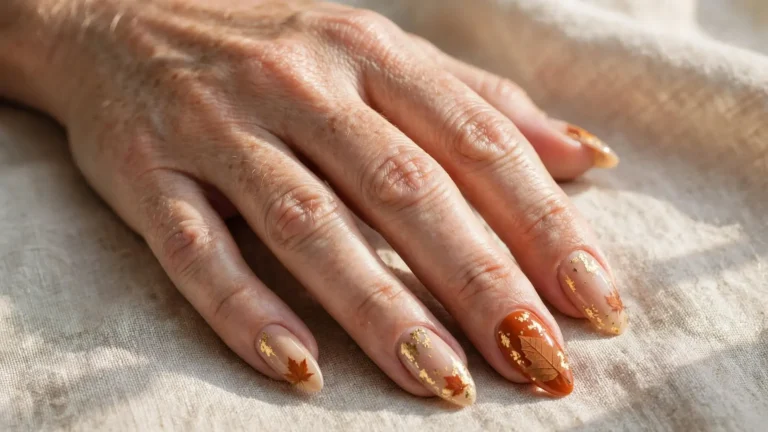
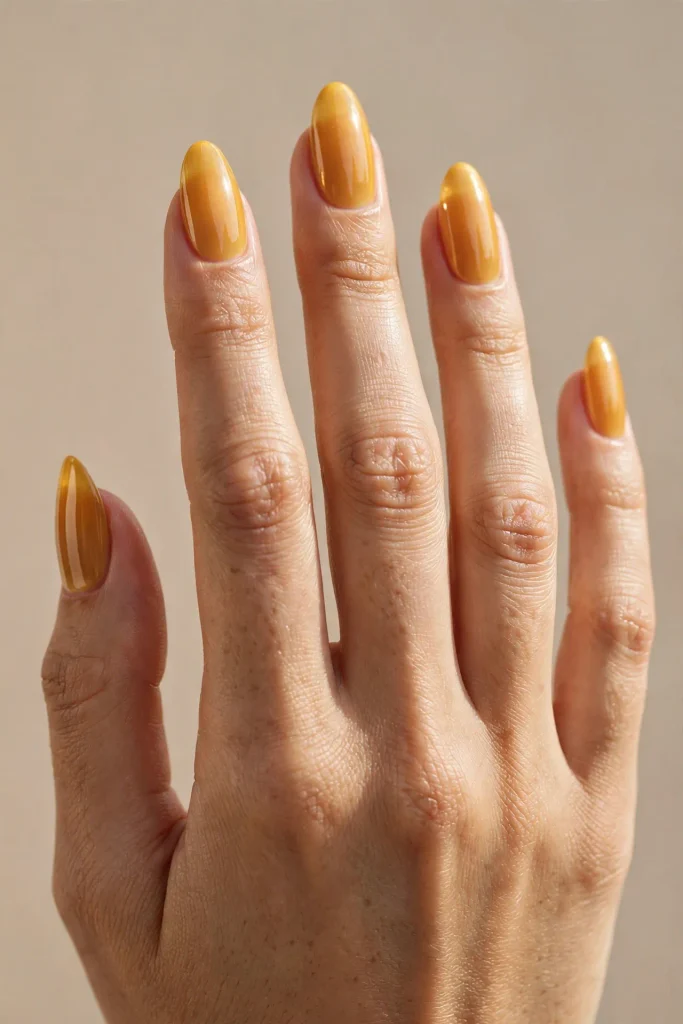
Pour 4, Unoaked Chardonnay: Honey Amber.
Body: medium-light.
Tasting note: warm, golden, rounder than the first two pours but still bright rather than heavy.
Pairing: rust sweaters, gold jewelry. Glass: glossy, letting the honey tone glow.
Pour 5, Riesling: Soft Peach.
Body: medium-light.
Tasting note: a gentle, slightly sweet peachy-orange, the friendliest, most approachable pour on the flight.
Pairing: denim, early September, casual weekend outfits. Glass: glossy.

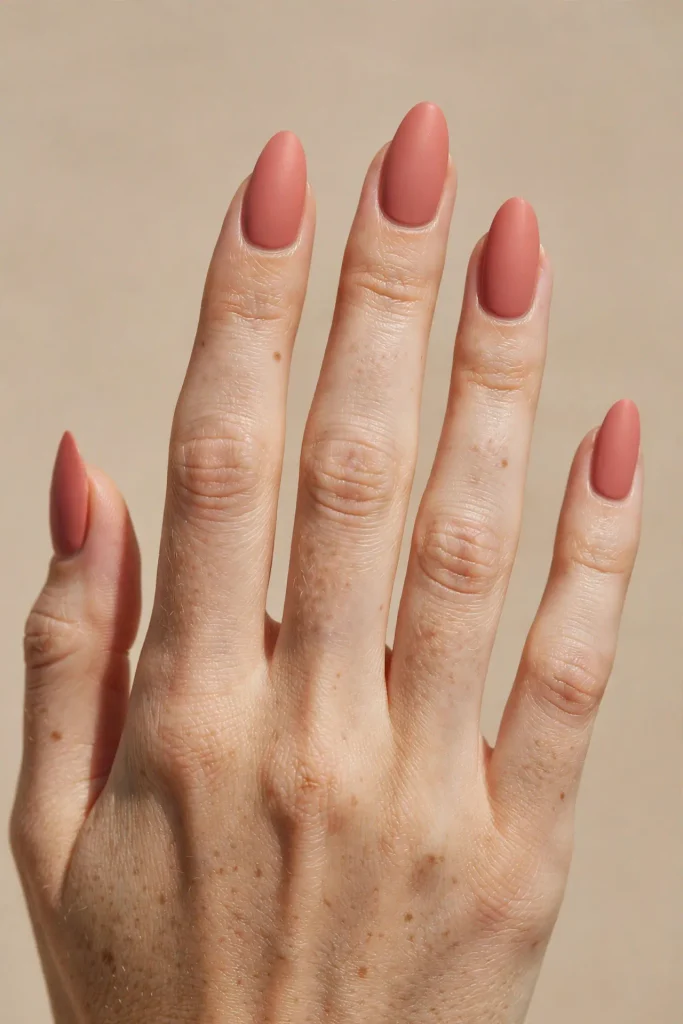
Pour 6, Rosé of Pinot Noir: Terracotta Blush.
Body: medium.
Tasting note: pink with a genuine orange undercurrent, more structured than Pour 3’s mauve, carrying real warmth.
Pairing: cream and terracotta color-blocked outfits.
Glass: a satin finish, splitting the difference between the glossy warmth and the muted mauve above it.
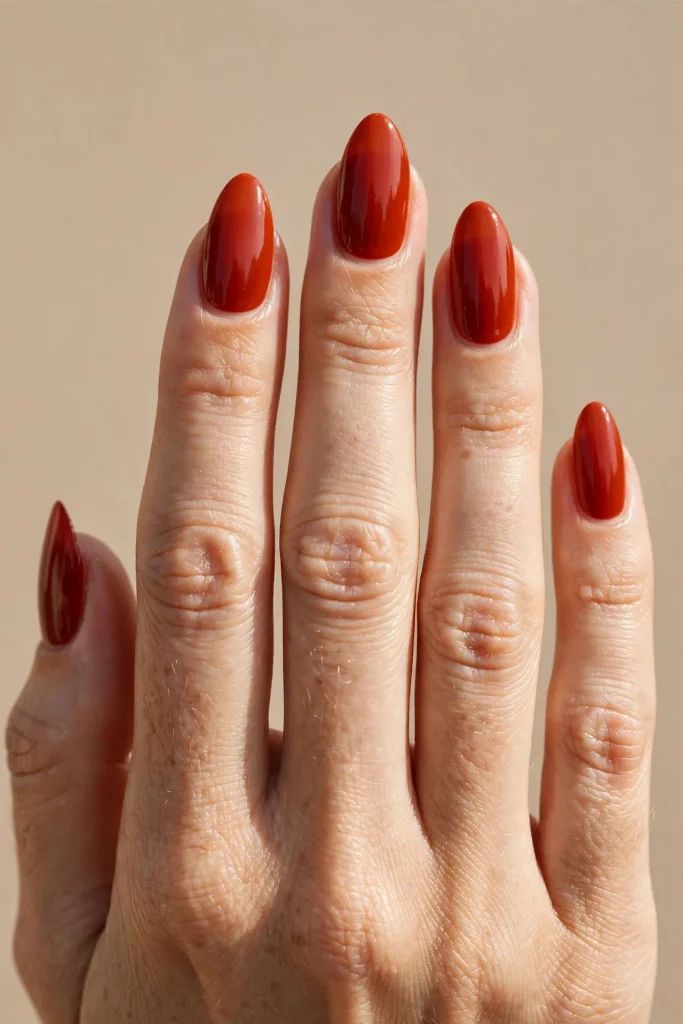
Pour 7, Grenache: Burnt Orange.
Body: medium.
Tasting note: warm, rounded, fruit-forward in the way a good Grenache is, bold but not sharp.
Pairing: denim jackets, camel coats.
Glass: glossy, letting the orange read as rich rather than flat.

Pour 8, Zinfandel: Rust.
Body: medium-full.
Tasting note: deeper and spicier than the Grenache pour before it, red-leaning orange with real intensity.
Pairing: chocolate brown, olive green, denim.
Glass: glossy or satin, both work here.
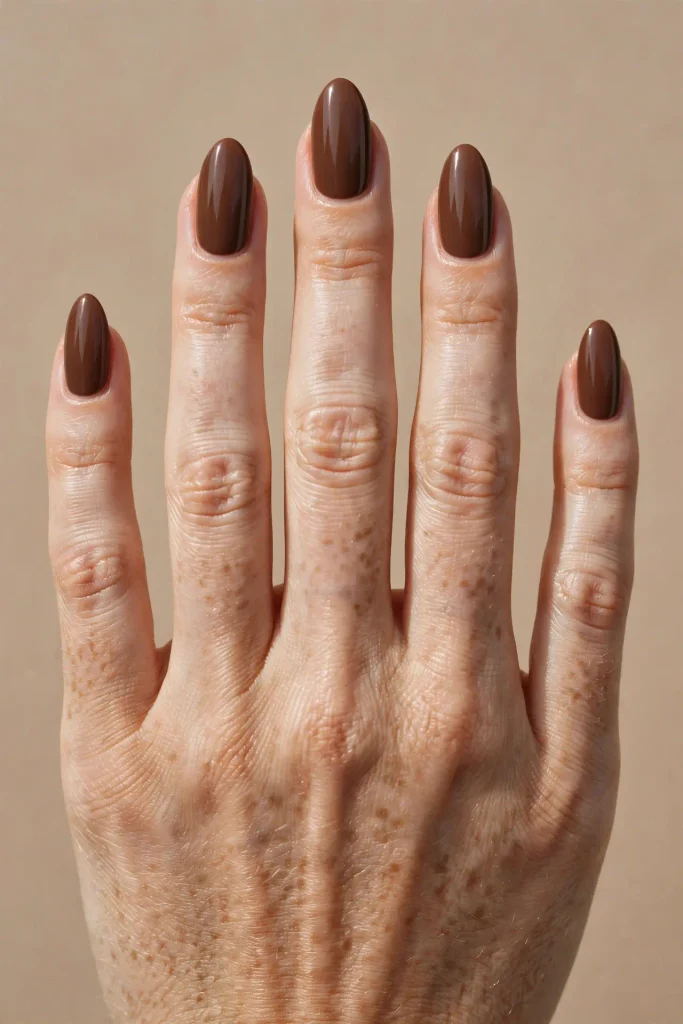
Pour 9, Tempranillo: Chocolate Brown.
Body: medium-full.
Tasting note: warm, earthy, dependable, the polish equivalent of a reliable house red you can order without thinking twice.
Pairing: cream, camel, gold jewelry, essentially everything.
Glass: glossy.
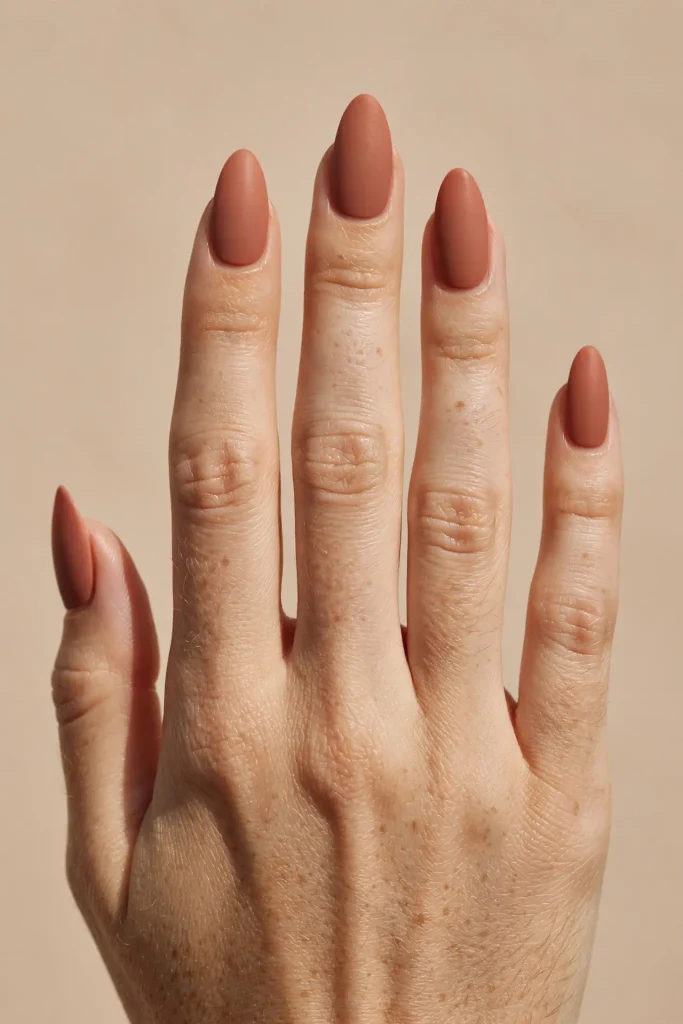
Pour 10, Sangiovese: Terracotta Clay.
Body: medium-full.
Tasting note: earthy and warm with a slightly dusty, rustic edge, less polished than the Zinfandel pour but genuinely charming for it.
Pairing: linen, denim, early-to-mid fall.
Glass: matte, letting the dusty, rustic quality show rather than shining it up.
Pour 11, Malbec: Deep Plum.
Body: full.
Tasting note: rich, dark, a little brooding, the first pour on the flight that genuinely reads as dramatic from across a room.
Pairing: black outfits, gold jewelry, evening wear.
Glass: glossy, since Malbec deserves the shine.
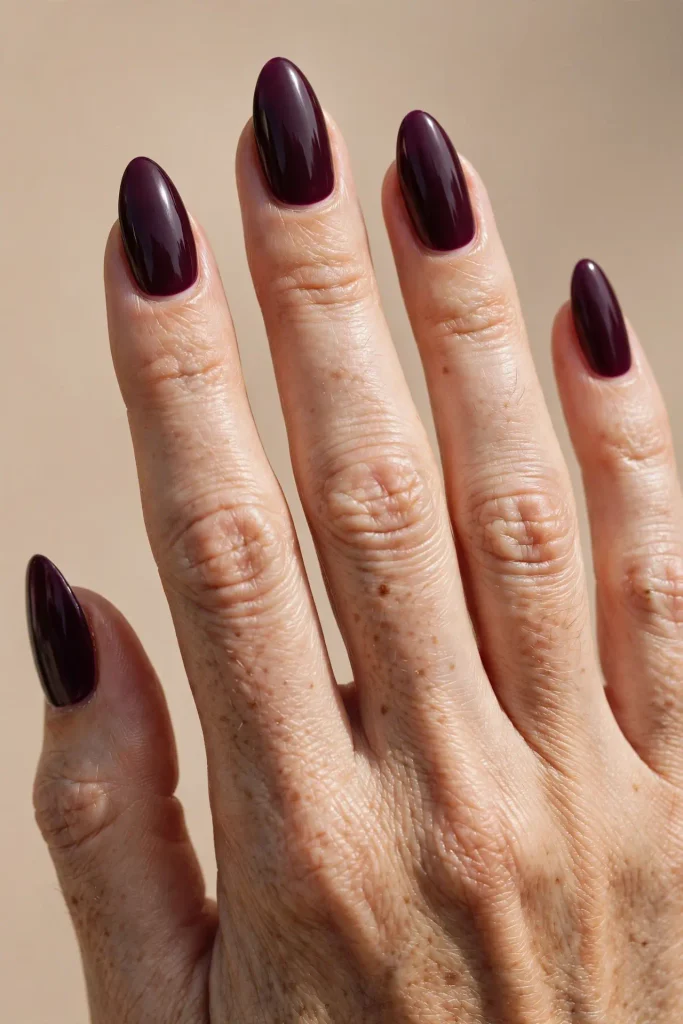
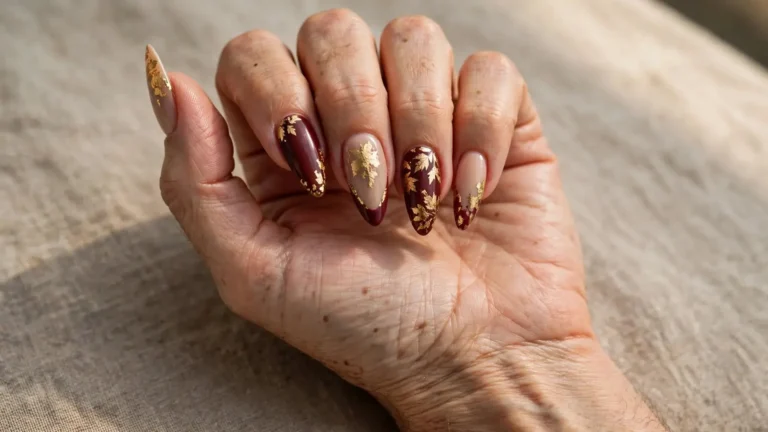
Pour 12, Cabernet Sauvignon: Burgundy.
Body: full.
Tasting note: structured, confident, the wine world’s most recognizable full-bodied red, translated directly into the nail world’s most recognizable fall color.
Pairing: camel coats, black leather, essentially any fall outfit.
Glass: glossy for a classic read, matte for something more modern.
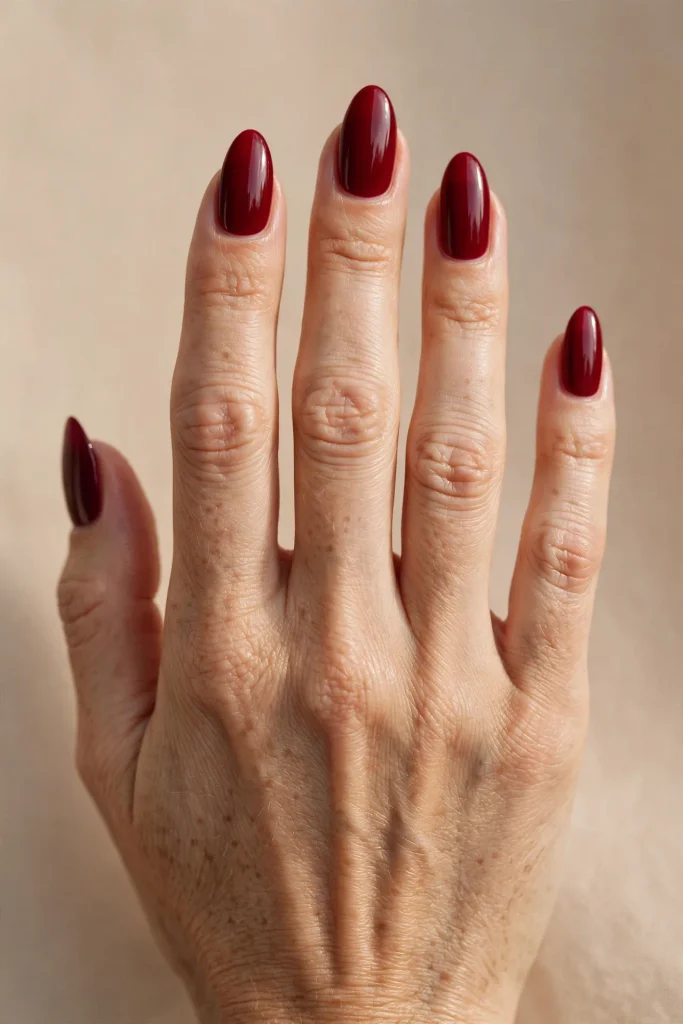
Pour 13, Syrah: Oxblood.
Body: full.
Tasting note: deep, spicy, red with real brown depth underneath it, more unusual and distinctive than the straightforward Cabernet pour before it.
Pairing: chocolate brown, olive, leather jackets.
Glass: satin.

Pour 14, Petit Verdot: Black Cherry.
Body: full.
Tasting note: nearly black at first glance, revealing deep red only in direct light, intense and a little mysterious.
Pairing: black dresses, dark lipstick, evening occasions.
Glass: glossy, so the red depth actually catches light rather than reading as flat black.
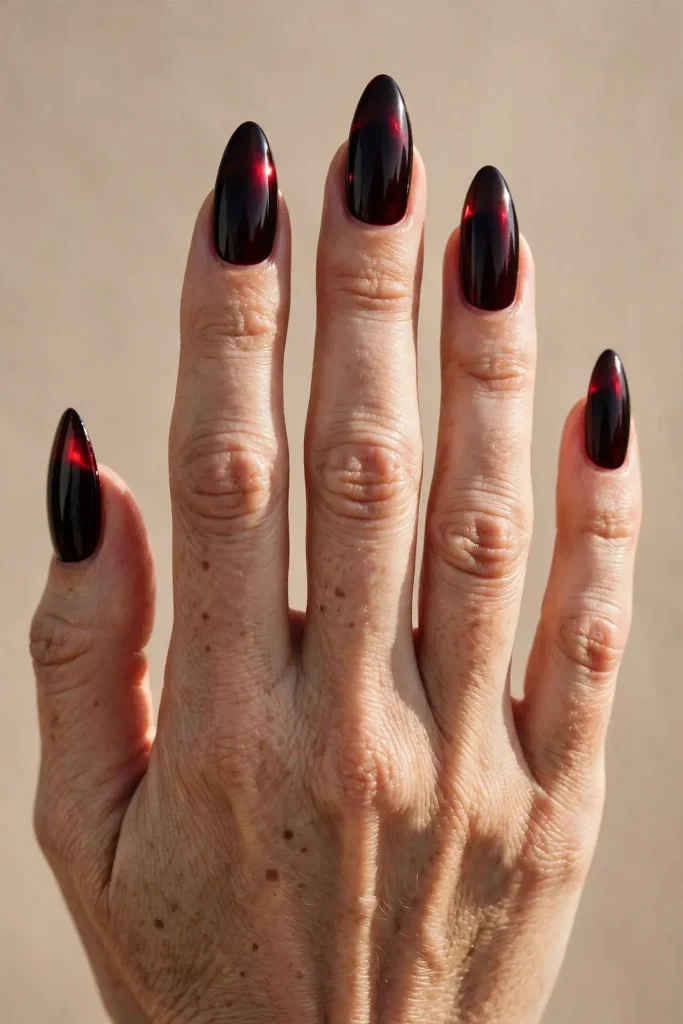
Pour 15, Nebbiolo: Forest Green.
Body: full.
Tasting note: a genuine outlier on this flight, structured and earthy rather than fruit-forward, the polish equivalent of a wine that surprises people who expected something simpler.
Pairing: cream knits, gold jewelry, black outfits.
Glass: glossy.
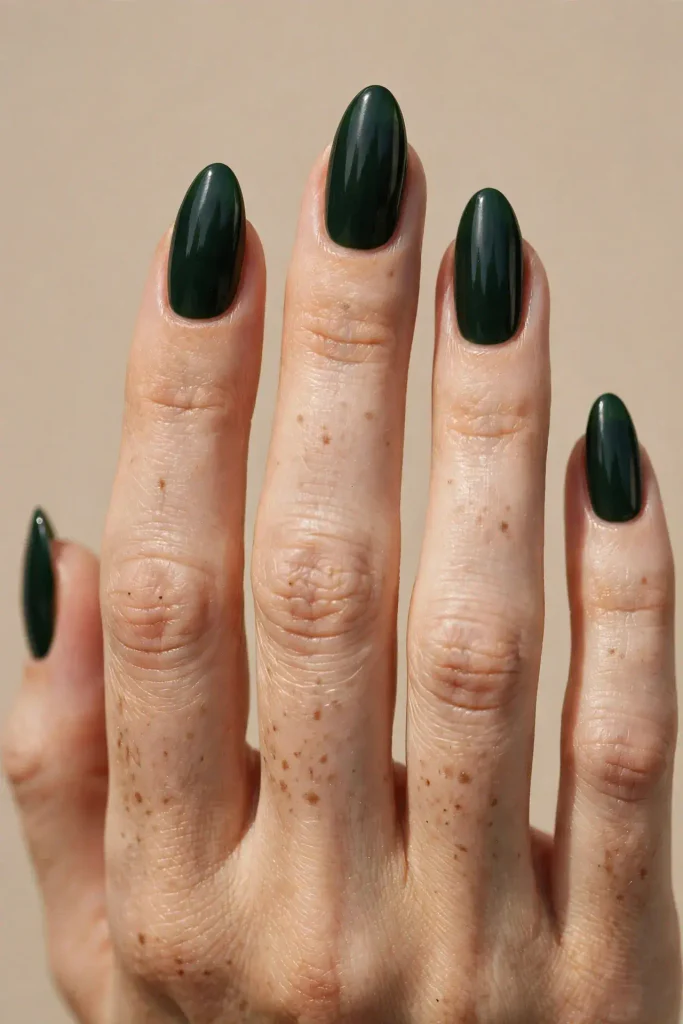
Pour 16, Barolo: Deep Olive.
Body: full.
Tasting note: complex, earthy, slightly bitter in the most sophisticated sense, an acquired-taste color that rewards people who give it a real chance.
Pairing: rust, chocolate brown, denim.
Glass: matte, letting the earthiness stay grounded rather than shining it into something glossier and less interesting.

Pour 17, Port: Espresso.
Body: full, dessert-wine intensity.
Tasting note: nearly black, dense, the richest and most concentrated pour on the entire flight.
Pairing: everything, genuinely the most versatile full-bodied pour here.
Glass: glossy or matte depending on the occasion.

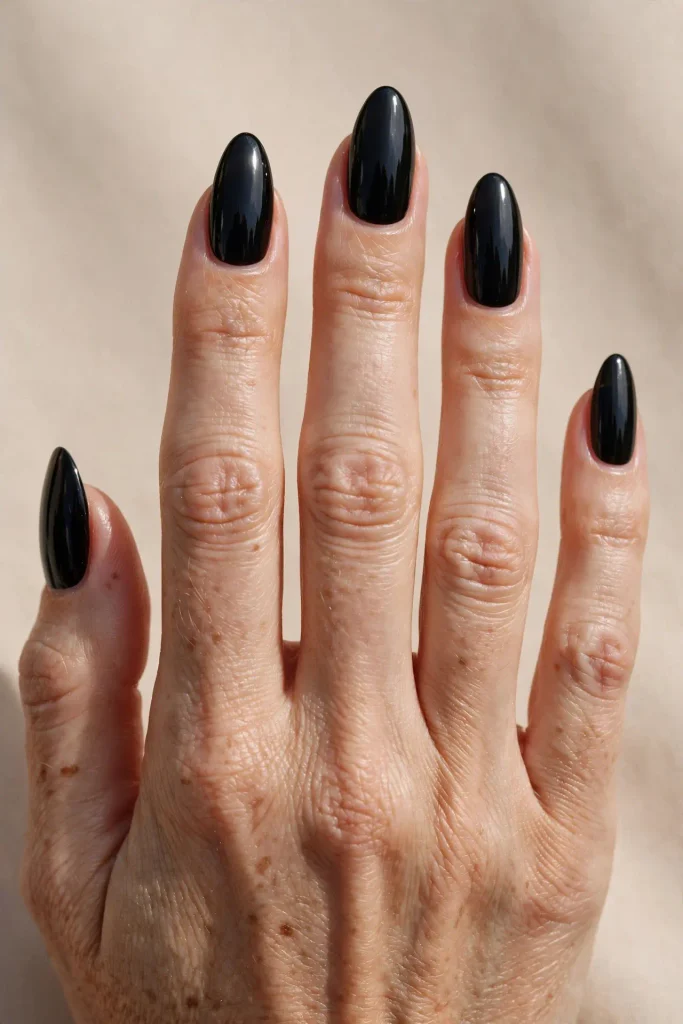
Pour 18, Vintage Port: True Black.
Body: fullest possible.
Tasting note: the final pour, dense, dramatic, the color equivalent of a wine so concentrated it needs to be sipped slowly rather than gulped.
Pairing: everything, the ultimate neutral, though it deserves a genuine occasion rather than an ordinary Tuesday.
Glass: glossy for maximum drama, matte for something quieter and more modern.
Something New: The Palate-Training Exercise
Wine professionals train their palates gradually, tasting related wines side by side rather than jumping randomly around a wine list, and the same structured approach works for training your eye toward the fall colors that actually suit you.
Pour a flight of three related shades onto three separate nail tips or a swatch stick rather than committing to a full manicure. Start with Pour 6, Pour 7, and Pour 8, three warm, orange-leaning shades of increasing depth, and hold your hand under three different lighting conditions across a single day, morning window light, indoor overhead light, and evening lamp light. Note which of the three genuinely holds its character across all three lighting conditions versus which one shifts uncomfortably or looks washed out under one specific light. Repeat this exercise with a different flight, Pour 11 through Pour 14, the deeper reds, whenever you’re considering a bolder shade for evening. Over a season of doing this two or three times, you’ll develop a genuinely reliable sense of which body and depth range flatters you consistently, the same way a trained palate eventually stops needing to taste-test every single glass because it already knows its preferences.
The Tannin-and-Chip Correlation Chart
In wine, tannin is the structural element that makes a full-bodied red age well and hold its character over time, while a lighter wine, lacking that structure, is meant to be enjoyed young and doesn’t improve with age. There’s a genuine parallel in how nail polish formulas wear.
| Body | Wear Pattern | Realistic Longevity |
|---|---|---|
| Light (Pours 1-3) | Shows wear and staining fastest, like a delicate white best drunk young | 5-7 days |
| Medium-light (Pours 4-6) | Moderate wear, holds reasonably well | 7-10 days |
| Medium to medium-full (Pours 7-10) | Good structure, hides regrowth and minor wear well | 10-12 days |
| Full (Pours 11-18) | Best structural hold, deep pigment camouflages tip wear and cuticle growth longest | 12-14+ days, especially over a gel base |
The lesson, much like choosing a wine for a special occasion versus a casual weeknight, is that the deep, full-bodied pours at the end of the flight aren’t just more dramatic in color, they’re also genuinely the most practical choice if you want a manicure that holds up through a demanding two weeks without needing early attention.
Decanting: Base Coat Prep
Decanting a full-bodied red before serving lets it breathe and softens harsh edges, revealing the wine’s true character rather than a closed, tight version of it. The equivalent step in nail application is proper base coat prep, and it matters most exactly on the fuller-bodied pours where skipping it is most noticeable.
Before applying any Pour from the medium-full to full range specifically, Pours 8 through 18, apply a ridge-filling base coat and let it cure completely, since deep, saturated pigments show every ridge and imperfection in the natural nail far more clearly than a lighter pour would, the same way a young, tight red poured straight from the bottle shows its rough edges far more than one given proper time to open up. Skipping this step on a full-bodied pour is the single most common reason a rich color ends up looking patchy or uneven rather than smooth and confident.
The Wine-and-Cheese Pairing Board
Just as a sommelier pairs specific wines with specific foods to bring out complementary qualities in both, certain nail colors genuinely pair better with certain outfit fabrics and metals than others, bringing out qualities in both that wouldn’t show up worn alone.
| Nail Pour | Outfit Pairing | Metal Pairing |
|---|---|---|
| Pours 1-2 (pale golds, ivory) | Silk, cashmere | Pearls, delicate gold |
| Pour 3, 6 (mauve, terracotta blush) | Blush knits, soft neutrals | Rose gold |
| Pours 4-8 (ambers, oranges, rust) | Denim, camel, cream | Warm gold |
| Pours 9-10 (browns, terracotta clay) | Corduroy, wool, leather | Antique or warm gold |
| Pours 11-14 (plums, burgundy, oxblood, black cherry) | Black, leather, velvet | Gold or silver, either works |
| Pours 15-16 (greens) | Cream, black, denim | Gold |
| Pours 17-18 (espresso, black) | Genuinely everything | Gold or silver, the true neutral pours |
The Hangover Section: Removal and Recovery
Even the best tasting flight ends eventually, and how you handle the aftermath matters as much as how you enjoyed the pour itself. The deeper, more pigmented pours on this flight, particularly Pours 11 through 18, can leave a temporary stain on natural nails if worn for an extended period without a proper base coat, the polish equivalent of red wine’s tendency to stain a glass or a tablecloth if left sitting too long.
If you notice any lingering tint after removing a full-bodied pour, gently buff the nail surface once with a fine buffer, never aggressively, and apply a nail-brightening treatment or simply give your natural nails a few days of rest with cuticle oil before your next full manicure. Always remove polish with a proper acetone or acetone-free remover and a cotton pad, pressing and holding rather than scrubbing, since scrubbing, especially on a deep pigment, can drag color into the surrounding skin the way an overzealous pour splashes red wine outside the glass. Follow any removal with a rich hand cream and cuticle oil, the equivalent of drinking a full glass of water after an evening of wine, simple aftercare that makes the next pour, whenever you’re ready for it, look and wear even better than the last.
Building Your Own Flight
Rather than trying all eighteen pours across one season, most people find more satisfaction curating a smaller, personal flight the way a genuine wine enthusiast eventually settles into a few reliable favorites rather than drinking randomly from an entire cellar.
Choose one light-bodied pour for early fall and quieter days, Pour 1 or Pour 5 are excellent starting points. Choose one medium-bodied everyday pour that can carry you through most of October without much thought, Pour 9’s chocolate brown is the flight’s most versatile, reliable choice for this role. Choose one full-bodied statement pour for evenings and special occasions, Pour 12’s burgundy or Pour 18’s true black both serve this role beautifully. Three pours, thoughtfully chosen, will genuinely see you through the entire season better than eighteen bottles bought impulsively and half-used.
Quick Answers
What’s the most versatile pour on the whole flight for someone who wants to own just one bottle? Pour 9, Chocolate Brown, since its medium-full body pairs with nearly every outfit and metal combination on the pairing board while holding up for ten to twelve days of realistic wear.
Why do darker colors generally last longer without chipping? Full-bodied, deeply pigmented formulas camouflage cuticle regrowth and minor tip wear far more effectively than light, sheer pours, the same structural principle that lets a full-bodied red age gracefully while a delicate white is best enjoyed young.
How do I figure out which body range actually suits my skin tone? Use the Palate-Training Exercise above, testing three related pours side by side across different lighting conditions rather than judging a single swatch in one glance under one light.
Is it worth spending more on the deeper, full-bodied pours? Given their longer realistic wear time, often several days beyond a lighter pour, the cost-per-wear on a full-bodied color is frequently better even at a higher upfront price, the same value logic that applies to a well-aged bottle versus something meant to be drunk immediately.
One Last Thing
Choosing a fall nail color was never really about grabbing the first pretty bottle off the shelf, the same way genuinely enjoying wine was never about grabbing whatever bottle has the prettiest label. It’s about understanding body, character, and how something actually holds up once you’ve committed to it for the next two weeks, not just how it looks in the first glance.
Start your own flight with something light if fall polish is new territory for you, work your way toward the fuller-bodied pours as your palate, and your confidence, develops, and don’t be afraid to find your three reliable favorites and return to them season after season rather than chasing something new every single time.
Which pour are you starting your flight with: something light and easy, or straight for the full-bodied drama at the end of the list? Save this article for your next manicure appointment, and send it to a friend who always orders the same glass of wine and has never once regretted it.