16 Fall-Winter Outfits for the Slow Slide Into Real Cold
Fall into winter isn’t one season, it’s a gradual handoff, and most outfit guides treat it like a single moment you dress for once. That’s never matched my actual experience. What I wear in late September has almost nothing in common with what I’m wearing by late December, and the outfits that work in between are really about managing that slide, not picking one “transitional” look and wearing it for three months straight.
So I’ve built this list the way the season actually unfolds — month by month, four outfits per stretch — because what you need in October is genuinely different from what you need once the real cold sets in.
Early Stretch: Still Mostly Fall
Crisp mornings, mild afternoons, the coat still optional most days.
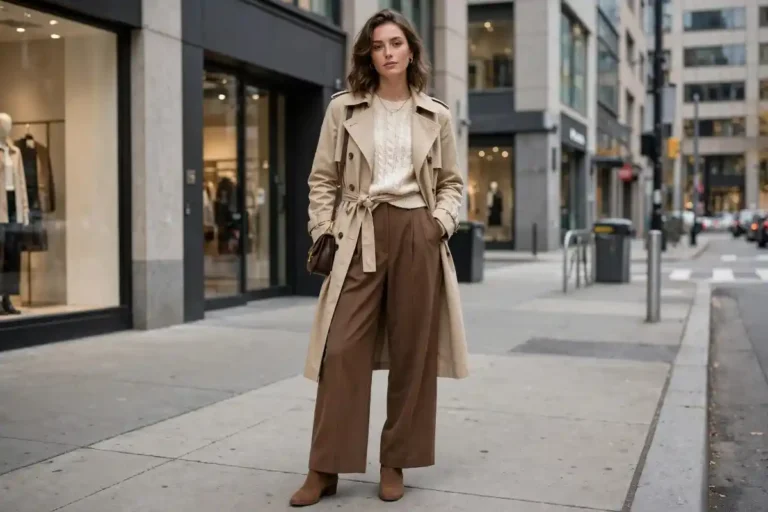
1. A midweight trench, a fine knit underneath, straight jeans.

The trench is unlined enough to not be excessive yet, but structured enough to block the wind on a genuinely brisk morning.
2. A wool blazer over a turtleneck, trousers, loafers.

This is the outfit that bridges “still fall” and “getting colder” — the turtleneck adds real warmth without you having to commit to a heavier coat yet.
3. A cropped denim jacket, a chunky scarf, midi skirt.
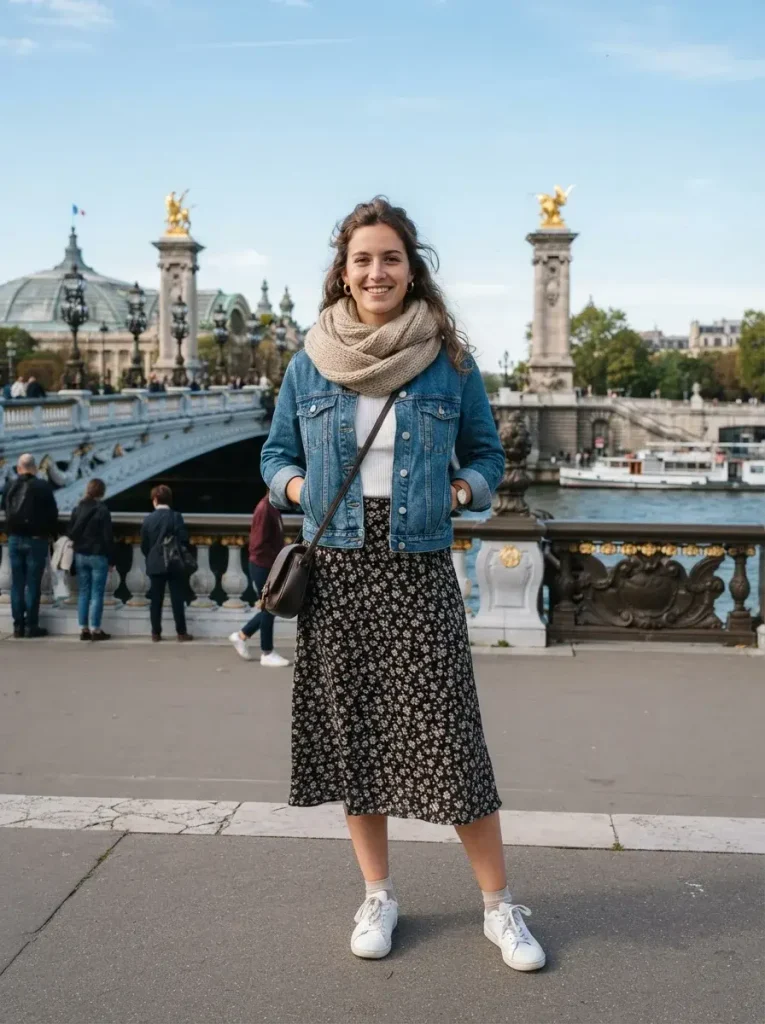
Denim alone isn’t enough warmth at this point, but paired with a real scarf, it covers you for another few weeks before you need to switch to something heavier.
4. A shacket (shirt-jacket) over a tank, straight-leg pants.

The shacket is doing exactly what it’s built for here — heavier than a shirt, lighter than a coat, which is precisely the gap this stretch of the season lives in.
Middle Stretch: The Real Cold Starts
This is where a proper coat stops being optional and starts being the anchor of every outfit you build.
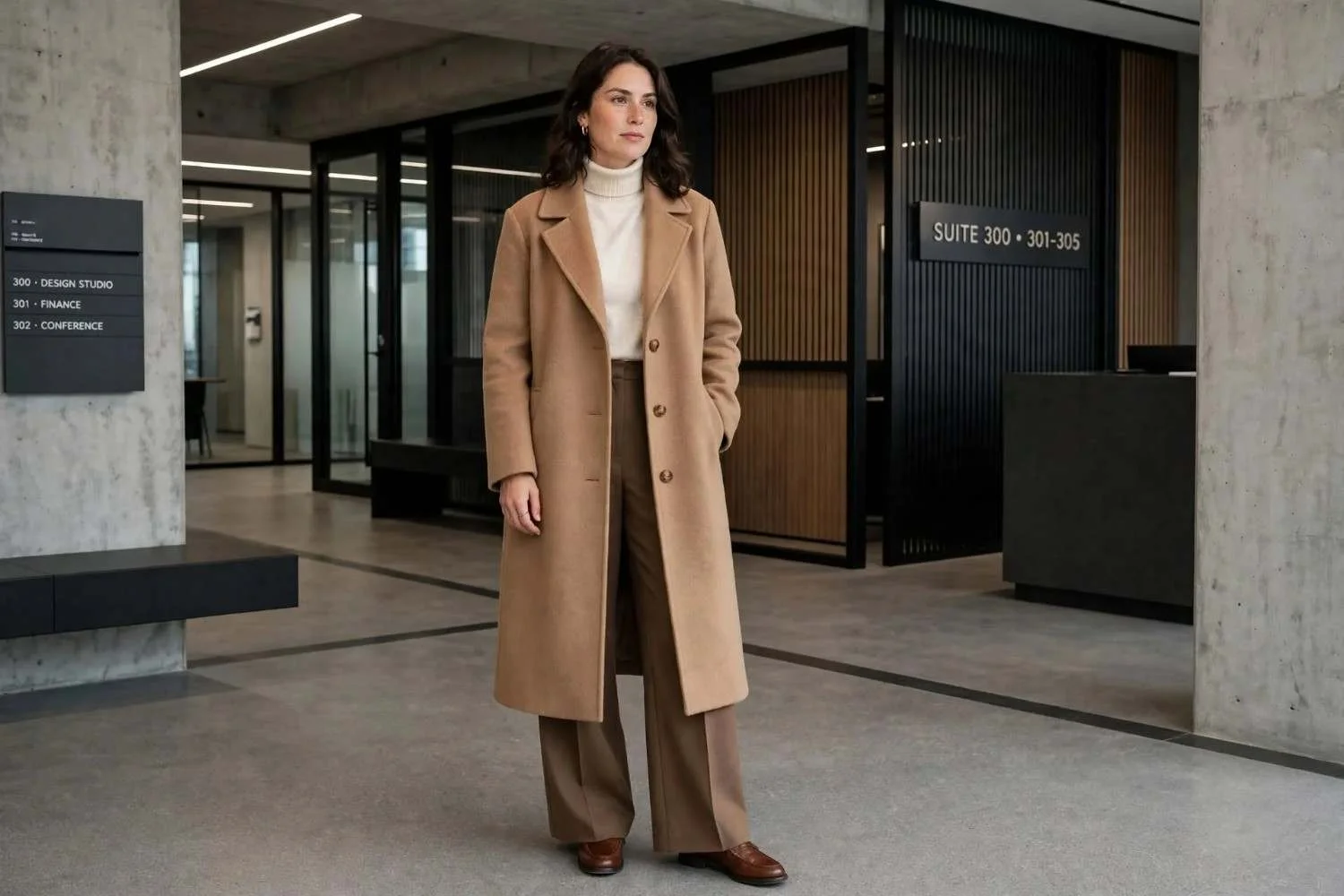
5. A wool coat, a cable knit, straight trousers, boots.

The coat is now doing the job the trench used to do — full coverage, real insulation, worn the entire time you’re outside rather than carried for later.
6. A puffer vest over a long-sleeve knit, jeans, sneakers.

Vests let your arms stay mobile while your core gets serious warmth, which matters if you’re commuting or moving around a lot during the day.
7. A double-breasted coat, a silk blouse, wide-leg trousers.

This is my go-to for days I need to look put-together and warm at the same time, without any obvious effort involved.
8. A hooded parka, a fleece layer underneath, thermal leggings.

Function starts taking priority over silhouette here, and that’s the correct call. Nobody’s judging your outfit at 20 degrees; they’re judging whether you’re actually dressed for it.
Deep Stretch: Full Winter Behavior
Layering isn’t optional anymore, and every outfit here assumes you’re going to be outside for real stretches of time, not just walking from a car to a door.
9. A long down coat, a heavyweight sweater, insulated boots.
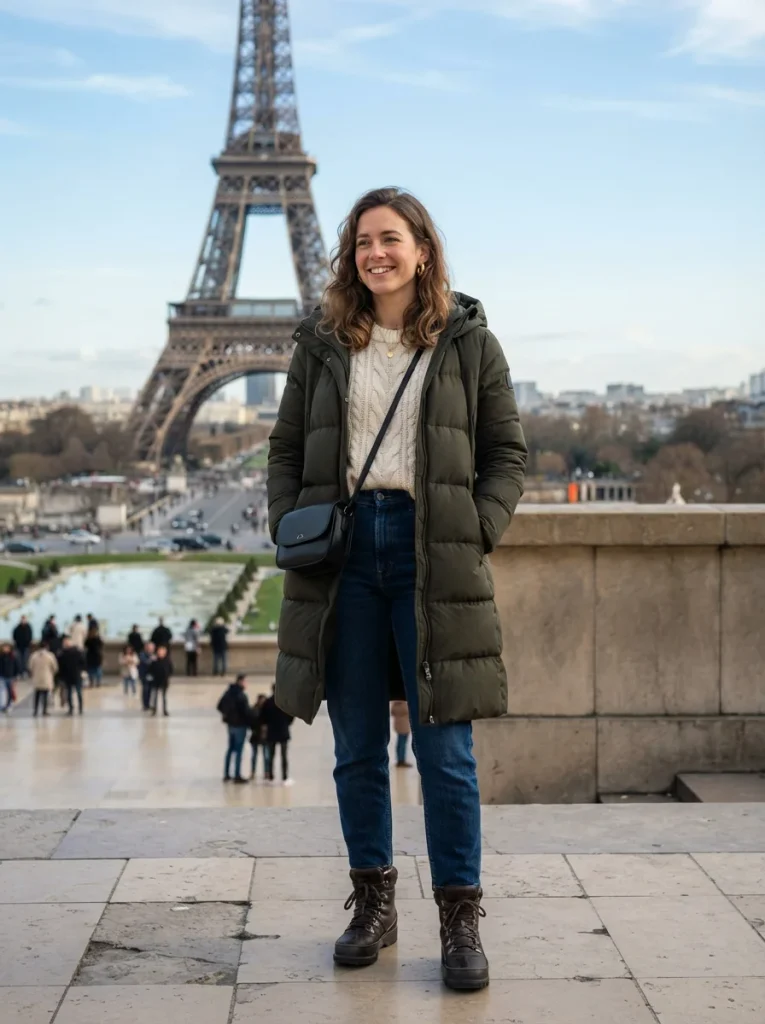
The coat length matters more than people think at this stage — a coat that covers your thighs protects a genuinely large amount of body heat compared to a cropped one.
10. Thermal base layers under everything, topped with a wool coat.

This is the point where what’s touching your skin matters as much as what’s visible. A thin thermal layer under your regular clothes adds real warmth without bulking up your silhouette.
11. A full-length wool coat, a turtleneck, wide-leg trousers, tall boots.
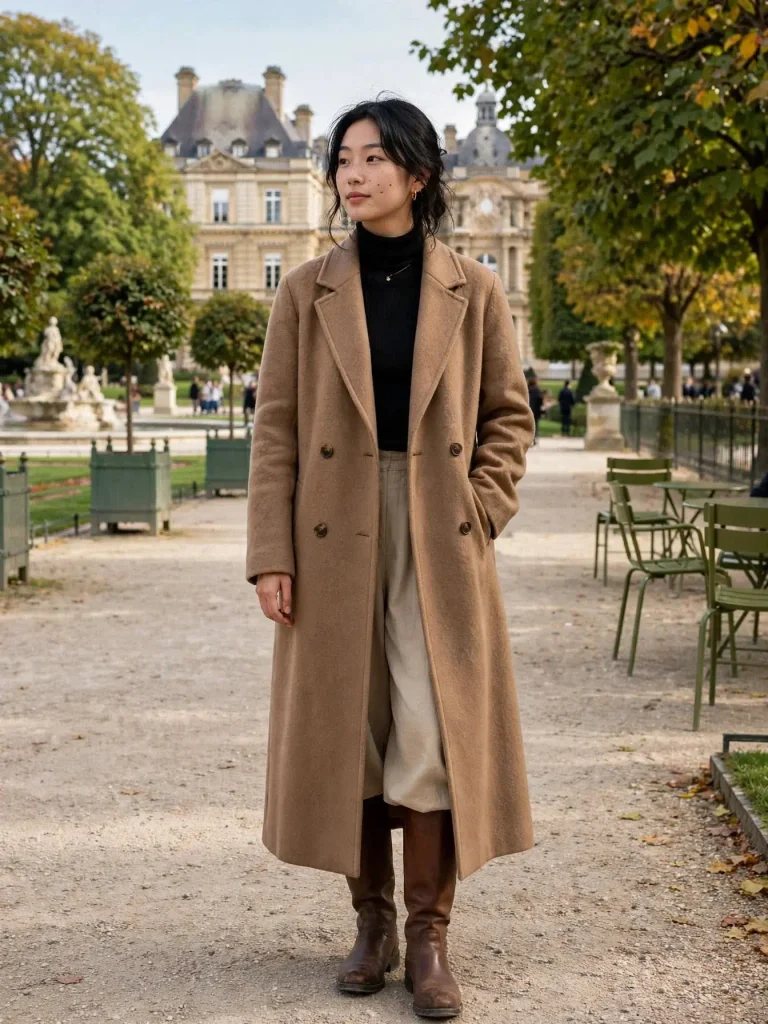
Elegant and functional at once — this is the outfit I reach for on days that involve both being outside and being somewhere I want to look intentional.
12. Layered knits — a fitted base, a looser cardigan, topped with a scarf and coat.

Three distinct layers, each doing a specific job, which becomes the actual method for staying warm once temperatures drop for good.
The In-Between Days (Every Stretch Gets These)
No matter which month you’re in, you’ll get days that don’t match the pattern — unseasonably warm, unseasonably cold, or just unpredictable. These four work regardless of where you are in the season.
13. A midweight coat with a removable liner, worn open or zipped depending on the day.
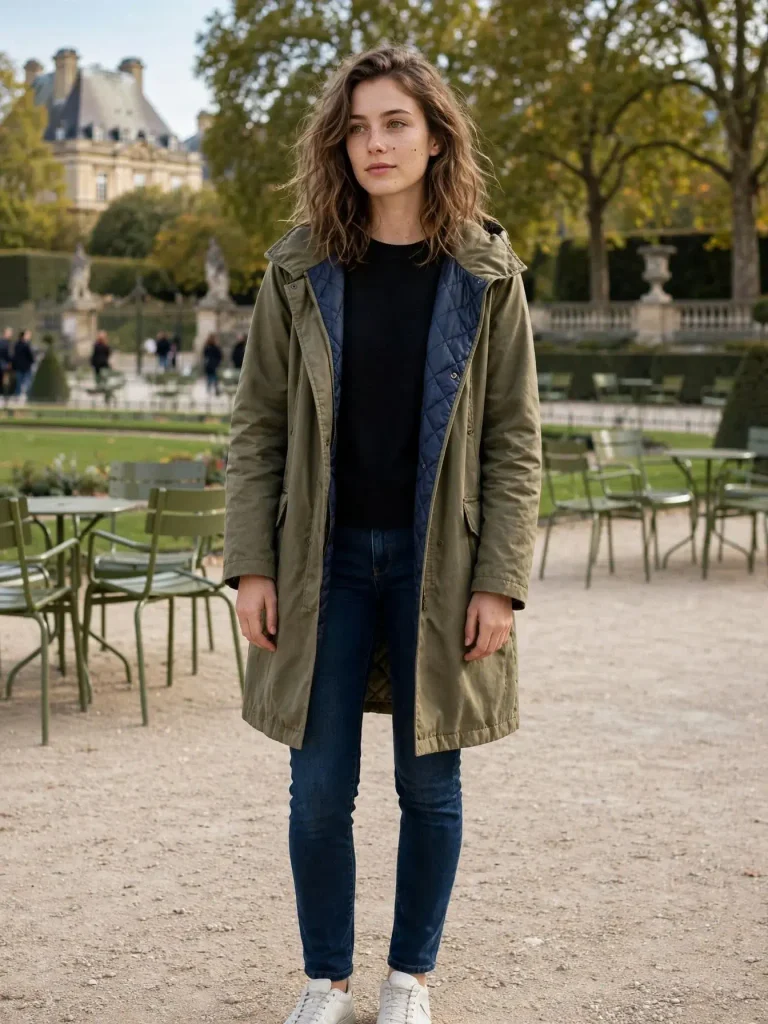
This single piece adjusts to almost any temperature within a twenty-degree range, which makes it the most versatile item on this entire list.
14. Layers you can shed one at a time — tank, knit, cardigan, coat.

Four distinct pieces means four distinct temperature points you can land on throughout the day, rather than being stuck in one fixed level of warmth.
15. A scarf and gloves kept in your bag regardless of the morning forecast.

These take up almost no space and solve the majority of “I didn’t expect it to get this cold” moments without requiring a whole outfit rethink.
16. Boots that work in both dry cold and light snow or rain.
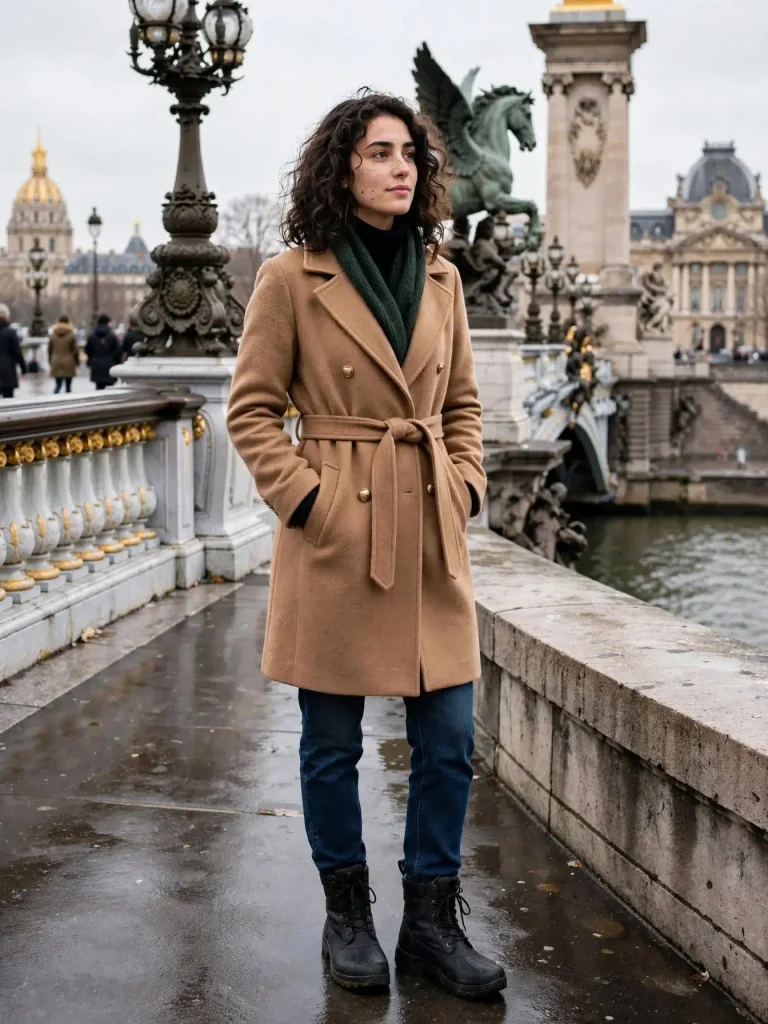
One solid pair, rather than switching shoes constantly as the weather shifts, removes an entire category of daily decision-making from the equation.
The Fabric Swap Guide
Something I haven’t seen laid out clearly anywhere else: which fabrics to actively swap out as the season deepens, not just which pieces to add on top.
As you move from early fall into real winter, swap thin cotton for brushed cotton or flannel — same silhouette, genuinely more warmth. Swap unlined denim for lined or heavier-weight denim, since a lot of the cold you feel through jeans comes from the fabric itself, not just the wind. Swap silky, drapey fabrics for wool or wool-blend versions of the same shapes — a silk blouse and a wool blouse can look nearly identical but perform completely differently in the cold. And swap ankle-height socks for genuinely tall ones, since a surprising amount of perceived cold comes from that one small, easily fixed gap most people never think about.
None of this requires an entirely new wardrobe. It’s the same pieces, same silhouettes, just in fabrics built for where you actually are in the season rather than where you were two months ago.
The 3-2-1 Layering Formula
Here’s a system I use to decide how many layers a day actually needs, rather than guessing and re-guessing every morning. Count three things: the temperature when you leave, whether you’ll be outside for long stretches or just brief walks between indoor spaces, and how warm the indoor spaces you’re headed to tend to run.
If all three point toward mild — decent temperature, mostly indoors, normal indoor heating — one solid layer plus a light coat is enough. If two out of three point toward cold — say, a genuinely low temperature and long outdoor stretches, but warm indoor spaces — you need two real layers under a proper coat, something you can shed once you’re inside. If all three point toward cold, you need the full three-layer approach: a base layer against your skin, a mid layer for actual insulation, and an outer layer for wind and precipitation. No shortcuts at that point.
I run through this three-count every single morning now instead of just looking outside and guessing, and it’s cut down on both the days I’m freezing on a platform and the days I’m sweating through a meeting because I way overdressed for how warm the office actually runs.
Reading the Season, Not the Date
The biggest mistake in fall-winter dressing isn’t picking the wrong outfit, it’s assuming the calendar and the actual weather are moving at the same pace. Some years, real cold arrives in early November. Other years, you’re still fine in a trench well into December. The month-by-month structure above is a general shape, not a fixed schedule — the better habit is checking where the temperature actually sits each week and matching your stretch to that, rather than assuming “it’s November, so it must be coat weather now.”
Swap fabrics before you buy new pieces, run the 3-2-1 count each morning, and let the actual weather set your pace through the season instead of the date on the calendar. That’s the shift that’s made this entire slow transition feel manageable instead of like a wardrobe emergency every time the temperature drops another ten degrees.