17 Shein Fall Outfits, Built Like Shopping Carts You Can Actually Trust
I once ordered what looked like a gorgeous rust-colored sweater dress online, and it arrived looking correct in color but somehow two sizes smaller than the size chart promised and made of a fabric so thin I could see my hand through it in sunlight. I also once ordered a plaid blazer from the exact same site that fit perfectly, felt surprisingly substantial, and is still in my closet three years later. That is the honest reality of budget fast-fashion shopping: it is inconsistent, and the skill is not avoiding it entirely but learning to shop around it.
So instead of just listing pretty outfits, I built this post like an actual cart. Every outfit is a checkout, with line items and a rough price range, plus a “before you checkout” note flagging exactly what to check before you click purchase, since that is the part nobody tells you.
The Carts
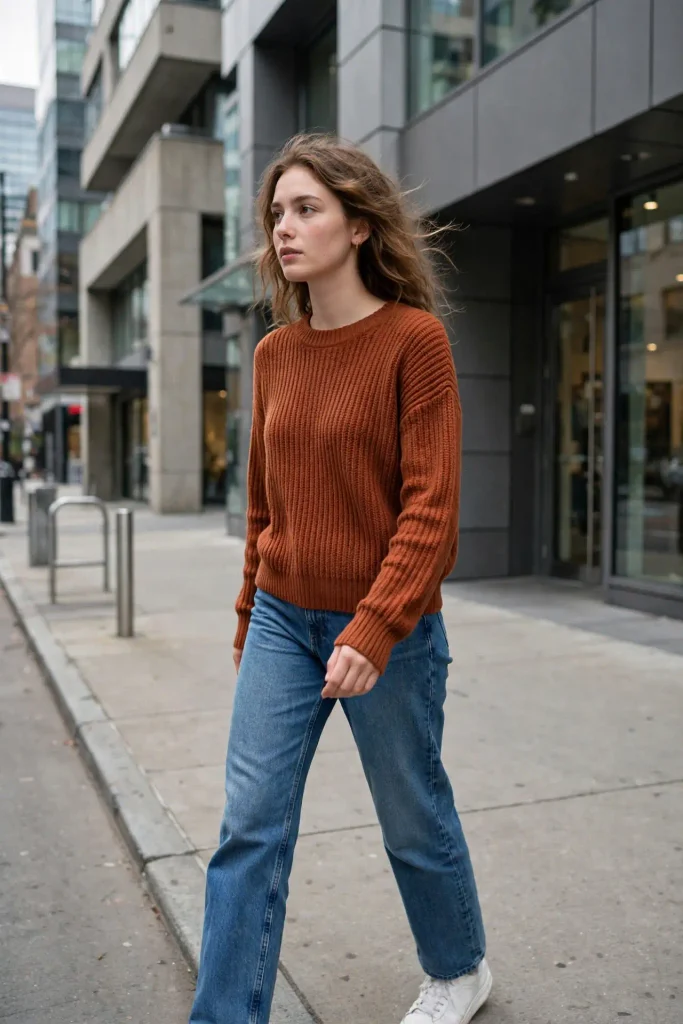
Cart 1, The Everyday Base.
Items: a ribbed knit sweater in rust, straight-leg jeans, white sneakers.
Price range: $30 to $45 total.
Before you checkout: ribbed knits at this price point are usually a safe bet, since the rib construction hides thinness better than a smooth knit would. Check the reviews specifically for “true to size” comments on the sweater, since ribbed pieces are the one category that can run smaller than expected.
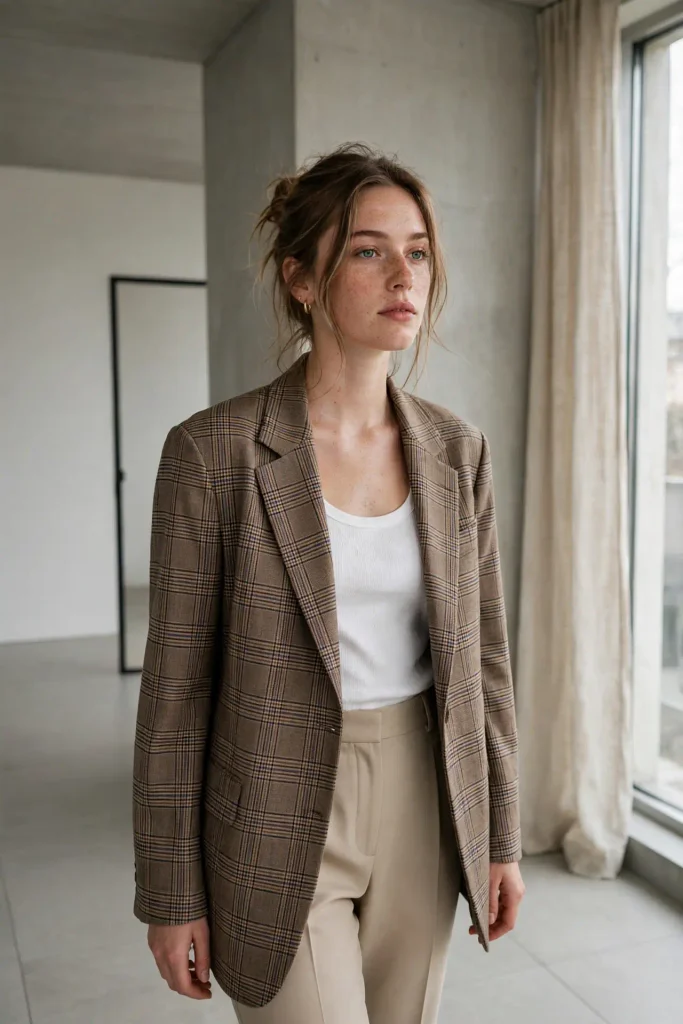
Cart 2, The Office-Adjacent Blazer Set.
Items: a plaid oversized blazer, a plain white tank, tailored trousers.
Price range: $35 to $55 total.
Before you checkout: blazers are where budget sites vary most in quality, so look specifically for a listing that mentions a lining in the description, since an unlined blazer at this price point will often look noticeably cheaper and wrinkle within an hour of wear.
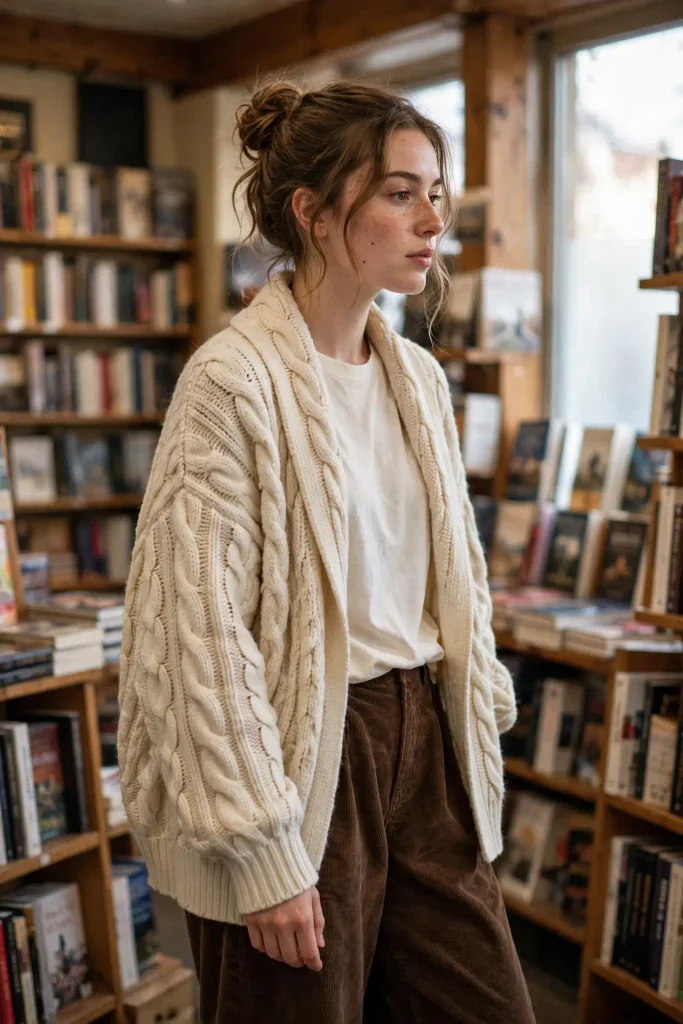
Cart 3, The Cozy Cardigan Layer.
Items: an oversized cable-knit cardigan, a basic long-sleeve tee, wide-leg cords.
Price range: $28 to $42 total.
Before you checkout: chunky cardigans photograph beautifully on the model but can pill within a few wears at this price. Look for one described as a “cotton blend” rather than “100% acrylic,” since acrylic pills far faster.
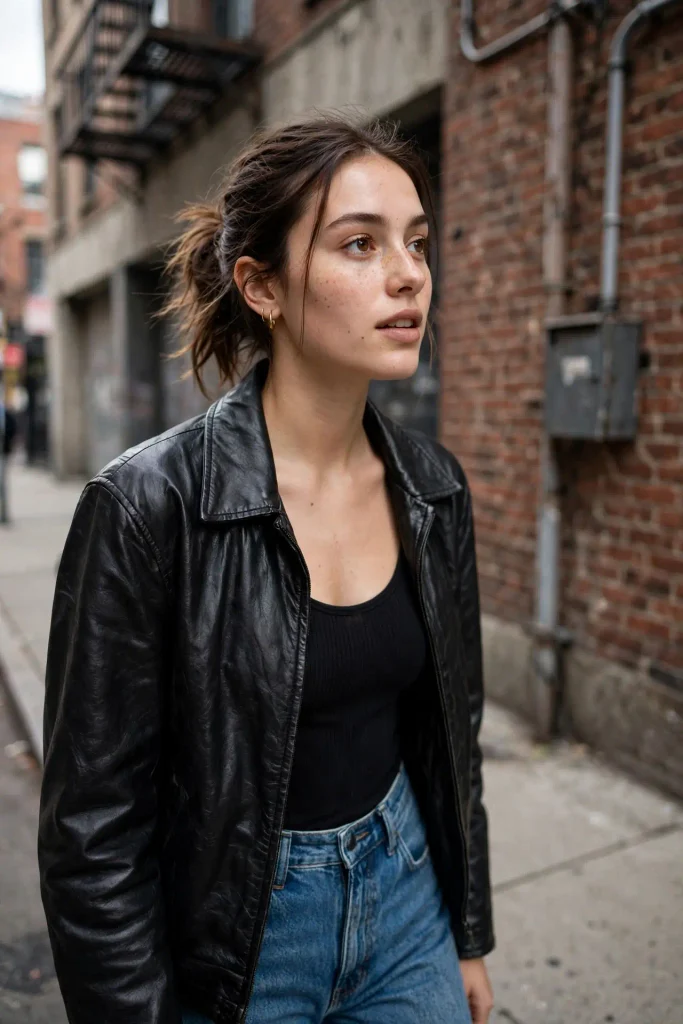
Cart 4, The Faux Leather Moment.
Items: a faux leather jacket, a basic ribbed bodysuit, straight jeans.
Price range: $25 to $40 total.
Before you checkout: faux leather is genuinely one of the categories where budget sites can compete well with pricier versions, since the material itself doesn’t vary as dramatically by cost the way natural fibers do. Check the zipper reviews specifically, since a stiff or sticky zipper is the most common complaint.
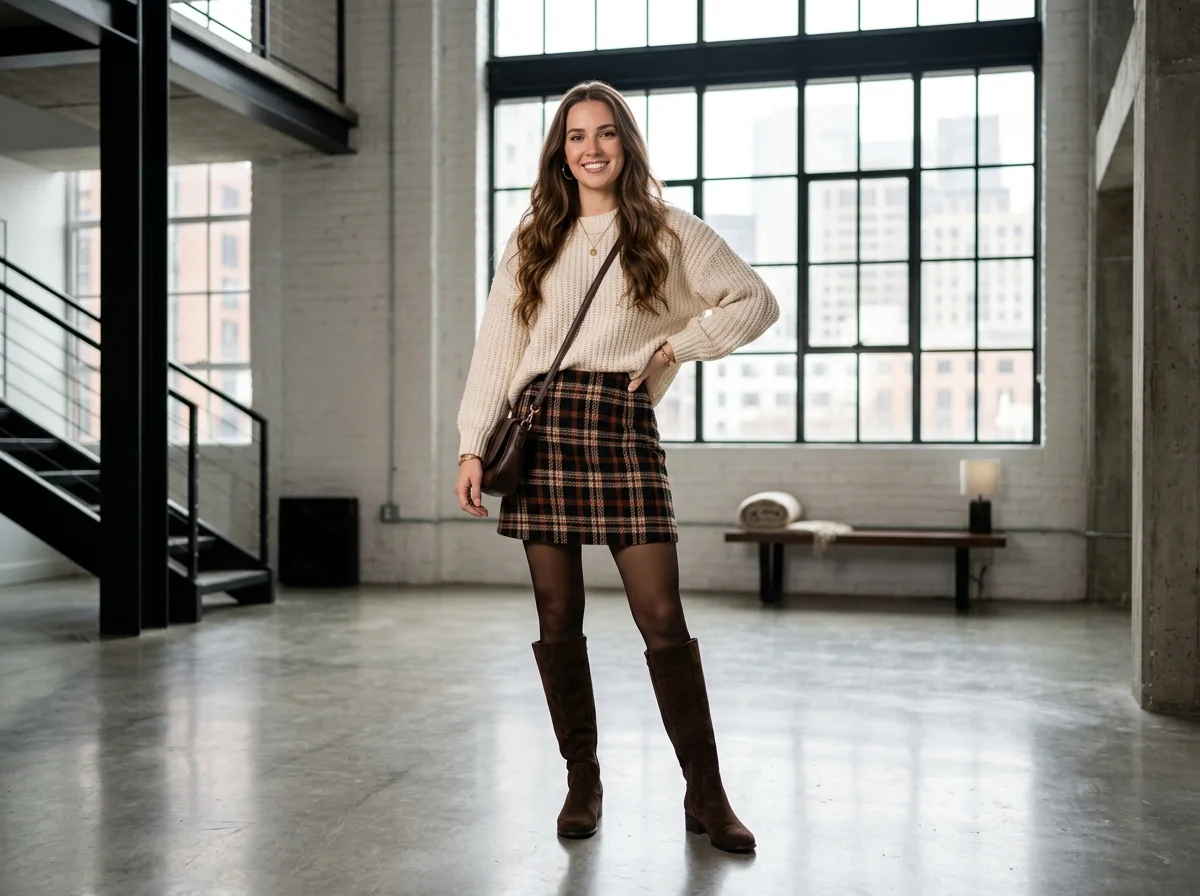
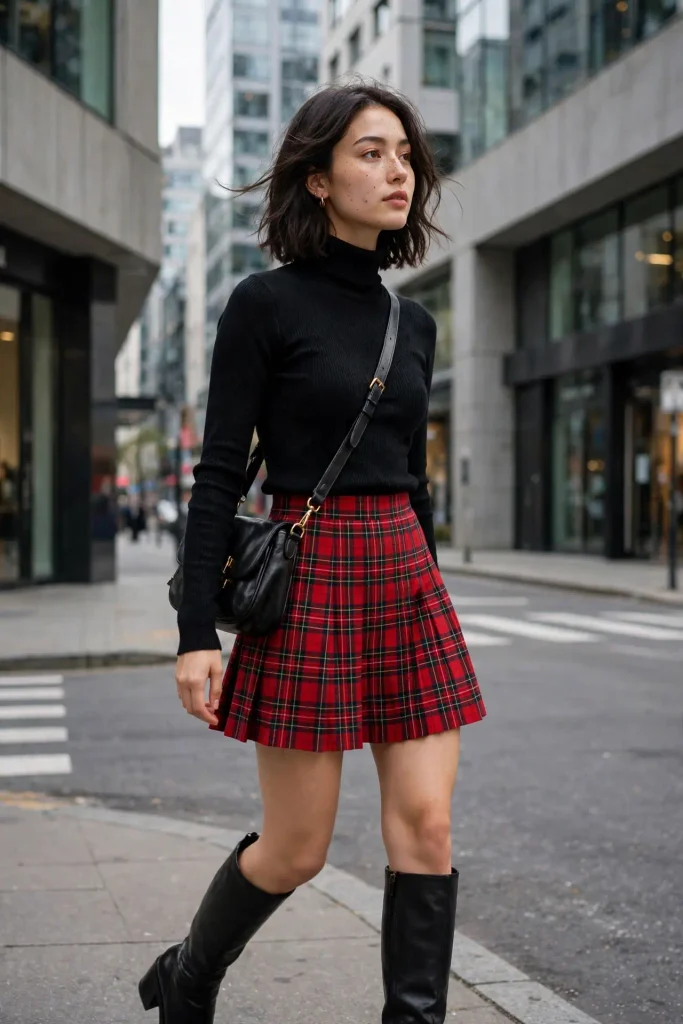
Cart 5, The Plaid Mini Skirt Set.
Items: a plaid pleated mini skirt, a fitted black turtleneck, knee-high boots.
Price range: $30 to $50 total.
Before you checkout: pleats at this price point sometimes lose their shape after washing. Look for “permanent pleat” in the description, and plan to hand wash or use a delicate cycle regardless of what the tag says.
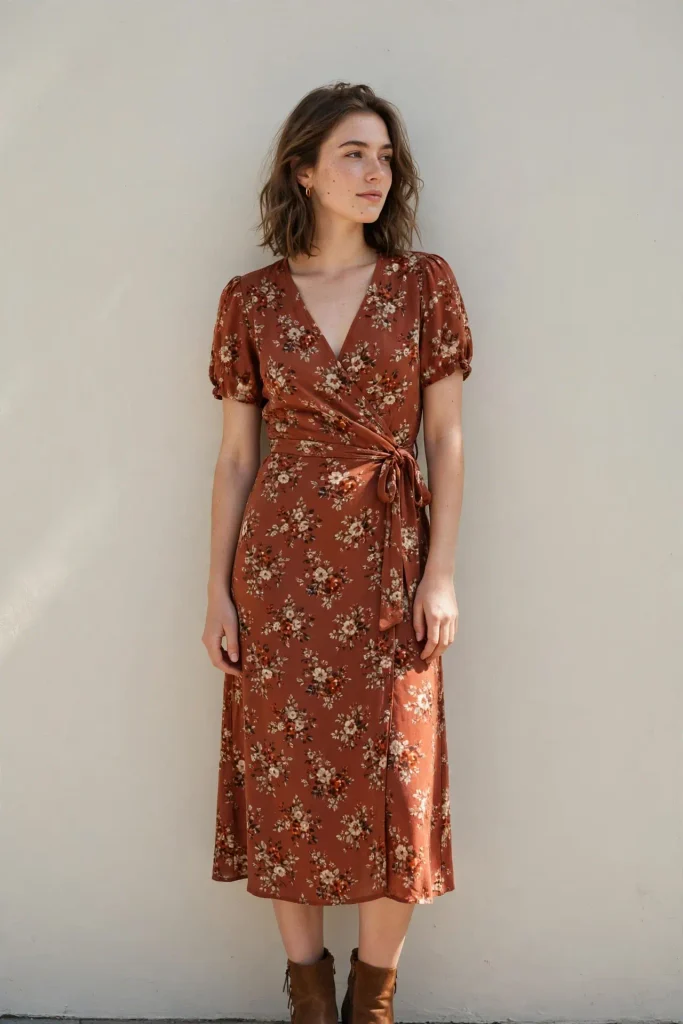
Cart 6, The Wrap Dress.
Items: a wrap-style midi dress in a rust or olive print, ankle boots.
Price range: $18 to $28 total.
Before you checkout: wrap dresses are one of the most forgiving styles for budget fabric, since the tie closure adjusts for any slight sizing inconsistency in the cut. This is a genuinely safe bet even from a brand-new seller with few reviews.
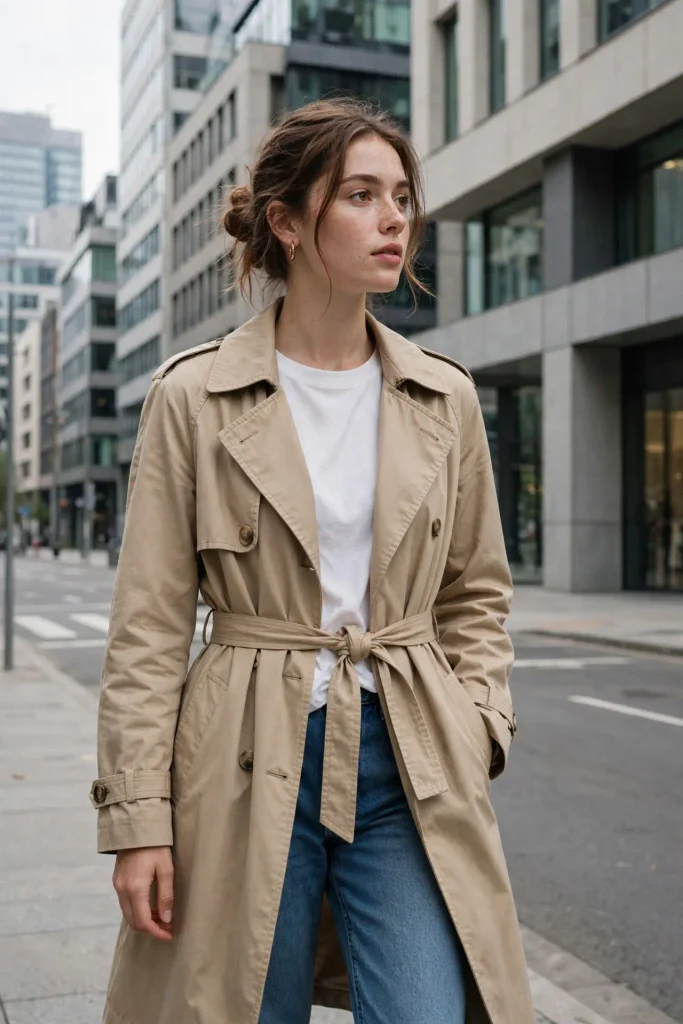
Cart 7, The Trench Layer.
Items: a belted trench coat, a basic long-sleeve tee, straight jeans.
Price range: $32 to $48 total.
Before you checkout: trench coats vary enormously in structure quality at this price. Scroll through customer photos specifically, not just the model shots, since customer photos will show you whether the coat actually holds its shape or looks limp on a real body.
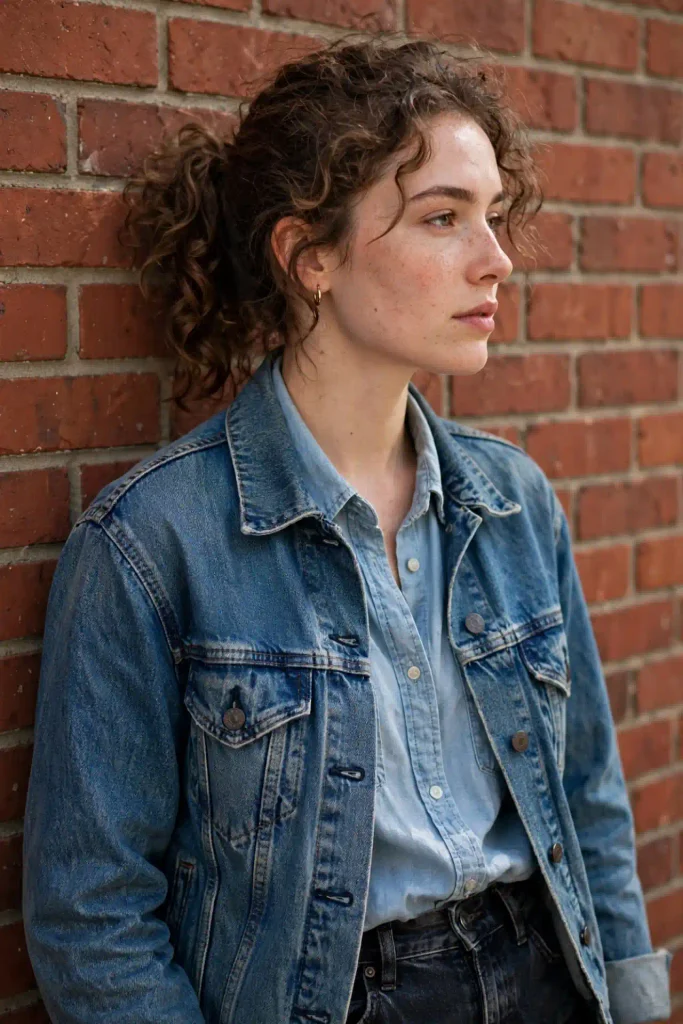
Cart 8, The Denim-on-Denim.
Items: a denim jacket, a chambray shirt, dark wash jeans.
Price range: $30 to $45 total.
Before you checkout: denim is a fairly safe budget category overall, but check the weight described, since some budget denim is genuinely thin. If the listing mentions “stretch denim,” expect a lighter weight fabric than rigid denim.
Cart 9, The Sweater Vest Layer.
Items: a sweater vest, a button-up blouse, wide-leg trousers.
Price range: $22 to $35 total.
Before you checkout: sweater vests are almost always a safe budget buy, since the simple construction has fewer places for quality to fail compared to a full sweater or blazer.

Cart 10, The Corduroy Set.
Items: a corduroy shirt jacket, a basic tank, straight jeans.
Price range: $25 to $38 total.
Before you checkout: corduroy ribbing can appear thinner in person than in photos. Check if the listing specifies wale count, meaning the number of ridges per inch, since a higher number usually means a finer, more substantial fabric.
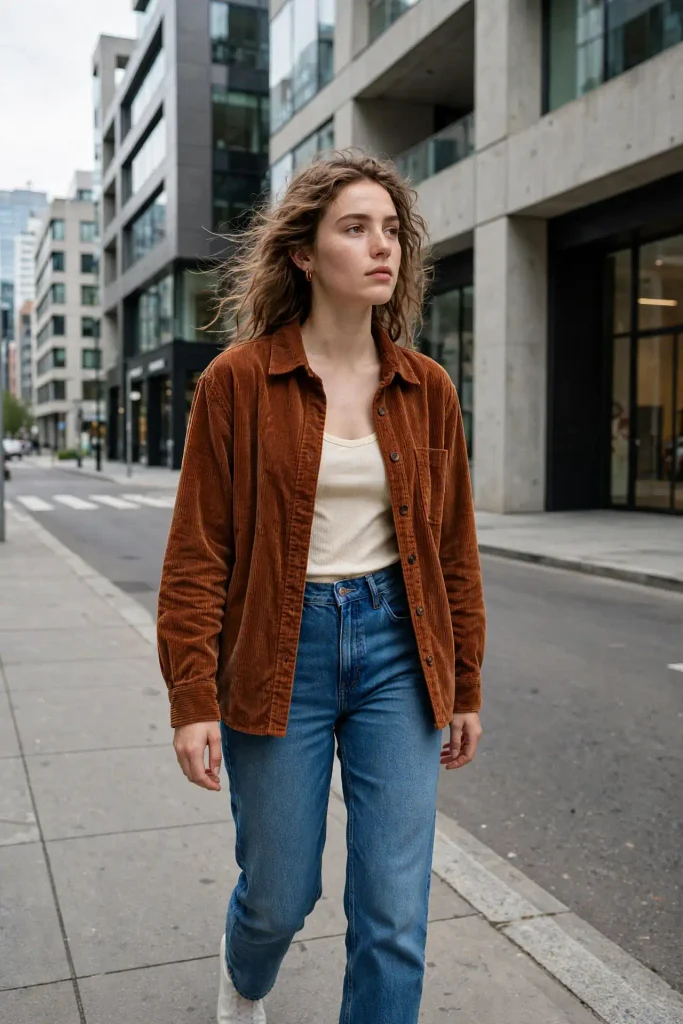
Cart 11, The Turtleneck and Midi Skirt.
Items: a fine ribbed turtleneck, a satin-look midi skirt, low heels.
Price range: $20 to $32 total.
Before you checkout: satin-look polyester skirts photograph almost identically to real silk online but can look noticeably shinier and cheaper in natural light. Check reviews for comments on the sheen specifically.
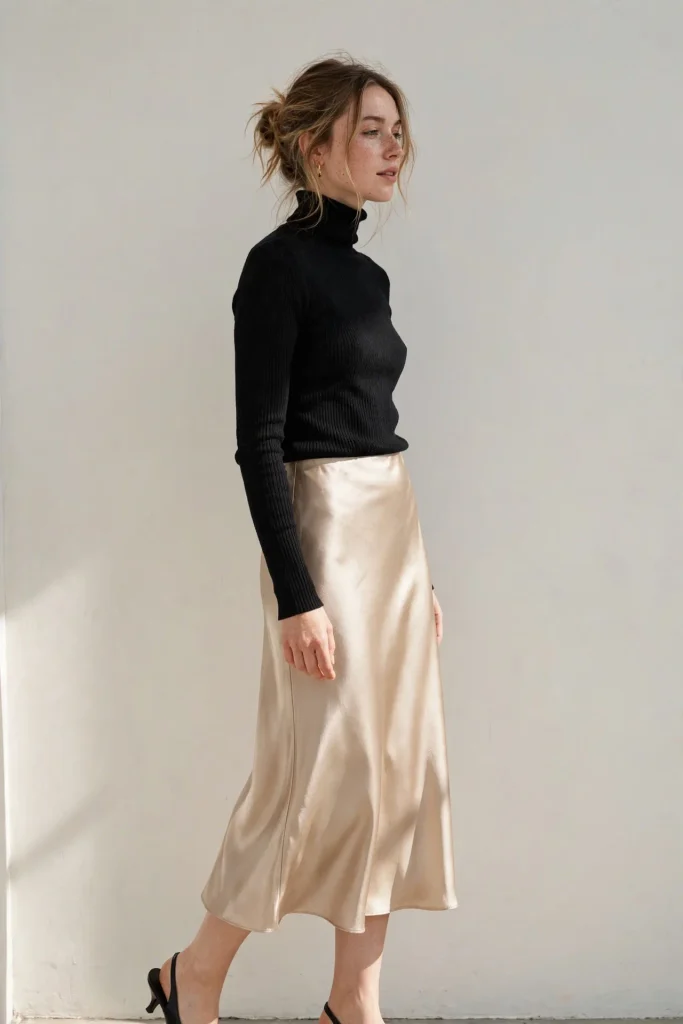
Cart 12, The Puffer Vest Layer.
Items: a quilted puffer vest, a turtleneck, straight jeans.
Price range: $22 to $34 total.
Before you checkout: puffer vests are one of the more reliable budget categories, since quilting hides minor fabric flaws well. Check the fill description, since some are polyester fill rather than down, which affects both warmth and how it packs down over time.
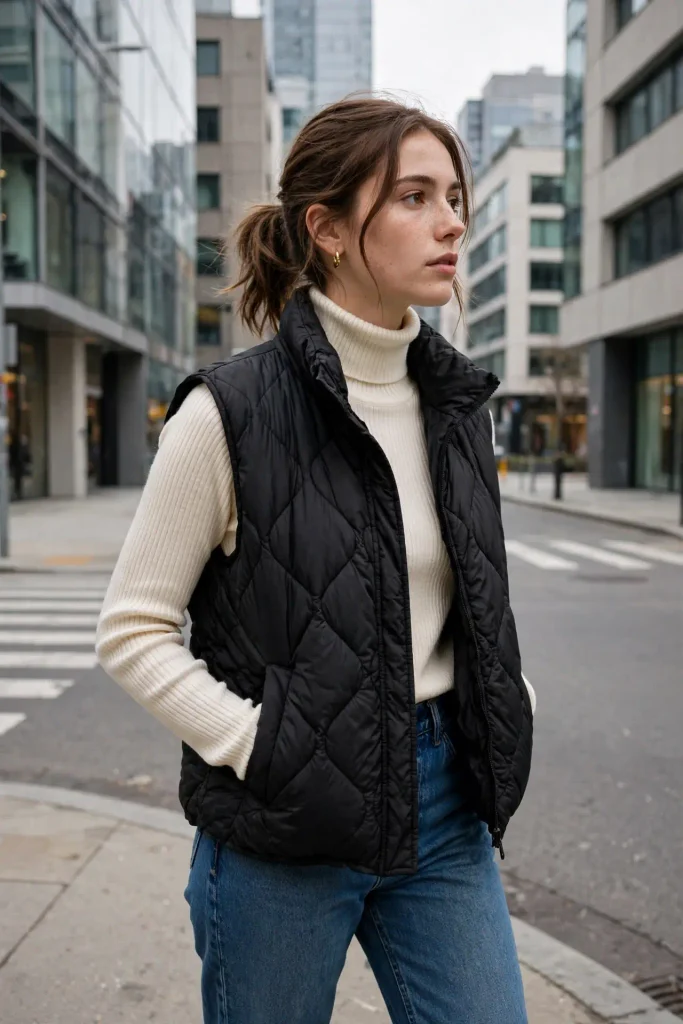
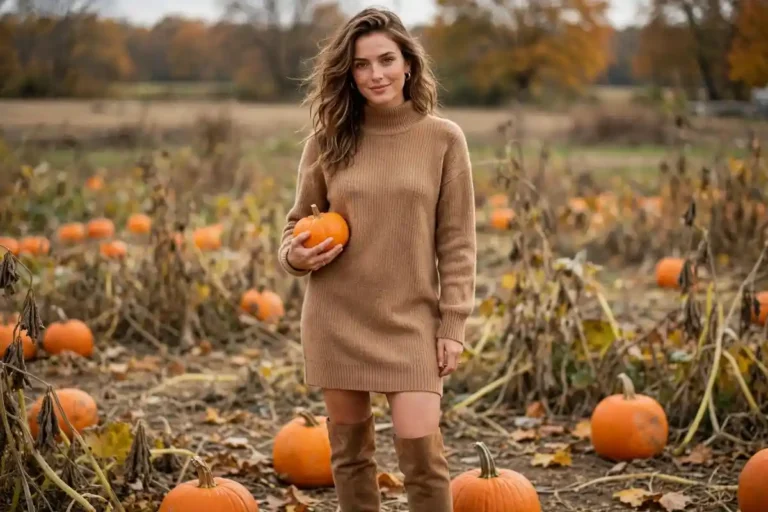
Cart 13, The Faux Suede Skirt.
Items: a faux suede mini skirt, an oversized knit sweater, tall boots.
Price range: $24 to $36 total.
Before you checkout: faux suede at this price point can sometimes crease permanently if folded rather than hung during shipping. Steam it gently on arrival before wearing, rather than assuming the crease will fall out on its own.
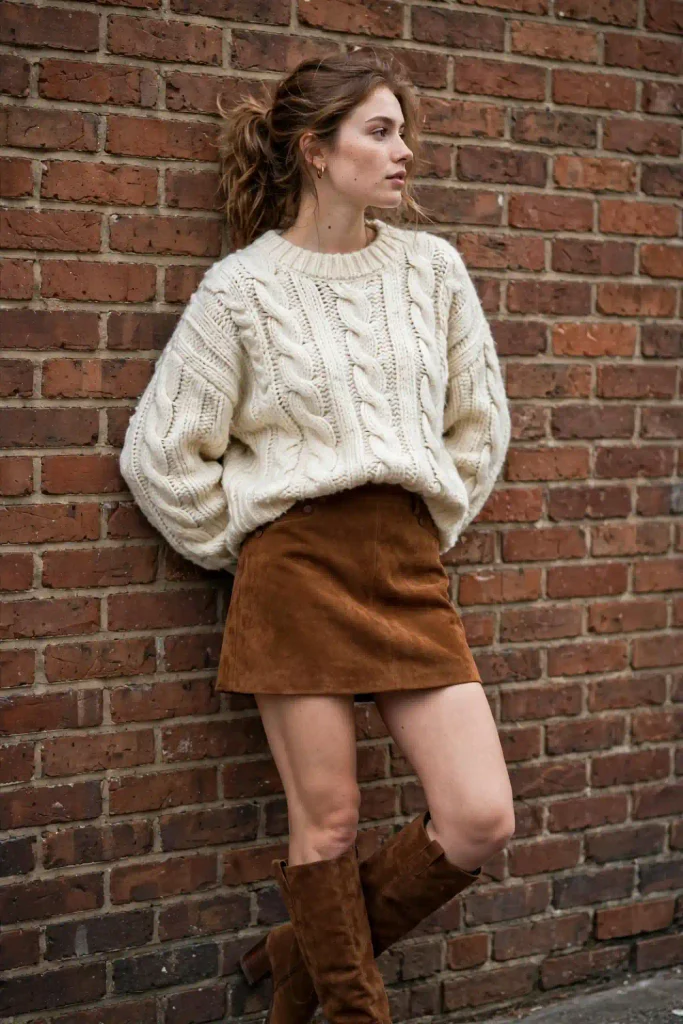
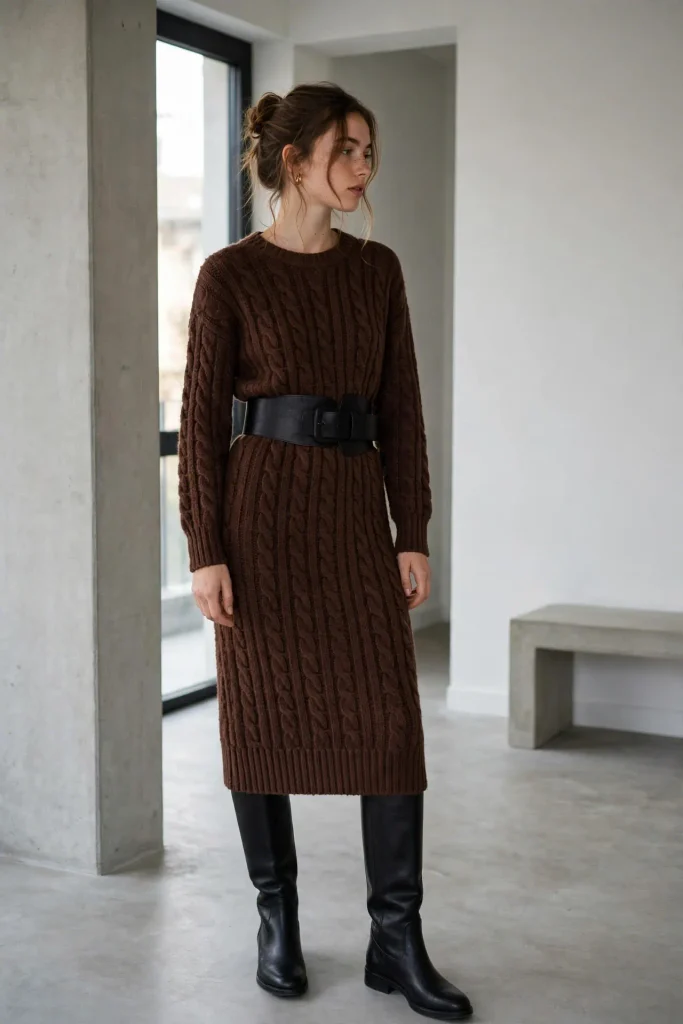
Cart 14, The Sweater Dress and Belt.
Items: a knit sweater dress, a wide belt, knee-high boots.
Price range: $20 to $30 total.
Before you checkout: sweater dresses are genuinely one of the best value categories at budget prices, since knit construction is more forgiving of thinner yarn than a woven fabric would be. This is a low-risk cart overall.
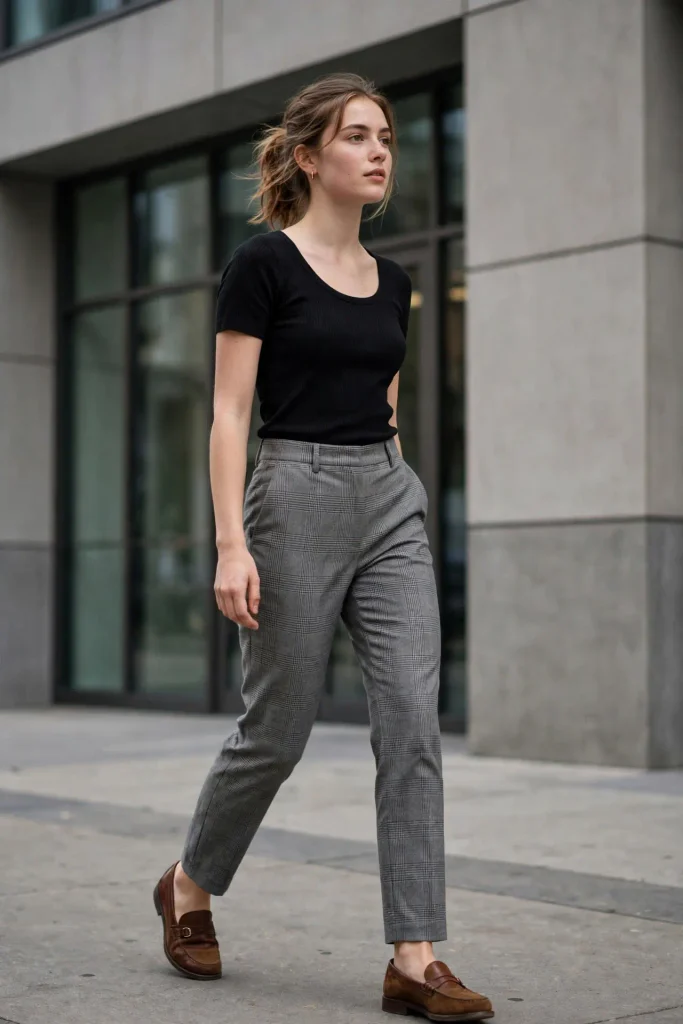
Cart 15, The Plaid Pant Set.
Items: a plaid straight-leg trouser, a fitted black top, loafers.
Price range: $25 to $38 total.
Before you checkout: plaid patterns at seams can misalign on cheaper manufacturing, meaning the plaid lines don’t quite match at the side seam. Check customer photos for this specifically, since it’s invisible in the flat product photo but obvious in person.
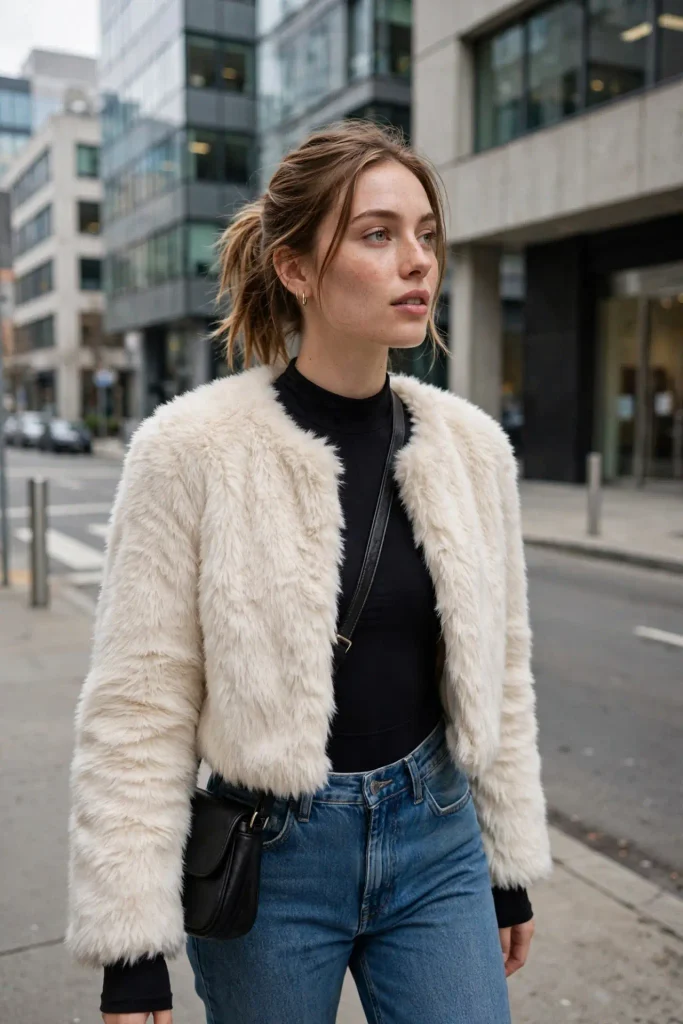
Cart 16, The Faux Fur Statement.
Items: a faux fur cropped jacket, a plain bodysuit, straight jeans.
Price range: $28 to $42 total.
Before you checkout: faux fur genuinely does vary a lot by price point, with cheaper versions shedding noticeably in the first few wears. Check reviews specifically for the word “shedding,” and plan to keep a lint roller nearby regardless.
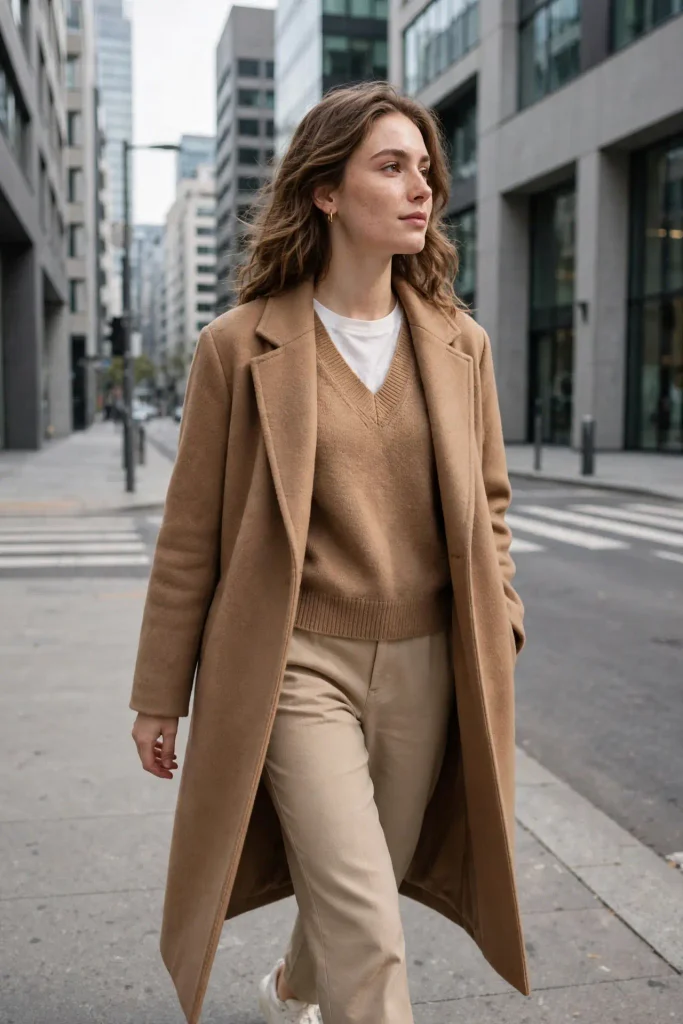
Cart 17, The Layered Vest and Coat Combo.
Items: a sweater vest, a longline wool-look coat, straight trousers.
Price range: $35 to $52 total.
Before you checkout: wool-look coats at this price are acrylic or polyester blends, which means less natural insulation than actual wool. This works fine as a transitional-weather coat but check reviews for how it performs in genuinely cold temperatures if you need it for deep winter rather than just fall.
Something New: The Sizing-Inconsistency Guide
This is the single biggest source of disappointment in budget online shopping, so it deserves its own section rather than a passing note.
Unlike a single physical retailer, budget marketplace sites often pull from many different manufacturers, which means two items on the exact same site, even in the same size label, can fit completely differently. The fix is to stop trusting the size label entirely and instead always check the specific garment’s own measurement chart, usually listed in inches or centimeters directly under the size selector, rather than assuming a medium is a medium across the whole site.
Measure a similar item you already own and compare it directly to those numbers rather than relying on your usual size. If a listing has fewer than roughly twenty reviews, treat the size chart as an estimate rather than a guarantee, since fewer reviews means less real-world feedback on fit. If you’re between two sizes on the chart, sizing up is almost always the safer choice for budget fabrics specifically, since many of them have minimal stretch recovery and will not loosen with wear the way better-quality knits sometimes do.
The Five-Second Fabric Quality Check
Before adding anything to cart, do this quick scan of the product photos and description. Zoom into any close-up fabric photos specifically, not just the full-body model shot, since close-ups reveal weave and texture that a distant photo hides. Read the material composition listed, since a higher percentage of natural fiber, cotton, wool, or linen, generally indicates a slightly higher quality item than a 100% synthetic blend, even within the same brand. Check for the word “lined” in the description for any structured piece like a blazer or coat, since lining is one of the fastest ways to tell a more considered garment from a cheaper one.
Look at the stitching in any close-up photo, since visible loose threads or uneven stitching in the product photo itself, not just customer photos, is a warning sign the actual item may look worse than photographed.
The Returns-Policy Navigator
Budget fast-fashion return policies vary and change frequently, so build a habit rather than relying on memory of the last policy you read. Before ordering, actually open the returns policy page for that specific order, since policies can differ by region and change between your last order and this one. Photograph everything the moment it arrives, tags still attached, before trying anything on, since this documentation matters if an item arrives visibly different from its listing. Try items on the same day they arrive rather than letting them sit in a bag for weeks, since most return windows are shorter than people expect and start counting from delivery, not from when you get around to trying things on.
Styling-Up Tricks for Budget Pieces
A few small habits make budget clothing read as more expensive than its price tag, regardless of the actual fabric quality underneath.
Steam everything on arrival rather than wearing it straight from the package, since budget fabric often ships more wrinkled than higher-quality fabric and steaming alone changes the entire first impression. Swap the buttons on a blazer or coat for slightly nicer ones from a craft store, which is a five-minute change that noticeably upgrades the perceived quality of an outer layer specifically. Tailor the one or two pieces you plan to wear most often, since a budget blazer taken in at the waist by a local tailor for a small fee will often look better than a much more expensive blazer bought straight off the rack in the wrong fit. Pair budget pieces with one or two higher-quality items, like real leather boots or a substantial gold-tone necklace, since the eye tends to judge an entire outfit by its best piece rather than averaging the quality of everything together.
The Monthly Budget Calculator
Instead of ordering piece by piece and losing track, decide on a monthly fall wardrobe budget upfront and build backward from it.
If your total monthly clothing budget is around $60, that comfortably covers roughly two of the carts listed above, which means choosing the two that fill the biggest actual gaps in your closet rather than the two that photograph best. If your budget is closer to $100 to $120, you can realistically build three to four carts, which is enough to create a genuine rotation across the season rather than a handful of disconnected pieces. Track cost per wear rather than just the sticker price, since a $45 coat worn fifteen times across the season costs three dollars per wear, while a $15 top worn only twice before it pills costs more per wear despite the lower price tag, which reframes which purchases are actually the better value.
Quick Answers
Is budget fast-fashion outerwear worth buying?
Faux leather and puffer styles tend to hold up reasonably well at this price point. Wool-look coats are fine for fall but less reliable for deep winter warmth.
What’s the safest category to buy without trying on?
Wrap dresses and sweater dresses, since their construction is naturally more forgiving of sizing inconsistency than fitted, structured pieces.
How do I avoid ordering something that looks cheap in person?
Check for lining in structured pieces, read the material composition, and zoom into any close-up fabric photos before adding to cart.
Should I size up on budget sites?
When between two sizes, yes, generally, since many budget fabrics have limited stretch recovery and won’t loosen with wear.
One Last Thing
Budget fall shopping does not have to mean gambling every time you check out. The pieces that hold up well, wraps, sweater dresses, puffer vests, sweater vests, are genuinely reliable across most budget sites, while the pieces that vary most, structured blazers, fitted knits, faux fur, are worth the extra thirty seconds of checking reviews and close-up photos before clicking purchase.
Build your cart around the categories that are consistently safer, save the riskier categories for when you’ve read enough reviews to feel confident, and track cost per wear rather than just the price tag when you’re deciding what’s actually worth it.
Which cart are you building first: the everyday base, the office blazer set, or the trench layer? Save this article for your next online shopping session, and send it to a friend who has a cart sitting abandoned because she can’t decide if it’s actually worth checking out.