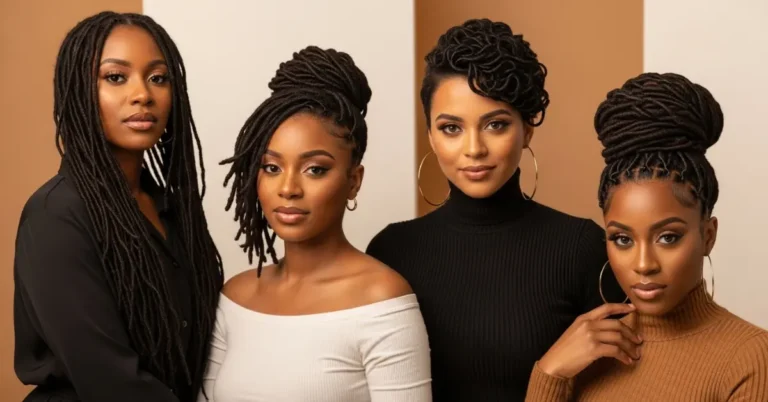
17 African Hairstyles That’ll Make You Want to Book a Salon Appointment ASAP
African hairstyles aren’t just hair — they’re heritage, they’re art, they’re a whole mood. Whether you’re rocking natural coils, protective styles, or something that took your stylist four hours to perfect (worth every minute, no notes), African-inspired hairstyles have taken over runways, red carpets, and our Instagram feeds for good reason. This isn’t a trend — it’s a cultural revolution happening right on top of your head. So if you’ve been scrolling Pinterest at midnight wondering what to do with your hair, bestie, you’ve landed in the right place. Here are 17 African hairstyles that are stunning, versatile, and honestly? Life-changing.
1. Box Braids
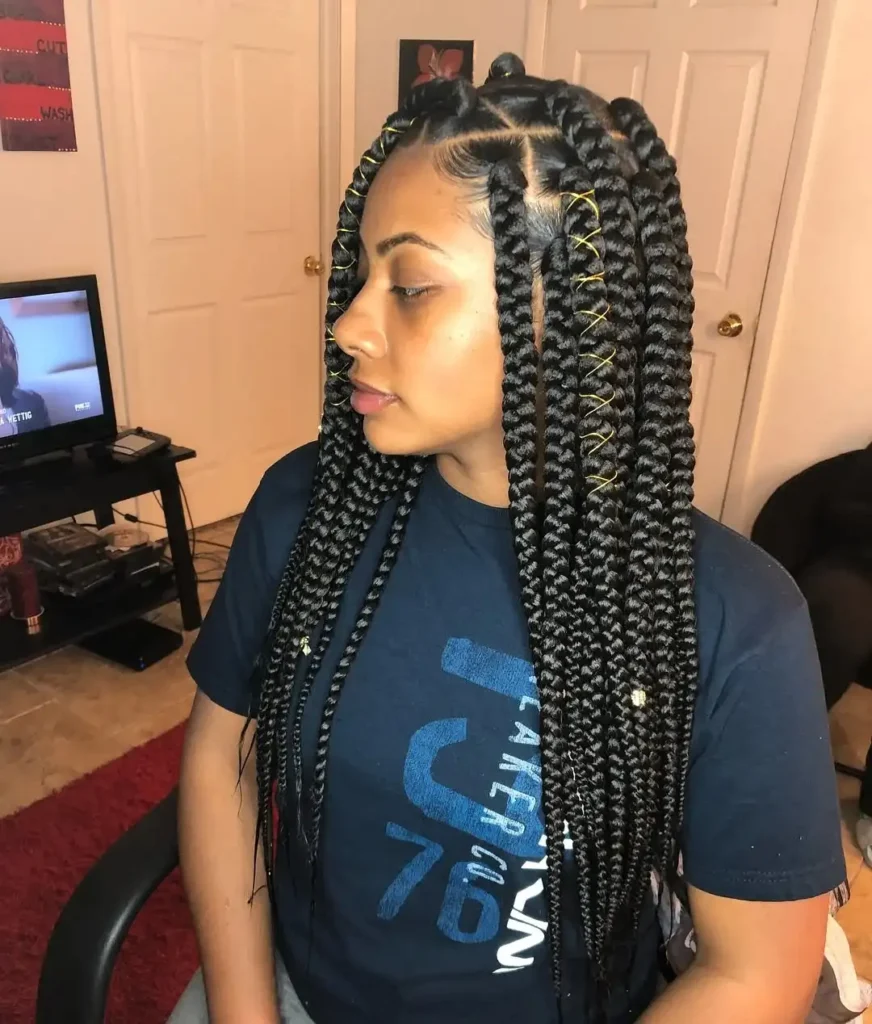
Box braids are the ultimate protective style that never, ever gets old. Seriously, they’ve been around for centuries and they still hit different every single time. Jumbo box braids give off that bold, statement energy, while thinner ones lean more elegant and intricate. You can wear them in a high puff, half-up half-down, or just let them hang loose and long — all valid, all gorgeous. The best part? Once they’re in, your morning routine is basically non-existent. Protective and low-maintenance? That’s the dream combo.
2. Bantu Knots
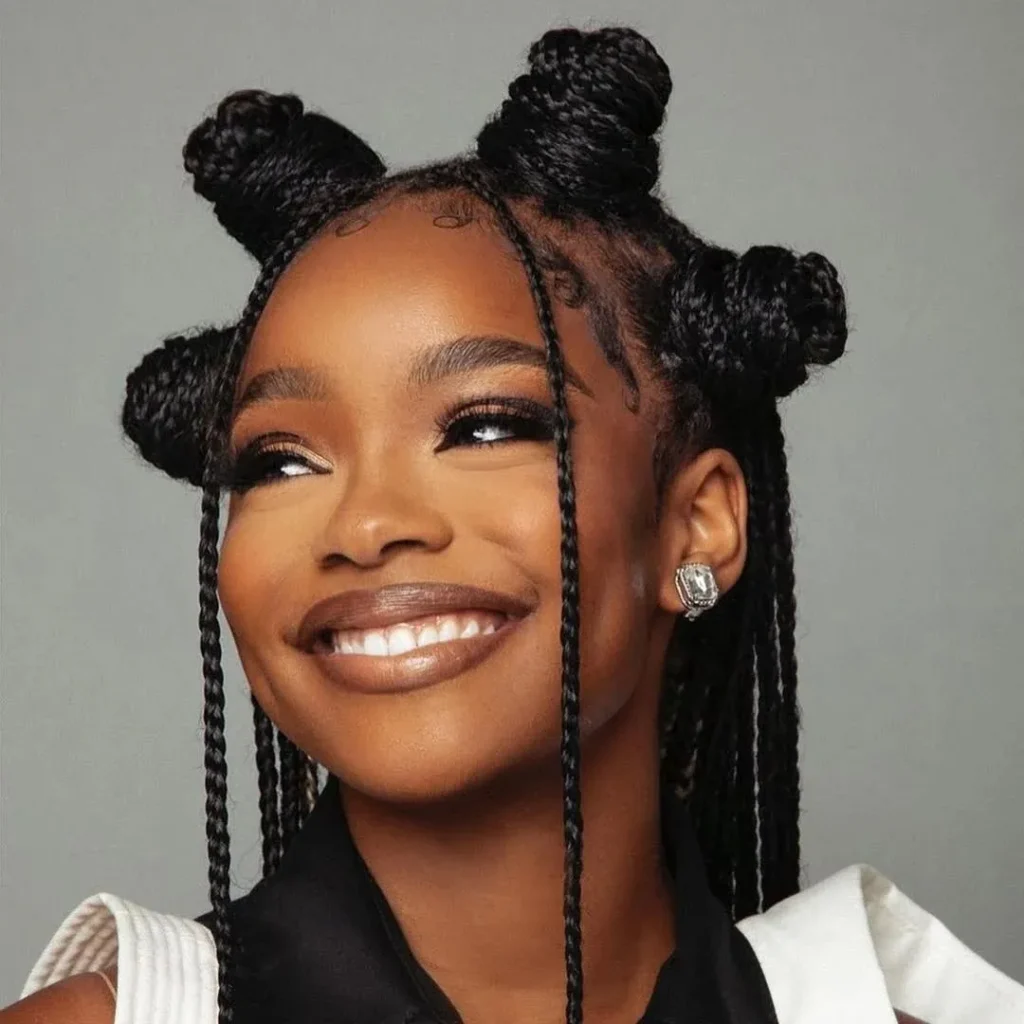
If you’ve never tried Bantu knots, you’re genuinely missing out on one of the most iconic African hairstyles in existence. These tight, coiled knots sit close to the scalp and look like little crown jewels sitting all over your head. Style tip: rock them overnight and unravel them the next morning for the most gorgeous, defined curls you’ve ever seen. Two looks in one — that’s called efficiency, honey. They work beautifully on natural hair of all textures, and they photograph insanely well.
3. Cornrows
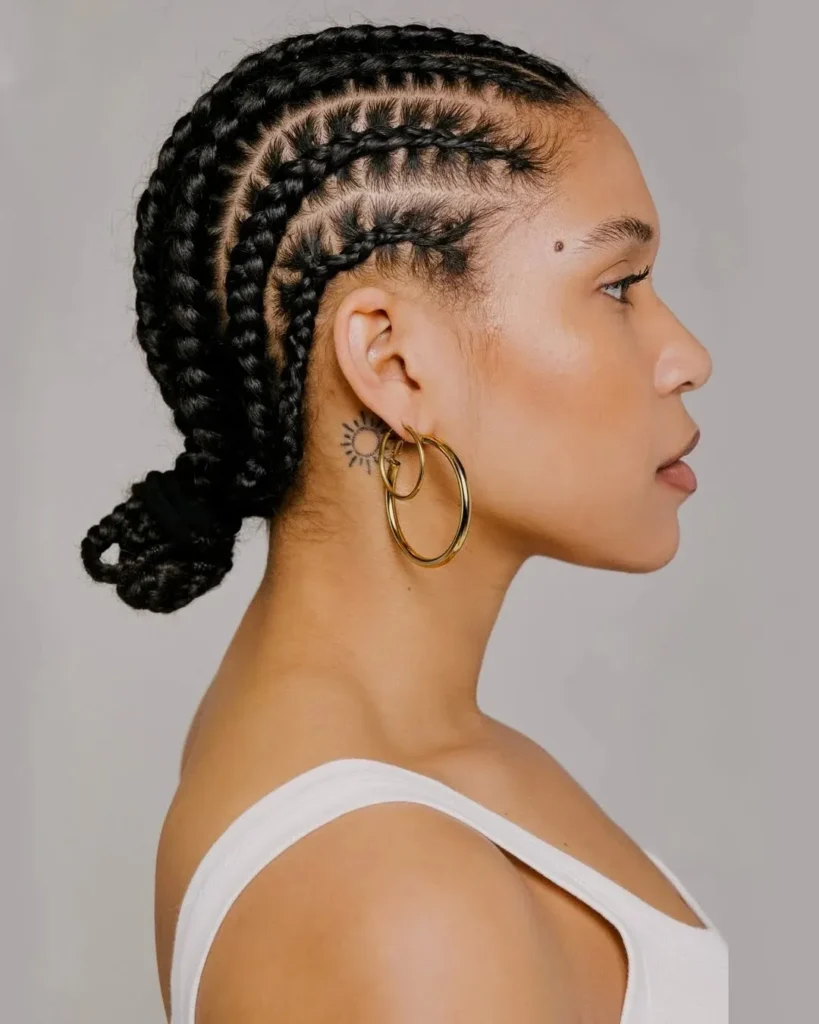
Cornrows are a classic for a reason. Clean, sharp, and totally customizable — you can go straight back, geometric, curved, or even have your stylist create a full-on scalp design that’s basically wearable art. Bold geometric cornrow patterns are having a serious moment right now, and honestly, they should never stop. They’re protective, they keep your edges laid, and they last for weeks with proper care. Whether you’re keeping it simple or going full avant-garde, cornrows always deliver.
4. Fulani Braids
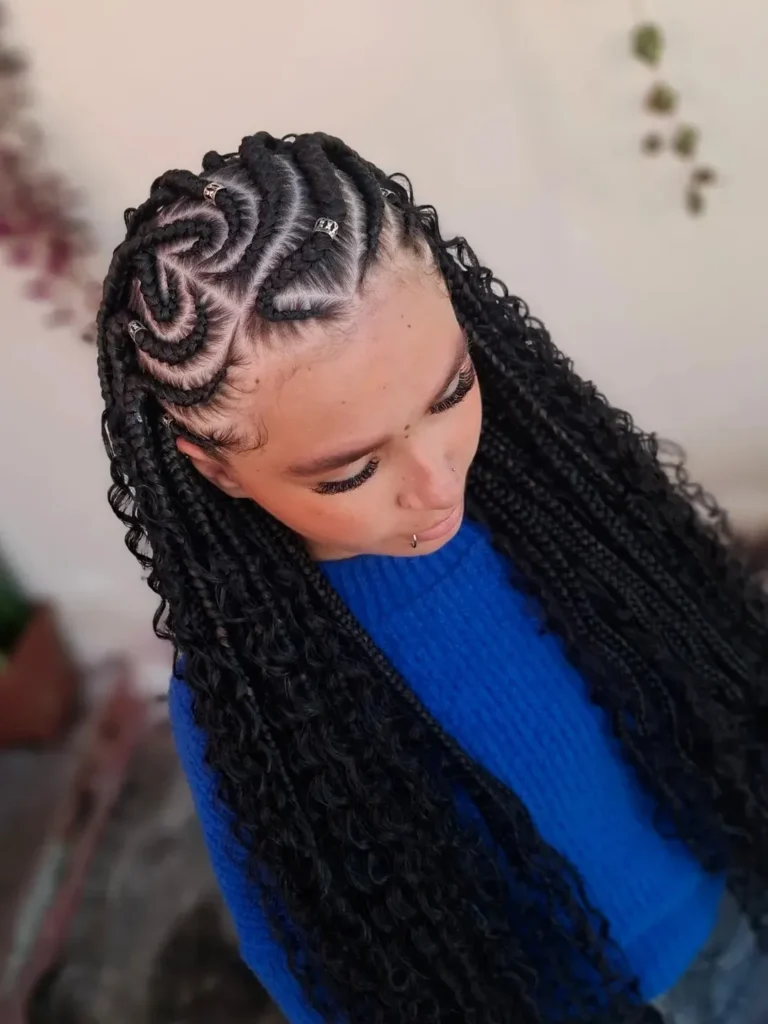
Okay, Fulani braids are the hairstyle that makes everyone stop and stare — in the best way possible. Originating from the Fula people of West Africa, this style typically features a central braid or cornrow down the middle of the head with braids flowing to the sides, often adorned with gold cuffs and beads. It’s regal, it’s cultural, it’s breathtakingly beautiful. Add some cowrie shells if you really want to commit to the look. IMO this is one of the most elegant protective styles you can wear.
5. Senegalese Twists
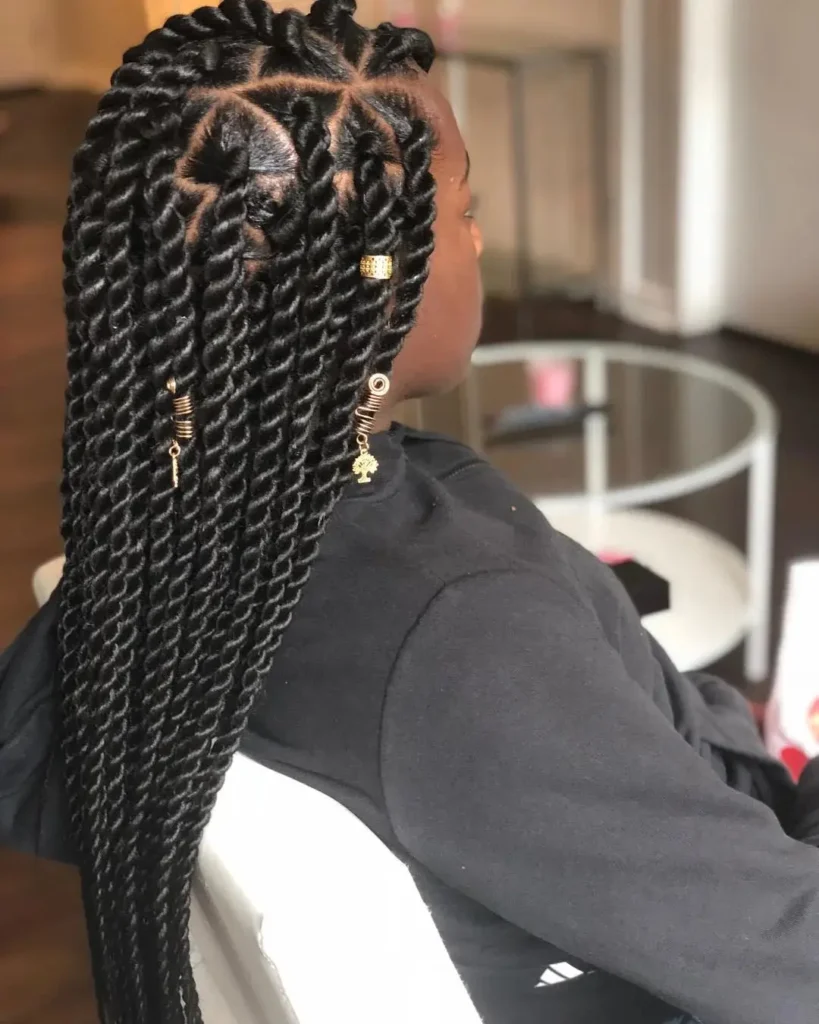
Senegalese twists have this effortlessly sleek, polished vibe that box braids sometimes can’t quite match. Made with smooth Kanekalon hair twisted tightly from the root, they hang beautifully and feel lighter than braids. Wear them long and loose for a dramatic effect, or pile them into a high bun for something more chic and put-together. They’re also incredibly gentle on your natural hair underneath, which is literally what every protective style should aspire to be. Style queens everywhere swear by these.
6. Afro
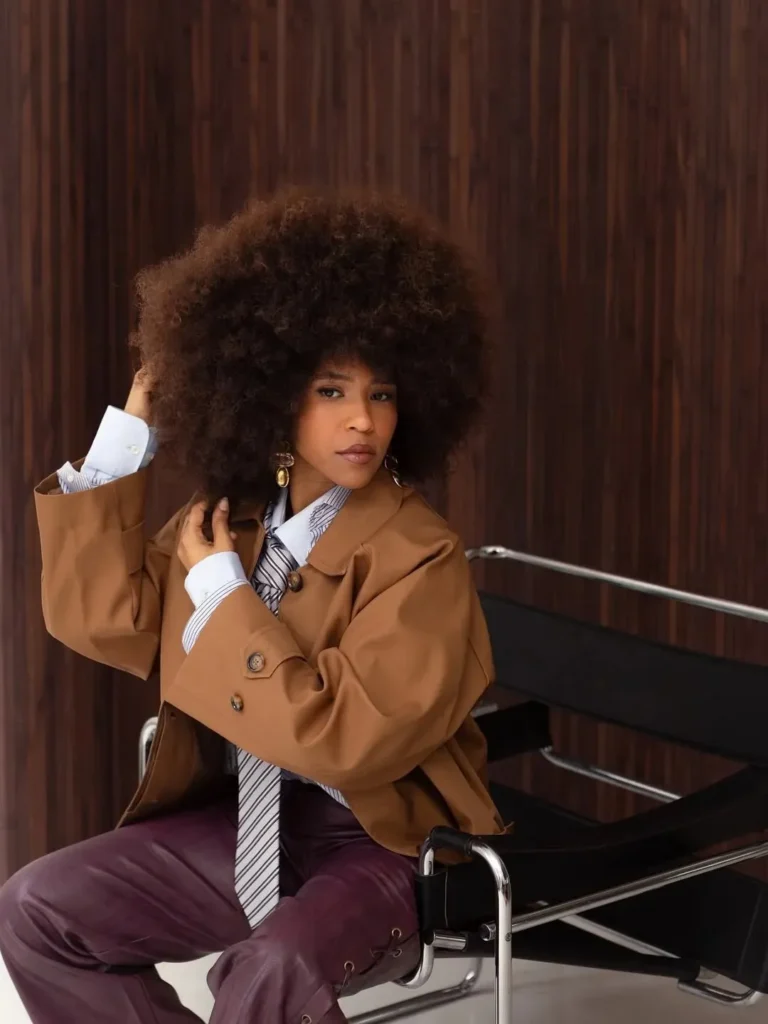
The Afro is more than a hairstyle — it’s a statement, a symbol, and honestly, one of the most powerful ways to wear your natural hair. A full, rounded Afro radiates confidence in a way that no blowout ever could. Moisturize well, pick it out gently, and let that crown breathe. Whether it’s a teeny weeny Afro or a big, voluminous cloud of coils, every size of Afro is absolutely iconic. There’s something about an Afro that just commands a room — and you deserve to command every room you walk into.
7. Goddess Locs
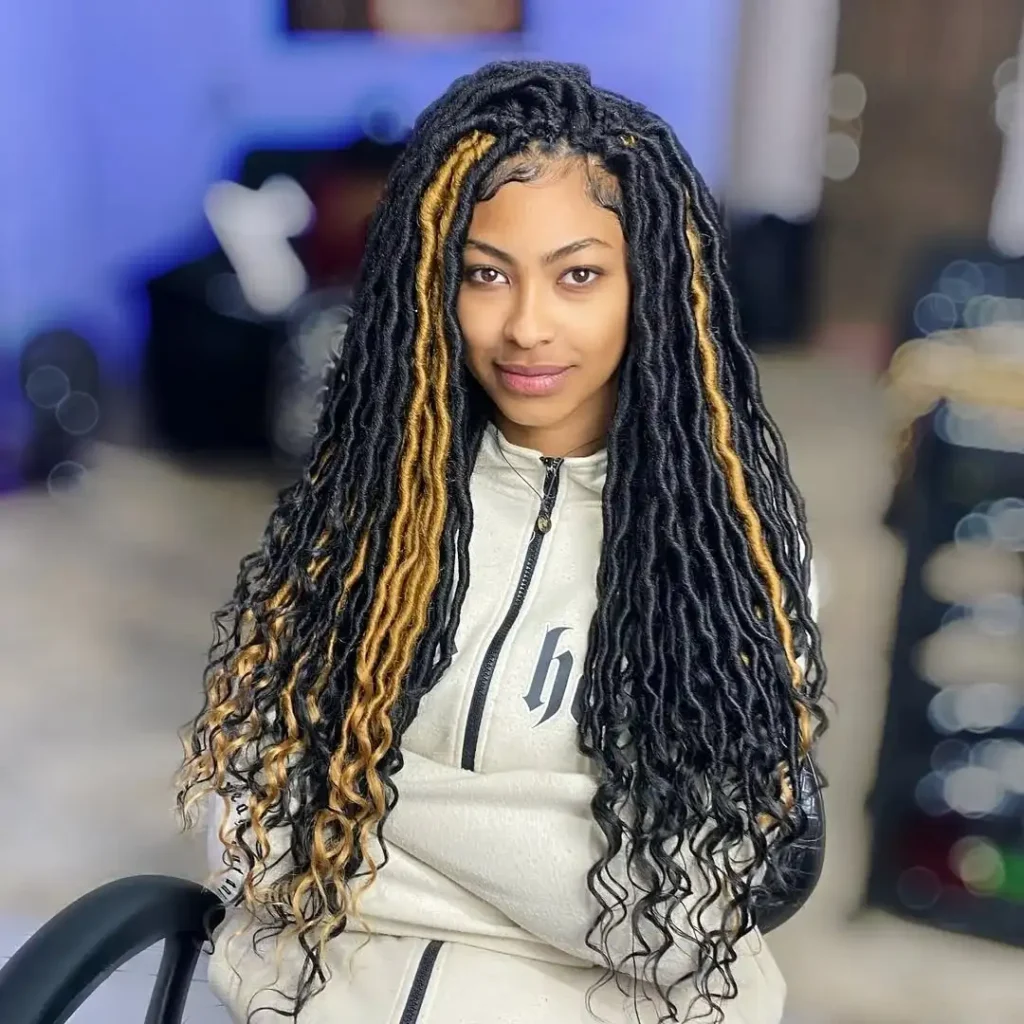
Goddess locs are giving bohemian, mystical, “I woke up like this but actually spent hours” energy. These freeform locs incorporate wavy or curly hair at the ends, creating a soft, romantic texture that feels undone in the most intentional way. They’re longer, often lighter than traditional locs, and styled with loose ends that flow freely. Wrap a few with gold thread or shells to really lean into the goddess aesthetic. People will absolutely ask you where you got them done — be prepared to become everyone’s hairstyle inspo.
8. Ghana Braids (Feed-In Braids)
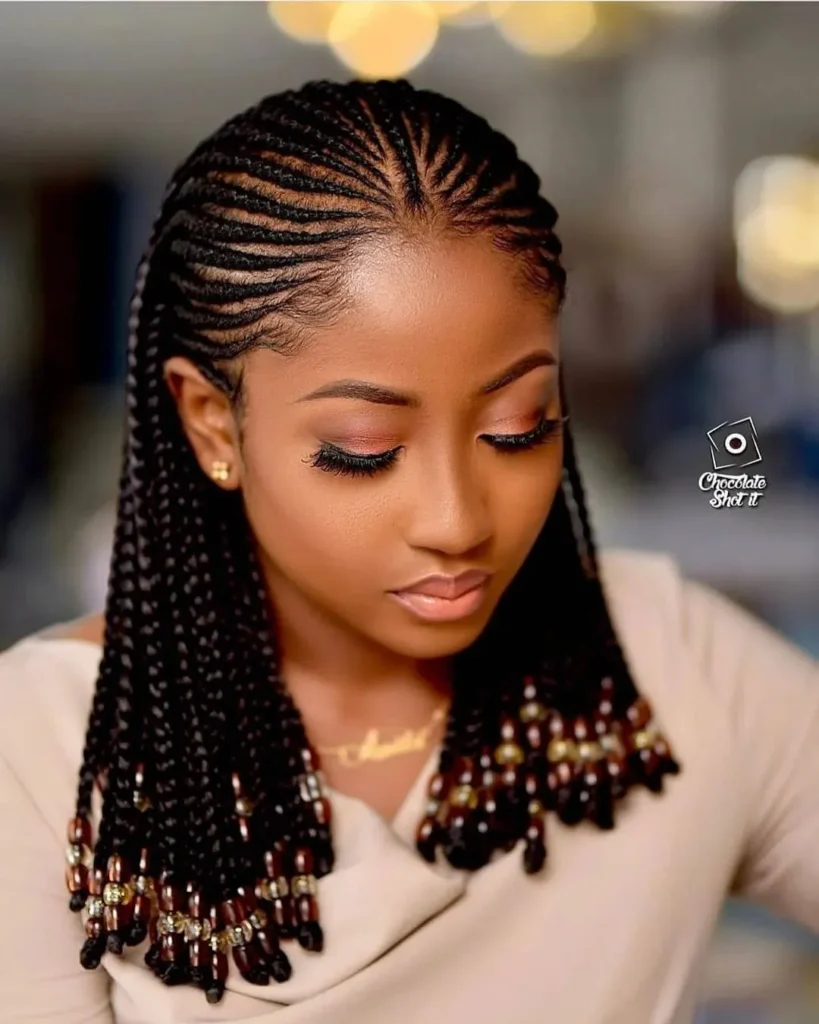
Ghana braids, also known as feed-in braids, are the elevated, sleeker cousin of regular cornrows. The technique involves adding hair gradually as you braid, which creates a thicker, more dramatic braid that tapers beautifully toward the ends. They lie flat against the scalp and look incredibly neat and intentional. Style them straight back, in a curved pattern, or pile them up into an updo for a super glam finish. They’re perfect for when you want cornrows but with more impact.
9. Twist-Out
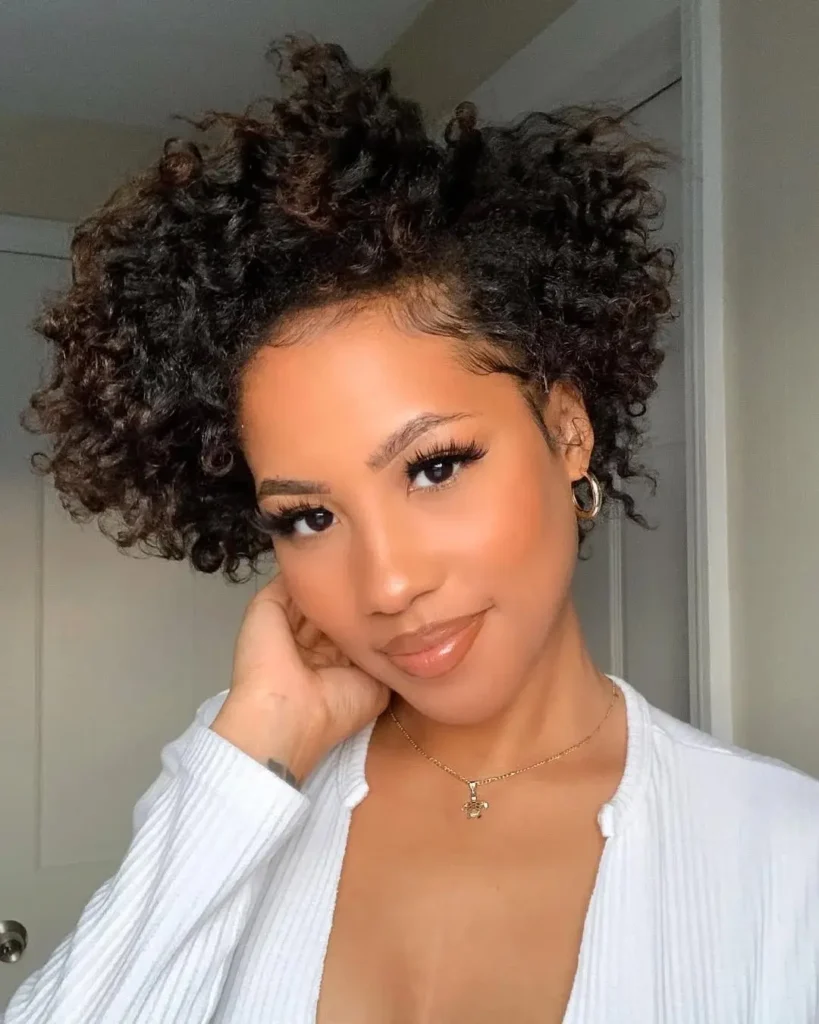
A twist-out is the go-to style for natural hair girls who want defined curls without the crunch. You twist your hair while it’s damp, let it dry completely, then unravel each section to reveal gorgeous, springy curl definition. The key is sealing moisture in before you twist — skip this step and you’ll get frizz instead of the fluffy, defined coils you’re chasing. I once unraveled too early and walked outside looking like I lost a fight with a humidity machine. Learn from my mistakes. Use a good curl cream and wait.
10. Passion Twists
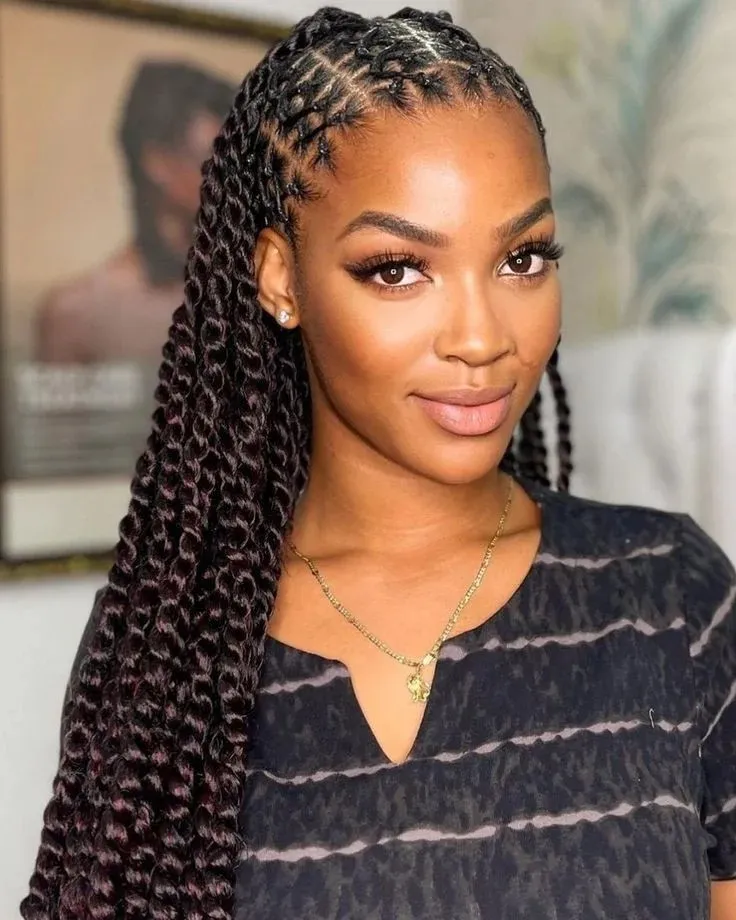
Passion twists are newer to the scene but they’ve completely taken over — and for good reason. Made with curly, bohemian water wave hair, they have this gorgeous texture that looks effortlessly undone and free-spirited. They’re lighter and fluffier than Senegalese twists, which makes them incredibly comfortable to wear for extended periods. Style them with a center part and a pair of gold hoops for an instant vibe upgrade. They’re trendy, protective, and just fun — which is honestly all we’re asking for in a hairstyle.
11. Dreadlocks (Locs)
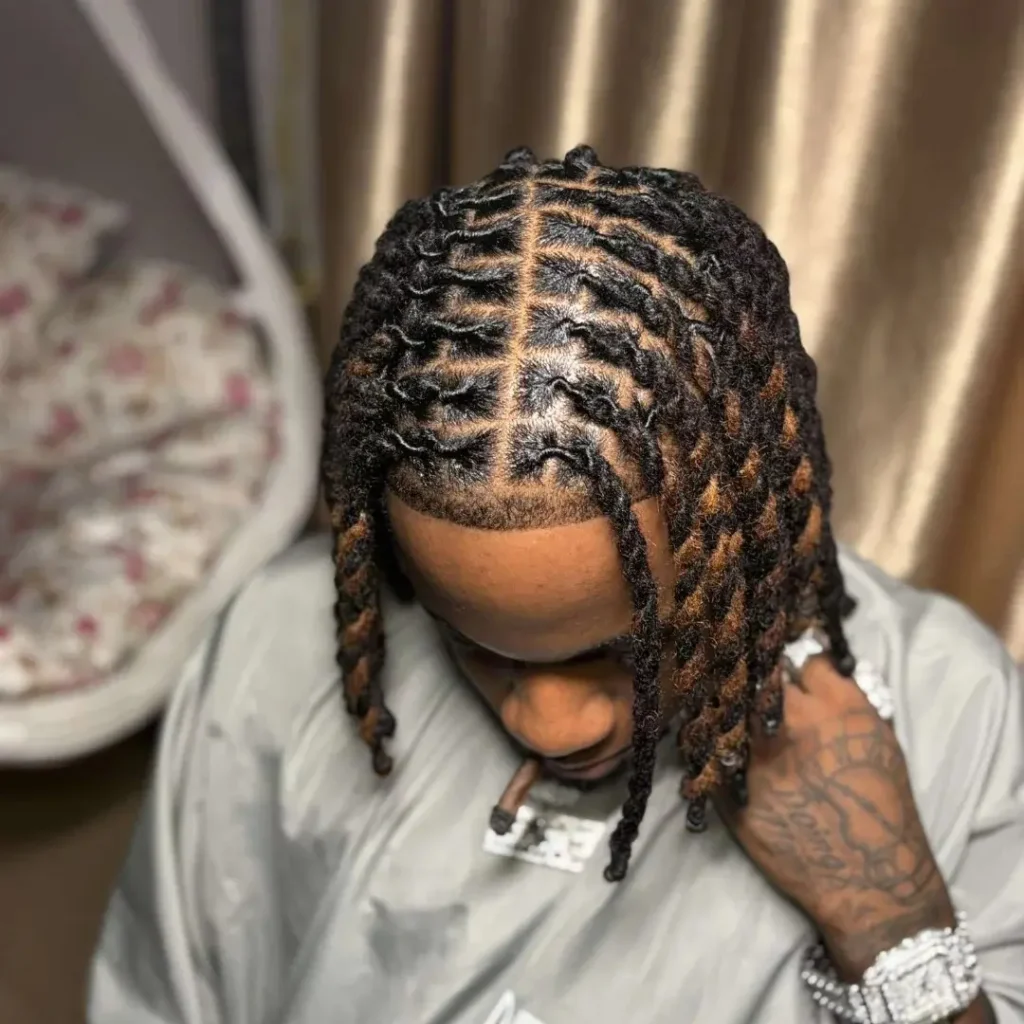
Locs are a whole lifestyle, not just a hairstyle — and people who wear them will tell you that themselves. Starting from freeform locs or cultivated two-strand twists, locs grow and mature into thick, beautiful ropes of natural hair that carry deep spiritual and cultural significance across African and African diasporic communities. The maintenance routine evolves over time, and watching your locs grow and mature is genuinely one of the most satisfying hair journeys you can go on. Thin locs, thick locs, colored locs — the versatility is unmatched.
12. Crochet Braids
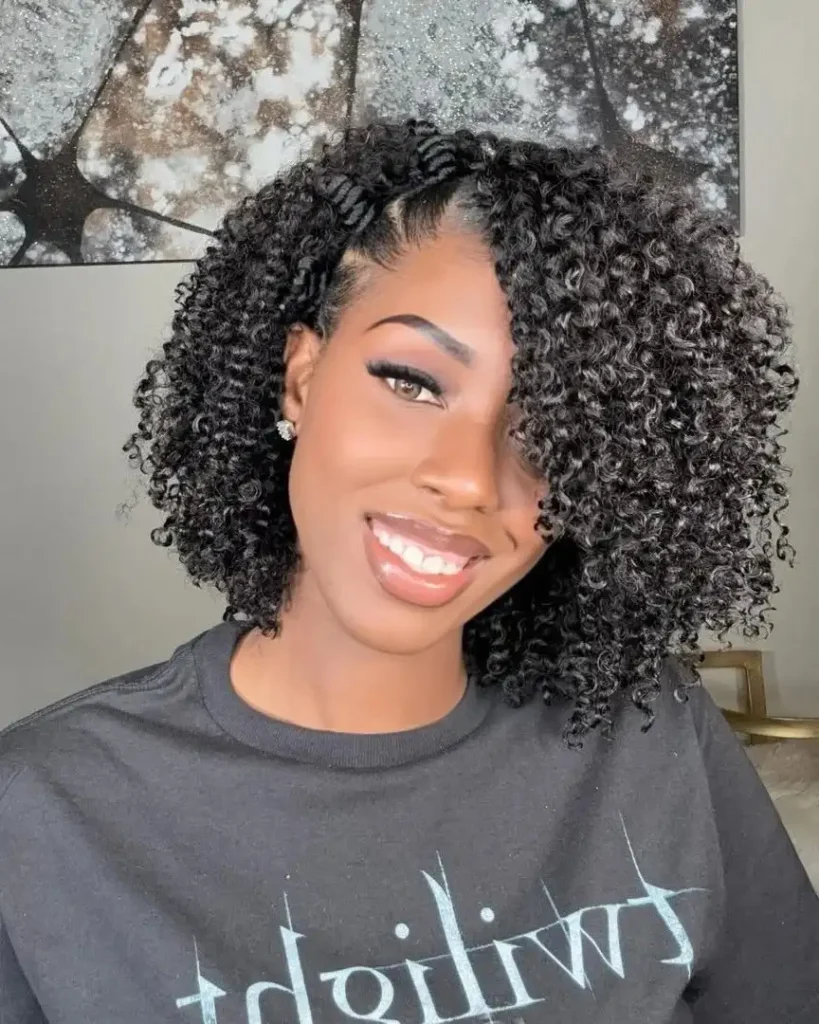
Crochet braids are the protective style for people who want maximum impact with minimum installation time. A stylist creates cornrows as a base, then uses a crochet hook to loop pre-made braids or curls through the cornrows. You can achieve box braids, Marley twists, Afros, and curly styles all through the crochet method — and your install time drops from eight hours to two. For busy people who still want to look incredible (so, all of us), crochet braids are the ultimate cheat code.
13. Shuku (Updo Cornrows)
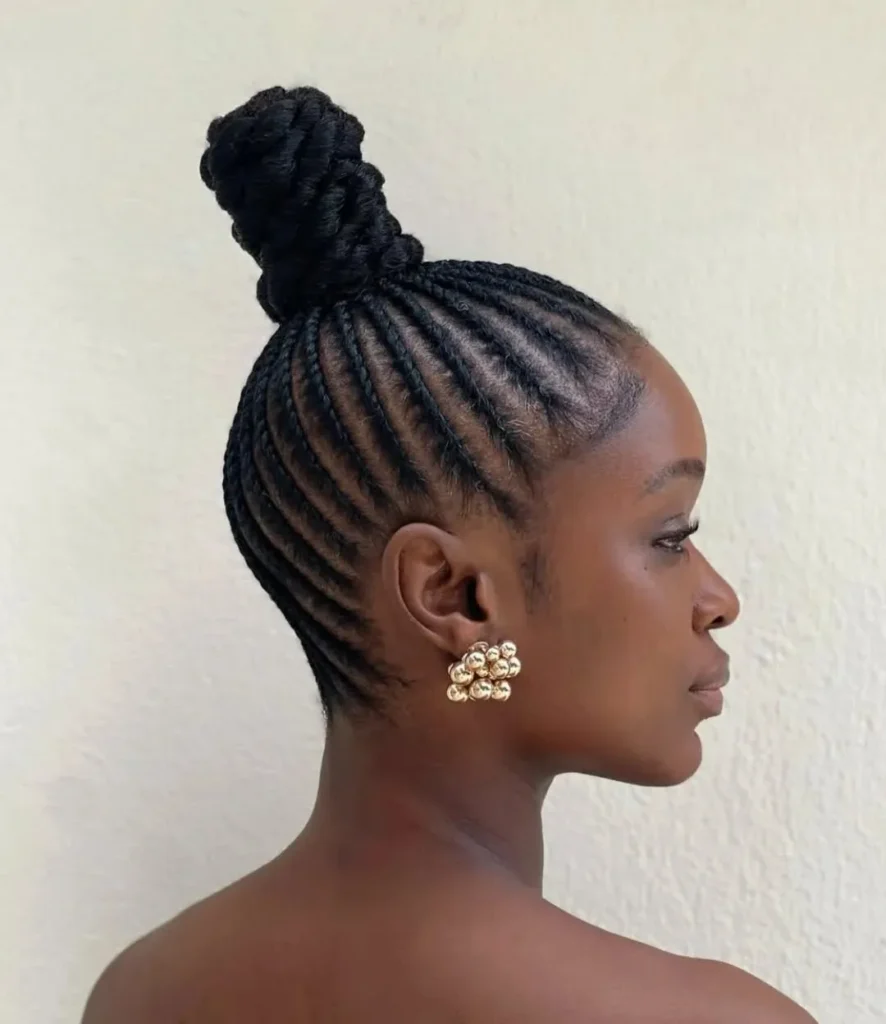
The Shuku is a traditional Nigerian hairstyle that literally translates to “raised” — and it delivers exactly that. All the cornrows are braided upward toward the center of the head, creating a stunning fan-like updo that sits like an actual crown. It’s elegant, it’s cultural, and it’s the kind of hairstyle that makes you stand a little taller just by wearing it. Modern interpretations add extensions or accessories to make the center section even more dramatic. If you want a hairstyle that looks like you’re ready for a throne, Shuku is your answer.
14. Kinky Twists
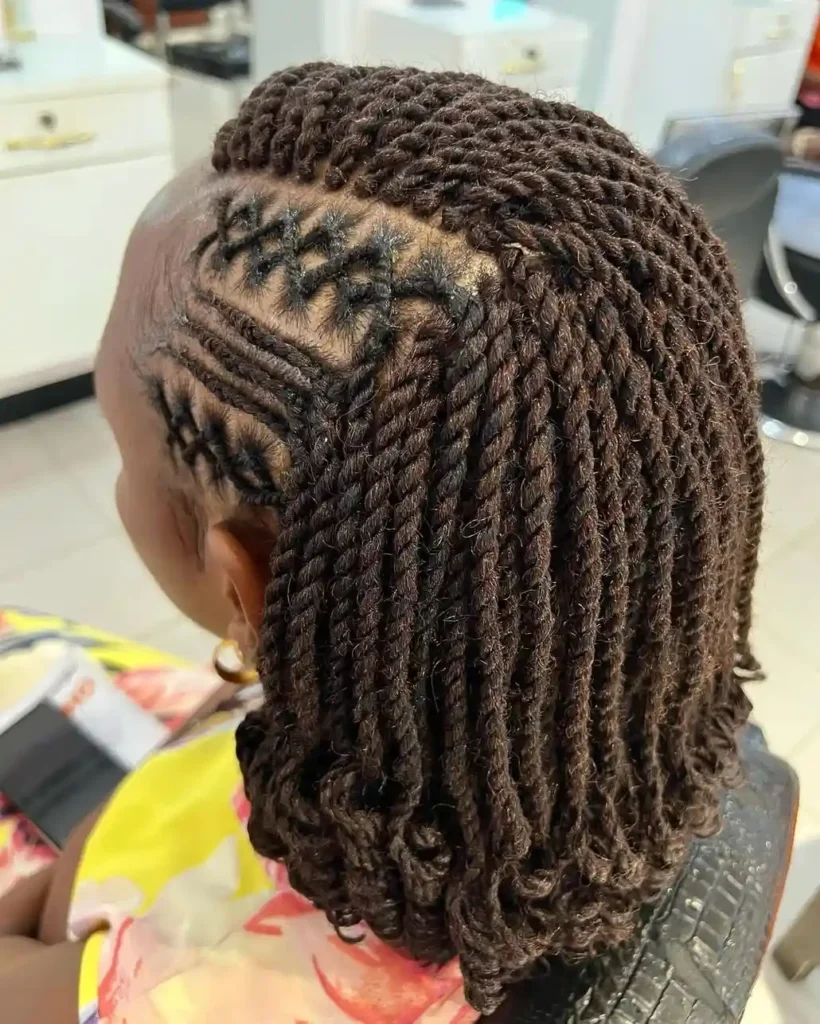
Kinky twists use rough, textured kinky hair extensions that blend seamlessly with natural coily hair, creating a full, voluminous twist style that looks totally organic. They’re softer and more textured-looking than Senegalese twists, giving off this natural, earthy aesthetic that’s incredibly flattering on most face shapes. Wear them loose, in a ponytail, or scoop them into a top knot for different vibes throughout the week. They’re gentle on your edges, long-lasting, and honestly one of the most underrated protective styles out there.
15. Faux Locs
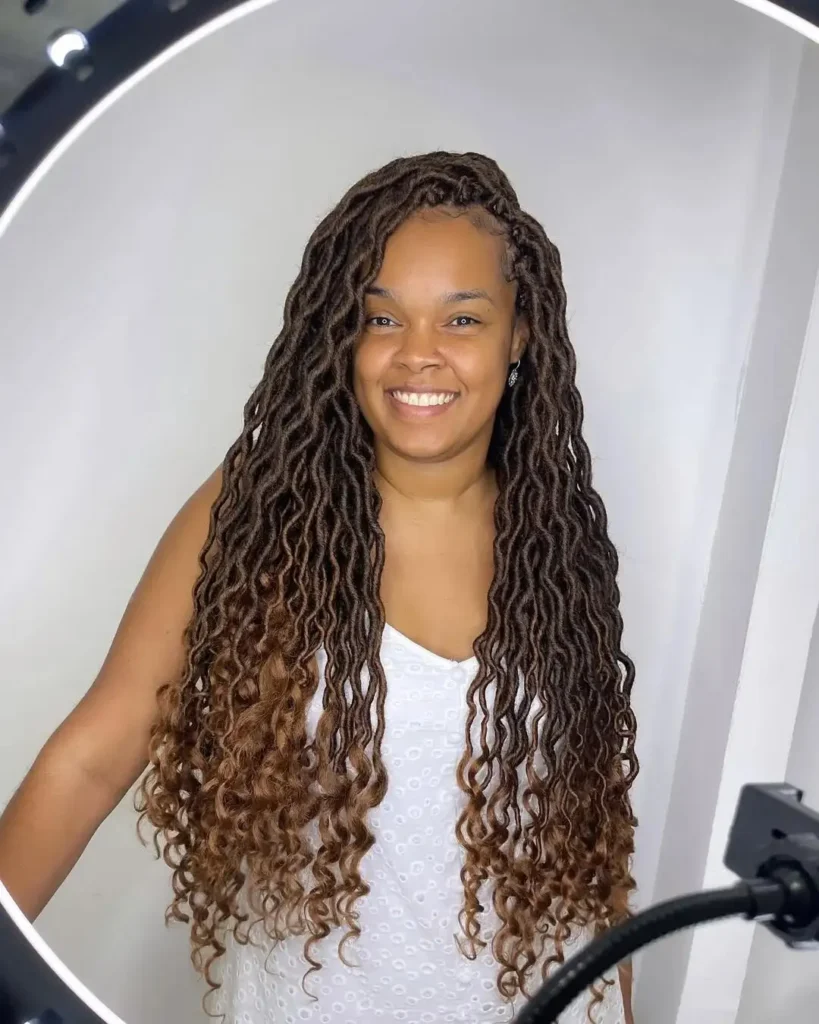
Want the loc aesthetic without the long-term commitment? Faux locs are your best friend. Made with wrapped hair extensions over braids or twists, faux locs mimic the appearance of real locs with none of the permanence. They come in various thicknesses and lengths, and you can even go for distressed faux locs that look particularly textured and lived-in. They’re heavy, yes, but the drama they add to any look is absolutely worth the slight neck workout. Pair with oversized earrings and a bold lip — trust the process.
16. Puff Updo (Natural High Puff)
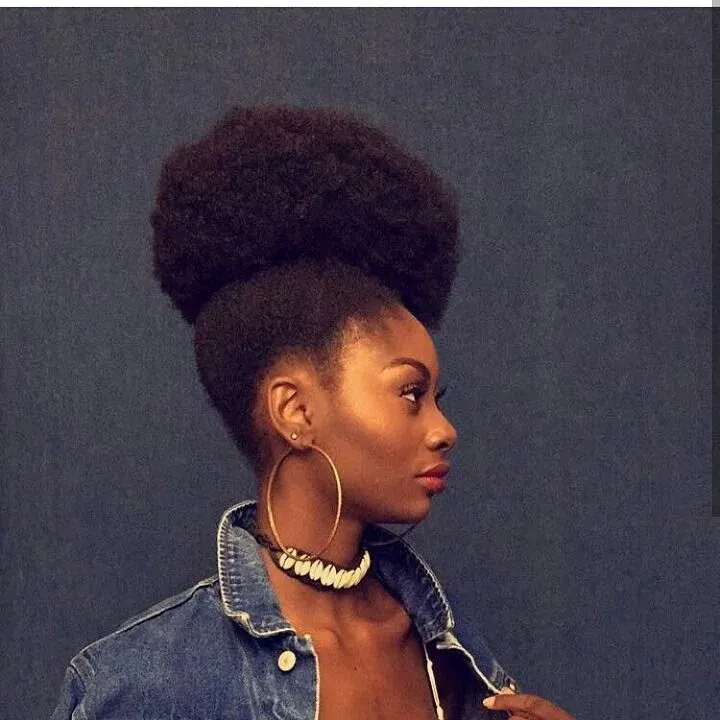
The natural high puff is possibly the most effortless African hairstyle that still manages to look completely intentional and put-together. Gather your natural coils at the crown of your head, secure with a satin-covered hair tie (protect those edges!), and let the puff bloom. The bigger, the better — we’re not doing half measures here. It’s the hairstyle you do on a lazy morning and somehow end up looking like you tried. Lay your edges down with a light gel and a toothbrush and you’ve just created a whole look in under five minutes. Chef’s kiss.
17. Knotless Braids
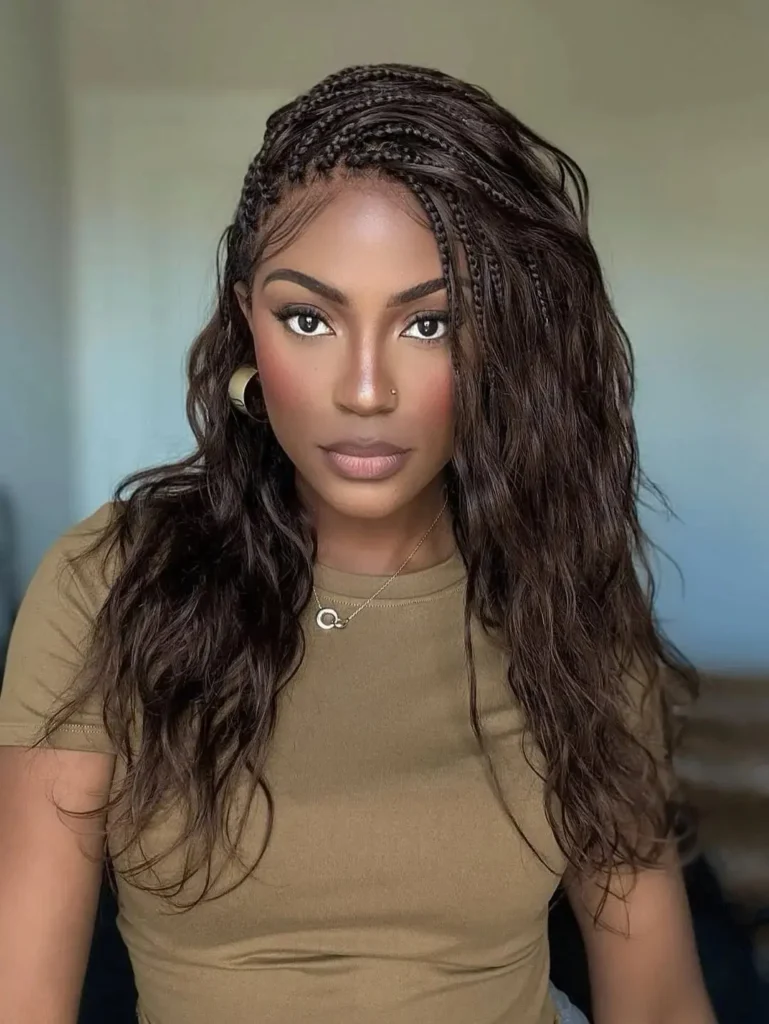
Knotless braids are box braids’ cooler, more comfortable younger sibling. Unlike traditional box braids that start with a knot at the root, knotless braids use a feed-in technique that starts with your natural hair, adding extension hair gradually. The result is less tension on the scalp, a more natural-looking root, and significantly more comfort over long periods of wear. They lay flatter, move more naturally, and are genuinely easier to sleep in. If you’ve avoided braids because of scalp tension, knotless braids will change your entire relationship with protective styles.
The Cultural Roots Behind African Hairstyles
African hairstyles carry centuries of history in every single twist, braid, and loc. Across the continent, hairstyles have traditionally communicated social status, ethnic identity, age, marital status, and spiritual beliefs. Cornrows in ancient Egypt, the Shuku in Nigeria, Fulani braids across West Africa — these weren’t just beauty choices, they were language. Understanding that context makes wearing these styles feel even more meaningful and intentional.
For those in the African diaspora, these hairstyles also represent a powerful reclamation of identity and cultural pride. The natural hair movement has played a massive role in encouraging people to embrace their textures and celebrate styles that were once unfairly stigmatized in professional and social settings. Today, these hairstyles are celebrated globally — and rightfully so.
How to Care for African Protective Styles
The golden rule of any protective style is simple: moisture is everything. Whether you’re wearing box braids, locs, or twists, your natural hair underneath still needs hydration. Spritz your scalp with a diluted leave-in conditioner regularly, keep your edges moisturized with a light oil, and always sleep with a satin bonnet or pillowcase to reduce friction and frizz.
Don’t leave protective styles in too long — the sweet spot for most braided styles is six to eight weeks. Beyond that, you risk matting and breakage, which is the exact opposite of what protective styling is supposed to do. Removal should be gentle, patient, and followed by a deep conditioning treatment that your hair will absolutely thank you for
Accessories That Elevate African Hairstyles
The right accessories can take an already stunning hairstyle into full-on fashion moment territory. Gold cuffs and rings threaded onto braids are practically non-negotiable at this point — they add warmth and a touch of regality that works for literally every occasion. Cowrie shells have been used to adorn African hairstyles for centuries and are still one of the most beautiful, culturally resonant accessories you can add to braids or twists.
Colorful wraps and headbands also pair beautifully with natural styles like Afros, puffs, and twist-outs, adding visual interest without complicated installation. Even simple pearl pins or beads scattered through cornrows or locs can completely transform a look. The lesson here? Accessorize boldly. Your hair is the canvas.
Conclusion
African hairstyles are a stunning, living celebration of culture, creativity, and identity — and whether you’re going full protective mode with knotless braids or embracing the glorious freedom of a natural Afro, there is a style on this list that will make you feel like the absolute main character you are. So next salon visit, go bold, go cultural, go you.
FAQs
Q1: What are the most popular African hairstyles for natural hair?
Box braids, Bantu knots, twist-outs, and the natural Afro are among the most popular choices. These styles celebrate natural texture while offering excellent versatility and protection.
Q2: How long do African protective styles like braids typically last?
Most protective braided styles last between four to eight weeks with proper care. Regular scalp moisturizing and sleeping with a satin bonnet significantly extends their lifespan.
Q3: Are African hairstyles suitable for all hair types?
Many African hairstyles, especially crochet braids and faux locs, can be adapted for various hair textures. However, styles like twist-outs and Afros work best on naturally coily or curly hair.
Q4: How do I maintain my natural hair underneath protective styles?
Keep your scalp hydrated with a diluted leave-in conditioner, oil your edges regularly, and avoid leaving styles in longer than eight weeks to prevent breakage and matting.