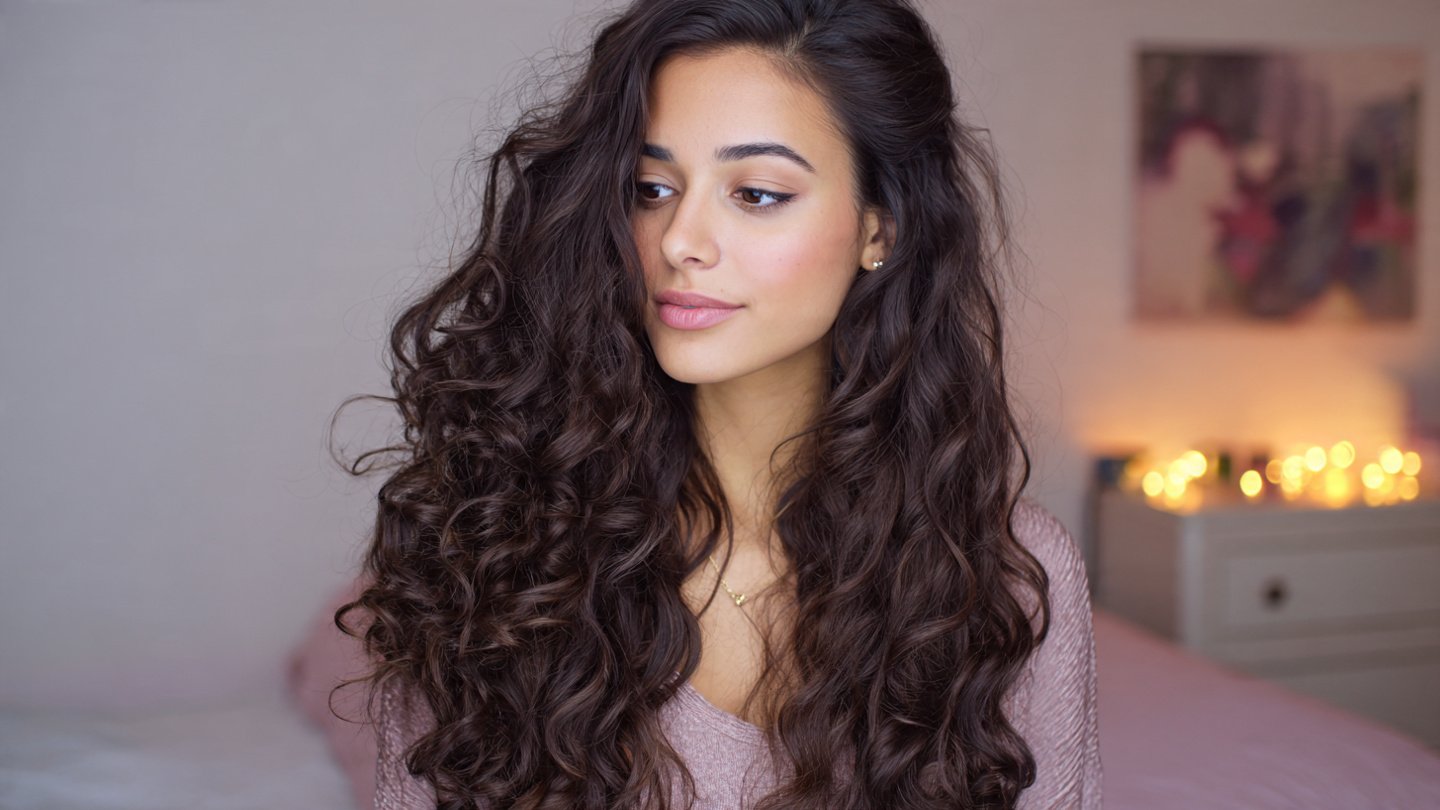
16 Curled Hairstyles Ideas Sorted by Curling Iron Barrel Size
People spend far more time researching wrapping techniques and holding times than thinking about the one variable that actually determines the final curl shape most: barrel diameter. A quarter-inch barrel and a two-inch barrel produce fundamentally different results even when used with identical technique, wrap direction, and hold time, which is why a tutorial can look perfect on the creator’s video and completely different once attempted with whatever iron happens to be sitting in a bathroom drawer.
This list organizes sixteen curled hairstyles by the barrel size that actually produces them, from the tightest quarter-inch ringlets up to the loosest two-inch waves, so the tool matches the intended result before a single section of hair gets wrapped.
Quarter-Inch to Half-Inch Barrel: Tight, Defined Curls
This smallest barrel range produces the tightest spiral curls, ideal for anyone wanting a very defined, voluminous, retro-leaning look rather than soft movement.
Tight Spiral Ringlets
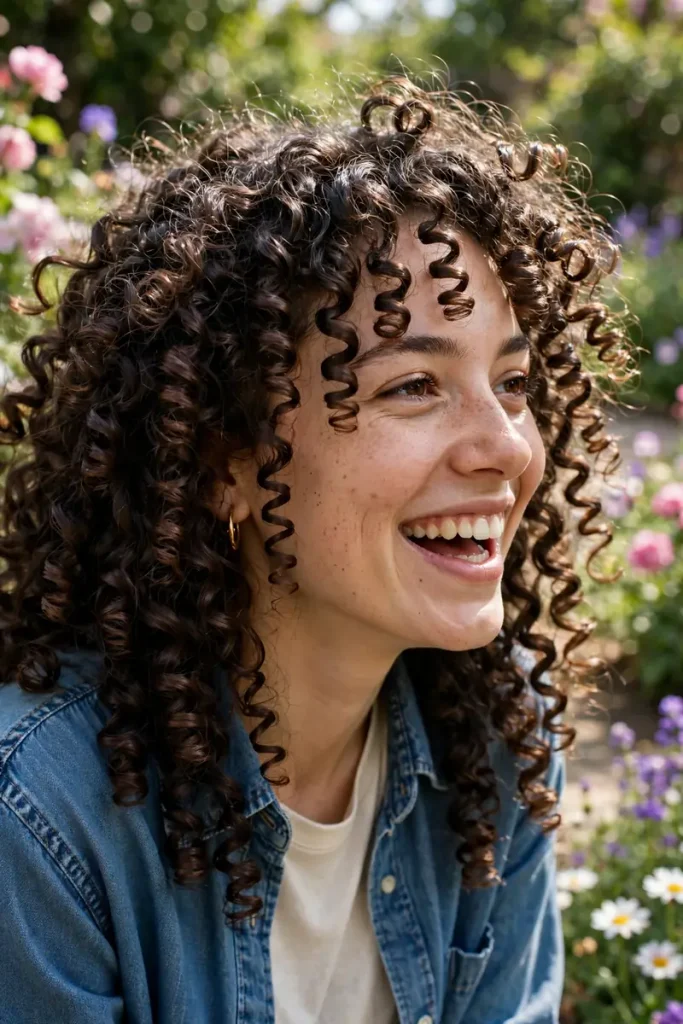
Small sections wrapped vertically around a quarter-inch barrel from root to tip, held briefly, and released without brushing out afterward to preserve the spiral shape. This produces the kind of bouncy, well-defined ringlet most associated with vintage pin-up styling, and the small barrel is non-negotiable here since anything larger simply won’t produce a true spiral.
Voluminous Pin-Up Curls
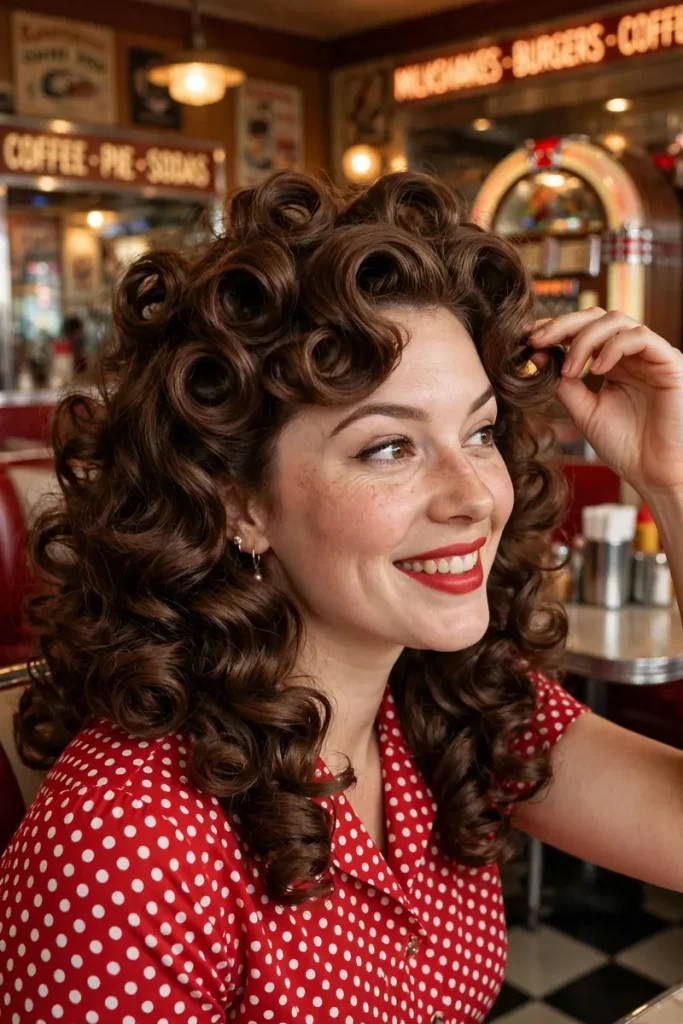
Similar sectioning to spiral ringlets but wrapped horizontally rather than vertically, then gently finger-combed once cool to blend individual curls into a fuller, rounder shape. The small barrel creates the dense volume this style depends on, which a larger barrel would struggle to replicate without using significantly more product and time.
Curly Bangs or Face-Framing Pieces

For anyone wanting just the front section curled while the rest stays straight or in a different pattern, a small barrel on just the face-framing pieces creates tight, defined curls that read clearly even in a small amount of hair, which a larger barrel would turn into a loose, barely-there bend instead.
A Full Curly Afro-Textured Look on Straight or Relaxed Hair
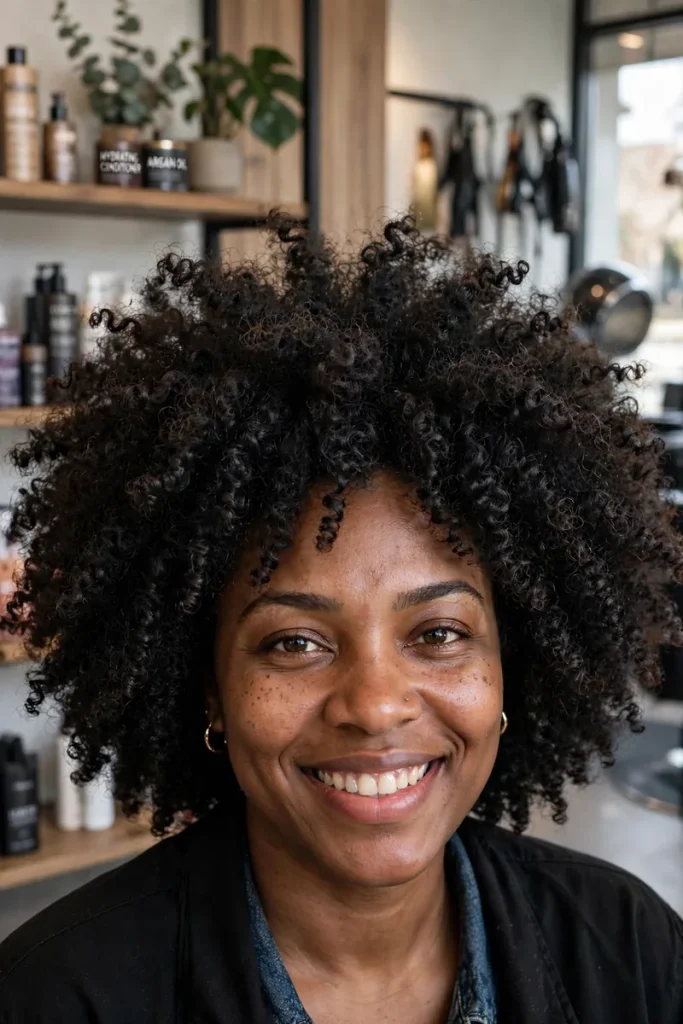
For straight or chemically relaxed hair being styled to mimic a fuller, coilier texture temporarily, the smallest barrel sizes wrapped in very thin sections across the entire head produce the closest approximation, though this takes considerably longer than any other style on this list given how small each section needs to be.
Three-Quarter-Inch Barrel: Classic, Medium Curls
This middle-ground size is often considered the most universally flattering and versatile barrel diameter, producing curls that read as clearly curled without tipping into either tight ringlets or loose waves.
Classic Hollywood Waves
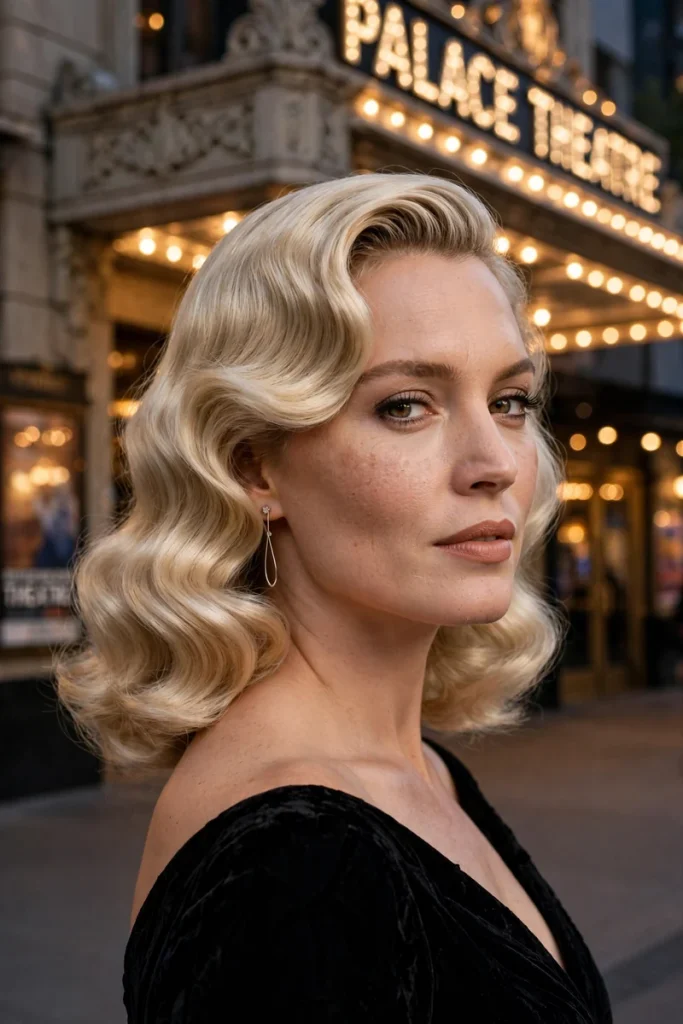
Hair wrapped around a three-quarter-inch barrel in alternating directions section by section, then brushed through gently once fully cooled to blend the curls into smooth, flowing waves rather than distinct ringlets. This specific barrel size produces the ideal starting curl for this technique, since anything smaller creates waves too tight to brush out smoothly, and anything larger doesn’t hold enough shape to survive the brushing step.
Everyday Bouncy Curls

A straightforward curl using this barrel on sections about an inch wide, alternating curl direction from section to section for a natural rather than uniform look. This is genuinely the most commonly recommended barrel size for anyone new to curling, since it produces reliable, clearly curled results without requiring the very thin sectioning smaller barrels demand.
Curls With a Root Bend for Volume
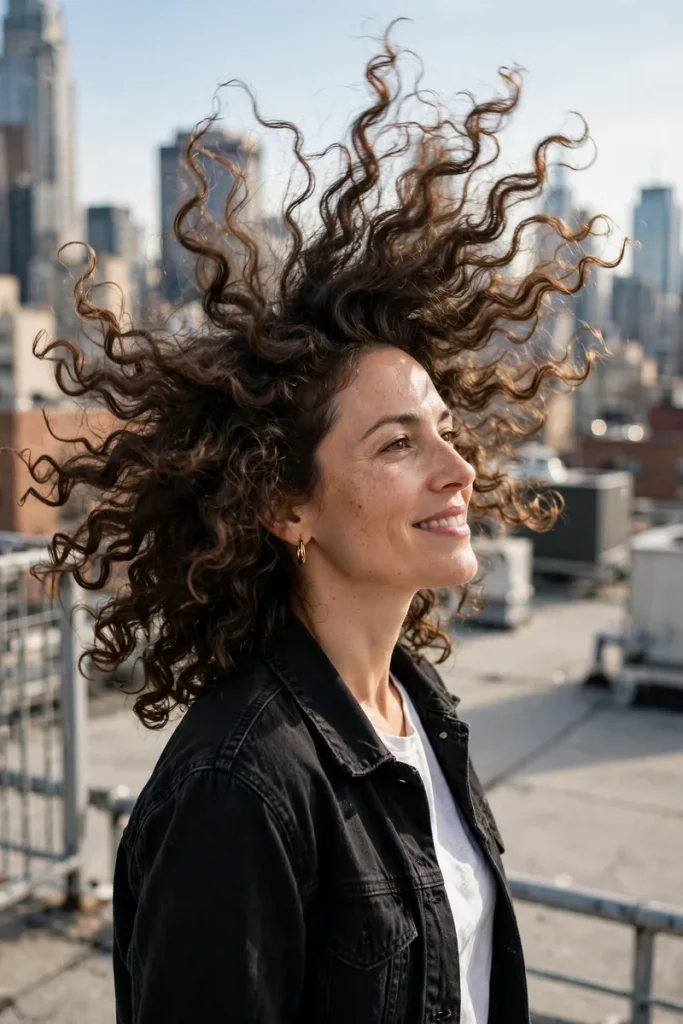
Clipping each curl flat against the head immediately after releasing it from the iron, holding until fully cool, then releasing the clip, adds noticeable volume at the roots that straight-down curling alone doesn’t achieve. This technique works particularly well on this middle barrel size since the curl itself holds its shape well enough to support the added root volume without collapsing.
Half-Up Curled Style
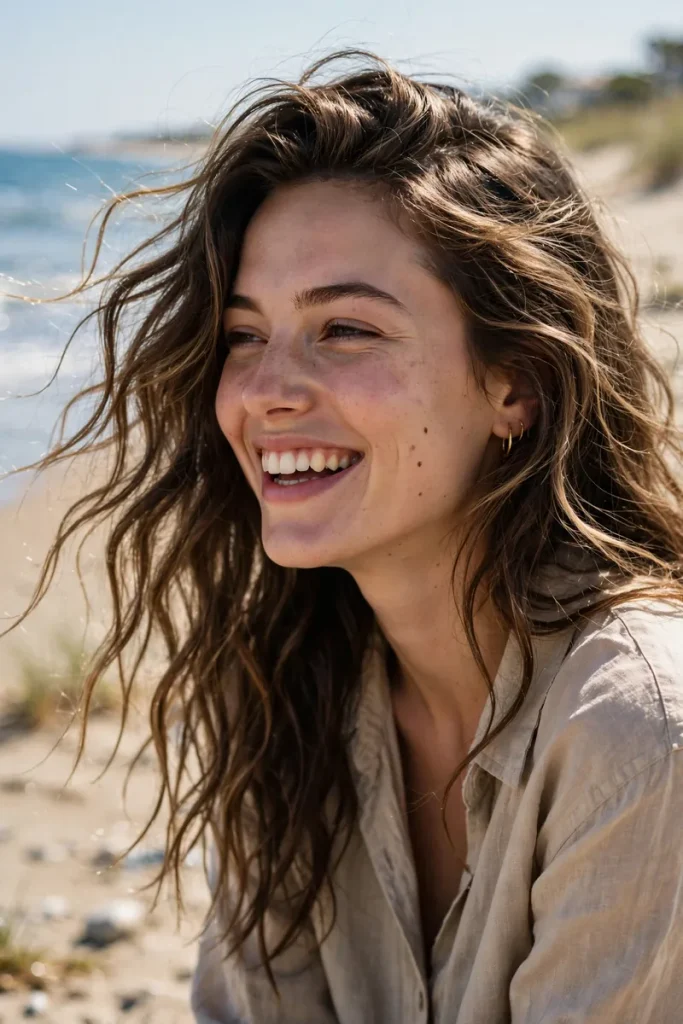
Curling the full head with this barrel size, then gathering the top section back while leaving the curled lengths down, a reliable combination for anything from a regular day to a slightly dressed-up occasion, since the curl holds its shape through the half-up gathering process without needing readjustment afterward.
One-Inch Barrel: Soft, Natural Waves
The one-inch barrel sits at the point where tight curl definition starts giving way to looser, more natural-looking movement, making it a favorite for anyone wanting curled hair that doesn’t look overtly “done.”
Soft Beach Waves

Hair wrapped loosely around a one-inch barrel, leaving the last inch or two of each section unwrapped for a more undone, lived-in finish, then tousled gently with fingers once cool rather than brushed. This barrel size specifically produces the loose, irregular wave pattern most people picture when they ask for beach waves, since smaller barrels create curls too defined for this effortless look.
Curtain-Framed Waves
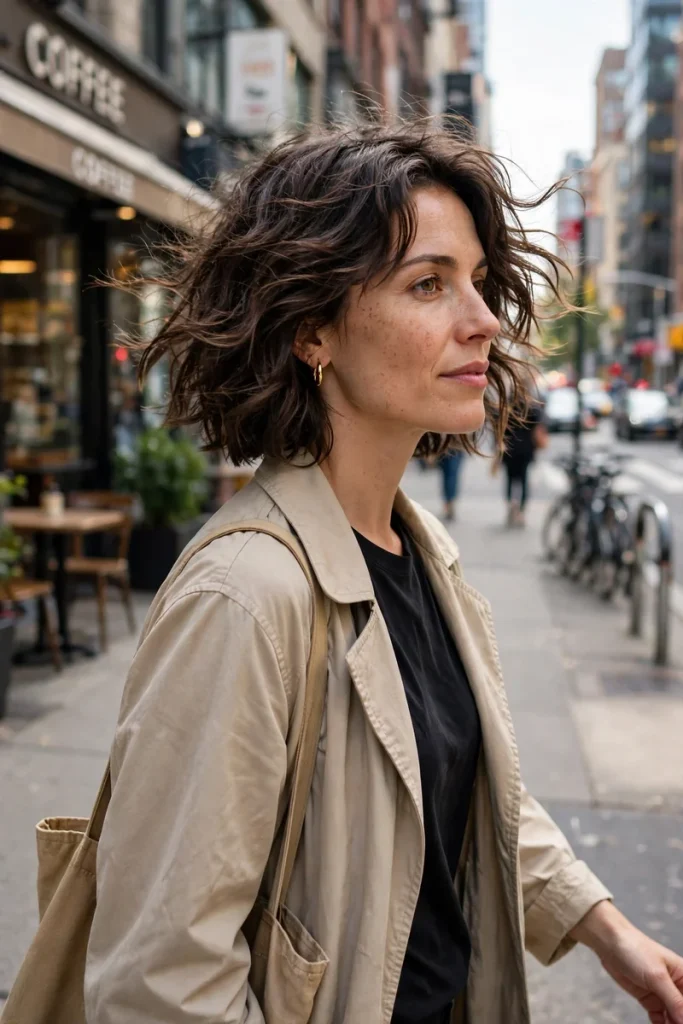
Curling only the face-framing sections with this barrel while leaving the rest of the hair either straight or in a looser texture, creating soft waves that frame the face without requiring the entire head to be curled, a genuine time-saver for busy mornings.
Textured Lob Waves
Specifically for hair cut in a long bob, wrapping sections around a one-inch barrel and leaving ends out produces soft waves that add movement to a length that can otherwise look flat when worn straight, without curling so tightly that the shorter length looks overly styled.
A Low-Maintenance, All-Day Wave

Because this barrel size produces a looser curl, the resulting wave also tends to relax gracefully throughout the day rather than falling apart awkwardly, making it a genuinely practical choice for anyone who needs their hair to look good from a morning meeting through an evening event without a midday touch-up.
One-and-a-Half to Two-Inch Barrel: Loose, Glamorous Waves
The largest common barrel sizes produce the loosest, most subtle curl pattern, closer to soft body and movement than defined curls, and work best on hair with enough length to actually show the wave’s shape.
Old-Hollywood Glamour Waves
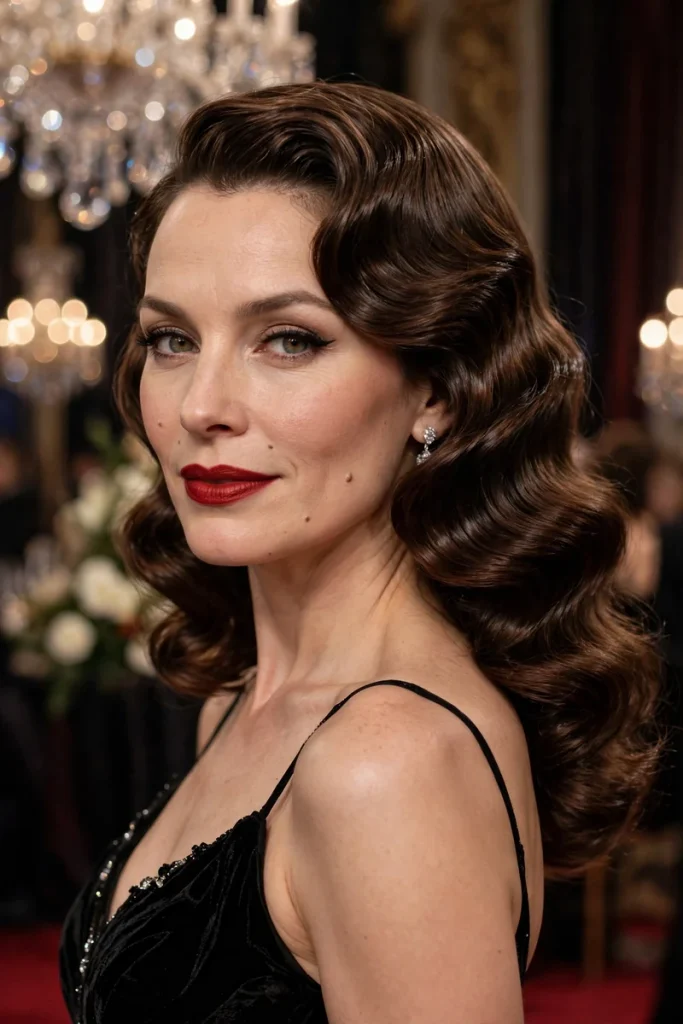
Large sections wrapped around a barrel at this size, alternating direction, then brushed through once cool for a smooth, flowing wave reminiscent of classic red-carpet styling. This large barrel size is specifically what produces the soft, expansive wave pattern associated with this look, since anything smaller would create a tighter, less elegant curl.
Subtle, Natural-Looking Body

For anyone who simply wants hair that looks less flat without appearing obviously curled, wrapping large sections around this barrel size and letting the curl relax significantly before any brushing produces body and movement that reads as natural rather than styled.
Extra-Long Hair Waves
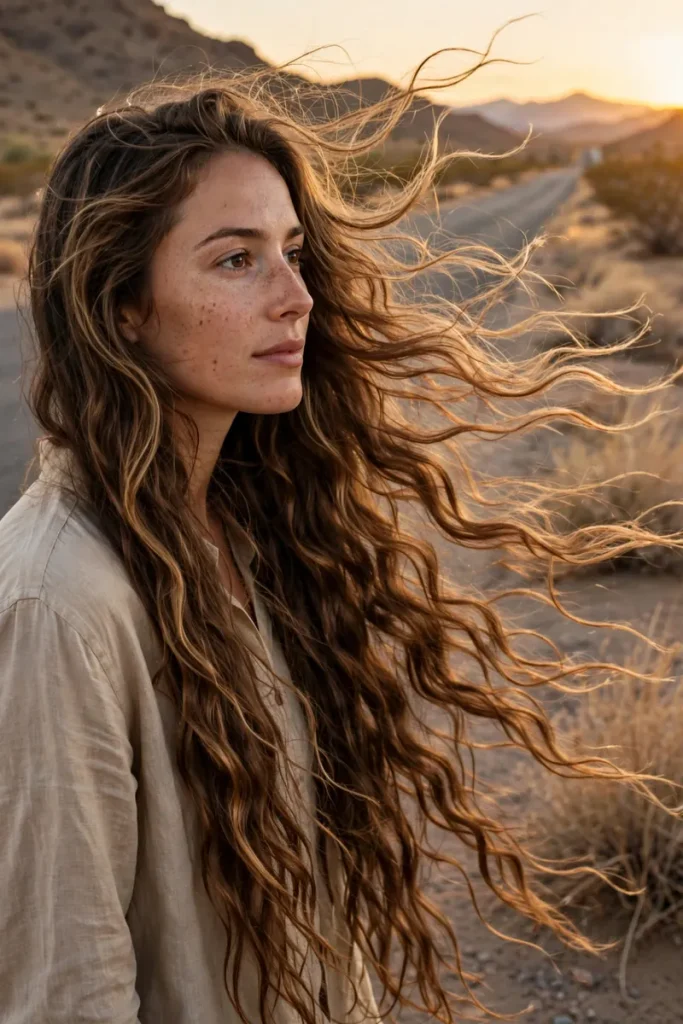
Very long hair often needs the largest barrel sizes simply because the sheer length and weight of the hair would pull a smaller barrel’s curl out almost immediately, meaning this larger size is less a style preference and more a practical necessity for hair past a certain length to hold any curl at all.
A Single Loose Wave for an Updo’s Loose Pieces
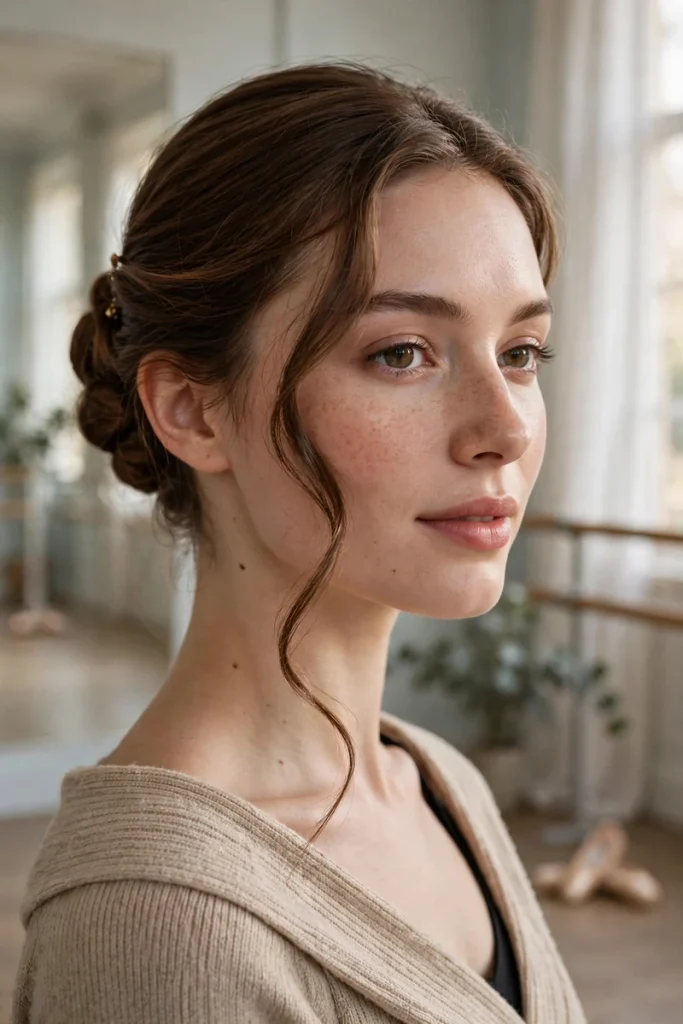
When creating an updo that leaves a few face-framing pieces loose, curling just those pieces with the largest barrel size creates soft, subtle waves that complement rather than compete with the more structured gathered sections of the style.
Matching Barrel Size to Hair Length, Not Just Desired Curl
Hair length genuinely interacts with barrel size in ways that affect the outcome beyond curl tightness alone. Shorter hair, chin length or above, generally needs smaller barrel sizes to produce a visible curl at all, since there simply isn’t enough length for a large barrel to create meaningful shape. Longer hair, past the shoulders, can use the full range of barrel sizes, but very long hair specifically often needs the larger end of the range, since smaller barrels on very long hair can create curls that look disproportionately tight relative to the overall length.
How Heat Setting Should Shift With Barrel Size
Smaller barrels generally require slightly lower heat settings than larger ones, since the hair sits closer to the heating element and heats through faster given the tighter wrap. Larger barrels often need a touch more heat and a slightly longer hold time to actually set a curl, since the looser wrap and larger surface area mean the heat has to work harder to shape the hair meaningfully. Checking your specific iron’s temperature guide against its barrel size, rather than using the same setting regardless of which barrel is attached, prevents both under-curled results on large barrels and unnecessary heat damage on small ones.
A Genuinely Useful Trick for Testing Before Committing
Before fully committing to curling an entire head with an unfamiliar barrel size, test it on one small, hidden section near the nape first, let it cool completely, and check the result against what you were expecting. This takes under a minute but prevents the frustration of curling an entire head only to discover the barrel size produced a noticeably different curl pattern than anticipated, at which point starting over means either accepting the unintended result or re-curling hair that’s already been through one round of heat.
Curled hairstyles fail to match expectations far more often because of barrel size mismatch than because of flawed technique. Decide on the actual curl pattern wanted first, match it to the correct barrel size from the categories above, and adjust heat and hold time accordingly, and the gap between the tutorial’s result and your own bathroom mirror closes considerably.