15 Cute Natural Hairstyles Sorted by Wash Day Distance
Natural hair behaves differently on day one after a fresh wash than it does on day five, and most style guides ignore this entirely, showing a single finished look without mentioning how many days it assumes have passed since the last wash. Fresh, just-moisturized hair holds certain styles beautifully that frizz up or lose definition if attempted on day four, while other styles actually improve with a little buildup and don’t look right at all on freshly washed, overly soft strands.
This list organizes fifteen cute natural hairstyles by where they fall in a realistic wash week, so the style chosen actually matches what your hair is capable of holding that particular day rather than fighting against it.
Wash Day Itself: Fresh, Soft, and Most Manipulable
Right after washing and deep conditioning, hair is at its most pliable and receptive to product, making this the ideal window for styles that need maximum stretch or definition from the very start.
A Fresh Twist-Out
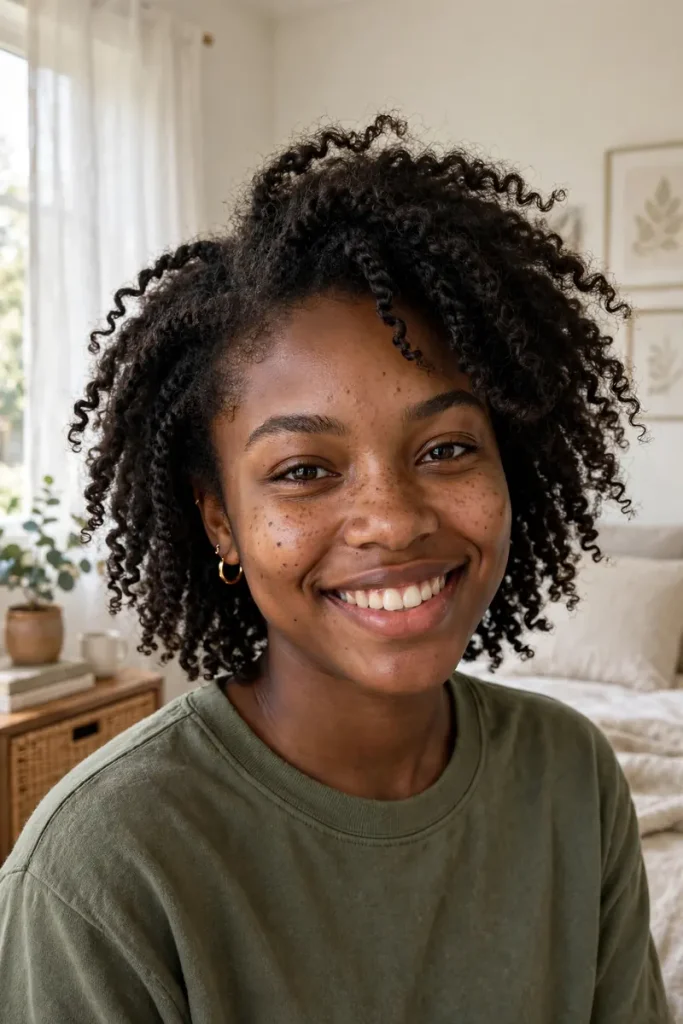
Twisting clean, product-saturated hair while still damp produces the most defined, longest-lasting twist-out of the entire week, since the hair accepts moisture and product most readily right after washing. This is genuinely the only point in the wash cycle worth attempting a twist-out if maximum definition and longevity matter.
A Wash and Go
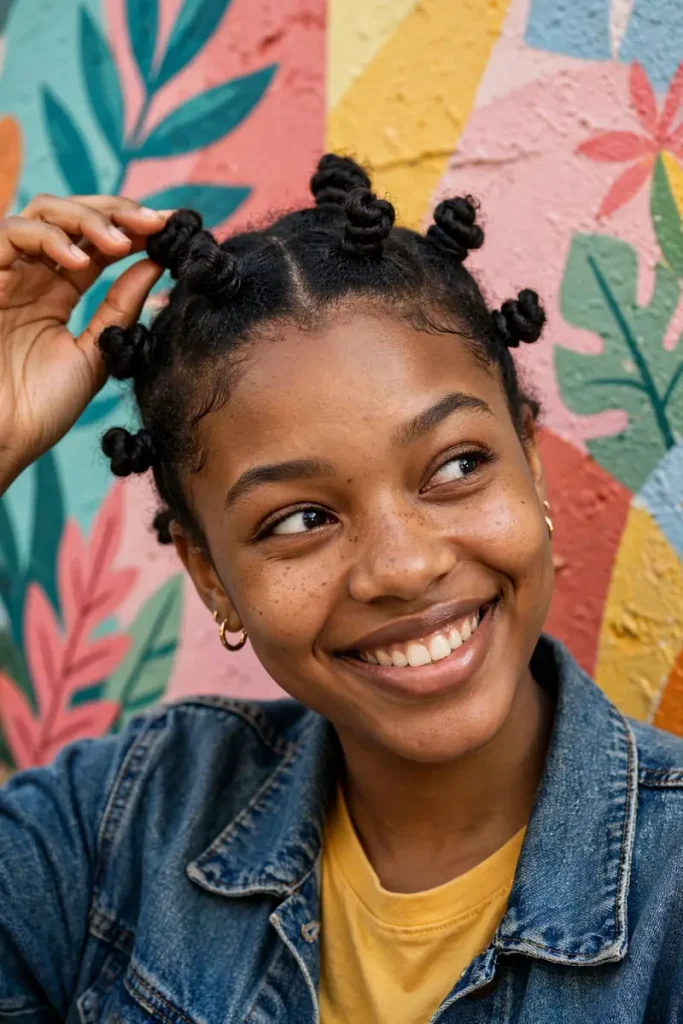
Applying curl cream and gel to soaking wet, freshly washed hair and letting it air dry or diffuse produces the cleanest, most defined curl pattern achievable, since this style depends entirely on the hair’s natural curl expressing itself with minimal interference, something only possible right after a thorough wash.
Bantu Knots Set Fresh

Setting knots on clean, damp hair with a lightweight cream produces well-defined, bouncy curls once unraveled the next day, since the hair is at its most moisture-receptive state and will hold the knot’s shape through the full overnight drying period.
Day 2: Slightly Settled, Still Soft
One day past washing, hair has relaxed slightly from the freshly-set state but hasn’t yet developed the texture changes that come with a few days of wear, making this a flexible window for styles needing a balance of hold and natural movement.
A Puff With Edge Control
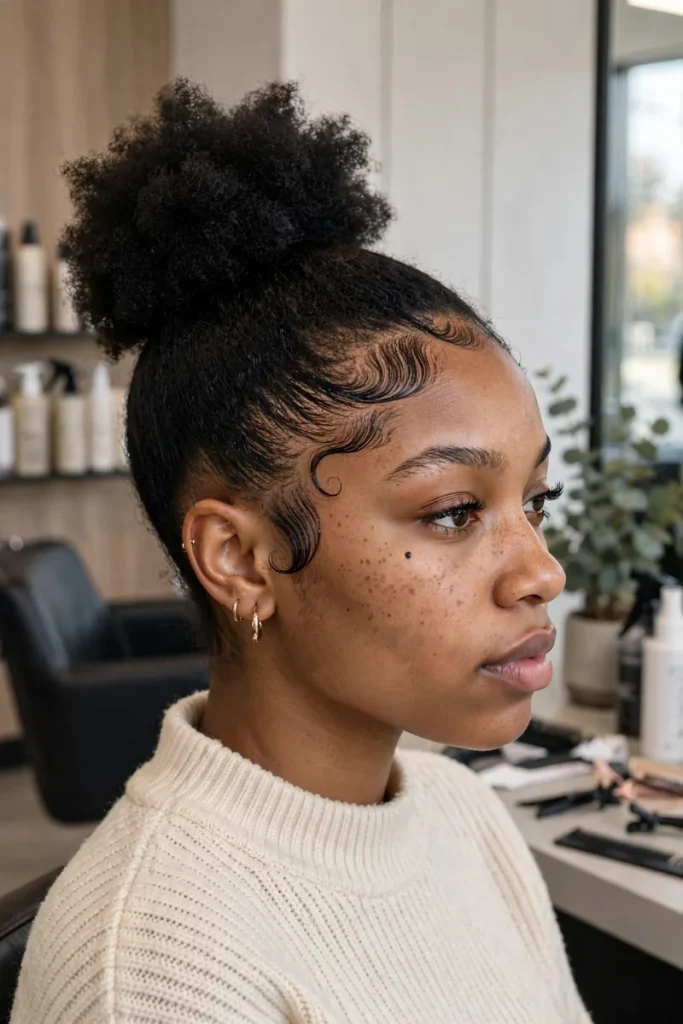
Gathering hair into a high or low puff and smoothing the edges with a light gel works particularly well on day two, since the hair has settled enough to gather smoothly without the excess slip that can make a day-one puff feel difficult to shape, while still being soft enough for edges to lay down easily.
Two-Strand Twists for a Twist-Out Tomorrow
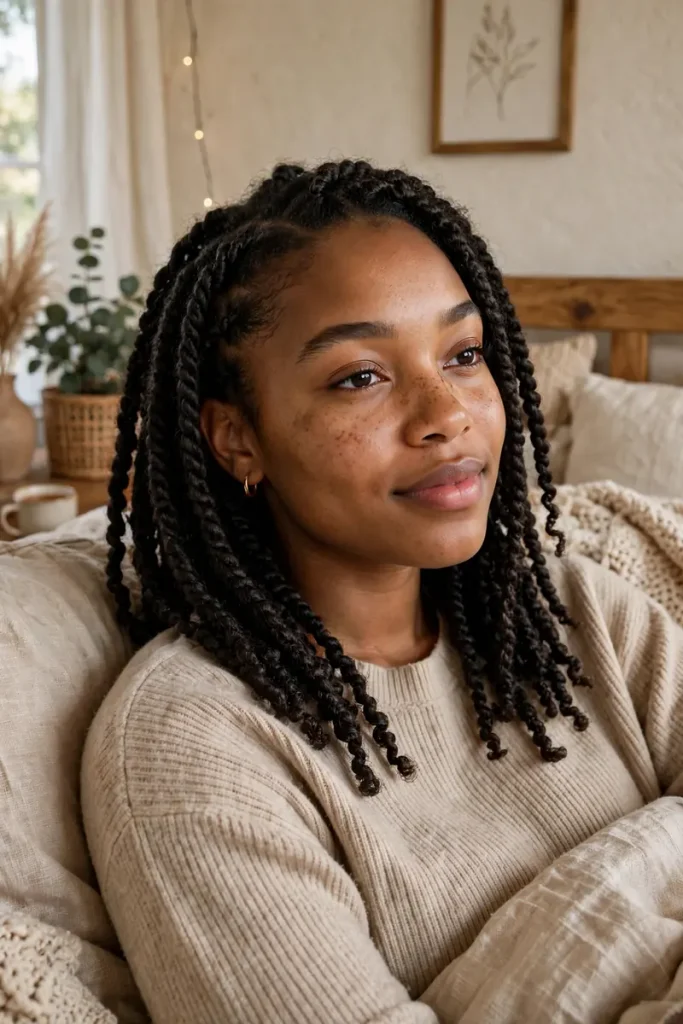
Setting twists on day two, rather than wash day itself, and leaving them in overnight produces a twist-out with slightly looser, more relaxed definition than a wash-day twist-out, a nice option for anyone who prefers a softer curl pattern over the tightest possible definition.
A Half-Up Puff With Curls Left Down
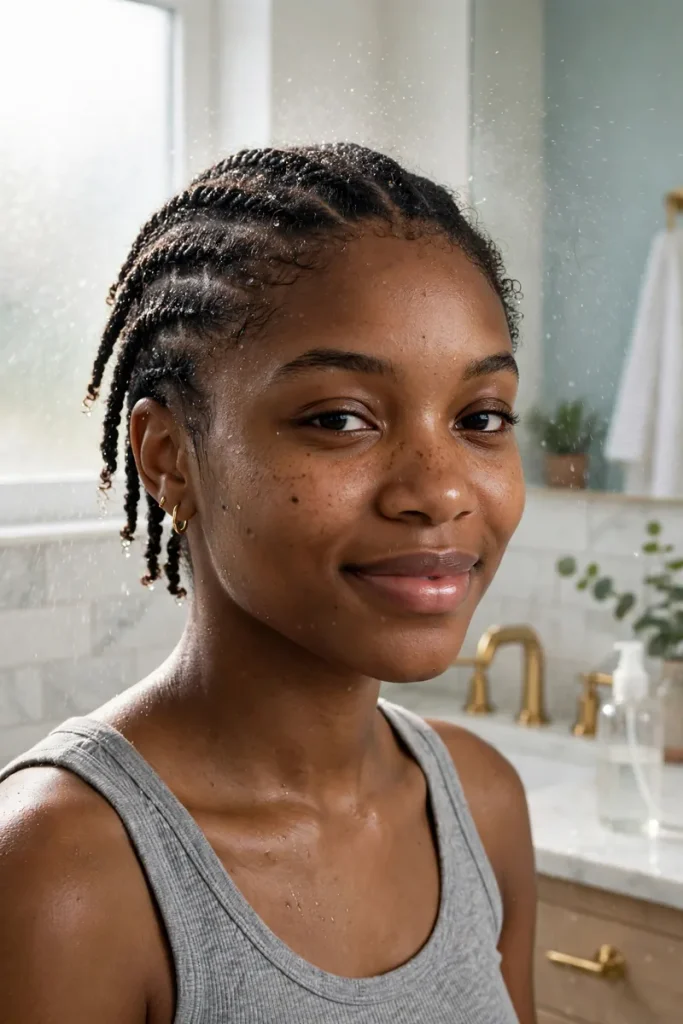
The top section gathered into a small puff while the rest is left in its natural curl pattern, a style that works nicely on day two since the curls have had a day to settle into a slightly more relaxed, natural-looking shape than they had immediately after wash day styling.
Day 3 to 4: The Refresh Window
By the third or fourth day, hair often needs a small moisture boost before styling, since natural oils haven’t fully redistributed and the previous styling product has started to wear thin, but this window also allows for styles that genuinely need a bit more grip than freshly washed hair provides.
Flat Twists Refreshed With a Light Mist
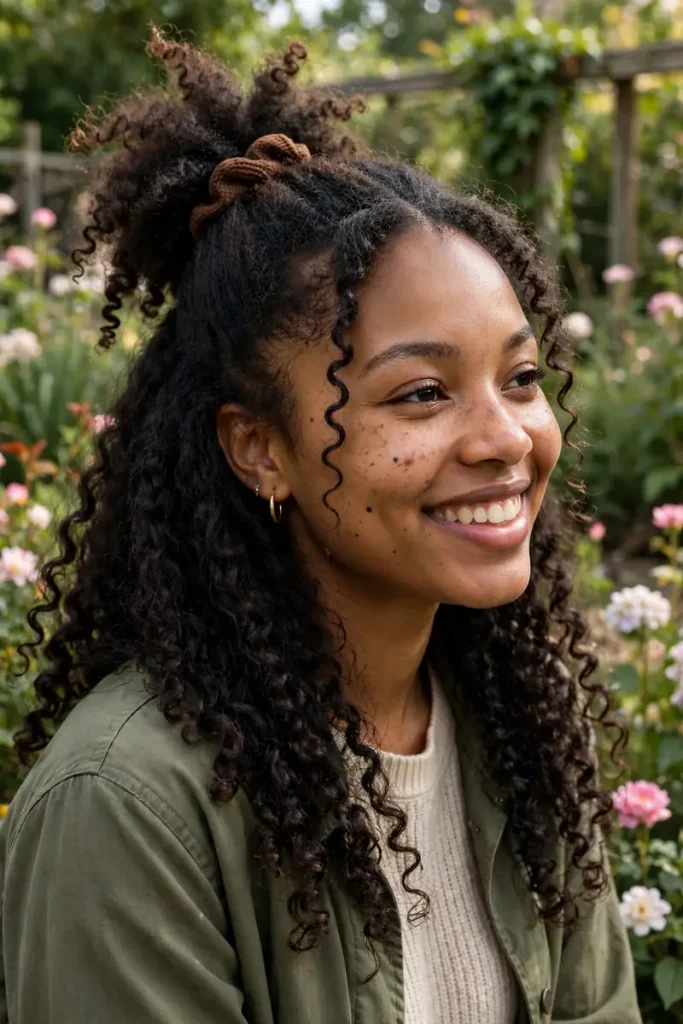
Spritzing hair with a water and leave-in conditioner mixture before setting flat twists close to the scalp works well in this window, since the slight dryness compared to wash day actually gives the twisting technique a bit more grip and control than overly slippery, freshly conditioned hair would.
A Braid-Out Using Day-Old Twists

If twists were set a day or two earlier, unraveling them around day three or four into a braid-out, or simply fluffing an existing twist-out, produces a fuller, more voluminous result than attempting the same style on wash day itself, since some of the initial moisture has evaporated, leaving the curl pattern lighter and easier to fluff into extra volume.
Two French Braids With a Refreshing Spray
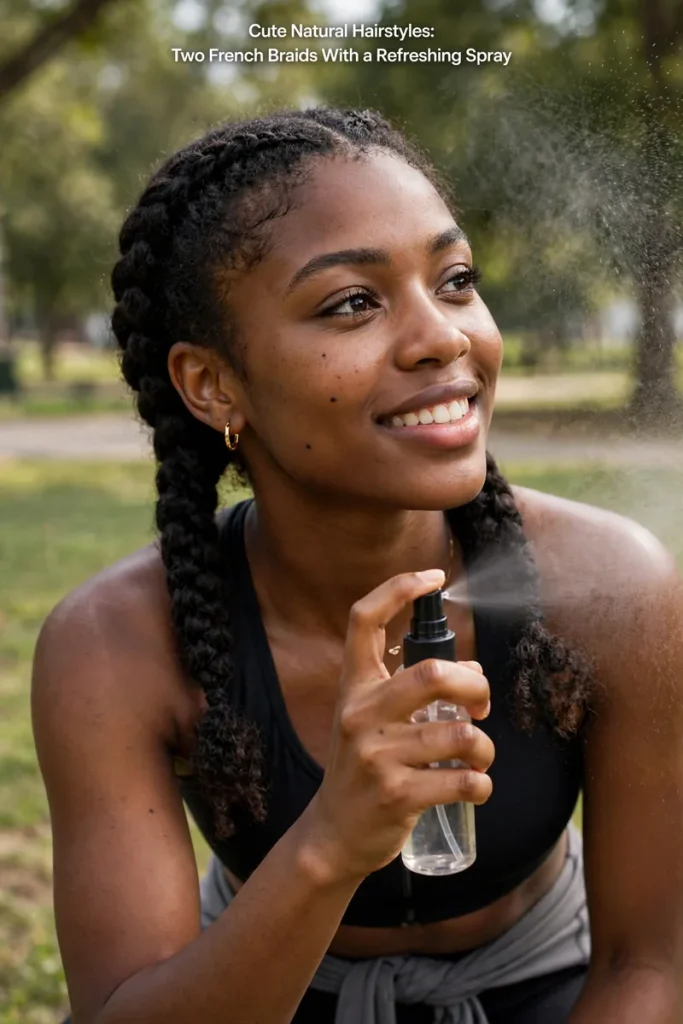
A light refreshing spray applied before braiding helps smooth frizz that’s begun to appear by this point in the week, and the braiding technique itself benefits from hair that has slightly more texture and grip than it did on wash day, holding the braid’s shape more securely.
A Pineapple Puff for Overnight Protection, Styled the Next Morning
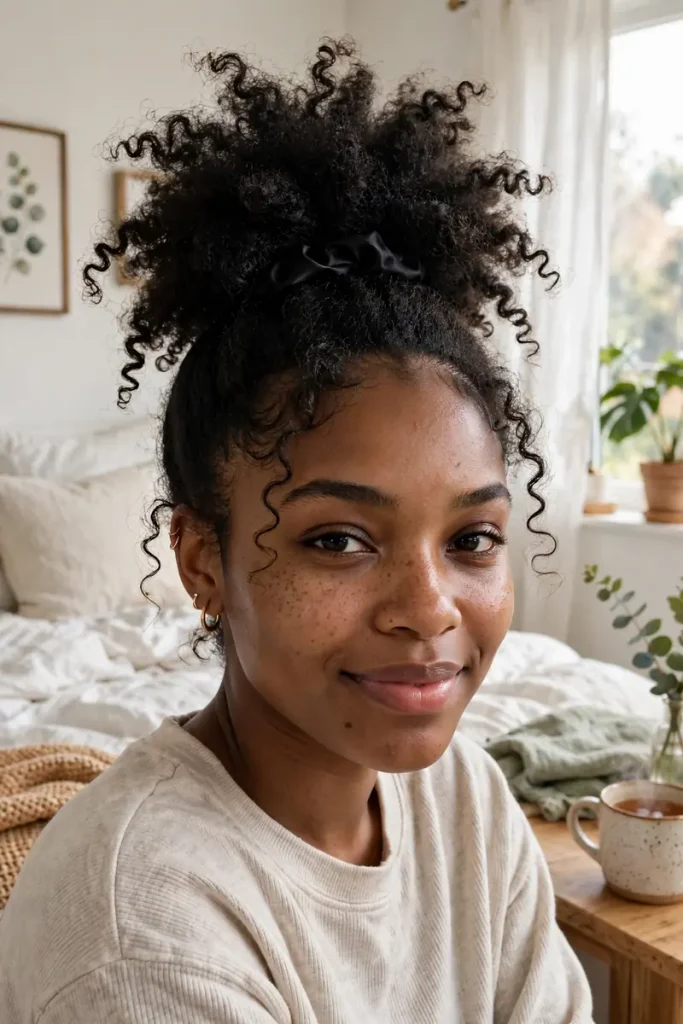
Gathering hair loosely at the very top of the head before bed on day three, then releasing and gently reshaping in the morning, refreshes volume and curl definition without a full restyle, a genuinely practical option for the middle of a wash week when a complete redo isn’t necessary or desired.
Day 5 to 6: Textured and Ready for Updos
By the later part of a wash week, hair has developed a slightly textured, grippier quality that actually benefits certain updo styles more than freshly washed, slippery hair would, since there’s enough natural hold for pins and gathered sections to stay secure without sliding.
A High Bun Using Natural Grip

Gathering hair into a bun at this stage of the week holds more securely than attempting the same style on wash day, since the slight textural buildup gives the bun base enough grip to stay in place without needing excessive product or extra-tight pinning.
Bantu Knots for a Second-Round Set
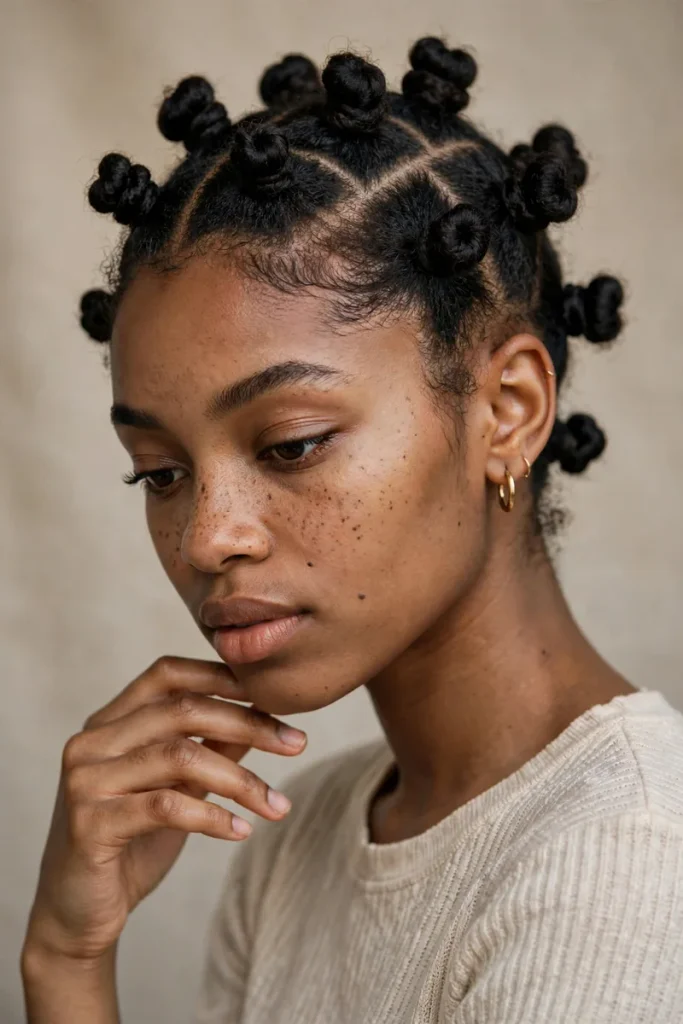
Re-setting Bantu knots on day five or six hair, rather than wash day, often produces a slightly different, more textured curl result than the first time around, since the hair’s altered texture at this point in the week interacts differently with the knotting technique.
A Textured Updo With Face-Framing Pieces
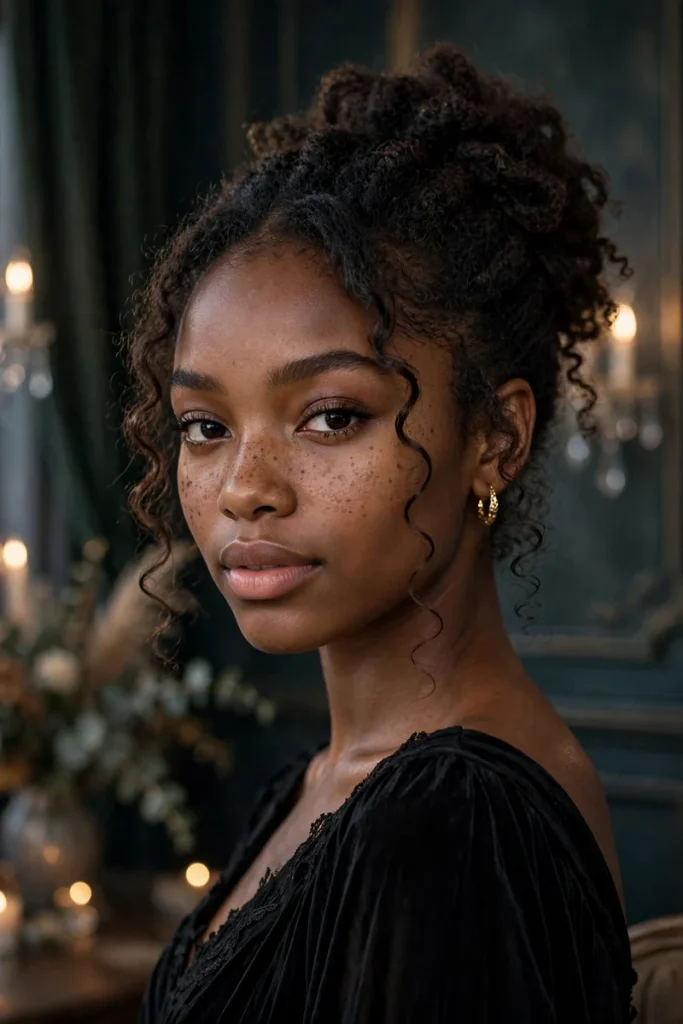
An updo incorporating some deliberate texture and a few curled face-framing pieces works particularly well in this later wash-week window, since the hair’s natural grip at this stage helps hold the gathered sections securely while the slightly altered texture adds visual interest to the overall shape.
Day 7 and Beyond: Protective Styling Territory
By the end of a full week, most natural hair genuinely benefits from either a fresh wash or a protective style that doesn’t demand much from hair that’s likely accumulated product buildup and could use a rest from daily manipulation.
Cornrows or a Simple Protective Updo
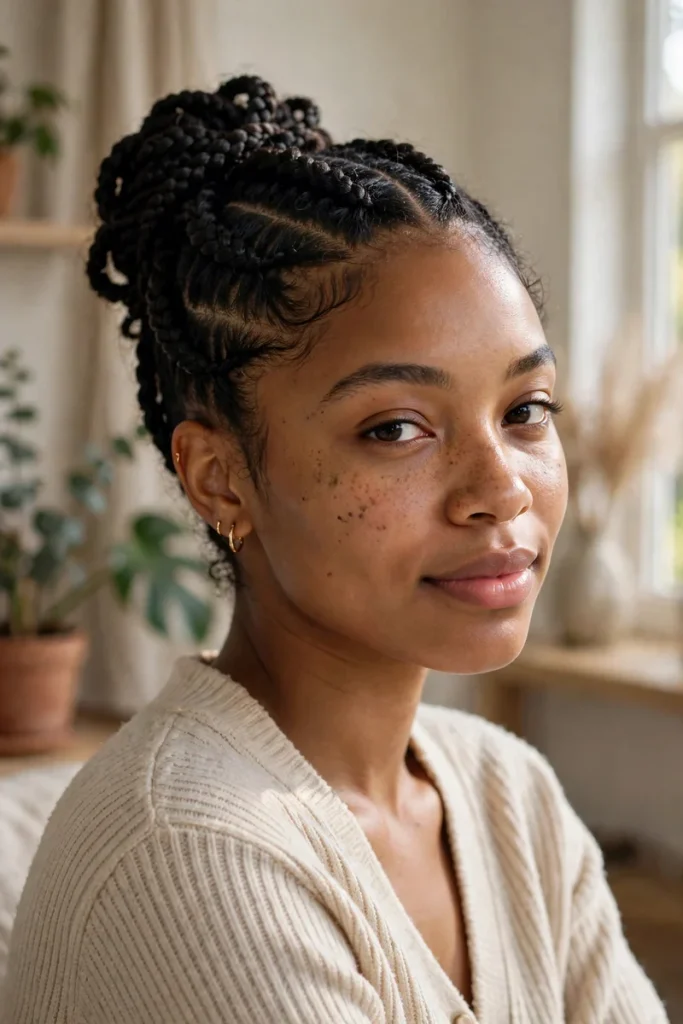
At this point in the cycle, a low-manipulation protective style, simple cornrows, a wrapped bun, or a style using minimal daily touching, genuinely serves the hair better than attempting another elaborate wash-and-go style on hair that’s due for a proper cleanse, bridging the gap until the next full wash day comfortably.
Building Your Own Wash-Week Style Map
Rather than choosing a single style and forcing it through an entire week regardless of how the hair is actually behaving each day, mapping out a rough plan, something defining for wash day, something refreshable around the midweek point, and something protective toward the end, tends to produce consistently better-looking hair across the full week than repeating the exact same style daily until it simply gives out.
Reading Your Own Hair’s Signals
Every curl pattern and porosity level shifts through a wash week slightly differently, so the day ranges above are a reasonable starting guide rather than a fixed rule. If hair genuinely still looks and feels fresh on what’s labeled day three or four above, there’s no need to force a refresh simply because a calendar day has passed. Conversely, if hair tends to dry out or lose definition faster than average, shifting these style windows a day or two earlier in the cycle will likely produce better results than sticking rigidly to the ranges given here.
A Few Signs It’s Genuinely Time to Wash, Not Just Refresh
A persistent, slightly heavy feeling at the roots that a light spray doesn’t resolve usually signals actual product buildup rather than simple dryness. A noticeable, lingering odor even after a refreshing spray and some time to air out typically means the scalp needs an actual cleanse rather than another styling attempt. And hair that simply won’t hold any shape at all, no matter how much product or technique is applied, is often hair asking for a full wash rather than hair that needs a cleverer style choice to work around the problem.
Natural hair genuinely performs differently depending on how many days have passed since the last wash, and choosing a style that matches that reality, rather than expecting wash-day definition from day-five hair or demanding wash-day-level stretch and grip from freshly conditioned strands, makes the difference between a style that works with the hair’s actual state and one that fights against it the entire day.