19 Kitchen Corner Ideas That Make Awkward Space Look Shockingly Beautiful
For almost two years, one corner of my kitchen held a paper bag, three reusable totes, and a lonely step stool. I called it “temporary storage,” which is grown-up language for “I have no idea what to do here.” Then a friend placed a tiny round table and two chairs in that same spot while helping me rearrange. Suddenly, the forgotten corner became the place where I drank coffee, opened mail, and chatted with my sister. It felt like we had added a room without knocking down a single wall.
Kitchen corners can be tricky. Cabinets may bump into each other, counters can turn into clutter zones, and tight angles often seem too small to matter. But a smart corner can add seating, storage, style, or a useful work surface. The secret is not filling every inch. It is giving the space one clear job. These 19 kitchen corner ideas include choices for big homes, tiny apartments, renters, busy families, and anyone whose kitchen corner currently hosts a suspicious pile of grocery bags.
Before You Decorate: What Makes a Kitchen Corner Work?
Start with measurements, not a shopping cart. Measure both walls, the walking space, nearby doors, and the height below any windows. Leave about 36 inches for a comfortable walkway when possible. Pull out drawers and open cabinet doors while measuring so your beautiful new table does not trap the dishwasher like a kitchen escape room.
Next, choose the corner’s main purpose: eating, storage, prep, work, or display. Think about outlets, natural light, and cleaning. A coffee station needs power. An herb garden needs sun. Open shelves need a quick wipe now and then. Keep the colors and materials connected to the rest of the room, even if the corner has its own personality. Repeating one wood tone, metal finish, or wall color can make a small feature feel built in.
Eat, Sip, and Stay a While
The Cozy Breakfast Nook Corner
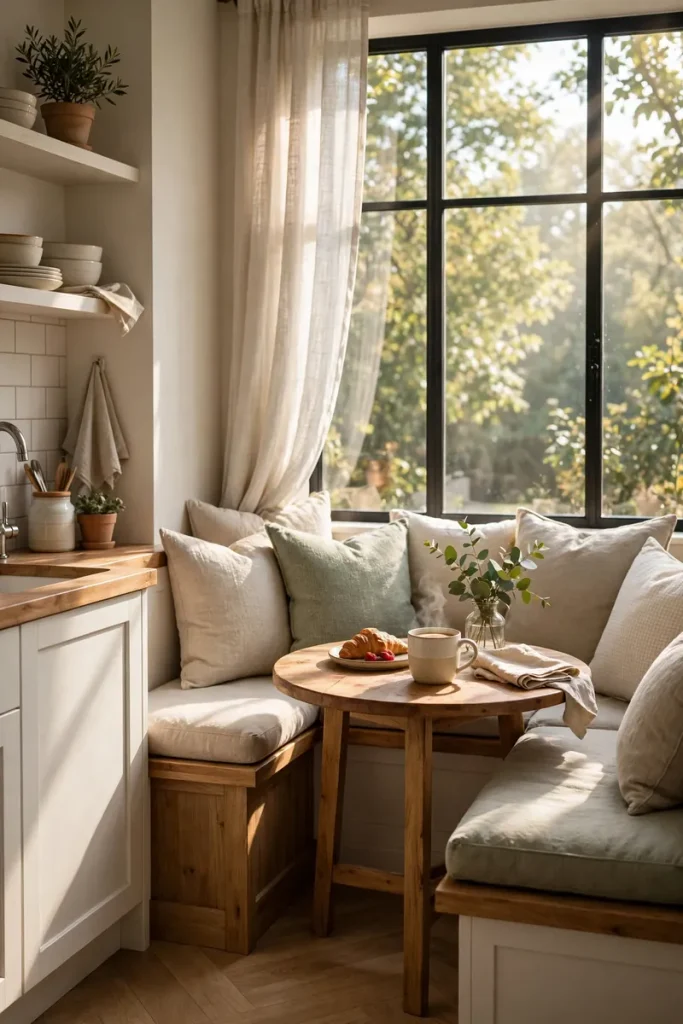
Turn an empty corner into a cheerful breakfast nook with a small round table, two slim chairs, and a soft light. Round tables work well in tight kitchens because there are no sharp edges to bump. Add washable seat cushions and one framed print. A simple setup may cost $150 to $500. Renters can use freestanding furniture and a plug-in sconce. Even toast feels fancy when eaten in a “nook.” It is still toast, but now it has an address.
Floating Corner Shelves for Everyday Dishes
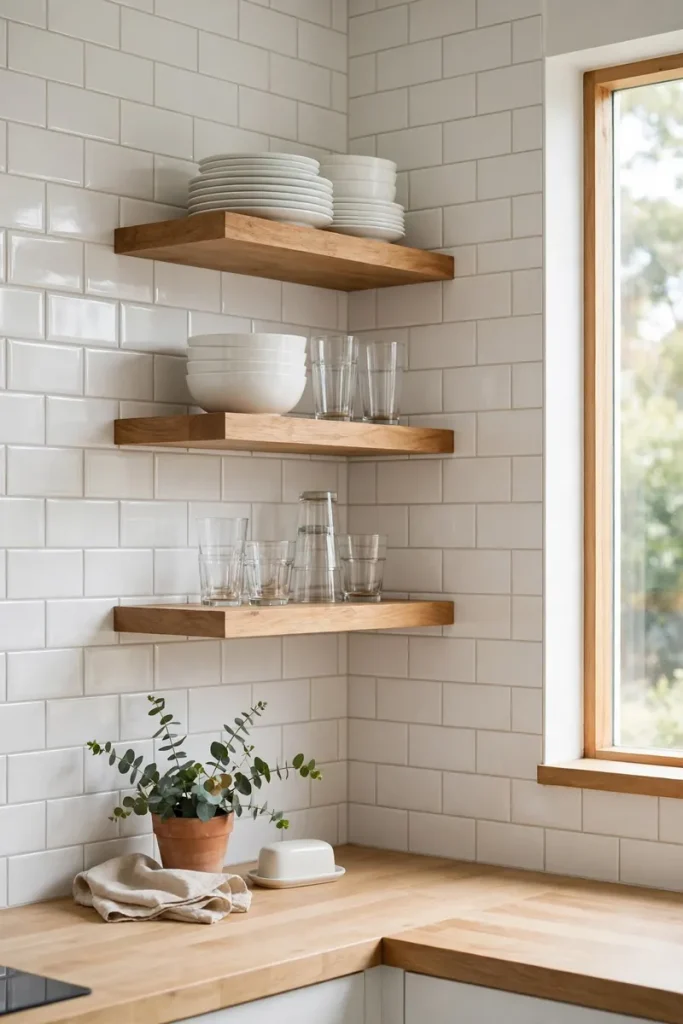
Floating shelves that wrap around a corner make bowls, mugs, and plates easy to reach. Choose shelves 10 to 12 inches deep for dishes, and use hardware rated for the weight. Place heavy items low and daily pieces within arm’s reach. Two or three shelves may cost $80 to $300. Renters can use a narrow freestanding corner shelf instead. Matching dishes keep the display calm, while a little open space prevents it from looking crowded.
The Corner Coffee Bar Station
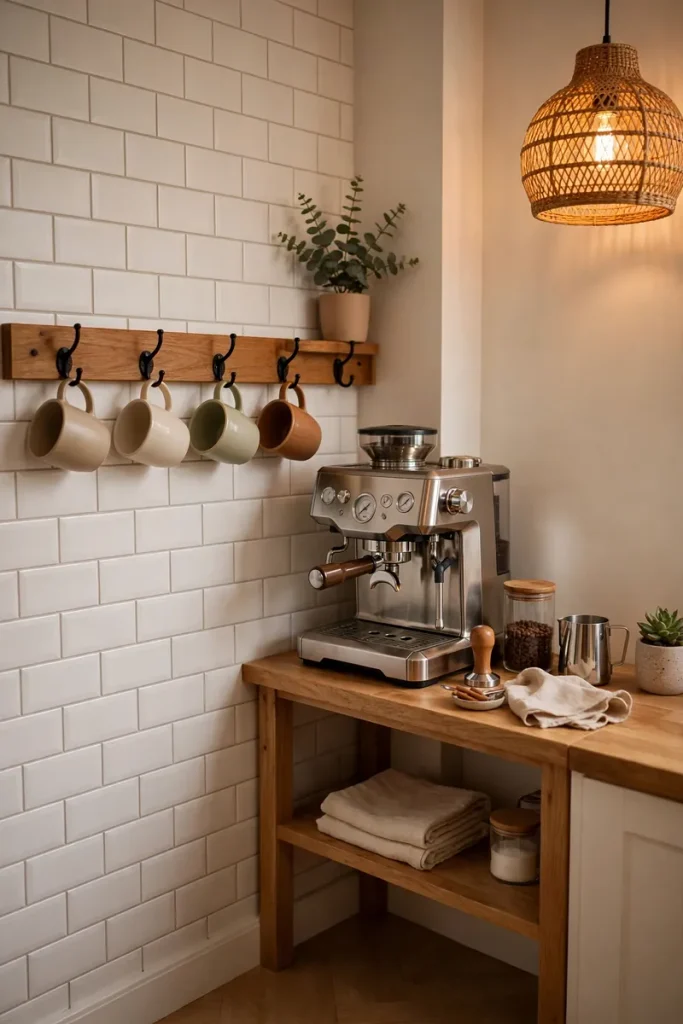
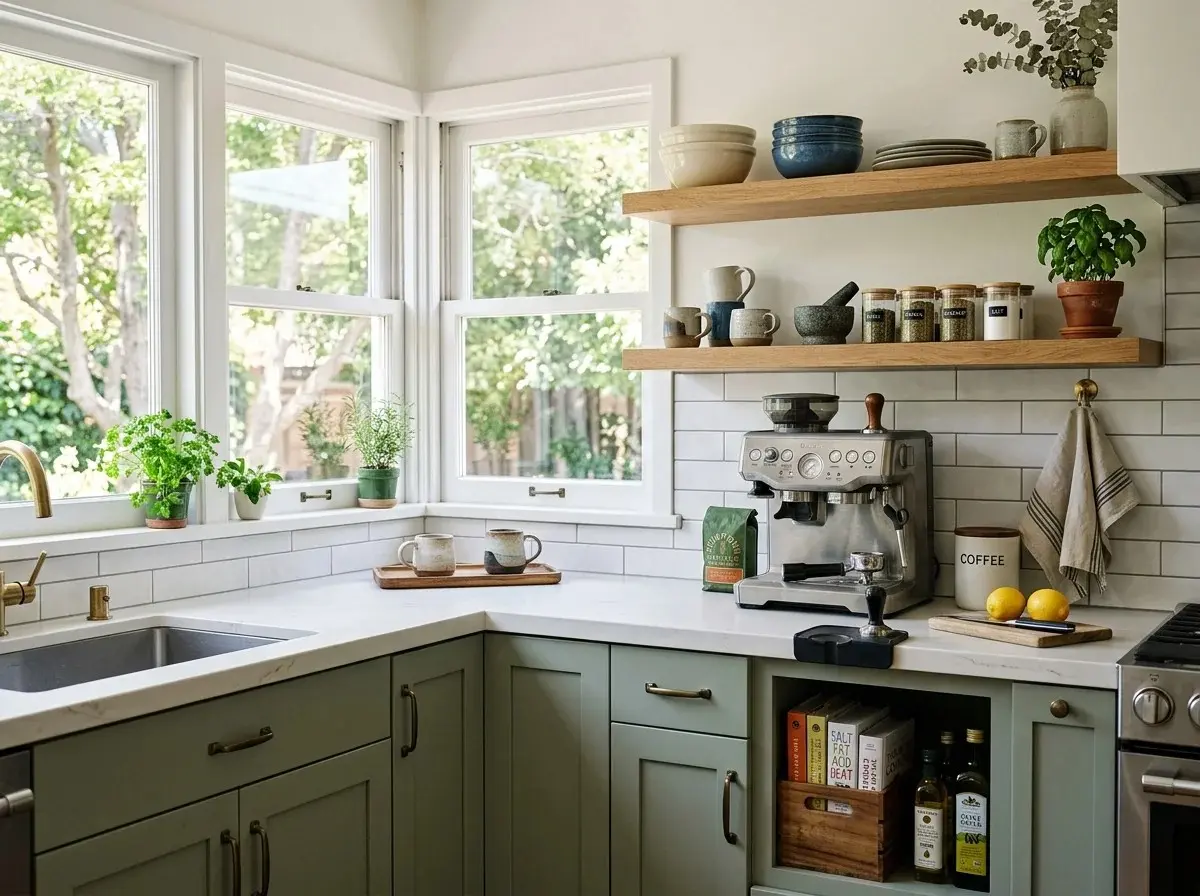
A coffee maker, tray, mugs, and jars can turn one unused counter corner into the happiest spot in the house. Place the machine near an outlet and leave room to refill it. A small riser can hold mugs above coffee pods, sugar, and tea. Most DIY coffee bars cost $50 to $250 if you own the machine. Keep everything on a washable tray, because coffee grounds have a talent for traveling farther than invited.
A Corner Pantry Cabinet That Swallows Everything
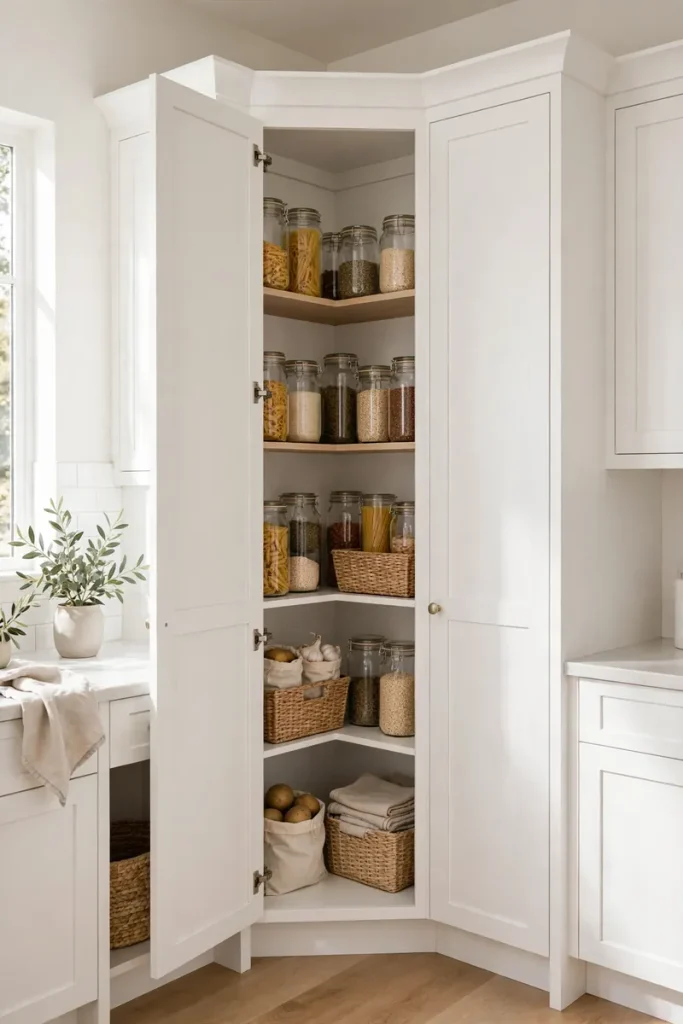
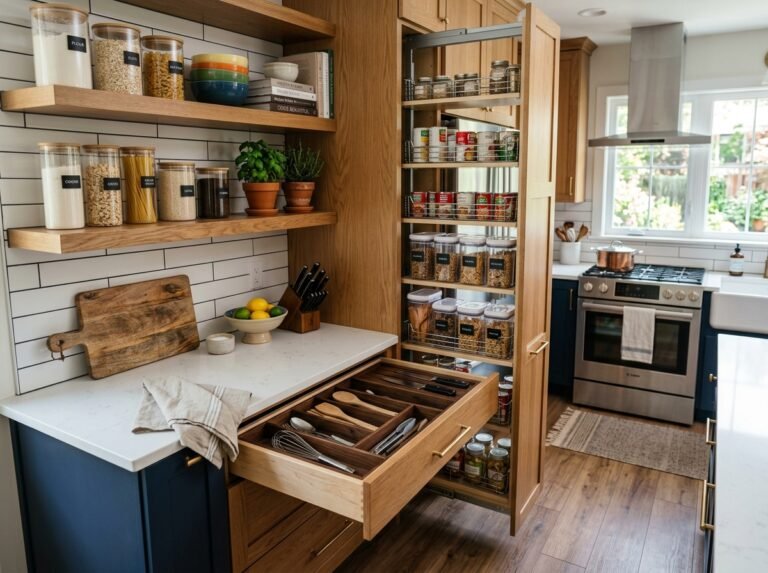
A tall corner pantry can hold dry goods, small appliances, and the snacks you bought “for guests.” Choose pull-out trays, a lazy Susan, or angled shelves so food does not vanish in back. A freestanding pantry often costs $200 to $800; custom cabinetry may top $1,500. Use clear bins, store rare items high, and anchor tall furniture to the wall. Matching the cabinet to the wall color can help it feel lighter in a small kitchen.
The Corner Sink Under the Window
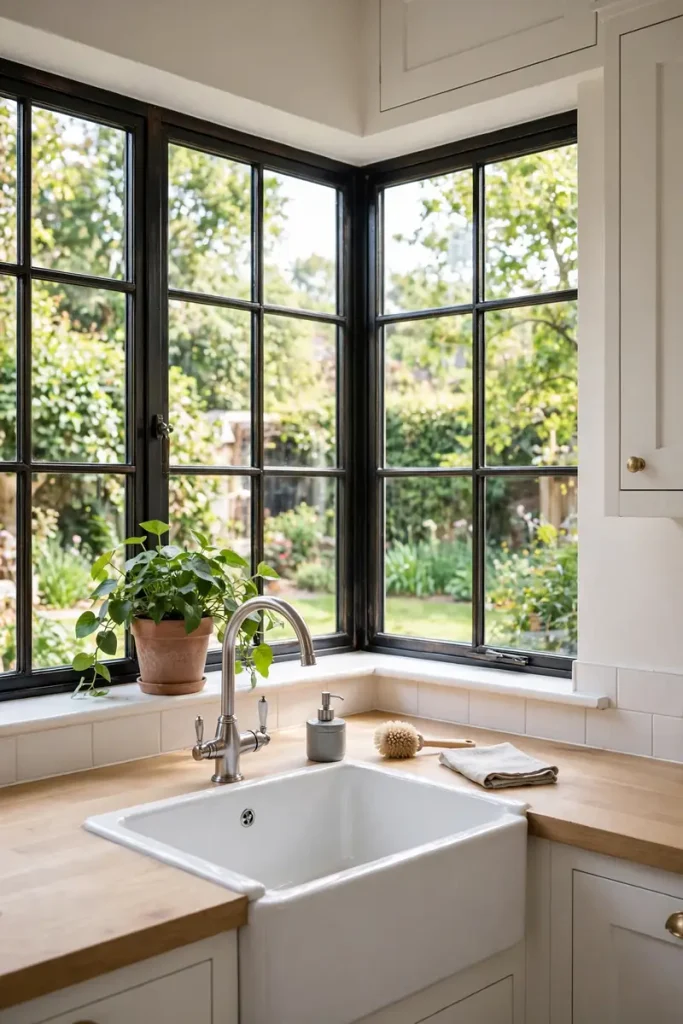
A corner sink under two meeting windows can make washing dishes feel less like work. Natural light opens the room, while the layout frees longer counters for prep. This idea suits a remodel because plumbing, counters, and custom cabinets may cost $2,000 to $6,000 or more. Ask for one deep basin, a pull-down faucet, and an easy-clean backsplash. The view does not wash pans, sadly, but it can improve staff morale.
The Banquette Corner With Hidden Storage
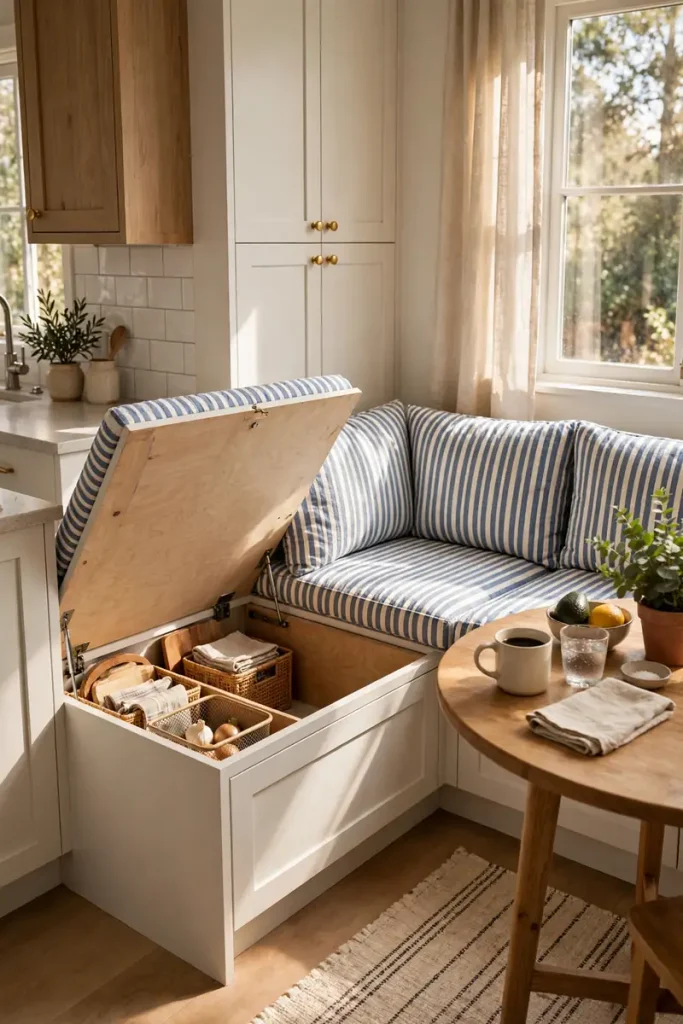
An L-shaped banquette uses wall space and leaves fewer gaps behind chairs. Drawers under the seats are easier than lift-up lids, especially when someone is sitting there. A DIY bench may cost $300 to $900; custom work can reach $2,000 to $5,000. Use stain-resistant cushions and a pedestal table for easier legroom. Renters can arrange two storage benches in an L shape and link them visually with matching cushions. Store linens or seasonal dishes below.
The Rolling Corner Bar Cart
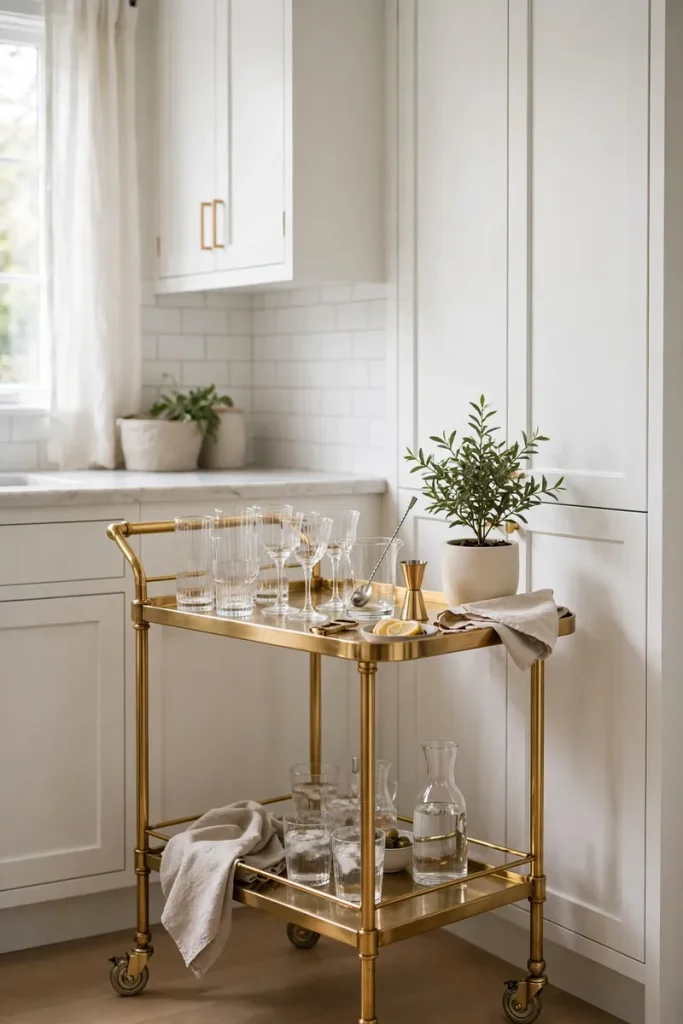
A slim rolling cart adds flexible storage without a renovation. Use it for sparkling water, cocktail tools, pretty glasses, or an after-dinner tea setup. Choose locking wheels and raised edges so bottles stay put. Prices range from about $50 to $250. Let baskets on the lower shelves hide napkins and openers. When you need floor space, roll the cart away. It is furniture with an exit plan, perfect for renters and commitment-shy decorators.
Grow, Display, and Add Personality
Open Corner Shelves With Trailing Plants
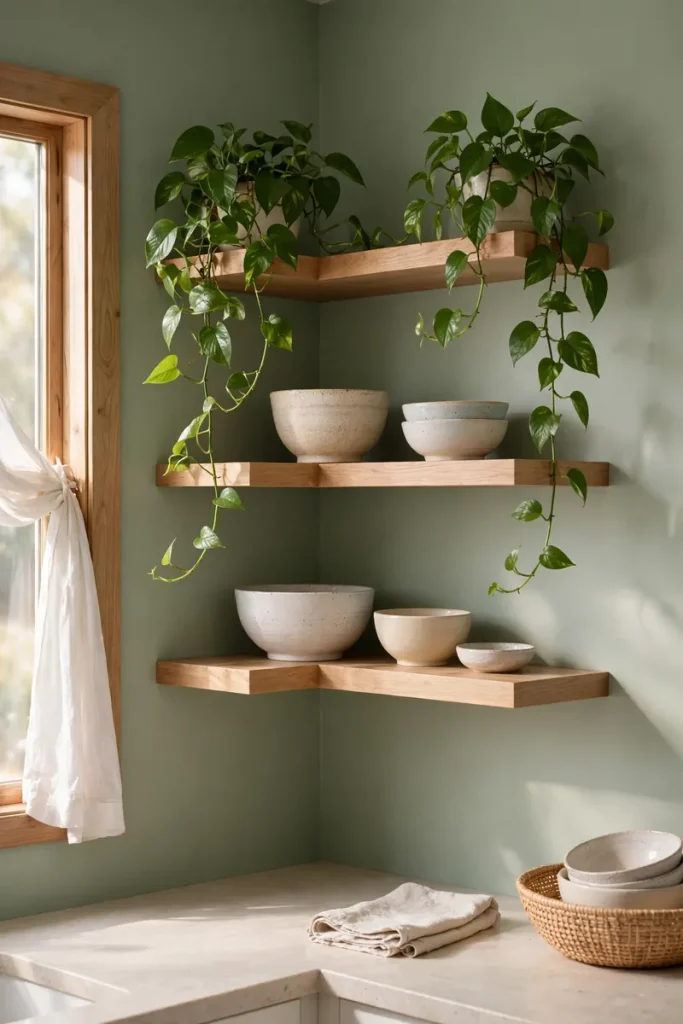
Mix storage with life by placing pothos or another trailing plant on open corner shelves. Keep greenery away from stove heat and use waterproof saucers. One plant per shelf is enough; this is a kitchen, not jungle training. Shelves, pots, and plants may total $100 to $350. In low light, use convincing faux greenery. Pair leaves with white dishes or glass jars, and ask your landlord before drilling because “removable” shelves are rarely damage-free.
The Mini Corner Office Nook
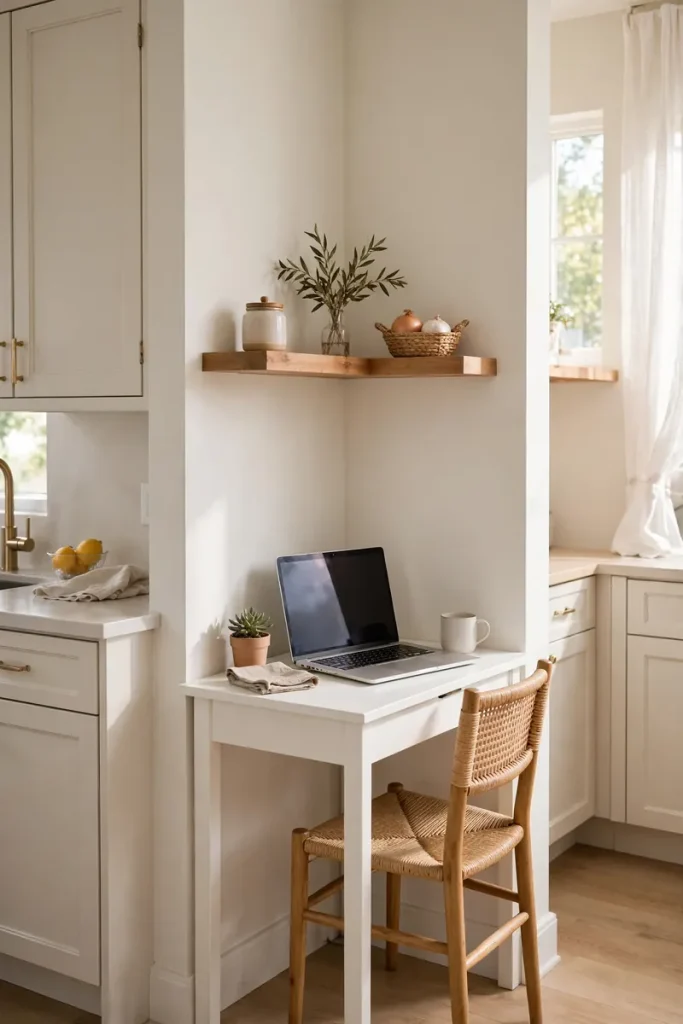
A shallow desk can turn a quiet kitchen corner into a landing place for calendars, laptops, and meal plans. Keep it 18 to 24 inches deep so the walkway stays clear. Add a drawer, charging strip, and chair that slides underneath. A basic setup costs about $120 to $600. Renters can use a slim console desk. Put the laptop in a basket after work, or your grocery list may slowly become a meeting room beside the spaghetti.
The Corner Spice Wall
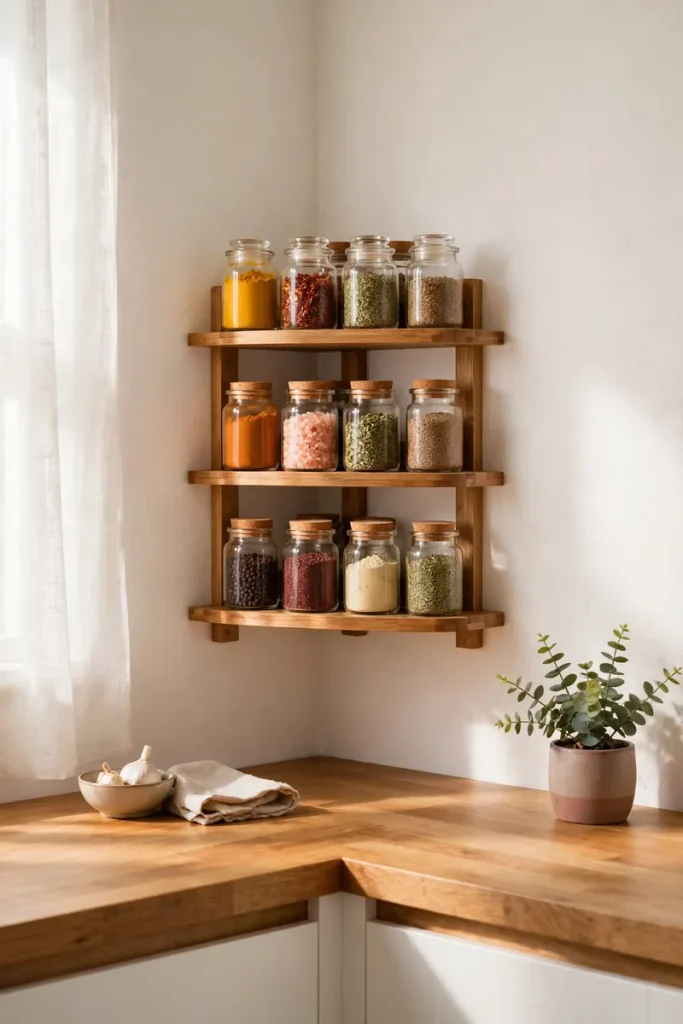
Use a narrow wall for shallow spice ledges, magnetic tins, or a vertical rack. Keep spices away from steam, sunlight, and stove heat. Arrange jars alphabetically or by cooking style—whichever system you will truly maintain. A rack often costs $30 to $150. Measure jar height and choose ledges with a lip. Renters can attach racks inside a freestanding cart. Label jar tops when needed; paprika and cayenne are not fun surprise twins.
The Sunny Corner Herb Garden
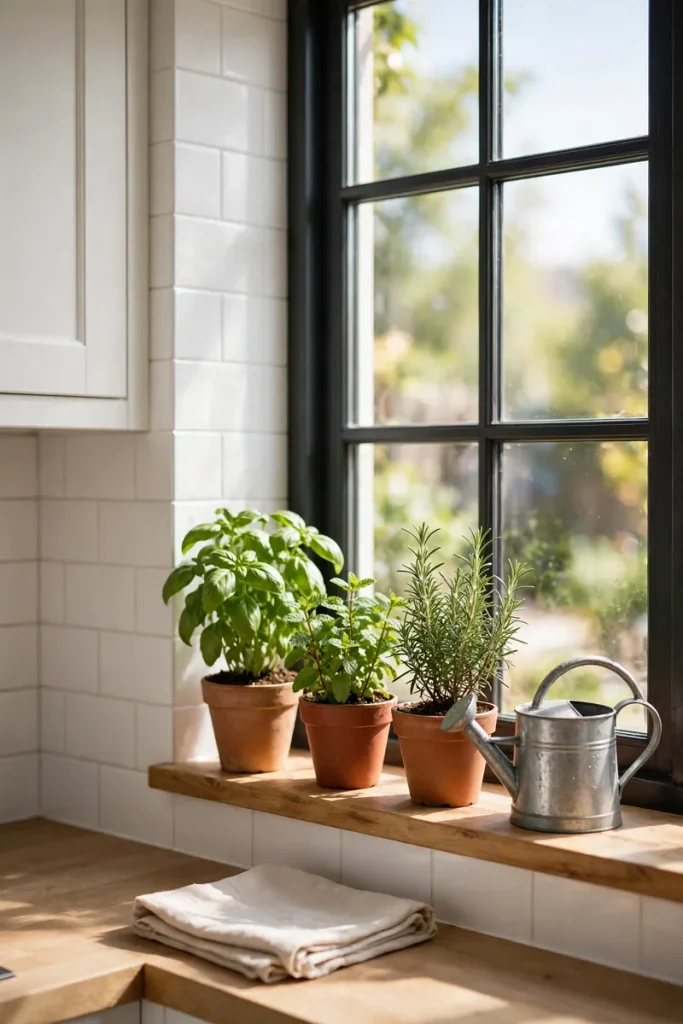
If the corner receives four to six hours of light, create a small herb garden. Basil, parsley, chives, mint, and thyme are useful and pretty. Group pots on a waterproof tray or narrow plant stand. Expect to spend $30 to $150 for plants, pots, soil, and a basic grow light if needed. Give mint its own pot because it spreads like neighborhood gossip. Rotate pots weekly and keep leaves away from cooking grease.
The Cushioned Corner Reading Spot
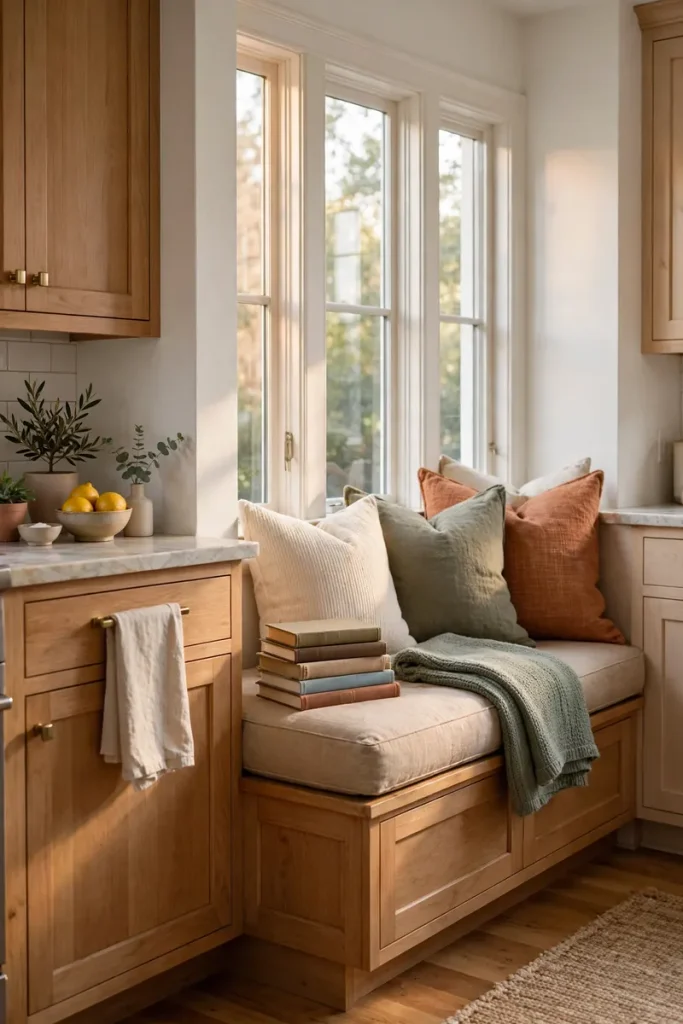
Not every corner needs another cabinet. A small chair, washable pillow, and warm light can make a cozy spot for cookbooks, coffee, or keeping the cook company. Keep it outside the main work triangle. A setup may cost $150 to $700. In a tiny room, use a cushioned storage bench. I once added a chair “for guests” and became its main guest within a week. Good corners have a way of changing routines.
Make the Hardworking Corners Earn Their Keep
The Corner Appliance Garage
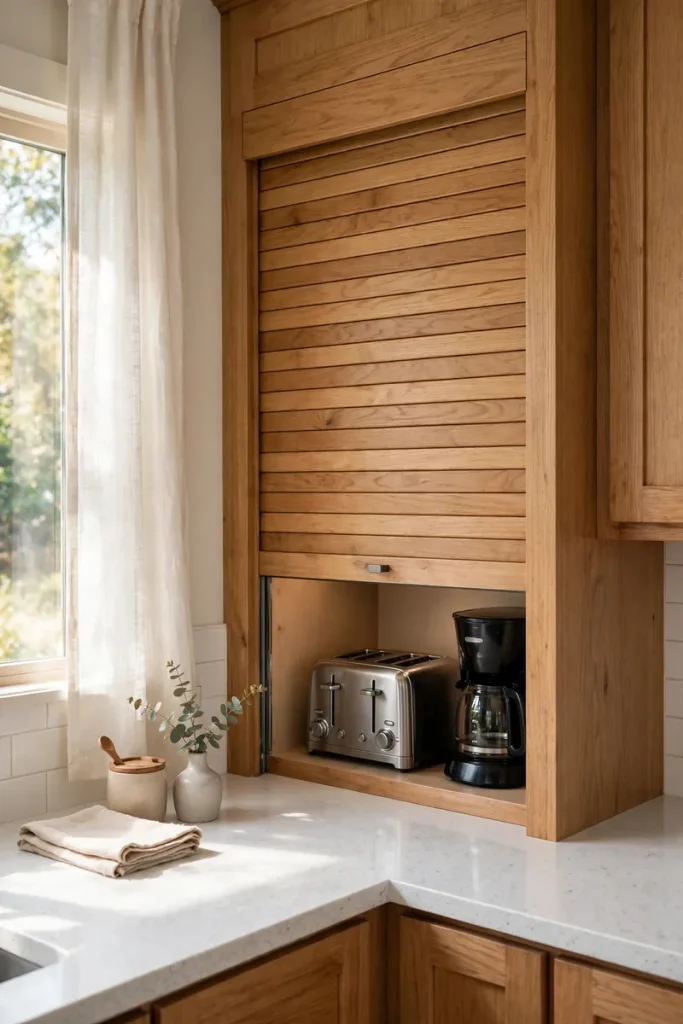
An appliance garage hides the toaster, blender, and grinder while keeping them nearby. A lift-up, pocket, or tambour door saves counter space. Include outlets only when the design and local electrical rules allow it, and unplug hot appliances after use. A custom garage may add $500 to $1,500 or more. For a budget version, use a ventilated counter screen. Measure every appliance first, including open lids. Your blender should not need yoga lessons to fit.
The Butcher-Block Corner Prep Station
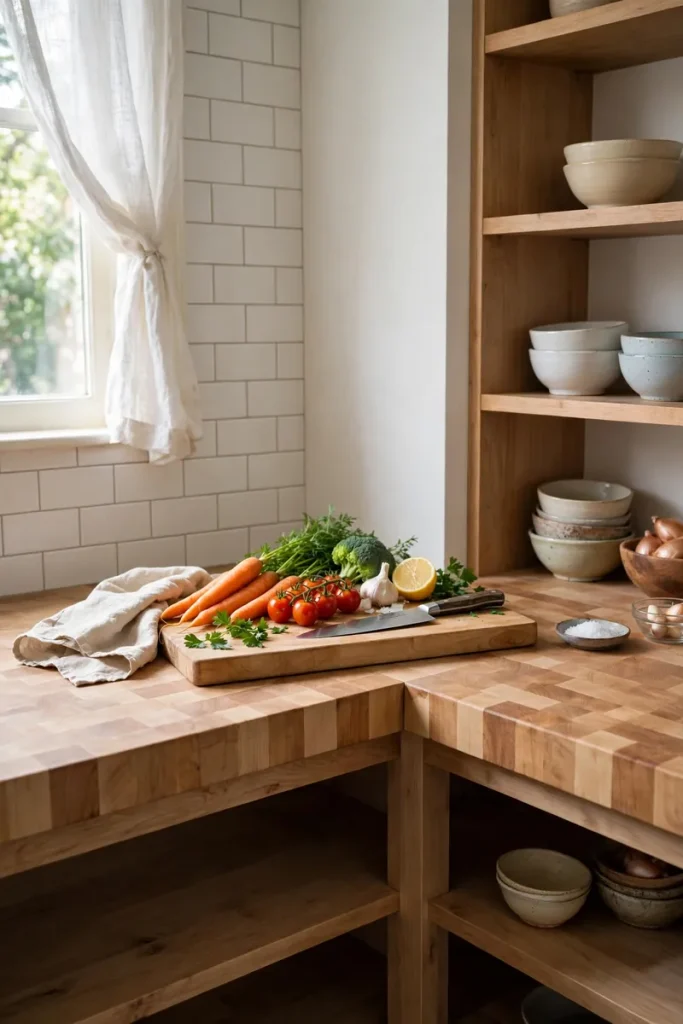
A butcher-block cart fills an empty corner with useful prep space. Look for a drawer, lower shelf, locking casters, and a top near standard 36-inch counter height. Good carts often cost $150 to $700. Treat unfinished wood with food-safe mineral oil and wipe spills quickly. Renters can take the station when they move. Clear the top for parties and it becomes a serving table. One hardworking cart can wear many aprons.
The Corner Cookbook Display Ledge
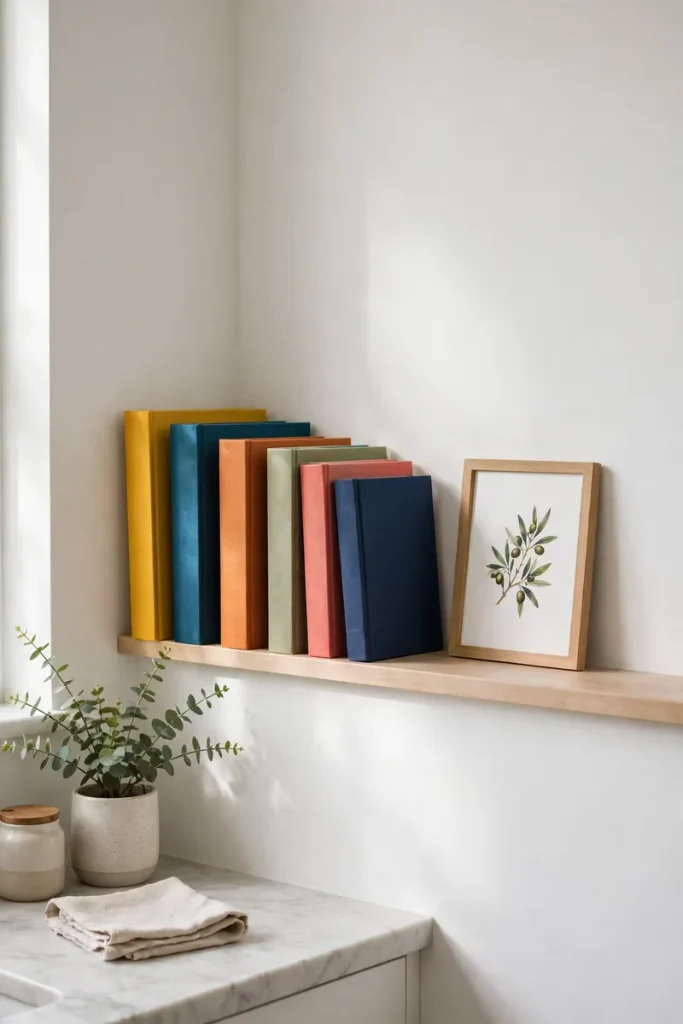
A picture ledge can display cookbooks without using much space. Install one or two ledges on a blank wall, then face colorful covers forward like art. Keep books away from stove grease and sink splashes. A simple display costs about $25 to $120. Rotate titles by season for an easy refresh. Renters can use a narrow standing shelf or plate stand. Leave room to remove each book; beautiful cookbooks deserve better than leaning behind a cereal box.
The Pendant-Lit Corner Vignette
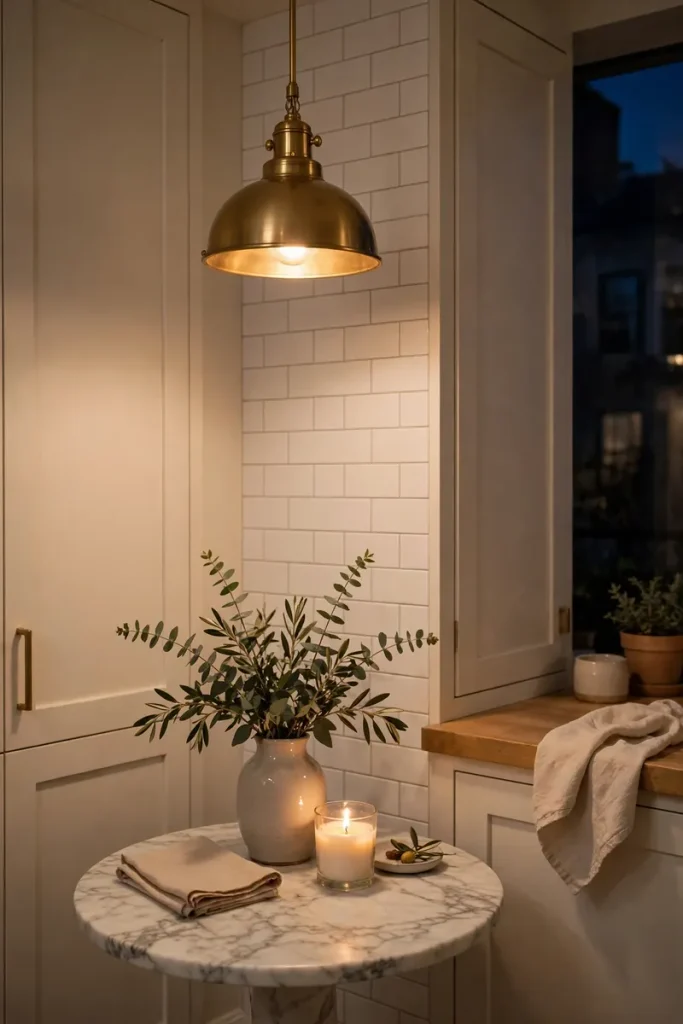
A small pendant can turn a forgotten corner into a planned design moment. Hang it over a table, cart, or display cabinet with safe headroom. A hardwired fixture may cost $200 to $800 installed. Renters can try a plug-in pendant if ceiling hooks are allowed. Choose warm light around 2700K and add a dimmer or smart bulb. Keep the objects below simple. Good lighting can make a $12 fruit bowl feel famous.
The Kids’ Corner Snack Station
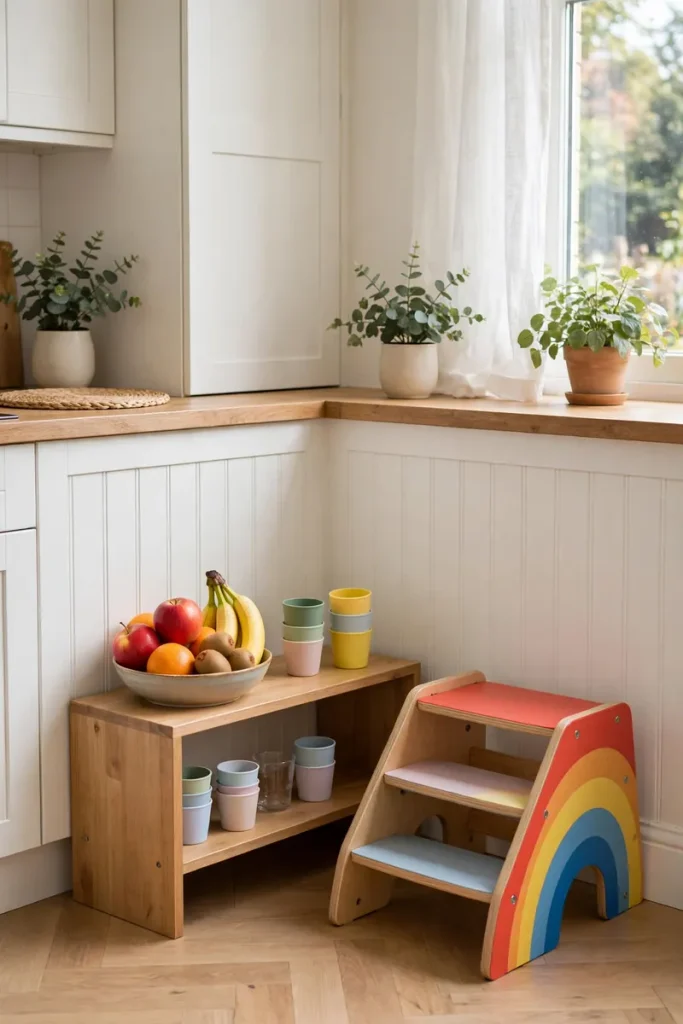
Give children a low drawer, shelf, or cart for approved snacks, bottles, lunch boxes, and napkins. Use clear bins with picture labels for younger kids, and keep sugary treats higher if breakfast should not become a cookie debate. A simple station costs $30 to $180. Anchor freestanding furniture and avoid heavy jars. Make everything easy to refill and wipe. When snacks have a home, fewer granola bars mysteriously travel into couch cushions.
Entertain and Save Space
The Corner Wine Rack Nook
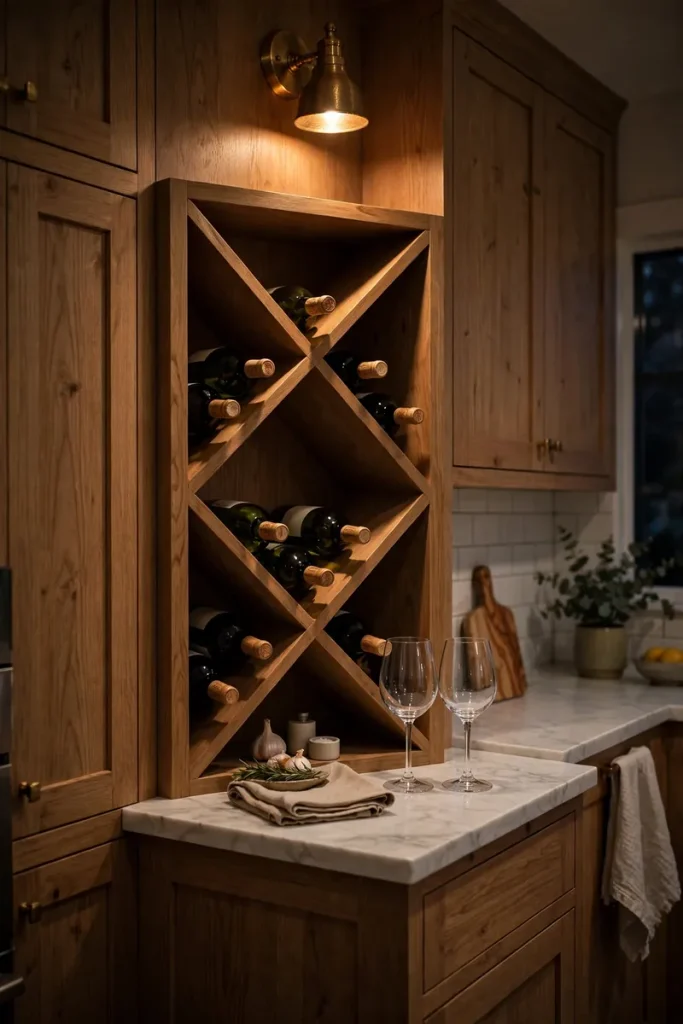
A compact wine rack can turn an awkward recess into an elegant entertaining zone. Store bottles horizontally and away from heat, sun, and vibrating appliances. Add a tray for an opener and coasters, plus one artwork above. Freestanding racks cost about $60 to $400; custom versions may start near $800. Anchor tall racks around children or use a locking cabinet. Renters can pick a portable cube rack. A few spaced bottles look collected rather than crowded.
The Fold-Down Corner Table for Tiny Kitchens
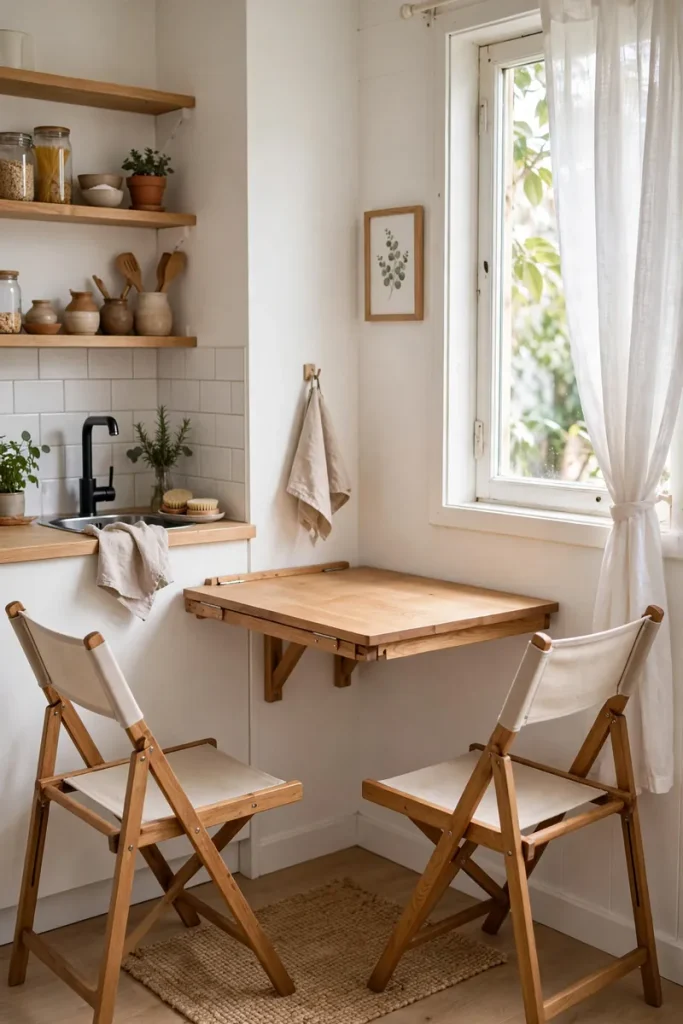
A wall-mounted drop-leaf table is a tiny-kitchen hero. Fold it up for coffee, prep, or dinner, then lower it for clear floor space. Use sturdy brackets fixed to studs and follow the maker’s weight limit. Ready-made tables cost roughly $100 to $350, plus installation. Pair one with folding chairs or stools. Renters should ask before mounting; a slim gateleg table offers similar flexibility. It may not seat twelve, but it makes breakfast for two comfortable.
Renter-Friendly and Budget Tips That Really Help
You do not need a custom cabinet budget to rescue a corner. Start by “shopping” your home. A side table can become a coffee station, a bar cart can hold pantry goods, and a spare chair can create a reading spot. Paint is powerful, but peel-and-stick wallpaper or removable decals can define the area when painting is not allowed. Always test removable products in a hidden place first because walls, adhesives, and security deposits have complicated relationships.
Spend money where the corner works hardest. Strong brackets matter more than decorative shelf objects. A stable table matters more than trendy chairs. Washable cushions beat delicate fabric in a room where tomato sauce lives. Look for secondhand wood furniture, then clean it well and update the hardware. A $40 cabinet with fresh knobs can look far more expensive than it is. For anything tall or heavy, use proper anti-tip hardware and follow your lease rules.
Use a “one job, one mood, one repeating detail” plan. First, decide the job: breakfast, storage, prep, or display. Next, pick the mood: cozy, bright, modern, rustic, or colorful. Finally, repeat one detail already found in the kitchen, such as brass, black metal, oak, or soft blue. This little formula prevents random purchases and helps the corner belong to the whole room.
Before buying, mark the furniture size on the floor with painter’s tape. Walk around it, open every nearby door, and pretend you are carrying a hot pan. If the route feels tight, choose a smaller piece. Vertical storage can add capacity without taking more floor space, but keep heavy things low. Baskets hide visual clutter, trays make small collections look neat, and a lamp adds warmth without a full remodel. The most expensive mistake is buying something lovely that makes the kitchen harder to use.
Your Awkward Corner Is Ready for a Better Job
The best kitchen corner idea is not always the grandest one. It is the one that solves a daily problem and makes you happy to walk into the room. Maybe that means a sunny herb garden, a hidden appliance garage, or a tiny table where you can drink coffee before the house wakes up. Measure carefully, choose one purpose, and build the look in simple layers.
I still have reusable grocery bags, of course. I am not a magician. But now they live in a basket under my breakfast bench instead of taking over the room. The corner that once embarrassed me is the first place friends choose to sit. That is the surprise of good home decor: a neglected angle can become the heart of the kitchen. Start with one shelf, chair, cart, or lamp. Your corner does not need more clutter. It just needs a better story.