17 Bedroom Design Ideas That Make a Plain Room Look Shockingly Expensive
My first grown-up bedroom had one mattress, one lamp, and a laundry chair that slowly became a laundry mountain. I kept buying cute little decorations, but the room never felt finished. Then a friend walked in, moved the bed to another wall, lowered my art, and told me to stop treating every empty corner like a shopping emergency. Rude? A little. Correct? Completely.
A beautiful bedroom is not about filling the room with trendy things. It is about choosing a clear mood, improving comfort, and making each piece earn its space. The ideas below work for homeowners, renters, large rooms, and tiny apartments. Costs are rough U.S. project estimates and can change by store, material, room size, and whether you do the work yourself. Start with the section your room needs most. You do not have to remodel everything in one weekend. Your bank account just relaxed.
Part One: Build a Better Foundation
1. Let One Wall Set the Mood
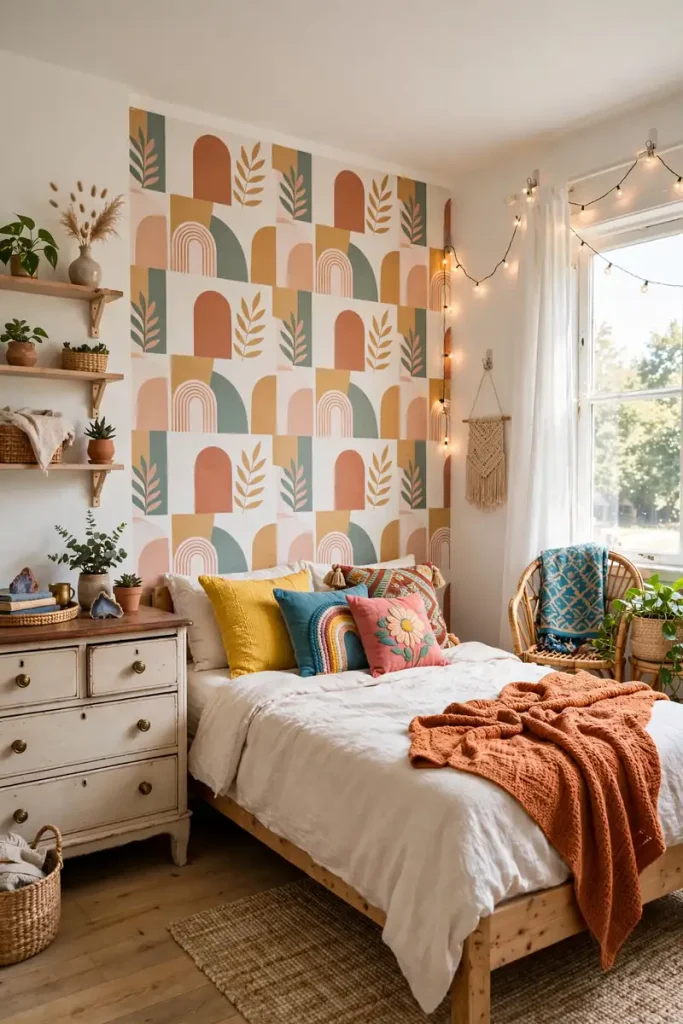
An accent wall gives a plain bedroom a clear focal point without asking you to redo the whole space. Try a soft clay, deep blue, forest green, or warm brown behind the bed. One gallon of interior paint plus basic supplies may cost about $45 to $100 for a DIY project. If you rent, use removable wallpaper or large peel-and-stick panels instead. Test a sample in morning and evening light before you commit. I once chose “calm gray” at noon and discovered it looked like storm-cloud purple at night. Paint has a sense of humor.
2. Give the Bed a Real Headboard

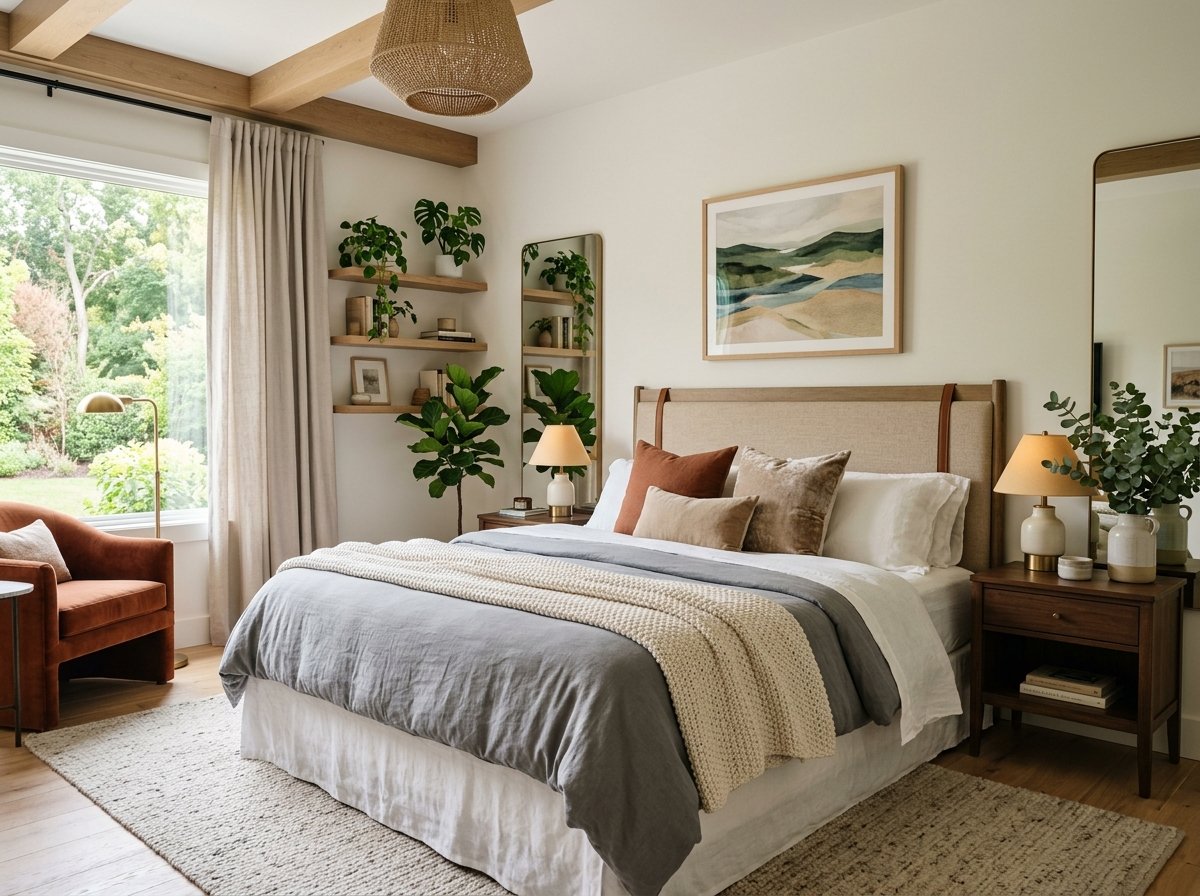
A headboard makes the bed look grounded, which helps the whole room feel planned. An upholstered style adds softness, while wood or cane brings natural texture. Budget headboards often fall around $100 to $300, but a DIY fabric panel can cost less. In a rental, choose a bed-mounted or freestanding design so you do not need to drill into the wall. For a tiny room, pick a slim headboard with no deep shelves. Measure the bed width first; an oversized headboard can look luxurious, but it should not swallow the nightstands.
3. Float the Furniture Away From Bad Habits
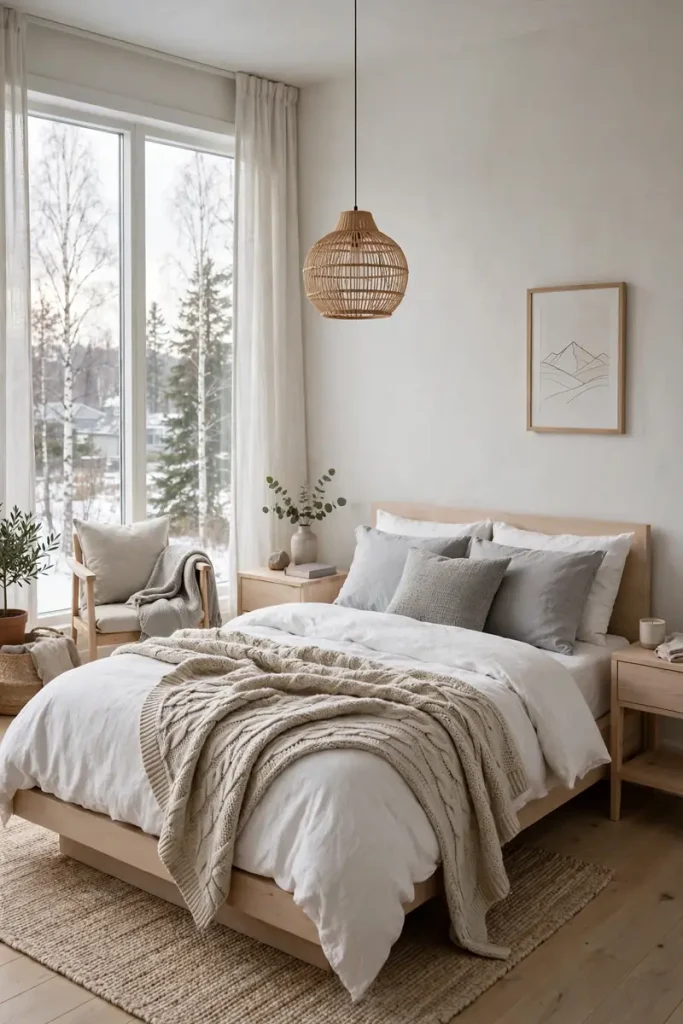
Before buying anything, try a free furniture reset. Place the bed where you can see the door without blocking it, leave a comfortable walking path, and avoid pushing every piece into a corner. In a small bedroom, keep at least one side of the bed easy to reach and use fewer, better-scaled items. Painter’s tape can mark furniture sizes on the floor before you move a heavy dresser. This trick saved me from ordering a bench that would have turned my room into an obstacle course. Cost: zero dollars, unless you pay a friend in pizza.
4. Frame the Bed With Balanced Nightstands
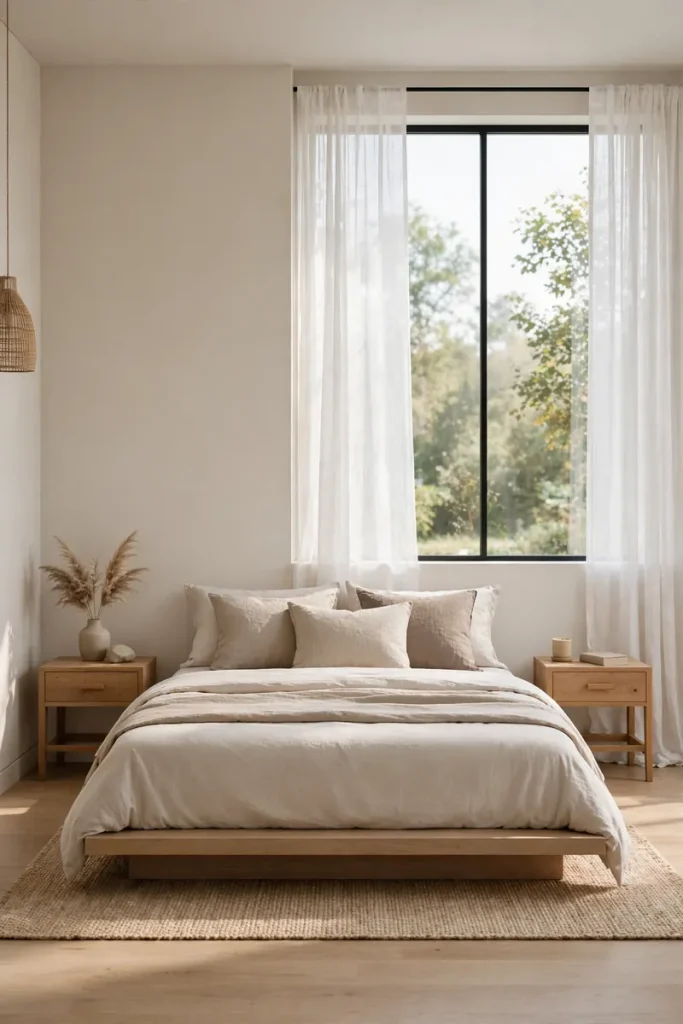
Matching nightstands create a calm, classic look, but they do not have to be identical. Two pieces in the same color or height can feel connected. If space is tight, use narrow tables, floating shelves, or wall-mounted cubes. Expect roughly $40 to $200 per side, depending on material and storage. Renters can use slim stools or small drawer units instead of drilling in shelves. Keep the top simple: a lamp, a water glass, and one personal item are enough. If your nightstand is holding six old receipts and a mystery charger, consider this your gentle intervention.
Part Two: Layer in Comfort
5. Use a Rug to Define the Sleeping Zone
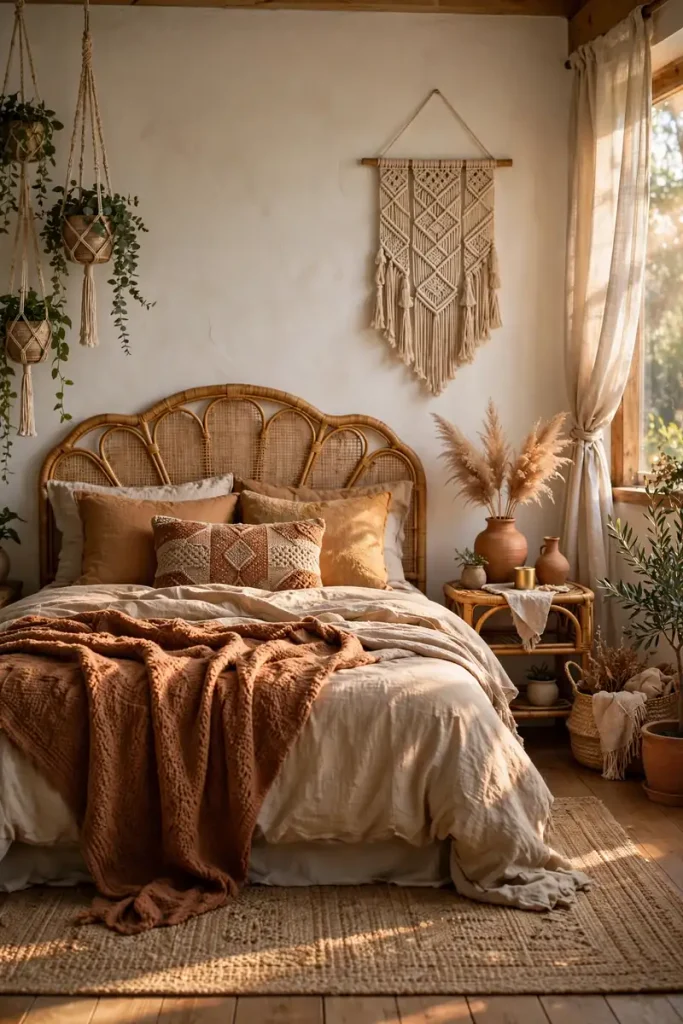
A rug adds warmth, softens sound, and makes the bed area feel complete. For a queen bed, an 8-by-10-foot rug often gives a generous border, while a 6-by-9-foot option can work when placed under the lower two-thirds of the bed. Prices can range from about $120 to $600 or more. In a small room, runners along the bed are a cheaper choice. Renters should add a non-slip rug pad that is safe for their floor type. Choose a low-pile rug if pets, allergies, or snack crumbs are part of real life.
6. Dress the Bed in Three Simple Layers
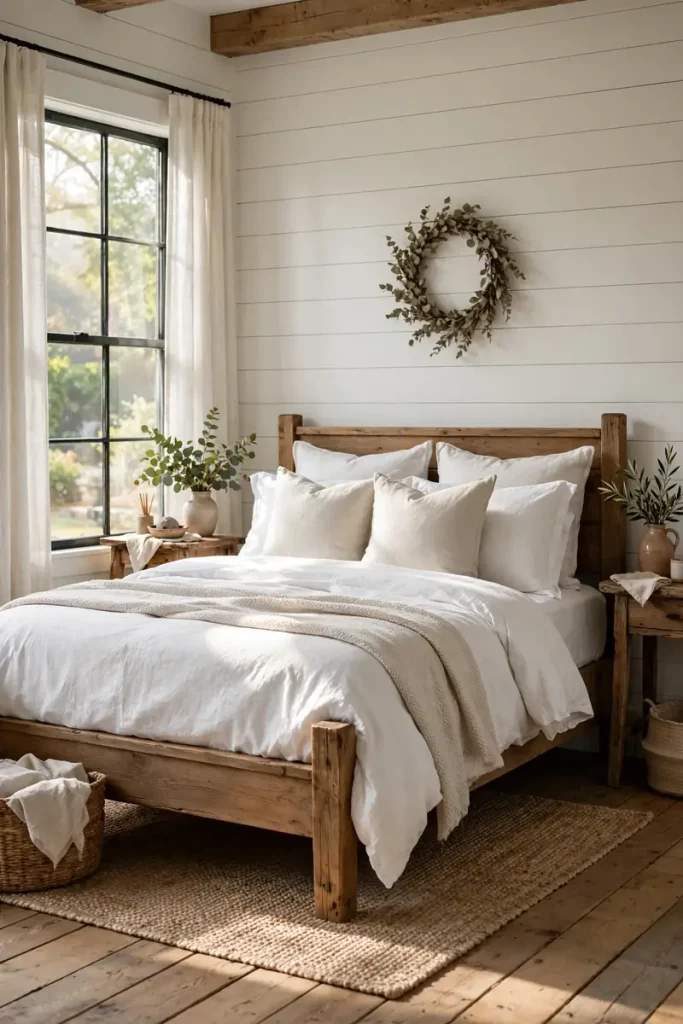
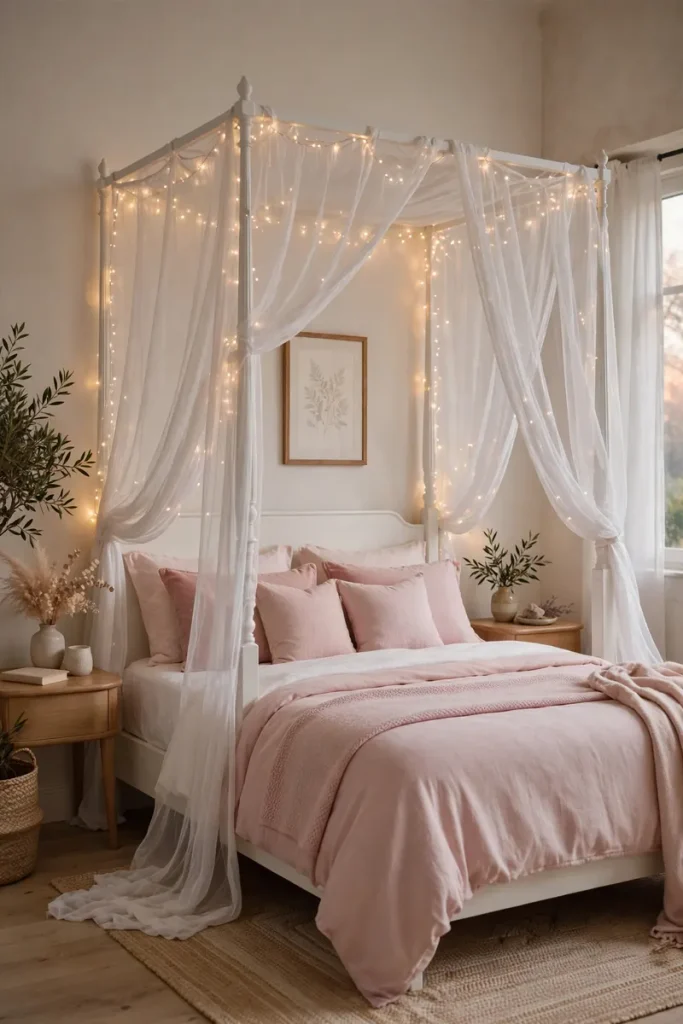
You do not need twelve pillows to get a designer bed. Start with smooth sheets, add a quilt or duvet, then fold one throw across the foot. Two sleeping pillows and two decorative pillows usually create enough height. A basic refresh may cost $100 to $350, depending on fabric and size. Cotton and linen blends breathe well, while washable covers make life easier. I used to build a mountain of pillows every morning and throw it onto the floor every night. That was not decor; it was a daily upper-body workout.
7. Hang Curtains Higher Than the Window
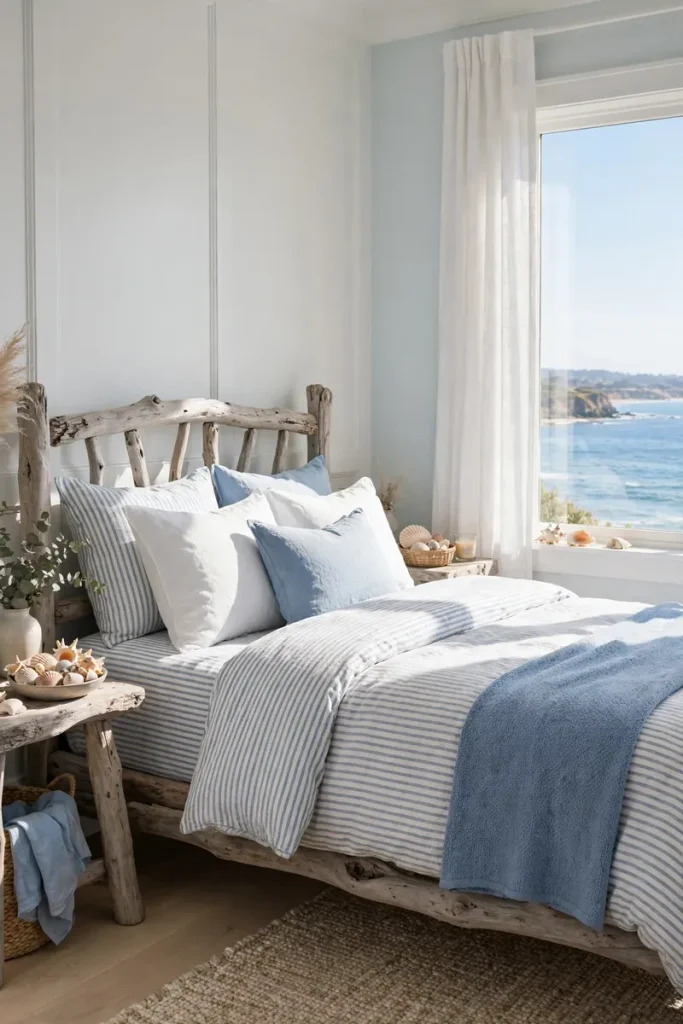
Mounting the curtain rod several inches above the window can make the ceiling look taller. Let the panels reach the floor, and extend the rod beyond the window edges so more daylight enters when they are open. A rod and two panels may cost about $50 to $180. Blackout lining is useful for streetlights, night shifts, and Saturday mornings when the sun is being far too enthusiastic. Renters can try tension rods, no-drill brackets, or removable hooks made for the rod’s weight. Always follow the product limits; falling curtains are a dramatic alarm clock.
8. Create a Soft Lighting Triangle
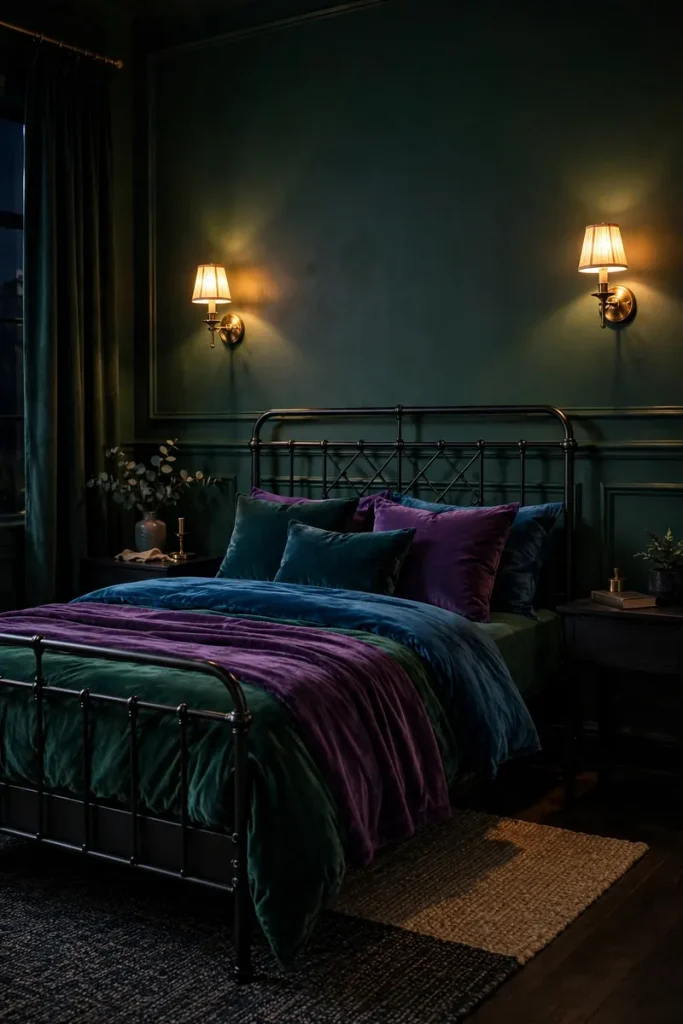
One bright ceiling light can make a bedroom feel more like a fitting room. Use three levels instead: general light overhead, reading light near the bed, and a small accent lamp on a dresser or shelf. Warm-white bulbs usually feel more restful than icy blue light. A practical lighting update can run from $60 to $250. Plug-in sconces are renter-friendly and free the nightstand surface. Put lamps on smart plugs or use dimmable bulbs when compatible. My favorite bedtime luxury is turning off the far lamp without leaving the blanket. Royal treatment, minus the castle.
9. Add a Seat That Fits Your Routine
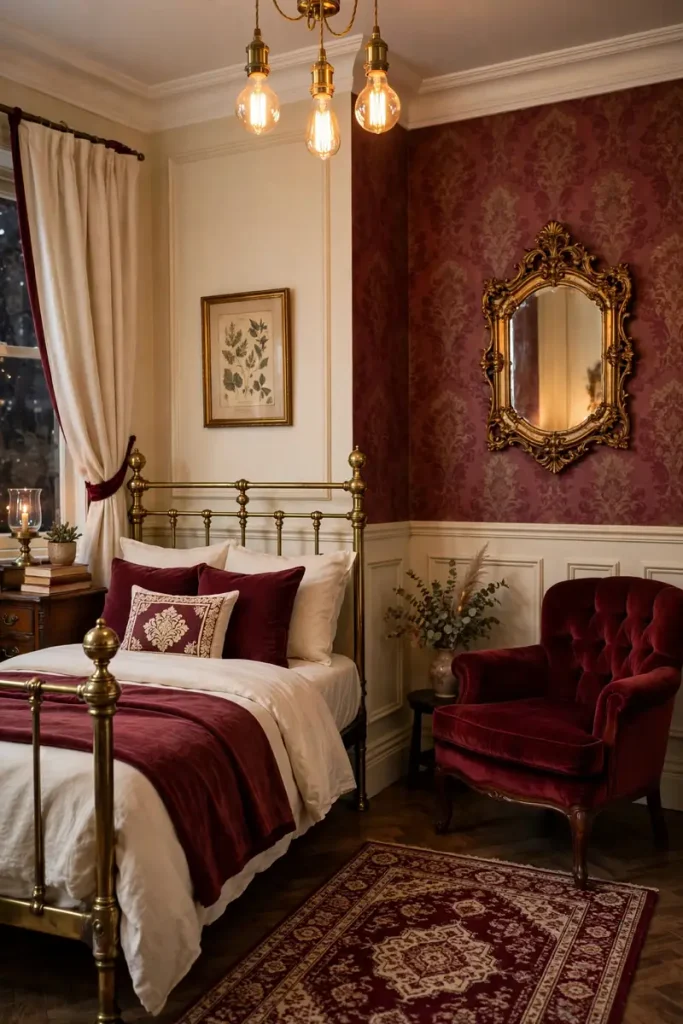
A small chair, bench, or padded stool gives you a place to put on shoes and keeps the bed from becoming the default drop zone. A bench at the foot of the bed works best when there is still an easy walkway. In a tiny bedroom, use a storage ottoman or tuckable stool. Plan roughly $70 to $350. Renters can take these pieces to the next home, so they are often safer investments than built-ins. Be honest about how you live: if a chair always collects clothes, choose one with a small seat. Less landing space means a smaller laundry mountain.
Part Three: Add Personality Without Adding Clutter
10. Build a Calm Color Story
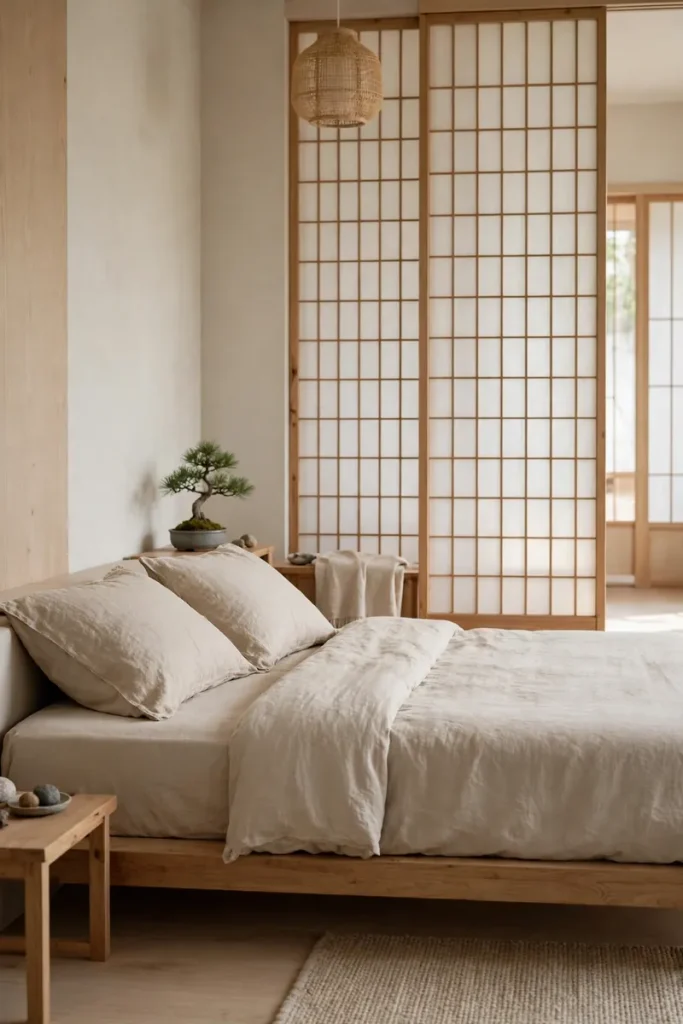
Choose one main neutral, one supporting color, and one small accent. For example, warm white walls, dusty blue bedding, and touches of rust can feel collected without looking busy. Repeat each color at least twice so nothing seems accidental. This idea can be free if you rearrange what you own, or $50 to $200 if you replace a few covers and accessories. In a small room, lighter walls can keep the space open, while darker accents add depth. Take a photo of the room in black and white; it quickly shows whether every item has the same visual weight.
11. Make One Large Piece of Art the Star
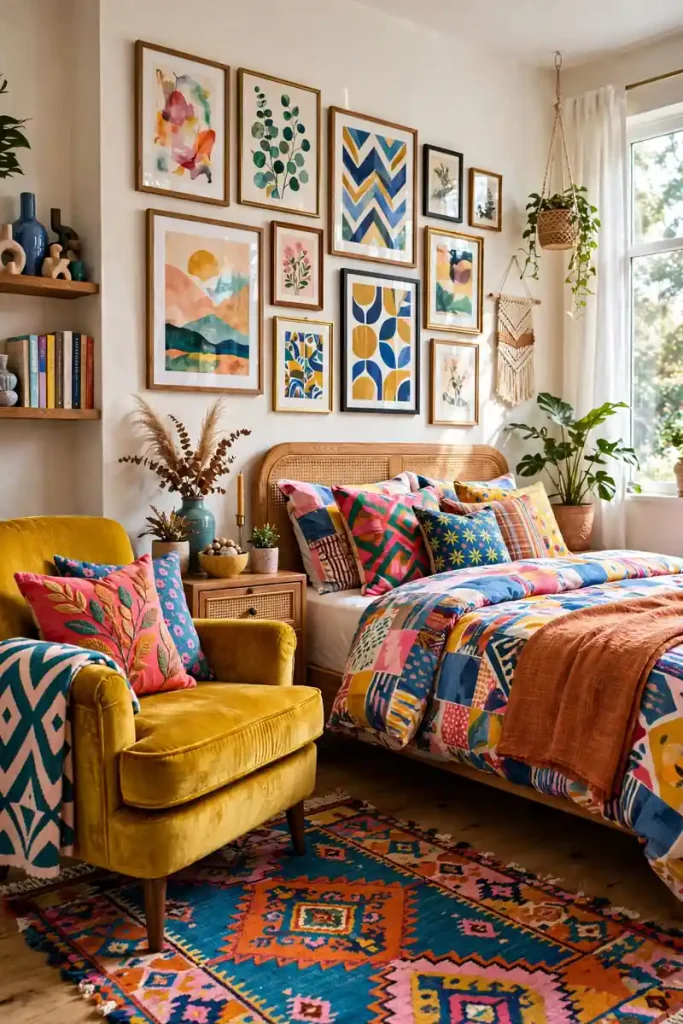
A single large artwork above a dresser or beside the bed can look cleaner than many tiny frames. As a guide, choose art that is roughly two-thirds the width of the furniture below it, then hang it near enough to feel connected. Prints and ready-made frames may total $60 to $300. Renters can use removable picture strips if the wall, frame weight, and product directions allow. You can also frame a textile, vintage map, or your own photograph. I once hung three miniature prints so high that they looked like they were trying to escape. Bigger and lower fixed the room in ten minutes.
12. Turn a Dresser Into a Styled Moment
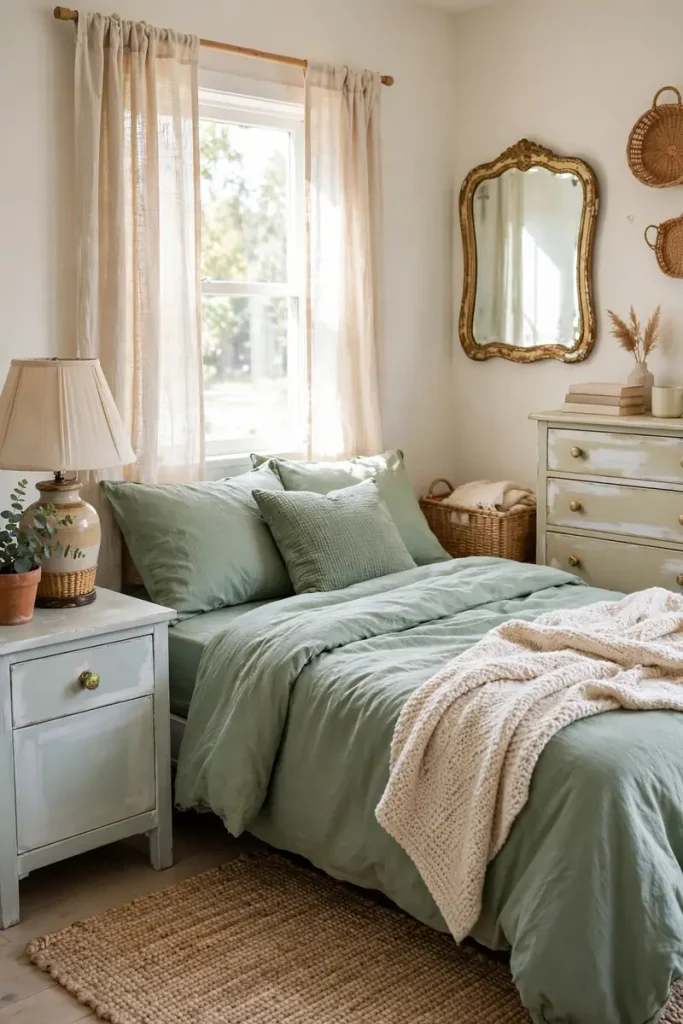
A dresser can provide storage and still look beautiful. Anchor it with a mirror or art, add a small lamp, and group daily items on a tray. Keep at least half the surface open so the arrangement can breathe. A mirror, lamp, and tray may cost around $75 to $250, but shopping your home can make this update free. In a rental, lean a mirror safely against the wall only if it is secured from tipping according to the manufacturer’s directions. Use drawer dividers inside, because a lovely top cannot save a drawer full of tangled socks.
13. Mix Textures Instead of Buying More Colors
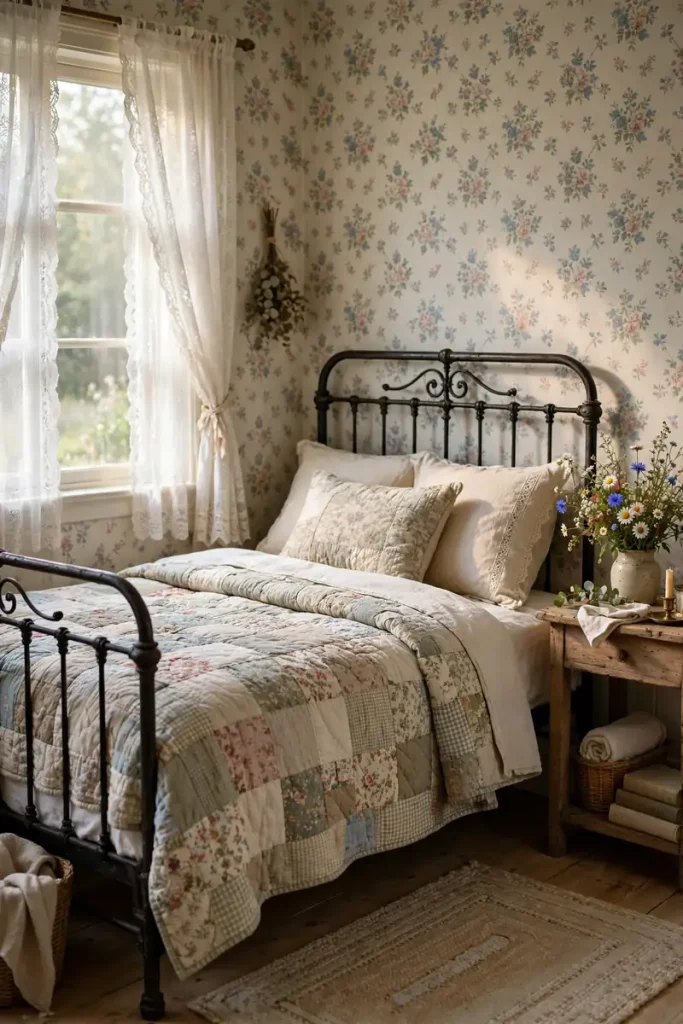
When a bedroom feels flat, add texture before adding another bright color. Combine smooth cotton, nubby boucle, woven baskets, natural wood, metal, and a soft knit. Three or four textures are usually enough. New pillow covers, a basket, and a throw might cost $60 to $180. This approach is great for renters because every layer can move with you. It also works in tiny rooms, where too many colors can feel crowded. Keep the palette quiet and let the surfaces do the talking. Yes, your basket and blanket can have chemistry. Home decor is weirdly romantic.
Part Four: Make Small Spaces Work Harder
14. Take Storage Up the Wall
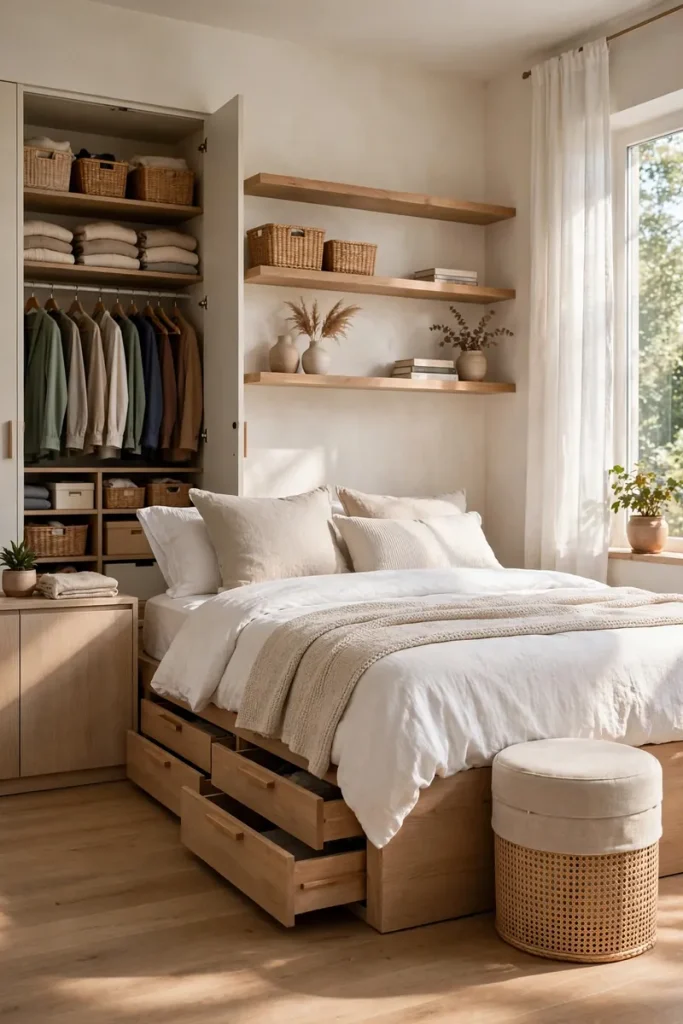
Vertical storage uses wall height instead of precious floor space. Try a tall bookcase, stacked cubes, over-door organizers, or shelves above a desk. A simple setup may cost $50 to $250. Homeowners can secure shelving into studs or suitable anchors. Renters should use freestanding units or approved removable systems and always follow weight limits. Tall furniture should be anchored to prevent tipping, especially in homes with children or pets. Store attractive items at eye level and less-pretty supplies in matching bins. The top shelf is perfect for things you need occasionally, not the charger you need every night.
15. Choose Furniture With a Second Job
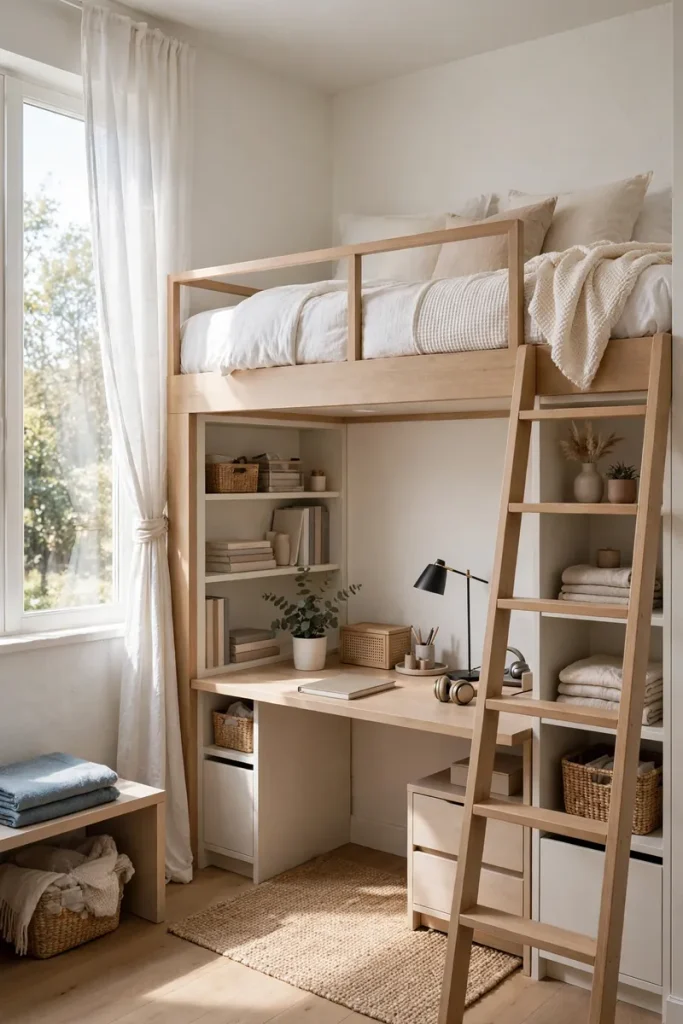
In a small bedroom, every large piece should answer two questions: Is it useful, and does it store something? Look for a bed with drawers, a lift-top bench, a nightstand with shelves, or a desk that can double as a vanity. Multifunctional pieces may cost $150 to $900, depending on size and construction, but they can replace two or three separate items. Renters should check stairways, elevators, and door widths before buying. I learned this after meeting a very confident dresser and a very narrow hallway. The hallway won.
16. Create a Tiny Getting-Ready Corner
You can build a useful dressing spot with a narrow wall mirror, a small shelf or console, and a stool that slides underneath. Add a tray for jewelry and a lidded basket for hair tools. A compact setup can cost about $80 to $300. In a rental, use an over-the-door mirror or a freestanding mirror instead of wall mounting. Keep electrical tools unplugged and fully cool before storing them. This corner reduces bathroom traffic and makes rushed mornings easier. It also gives perfume bottles a proper home instead of letting them wander around like tiny glass tourists.
17. Hide the Visual Noise

Even a well-designed bedroom can feel restless when cords, open bins, and small items are everywhere. Use matching baskets, a cable box, drawer organizers, and one closed hamper. Budget about $30 to $120 for a basic clutter-control kit. Renters can choose adhesive cable clips made for removable use, but test them in a hidden spot first. Do a five-minute reset each evening: clear the nightstand, return clothes, and put chargers in place. The goal is not a perfect room. The goal is waking up without seeing yesterday’s jeans performing modern art on the floor.
A One-Weekend Bedroom Reset Plan
Start on Friday night by taking photos, measuring the room, and choosing three words for the mood you want. Mine would be “warm, quiet, unfussy.” On Saturday morning, remove clutter and move the furniture before shopping. In the afternoon, paint one wall or hang removable wallpaper, then install curtains or adjust the lighting. On Sunday, make the bed, add the rug, style one surface, and stop. A room often looks more expensive when you leave something out.
If your budget is under $100, focus on layout, decluttering, new pillow covers, and warmer bulbs. With $100 to $500, add curtains, a rug, paint, or a secondhand nightstand. With a larger budget, invest first in the mattress, bed frame, storage, and lighting rather than a pile of small decor. Buy slowly, keep receipts, and measure everything twice. “It looked smaller online” is practically the national motto of furniture delivery day.
Your Bedroom Should Feel Like You
The best bedroom design is not the one that copies a perfect photo. It is the one that supports your actual evenings, mornings, storage needs, and style. Choose one foundation idea, one comfort layer, one personal detail, and one clutter fix from this list. That is enough to create a visible change without turning your home into a construction zone.
My old laundry chair never became a designer masterpiece, but it did become a reading chair after I added a hamper and stopped using it as a closet with legs. That small change made the whole room feel calmer. Your reset can be just as simple. Move the bed, warm the lighting, clear one surface, and let the room breathe. A beautiful bedroom does not have to shout. Sometimes the most shocking transformation is finally giving everything a place.