
12 Protective Hairstyle Ideas That Actually Protect Your Hair
When I first heard the term protective style, I assumed it meant any style that kept hair out of the way. It took a bad year of breakage at my hairline to understand that a style only counts as protective if it reduces manipulation, keeps the ends tucked away from friction, and doesn’t pull so tightly that it stresses the root. A style can look like a classic protective option and still damage your hair if it’s installed too tight or left in for too long.
This list covers twelve genuinely protective styles, what hair type and length each one suits, how long it realistically lasts, and the small installation details that make the difference between a style that heals your hair and one that quietly hurts it.
Box Braids
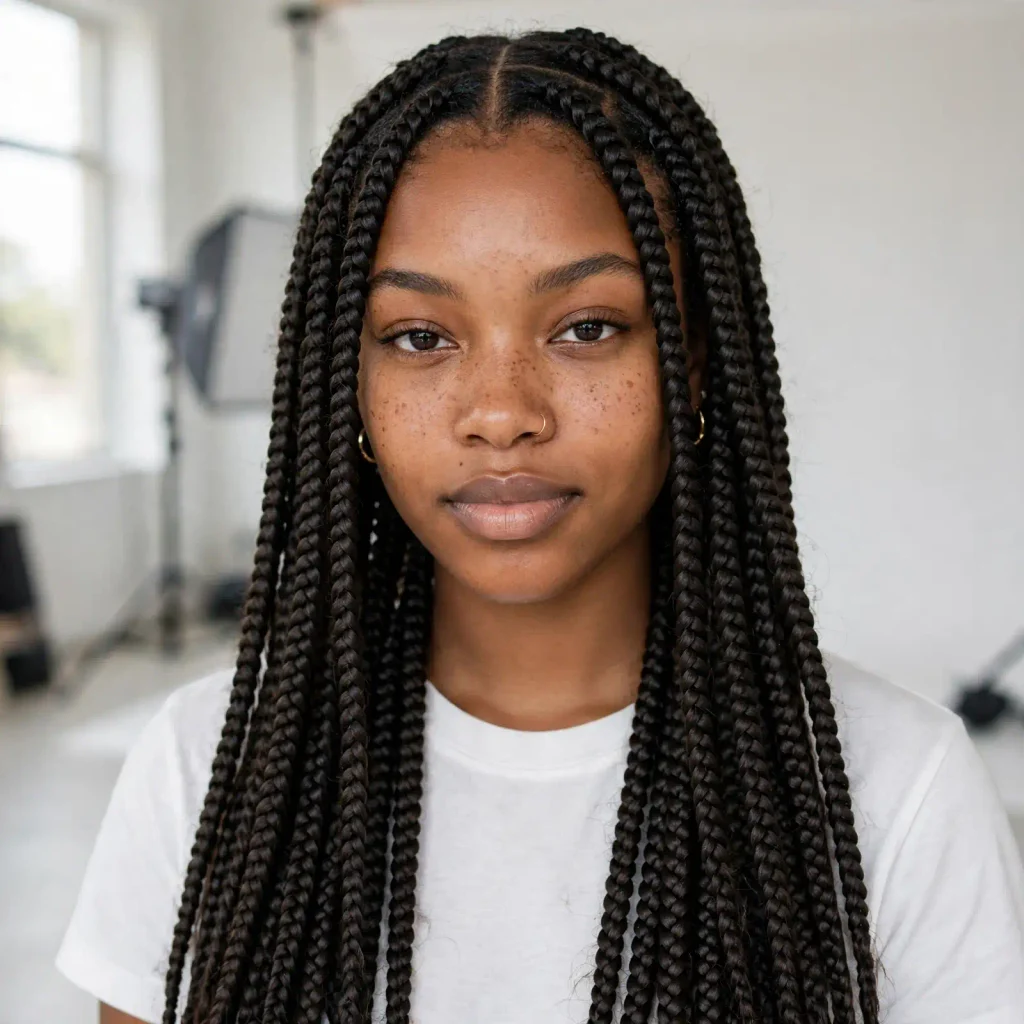
Box braids are the style most people picture first when they hear “protective style,” and for good reason. Natural or extension hair is sectioned into small or medium squares and braided down the length, tucking the ends away from daily friction entirely.
They suit natural, relaxed, and heat-damaged hair equally well, since the braiding itself does the protecting rather than relying on your hair’s own strength. Expect them to last four to eight weeks depending on how fast your edges grow out and how well you maintain your scalp underneath.
The detail that matters most: have them installed with a little give at the root rather than pulled bone-straight and tight. Tight box braids are one of the most common causes of traction alopecia along the hairline, and the tightness that looks neat on day one is the same tightness that causes damage by week three.
Knotless Braids
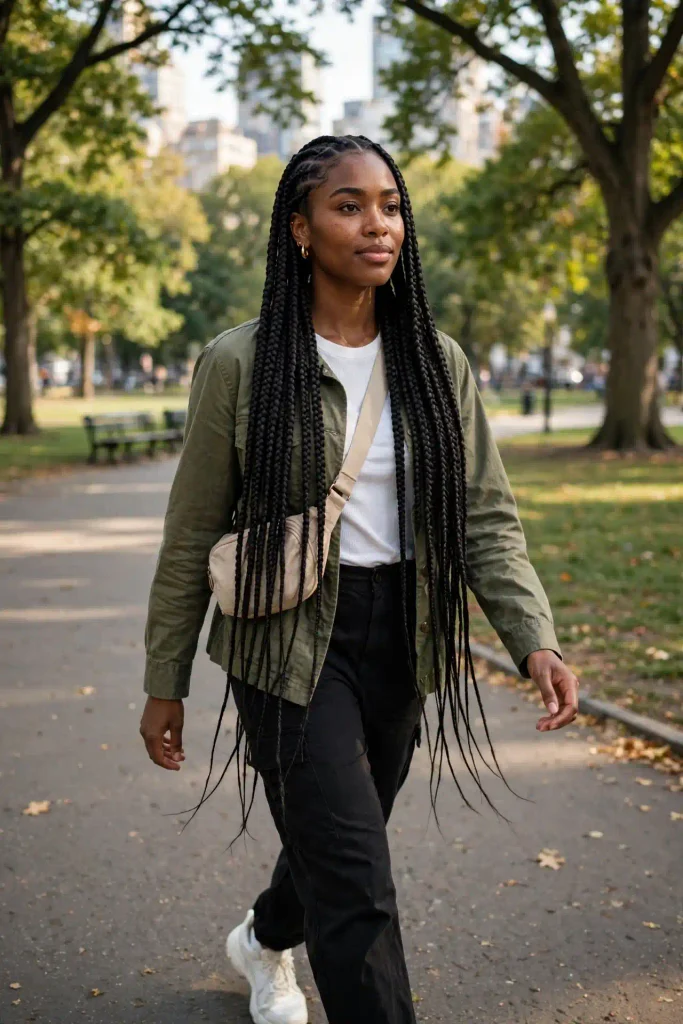
Knotless braids solve the single biggest complaint people have about traditional box braids, the tight, uncomfortable knot at the root that pulls from the first hour. Instead, the braid starts with your natural hair and extensions are fed in gradually as the braid progresses.
This makes knotless braids genuinely gentler on the scalp and a better choice for anyone with a sensitive hairline or thinner edges. They suit the same range of hair types as box braids and last a similar four to eight weeks.
They do take noticeably longer to install than traditional box braids, often an extra hour or more depending on length and density, but most people find the reduced tension worth the additional time in the chair.
Cornrows

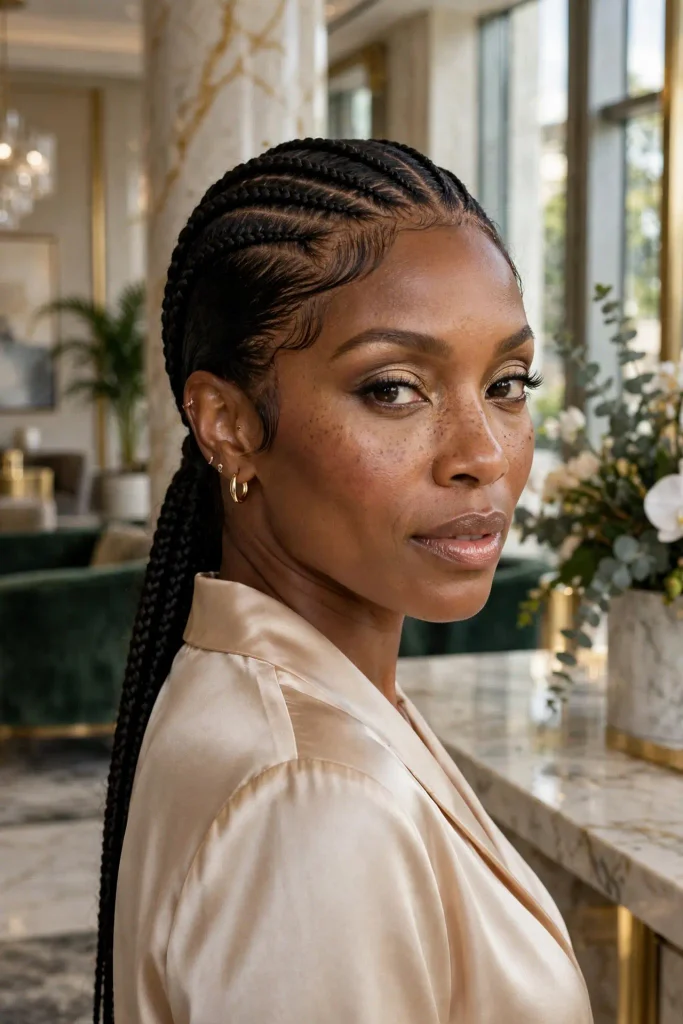
Cornrows are braided flat against the scalp in neat rows, and they’re one of the oldest protective styles for good reason: no hanging length to catch on clothing or pillows, and the flat pattern means almost zero daily manipulation once installed.
They work on nearly any natural hair length, though very short hair may need a small amount of added hair to create fuller, more defined rows. Plain cornrows without extensions typically last one to two weeks before needing a refresh, while cornrows with added braiding hair can last six to eight weeks like box braids.
The installation detail worth asking for specifically: rows that follow the natural direction your hair grows rather than a rigid straight-line pattern, since cornrows braided against the grain of growth put more tension on the follicle than rows that work with it.
Faux Locs
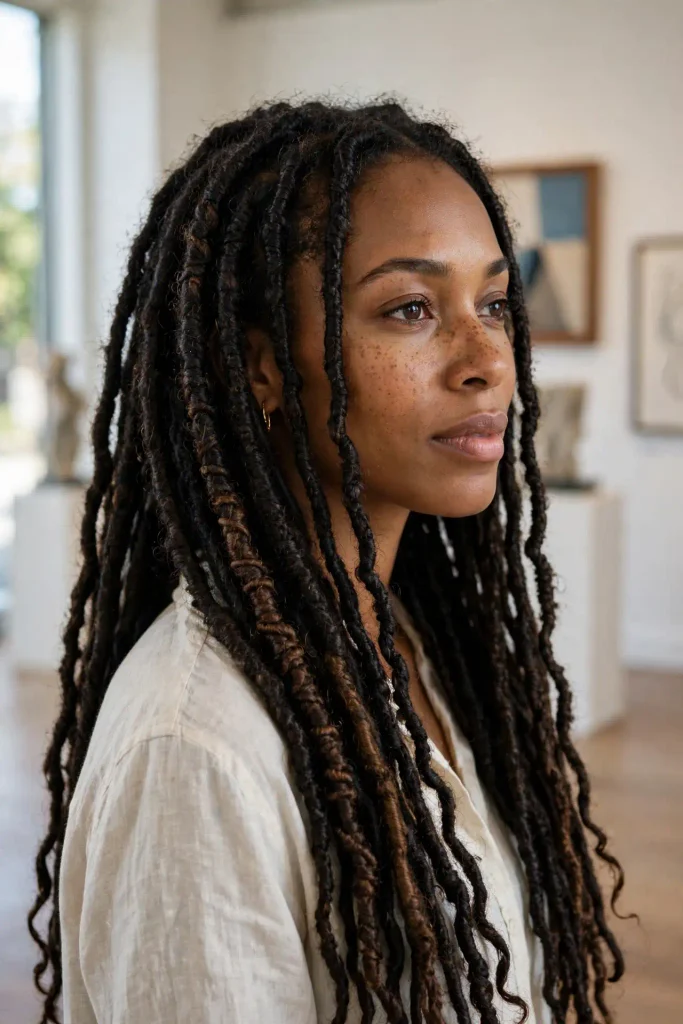
Faux locs give you the look of fully loc’d hair without the years-long commitment, using either a braid-and-wrap technique or a crochet method to create loc-like strands from extension hair wrapped around your natural hair.
They suit medium to long natural hair best, since very short hair doesn’t always give the wrap enough to grip. They last six to eight weeks, similar to braided styles, and the main maintenance is keeping the scalp clean underneath despite the wrapped, less-breathable structure.
A detail worth knowing: ask for a slightly looser wrap toward the root specifically, since a very tight wrap at the base is where most faux loc breakage and discomfort actually happens, not along the length.
Crochet Braids
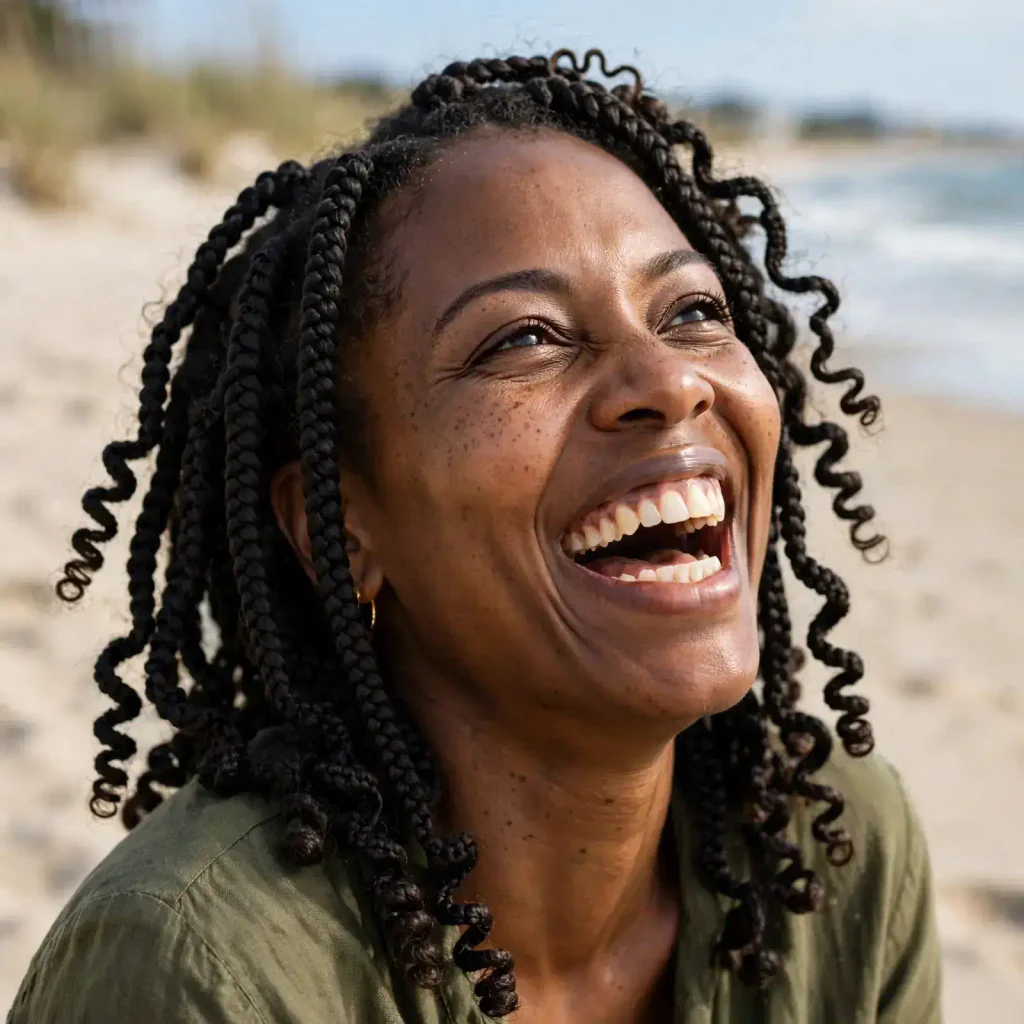
Crochet braids install pre-made braiding or curl pattern hair onto a base of your own cornrowed hair, using a crochet hook to loop each piece through. This makes the installation process itself notably faster than full box braids, often two to three hours rather than six or more.
They suit any natural hair length since the actual styling weight sits on the cornrow base rather than your own strands, making this one of the better options for shorter natural hair that isn’t quite ready for full box braids yet. They last four to six weeks, slightly shorter than box braids since the crochet loops can loosen with repeated washing.
The detail that extends their life: using a leave-in conditioner on the cornrow base underneath before and during wear, since that hidden base is still your real hair and still needs moisture even though it’s covered.
Twists (Two-Strand or Three-Strand)
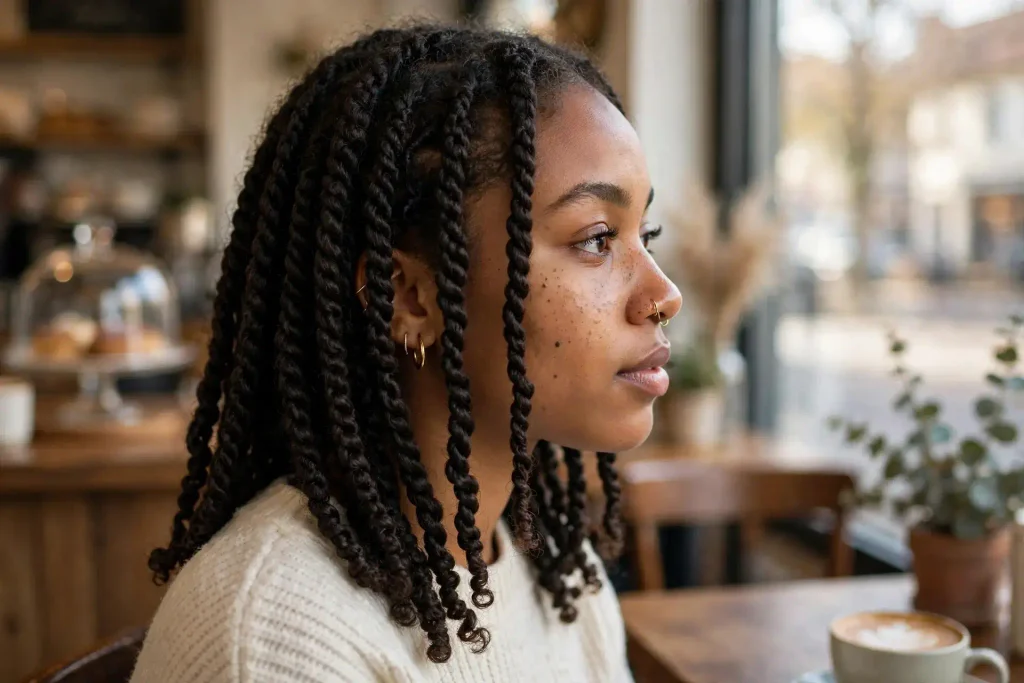
Twists, whether done with your natural hair alone or with added extensions, involve two or three sections wound around each other rather than braided. They’re generally considered gentler than braiding for very fine or fragile natural hair, since the twisting motion creates less friction at each cross-point than braiding does.
They suit natural hair of nearly any length and texture, and two-strand twists specifically are one of the few protective styles genuinely easy to do on yourself at home with practice. Without extensions, expect one to two weeks before they need redoing; with extensions, four to six weeks.
A small but important detail: twist from root to tip in one continuous motion rather than twisting in sections and connecting them, since connected sections create weak points that unravel first.
Senegalese Twists (Rope Twists)

Senegalese twists use extension hair twisted with your natural hair to create a smooth, rope-like finish, distinct from the chunkier look of standard two-strand twists. They have a sleeker, more polished appearance that many people prefer for professional settings.
They suit medium to long natural hair and last six to eight weeks, similar to box braids, since the twisting technique with added hair holds its shape about as long. Maintenance-wise, they need the same attention to the scalp underneath as any extension-based style.
The detail worth requesting: a rotating twist direction, some clockwise, some counter-clockwise, which some stylists use to reduce consistent directional pull on any one section of the scalp over the full wear period.
Flat Twist Updos
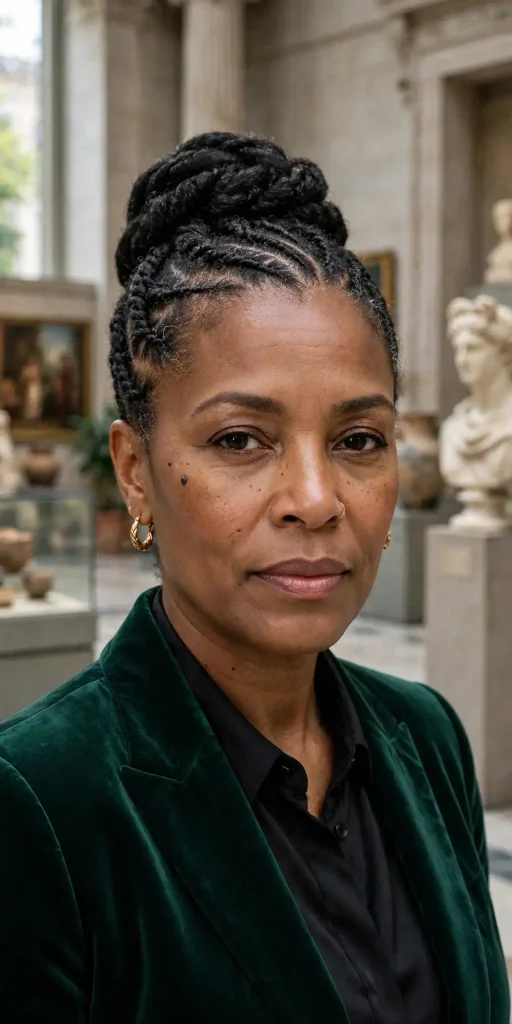
Flat twists work the same way cornrows do, lying close to the scalp, but use a twisting motion instead of a three-strand braid. They can be styled in simple rows or arranged into decorative patterns and gathered into an updo at the back.
They suit natural hair of most lengths and are one of the gentlest options on this list for anyone who needs a protective style but has a sensitive scalp or is recovering from previous tension damage. Without added hair, they last about one to two weeks; styled with the ends tucked into a bun, the overall look can be refreshed and maintained for longer.
A detail that helps: keeping the twists themselves looser than you’d think necessary, since the updo gathering at the back does most of the holding work, meaning the twists near the scalp don’t need to be pulled tight to stay neat.
Bantu Knots
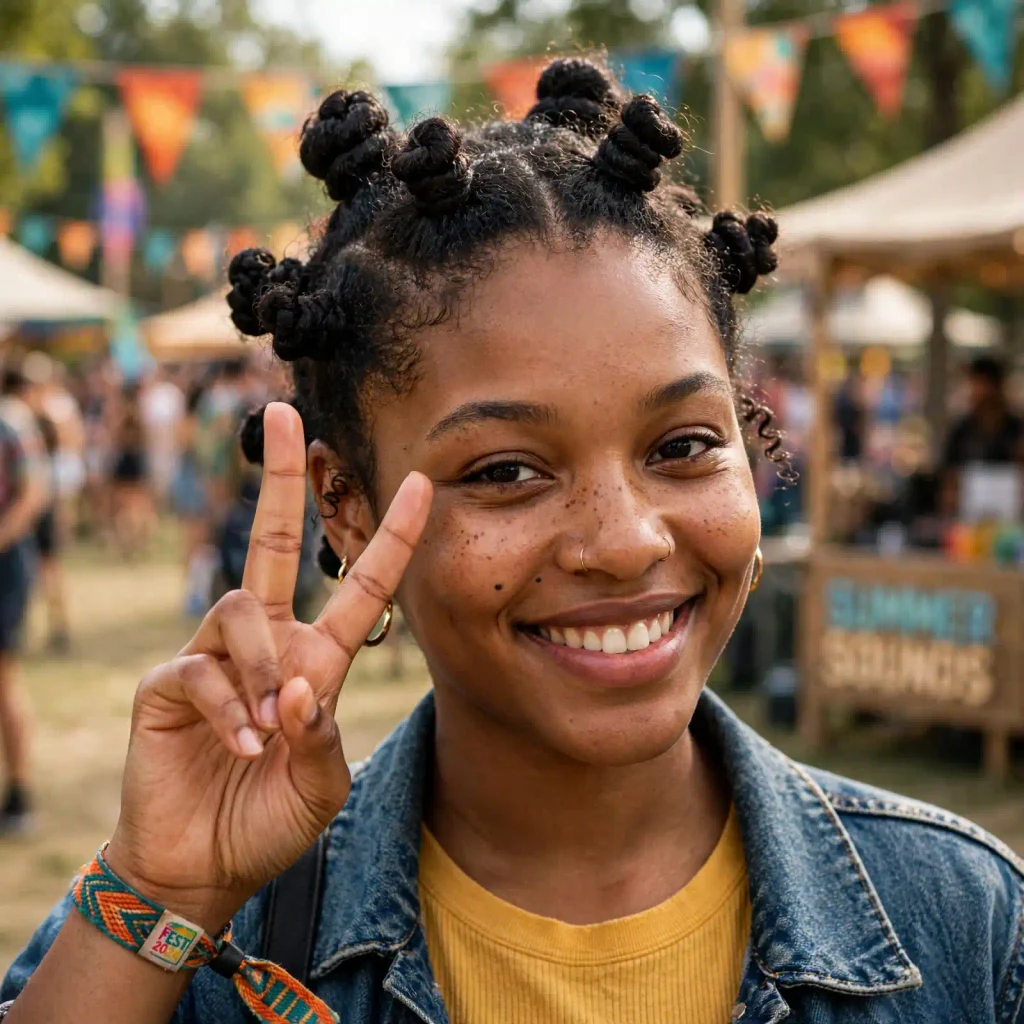
Bantu knots involve sectioning hair and wrapping each section tightly around itself into a small coiled knot against the scalp. Beyond being a style in their own right, they’re also commonly used as a heatless way to set curls that are released the next day.
They suit natural hair, particularly curly and coily textures, and can be worn as the finished style for several days to a week, or used overnight as a curl-setting method and taken down the next morning. The style itself is genuinely low-manipulation once installed, since there’s no loose hair to tangle or catch.
The detail that keeps them protective rather than damaging: avoid wrapping so tightly that the scalp feels pulled or tender, since the small, concentrated size of each knot means tension problems show up fast if the wrap is too severe.
Wigs and Protective Wig Installs
Wearing a wig over cornrowed or braided-down natural hair is one of the most genuinely protective options available, since your actual hair underneath receives zero daily manipulation at all while still letting you change your look completely on top.
This suits any hair type or length, since the natural hair is essentially tucked away and left alone. A proper cornrow base underneath can be worn for four to six weeks before needing a refresh, while the wig itself can be changed as often as you like.
The detail that makes the difference: moisturizing and lightly oiling the braided base underneath on a regular schedule, even though it’s hidden, since “out of sight” too easily becomes “out of mind” and dry, neglected cornrows underneath a wig can still cause breakage despite the wig itself doing no damage.
Silk Press with Protective Styling Underneath
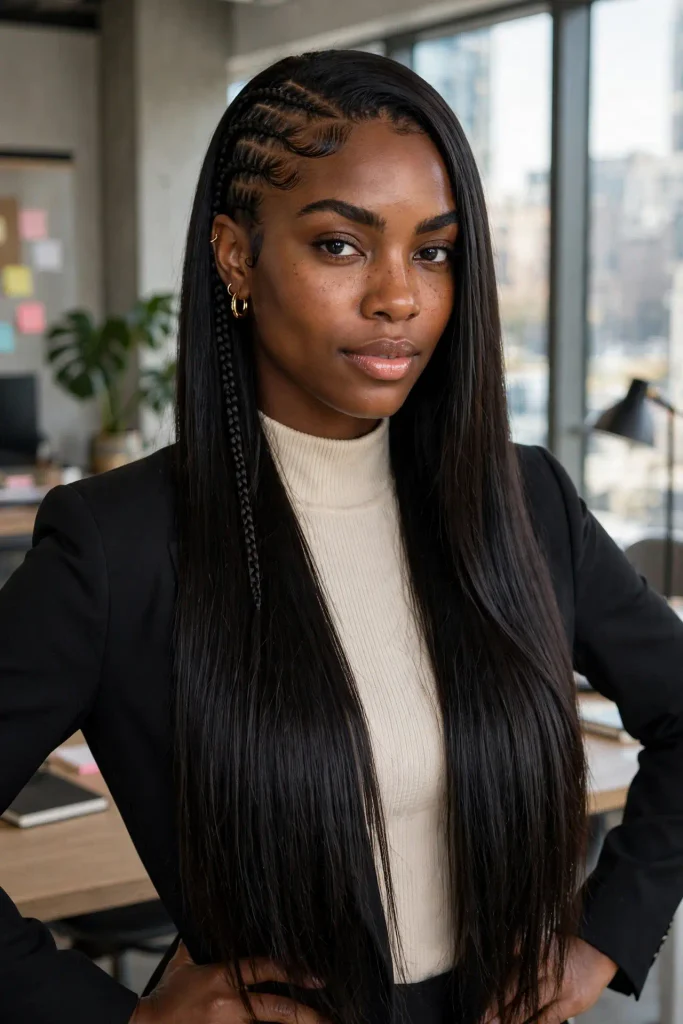
A silk press, meaning hair that’s been blown out and flat-ironed straight, isn’t itself a protective style, but it can be worn protectively when combined with nightly wrapping and minimal daily manipulation, essentially treating straightened hair with the same gentleness you’d give any other style.
This suits natural hair that’s been properly prepped with a heat protectant and suits anyone wanting straight hair without chemical relaxing. A well-maintained silk press can last one to two weeks between washes if wrapped carefully each night.
The genuinely important detail: this only counts as protective if you’re actually wrapping at night and avoiding daily heat touch-ups, since a silk press that gets re-flat-ironed every morning to maintain the style defeats the entire purpose and causes more cumulative heat damage than most other styles on this list combined.
Halo Braid or Braided Crown
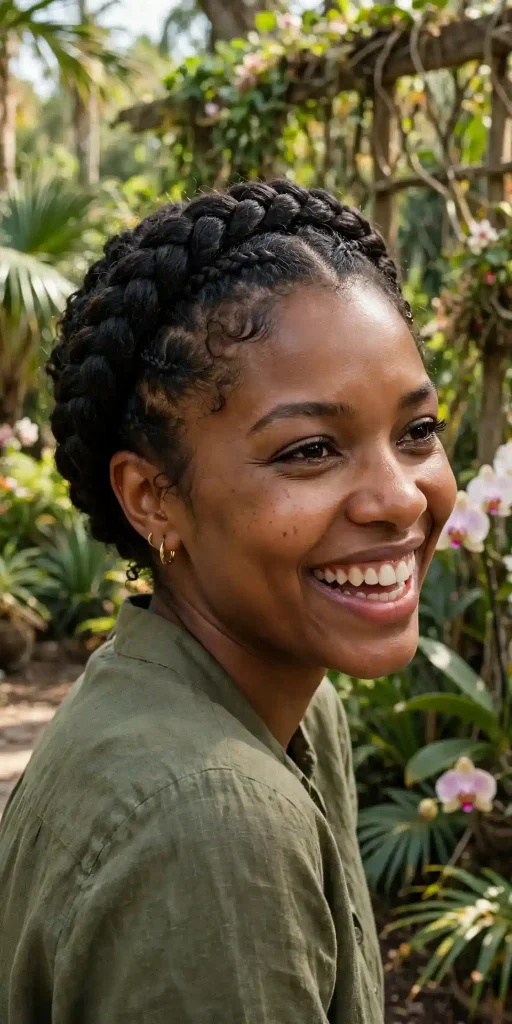
A halo braid takes one or two large braids and wraps them around the head like a crown, tucking the ends in securely so no loose hair hangs down at all. It’s one of the most complete protective styles for length specifically, since every inch of hair is contained within the wrap rather than hanging loose and exposed to friction.
It suits long natural, relaxed, or even straight hair, and can be done with or without extensions depending on your length. Without extensions it typically lasts a few days before needing to be redone; with extensions woven in, it can last several weeks.
The detail worth knowing: this style puts concentrated tension right at the hairline where the braid begins its wrap, so having it installed by someone experienced with the technique, or practicing the tension yourself if doing it at home, matters more here than with most other styles on this list.
How to Choose Between These Styles
If your main concern is a sensitive or thinning hairline, knotless braids, flat twists, and halo braids put the least direct tension on that specific area. If you want something you can realistically do yourself at home, two-strand twists, bantu knots, and simple cornrow patterns are the most beginner-friendly without a salon visit. If you want maximum length of wear with minimum upkeep, box braids, knotless braids, and Senegalese twists all comfortably reach the six-to-eight-week range. If you want your natural hair to genuinely rest without any manipulation at all, a wig over a cornrow base is the most hands-off option on this entire list.
Caring for Your Hair Underneath
Regardless of which style you choose, a few habits matter across the board. Moisturize your scalp regularly even while it’s covered, since a protective style isn’t a reason to stop caring for your hair, it’s a reason to care for it differently. Sleep with a satin or silk scarf or bonnet every night to reduce friction against cotton pillowcases. Avoid leaving any style in for longer than eight weeks regardless of how good it still looks, since prolonged wear past that point is when matting and buildup become genuine risks even with a well-installed style. And take a short break with your hair completely loose between protective styles when you can, giving your scalp a chance to breathe and your stylist or yourself a clear look at how your hair is actually doing underneath.
A Few Honest Signs a Style Is Too Tight
Pay attention to these regardless of which style you pick. Genuine pain or soreness in the first few hours after installation, not just an unfamiliar feeling but real discomfort, is a sign to loosen the style rather than wait it out. Small bumps or pimple-like irritation along the hairline a few days in often points to tension or product buildup rather than something to ignore. And if you notice short, broken hairs scattered along your hairline after taking a style down, that’s usually a sign the previous install was pulled tighter than it should have been, worth mentioning to your stylist before the next appointment.
Protective styling works best when it’s genuinely protective, not just low-maintenance. Choose the style that fits your hair’s actual needs right now, pay attention to how your scalp feels in the first few days, and don’t be afraid to ask for a looser install if something feels like too much from the start.