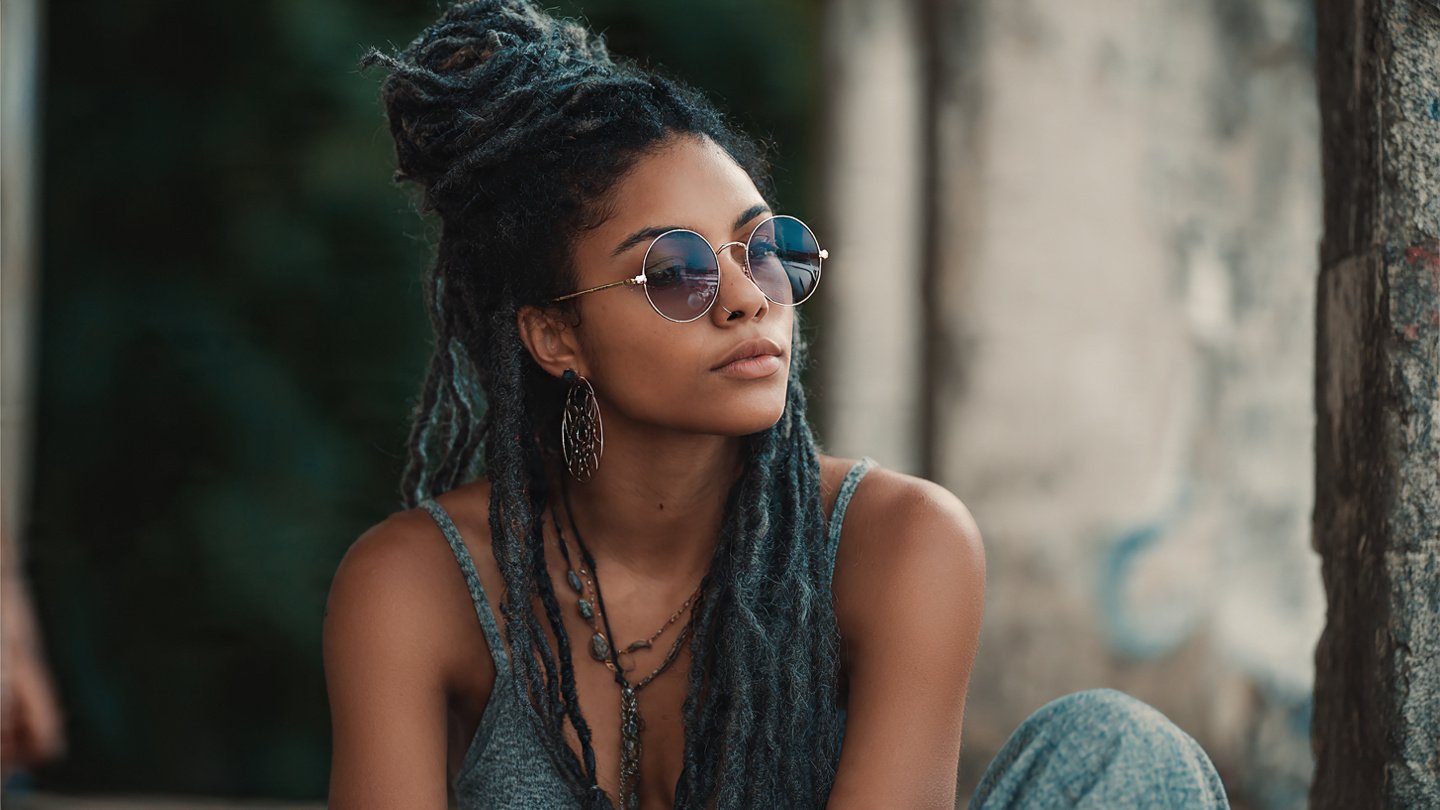
13 Dreadlock Hairstyle Ideas for Every Stage of Your Loc Journey
When my best friend started her locs, she was worried she’d be stuck wearing them the same way for years. Her starter locs were short, a little unruly and refused to hold any style she tried. “They’re just going to sit there,” she told me.
Fast forward a few years, and her locs reach her waist. She wears them in elegant buns, chunky braids, bouncy curls and twisted updos for weddings. Watching her journey taught me something important: every stage of locs has its own beautiful styling possibilities. You just have to know what works at each one.
So these 13 dreadlock hairstyle ideas are organized by the stage of your loc journey, from short starter locs to long, mature locs. Whether you started your locs last month or ten years ago, you’ll find something here to try.
A Note on the Word “Locs”
You’ll see me use the word “locs” throughout this post. Many people prefer it to “dreadlocks,” because some feel the older term carries a negative history. Locs have been worn for thousands of years across many cultures. They hold deep cultural and spiritual meaning, especially across the African diaspora and in the Rastafari faith. However you refer to them, they deserve to be celebrated and cared for.
Understanding the Stages of Locs
Locs change a lot as they mature, and so do the styles they can hold. Most loc journeys move through these stages:
- Starter stage: Freshly started locs, often as coils, twists or braids. They’re neat but delicate.
- Budding stage: Locs begin to swell, and little “buds” form inside as the hair starts to knot together. Frizz is normal here.
- Teen stage: Locs grow longer, puffier and sometimes stick up in different directions. Many people find this stage the most challenging.
- Mature stage: Locs become firm, smooth and heavy enough to hang down. They hold styles beautifully.
- Rooted stage: Fully mature locs that have stopped shrinking and simply keep growing.
Every journey is different. Some people move through these stages in a year or two, while others take longer, depending on hair texture and how the locs were started.
Starter Locs (Short and Delicate)
Starter locs are fragile, so styles should be gentle and low-tension. Think of this stage as a time to protect your locs while they settle.
1. Short Starter Coils With a Taper
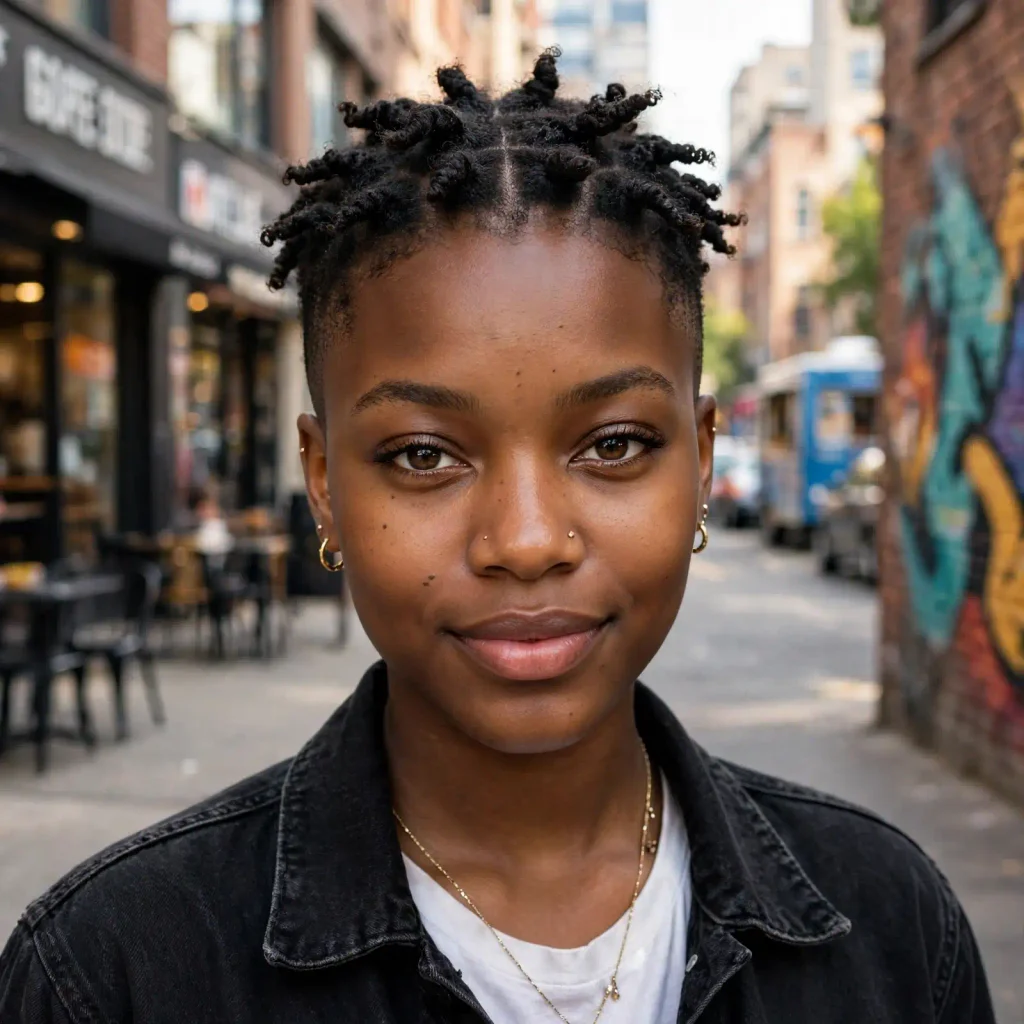
Short starter coils with a neat taper on the sides and back are clean, confident and incredibly low-maintenance. The taper keeps the overall shape tidy while your locs begin to form on top.
This is a wonderful option if you want a polished look from day one. Ask your loctician or barber to keep the taper light, so your edges stay healthy.
2. Starter Locs With a Headwrap

A colorful headwrap is a beautiful way to protect your starter locs and add personality at the same time. Wrap a large scarf around your head and tie it at the top or back, leaving your locs tucked inside or peeking out at the top.
It’s also a lifesaver on days when your locs feel frizzy or unruly. Satin-lined wraps are especially gentle on new locs.
3. The Mini Half-Up Puff

Gather the locs at the top of your head into a small, loose half-up puff and secure it with a soft scrunchie. Leave the rest of your locs down.
Keep the scrunchie loose. Starter locs can unravel if they’re pulled too tightly, and gentle styles help them mature evenly.
Teen Locs (Medium Length and Full of Personality)
The teen stage can feel a bit wild, but it’s also when locs start to hold real styles. Embrace the volume and the texture.
4. The Half-Up Loc Knot
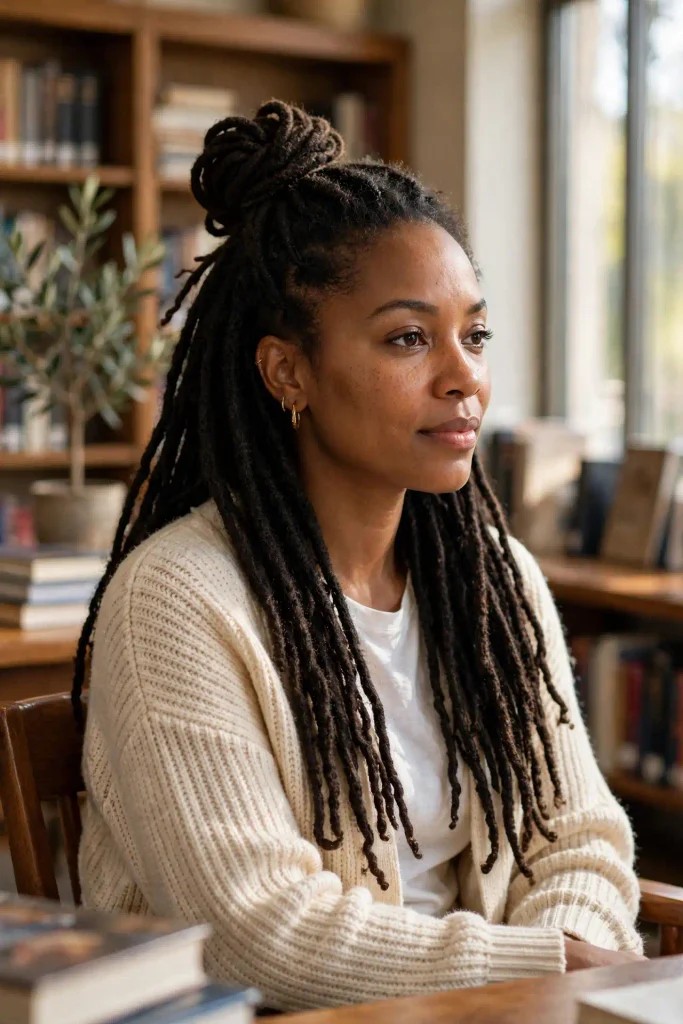
Gather the top half of your locs and twist them into a knot at the crown of your head. Secure the knot with a loc-friendly hair tie or a few large pins, and let the rest of your locs hang down.
It’s easy, stylish and keeps your locs out of your face while showing off their length and texture.
5. The Loc Bob With Curled Ends
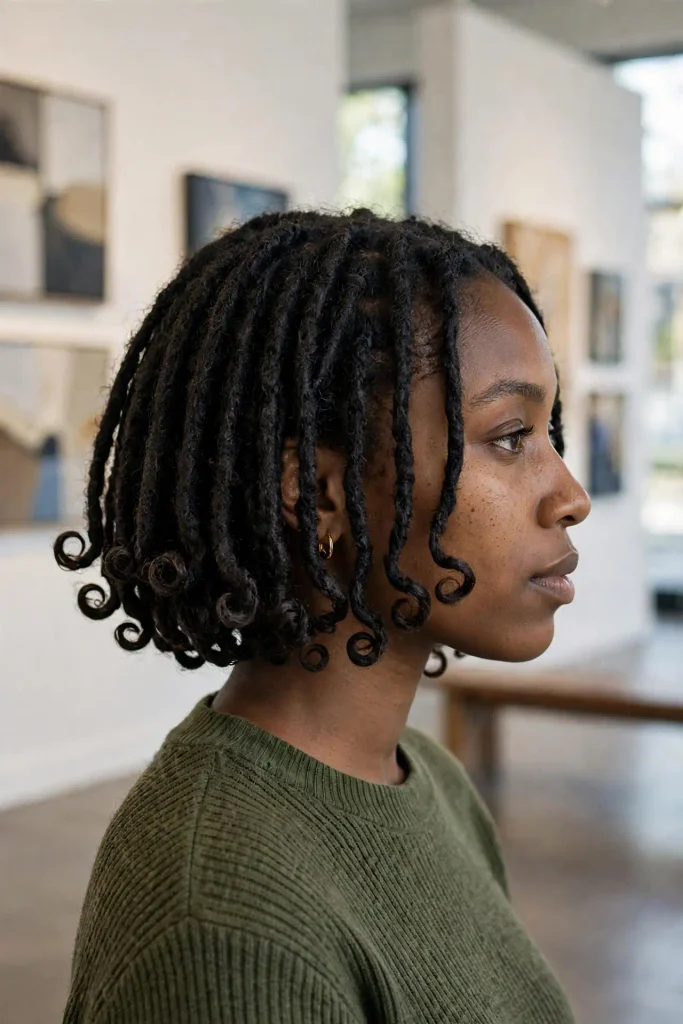
If your locs are around chin- to shoulder-length, try curling the ends with pipe cleaners or flexi rods overnight. In the morning, you’ll have a bouncy, rounded loc bob full of movement.
To curl your locs, wrap the ends around the rod or pipe cleaner while they’re slightly damp, then let them dry completely before removing.
6. Loc Pigtail Buns

Part your locs down the middle and twist each side into a bun near the top of your head. It’s playful and youthful, and it makes great use of medium-length locs.
Leave a few locs out around your face for a softer finish.
7. The Scarf Headband
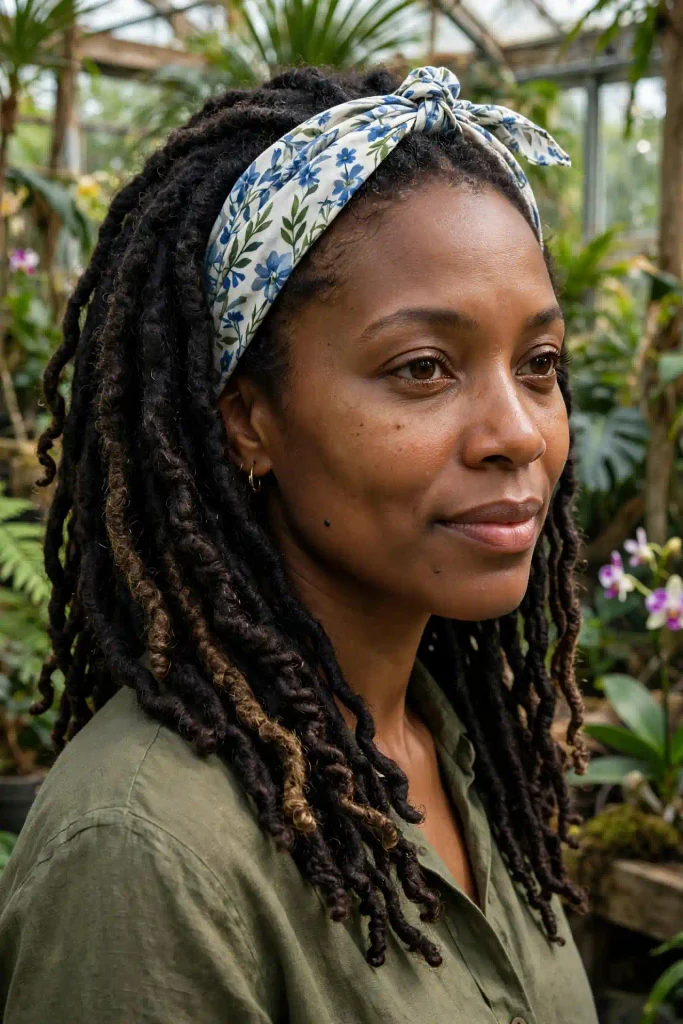
Fold a silk scarf into a wide band and tie it across your hairline, with the knot at the top or back of your head. Your locs stay loose and full behind it.
This style tames the puffiness of teen locs while adding color and polish. It’s perfect for casual days, errands and weekends.
Mature Locs (Long, Strong and Ready for Anything)
Mature locs are heavy, firm and can hold almost any style. This is when you can really have fun.
8. The High Pineapple Bun
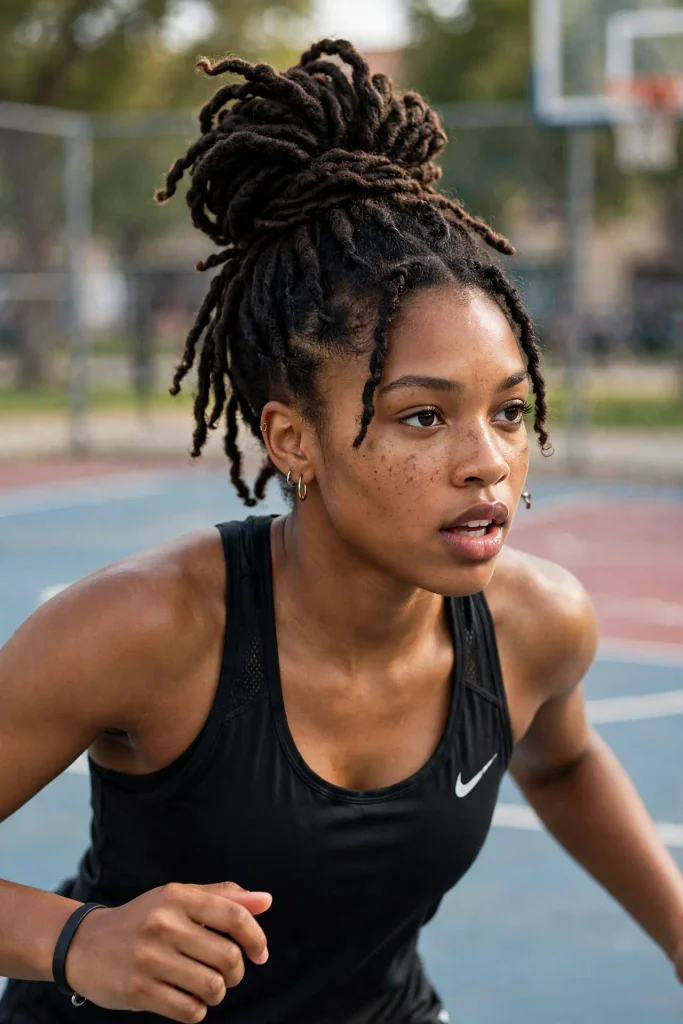
Gather all your locs high on top of your head and wrap them around themselves into a big, voluminous bun. Secure it with a loc-friendly tie or a few loose locs wrapped around the base.
It’s bold and regal, and it shows off your face beautifully. Keep it loose enough to avoid pulling on your hairline.
9. The Loc Petal Bun

A petal bun is created by looping sections of locs into curved “petals” and pinning them around a central point, like the petals of a flower. It’s elegant, intricate and absolutely stunning for special occasions.
It takes a little patience, but once you’ve mastered it, it becomes a go-to style for weddings and celebrations.
10. Braided Locs

Braid your mature locs together into one large, chunky braid down your back, or two braids on either side. Braiding locs creates a thick, textured braid that looks beautiful from every angle.
It’s also a helpful style to stretch your locs or keep them neat during busy weeks.
11. The Barrel Twist Updo
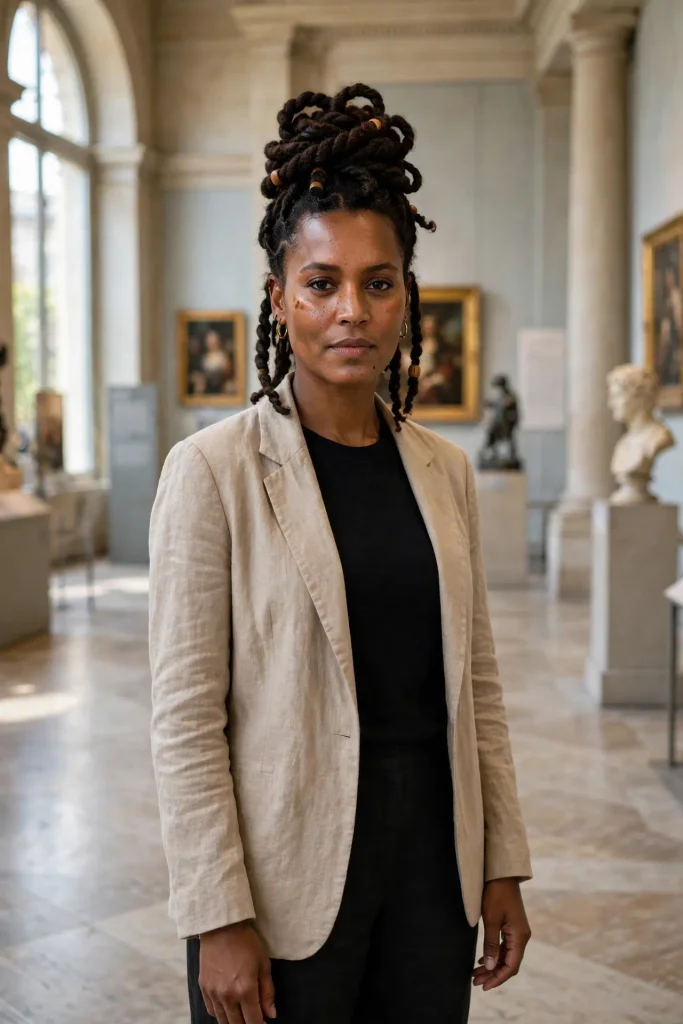
Barrel twists are created by rolling sections of locs into vertical, tube-shaped twists and pinning them in rows. The result is a sculptural updo that looks polished and sophisticated.
This style is a favorite for formal events, graduations and weddings. Many people book it with their loctician for the best results.
12. Heatless Loc Curls

Wrap your mature locs around pipe cleaners, flexi rods or perm rods while they’re slightly damp, and let them dry completely, ideally overnight. When you unwrap them, you’ll have bouncy, spiraling curls that last for days.
Choose larger rods for loose waves and smaller rods for tight spirals.
13. Loose Locs With Loc Jewelry
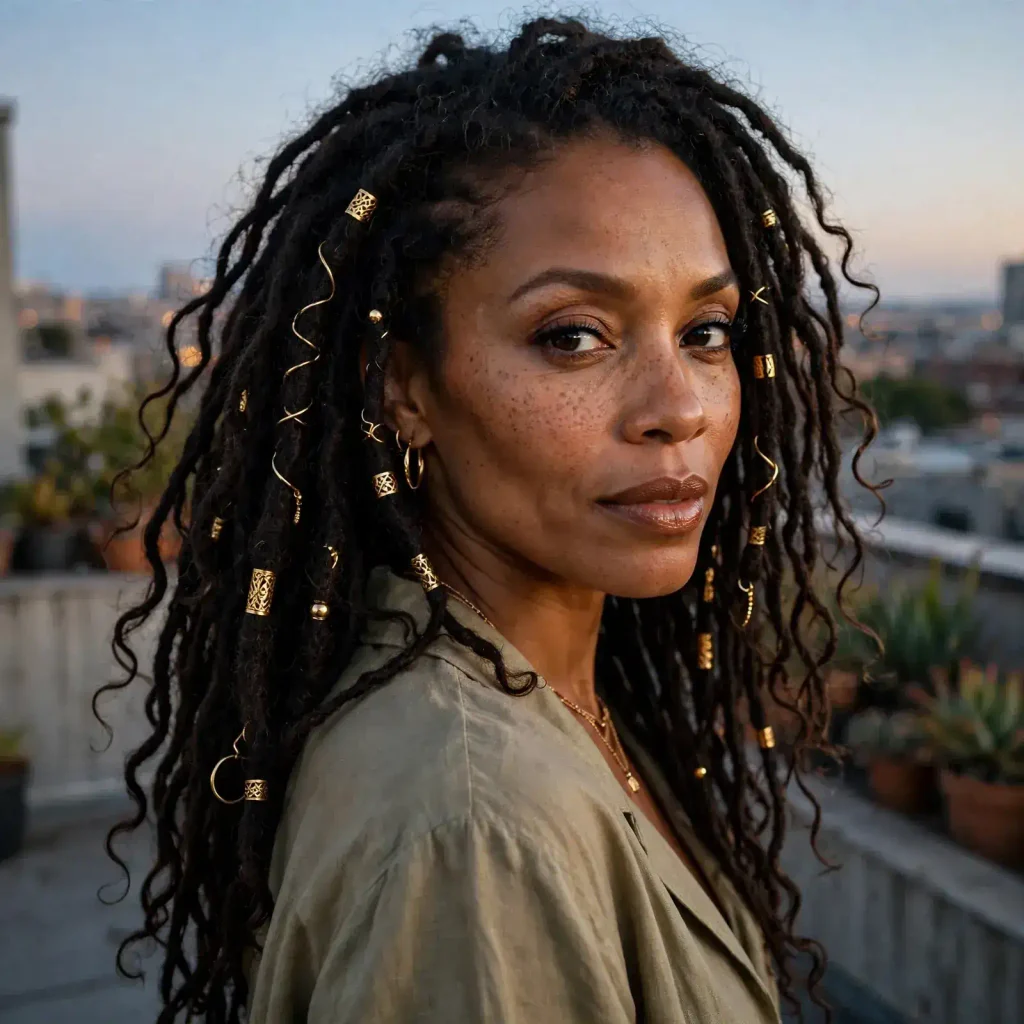
Sometimes the most beautiful style is simply wearing your locs down. Add loc jewelry, like gold or silver cuffs, beads, rings and wire wraps, to a few locs around your face and through your length.
It’s a simple way to celebrate your locs and add a personal touch. Choose lightweight jewelry, so your locs aren’t weighed down.
How Locs Are Started
The way you start your locs affects how they look and mature. The most common methods include:
- Comb coils: Small sections of hair are coiled with a comb. Popular for shorter hair.
- Two-strand twists: Hair is twisted into small two-strand sections that lock over time.
- Braids: Hair is braided, and the braids gradually turn into locs.
- Interlocking: A tool is used to pull the ends of the hair through the base of the loc, tightening it from the root.
- Freeform: Locs are left to form naturally, with very little manipulation.
- Microlocs: Very small, numerous locs that offer lots of styling versatility.
A loctician can help you choose the right method for your hair texture, length and lifestyle.
Retwisting vs. Interlocking
Locs need regular maintenance at the roots as your hair grows. The two most common methods are:
Retwisting: New growth at the root is twisted in the same direction as the loc, usually with a light gel or cream. It creates a smooth, polished look.
Interlocking: New growth is pulled through the loc with a tool. It creates a tight, secure root and can last longer between appointments.
Avoid maintaining your roots too often or too tightly. Over-retwisting can weaken your locs and lead to thinning.
Keeping Your Locs Healthy
Healthy locs start with a simple, consistent routine:
- Wash with a residue-free shampoo. Buildup can collect inside locs and weigh them down.
- Dry your locs completely. Locs hold water like a sponge. If they stay damp for too long, they can develop mildew, often called “loc rot.” Air dry thoroughly or use a hooded dryer.
- Moisturize lightly. A spritz of water, rosewater or a light oil keeps locs soft. Avoid heavy butters and waxes, which can build up.
- Protect your hairline. Avoid very tight styles, which can cause tension and hair loss along your edges.
Your Night-Time Routine
Protecting your locs at night keeps them neat and healthy:
- Wear a satin bonnet or loc sock to reduce frizz and friction.
- Sleep on a satin or silk pillowcase for extra protection.
- Tie your locs up loosely in a pineapple bun if they’re long.
Choosing a Loctician
A good loctician makes a huge difference, especially if you’re new to locs. When choosing one:
- Look at photos of their work on hair similar to yours.
- Ask about their maintenance methods, like retwisting or interlocking.
- Check how they protect your edges and avoid tension.
- Make sure you feel comfortable asking questions.
A great loctician will support you through every stage of your loc journey.
Final Thoughts
Locs are a journey, not a destination. Every stage, from tiny starter coils to long, mature locs, has its own beauty and its own styling possibilities. Be patient with the awkward stages, protect your hair, and have fun discovering what your locs can do.
Start with a style that suits your current stage, and save the others for when your locs grow into them.
Where are you on your loc journey, and which style are you trying next? Let me know in the comments below.