
15 Curly Ponytail Hairstyles, Filed Like Support Tickets and Finally Resolved
If curly hair had a customer support line, the ponytail category would generate more tickets than anything else. The slipping elastic, the flat crown, the bump at the root, the frizzy halo by noon, these aren’t new complaints, they’re the same five or six problems showing up in a different person’s bathroom every single morning.
So I pulled together the most common curly ponytail frustrations I’ve actually heard from friends, clients, and my own years of trial and error, and filed them the way a help desk would: ticket opened, problem described, resolution applied, case closed.
Ticket #1: “My Ponytail Slides Loose Within an Hour”
The Double-Elastic Anchor Method
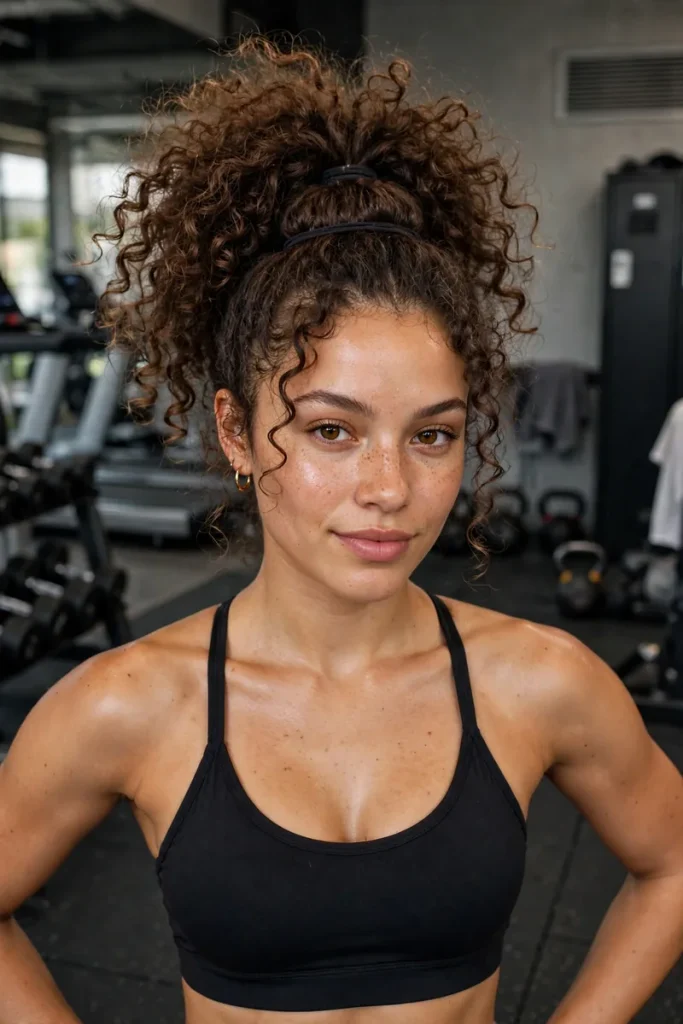
Status: Resolved. A friend who runs daily with her curls up told me she spent months blaming her hair texture for a ponytail that worked its way loose on every single run, until a trainer at her gym suggested wrapping two elastics instead of one, a slim one placed first close to the scalp, then a second, slightly thicker one over it an inch or so down the tail. The double anchor point distributes tension differently than a single elastic ever could, and she told me it was the first ponytail in years that actually survived a full workout intact.
Ticket #2: “The Crown Goes Completely Flat No Matter What I Do”
The Pre-Pony Root Clip Technique
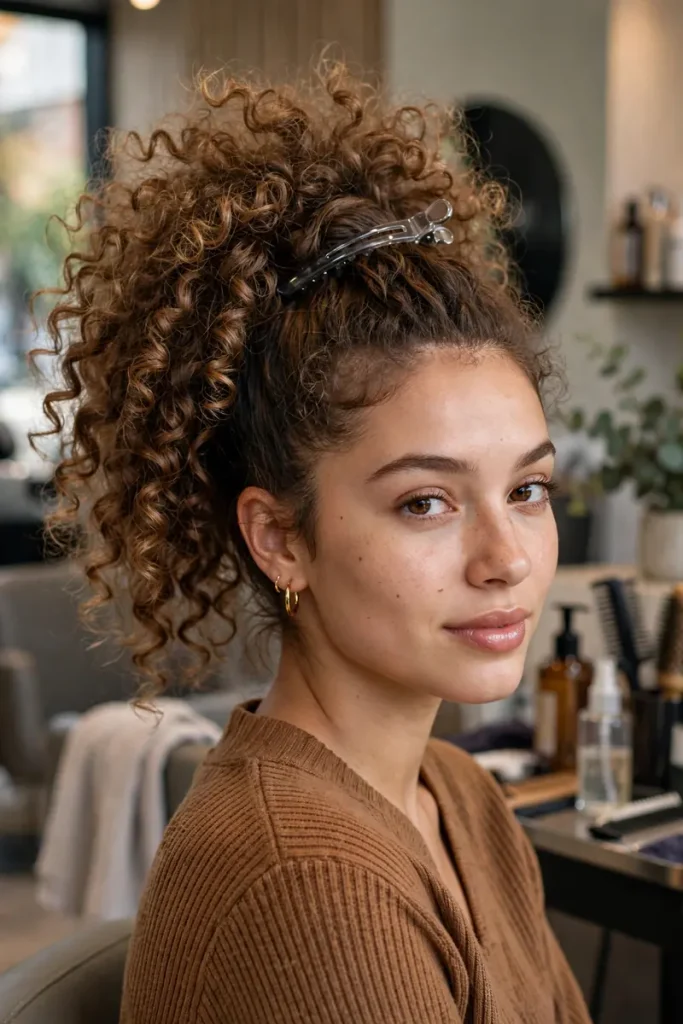
Status: Resolved. A coworker described gathering her curls into a ponytail only to watch the entire crown section compress flat within minutes, looking deflated compared to the volume she’d had moments before. The fix came from her stylist: before securing the final ponytail, clip the crown section up and away from the head for a few minutes while the rest settles, mimicking the volume a blowout brush would normally create, then release the clip and gather everything together. The small pause, she said, made a genuinely noticeable difference in how much lift survived the actual tying.
Ticket #3: “I Get a Visible Bump Right at the Elastic”
The Smooth-Wrap Covering Technique

Status: Resolved. A relative who’d worn curly ponytails her whole life finally solved a problem she’d simply accepted as inevitable, the small, unflattering bump of bunched hair right where the elastic sits. Her fix was wrapping a thin section of hair from underneath the ponytail around the base before securing it with a bobby pin, hiding the elastic and the bump at once. She told me she’d seen this trick described a hundred times for straight hair and simply never thought to try it on her own curls, assuming it wouldn’t translate, until one slow Sunday morning when she finally gave it a shot.
Ticket #4: “My Edges Frizz Up Immediately After I Tie It Back”
The Gel and Soft Brush Edge Method
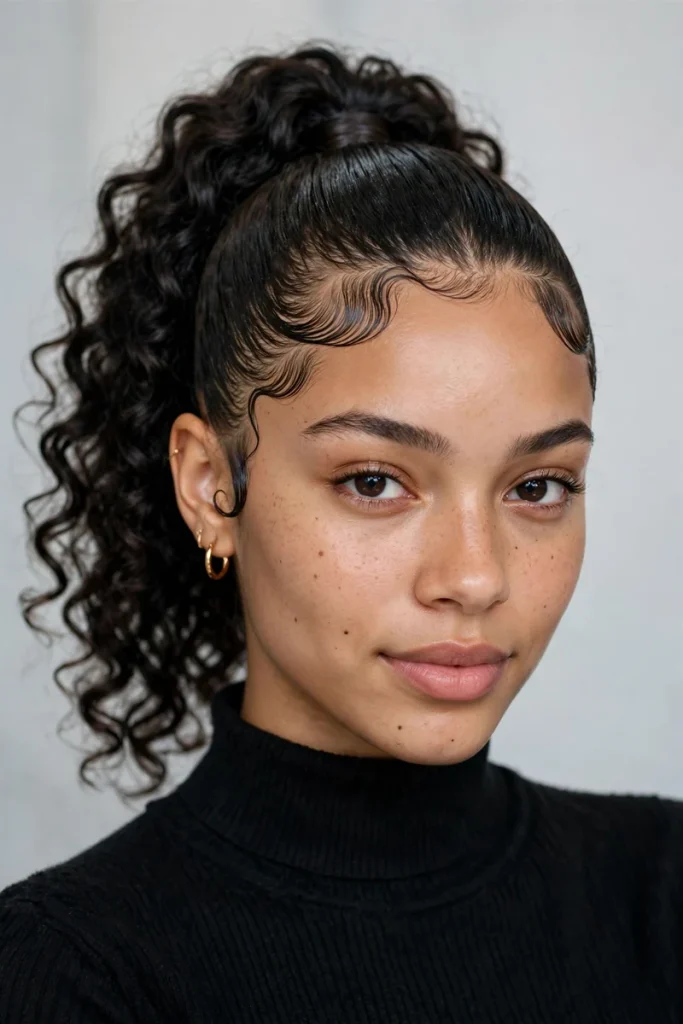
Status: Resolved. A friend described a recurring issue specific to her hairline, clean, defined curls through the body of her ponytail but a halo of frizz right along her edges within minutes of tying it back. A stylist showed her to apply a small amount of strong-hold gel specifically to just the hairline, smoothing it down with a soft-bristle edge brush in the direction she wanted it to lay, before gathering the rest of her curls up as usual. The targeted approach, treating only the problem zone rather than her whole head, solved something general anti-frizz products applied everywhere had never quite fixed.
Ticket #5: “The Ponytail Looks Great in the Morning, Sad by Afternoon”
The Midday Spray Bottle Refresh
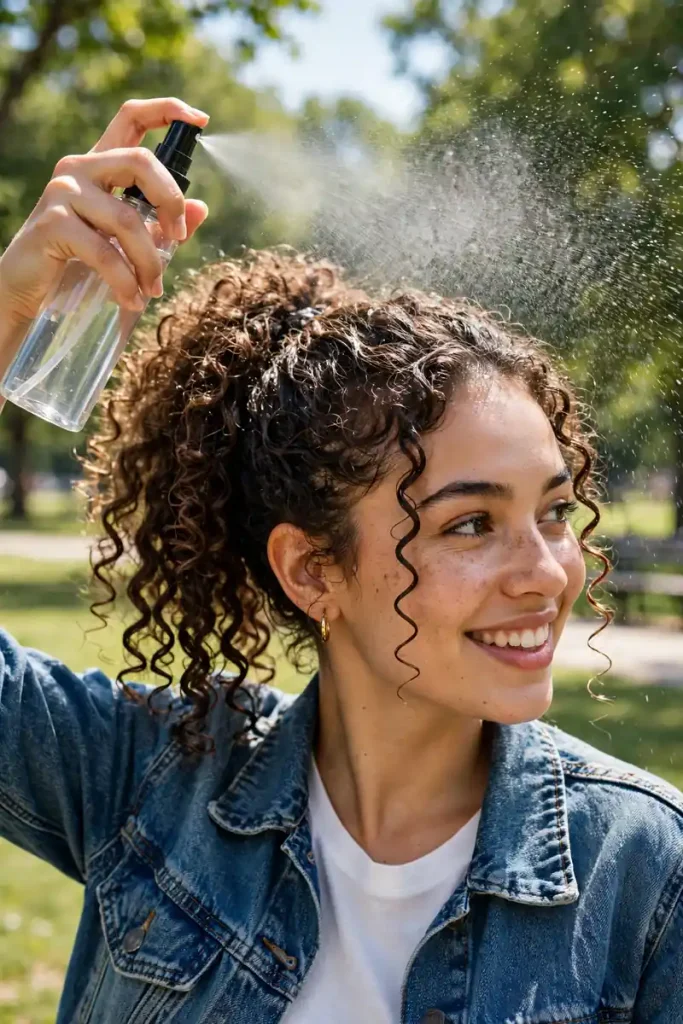
Status: Resolved. A nurse working twelve-hour shifts told me she’d basically given up on her ponytail holding any real definition past the first few hours, until another nurse suggested keeping a small travel spray bottle with diluted leave-in conditioner in her locker specifically for a quick midday spritz and scrunch, done right over the gathered ponytail without taking it down at all. The five-second mid-shift refresh, she said, extended the life of her morning styling by hours.
Ticket #6: “I Can’t Get a High Ponytail Without It Looking Lopsided”
The Mirror-Behind-Mirror Sectioning Trick
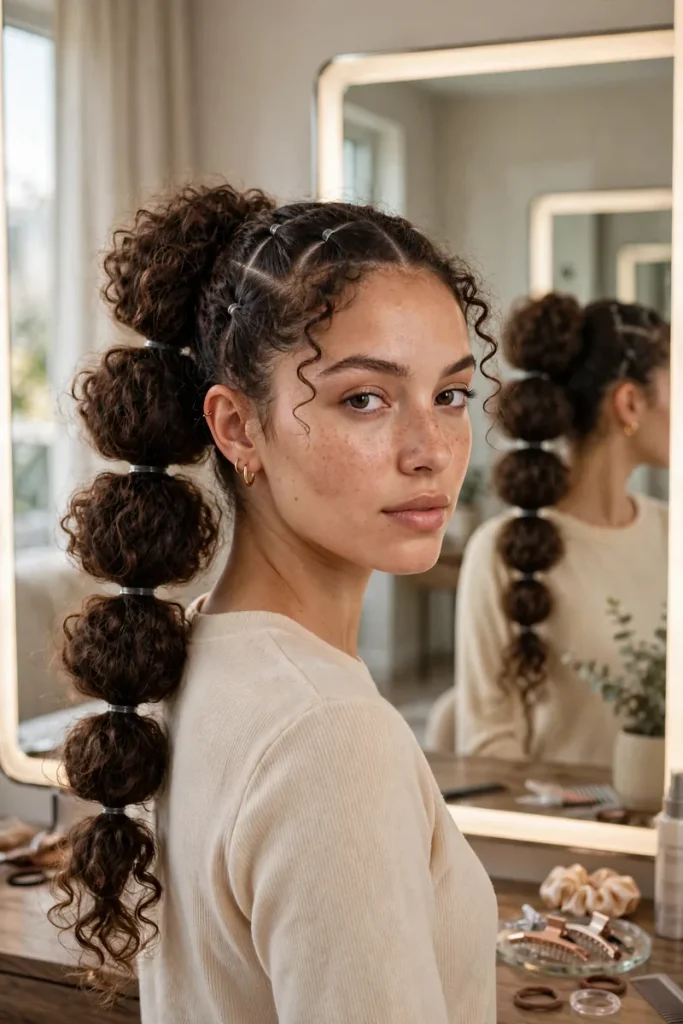
Status: Resolved. A friend described years of frustration trying to get a genuinely centered high ponytail, always ending up slightly off to one side without realizing it until she saw a photo later in the day. Her solution came from a stylist who showed her to use a second handheld mirror held up behind her head while facing her bathroom mirror, letting her actually see the back of her head and adjust the part and gather point before committing, rather than guessing based on feel alone.
Ticket #7: “My Curls Lose All Their Shape Once Pulled Back”
The Finger-Coil Touch-Up After Gathering
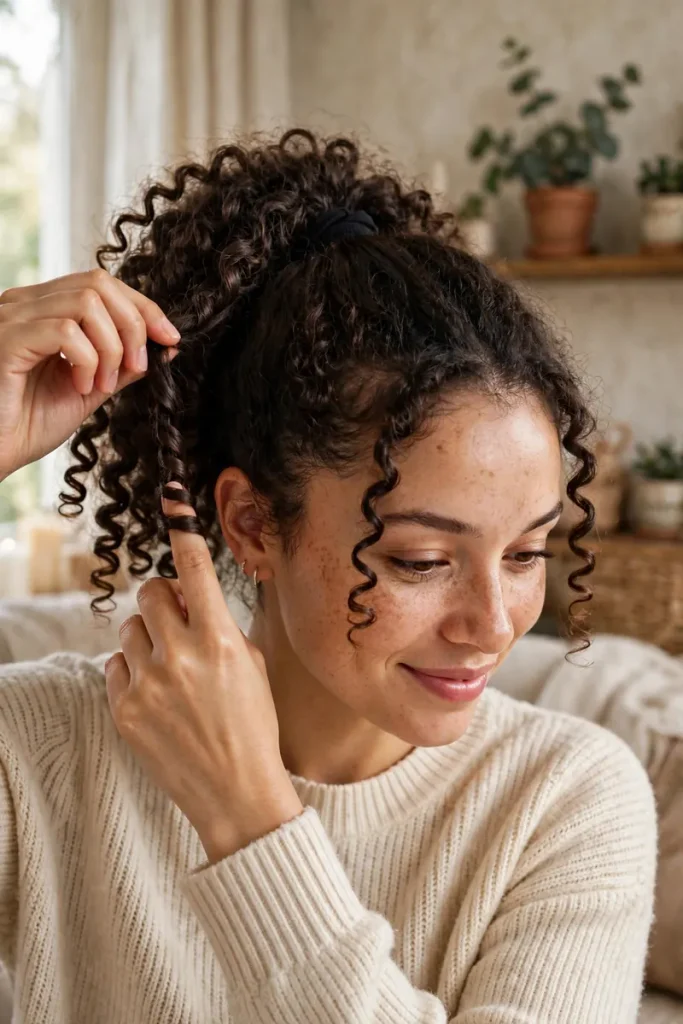
Status: Resolved. A woman I interviewed described the oddly specific disappointment of having beautifully defined curls down, only to gather them into a ponytail and watch the shape essentially disappear into one smooth mass. Her fix was going back in after securing the ponytail and re-coiling a few individual curls around her finger throughout the tail, reintroducing some of the definition the gathering motion had flattened out. It takes an extra minute or two, but she said it’s the difference between a ponytail that looks like an afterthought and one that looks deliberately styled.
Ticket #8: “I Need This to Survive an Entire Wedding, Dancing Included”
The Braided-Base Secure Pony

Status: Resolved. A bridesmaid described needing a curly ponytail sturdy enough to survive an entire reception of dancing without a single touch-up, since there’d be no time or mirror access once the party actually started. Her stylist’s solution was to flat-braid a small section right at the base of the ponytail before gathering everything, essentially building in a structural anchor that a plain gathered section couldn’t offer. She told me it held, genuinely, through the entire night, hours of dancing included, with barely a stray curl out of place by the time she saw photos the next day.
Ticket #9: “My Ponytail Looks Thin Compared to How Full My Hair Actually Is”
The Teased-Base Volume Boost
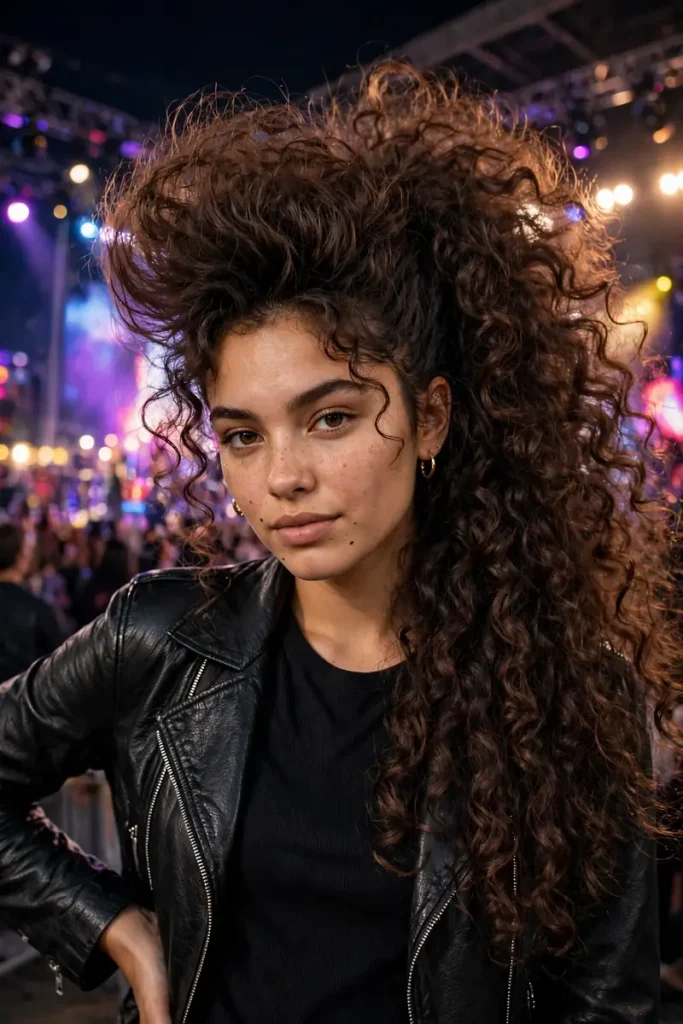
Status: Resolved. A client described a specific frustration, that despite having genuinely thick, voluminous curls, her ponytail always looked surprisingly thin and sparse once gathered, nothing like how full her hair looked worn down. The fix was a light backcombing at the very base of the ponytail, just where the elastic sits, before smoothing the top layer over it to hide the texture, a trick that adds visual thickness right where a ponytail most often looks deflated.
Ticket #10: “I Want a Low Pony but It Always Looks Too Plain”
The Wrapped-Ribbon Elevated Low Pony
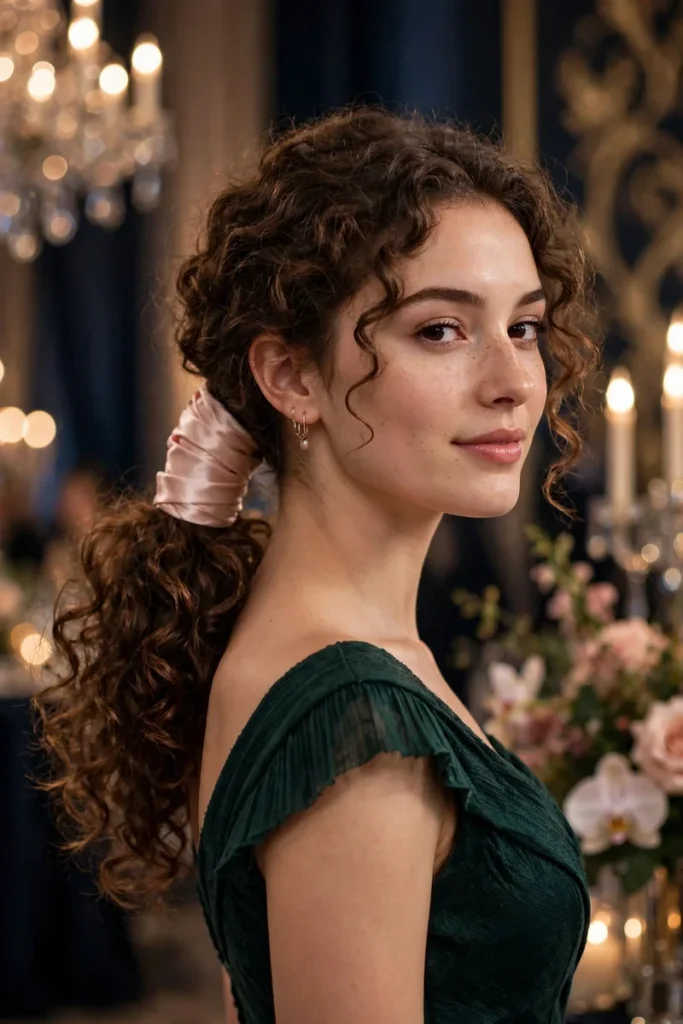
Status: Resolved. A friend described feeling like her go-to low ponytail, while practical, always read as an afterthought rather than an actual styling choice. Her simple upgrade was wrapping a thin silk ribbon around the elastic instead of leaving it bare, something that took about fifteen extra seconds but changed how finished the entire look read, especially for an evening occasion where a completely plain elastic felt a little too casual.
Ticket #11: “My Curl Pattern Gets Stretched Out and Loose From the Weight”
The Loosely Gathered, Not Tightly Pulled Method

Status: Resolved. A woman with looser curls described her pattern essentially unraveling into near-straight waves by the end of any day she wore it in a tight ponytail, the weight and tension pulling her curls out almost entirely. Her fix was deliberately gathering the ponytail more loosely than instinct suggested, leaving a bit of natural give rather than pulling everything taut, which preserved significantly more of her actual curl shape through the day compared to a tightly secured version.
Ticket #12: “I Have Two Different Curl Patterns and My Ponytail Looks Uneven”
The Two-Zone Product Approach
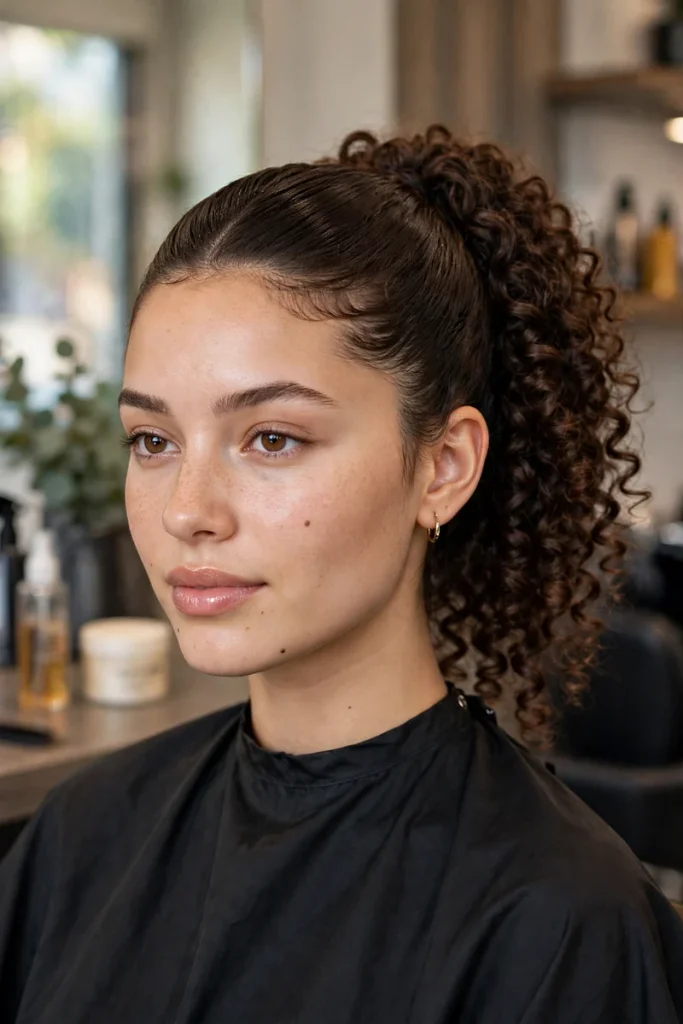
Status: Resolved. A friend with noticeably looser curls at her crown and tighter curls toward her nape described a ponytail that always looked strangely mismatched once gathered, like two different textures awkwardly combined. Her solution, suggested by a curl specialist, was applying slightly more product and a stronger hold specifically to the looser crown section before gathering, helping it hold shape more comparably to her naturally tighter-holding nape curls once combined into one ponytail.
Ticket #13: “My Ponytail Elastic Leaves a Visible Dent When I Take It Down”
The Spiral Wrap Elastic Technique
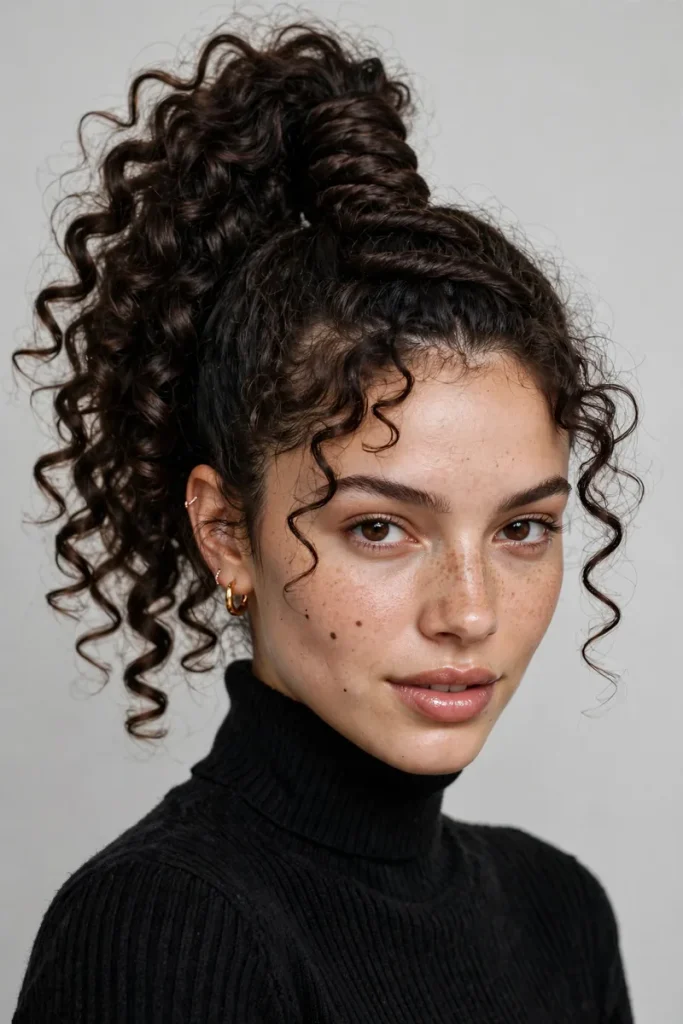
Status: Resolved. A client described the specific frustration of taking her ponytail down at the end of a long day to a visible, uncomfortable-looking crease where the elastic had sat. Switching from a standard rubber band to a fabric-covered spiral elastic, the kind that coils around itself rather than cinching straight, eliminated the dent almost entirely, something she said felt like an embarrassingly simple fix for a problem she’d lived with for years.
Ticket #14: “I Want My Baby Hairs to Look Styled, Not Just Frizzy”
The Toothbrush Edge Styling Method
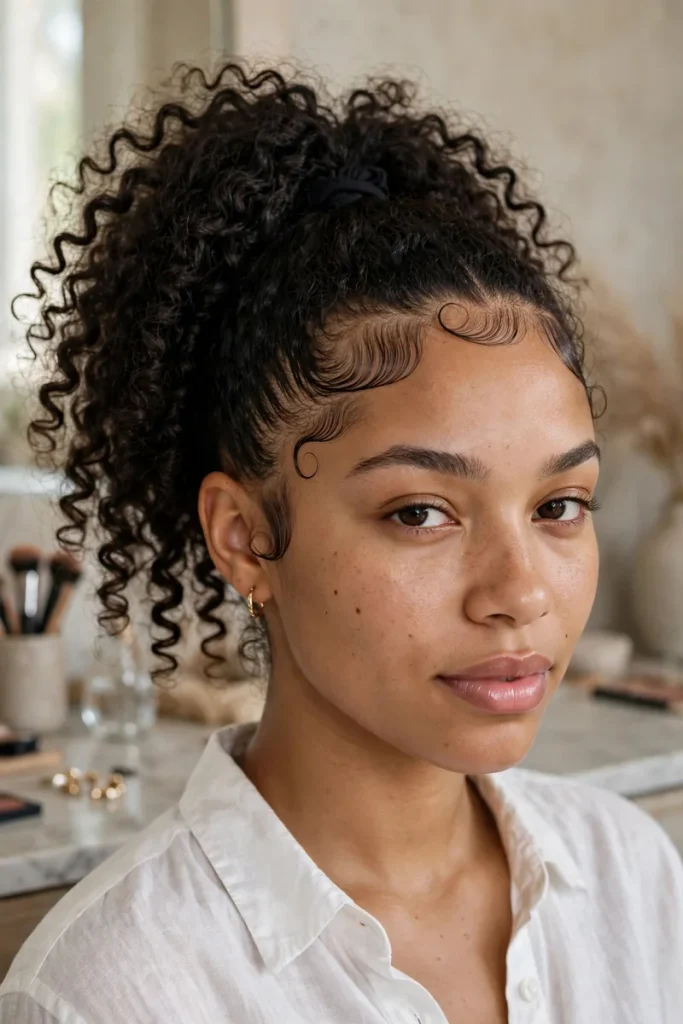
Status: Resolved. A younger client described wanting the swooped, styled baby hair look she’d seen online but finding her own attempts just looked frizzy rather than intentional. The actual technique turned out to be simpler than expected, a clean, unused toothbrush with a small amount of gel, used to brush individual short hairs into a deliberate swoop pattern along the hairline, a precision tool that a regular brush is simply too large to replicate.
Ticket #15: “I Can’t Decide Between Curly Down and a Ponytail for a Big Event”
The Convertible High-Half Pony
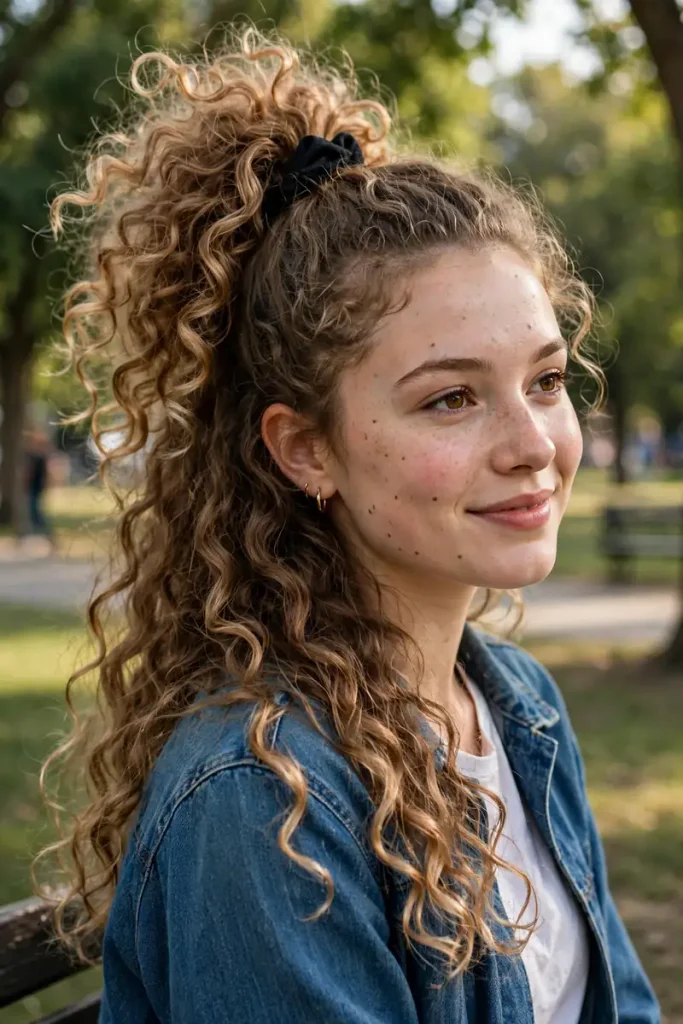
Status: Resolved. A bride-to-be described genuinely agonizing over whether to wear her curls down or up for her engagement photos, unable to choose between the two looks. Her stylist’s solution sidestepped the decision entirely, gathering just the top half into a high, secured section while leaving the rest down in full curls, giving her the structure and face-framing benefit of an updo with the soft, romantic effect of wearing her curls loose, essentially closing both tickets with one style.
Closing Out the Queue
Every single one of these fifteen tickets started as a genuine, specific frustration someone actually lived with, often for years, before stumbling onto the fix almost by accident or through someone else’s passed-down trick. If you’re currently dealing with one of these exact problems, slipping elastics, a flat crown, frizzy edges that refuse to cooperate, there’s a decent chance it’s not actually a flaw in your curl pattern at all, just a ticket nobody’s resolved for you yet. Pick the fix that matches your specific complaint, give it a real try rather than a half-hearted one morning, and close out your own version of the ticket.