16 Shocking Kitchen Storage Ideas That Make Clutter Disappear
A kitchen can look beautiful and still make you sigh every time you open a cabinet. One lid rolls out, three pans lean forward, and the snack shelf seems to create crumbs by magic. I once lived with a kitchen so small that opening the oven blocked the only useful drawer. It taught me something important: you do not always need more square feet. You need each inch to work harder.
These kitchen storage ideas combine useful organization with home decor. Some are easy weekend fixes, while others can inspire a future remodel. You will find options for tiny kitchens, rentals, and different budgets. The prices are rough estimates for the USA because materials and labor can vary by location.
Before shopping: Empty one problem area, measure it, and decide what truly belongs there. Buying organizers before sorting is how we end up storing empty storage bins inside other storage bins.
Storage That Works Behind Closed Doors
Start with the hidden spaces that cause daily trouble. These ideas make deep cabinets, sink areas, and drawers easier to see and use.
1. Pull-Out Pantry Cabinet
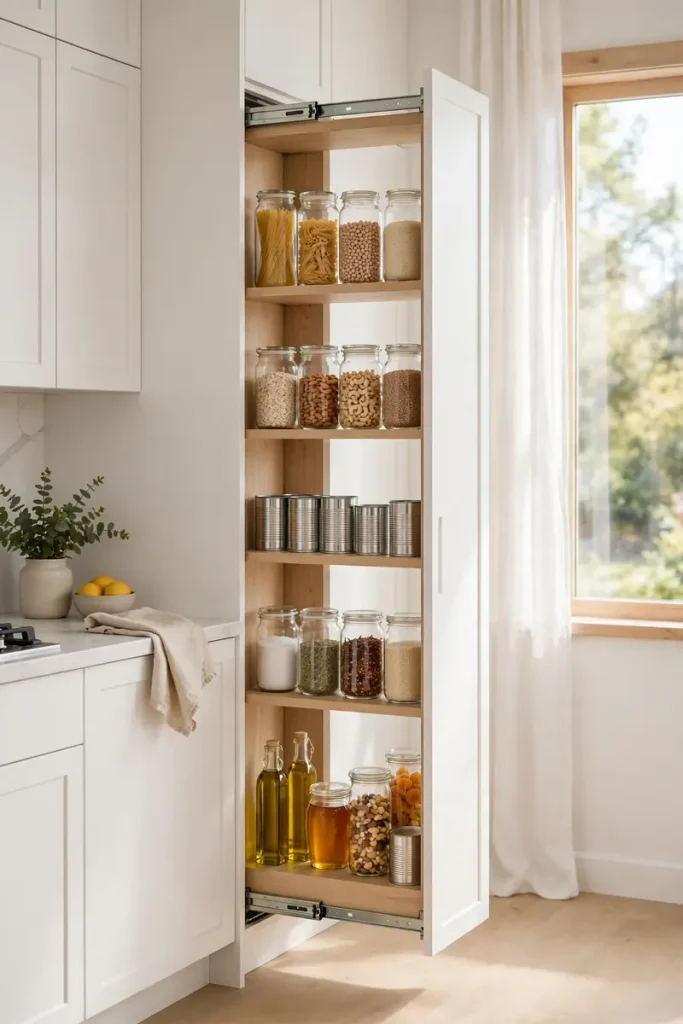
A pull-out pantry turns a narrow cabinet into storage you can see from both sides. It is wonderful beside the refrigerator, where an awkward gap might otherwise collect dust and one lonely grocery bag. Use the top for light snacks, the middle for everyday staples, and the bottom for heavier bottles. A slim ready-made unit may cost $150 to $500, while custom cabinetry can reach $1,000 or more. Renters can get a similar effect with a narrow rolling cart. Measure the opening, baseboard, and refrigerator door before buying. I once measured the gap but forgot the handle. The pantry fit beautifully; the fridge could barely open. Very stylish, not very useful.
2. Open Floating Shelves
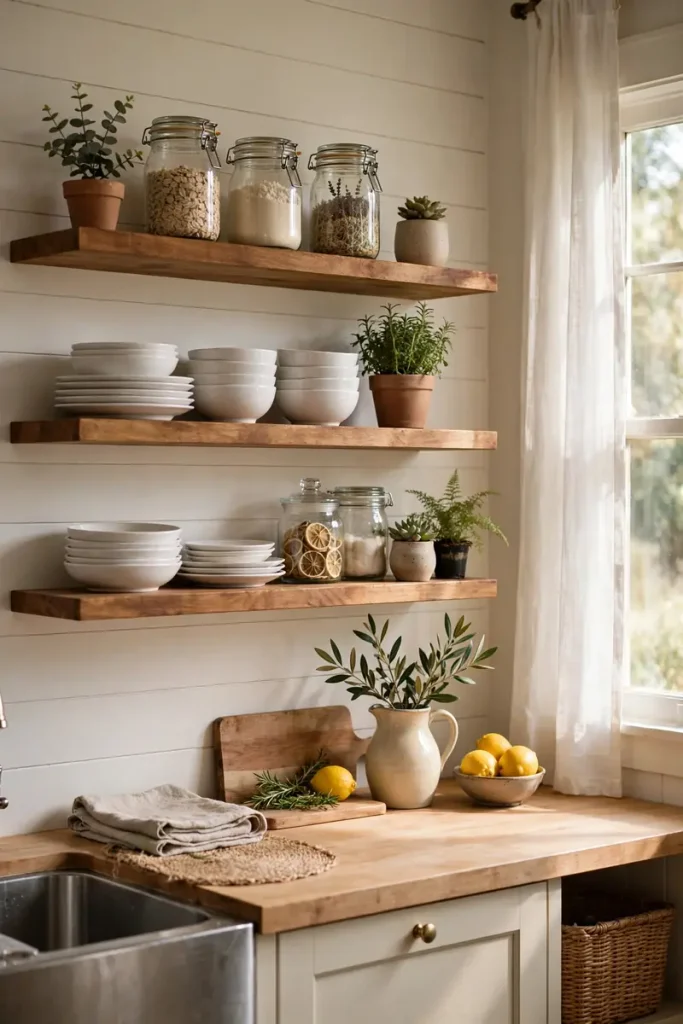
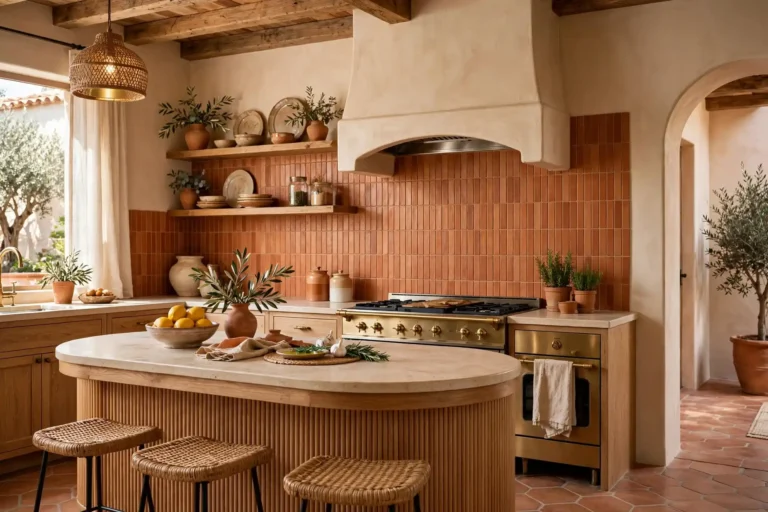
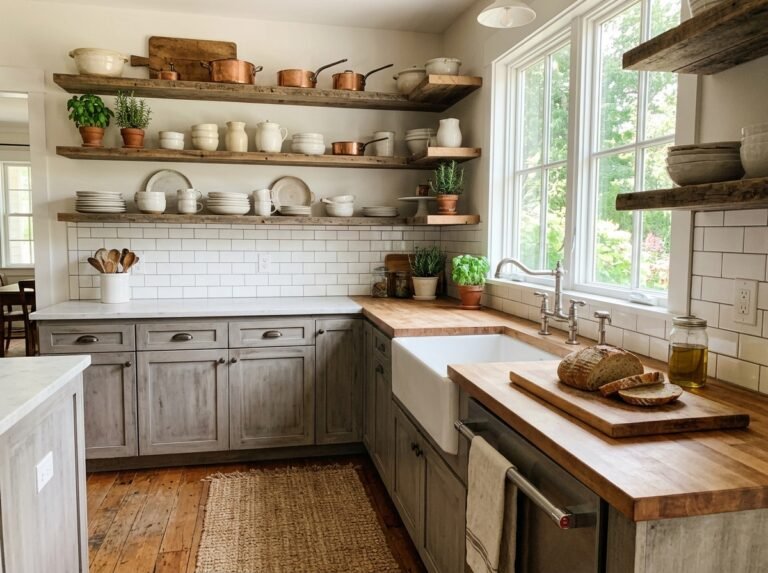
Floating shelves make an empty wall useful while adding warmth and character. Keep everyday plates and bowls on the lowest shelf, then place less-used serving pieces above. Repeating two or three colors keeps the display calm instead of crowded. A pair of basic shelves can cost $40 to $150; solid wood and hidden brackets cost more. Renters can use a freestanding shelf unit for the same airy feeling without drilling. Leave a little blank space around each group. Open storage works best when every inch is not packed. Think helpful home decor, not a tiny store that forgot to close for the night.
3. Under-Sink Sliding Organizer
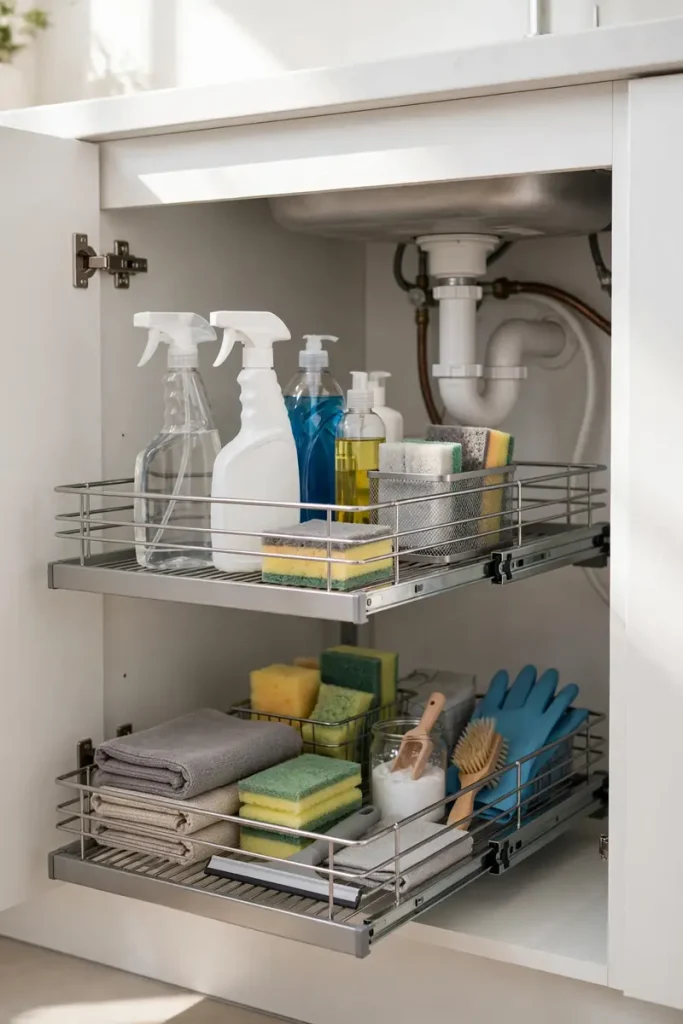
The cabinet under the sink can become a dark cave of cleaners and lost sponges. A sliding organizer brings everything forward, so you do not have to kneel and explore. Choose a two-tier model that fits around the pipes, and place leak-prone bottles in a washable bin. Most organizers cost $25 to $80 and require no permanent changes, making this an easy renter-friendly fix. Measure around the disposal and plumbing before ordering. Keep only cleaning supplies here, not food or paper products that could be damaged by leaks. My rule is simple: if I cannot reach it in five seconds, it will probably live under there until the next decade.
4. Lazy Susan Corner Cabinet
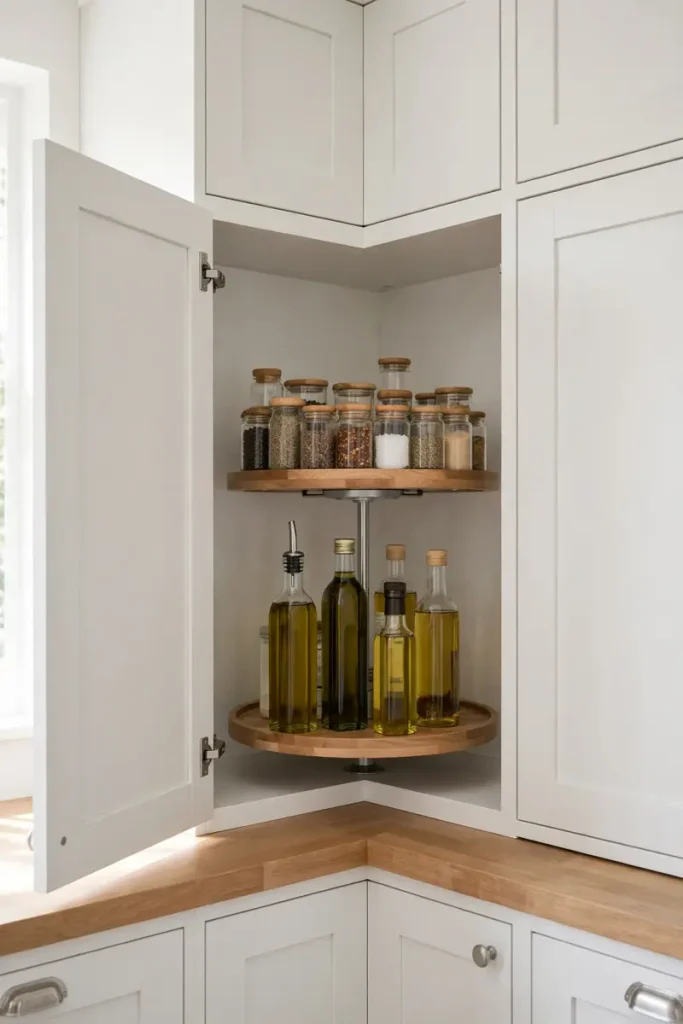
Corner cabinets are deep, but much of that space can be hard to reach. A Lazy Susan brings items to you with one easy turn. Use it for oils, sauces, mixing bowls, or small appliances, depending on the shelf strength. Simple turntables start around $15, while built-in corner systems may cost $200 to $800. Renters can place a removable turntable inside an existing cabinet. Group similar items in small bins so nothing tips while spinning. Do not overload the center, and keep tall bottles away from the edge. It should rotate smoothly, not launch olive oil like a very expensive carnival ride.
Put Your Walls and Open Space to Work
Now look above the counter and around the room. Smart wall storage can free cabinets while adding color, warmth, and personality.
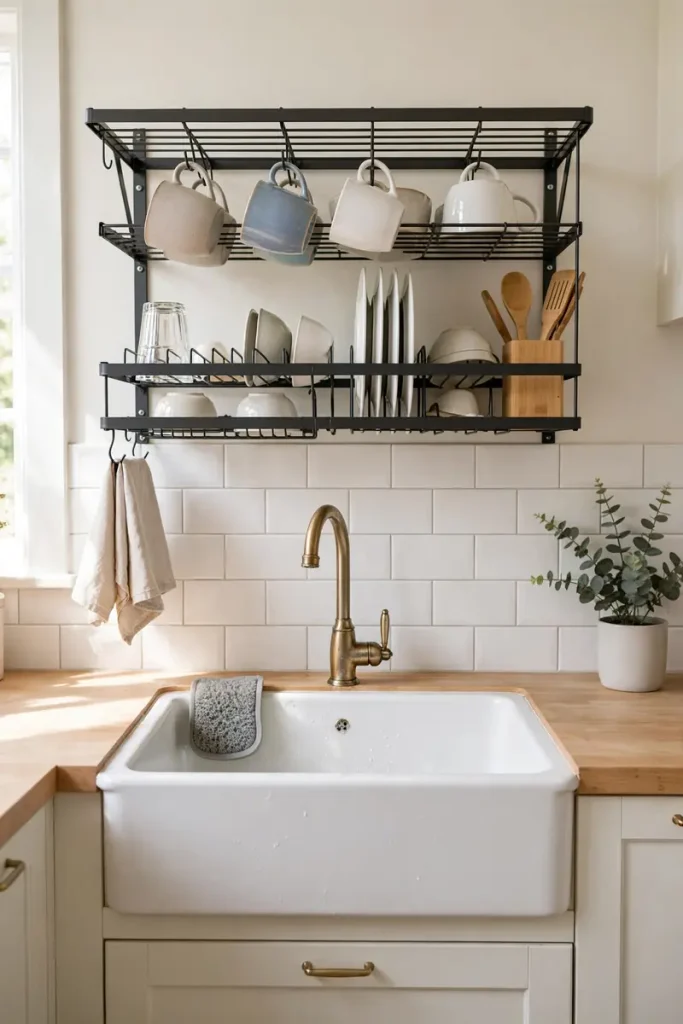
5. Over-the-Sink Shelf Rack
The space above the sink is often unused, especially in a small kitchen. A narrow shelf rack can hold soap, a drying tray, mugs, or a few herbs while keeping the counter clear. Pick rust-resistant metal or sealed wood, because this area gets wet. Freestanding over-sink shelves usually cost $30 to $120 and are friendly for rentals. Wall-mounted versions feel more built in but need secure anchors. Measure the faucet height and window swing first. Keep heavy dishes on the lowest level. A tiny plant looks lovely here too—just choose one that will forgive the occasional splash and your uneven watering schedule.
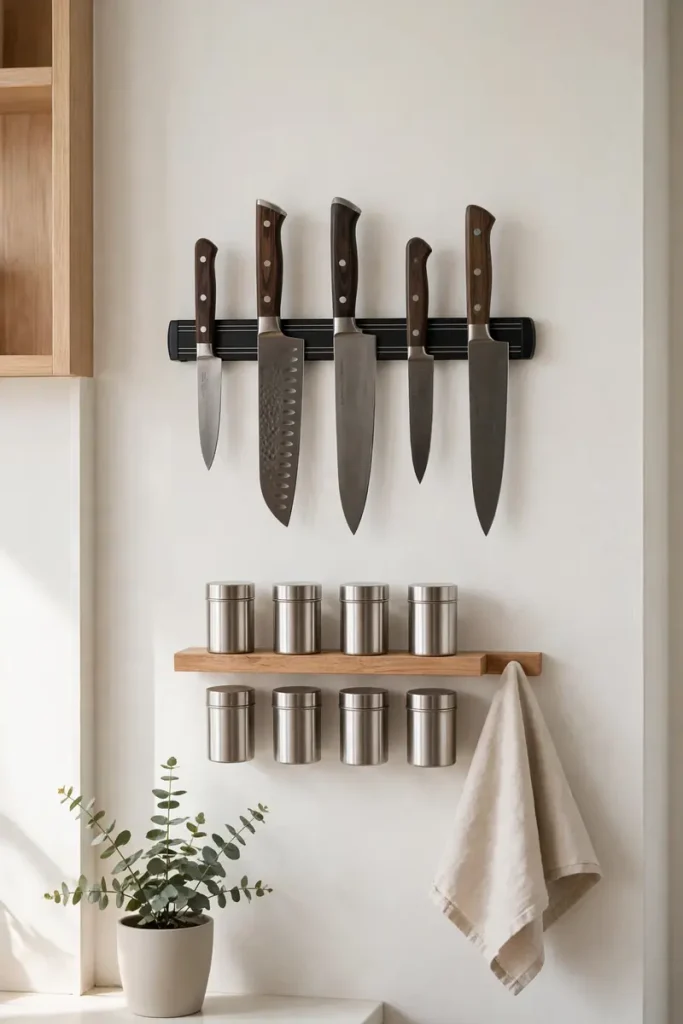
6. Magnetic Knife Strip and Spice Wall
A magnetic strip moves knives off the counter and keeps them easy to reach. Pair it with shallow spice shelves to create one hardworking cooking wall. Install the knife strip into studs or strong anchors, away from children and busy walkways. A quality strip costs about $25 to $80, while spice ledges add $20 to $70. Renters can use a strong countertop knife block and freestanding spice rack instead. Keep spices away from direct stove heat and steam. Arrange jars in one neat row so labels stay visible. This setup looks professional, even if dinner is toast and scrambled eggs. We are organizing the kitchen, not judging the menu.
7. Drawer Dividers That Actually Fit
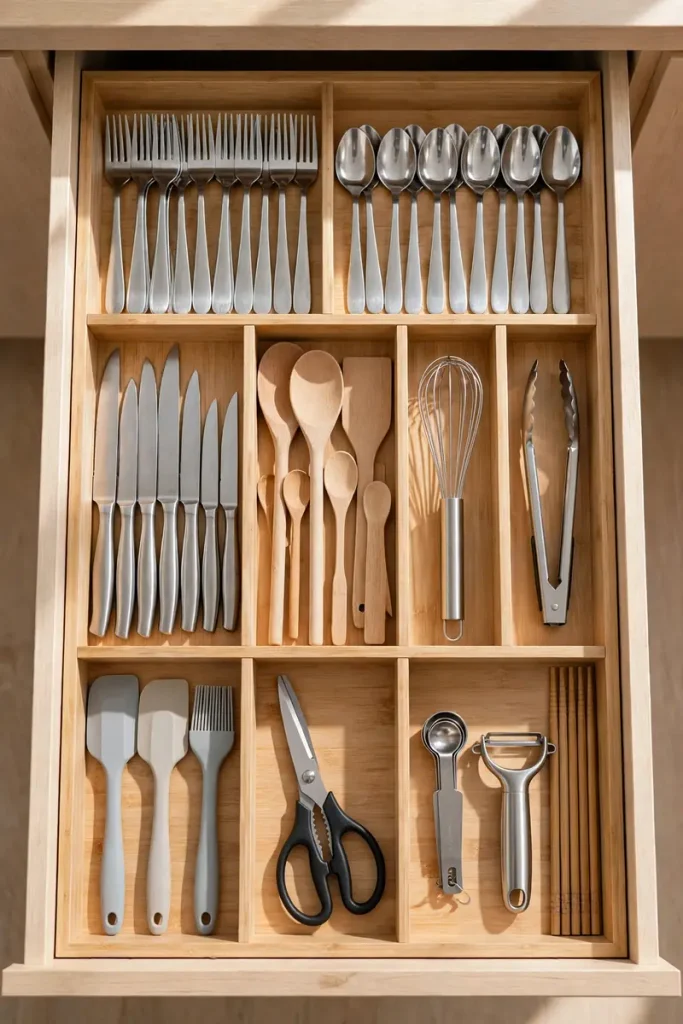
Drawer dividers stop utensils from turning into one loud, tangled family. Adjustable bamboo or plastic inserts work well for forks, cooking tools, wraps, and small gadgets. Measure the inside width, depth, and height—not just the drawer front. Sets usually cost $15 to $60 and can move with renters. Put daily tools near the front and occasional items toward the back. Leave one section slightly larger for odd pieces instead of forcing everything into tiny slots. I once made a perfect drawer with a place for every spoon, then discovered the potato masher had nowhere to go. It now has a private suite in the back corner.
8. Rolling Kitchen Cart Island
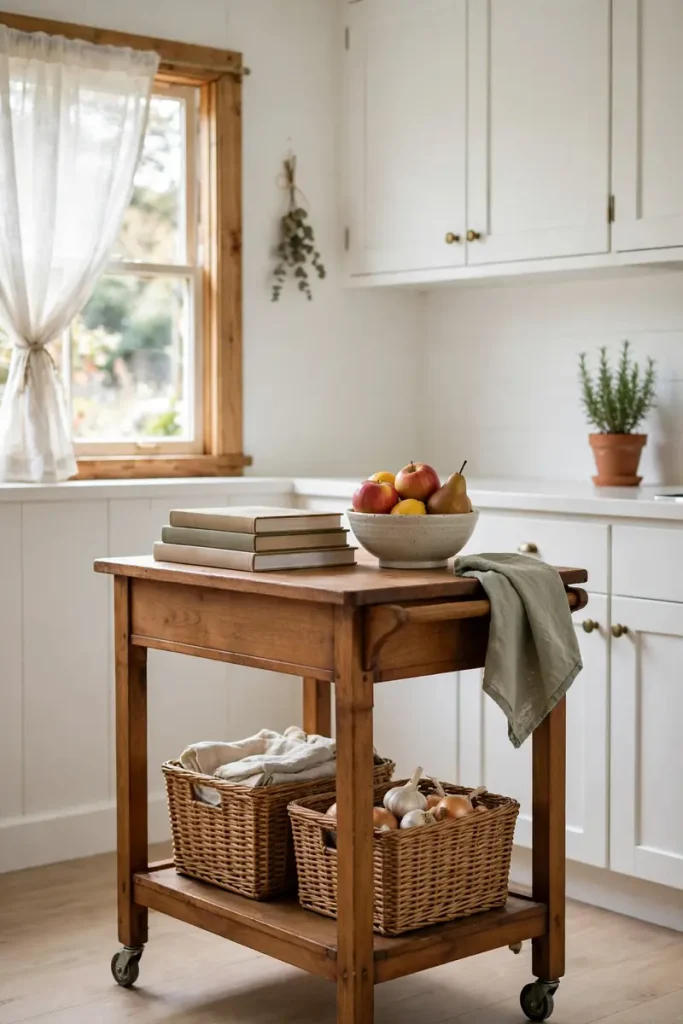
A rolling cart adds storage and prep space without a remodel. Look for drawers, shelves, and locking wheels, then use the top for chopping or serving. A slim cart can tuck beside a cabinet when not needed. Basic models cost around $70 to $200; sturdy wood carts may cost $300 or more. This is one of the best renter-friendly ideas because it moves with you. Keep heavy appliances on the lower shelf for balance and leave at least 36 inches for a comfortable walkway when possible. A cart can also become a coffee bar or baking station. It is basically the helpful friend who always brings extra counter space.
9. Hanging Pot Rack
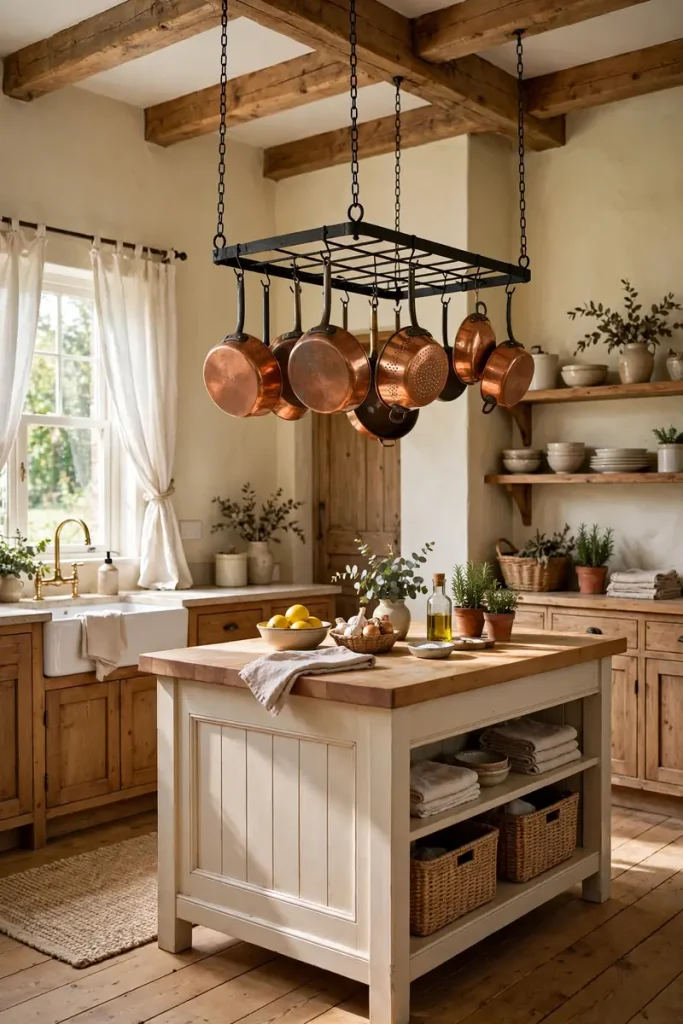
A hanging rack frees a full cabinet and turns beautiful cookware into decor. It works best over an island or against a wall where pans will not bump anyone. Ceiling-mounted racks must attach to solid framing, so professional installation may be wise. Expect to spend $80 to $300 for the rack, plus labor if needed. Renters should choose a wall rail with landlord approval or a freestanding baker’s rack. Hang the pans you use most and keep the heaviest pieces within easy reach. Also check your height. Ducking under a saucepan every morning is not charming farmhouse living; it is a daily obstacle course.
Make Built-In Storage Feel Effortless
These ideas hide clutter, organize hard-to-stack pieces, and use space that many kitchens waste.
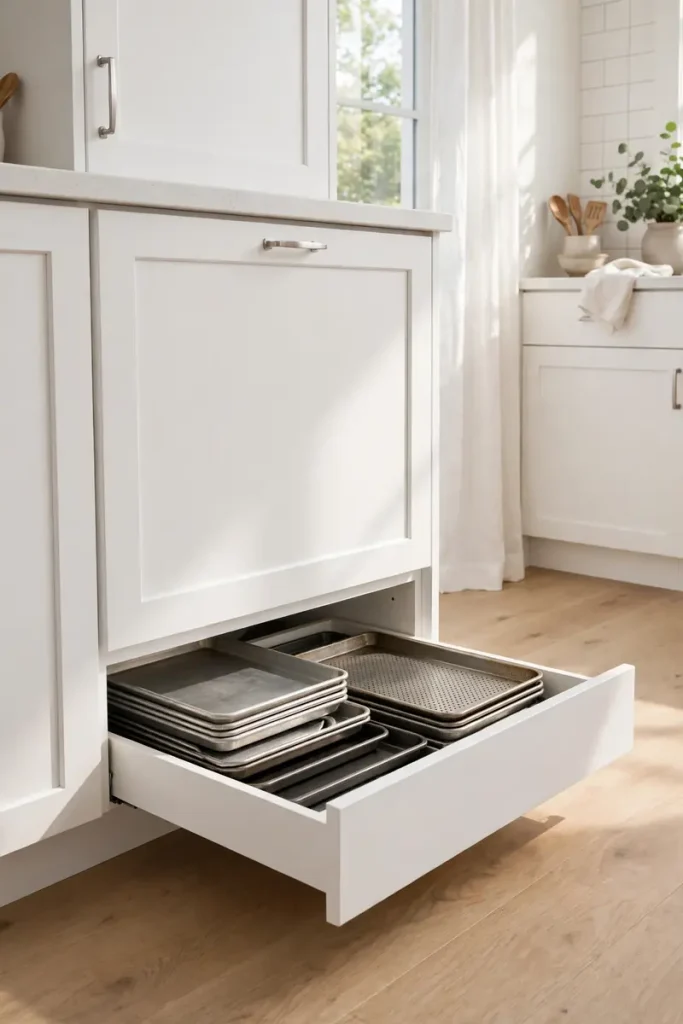
10. Hidden Toe-Kick Drawers
The shallow space beneath base cabinets can hold baking sheets, table linens, serving trays, or pet supplies. Toe-kick drawers stay almost invisible when closed, so they add storage without changing the room’s clean look. This is usually a custom project costing about $200 to $600 per drawer, depending on cabinetry and labor. It is best for homeowners planning a renovation. Use full-extension hardware and keep the contents flat and light. Avoid storing food close to floor heat, moisture, or pests. This clever idea uses space most kitchens ignore. Just tell guests the drawer exists, or they may think your cabinet base is mysteriously trying to escape.
11. Tuck Appliances Into a Garage
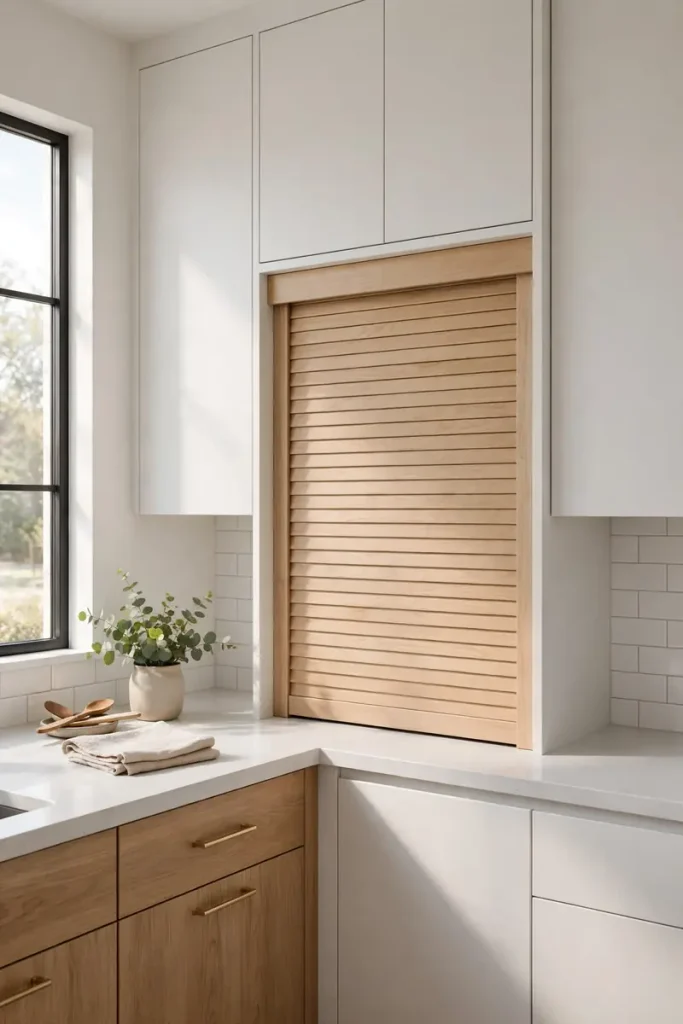
An appliance garage hides the toaster, blender, and coffee maker while keeping them ready to use. A lift-up or sliding door lets the counter look calmer in seconds. Built-in versions may cost $300 to $1,200, especially if outlets or custom doors are involved. A renter can copy the look with a large counter cabinet or a neat tray that groups appliances together. Make sure heat-producing appliances have ventilation, and never close the door while one is running. Place the garage near breakfast supplies to create a simple morning zone. It feels very polished, even when the hidden toaster still contains enough crumbs to feed a small bird.
12. Vertical Tray Dividers
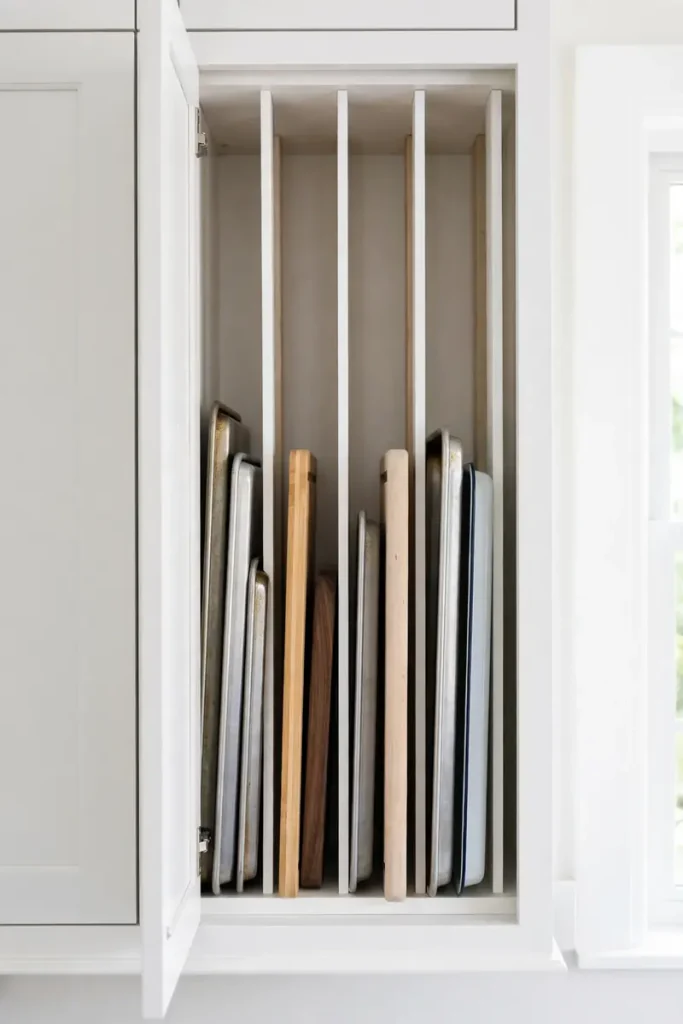
Vertical dividers make flat items easy to grab without lifting a heavy pile. Use them for baking sheets, cutting boards, muffin pans, and serving trays. They work inside a base cabinet or in the narrow space above a refrigerator. Removable wire dividers cost about $20 to $60, while custom wood sections may cost $100 to $300. Renters can use a sturdy file sorter inside a cabinet for a quick version. Give each category its own slot and keep the heaviest pans near the side wall. This change ended my old baking-sheet avalanche. Now the pans stand politely instead of announcing dinner with a crash.
13. Glass-Front Cabinets With Purpose
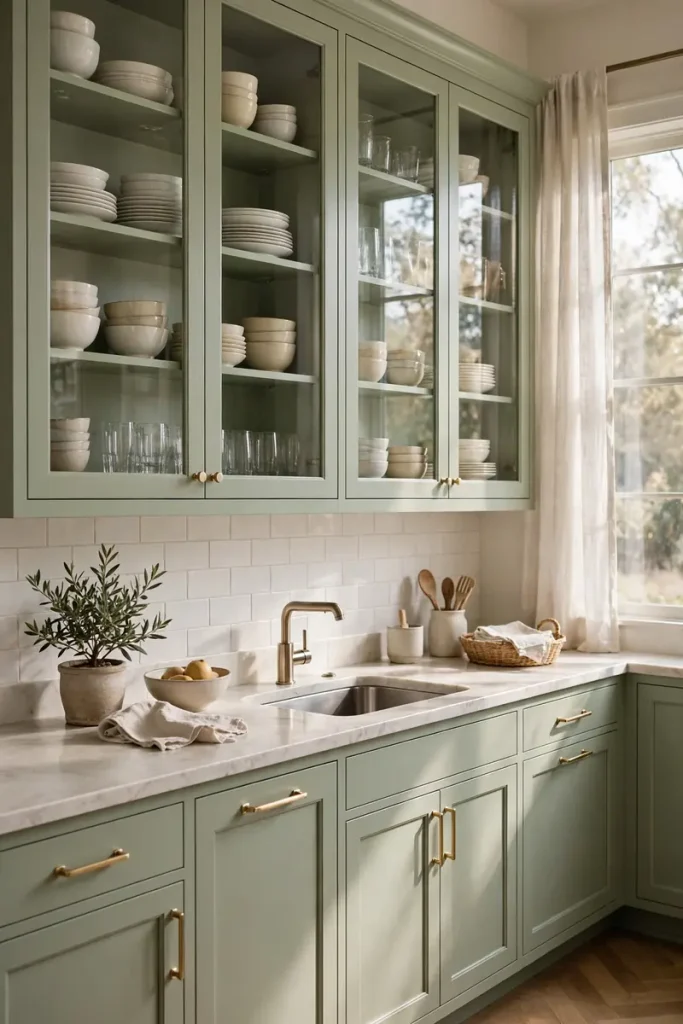
Glass-front cabinets can make a kitchen feel lighter while showing off pretty dishes. They work best for items you use and can keep in simple groups. Stack white plates, repeat clear glasses, and add one warm wood bowl for contrast. Replacing a few cabinet doors may cost $250 to $1,000 or more, depending on the glass and labor. A budget option is removing one door to create an open cabinet, though renters need permission. Keep busy food packages behind solid doors. Glass fronts encourage tidy shelves, but they should not demand perfection. Real homes contain mismatched mugs, including the one you will never throw away.
14. Pegboard Wall Storage
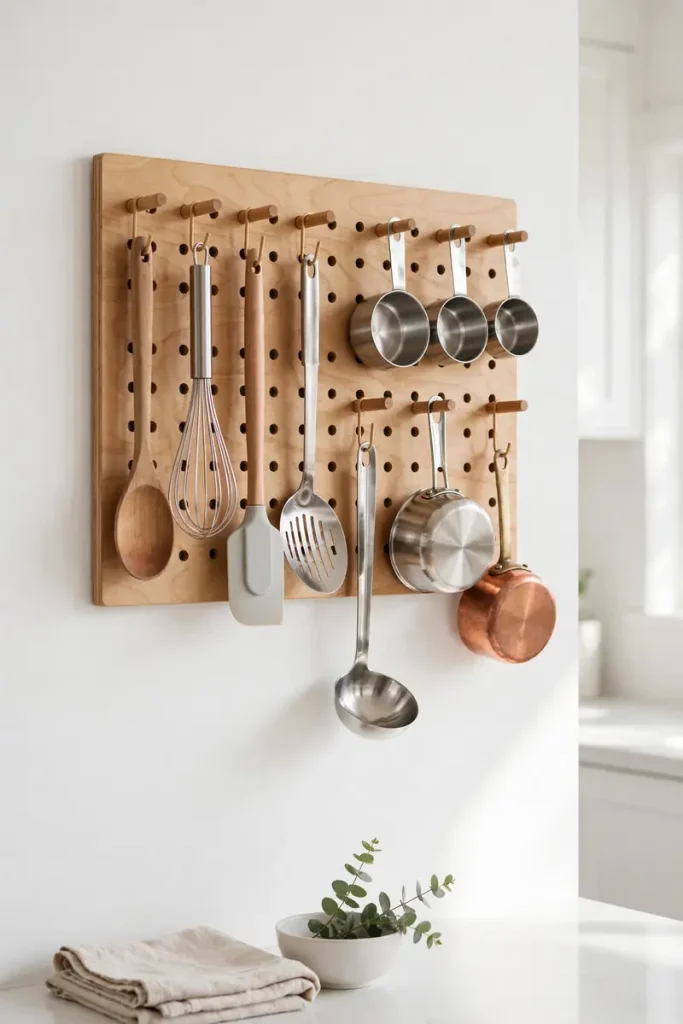
A pegboard turns a blank wall into storage that changes whenever your needs change. Add hooks for pans, baskets for produce, and small shelves for oils or cups. Paint the board to match the wall for a quiet look, or choose natural wood for warmth. A complete setup can cost $50 to $200. It must be securely mounted with space behind it for hooks. Renters can mount a smaller pegboard inside a freestanding frame or cabinet if wall holes are not allowed. Plan the layout on the floor first. Otherwise, you may create a beautiful spot for twelve spoons and nowhere for the pan you actually use.
Flexible Fixes for Small Kitchens
The last two ideas are especially helpful when the pantry is packed or the kitchen needs to perform more than one job.
15. Stackable Pantry Bins
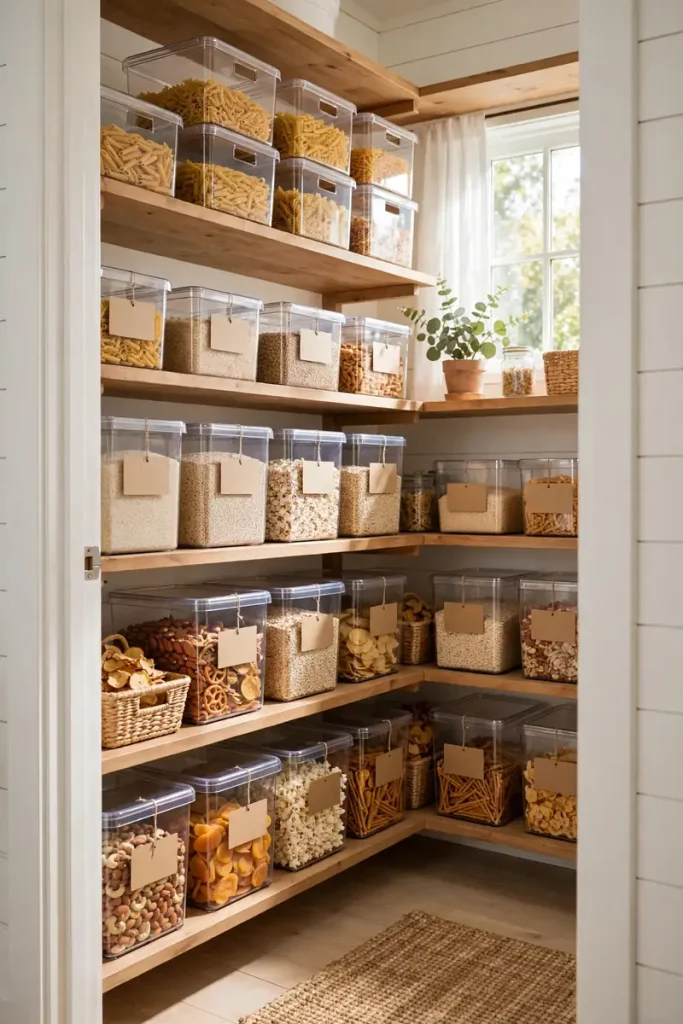
Clear stackable bins make deep pantry shelves easier to manage. Use open-front bins for snacks, sealed containers for dry goods, and handled bins for items stored up high. Group by use rather than chasing a perfect rainbow: breakfast, baking, lunch, and quick dinners are practical categories. A useful starter set costs about $40 to $150 and works well for renters. Measure shelf depth before buying, and avoid stacking bins so high that the bottom one becomes trapped. Add small removable labels, but keep the system flexible. My ‘healthy snacks’ bin somehow became the chocolate bin within a week. At least it was beautifully organized chocolate.
16. Fold-Down Wall Table With Storage
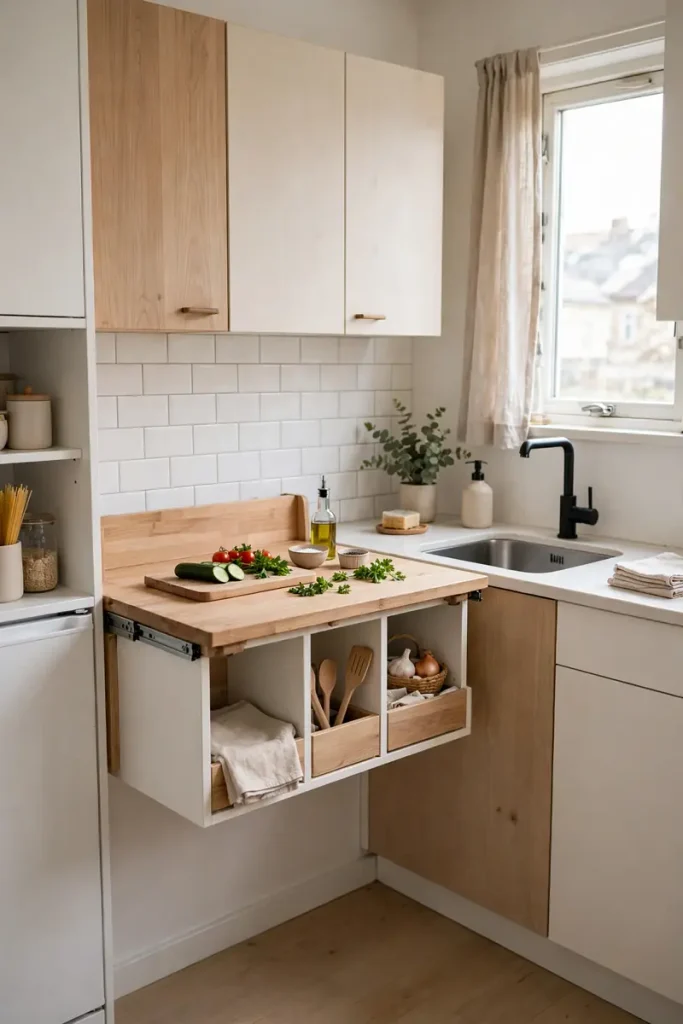
A fold-down table gives a tiny kitchen a breakfast spot or prep surface, then closes when you need the floor space. Choose a model with shallow shelves or a small cabinet above it for extra storage. Ready-made tables usually cost $80 to $300, while a custom unit may cost $400 or more. It must attach to strong wall framing, so renters need written approval; a drop-leaf cart is a no-drill alternative. Check that chairs, doors, and appliances still move when the table is open. This idea is especially useful in studio apartments. It is a table that knows when to leave the room—honestly, excellent manners.
How to Pick the Right Storage Idea
Do not try all sixteen projects at once. Watch yourself make one normal meal. Notice where you stop, bend, search, or move something out of the way. That moment points to the first problem worth fixing. If groceries disappear, start with pantry bins or a pull-out cabinet. If the counter is crowded, try wall storage, an appliance garage, or a rolling cart.
For a small kitchen, protect the walkway and use height carefully. For a rental, choose carts, removable dividers, turntables, and freestanding shelves. If you own your home and plan to stay, toe-kick drawers or custom pantry fittings can turn ignored gaps into useful space. Always measure twice and check doors, outlets, pipes, and vents before installing anything.
A Calmer Kitchen Is the Real Goal
Good storage is not about hiding every sign of life. It is about making the things you use easy to reach and pleasant to see. Start with one daily annoyance, choose a solution that suits your home, and leave a little breathing room. Your kitchen may not become magically larger, but it can feel lighter, calmer, and far easier to enjoy. Best of all, fewer pans will attempt an escape when you open a cabinet.