14 Layered Bob Hairstyles, Explained by Where the Layers Go
The first time I asked for a “layered bob,” I walked out of the salon with something I didn’t expect. My stylist had cut short, choppy layers all over my head, and I looked like a very stylish dandelion. It wasn’t her fault. I simply didn’t know that “layers” can mean a dozen different things.
Since then, I’ve learned that the secret to a great layered bob isn’t just the length. It’s where the layers are placed. Layers at the back create shape. Layers at the crown add volume. Face-framing layers soften your features. And hidden layers can make thick hair feel light as air.
So I’ve organized these 14 layered bob hairstyles by layer placement. For each one, you’ll see its volume level and the styling tool that works best. Take this guide to your next appointment, and you’ll know exactly what to ask for.
What Layers Actually Do
Before we look at the styles, here’s what layers do to a bob:
- Remove weight, so thick hair feels lighter and moves more easily.
- Add volume, especially when placed at the crown.
- Create movement, helping waves and curls bounce.
- Frame the face, softening or highlighting features.
- Shape the silhouette, so your bob looks round, angled or sleek.
The placement of the layers decides which of these effects you get.
Bob Lengths, Explained
- Micro bob: above the chin, often around the cheekbones
- Chin-length bob: ends right at the chin
- Jaw-length bob: ends along the jawline
- Collarbone bob (or lob): ends near the collarbones
Stacked Layers at the Back
Stacked layers are short, closely cut layers at the back of the head, creating a rounded, lifted shape.
1. The Classic Stacked Bob
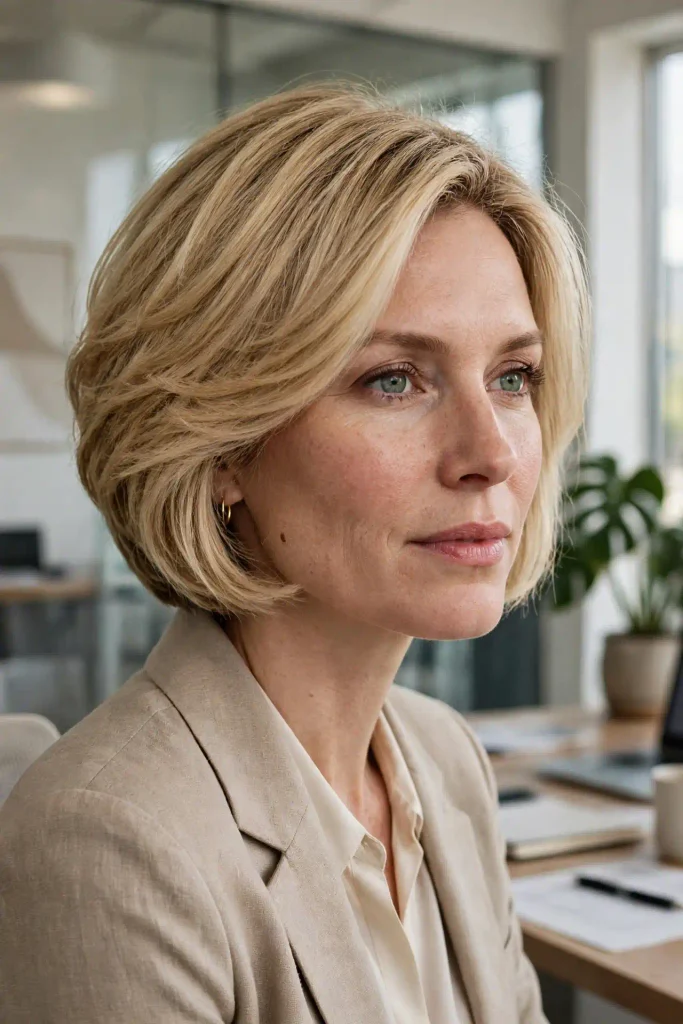
Short, stacked layers at the nape of the neck create a rounded shape at the back, while the front stays longer. It’s polished, timeless and easy to style.
Volume level: medium, mainly at the back
Styling tool: round brush
2. The Inverted Bob
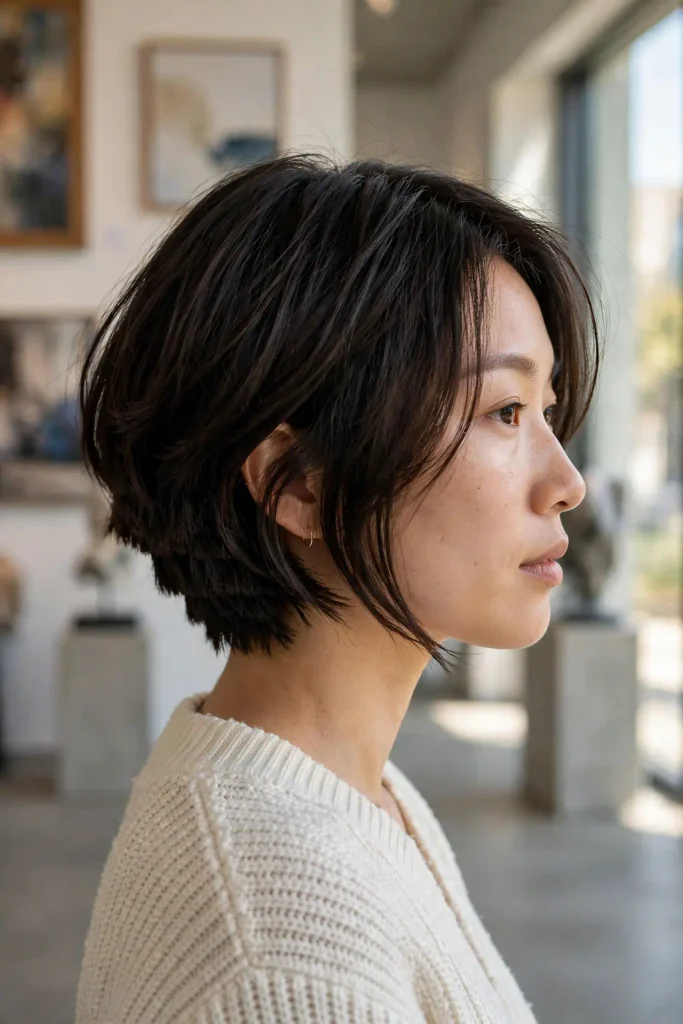
An inverted bob is shorter at the back and gradually longer toward the front, creating a sleek, angled line. Stacked layers at the back add height and shape.
Volume level: medium
Styling tool: flat iron for a sleek finish
3. The Graduated Bob With a Tapered Nape
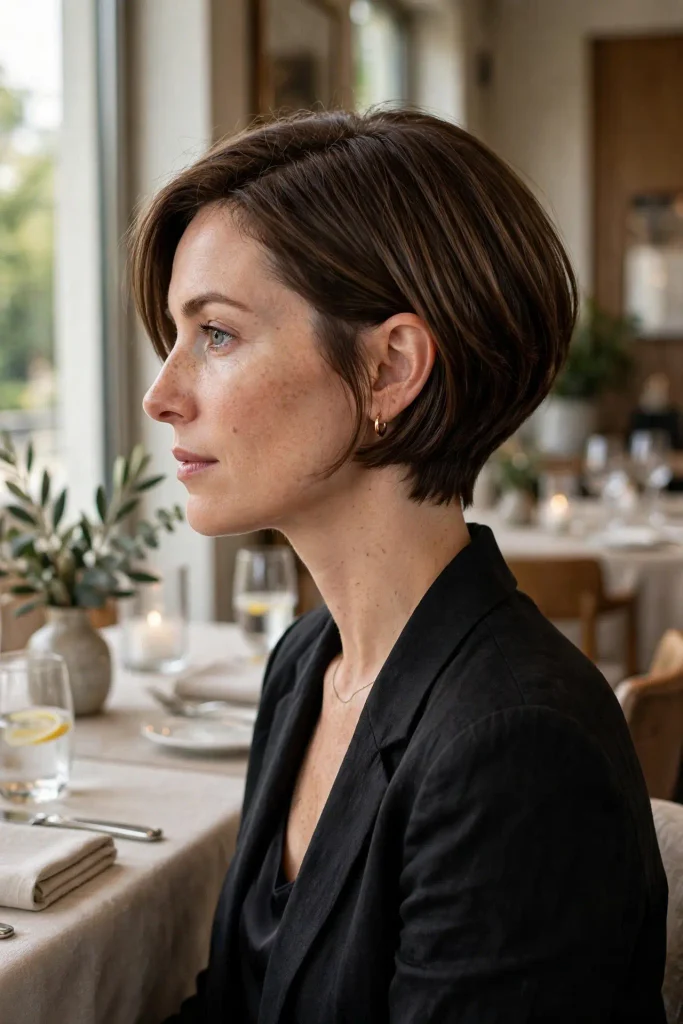
A graduated bob has layers that get gradually longer from the nape upward, with a neat, tapered finish at the neck. It’s clean, modern and low-maintenance.
Volume level: low to medium
Styling tool: blow dryer and paddle brush
Layers at the Crown
Crown layers add height and fullness at the top of the head.
4. The Volumized Crown Bob
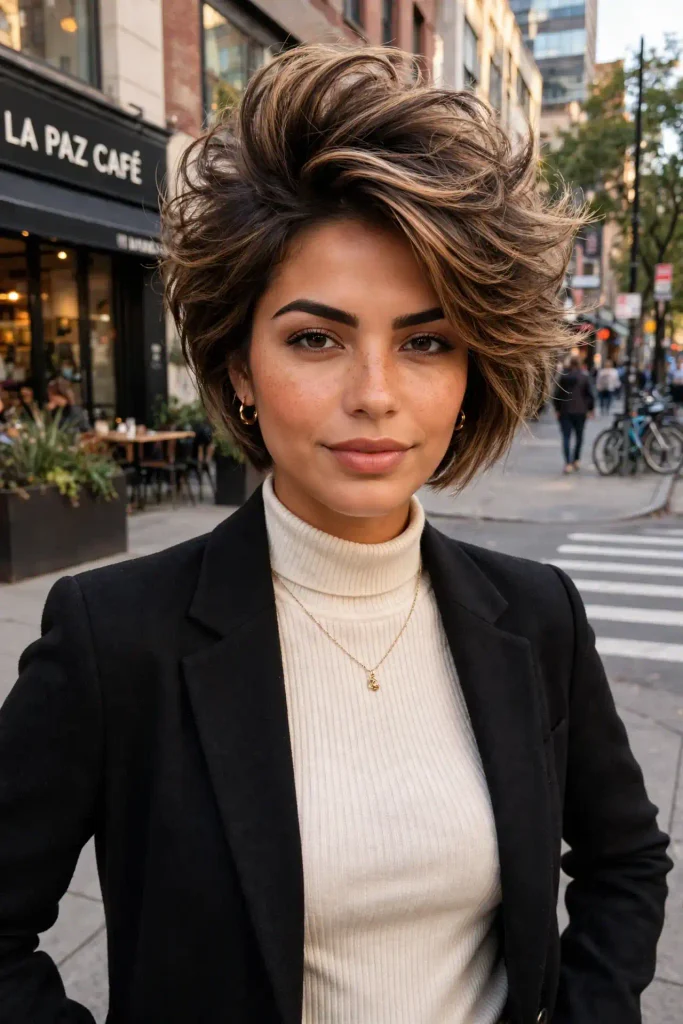
Shorter layers at the crown lift the top of your bob, giving it a full, bouncy shape. It’s perfect for fine hair that tends to fall flat.
Volume level: high
Styling tool: round brush or velcro rollers
5. The Italian Bob

The Italian bob is a chunky, chin-length bob with soft layers at the crown and a thick, full shape. It looks effortlessly glamorous and full of body.
Volume level: high
Styling tool: large round brush
Face-Framing Layers
Face-framing layers are cut around the front of the face, softening your features and drawing attention to your eyes and cheekbones.
6. The Face-Framing Layered Bob

A chin-length bob with longer, face-framing layers at the front that fall softly around your cheekbones. It’s flattering, feminine and easy to style.
Volume level: medium
Styling tool: round brush, styled away from the face
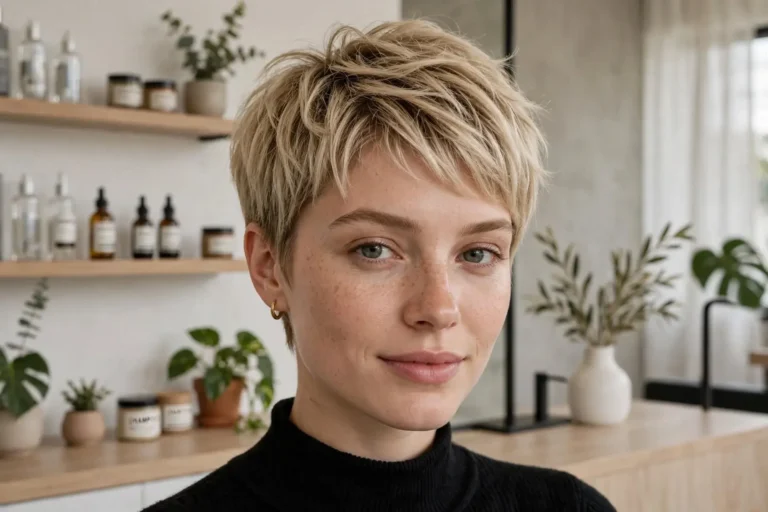
7. The Feathered Micro Bob
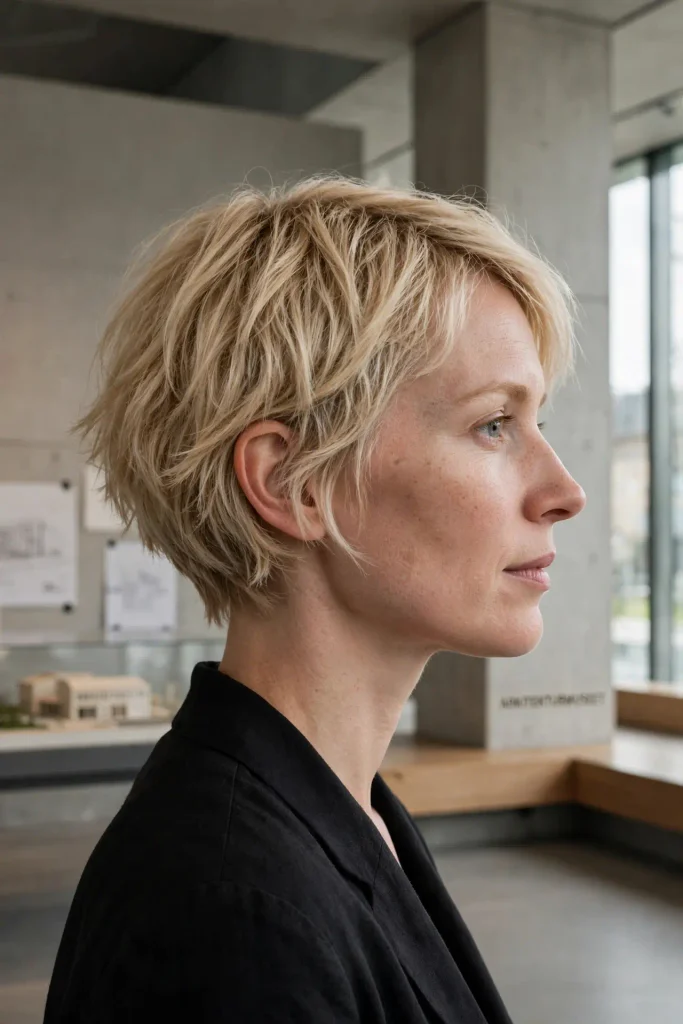
A short bob above the chin with soft, feathered layers around the face. It’s playful, fresh and perfect for showing off your cheekbones.
Volume level: medium
Styling tool: small round brush
8. The Bob With Bottleneck Bangs
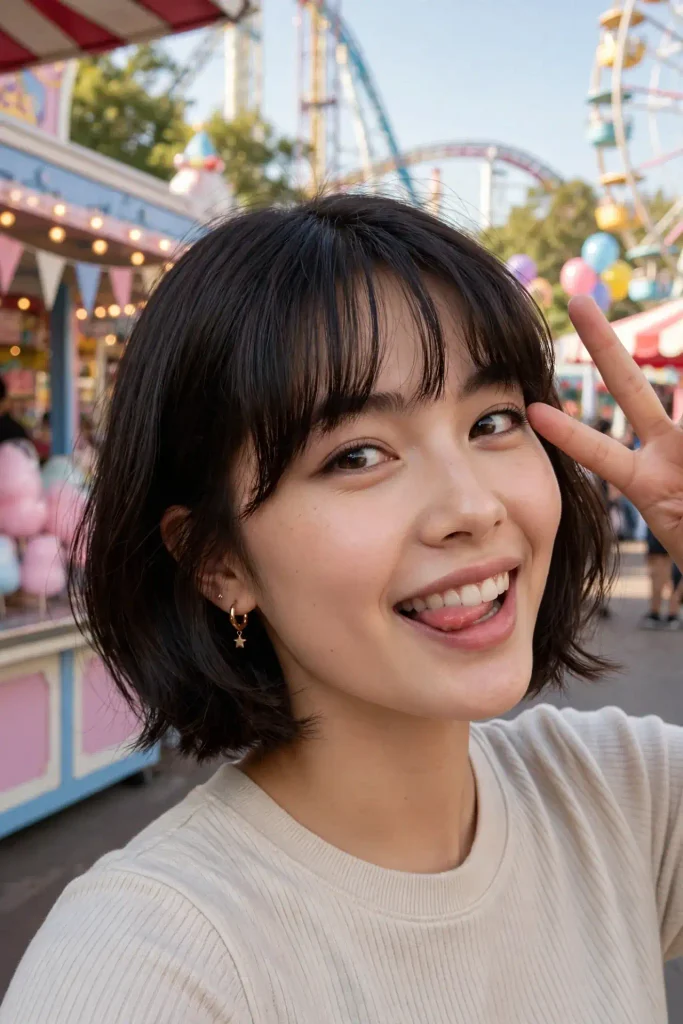
Bottleneck bangs are short in the center and longer at the sides, like the shape of a bottle’s neck. Paired with a layered bob, they frame the eyes beautifully.
Volume level: medium
Styling tool: small round brush for the bangs
Internal (Invisible) Layers
Internal layers are cut underneath the top layer of hair. You can’t see them, but they remove bulk and help thick hair move.
9. The Blunt Bob With Internal Layers
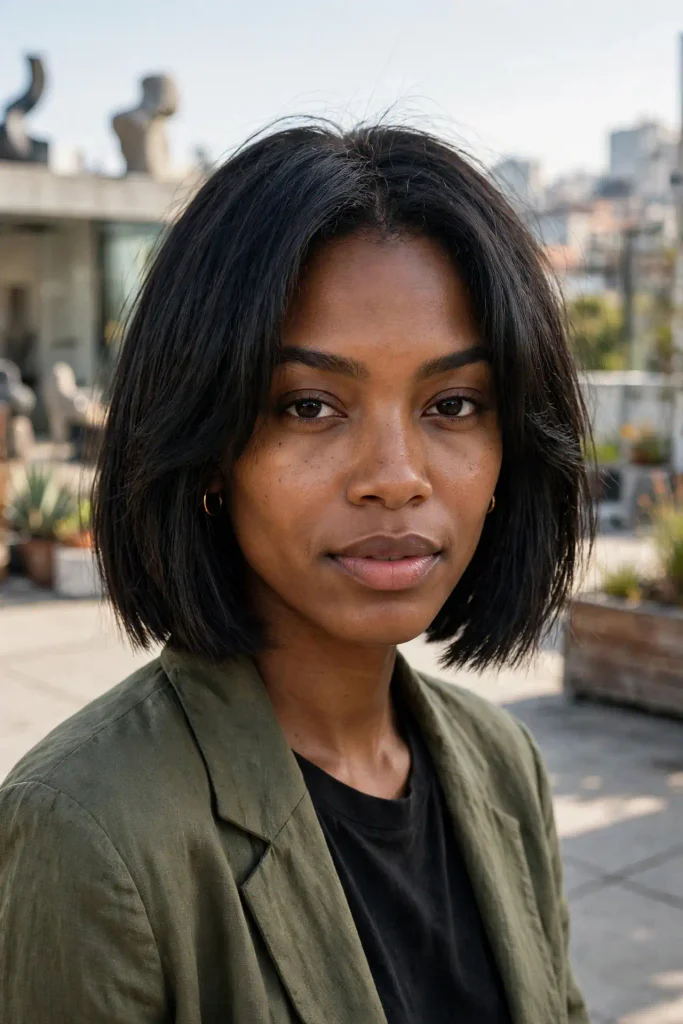
From the outside, this bob looks sleek and blunt. Underneath, hidden layers remove weight so thick hair doesn’t look bulky or triangular.
Volume level: low to medium
Styling tool: flat iron or blow dryer
10. The Collarbone Bob With Invisible Layers
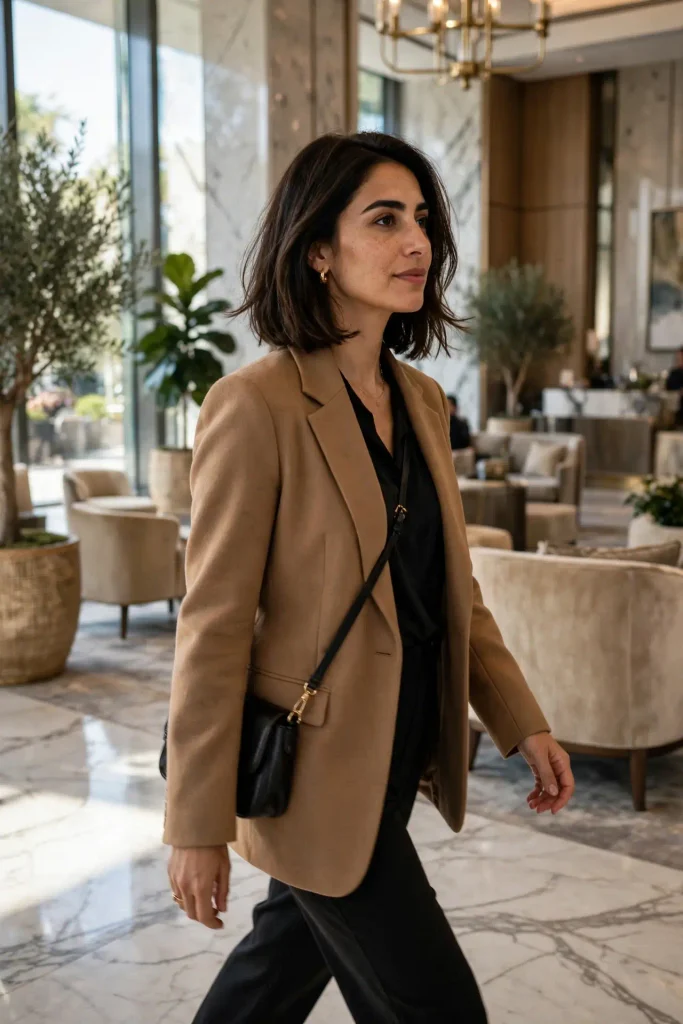
A longer bob for thick, wavy hair, with internal layers that reduce bulk and allow natural waves to fall smoothly.
Volume level: medium
Styling tool: diffuser or air dry
Choppy and Textured Layers
Choppy layers are cut throughout the hair for a textured, piecey, undone look.
11. The Choppy Shag Bob

A shaggy bob with lots of short, choppy layers throughout. It’s edgy, textured and perfect for wavy hair.
Volume level: high
Styling tool: texturizing spray and fingers
12. The Razor-Cut Layered Bob

A razor-cut bob uses a razor instead of scissors to create soft, wispy, feathered ends. The layers look light and airy.
Volume level: medium
Styling tool: air dry or a quick blow-dry
Note: Razor cutting is best for straight or wavy hair. It can cause frizz on very curly hair, so ask your stylist whether it suits your texture.
Long Layers
Long layers are cut throughout a longer bob, adding movement without much change in shape.
13. The Layered Lob With Soft Flicks
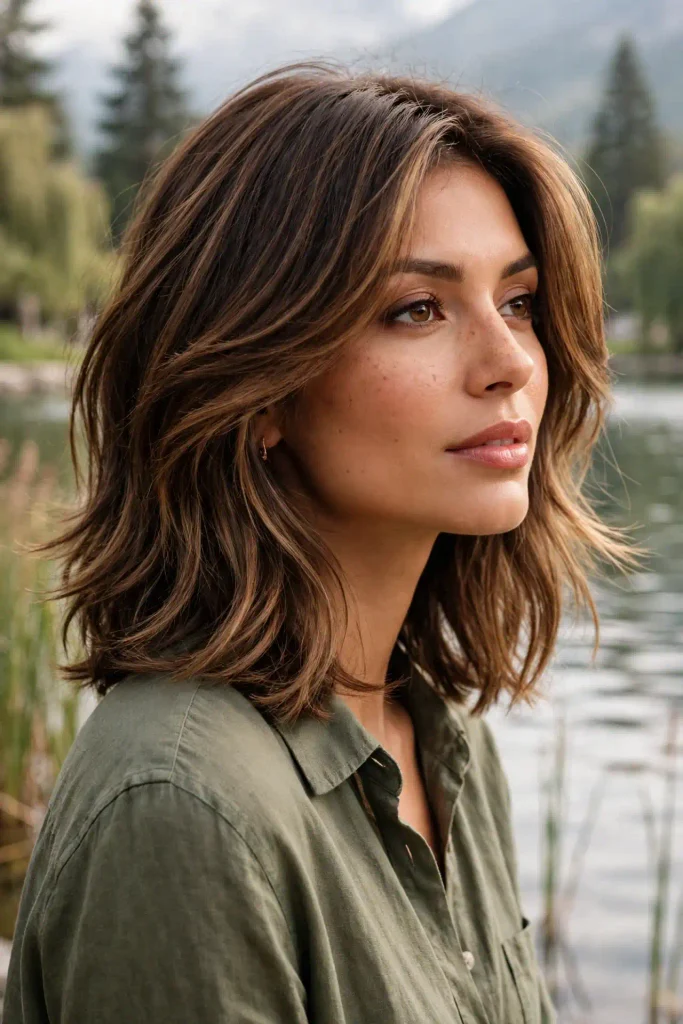
A collarbone-length lob with long layers and ends that flick slightly outward. It’s relaxed, modern and very easy to wear.
Volume level: medium
Styling tool: flat iron or round brush
14. The Wavy Layered Bob for Fine Hair
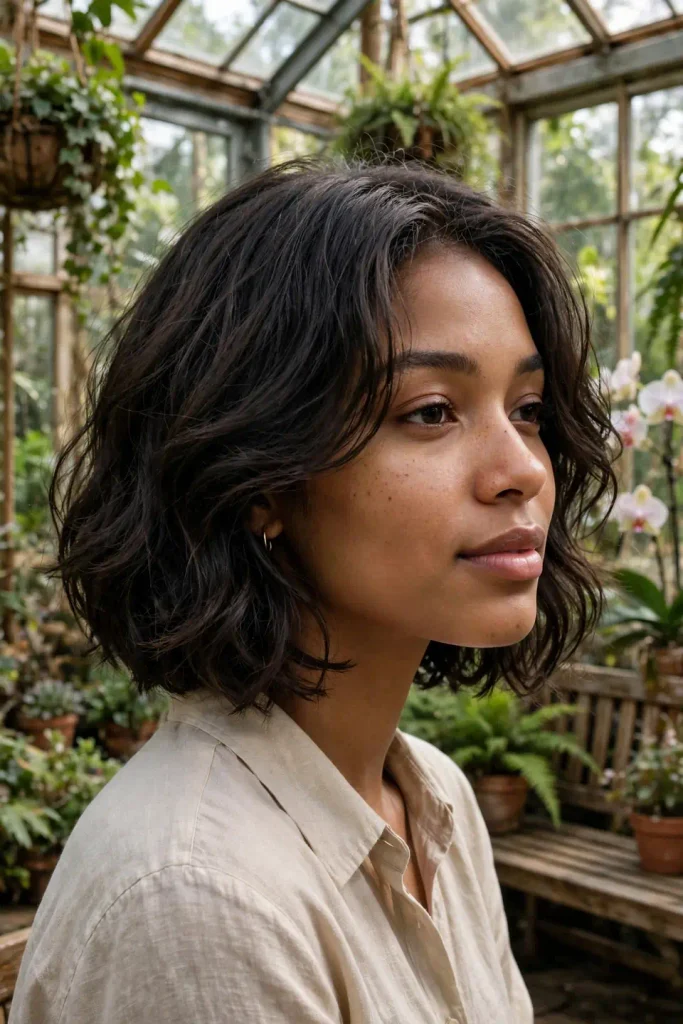
Long, soft layers on a jaw-length bob add movement and fullness to fine hair, especially when styled with loose waves.
Volume level: medium
Styling tool: curling iron or wand
Layered Bobs for Fine vs. Thick Hair
Fine hair: Choose crown layers or long layers, which add volume without removing too much hair. Avoid too many choppy layers, which can make fine hair look thin.
Thick hair: Internal layers and stacked layers remove bulk and stop your bob from looking triangular.
Wavy hair: Face-framing and choppy layers help waves bounce and move.
Curly hair: Ask for layers cut by a curl specialist, ideally dry, so curls fall into a rounded shape.
Air-Drying a Layered Bob
You don’t always need heat to style a layered bob:
- Apply a lightweight mousse or styling cream to damp hair.
- Scrunch gently to encourage natural texture.
- Twist face-framing layers away from your face.
- Let it dry completely without touching it too much.
- Finish with texturizing spray for extra volume.
Common Layered Bob Regrets, and How to Avoid Them
Layers that are too short: Short layers can stick up or look choppy. Ask for longer layers first; you can always go shorter.
A visible “shelf” or step: Poorly blended layers can create a noticeable line. Ask your stylist to blend layers smoothly.
The triangle shape: Thick or curly hair can look wide at the bottom. Internal layers help.
An accidental mullet: Too many layers at the crown with long hair at the back can look unbalanced. Make sure the back and front are proportioned.
Bring photos of what you love and what you don’t, and talk through where the layers will sit before your stylist starts cutting.
Growing Out a Layered Bob
If you decide to grow your bob into longer hair, plan your grow-out:
Months 1–3: Get small trims to keep layers blended and remove split ends.
Months 3–6: Your bob becomes a lob. Ask your stylist to even out shorter layers.
Months 6–9: Your hair reaches past your shoulders. Long layers keep it looking intentional.
Hair grows about half an inch a month on average, so growing out a bob takes patience. Accessories like clips and headbands help during awkward stages.
Final Thoughts
A layered bob can look polished, playful, sleek or full of volume, all depending on where the layers are placed. Once you understand the difference between stacked, crown, face-framing, internal, choppy and long layers, you can ask for exactly the bob you’ve been dreaming of.
Pick your favorite layer placement, save this guide, and take it to your next appointment.
Which layered bob are you thinking of trying? Let me know in the comments below.