16 Shag Hairstyle Ideas Traced Back to the Decade That Actually Invented Them
The shag has never really gone away, it just keeps getting rediscovered by a new generation convinced they found something original. I got curious a while back and started actually researching where each popular shag variation on my Pinterest board originally came from, and it turned into something closer to a history lesson than a styling guide. So instead of grouping these by face shape, I’m tracing all sixteen back to the actual decade that originated them, with the real person or moment behind each one where I could find it, because knowing a style has survived fifty years of reinvention tells you something a trend forecast never could.
Born in the Late 1960s
The Original Jane Fonda Shag
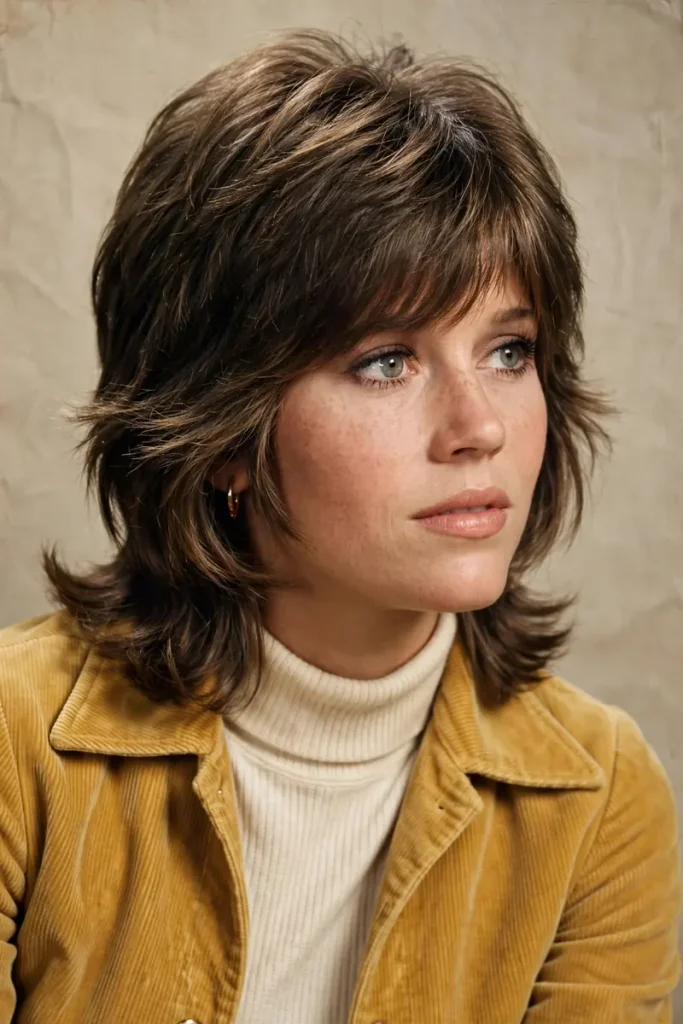
Before it even had the name “shag,” this choppy, heavily layered cut shows up in photos of Jane Fonda around 1968, created by a stylist experimenting with heavy texturizing on an actress who needed something that photographed well from every angle on set. My own mother, who was a teenager at the time, told me she remembers girls at her school bringing in torn magazine pages asking their local hairdresser to copy it, probably the first viral haircut most of them had ever witnessed in real time, decades before anyone used that word for hair.
The Rolling Stones-Era Rocker Shag
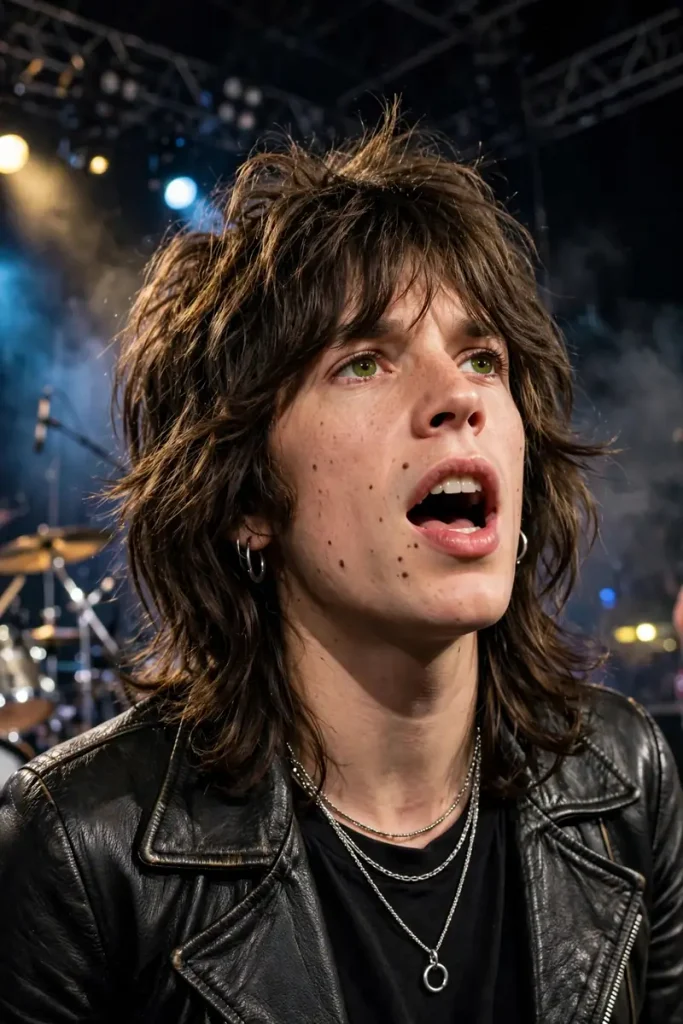
Around the same years, a rougher, messier version started showing up on and around rock musicians, heavily layered but deliberately unkempt rather than styled. A friend’s father, who played in a cover band through his twenties, told me he grew his hair into exactly this shape specifically to look like the musicians he idolized, and that getting it cut this way at a barbershop in 1969 got him a genuinely disapproving look from the older barber who’d never been asked for anything like it before.
Born in the Early 1970s
The Shag Mullet
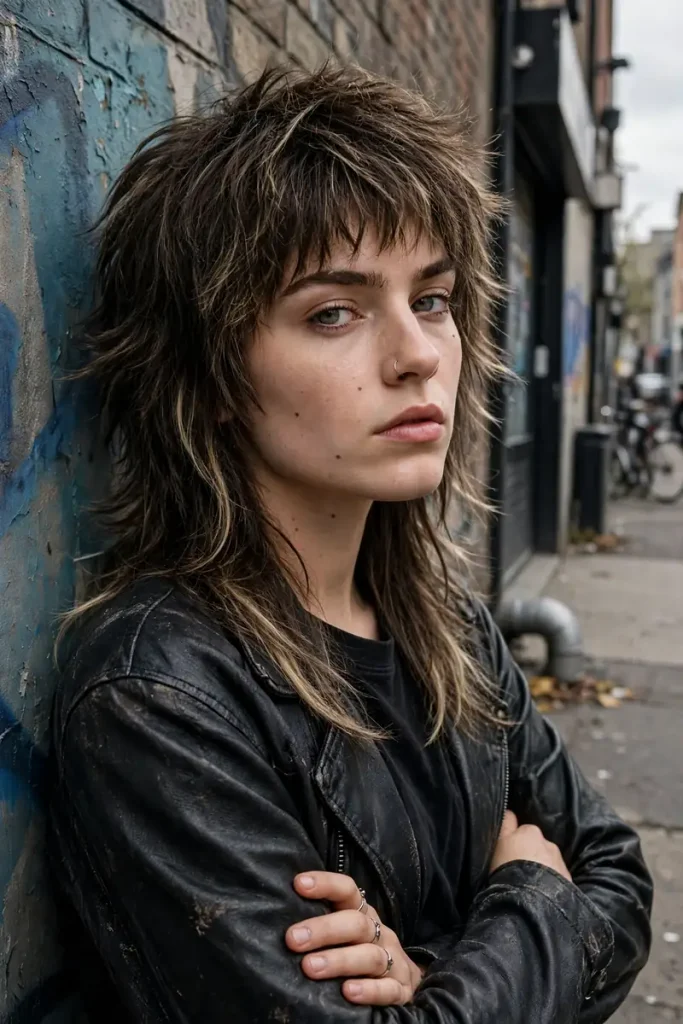
By the early seventies, the shag had started blending with the emerging mullet shape, shorter and heavily layered on top, longer in the back, a combination that became hugely popular across genders. A relative of mine who came of age during this exact period still has a photo from 1974 of herself with this precise cut, and she laughed when I showed her a recent magazine clipping of a celebrity wearing an almost identical version, telling me, “I could have told you that was coming back eventually.”
The Farrah Fawcett Flip-Shag
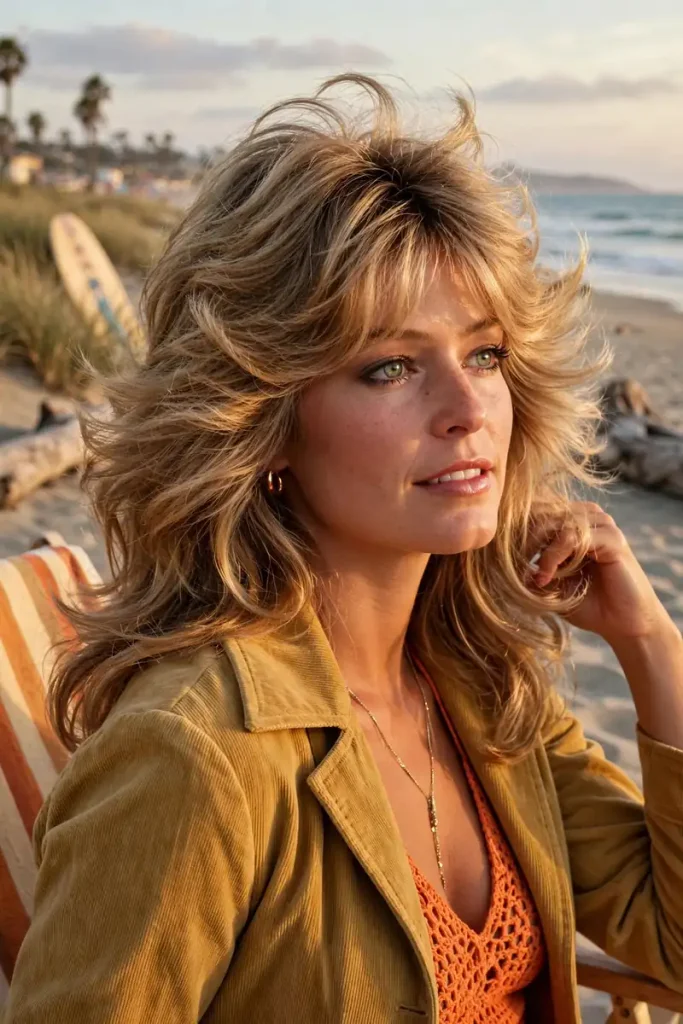
Technically more flip than shag, but close enough in spirit and often grouped with the era’s shag revolution, this voluminous, feathered style became one of the most copied haircuts in American history after a single poster of Farrah Fawcett went up in what felt like every teenage bedroom in the country. My aunt has told me more than once about standing in line at her local salon for nearly two hours just to get this exact cut, something that sounds almost unbelievable now in an era of same-day appointment booking apps.
Born in the Late 1970s
The Punk Shag
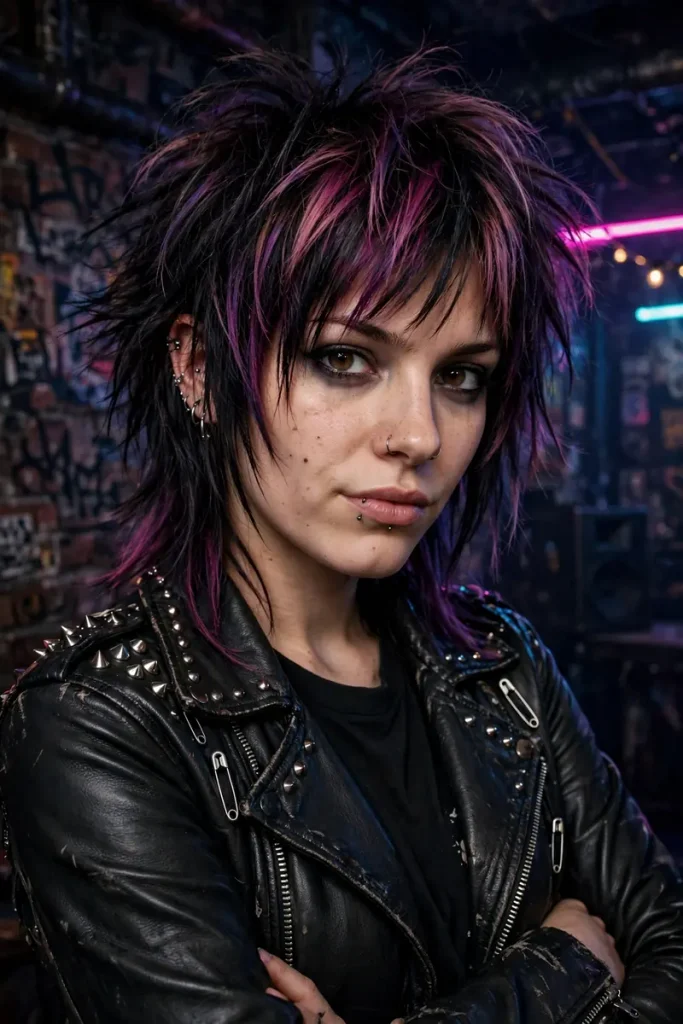
As the decade moved toward punk culture, the shag got choppier and more aggressive, closer to what we’d now call a shullet or heavily razored shag, worn by musicians in the emerging punk scene as a deliberate rejection of the smoother, more polished disco styling trending elsewhere at the same time. A friend who studies fashion history told me this specific variation is genuinely under-documented compared to its disco-era counterparts, since punk culture at the time wasn’t exactly being photographed for mainstream magazines the way other trends were.
Born in the Early 1980s
The New Wave Shag
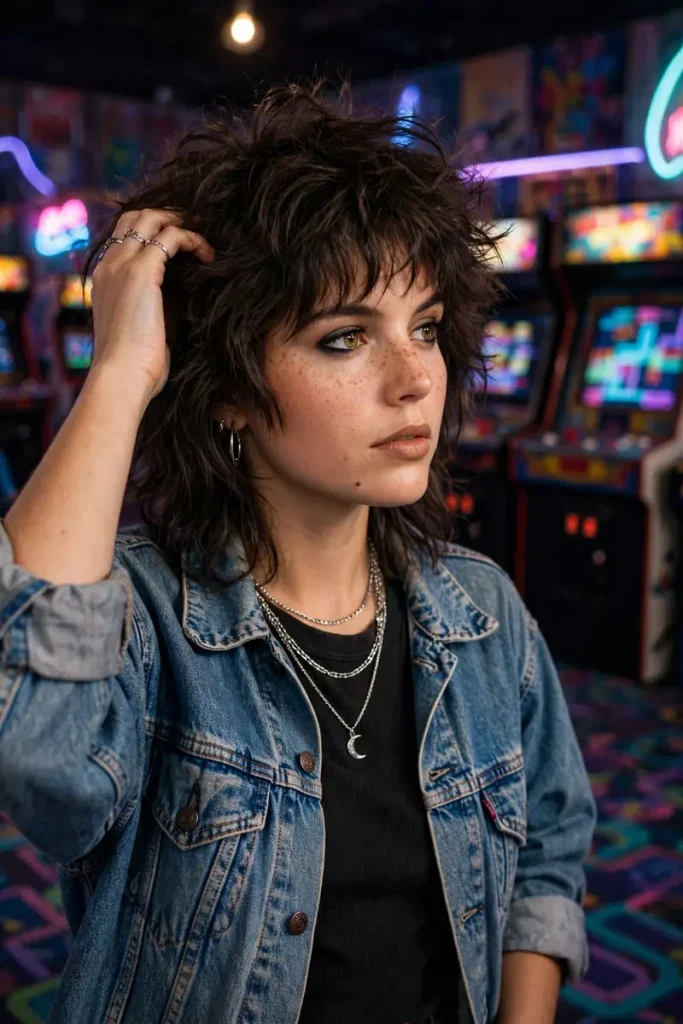
The shag got bigger and more structured heading into the early eighties, paired with the era’s love of volume and hairspray, often with sharper, more defined layers than its looser seventies predecessor. My mother-in-law has described this exact phase of her own hair history to me more than once, usually while looking at old photos and insisting, somewhat defensively, that “it really did look good at the time, you just had to be there.”
Born in the Mid-1990s
The Grunge Shag
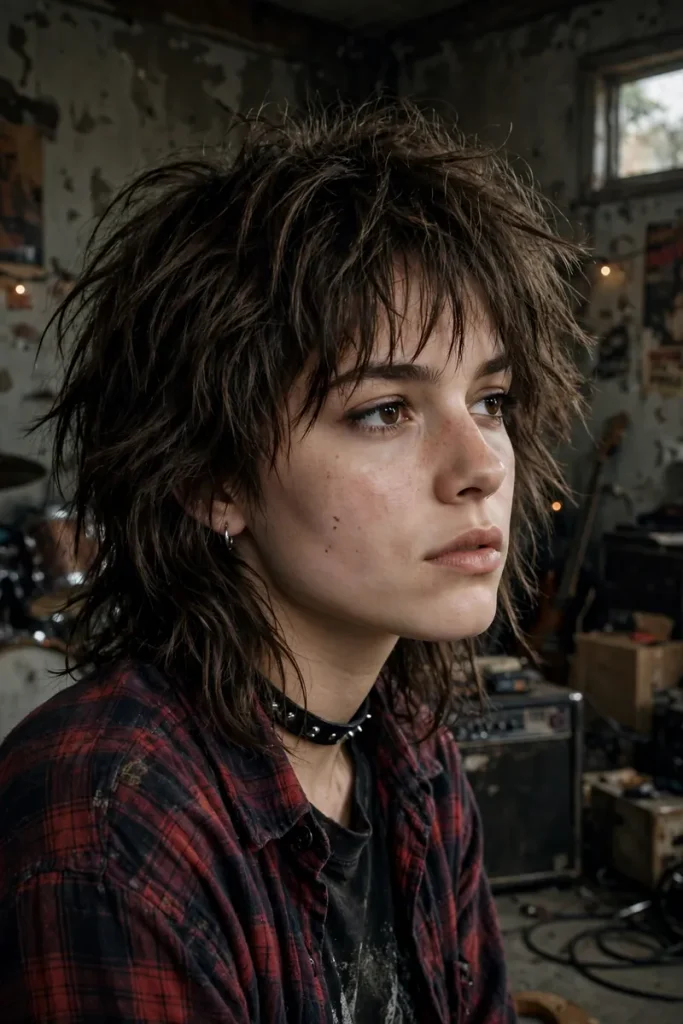
Grunge culture revived a looser, more deliberately undone version of the shag, paired with the era’s general rejection of overly polished styling. A woman I used to work with told me she chopped her long hair into exactly this shape the week after a particularly bad breakup in 1994, specifically because she wanted something that felt like the opposite of the careful, “nice girl” hair she’d worn through the relationship, and that cutting it felt like reclaiming something.
The Jennifer Aniston Shag Adjacent Cut
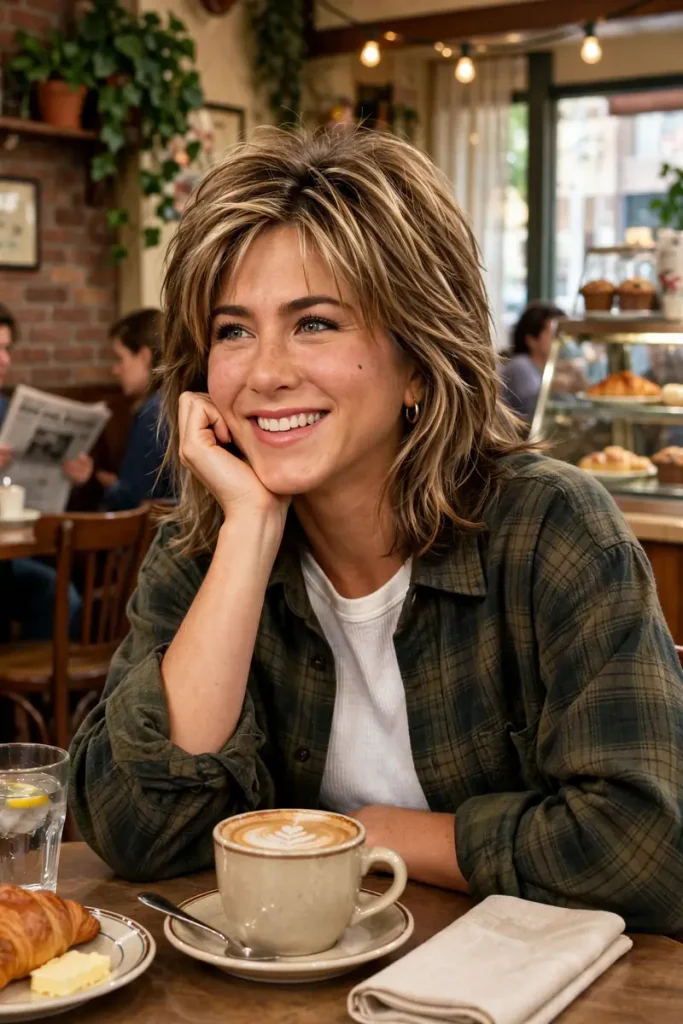
While technically closer to layered waves than a true shag, the heavily copied “Rachel” cut of the mid-nineties borrowed enough shag DNA, heavy face-framing layers, significant texture, that most hair historians count it as part of the same broader family tree. I’ve heard more than one stylist from that era describe entire afternoons spent doing nothing but this exact cut, request after request, for months on end.
Born in the Early 2000s
The Indie Sleaze Shag
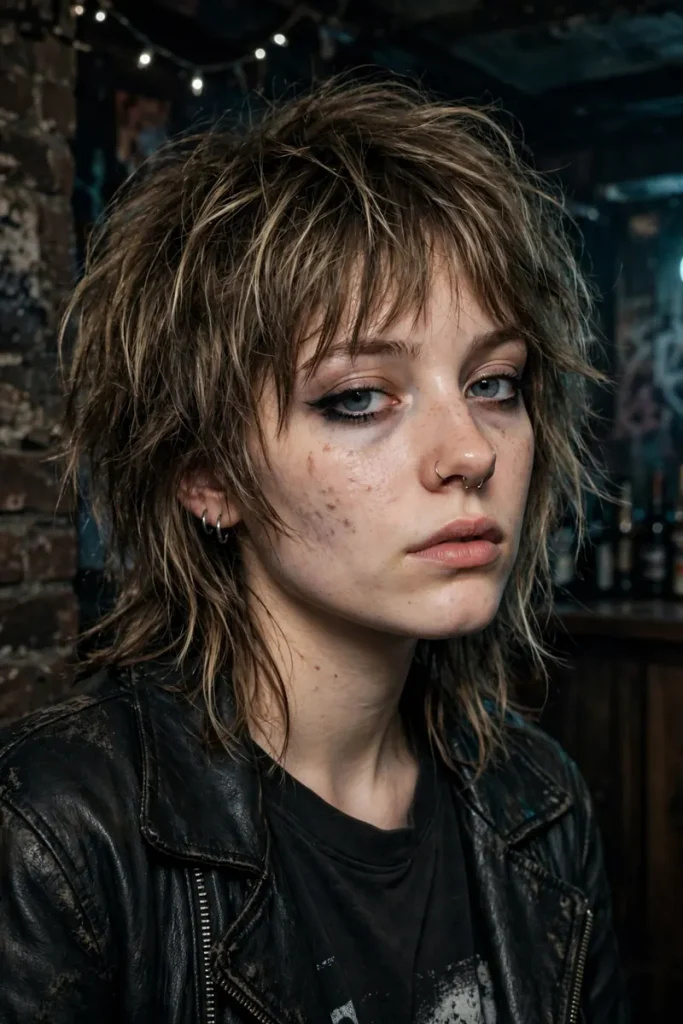
As the 2000s progressed, a messier, more deliberately disheveled shag started showing up alongside the era’s broader indie and alternative music scenes, often paired with heavy fringe and worn without much structured styling at all. A younger cousin of mine, who was in high school during this period, told me she specifically grew out a pixie cut into this shape because she’d seen it on a musician she liked, and that her mother genuinely hated the in-between growing-out stage more than almost any other haircut phase in her daughter’s life.
Born in the 2010s
The Modern Wolf Cut
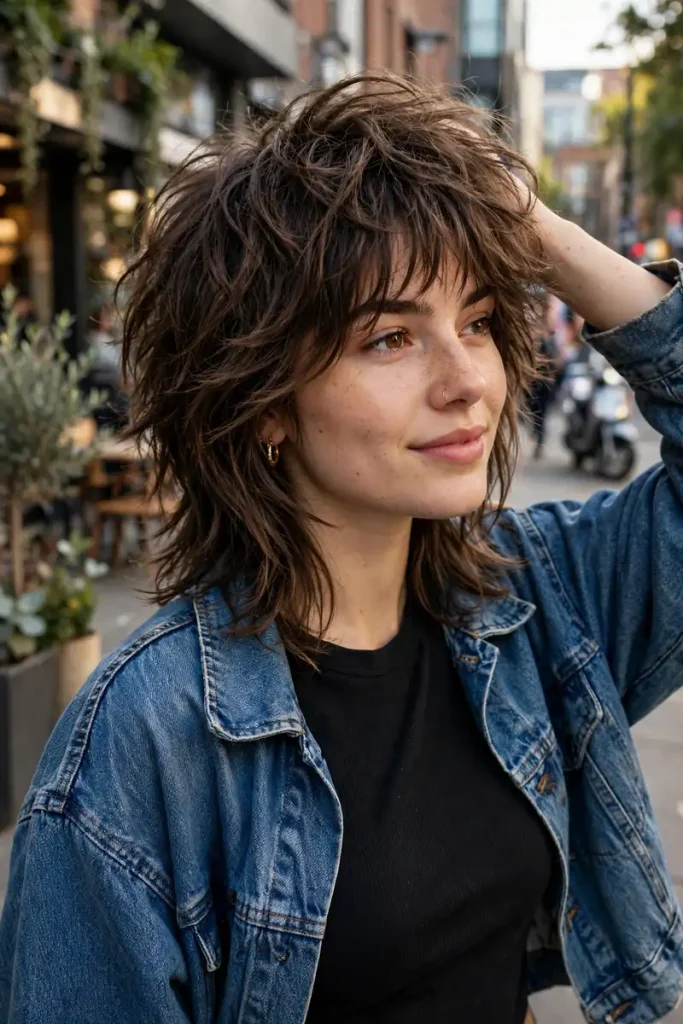
The wolf cut, essentially a shag taken to its most extreme, maximum volume at the crown blending into choppy, heavily layered length, started gaining real traction toward the end of this decade before exploding fully a few years later. A stylist I’ve gone to for years told me she remembers the exact month requests for this specific cut started flooding in, almost entirely traced back to a single viral video, something she said had never quite happened with a haircut trend that fast in her entire career up to that point.
The Curtain-Bang Shag
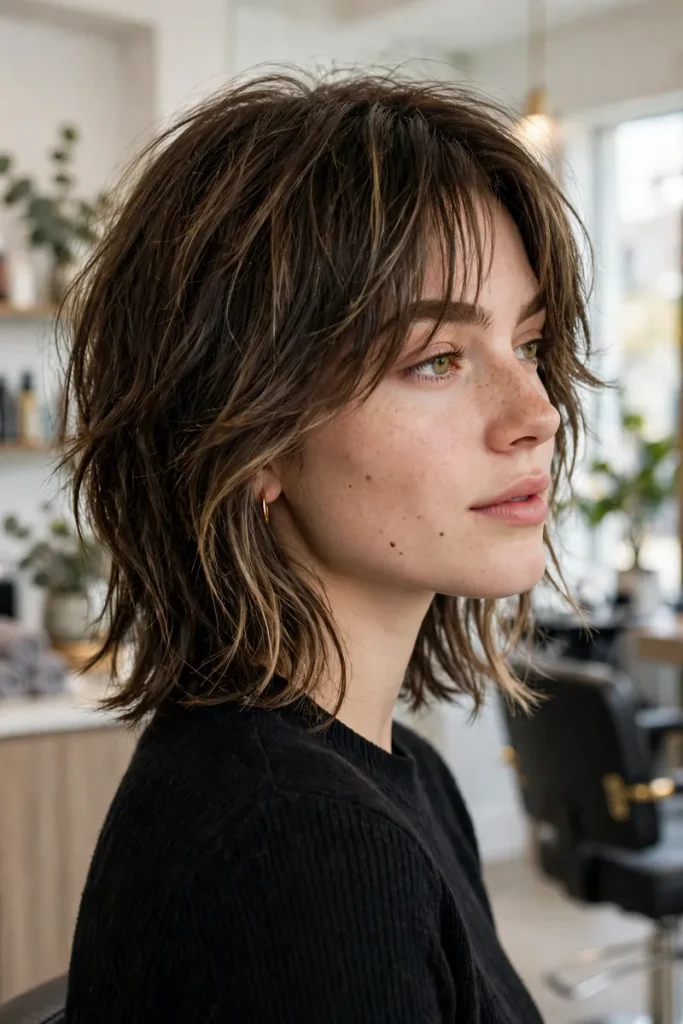
Also emerging strongly in this period, this version pairs the classic shag’s body and layering with the era’s revived love of curtain bangs, a combination that became something close to the decade’s default “I want something low maintenance but still cool” request at most salons.
Born in the Early 2020s
The Butterfly Shag
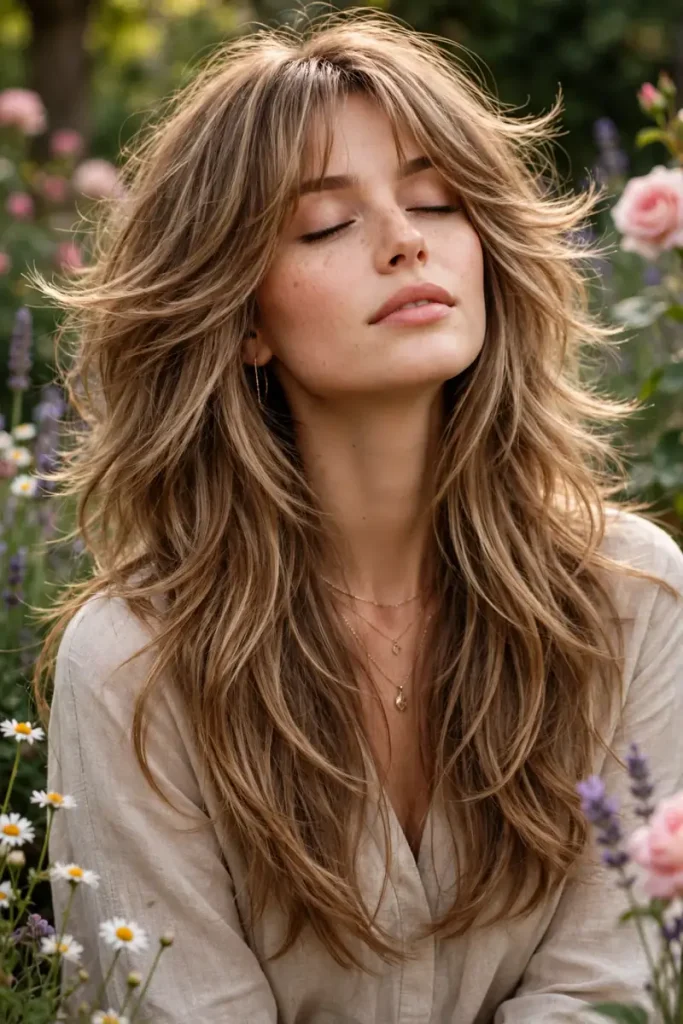
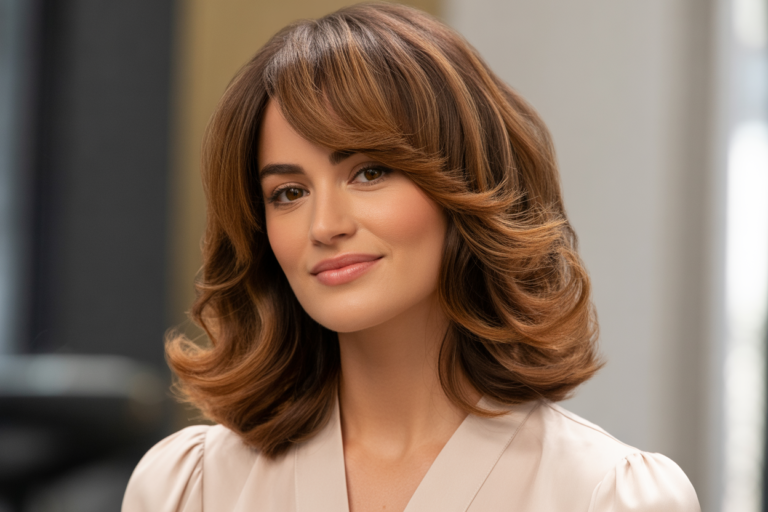
A specifically face-framing, heavily layered version named for how the shortest pieces fall in a winged shape around the face, became one of the most searched haircuts of this particular period, something I watched happen in real time as client after client started bringing in the same handful of reference photos within the same few months.
The Shullet (Shag-Mullet Hybrid, Modern Version)
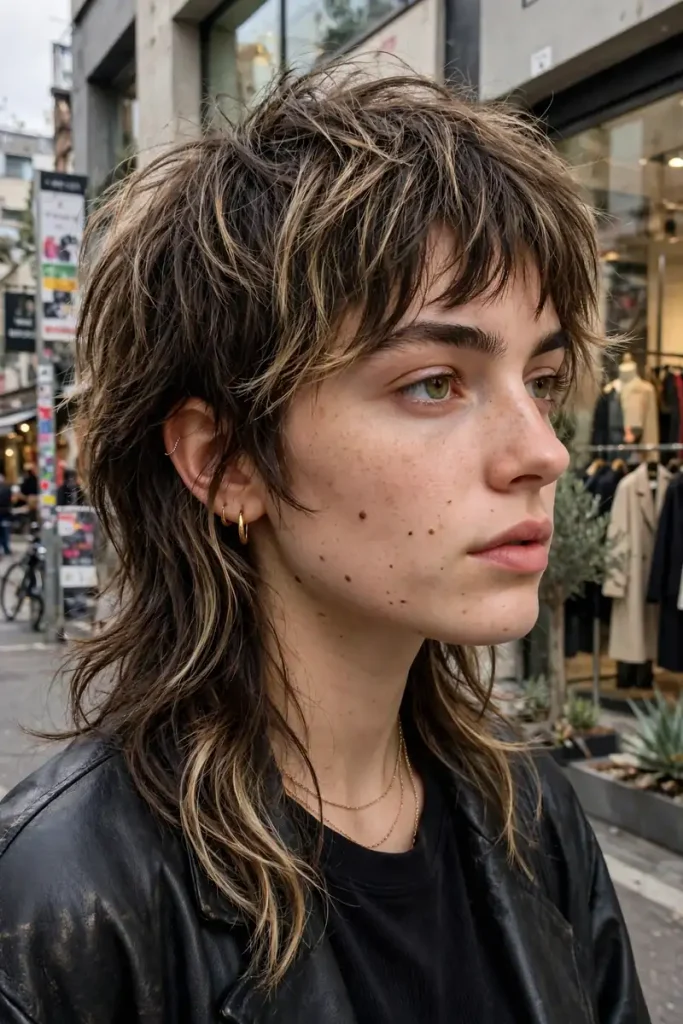
A direct, deliberate throwback to the seventies original, this version got reintroduced with far more razor work and intentional texture than its earlier counterpart, worn by a new generation who, as far as I can tell, mostly had no idea they were essentially recreating a cut their grandparents had worn decades earlier.
The Soft, Grown-Out Shag
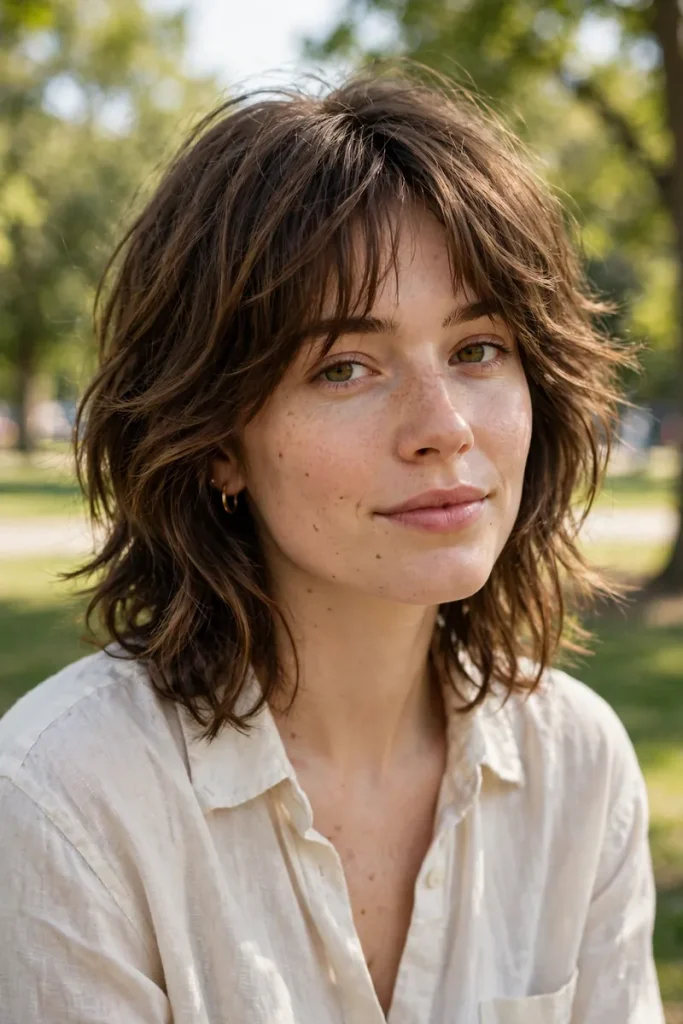
As a quieter counterpoint to some of the more dramatic viral versions, a softer, less aggressively layered shag also gained popularity in this period, essentially a gentler reinterpretation built for people who wanted the shape and movement without quite as much commitment to constant styling.
Born From a Specific Hair Type’s Reinvention
The Curly Shag
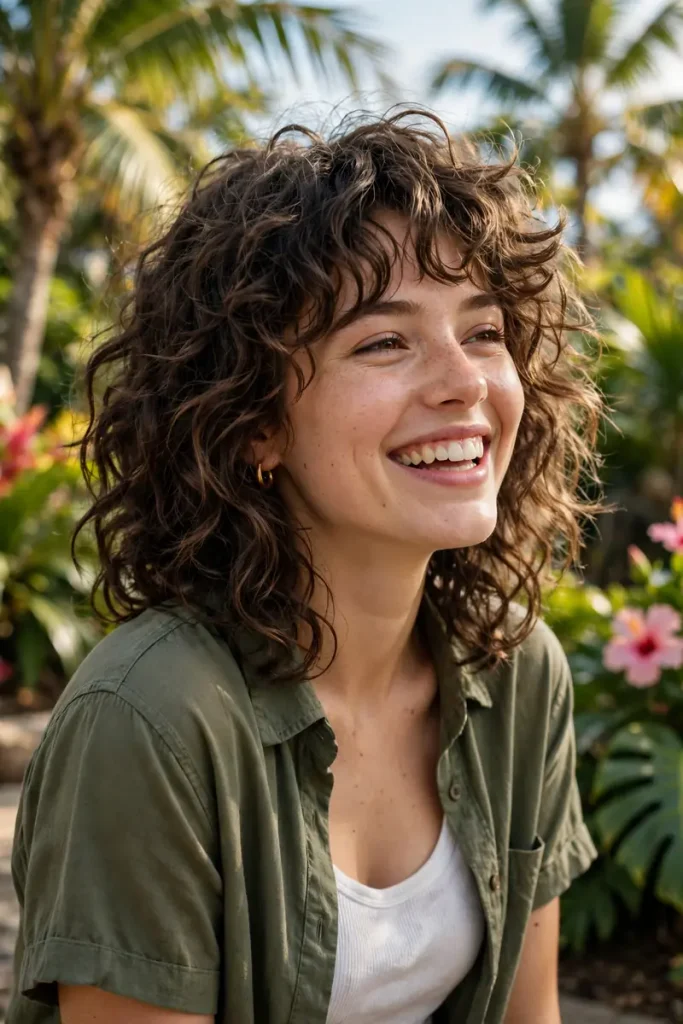
Though shag history is often told through a straight-hair lens, curly and coily hair communities developed their own distinct version over roughly the same recent years, with layering techniques specifically adapted for how curl patterns spring and settle rather than simply applying straight-hair layering rules to curly hair. A curl specialist I interviewed once for an unrelated piece told me this version required essentially reinventing the cutting technique from scratch rather than adapting the existing one, since a shag cut for straight hair genuinely doesn’t translate directly onto curls without real adjustment.
Born From Pure Internet Culture Alone
The “Shaggy Bob” Hybrid
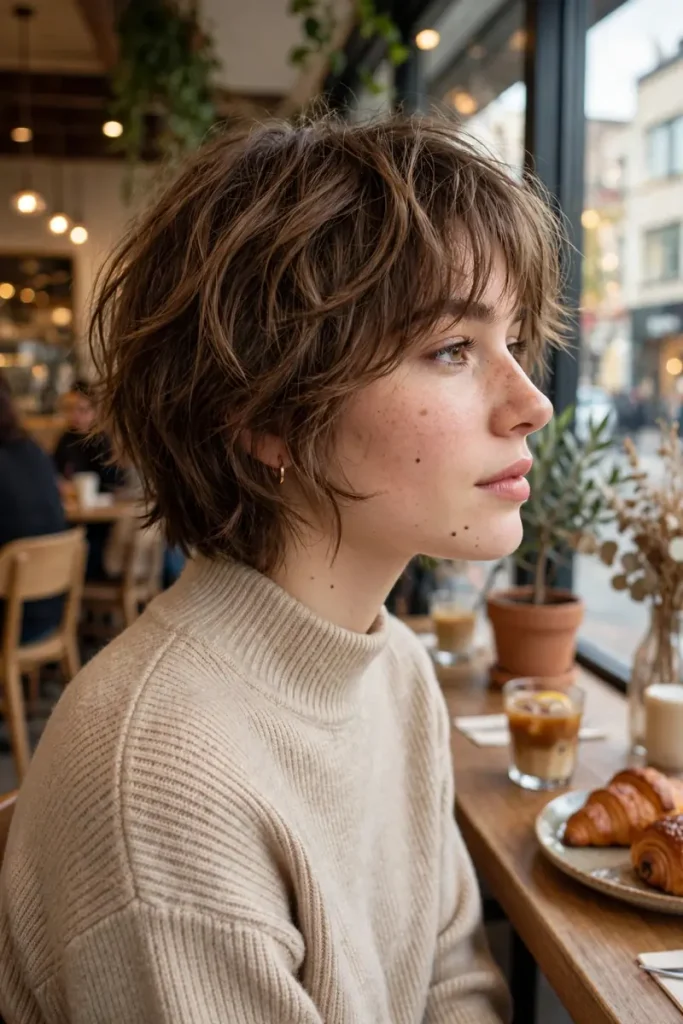
A relatively recent development with no single clear decade of origin, this version blends classic shag layering with bob-length boundaries, essentially a cut that seems to have emerged directly from social media trend-mixing rather than tracing back to any single historical moment the way most of the others on this list do.
What Fifty Years of the Same Haircut Actually Tells You
Tracing all of this back decade by decade left me with a genuine appreciation for how little the core idea has actually changed since 1968: heavy layering, movement, a deliberately imperfect edge. What shifts each time it resurfaces is really just the cultural attitude wrapped around it, rebellion in the seventies, grunge disillusionment in the nineties, internet-native self-expression in the twenty-twenties, while the actual scissors technique underneath stays remarkably consistent.
If you’re considering a shag right now, it’s worth knowing you’re not really choosing a single trend, you’re choosing which decade’s attitude you want to borrow for a while. My own mother’s advice, after watching this exact haircut cycle back around more times than she expected to see in one lifetime, was simply this: “Just get the version that looks like you, not the version that looks like whoever’s on your screen right now.” Fifty years in, that’s probably still the only advice that’s actually held up.