13 Hairstyles for Black Women: The Crown Collection
My grandmother called her hair her crown, and she said it the way other people say grace — with reverence, before anything else. She pressed it on Saturday nights with a hot comb warmed on the stove, the smell of Blue Magic in the air, and she taught me that Black hair is not difficult hair. It is historic hair. Every coil carries a story: of kingdoms that braided status into crowns, of journeys that carried techniques across an ocean, of women who turned survival into art. This collection honors thirteen styles — each one a chapter of that story, each one worn today by women writing the next page.
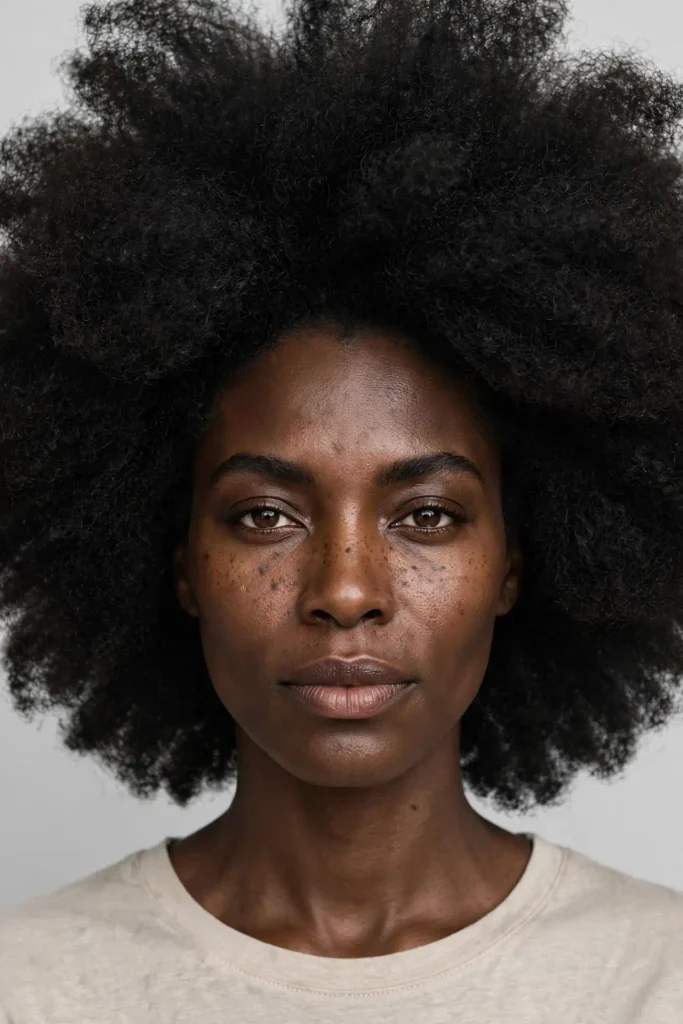
1. The Shaped Afro
The afro is not just a style. It is a declaration — one the 1960s and 70s made political and every generation since has made personal. The modern shaped afro is sculpted: rounded, defined, deliberate, cut to frame the face like the halo it is. My aunt wore hers to her corporate job in 1989 when nobody else did, and she told me the compliments took years to outnumber the stares. She kept it anyway. That is what the afro has always been: patience as a hairstyle. Shape it, pick it, oil it, and wear it like the history it carries.
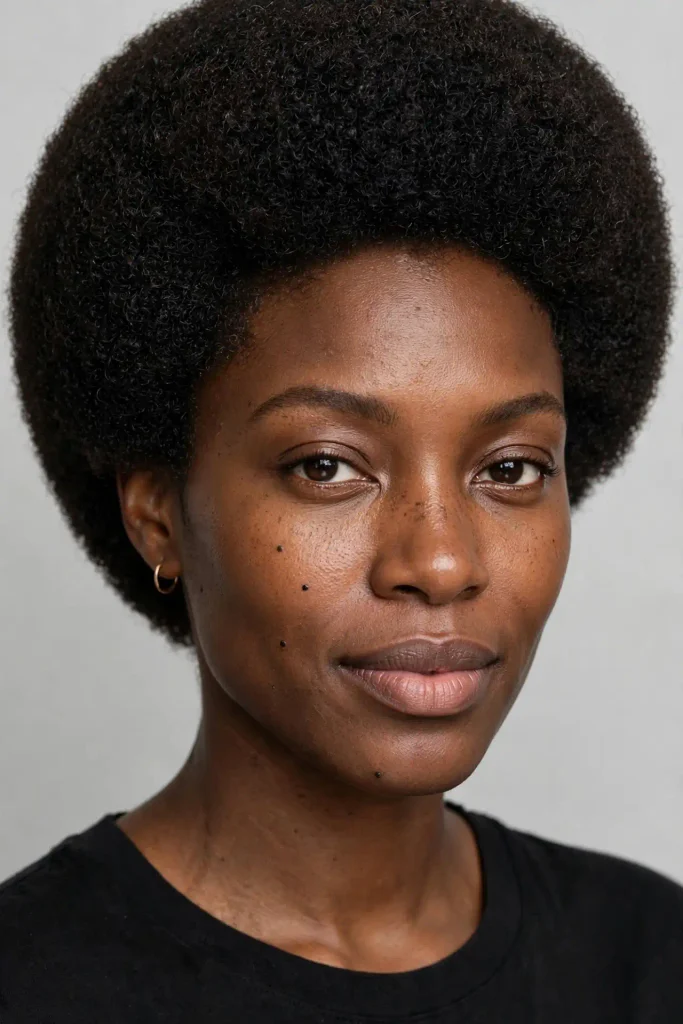
2. The Twist-Out
Two-strand twists, unraveled after a day or overnight, bloom into defined, springy coils with the kind of texture no curling iron has ever replicated. The twist-out is the people’s champion of natural styling — done at home, on your own schedule, with nothing but product and patience. I learned mine from a YouTube tutorial at midnight in my college dorm, twisting section by section while my roommate slept, and woke up to the best hair of my life. It is a style you build while you sleep. What else in beauty works that hard for you?
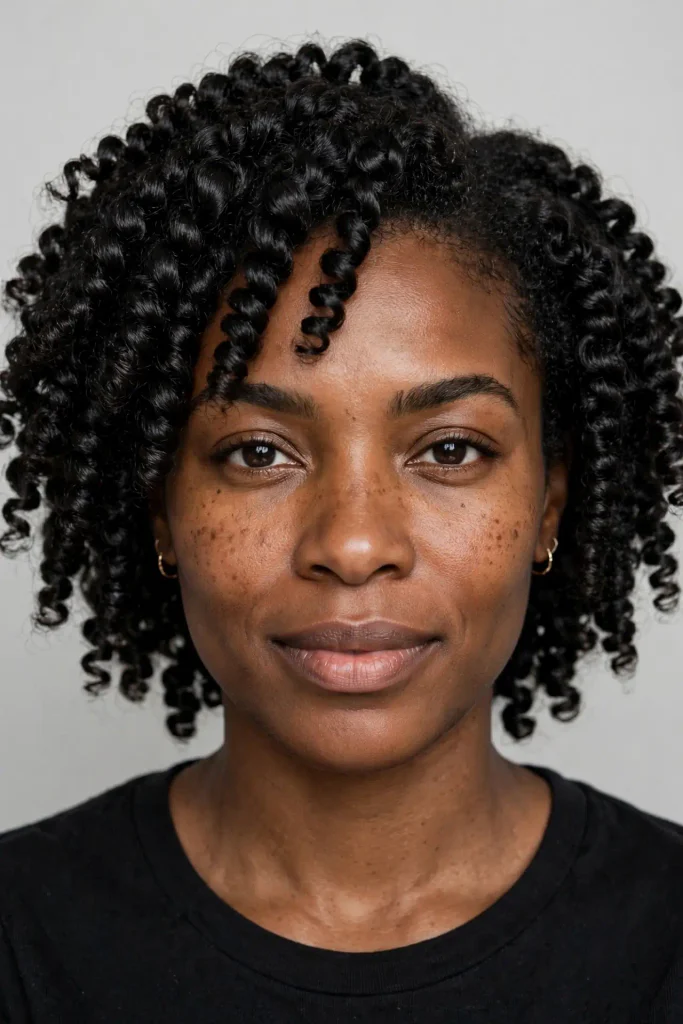
3. Box Braids, Waist-Length
Box braids carry one of the oldest techniques in human hairstyling — sectioned, precise, enduring. The waist-length version is pure drama and pure practicality: weeks of protective styling that looks like a red-carpet moment every single day. Yes, the install takes hours. I have spent eight of them in a braider’s chair, emerging like a butterfly, and I would do it again tomorrow. The weight, the swing, the way they move — box braids are not just protective. They are powerful. Treat the install like the ritual it is: snacks, playlists, and a braider you trust.
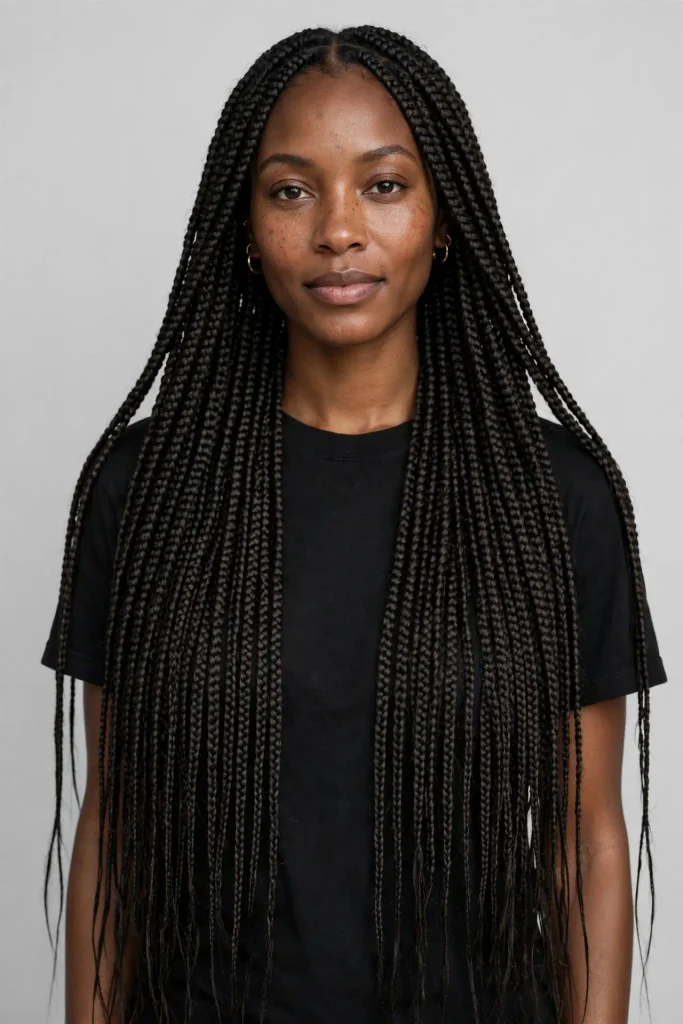
4. The Tapered Cut
Short on the sides, glorious on top — the tapered cut is architecture for coils. It showcases texture where it matters most, at the crown, while keeping the silhouette sharp and clean. This is the cut for the woman who wants edge without losing her curls, professionalism without apology. My cousin got hers before a job interview she was terrified about, and she told me walking in with that cut felt like wearing armor. She got the job. The cut did not do it alone — but it did not hurt. Tapered is confidence, tailored.
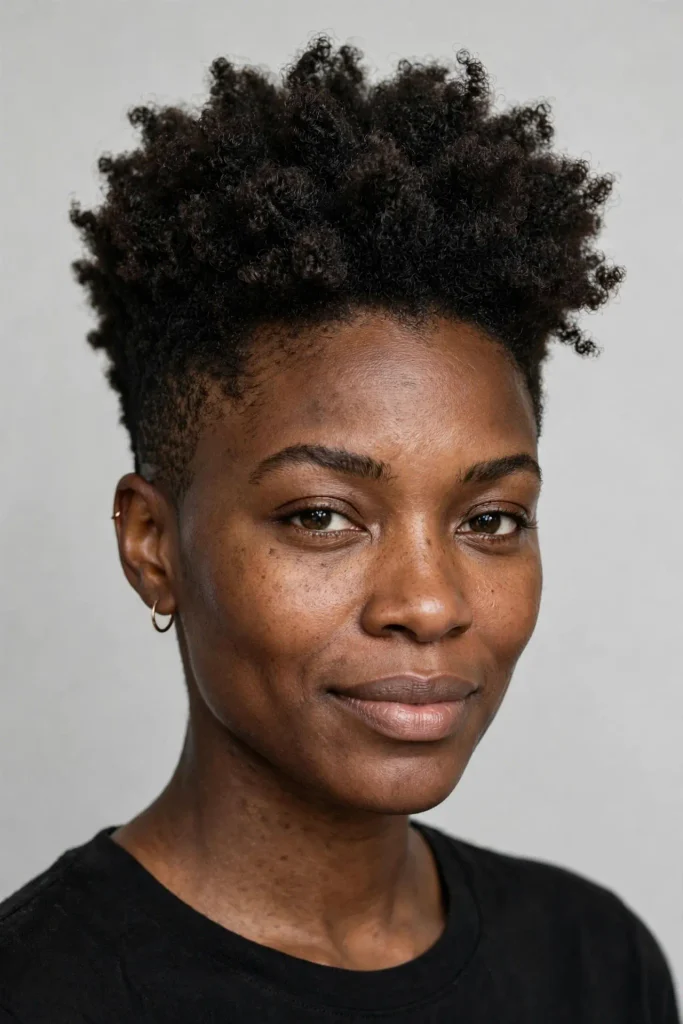
5. Fulani Braids With Beads
Named for the Fulani people of West Africa, these braids — a center part with cornrows flowing into individual plaits, traditionally adorned with beads and cowrie shells — are heritage you can wear. The beads are not decoration. They are language: status, beauty, identity, spoken in wood and gold. When I wear mine with beads, older women stop me on the street — not to critique, but to nod. Recognition. That nod is the whole point. Honor the origin: learn the name, say it right, wear it with the respect it deserves.
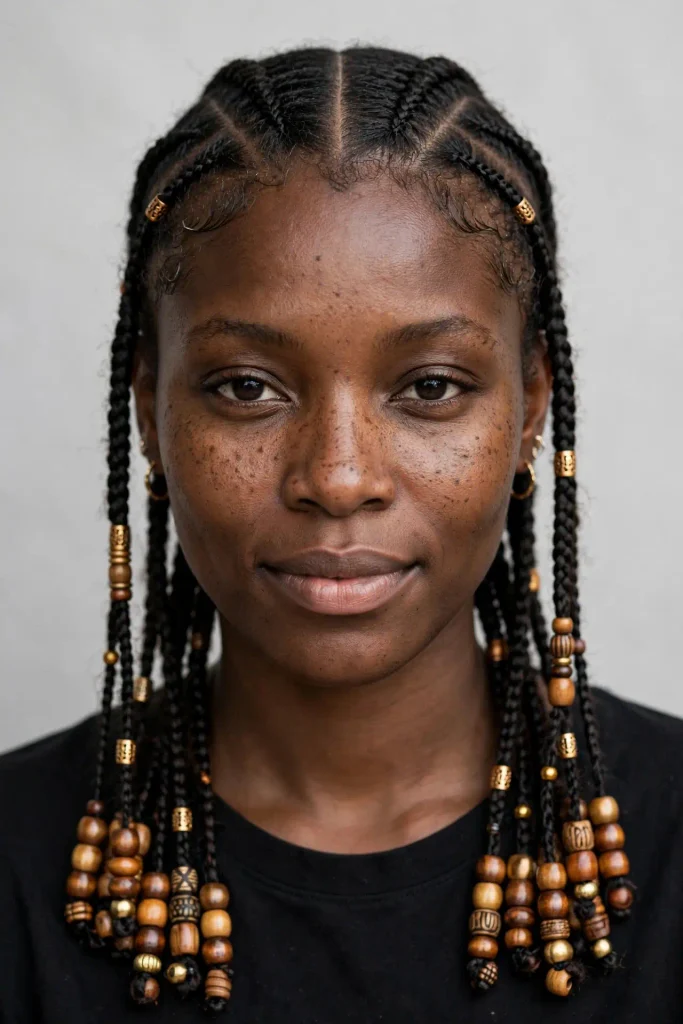
6. The Silk Press
The silk press is the modern evolution of my grandmother’s Saturday-night pressing — same sleek result, achieved with far less heat damage and far more hair health. Done right, natural hair flows like water for weeks, with movement and shine that defies every stereotype about what our hair “can’t” do. The key is the press technique: small sections, one pass, heat protectant as religion. I get mine twice a year, like a holiday. And every time, someone asks if it is “my real hair.” Every time, I smile. It has always been real. Now it is just straight.
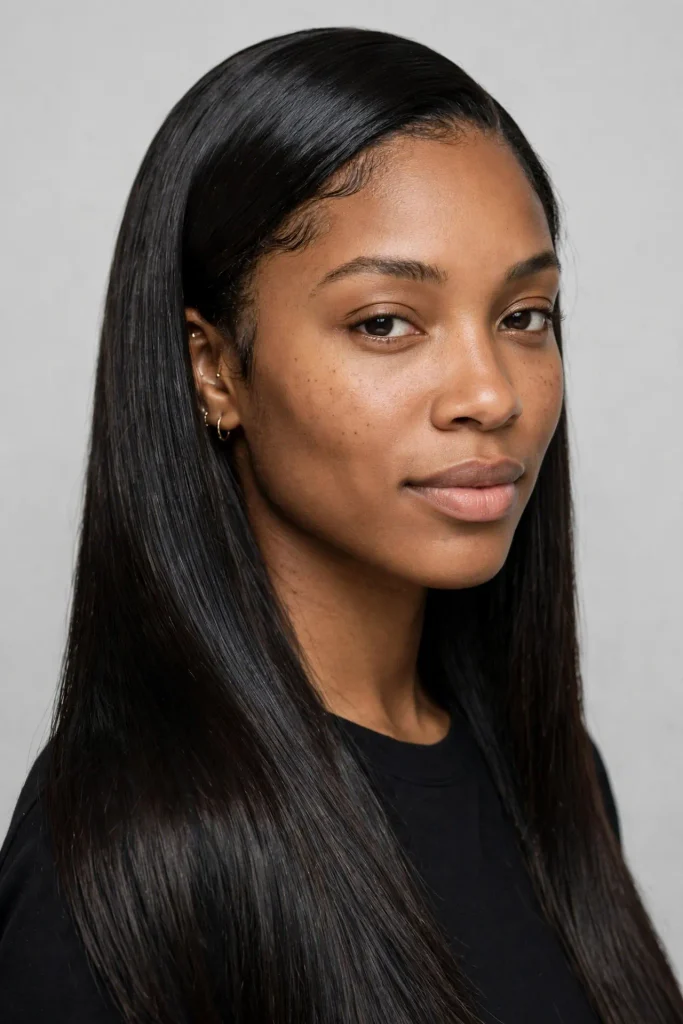
7. Goddess Locs
Locs with curly, free ends — goddess locs are the romantic chapter of the loc journey, softer and more flowing than traditional locs while keeping their depth and presence. They take time to install and even more time to love, because locs are a relationship, not a style. My friend started hers after her divorce, and she describes the first year as “growing myself back.” The curly ends were her idea — “so they know I’m soft,” she said. Goddess locs prove that strength and softness were never opposites. They were always the same crown.
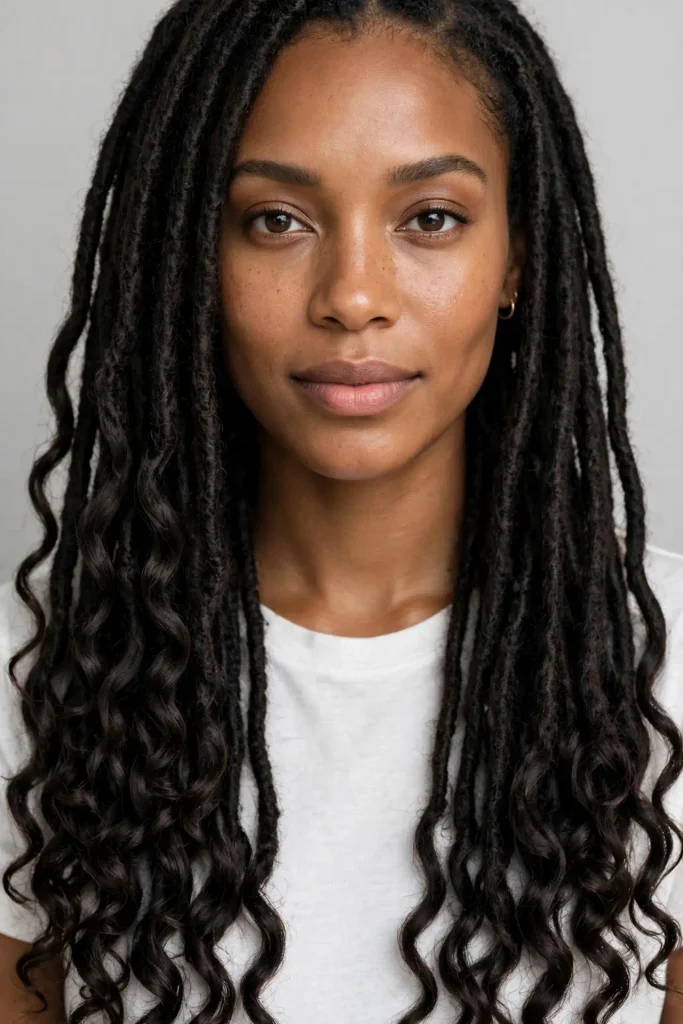
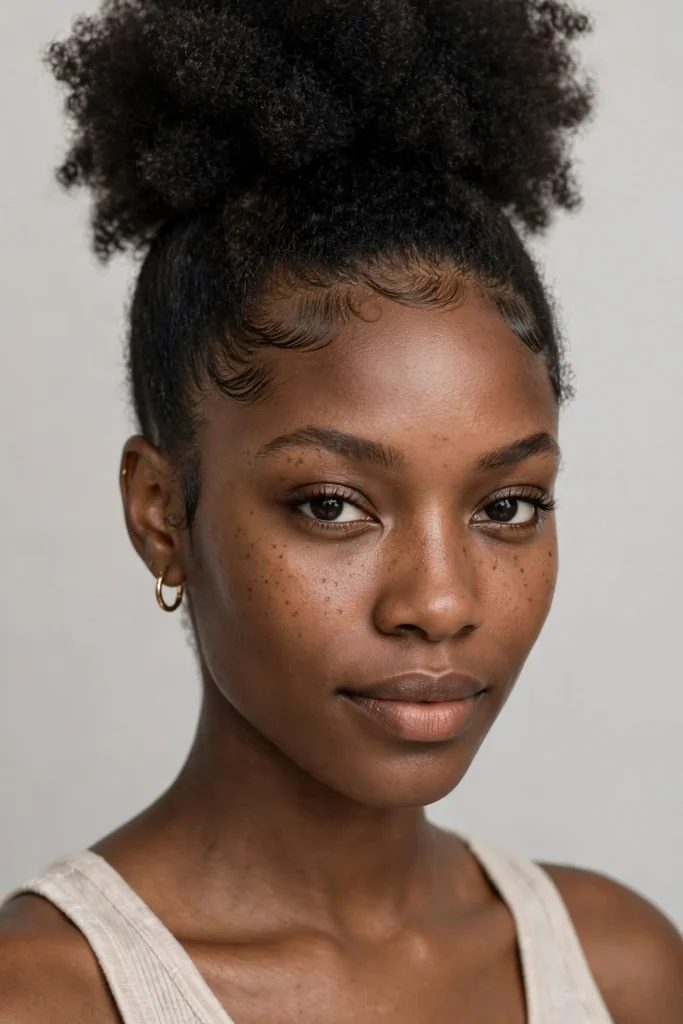
8. The High Puff
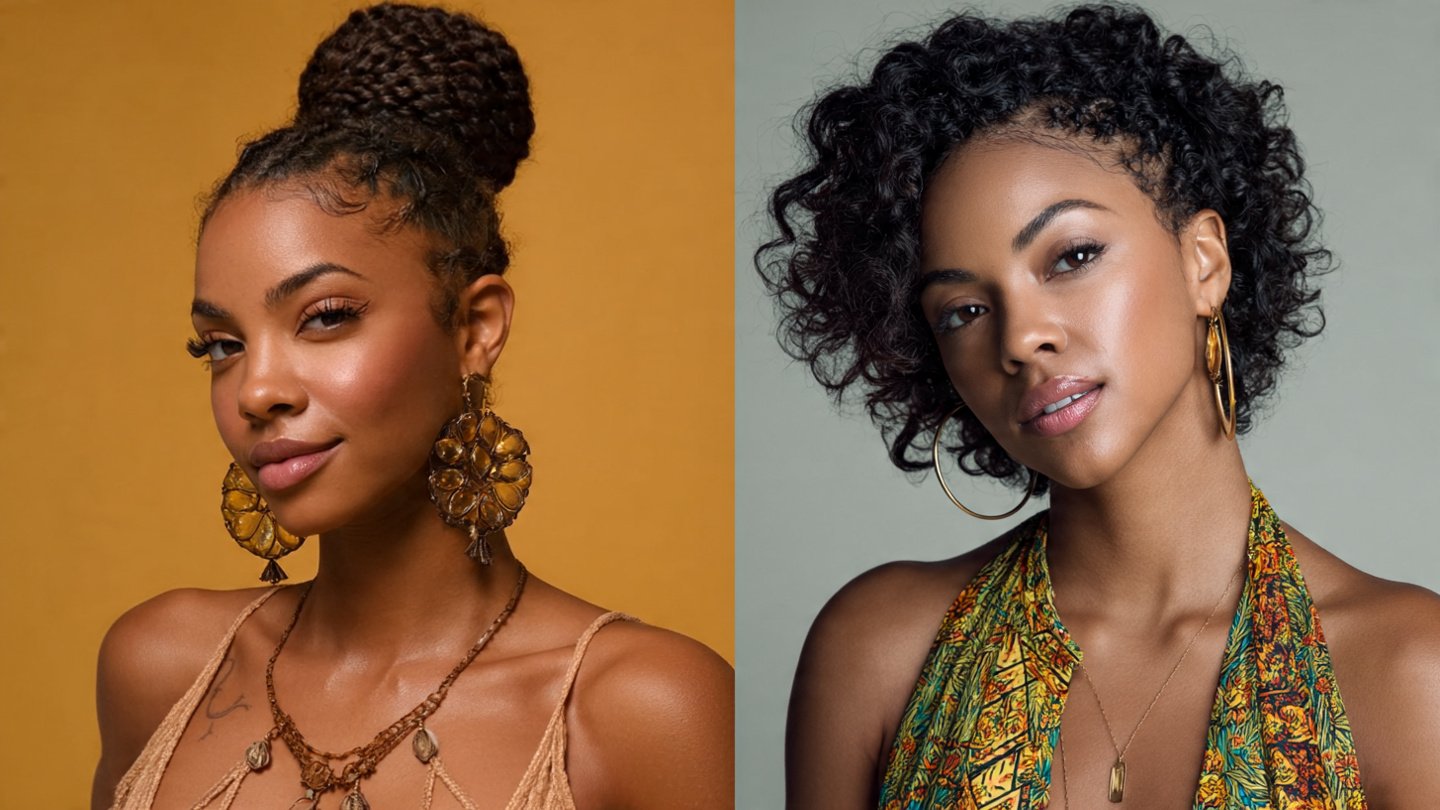
Gather it all up, let it bloom at the crown — the high puff is joy in hairstyle form. It takes five minutes, a good elastic, and the confidence to let your texture be the entire statement. I wore mine to a wedding where I was the only natural girl in the bridal party, and the photographer spent half the reception shooting my puff instead of the centerpieces. It is the style that says you stopped asking permission. Edge control on the hairline, pick at the crown, and walk in like the room was waiting for you. It was.
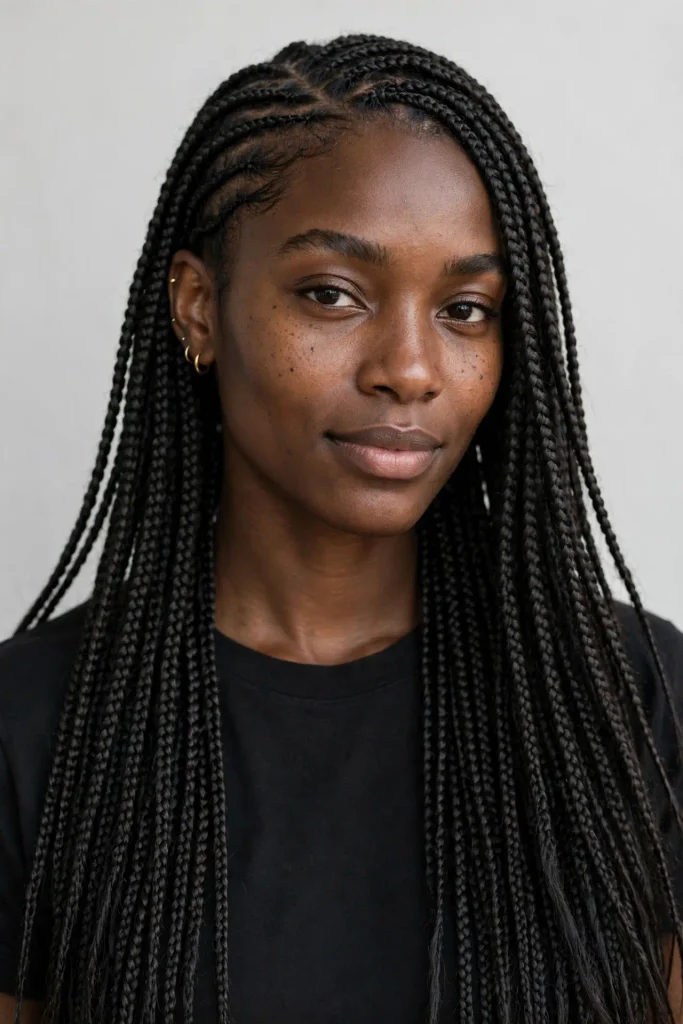
9. Knotless Braids
The gentler evolution of box braids — knotless braids start with your natural hair and feed in extensions gradually, eliminating the tension knot at the root. Less pulling, less edge stress, more comfort, same stunning result. Stylists call them the healthier choice; clients call them the painless choice. I switched to knotless three years ago and my edges sent a thank-you note. If you love braids but your hairline has been filing complaints, this is your answer. Beauty should never require suffering. Knotless proved it.
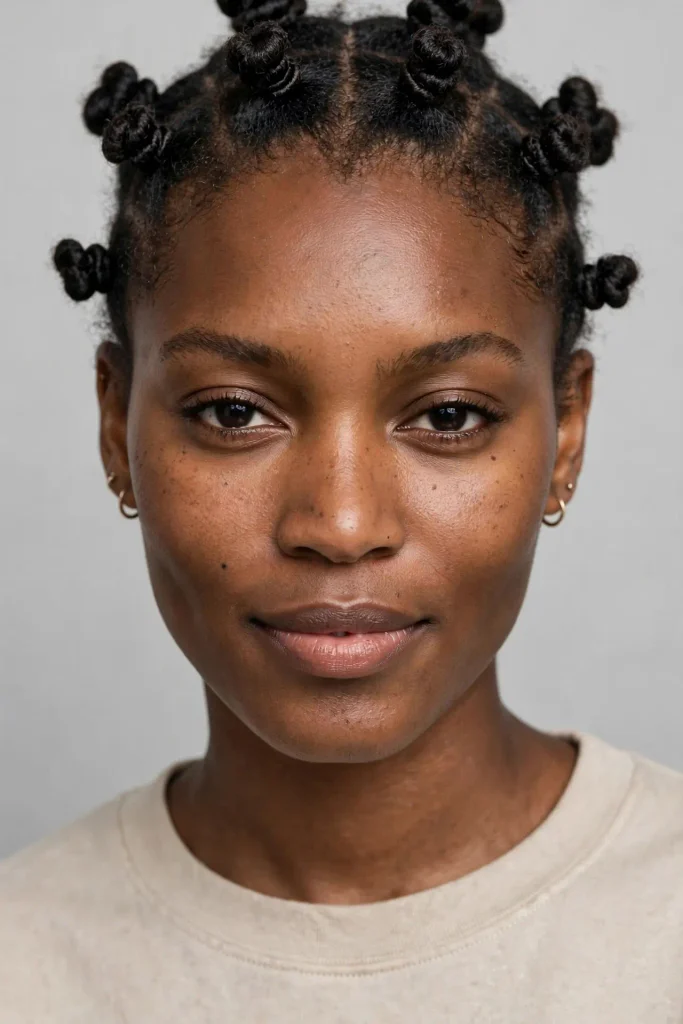
10. The Bantu Knots
Small coiled buns sectioned across the head — bantu knots are ancient, originating with the Bantu-speaking peoples of Southern Africa, and utterly modern at the same time. Worn as a style, they are sculptural and striking. Unraveled, they become bantu knot-out curls, springy and defined. Two styles in one install: that is efficiency worthy of the ancestors. I wear them when I want to feel connected — to history, to heritage, to the women who invented this centuries before it had a name in any magazine. Some styles are fashion. This one is lineage.
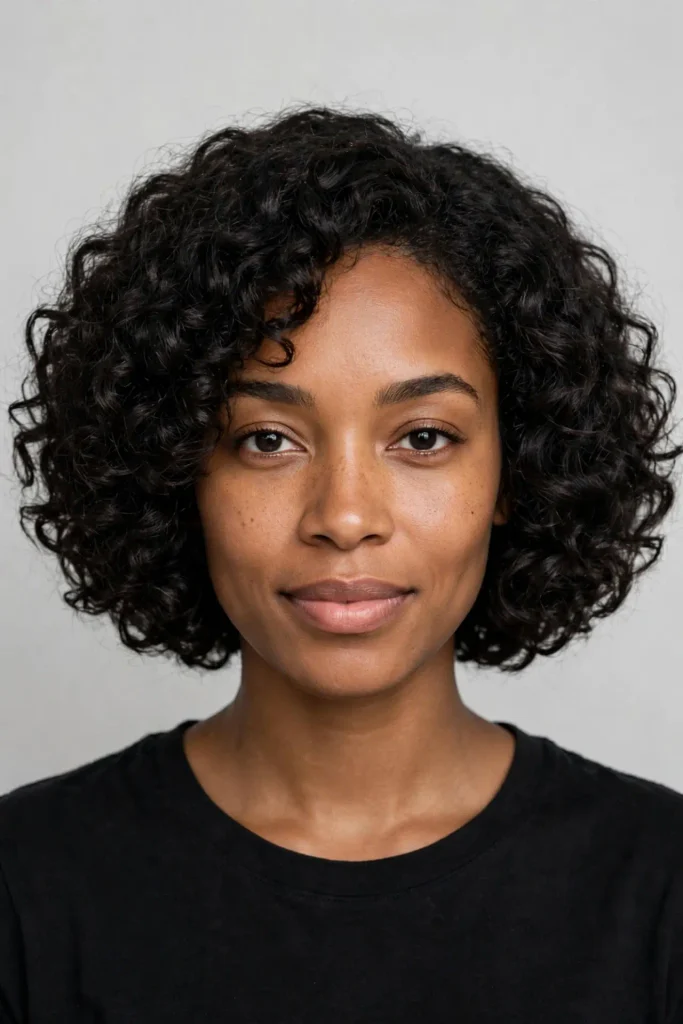
11. The Curly Bob
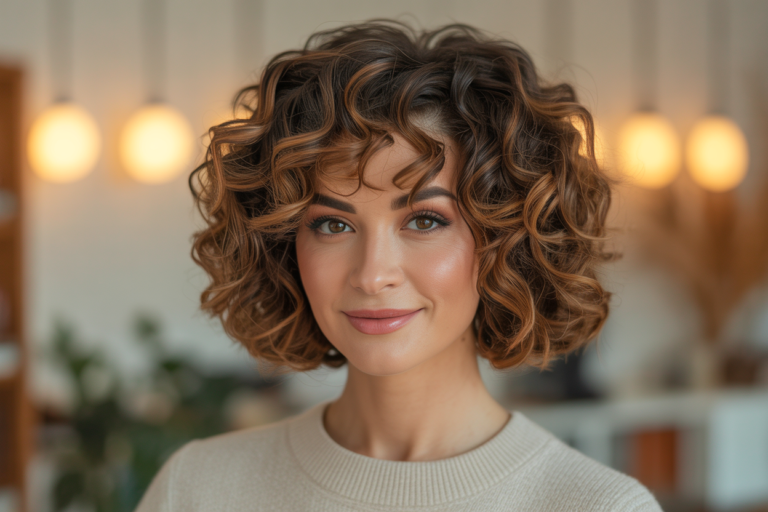
Chin to shoulder, rounded, bouncy — the curly bob is the chic reset. It removes damage, showcases curl pattern, and frames the face with intention. After years of long protective styles, cutting to a curly bob feels like exhaling. My sister did her big chop into a bob and described it as “meeting my hair for the first time.” The bob demands a dry cut from a curl specialist — wet cutting is guessing, dry cutting is knowing. Get the right cut, and the bob does the rest. Short hair, long history, endless compliments.
12. Cornrows With Designs
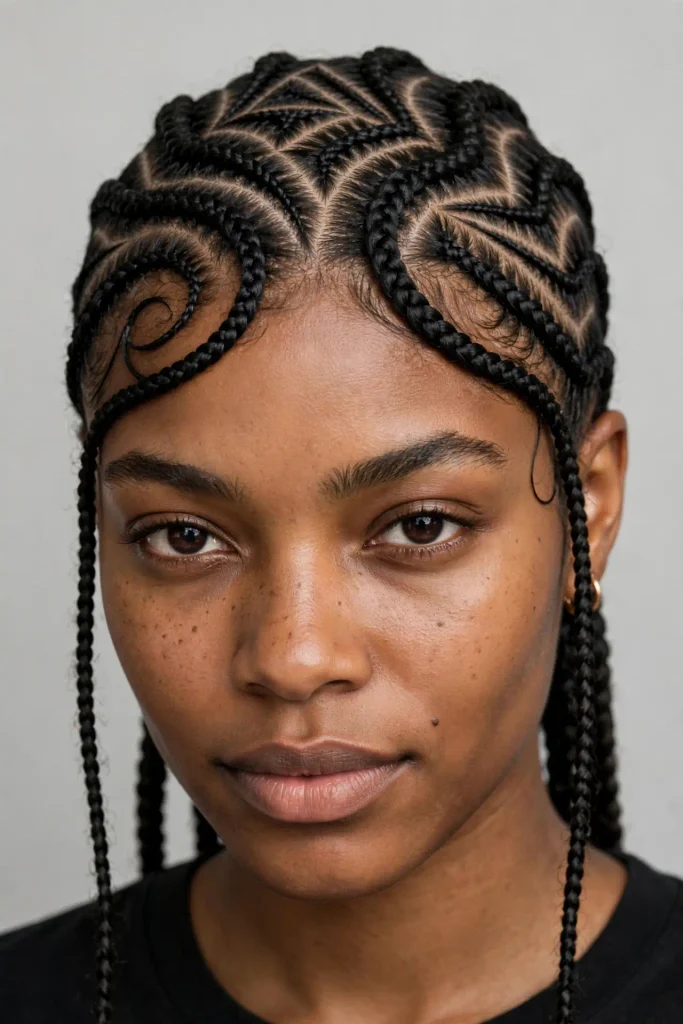
Cornrows are among the oldest braided styles in recorded history — and the most underrated canvas in modern hairstyling. Straight backs are classic, but designed cornrows — zigzags, curves, geometric patterns shaved or braided into the scalp — turn the head into art. My nephew’s barber does lightning bolts; my stylist does waves that look like water. The designs last two to three weeks and photograph like nothing else. This is the style for the woman who treats her head like a gallery. The scalp is the canvas. The braider is the artist. You are the exhibition.
13. The Pineapple Updo
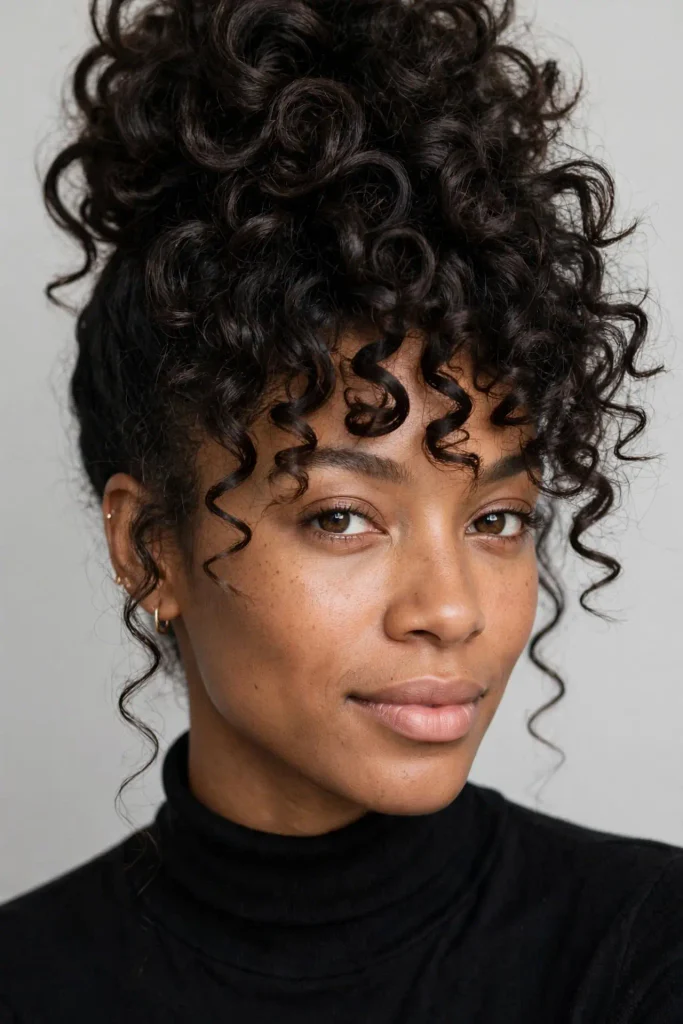
Named for its silhouette — hair gathered high, curls cascading like pineapple leaves — this is the nighttime preservation method that became a daytime style. Originally a sleep technique to protect curls, the pineapple migrated to daylight because it looked too good to hide. High, proud, and practical: it keeps ends safe while showing off length and texture. I have worn mine to brunch, to the office, to a first date. It is the style that started as self-care and ended as a statement. Protect the crown, even in your sleep — especially in your sleep.
Wear the Crown
Thirteen styles, thousands of years. From the kingdoms that first braided meaning into hair, through the hot combs and Saturday nights, to the silk presses and knotless braids of today — Black hair has never been just hair. It has been resistance, celebration, art, and home. Whatever you choose from this collection, wear it with the knowledge of what it carries. My grandmother was right. It was always a crown. Now go wear yours.
The Care Rituals: Keeping the Crown Healthy
A crown needs maintenance. Moisture is law: the LOC or LCO method — liquid, oil, cream — keeps coils hydrated between wash days, because our hair loses moisture faster than any other texture. Protective styling is strategy, not hiding: braids, twists, and wigs give your hair rest from daily manipulation, but they are not a way to avoid your hair — take breaks, let it breathe, deep-condition between installs. Edges are precious: no style is worth traction alopecia. If it hurts, it is too tight; tell your braider, loosen it, or take it out. Nighttime is sacred: satin bonnet or silk pillowcase, every night, no exceptions — cotton steals moisture while you sleep. Trim the ends: holding onto damaged ends out of length loyalty only travels the damage upward. My grandmother’s rules, updated: moisture, protection, edges, satin, trims. The crown thrives on ritual.
The Next Chapter: Where the Crown Goes From Here
The story is not finished. Young creators are taking these thirteen styles somewhere new: knotless braids with color money-pieces, fulani braids with gold cuffs stacked like jewelry, silk presses paired with blunt bobs, bantu knots worn to boardrooms. The CROWN Act — legislation against hair discrimination — is now law in multiple states, which means the freedom to wear these styles is increasingly protected, not just practiced. My grandmother pressed her hair to survive a world that punished its natural state. My generation wears it natural to honor her survival. The next generation will wear whatever they want, because the fight made it possible. Thirteen styles, thousands of years, and the best chapter is the one being written right now — by you.
The Elders Speak
My grandmother: “Your hair is your glory. Treat it like it.” My aunt, the 1989 afro pioneer: “They stared. I stayed.” My mother, who relaxed her hair for twenty years before going natural at fifty: “I wish I’d met my real hair sooner.” The elder at the braiding shop, hands faster than eyes: “Sit still, baby. Beauty takes time.” The deaconess at church, whose wig collection is legendary: “Every Sunday a different crown, because God loves variety.” Five voices, five decades, one message: this hair was never the problem. The world just needed time to catch up to what we always knew. Listen to the elders. Then add your own verse.
To the girl pressing her edges in the bathroom mirror right now, wondering if her hair is “too much”: it is not too much. It is exactly enough. It is history and future, art and armor, the ancestors and the descendants, all in one head of hair. The crown was never about being acceptable to anyone else. It was about recognizing what was always there. My grandmother knew. The elders know. Now you know too.
Thirteen styles. One crown. Infinite ways to wear it — and every single one of them is yours by birthright.
Now go wear yours — loudly, proudly, and exactly the way you want.
The chair is yours. The crown was always yours.