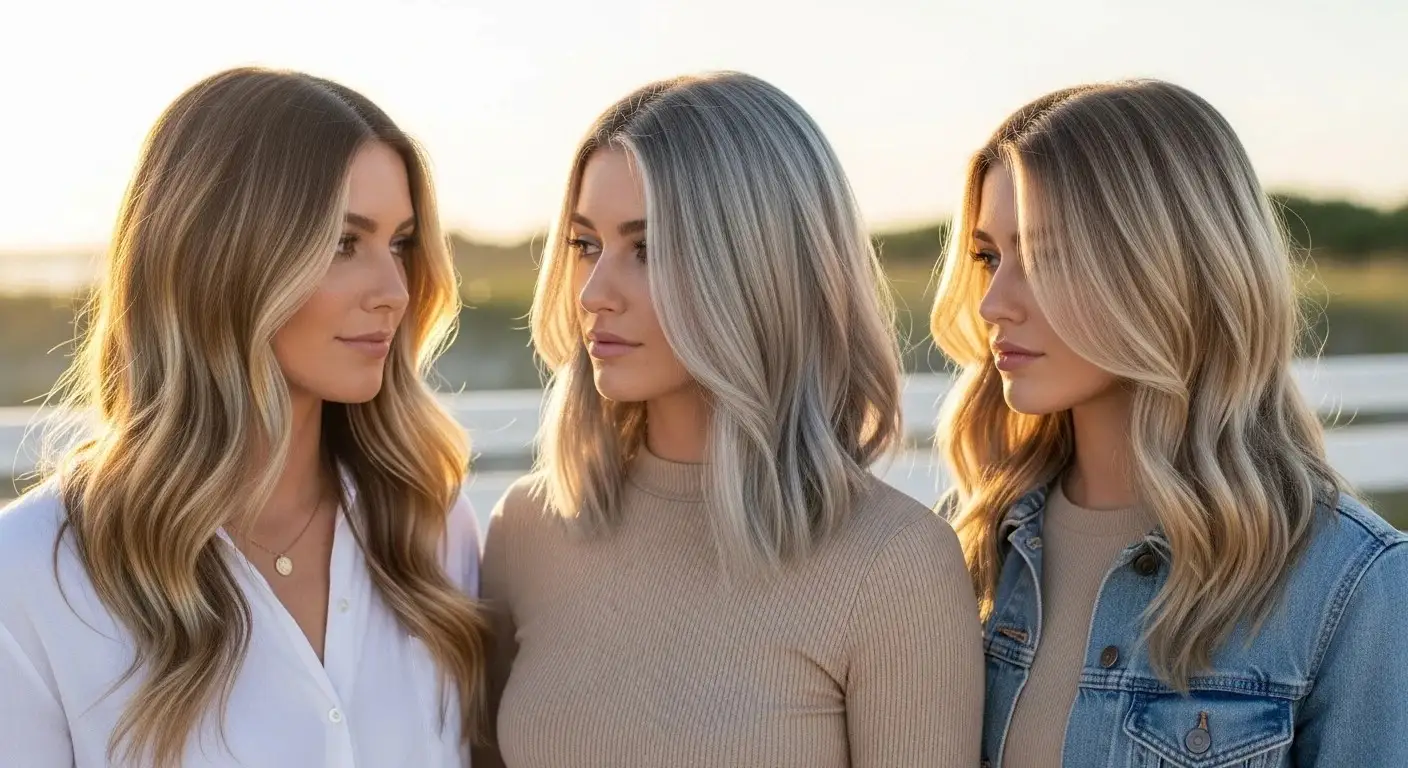
19 Summer Blonde Balayage Ideas, Sorted by the Hair You’re Starting With
The question I get asked more than any other behind the color bowl isn’t “what’s trending.” It’s “will this actually work on my hair.” And the honest answer is: it depends entirely on where you’re starting from. A balayage that looks effortless on natural level-6 brown hair requires a completely different roadmap on box-dyed black hair or on hair that’s already been lightened twice this year. Most balayage galleries skip this part entirely — they show you the finished photo and let you assume your hair will get there the same way.
So I’m not organizing this list by “look.” I’m organizing it by starting point, because that’s the actual decision tree I walk through with every client before a single foil touches their head. Find your current hair color below, read that section first, then browse freely — but know that the number of sessions, the cost, and the maintenance reality change dramatically depending on where you begin.
Why Starting Point Matters More Than the Photo You Bring In
Before the ideas, one honest conversation. Blonde balayage is built on lifting your natural pigment out and depositing a lighter tone in its place, and every hair color holds a different amount of underlying pigment working against that lift. Light brown hair usually lifts to a warm gold with minimal resistance. Dark brown hair often has to pass through orange and brassy stages before it reaches blonde, requiring toner to correct. Black or previously dyed dark hair frequently can’t get there in one sitting at all without serious damage, and any honest colorist will tell you that upfront rather than promising a one-visit miracle.
Keep your actual starting color in mind as you read. It’ll save you a disappointing consultation.
If You’re Starting From Light Brown (Level 6–7)
This is genuinely the easiest starting point for blonde balayage, and if this is you, almost every idea on this list is achievable in a single session.
Idea 1: Honey Glow Balayage
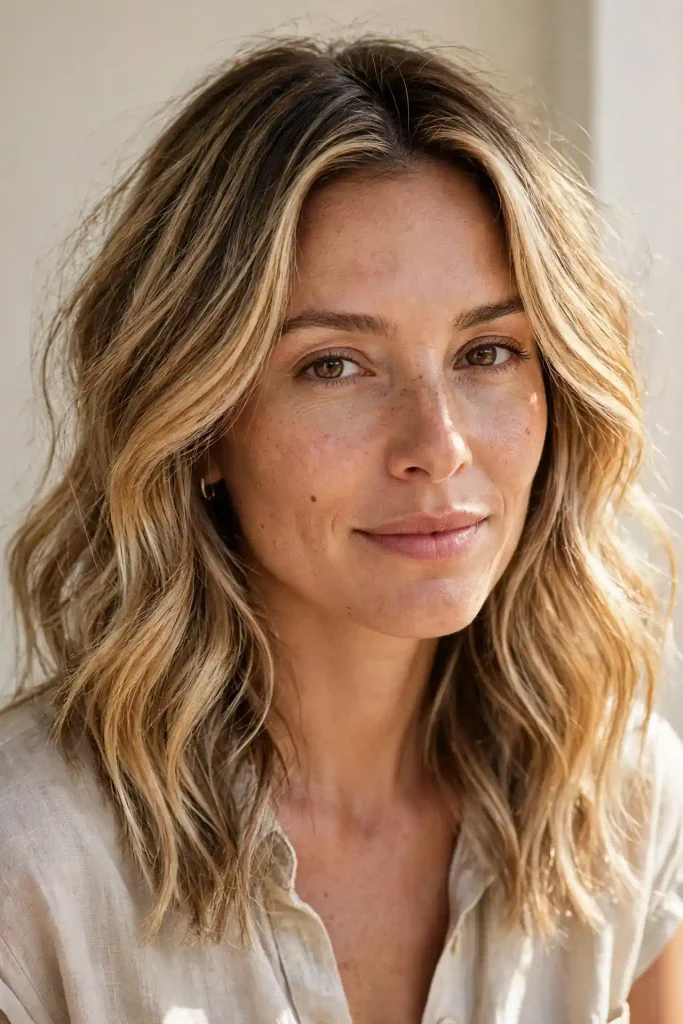
Warm honey-gold highlights painted through the mid-lengths and ends, left slightly darker at the root for a soft, sun-kissed transition. Light brown hair takes this warmth beautifully because the underlying pigment is already gold-adjacent, so the lift is fast and even.
Idea 2: Buttery Blonde Ends
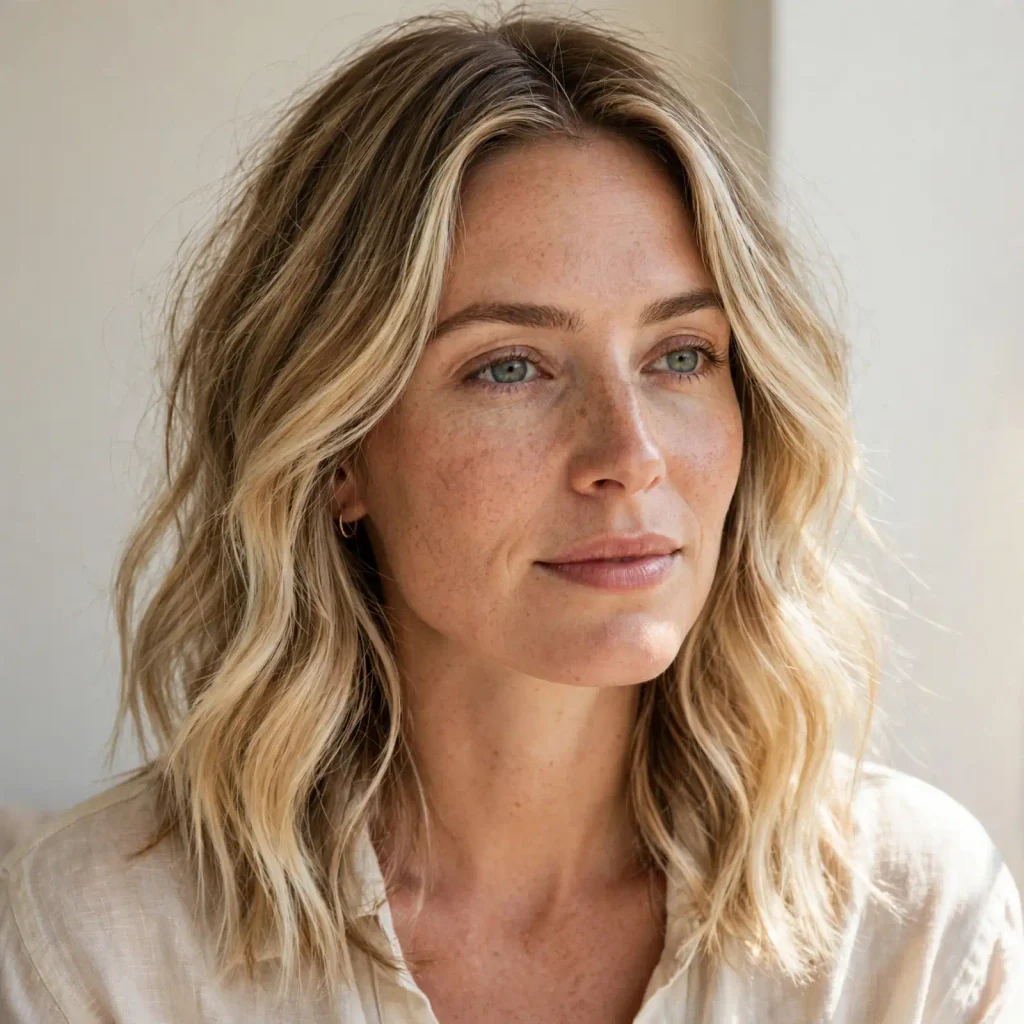
A more concentrated lightening at just the ends, creating a dip-dye-adjacent effect that’s softer and more grown-out looking than a true ombre. This is the lowest-maintenance option on the entire list for a light brown base, because the roots need almost no touch-up for months.
Idea 3: Face-Framing Balayage Only

Instead of all-over highlights, lightening concentrated in two to three pieces around the face. On light brown hair, this reads as a full transformation despite being a fraction of the color service, both in time in the chair and in cost.
Idea 4: Bronde Balayage
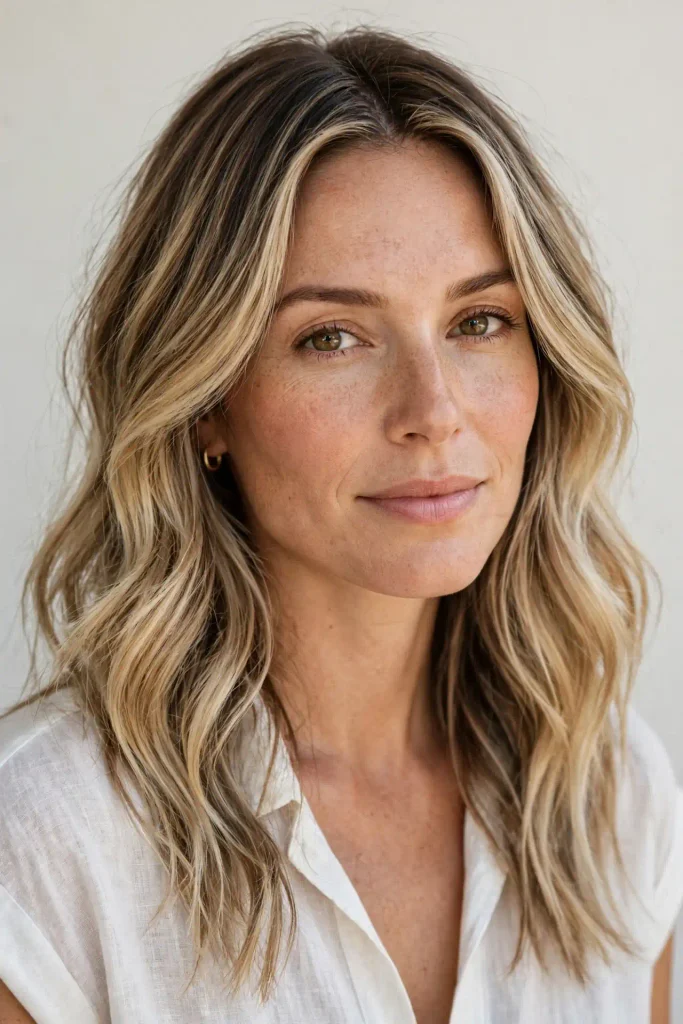
A blend that sits deliberately between brown and blonde, using both warm blonde and a slightly deeper caramel tone together. This is the most natural-looking option on the list, and it’s specifically suited to light brown hair because it barely reads as “colored” at all.
If You’re Starting From Medium to Dark Brown (Level 4–5)
This is where a second visit sometimes enters the conversation, particularly for anything reaching toward pale blonde. Here’s what actually works well from this starting point without excessive damage.
Idea 5: Caramel-to-Honey Blend
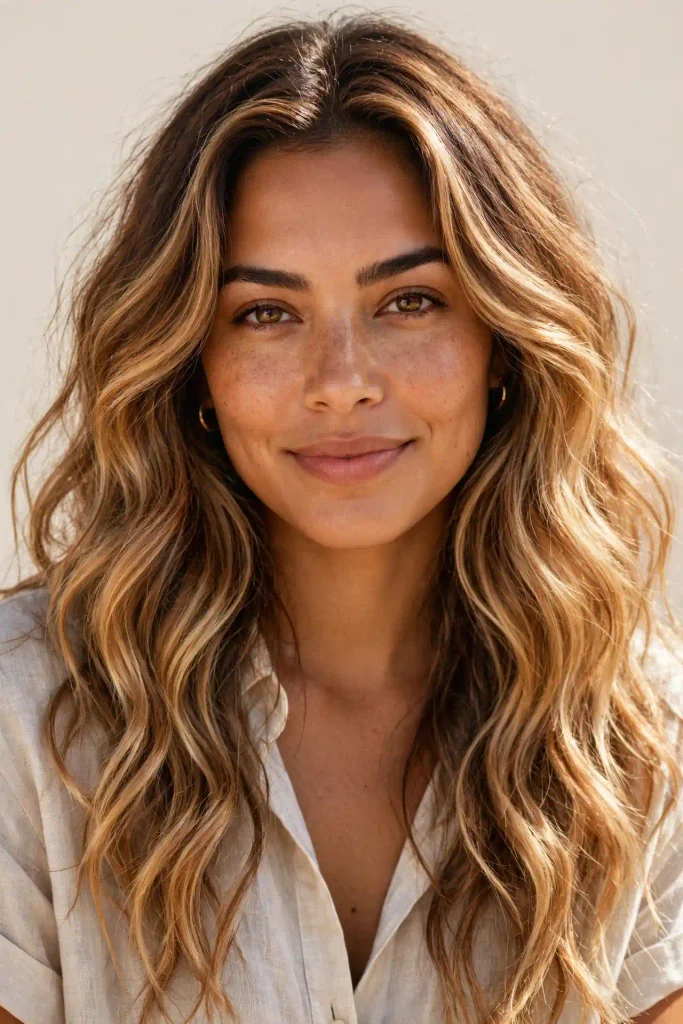
A gradual transition using two to three shades of warm blonde and caramel, rather than jumping straight to a single pale tone. Working in stages, tonally, is both more achievable in one sitting from a dark base and, frankly, more flattering than a stark contrast.
Idea 6: Money Piece Balayage
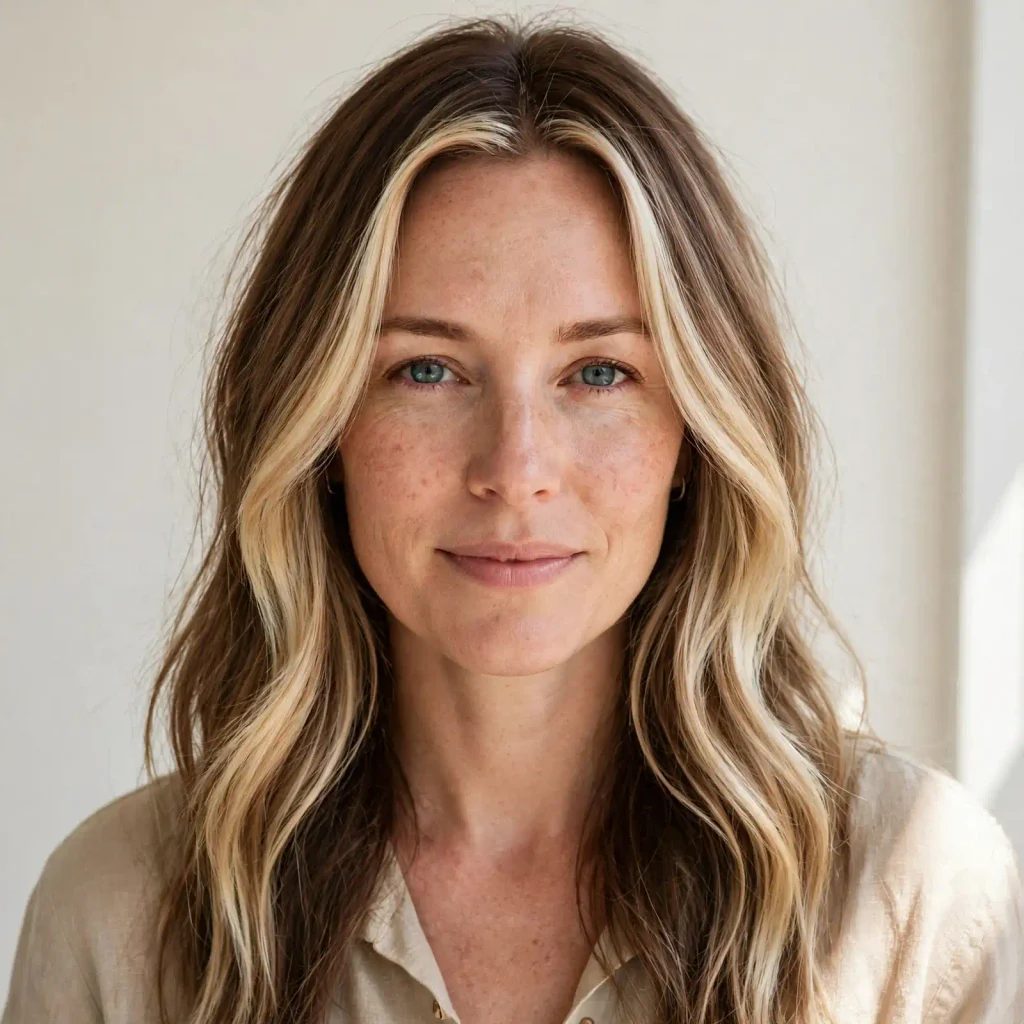
Two bold, face-framing pieces lightened significantly brighter than the rest of the hair, which stays close to its natural dark base. This concentrates the lift where it has the most visual impact, which matters when going all-over blonde from a dark base would mean either multiple sessions or real compromise on hair health.
Idea 7: Root Smudge Balayage
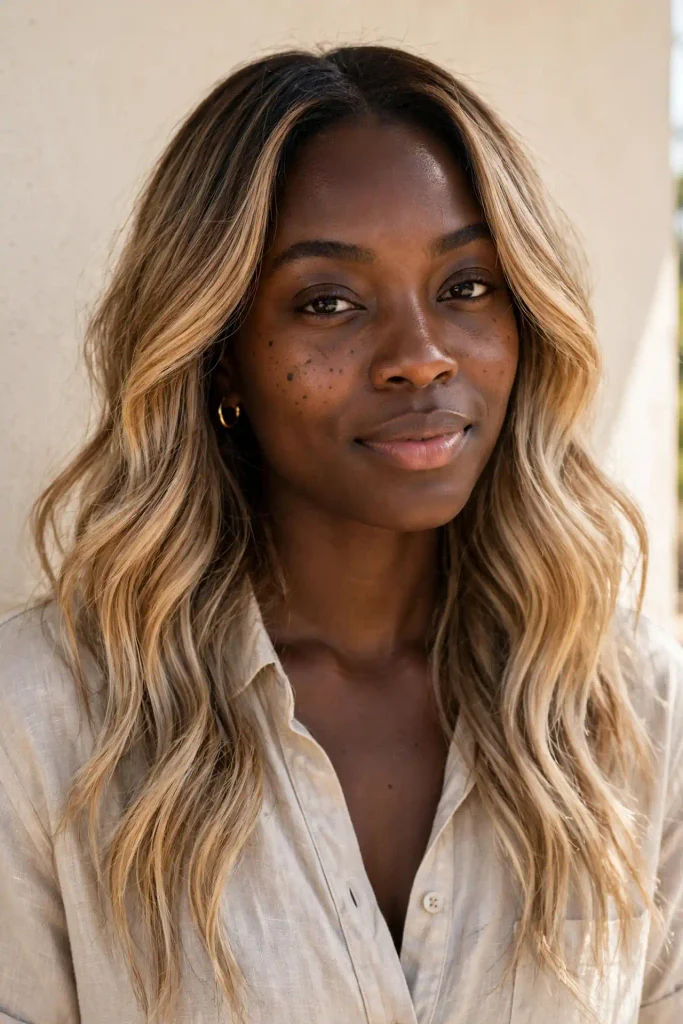
Balayage throughout, finished with a soft “smudge” of color at the root that blends the natural dark base into the lightened lengths, rather than a hard line. This is the technique that makes regrowth nearly invisible for months, which matters enormously when your natural color is dramatically darker than your ends.
Idea 8: Chunky Face-Framing Blonde
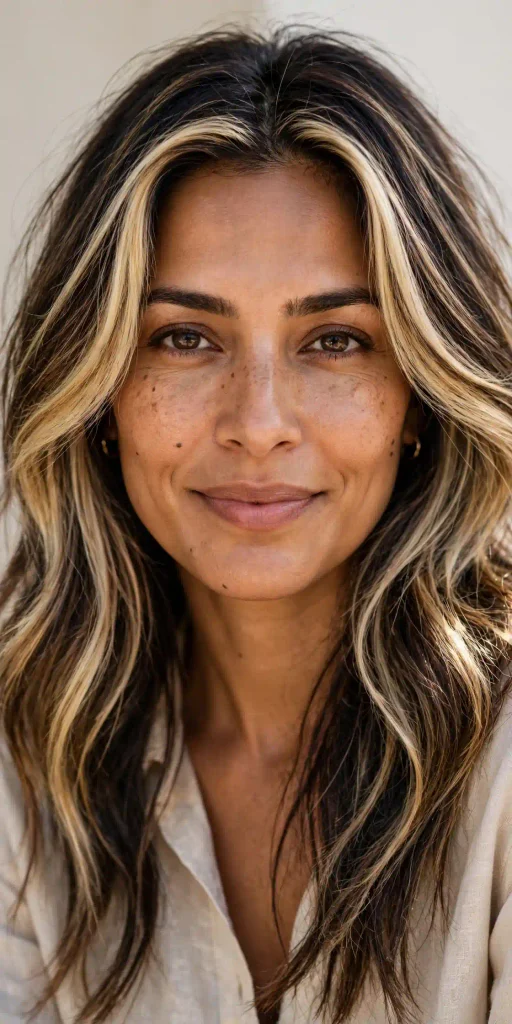
Broader, more noticeable pieces of blonde around the face rather than the thin, subtle pieces of Idea 3. On a darker base, thin pieces can get visually lost; broader sections hold up and stay visible against the deeper background color.
If You’re Starting From Very Dark Brown or Black
This is the starting point that requires the most honesty in a consultation. True pale blonde balayage on black hair is realistically a multi-session process, and any colorist promising otherwise in one visit is prioritizing the sale over your hair’s actual health.
Idea 9: Warm Amber Balayage
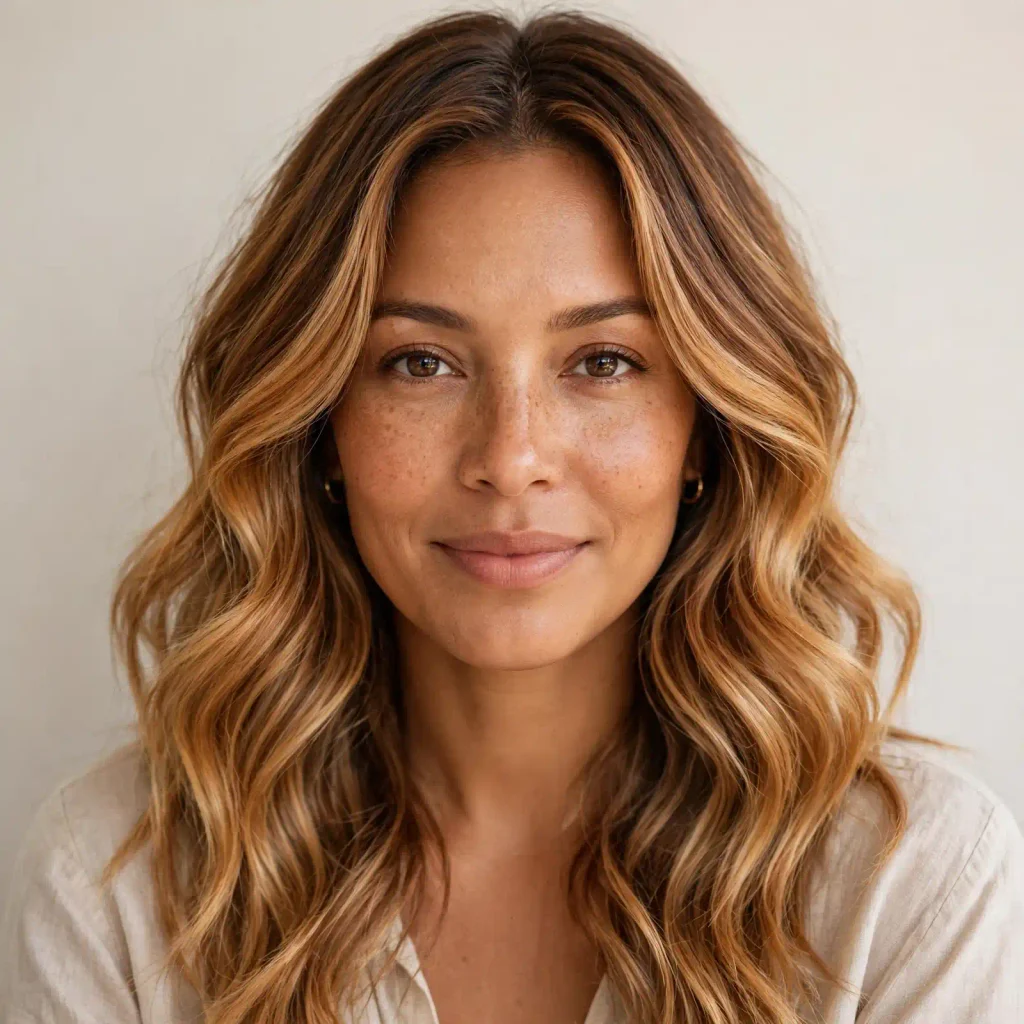
Rather than fighting toward pale blonde in one sitting, this works with the natural warmth that lifts first from dark hair — amber, copper-gold, deep honey — creating a rich, sun-warmed effect that’s achievable without the extreme processing pale blonde would require.
Idea 10: Subtle Ribbon Highlights
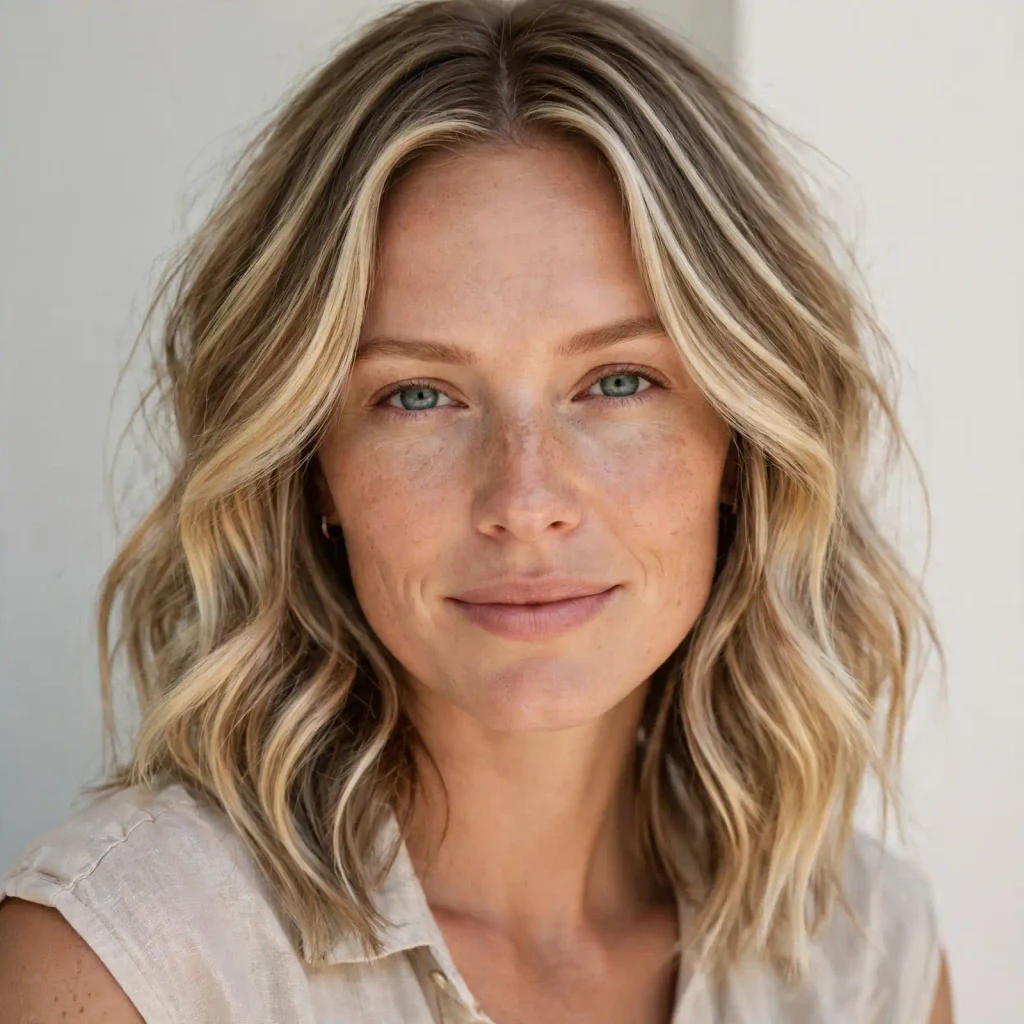
Thin, low-contrast highlights woven through just the surface layer of hair, left warm rather than pushed toward ash or pale tones. This gives movement and dimension without demanding the level of lift that risks real breakage on virgin dark hair.
Idea 11: The Two-Session Blonde Plan
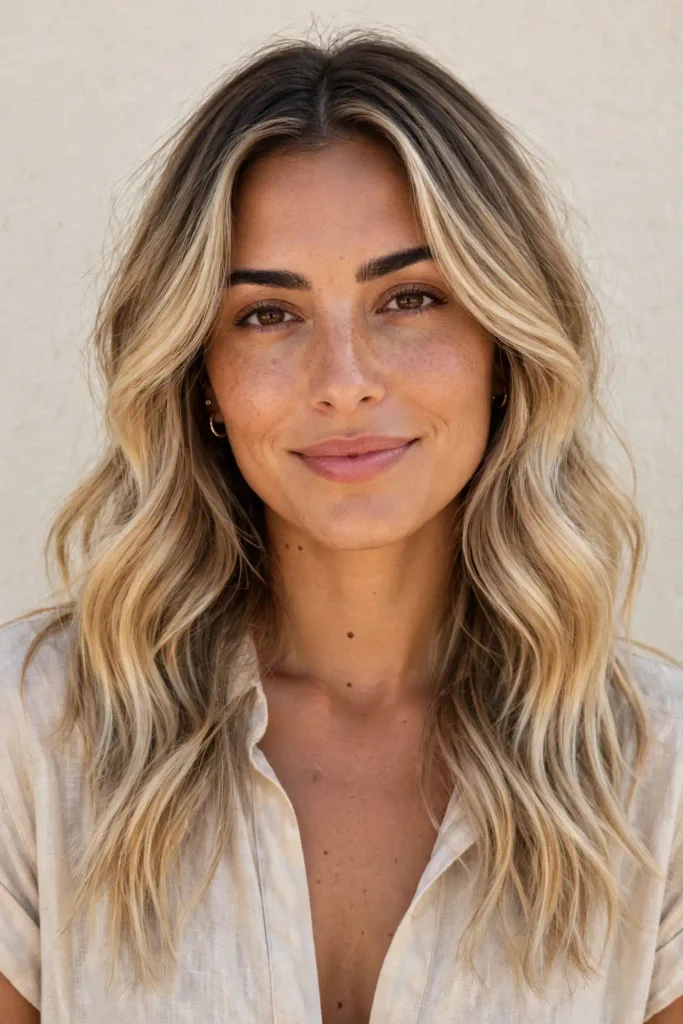
This isn’t one look, it’s a roadmap: session one lifts to a warm, golden-brown balayage and deposits a protein treatment to assess hair health; session two, scheduled six to eight weeks later, lifts further toward blonde only if the hair has recovered well. This is genuinely the most responsible way to reach blonde from black hair, and any colorist worth trusting will suggest something like it.
Idea 12: Peekaboo Blonde Underneath
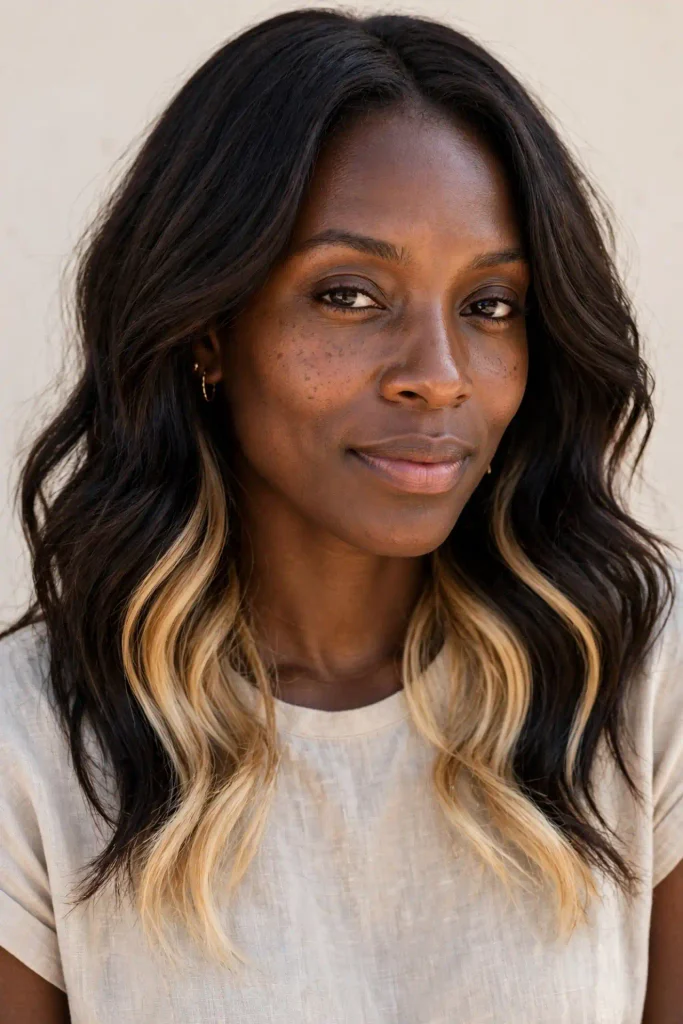
Lightened pieces placed underneath the top layer of hair, hidden until you tuck hair behind an ear or put it half-up. This satisfies the desire for a dramatic blonde moment without exposing the entire head to the lift required for an all-over transformation.
If You’re Starting From Previously Colored or Already-Blonde Hair
A different problem entirely: not too much pigment, but hair that’s already compromised from prior processing, and balayage on already-color-treated hair needs its own careful approach.
Idea 13: Toned-Down Brassy Refresh
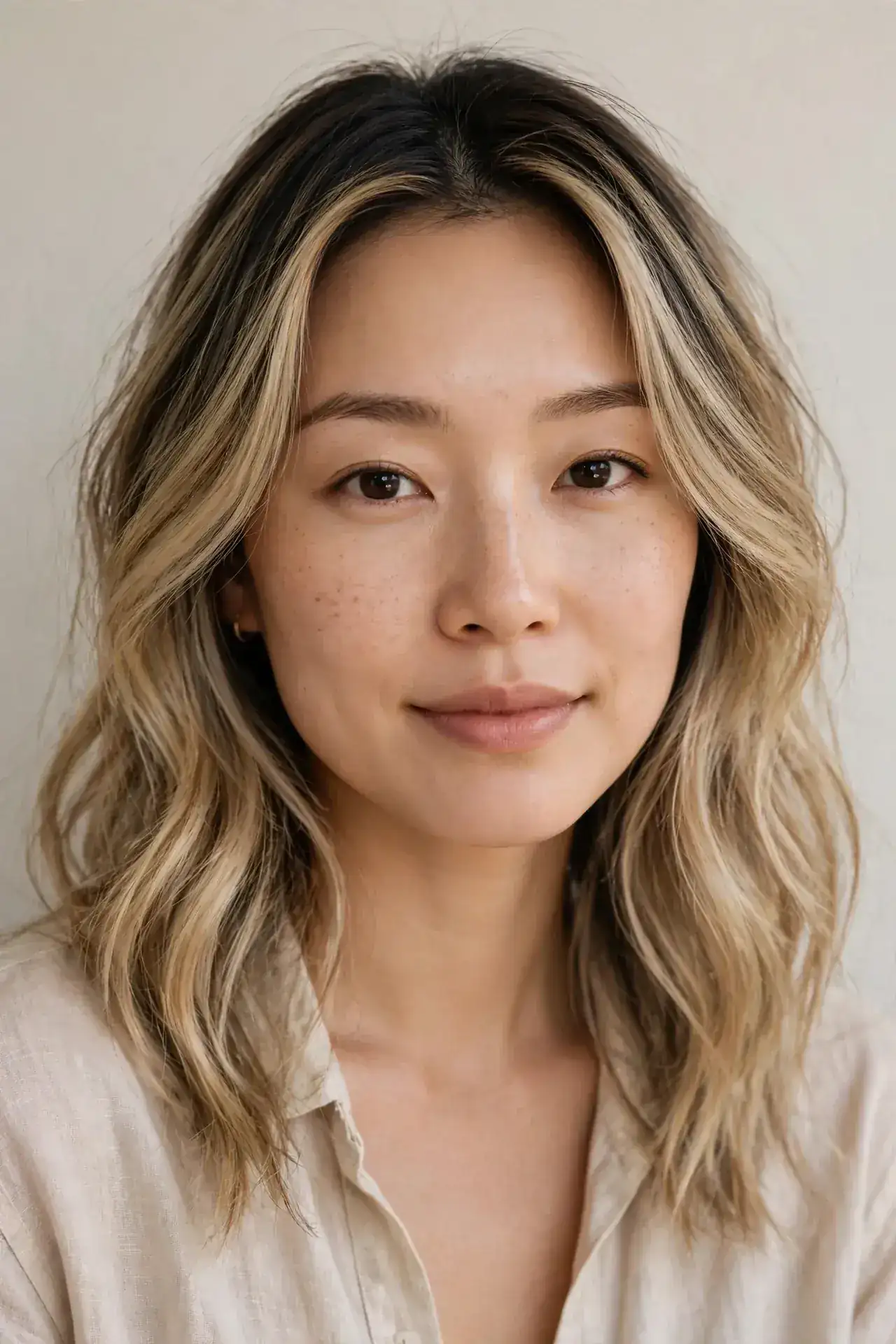
For blonde that’s grown warm, orange, or yellow since the last appointment, a balayage refresh focused on the areas that faded most, finished with a purple or blue toner to neutralize unwanted warmth. This is a maintenance service more than a transformation, and it’s the one I book most often for repeat blonde clients.
Idea 14: Lowlight Balayage
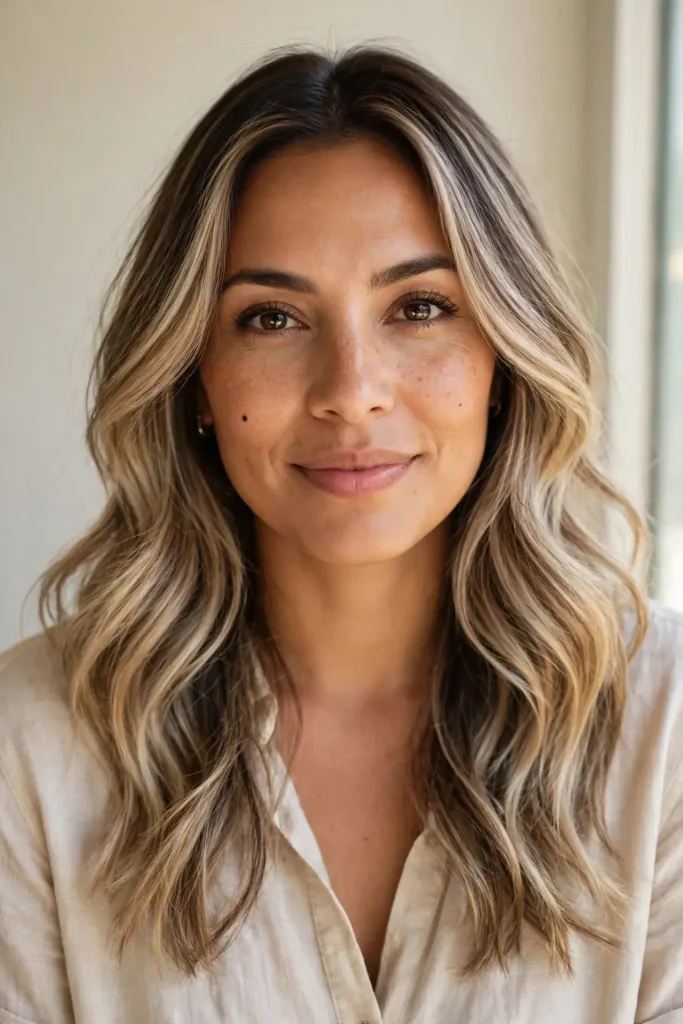
Instead of adding more blonde, painting in soft, darker lowlights to add dimension back into hair that’s gone flat and one-note from repeated lightening. Sometimes the healthiest, most flattering move on already-blonde hair is going slightly darker in places, not lighter.
Idea 15: Gloss-Only Refresh
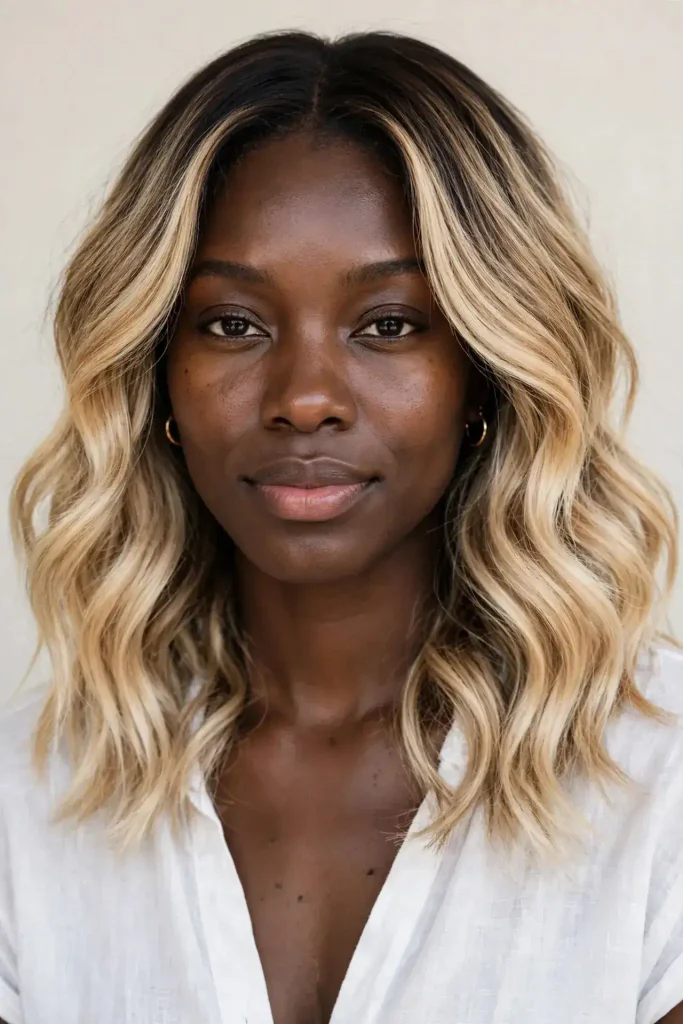
No new lightening at all — just a clear or lightly tinted gloss over existing balayage to restore shine and refresh tone between full color appointments. This is the service I wish more clients knew to ask for, because it extends the life of an existing balayage by weeks without any additional lift or damage.
If You Want Maximum Drama, Regardless of Starting Point
For clients who understand the process might take longer and want to go all in anyway.
Idea 16: Platinum Balayage
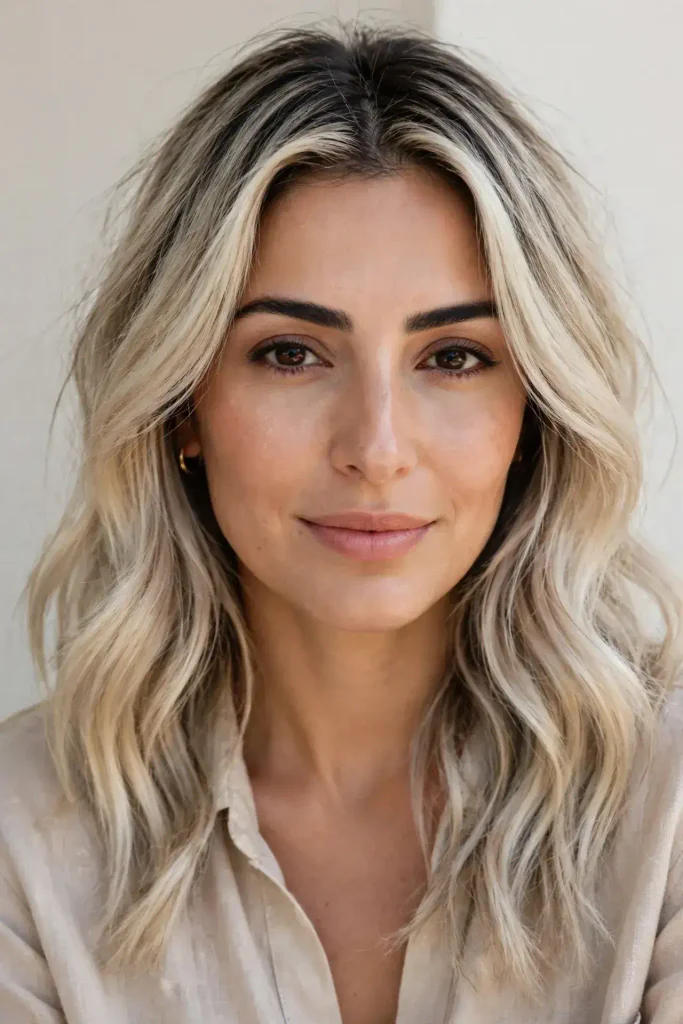
The palest, most dramatic version of blonde balayage, nearly white-blonde at the ends. This is achievable from any starting point, but from a dark base, it genuinely requires the multi-session approach from Idea 11 — there’s no responsible shortcut here.
Idea 17: Full Head Transformation Blonde
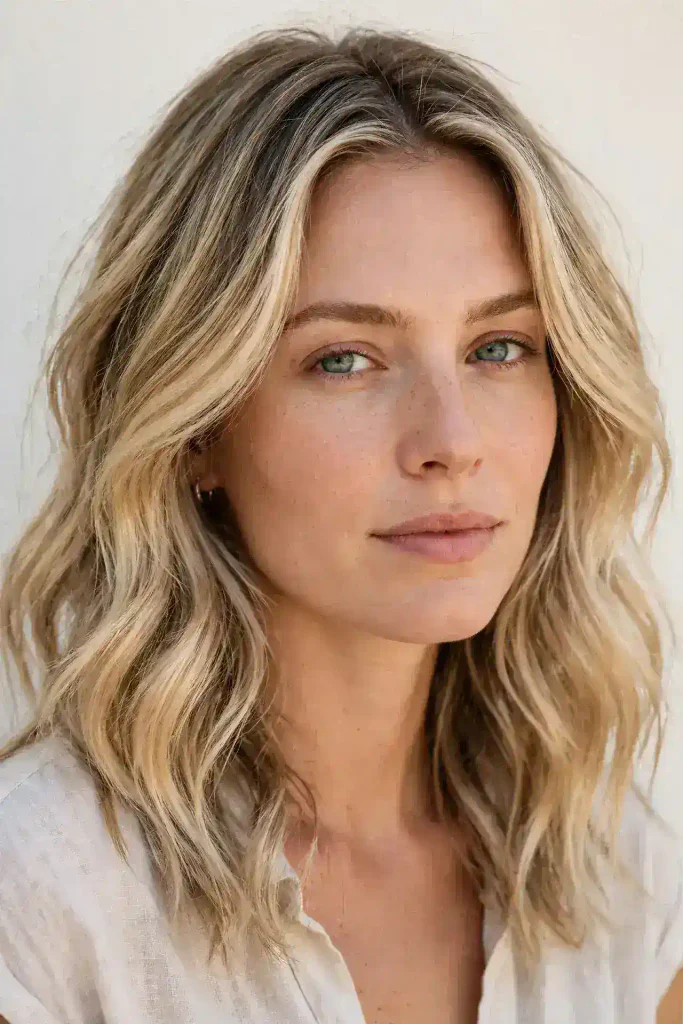
All-over lightening, not just balayage placement, moving the entire head several shades lighter rather than concentrating lift in specific pieces. This is the most committed option on the list and the one with the longest realistic timeline from a dark starting point.
Idea 18: Icy Beige Blonde
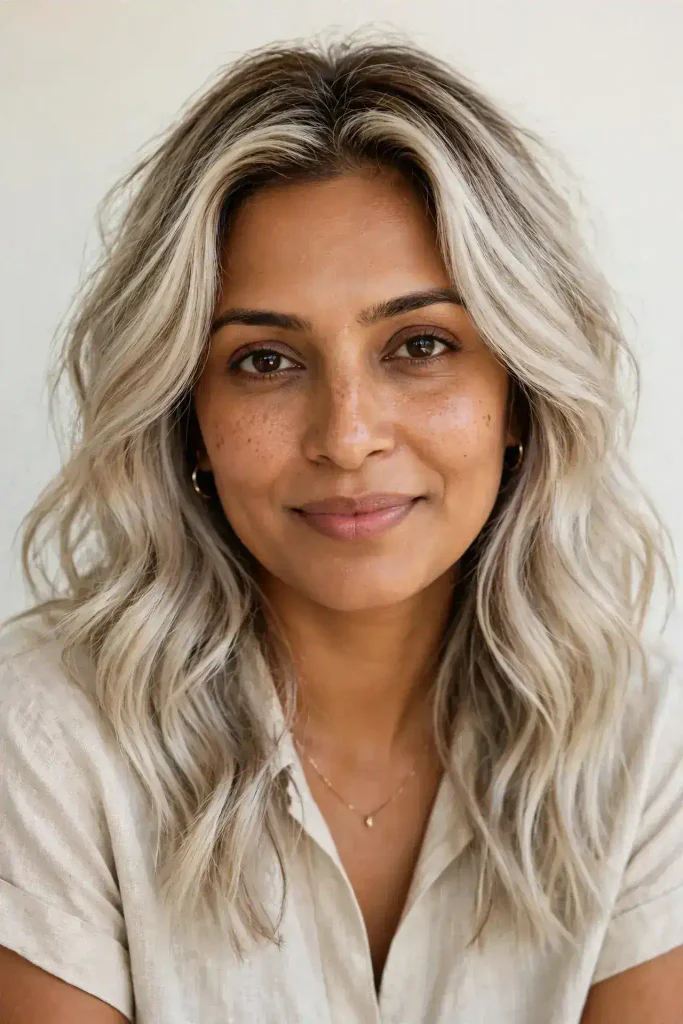
A cool-toned, almost silvery blonde, achieved by lifting fully and toning with a beige-violet shade to cancel warmth completely. This requires very clean, even lift to look right, which is why it’s usually reserved for clients already at a light base or those willing to commit to the multi-session plan.
Idea 19: Champagne Balayag
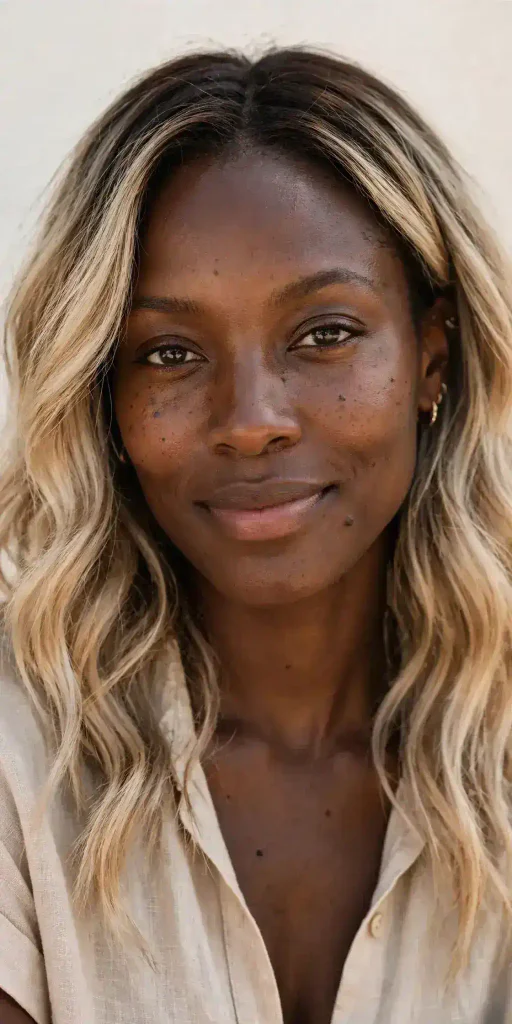
A soft, slightly warm pale blonde that sits between icy and golden, often considered the most universally flattering pale blonde tone. It’s achievable from a wider range of starting points than true platinum or true icy tones because the slight warmth is more forgiving of any underlying pigment that hasn’t fully lifted.
Something New: Find Your Realistic Session Count
Here’s the tool I actually use in consultations, because “how many appointments will this take” is the question underneath almost every other question a client asks me.
| Starting Color | Target Shade | Realistic Sessions | Time Between Sessions |
|---|---|---|---|
| Light brown | Honey/bronde blonde | 1 session | N/A |
| Light brown | Pale/icy blonde | 1–2 sessions | 4–6 weeks apart |
| Medium-dark brown | Caramel/honey blonde | 1 session | N/A |
| Medium-dark brown | Pale/platinum blonde | 2–3 sessions | 6–8 weeks apart |
| Very dark brown/black | Warm amber/golden blonde | 1–2 sessions | 6–8 weeks apart |
| Very dark brown/black | Pale/platinum blonde | 3–4+ sessions | 6–8 weeks apart |
| Already blonde, damaged | Any refresh or new tone | 1 session (gloss/refresh) | N/A |
The pattern worth internalizing: the bigger the gap between your natural pigment and your target shade, the more sessions you need, and rushing that gap in one sitting is where hair damage actually happens. A colorist who tells you “this will take three visits” isn’t upselling you — they’re the one being honest about how hair chemistry actually works.
Something New: The At-Home Elasticity Test
Before you even book a consultation, here’s a simple check I walk clients through to gauge whether their hair can handle a significant lift right now. Take a single strand of clean, dry hair and gently stretch it between two fingers. Healthy hair will stretch slightly and return close to its original length. Hair that stretches significantly before breaking, or that feels gummy and doesn’t spring back at all, is showing signs of compromised elasticity from previous processing, heat, or damage — and it’s not ready for another major lightening session yet, regardless of how much you want the color right now.
If your hair fails this test, that’s not bad news, it’s useful information. A deep conditioning treatment plan for four to six weeks before your appointment will get you much closer to a safe lift, and any colorist who does this test with you in the consultation, rather than skipping straight to foils, is one worth trusting.
The Aftercare That Actually Extends Blonde
Once you’re blonde, the work isn’t over. A purple or blue shampoo used once or twice a week, not daily, counters brassiness without over-toning hair to a dull gray-purple. A weekly deep conditioning mask rebuilds moisture that lightening strips out, and skipping this step is the single fastest way to watch a fresh balayage go dry and brittle within a month. Reducing wash frequency to three or four times a week, using dry shampoo between, keeps the toner from fading as quickly, since color fades faster with every wash. And a UV-protectant leave-in matters more for blonde than any other shade, because pale, lifted hair shows sun-fading and warmth-shift far more visibly than darker tones.
Mistakes I See in Consultations Constantly
Bringing a photo of someone with a completely different starting color and expecting an identical result in one visit — the photo is a direction, not a guaranteed outcome, until we know what we’re actually lifting from.
Skipping the elasticity check and pushing for maximum lift immediately, then being surprised when the ends feel straw-like within weeks.
Underestimating maintenance cost and time when choosing platinum or icy tones from a dark base — the upfront transformation photo never shows the toner appointments every four to six weeks required to keep it from turning brassy.
One Last Thing
Blonde balayage isn’t a single formula applied the same way to every head that sits in my chair. It’s a conversation between the color you’re starting with and the color you’re chasing, and the most beautiful results I’ve ever done were the ones where we respected that gap instead of trying to skip past it.
Know your starting point honestly before your next consultation. Ask about realistic session count out loud. And if your colorist suggests a multi-visit plan, that’s not a sales tactic — that’s someone protecting your hair.
Which starting point matches you right now, and which idea on this list actually fits that path? Bring this to your next consultation, and ask your colorist to walk you through your specific session count before a single foil goes in.