15 Short Layered Haircuts: The Layer Lab Report (Fine Hair, Read This Twice)
Layers are the most misunderstood haircut on earth. People ask for them without knowing what they do, stylists cut them without explaining them, and the result is a world full of women with “layers” that are doing absolutely nothing. I know, because I was one of them. For years I asked for layers and got… slightly shorter hair on top. That is not a layer. That is a haircut with a rumor of layers.
So consider this the lab report. Fifteen short layered cuts, organized by hair type, because layers behave completely differently on fine hair versus thick hair versus curls. Each one comes with a Layer Density rating, a real story, and the honest truth about what it does. By the end, you will be able to walk into a salon and ask for layers like a scientist.
The 3-Layer Rule: What Layers Actually Are
Expert minute. Every layered haircut has three zones. Crown layers sit at the top and create height. Mid layers sit through the middle and create movement. The perimeter is the bottom edge, and it determines whether the cut looks thick or thin. When someone says “my layers disappeared,” what happened is the perimeter stayed heavy while the interior layers grew out. When someone says “my layers made my hair look thinner,” the perimeter was cut too thin.
The rule: layers must be designed for your density. Fine hair needs fewer, longer layers with a solid perimeter. Thick hair needs more, shorter layers to remove weight. Curly hair needs layers cut dry, curl by curl. Memorize this and you will never get a bad layered cut again.
For Fine Hair: Layers That Fake Fullness
Fine hair is the hardest to layer well and the most transformed when it is done right. The goal is always the same: movement without losing the perimeter.
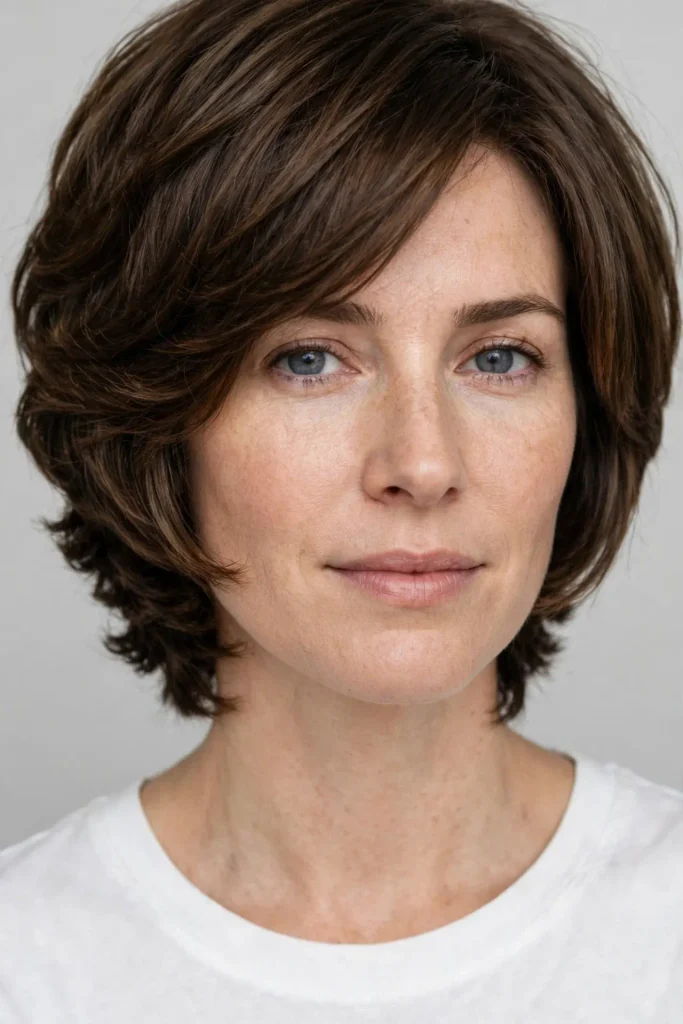
1. The Stacked Bob
Layer Density: 4/5. Shorter in the back, longer in the front, with stacked layers building volume at the nape. I got this when my fine hair was at its flattest, and the stacking created fullness I did not know my hair was capable of. It is architectural: the layers do the work of a round brush, permanently. My ponytail looked twice as thick. My ponytail. From layers.
Best for: fine, straight hair that lies flat.
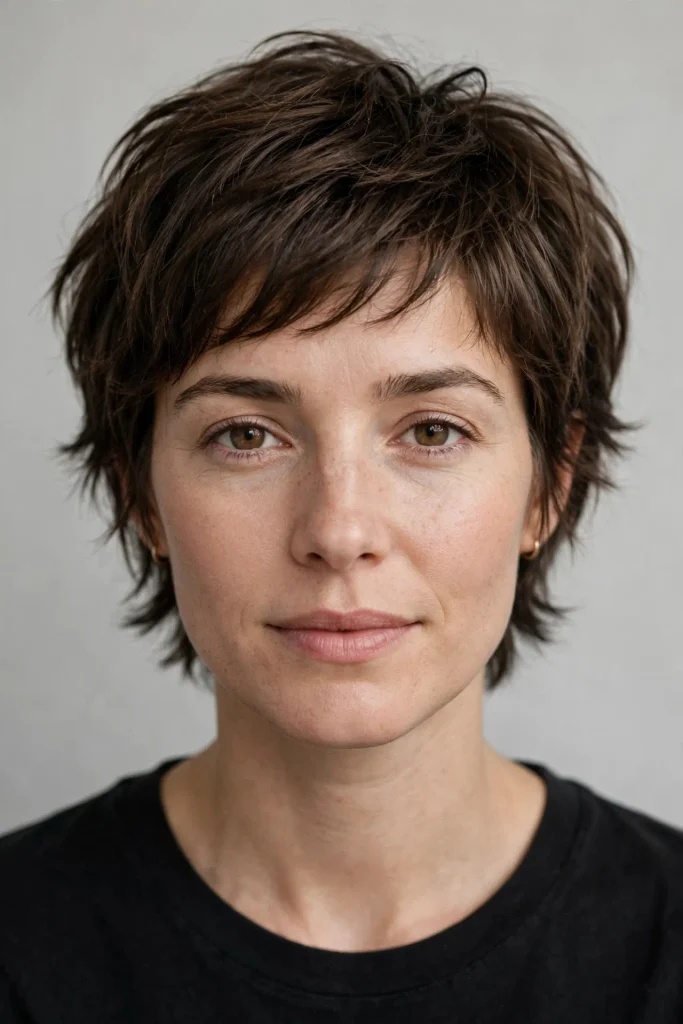
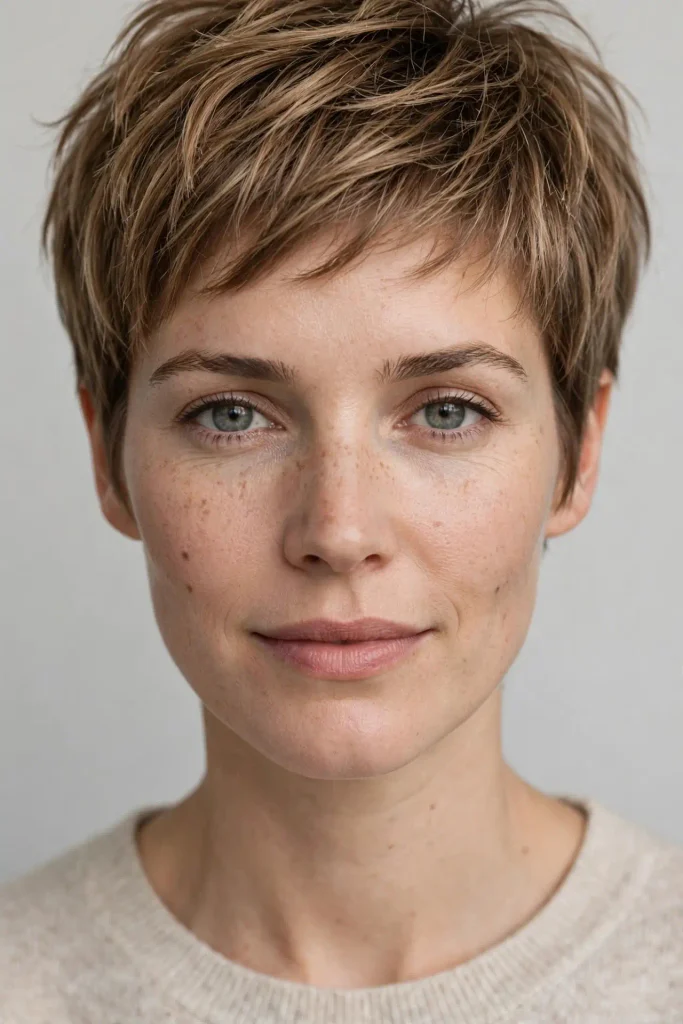
2. The Feathered Pixie
Layer Density: 5/5. Maximum layers, minimum length. The feathered pixie is all crown and mid layers, creating texture in every direction. I wore this for a summer and my fine hair had never looked thicker. Short layers on fine hair are counterintuitive magic: less hair, more volume. The layers create separation, and separation reads as fullness.
Best for: fine hair, oval and heart faces.
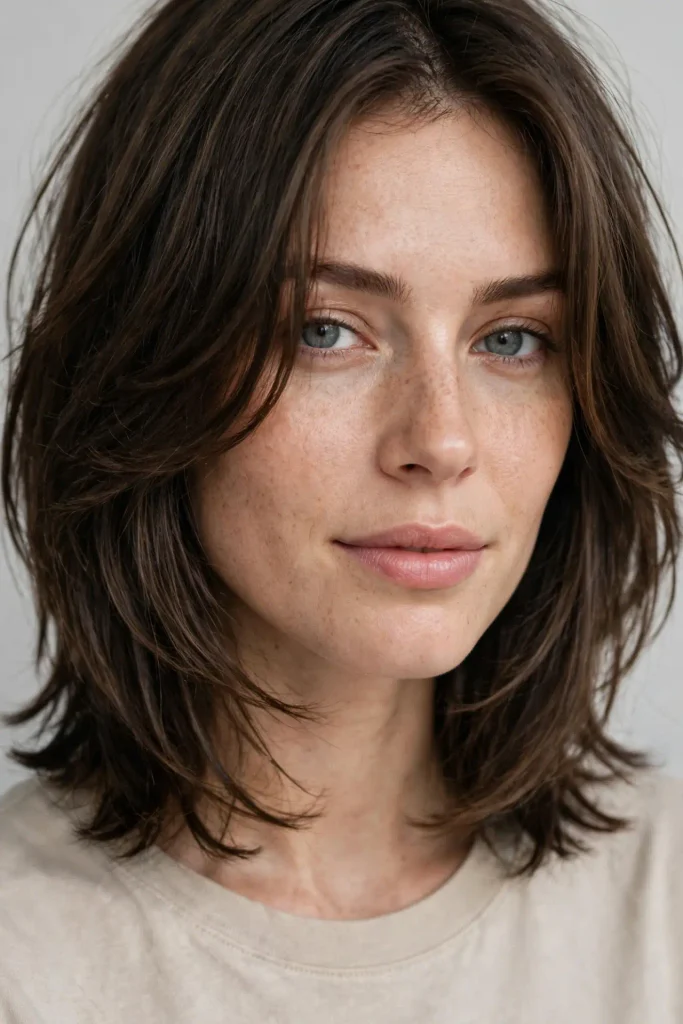
3. The Layered Lob
Layer Density: 2/5. Gentle, long layers with a strong perimeter. This is the safe layered cut for fine hair, and I mean safe as a compliment. I have had this three times. The layers are long enough to preserve thickness, short enough to create movement. It is the layered cut you get when you want change without risk.
Best for: fine to medium hair, first-time layers.
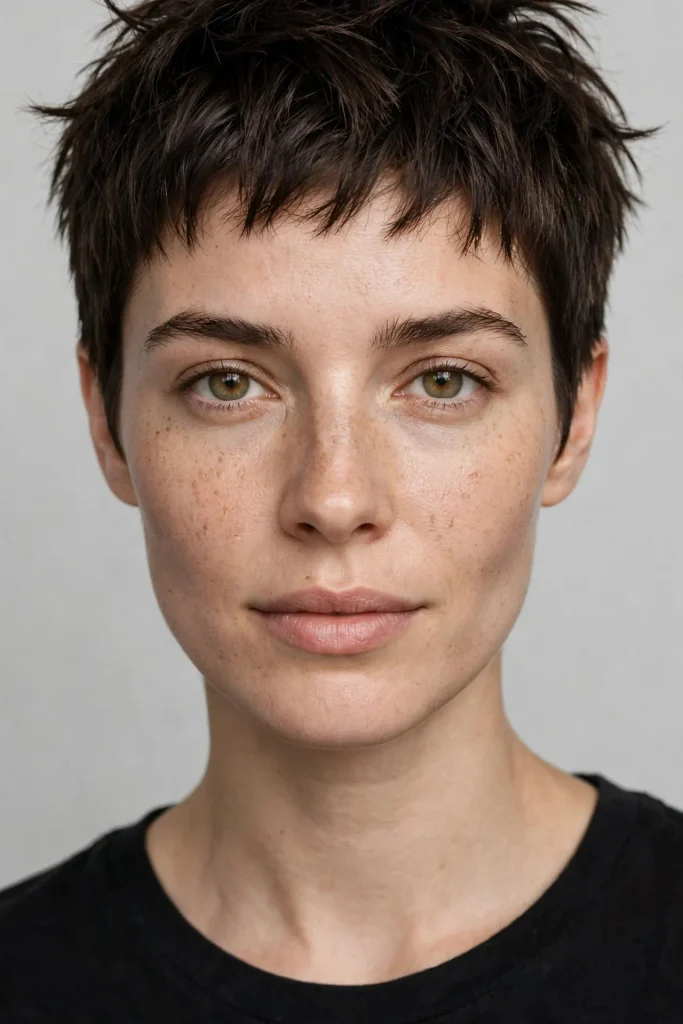
4. The Textured Crop
Layer Density: 5/5. A short crop with aggressive texture throughout. On fine hair, this is a revelation: the texture creates piece-y fullness that flat hair could never achieve. I recommended this to my sister, whose fine hair had defeated every long cut she tried. The crop gave her the volume of her dreams. Sometimes the answer to fine hair is less hair.
Best for: very fine hair, bold personalities.
5. The Airy Bixie
Layer Density: 3/5. Between pixie and bob, with soft, airy layers. The bixie is the friendly face of short layers. I wore this during a creative period and loved how the layers moved. On fine hair, the key is keeping the perimeter solid while the interior layers create lift. Airy, not wispy. There is a difference, and your stylist knows it.
Best for: fine hair that wants movement and versatility.
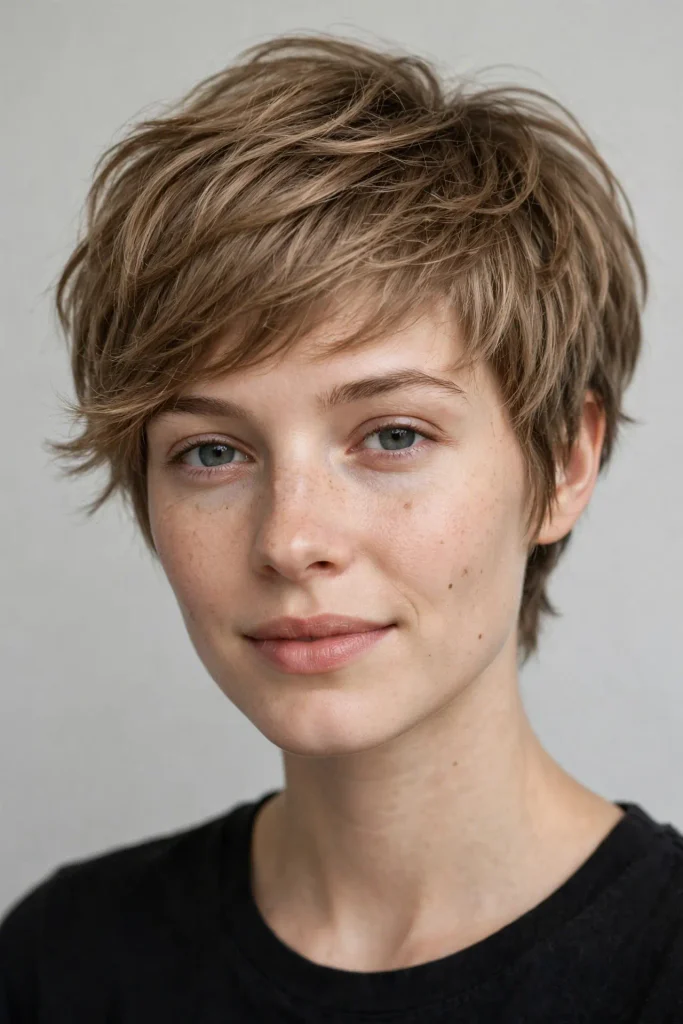
For Thick Hair: Layers That Remove the Weight
Thick hair needs the opposite strategy: more layers, shorter interior, weight removed from the inside. Without layers, thick short hair becomes a triangle. With them, it becomes a shape.
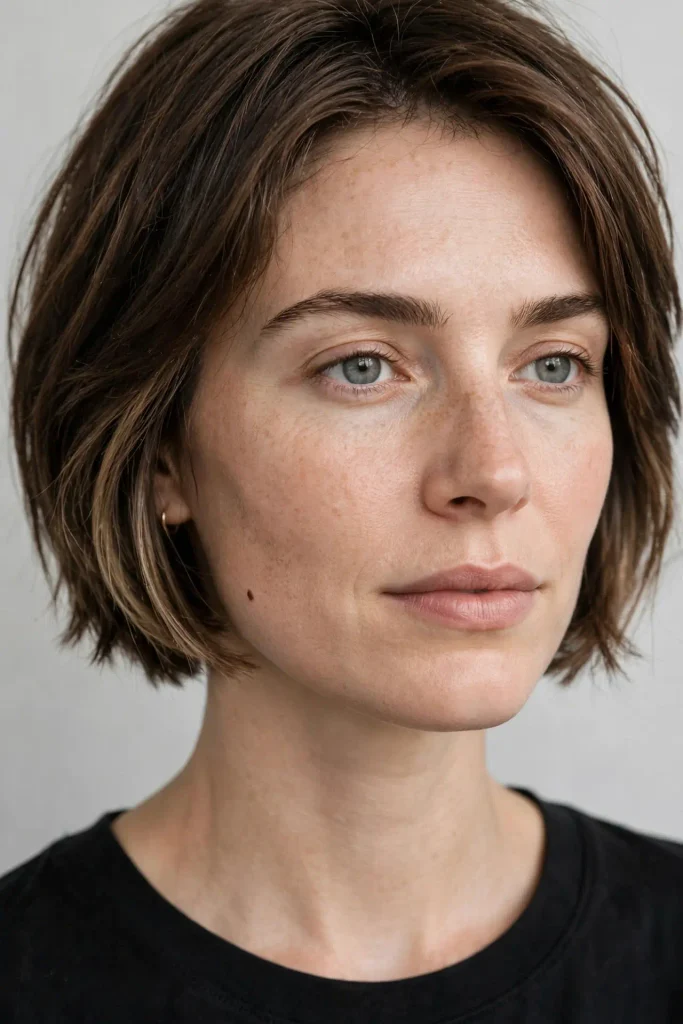
6. The Debulked Bob
Layer Density: 4/5. A bob with serious interior layering to remove bulk. My thick-haired friend got this after years of triangle bobs, and the difference was shocking. Same length, half the volume, twice the shape. If your bob has ever looked like a bell, this is your cut. The layers are invisible; the result is not.
Best for: thick, straight to wavy hair.
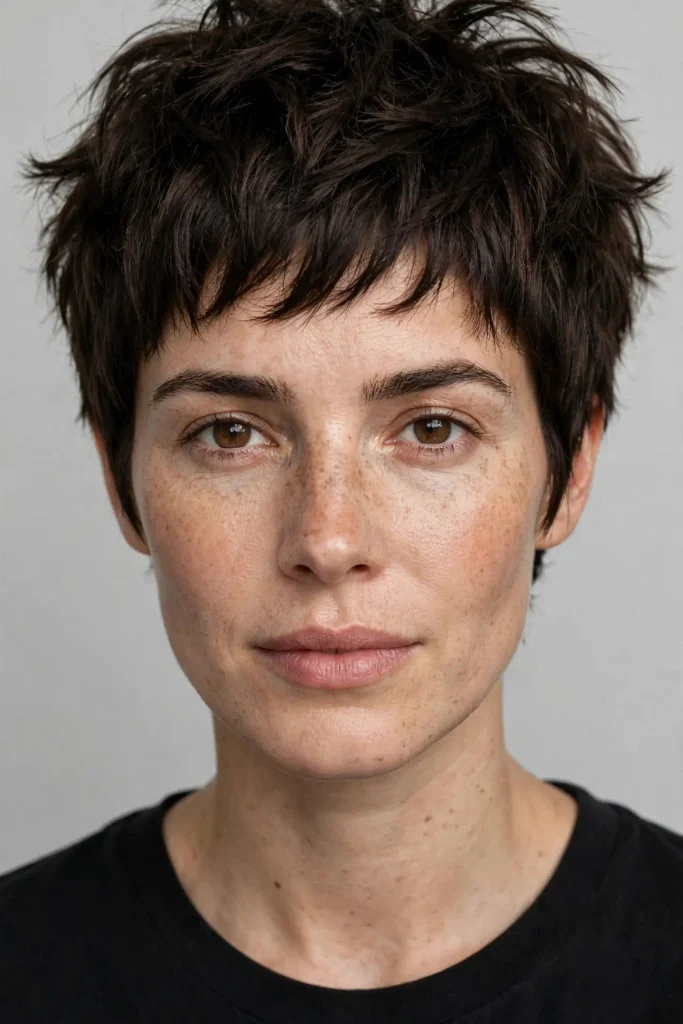
7. The Choppy Pixie
Layer Density: 5/5. Heavily textured pixie that tames thick hair through piece-y separation. I watched a friend with incredibly thick hair get this, and the choppiness transformed her density from a problem into a feature. Thick hair holds piece-y texture beautifully. What would look sparse on fine hair looks sculptural on thick hair.
Best for: thick hair, strong features.
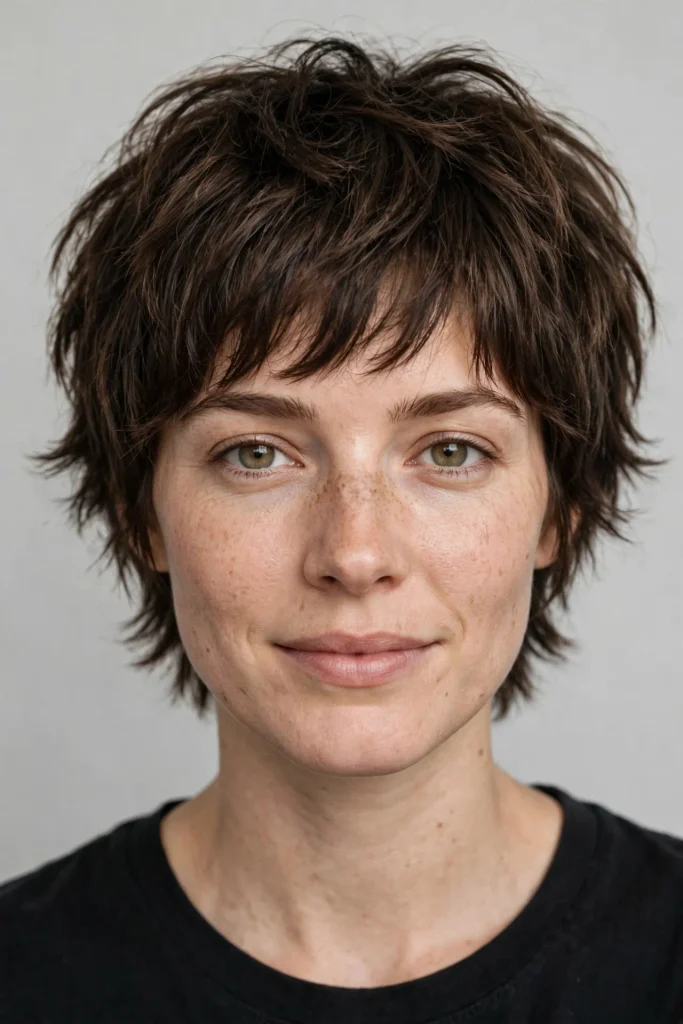
8. The Layered Shag
Layer Density: 5/5. Maximum layers, shaggy silhouette, made for thick hair. The shag was practically invented to manage thick hair: the layers remove weight while creating that cool, undone shape. I wore a short shag for a year and my thick hair had never been easier. Wash, scrunch, done. The layers did everything.
Best for: thick, wavy to curly hair.
9. Tapered Layers
Layer Density: 3/5. Shorter at the nape, gradually longer toward the top. Tapered layers give thick short hair a sleek, controlled shape. This was my “professional” thick-hair cut: polished, precise, no triangle in sight. The tapering removes weight exactly where thick hair bulges. Engineering, not just cutting.
Best for: thick hair that needs a polished shape.
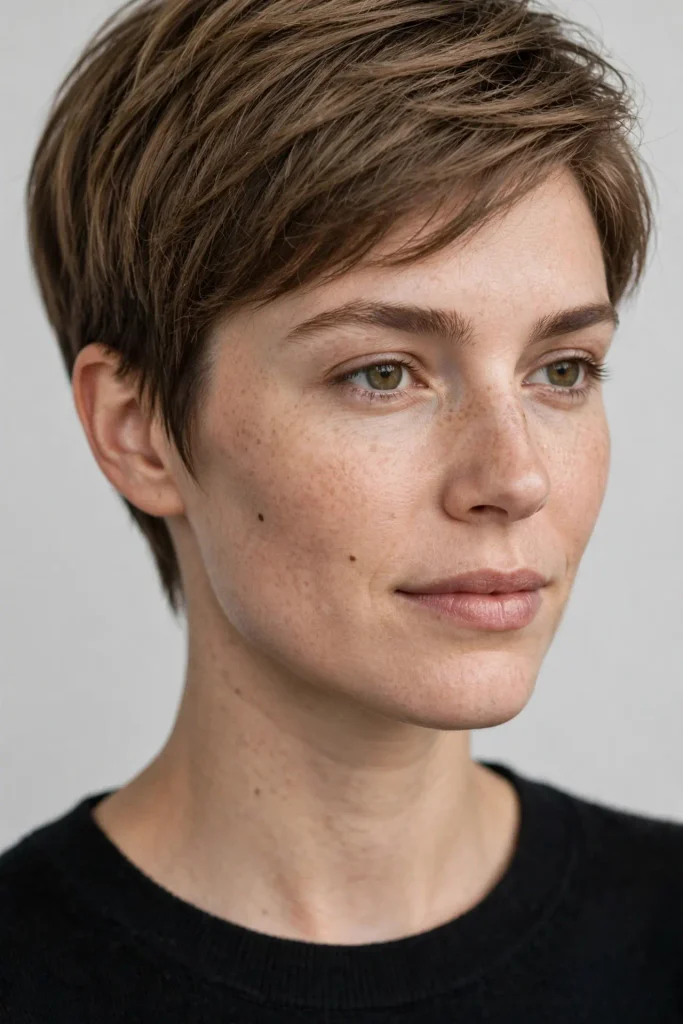
10. The Undercut Bob
Layer Density: 2/5. A bob with a hidden undercut removing weight from underneath. The secret weapon of thick hair. I got this and nobody could tell: the top looked like a normal bob, but half the bulk was gone. It is the layered cut for women who want the effect of layers without visible layering. Sneaky and brilliant.
Best for: very thick hair, low-maintenance styling.
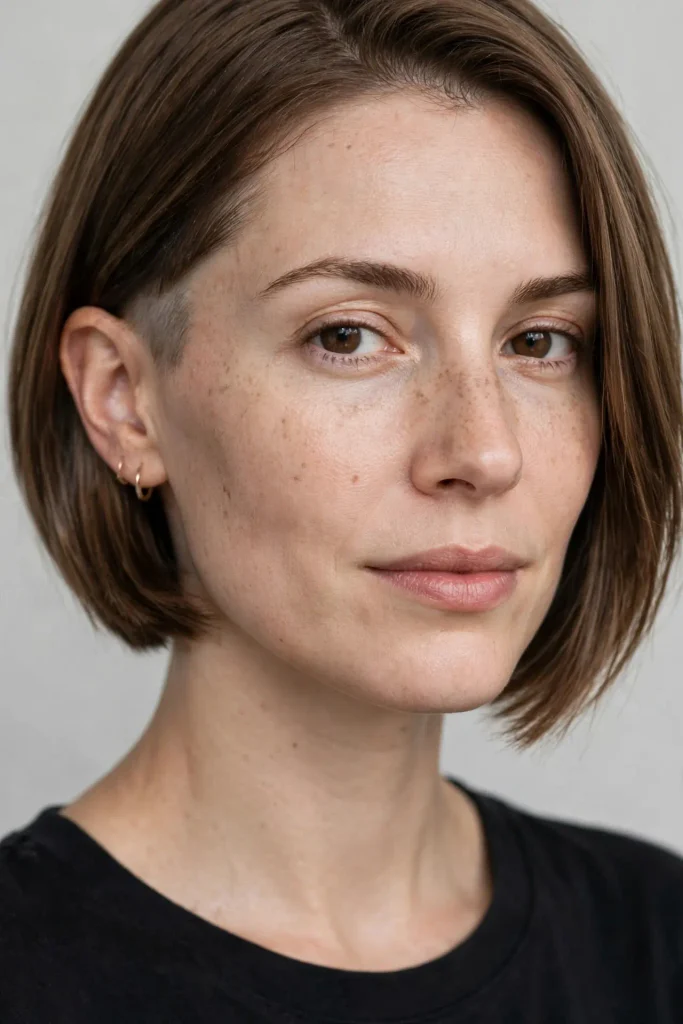
For Curls and Coils: Layers Cut Dry
The golden rule of curly layers: cut dry, curl by curl. Wet-cut layers on curly hair are a gamble, because shrinkage changes everything. Every cut here assumes a curl-specialist stylist.
11. The Curly Layered Bob
Layer Density: 3/5. A bob with rounded layers that give curls their shape. My curly-haired friend’s bob went from triangle to halo with this cut. The layers let each curl spring to its natural length, creating a rounded silhouette instead of a bottom-heavy one. Curls need layers more than any other texture. This is the proof.
Best for: 2C to 3B curls.
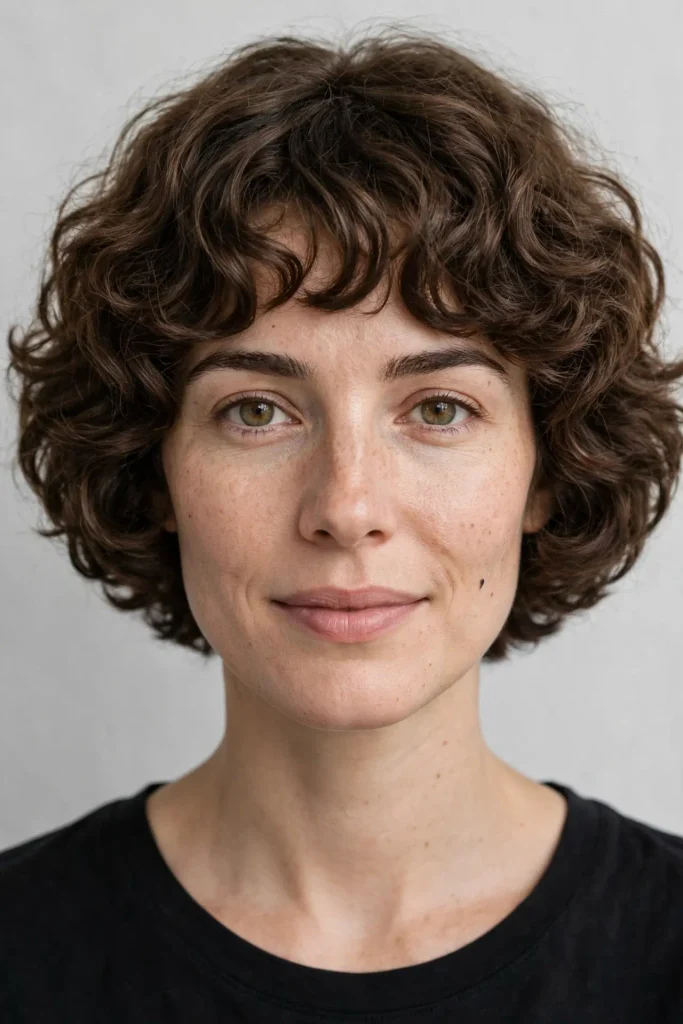
12. The Coily Tapered Cut
Layer Density: 4/5. Tapered shape with layered coils on top. This cut celebrates coil texture with a sculpted silhouette: shorter sides, full layered top. I have admired this cut on so many women. It is regal. The layers give the coils room to form their natural pattern while the taper keeps the shape intentional.
Best for: 3C to 4C coils.
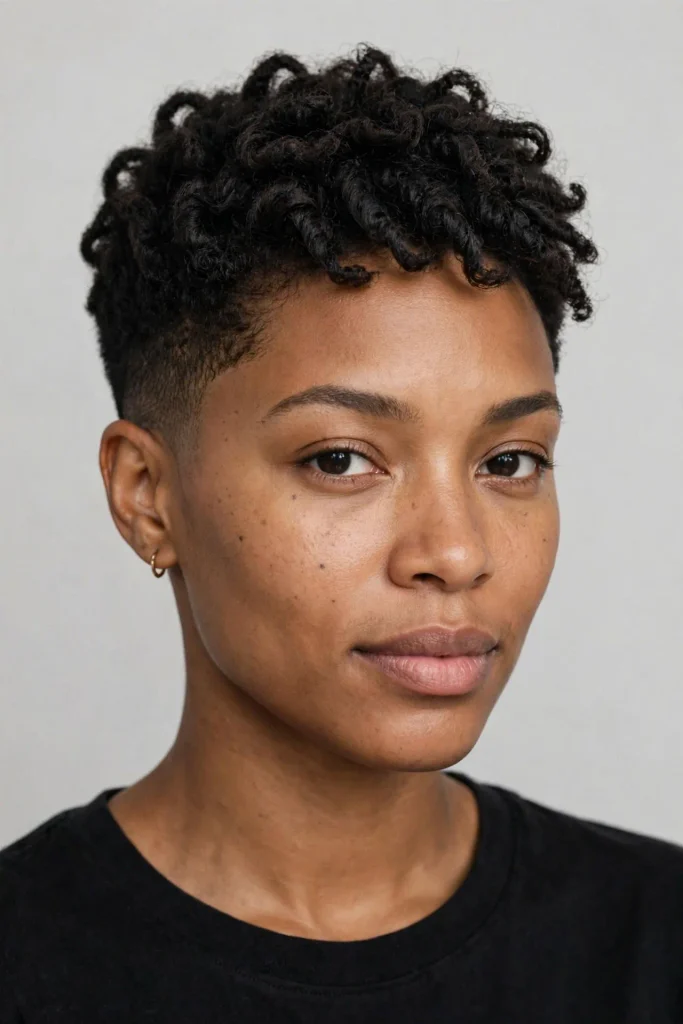
13. The Curly Shag
Layer Density: 5/5. Maximum curly layers, shaggy shape, endless movement. The curly shag is the most fun a curl can have. I tried a version of this and my curls had never moved like that. Every layer springs differently, creating dimension that straight hair can only dream of. If your curls feel heavy and shapeless, this is liberation.
Best for: 2B to 3C curls that want movement.
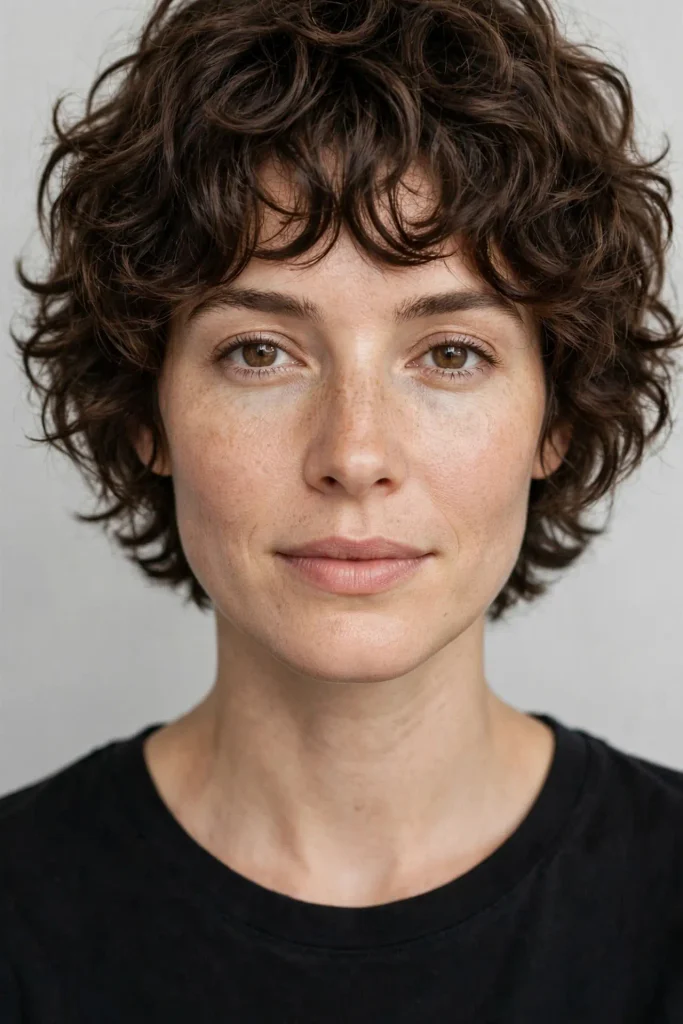
14. The Layered Curly Pixie
Layer Density: 5/5. Short curly cut with layers that define each curl. Proof that pixies are not just for straight hair. The layers let curls coil tightly and evenly, creating a textured, sculptural short cut. I recommended this to a friend transitioning to natural hair, and the layers made her curl pattern the star of the show.
Best for: 3A to 4A curls, bold spirits.
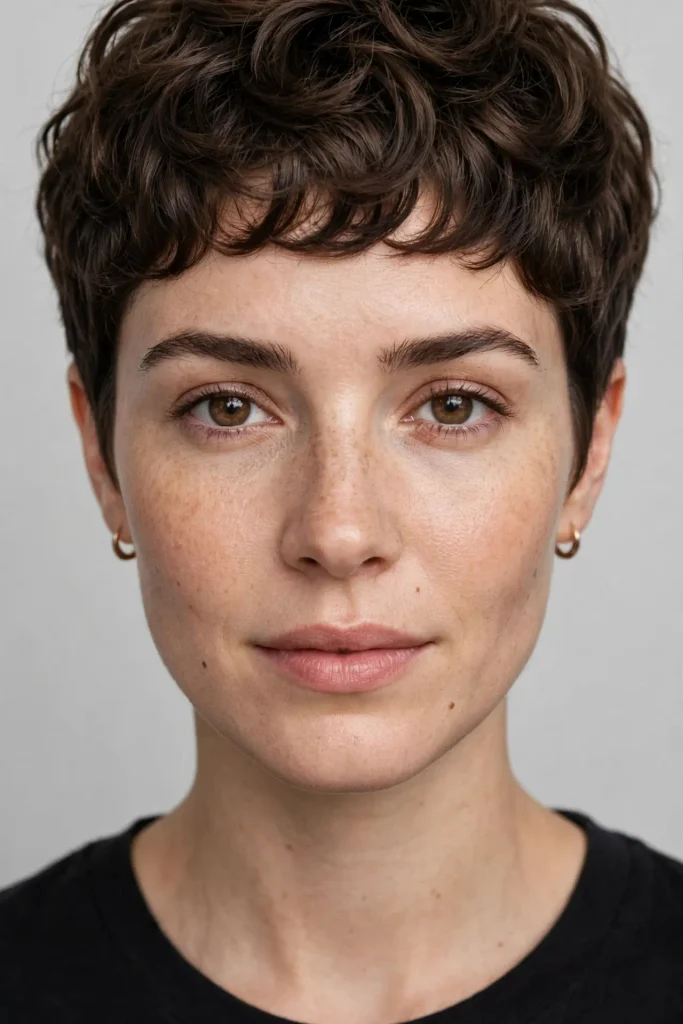
15. The Curly Lob
Layer Density: 2/5. Long bob with gentle curl-by-curl layers. The sophisticated curly cut. Longer layers preserve length while giving curls shape and preventing the dreaded triangle. I wore this when I wanted my curls to look “done” without doing much. The layers did the styling for me.
Best for: all curl types, low-maintenance routines.
The Maintenance Equation
Here is the math nobody tells you. Fine-hair layers need reshaping every six to eight weeks, because fine hair shows grow-out fastest. Thick-hair layers go eight to ten weeks, because the density disguises growth. Curly layers last the longest, ten to twelve weeks, because curls hide everything. The equation: the more texture you have, the longer your layers last. Fine, straight hair pays the highest maintenance tax. Budget accordingly.
The Consultation Script: Exactly What to Say
Most bad layered cuts are communication failures, not skill failures. Here is the script that prevents them. Start with your hair type and history: “My hair is fine and straight, and it lies flat.” Then state the goal: “I want movement and volume, but I do not want to lose thickness.” Then get specific: “I want long layers, with the shortest layer falling at my cheekbones, and I want the perimeter kept solid.” Then the critical question: “Will you cut this dry or wet, and will you use thinning shears?” If the answers worry you, say so. A good stylist welcomes specifics. A bad one is annoyed by them, which tells you everything.
Bring photos, but bring the right photos: hair with your texture, your density, your face shape. A layered cut on thick wavy hair tells your stylist nothing if your hair is fine and straight. Three photos maximum. More than that creates confusion, not clarity.
Layer Mistakes and How to Avoid Them
Mistake one: layers that are too short on top. This creates the dreaded “shelf”: a visible ledge where short layers meet long lengths. The fix is graduation: layers should blend, not step. Mistake two: thinning the perimeter. Wispy, see-through ends on fine hair look accidental, not intentional. Keep the bottom edge solid. Mistake three: layers cut wet on curly hair. Shrinkage changes everything. Dry cutting is non-negotiable for curls. Mistake four: asking for “just a trim” with layers. Trims maintain the perimeter; they do not maintain layers. Layers need reshaping, which is a different service. Ask for it by name.
The Seasonal Layer Adjustment
Layers behave differently by season, and smart wearers adjust. Summer: humidity swells the hair shaft, making layers look fuller and frizzier. Ask for slightly longer layers in summer, and keep a smoothing cream on hand. Winter: dry air flattens everything. Shorter crown layers restore the volume that winter steals. The adjustment rule: you do not need a new haircut every season. You need a seasonal trim where your stylist tweaks the layer lengths by half an inch. Summer: longer, smoother. Winter: shorter, lifted. Two micro-adjustments a year keep the same cut working through every climate. Mention the season at your appointment. Good stylists factor it in automatically; great ones explain what they are doing and why.
Quick Answers
Will layers make my hair look thinner? Only if the perimeter is cut too thin. Tell your stylist “keep the perimeter solid” and you will get movement without losing thickness.
How do I ask for layers without getting too many? Say “long layers” and show where you want the shortest layer to fall. Point at your own head. Stylists love specifics.
Do layers work on very short hair? Yes, and they matter more. On short hair, layers are the difference between a shape and a blob.
Can I layer my own hair? Do not. Layering is architecture. You would not rewire your own house. Book the professional.
Fifteen cuts, three hair types, one rule: layers must be designed for your density. Now you speak the language. Go get the haircut.