14 Afro Hairstyle Ideas Organized by How Your Curl Shrinks
Nearly every tutorial for afro hairstyles shows the finished length on stretched, defined hair, then leaves you confused when your own curls bounce back to half that length within an hour of air drying. Shrinkage isn’t something wrong with your hair, it’s just information, and knowing roughly how much your specific curl pattern shrinks changes which styles will actually look the way you expect once they’ve fully dried and settled.
This list groups fourteen afro hairstyles by shrinkage level, low, moderate, and high, since a style that looks perfectly proportioned on hair with minimal shrinkage can look entirely different, often fuller and shorter than planned, on hair that shrinks dramatically once fully dry.
Styles That Work Well With Low Shrinkage
Looser curl patterns tend to shrink the least, often retaining 70 to 90 percent of their stretched length once dry, which means styles relying on visible length hold their intended shape without much surprise.
The Defined Wash and Go
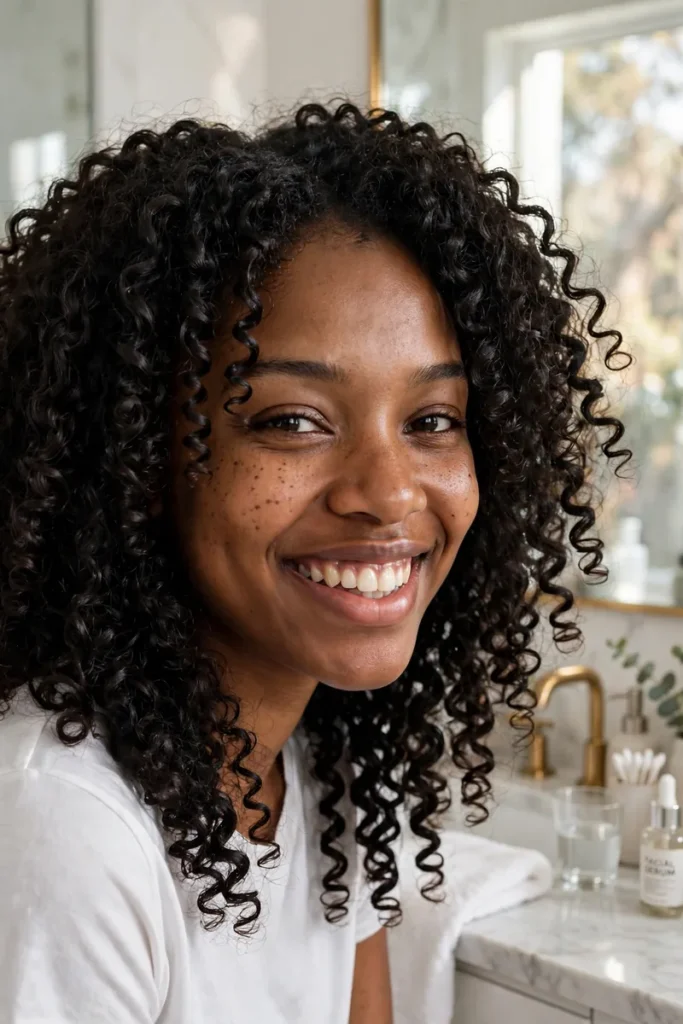
Curls cleansed, conditioned, and styled with a lightweight gel or cream, then allowed to air dry or diffuse without manipulation. Because low shrinkage hair retains most of its stretched length, this style shows off length and curl definition clearly, which is part of why it photographs so well on looser curl patterns specifically.
A Simple High Puff

Hair gathered into a puff at the crown, secured with a soft elastic. With low shrinkage, the puff reads as fuller and longer, creating a rounder, more voluminous shape than the same gathering technique would produce on higher shrinkage hair.
Finger Coils Left Loose

Small sections twirled around a finger with a defining cream, left to set and then gently separated. On low shrinkage curls, finger coils tend to elongate slightly as they dry rather than tightening up dramatically, giving a soft, elongated spiral look.
A Side-Swept Style With Loose Curls
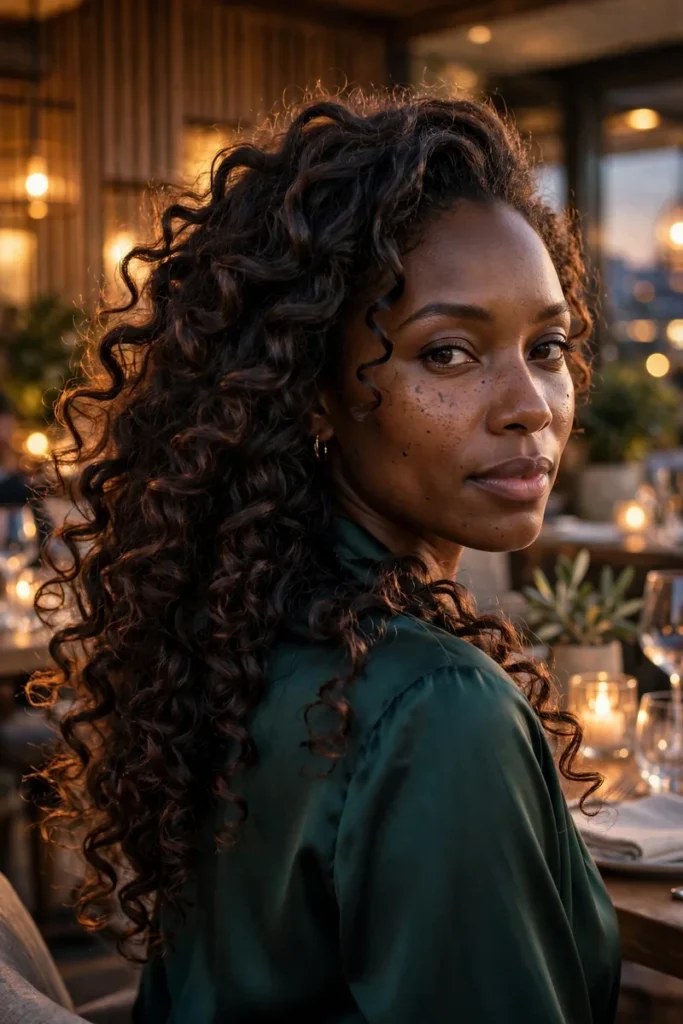
Hair pushed to one side and held with a single pin, the rest left to fall naturally. Because low shrinkage hair holds more visible length and weight, this style drapes more dramatically to one side than it would on hair that shrinks significantly upward and inward.
Styles That Work Well With Moderate Shrinkage
Moderate shrinkage, often retaining 40 to 60 percent of stretched length, is extremely common and tends to be the most forgiving category, since most tutorials and product recommendations are implicitly built around this middle range.
Two-Strand Twists
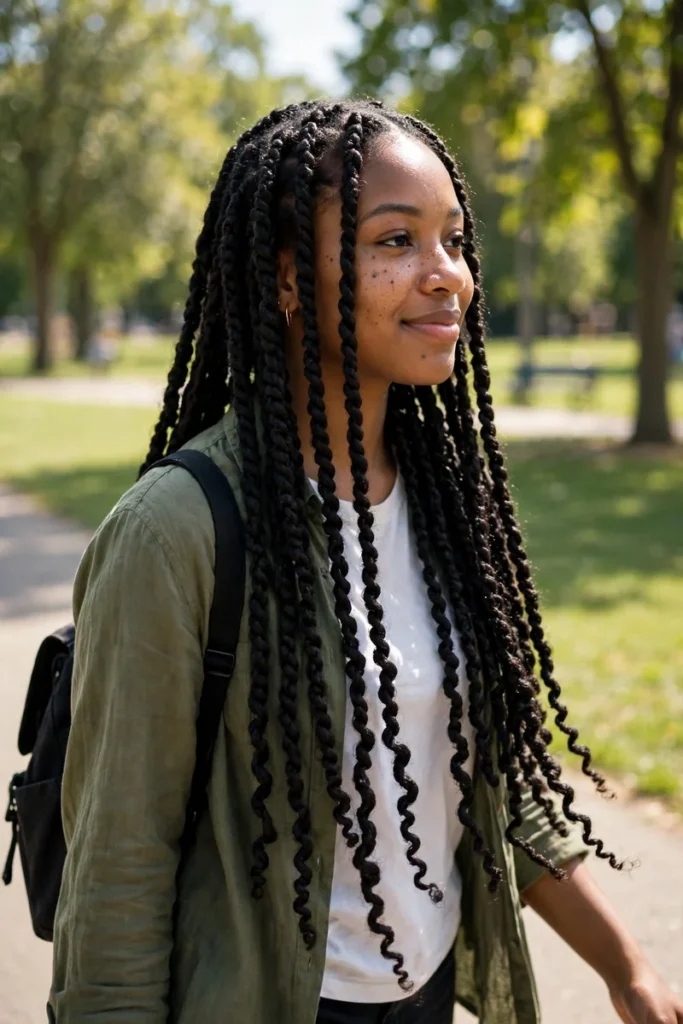
A straightforward twist using two sections per piece, worn as the finished style or later unraveled into a twist-out. Moderate shrinkage hair holds the twist’s shape reliably while still showing a reasonable amount of length, making this one of the most dependable everyday styles across this shrinkage category.
Bantu Knots
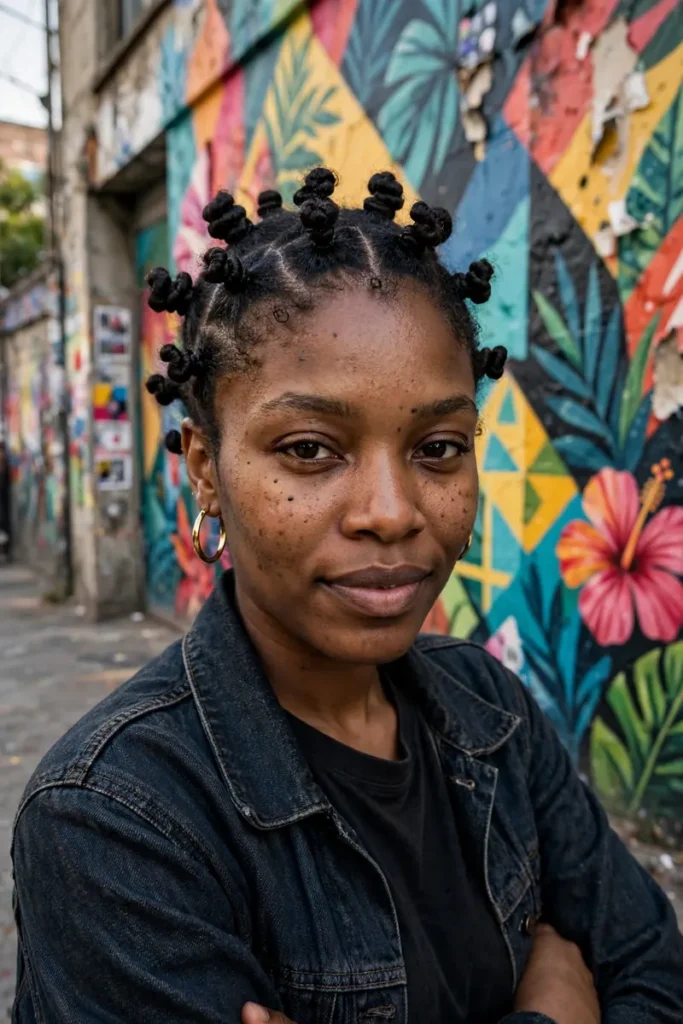
Small, tightly wrapped coils set close to the scalp, worn as a finished look or unraveled the next day for defined curls. On moderate shrinkage hair, Bantu knots tend to produce the classic, well-proportioned spiral curl look most tutorials show, without the extreme tightening that higher shrinkage hair might produce from the same technique.
A Twist-Out With Root Clipping
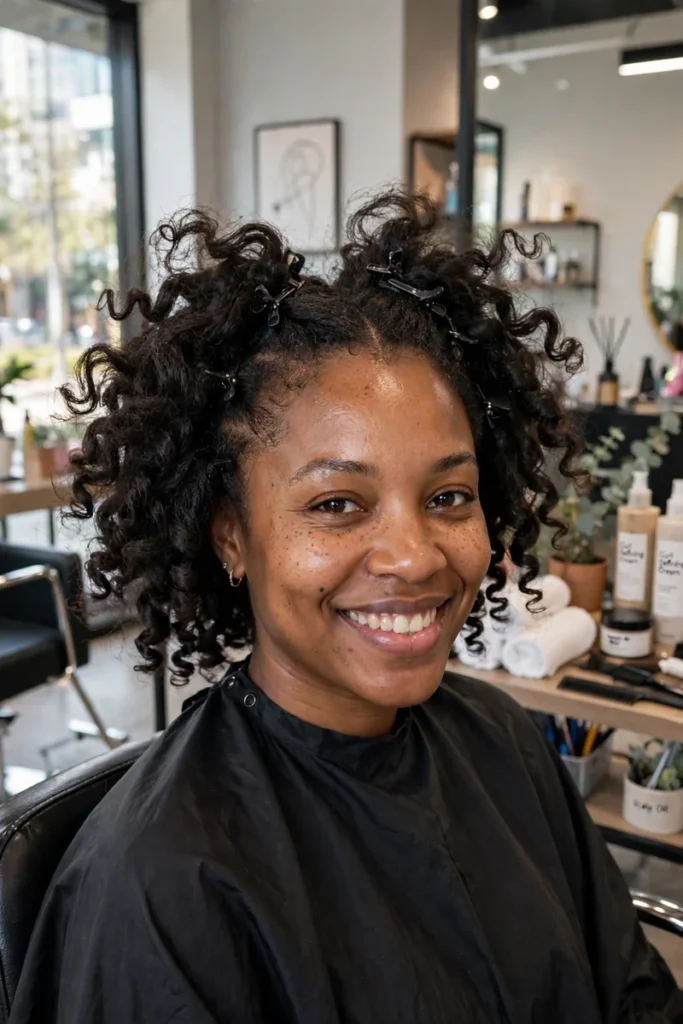
Twists set on damp hair, then clipped at the roots while drying to encourage extra volume before being taken down. This root-clipping technique specifically helps moderate shrinkage hair achieve more lift and fullness at the crown, countering some of the natural inward curl that happens as the hair dries.
Flat Twist Updo
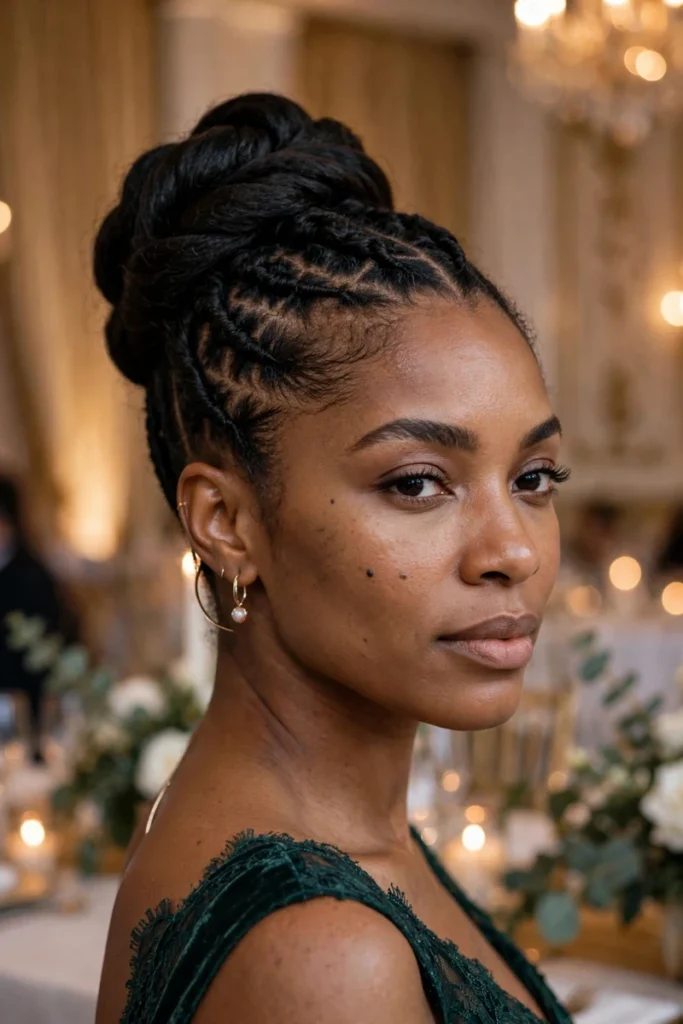
Flat twists worked close to the scalp and gathered into a bun or puff at the back. Moderate shrinkage hair holds this structured style cleanly, with just enough natural volume at the twisted sections to avoid looking flat against the head.
Styles That Work Well With High Shrinkage
Hair with high shrinkage, sometimes retaining only 20 to 30 percent of its stretched length, curls so tightly that length becomes almost secondary to the style’s shape and texture, making certain techniques far more effective here than others.
Stretched Twist-Outs Using the Banding Method

Sectioning hair and wrapping it with soft bands at intervals from root to tip after twisting, then removing the bands once dry, specifically counters the dramatic upward shrinkage this hair type experiences, resulting in a twist-out that shows noticeably more length than air-drying the same twists without the banding step.
Chunky Twists or Braids
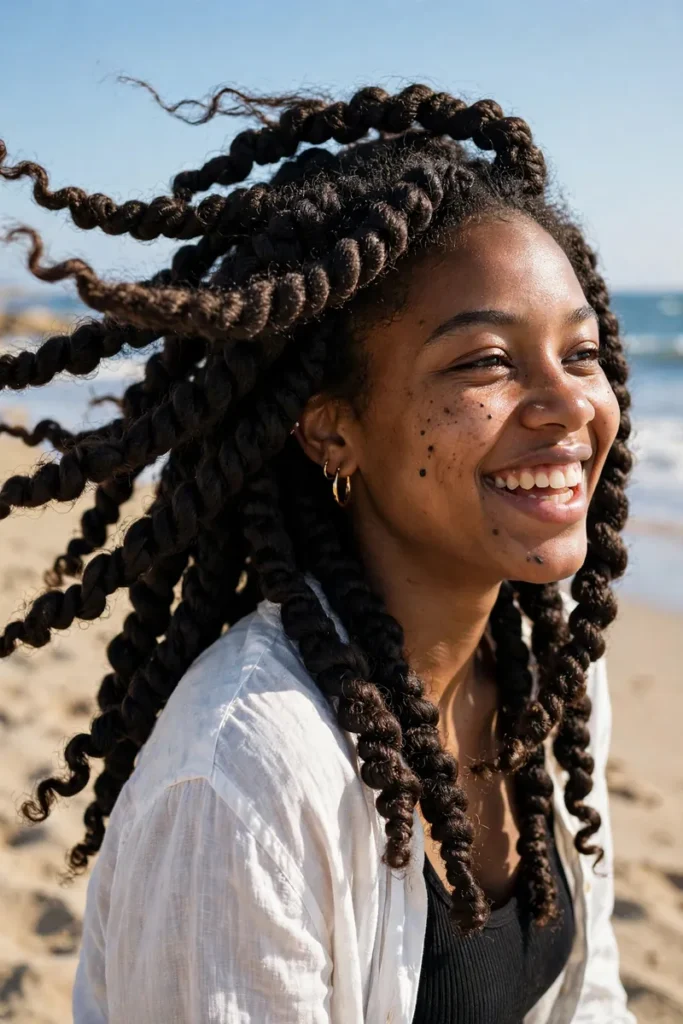
Rather than small, fine twists, using larger sections for twisting or braiding on high shrinkage hair produces a style that reads as intentionally voluminous rather than accidentally shrunken, working with the hair’s natural tendency toward a fuller, rounder shape instead of fighting it.
The Tapered Cut With Defined Curls on Top
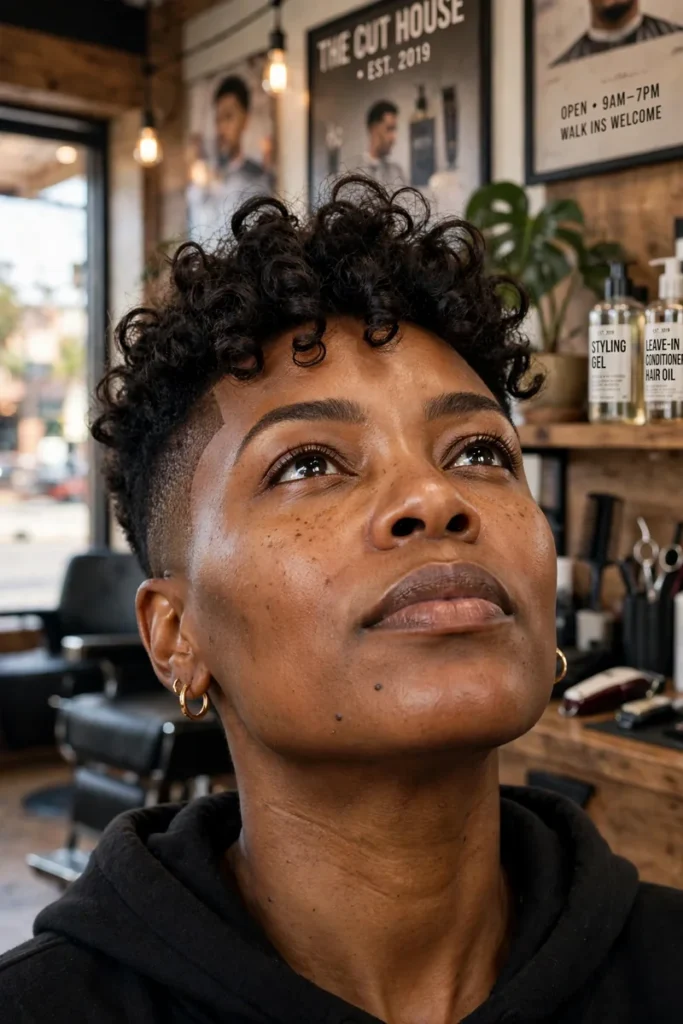
A cut that’s shorter at the sides and back with more length left at the crown, specifically designed around high shrinkage hair’s tendency to curl up dramatically, since the shape is built to look intentional at its naturally shrunken length rather than aiming for a length that will visually disappear once dry anyway.
Threading
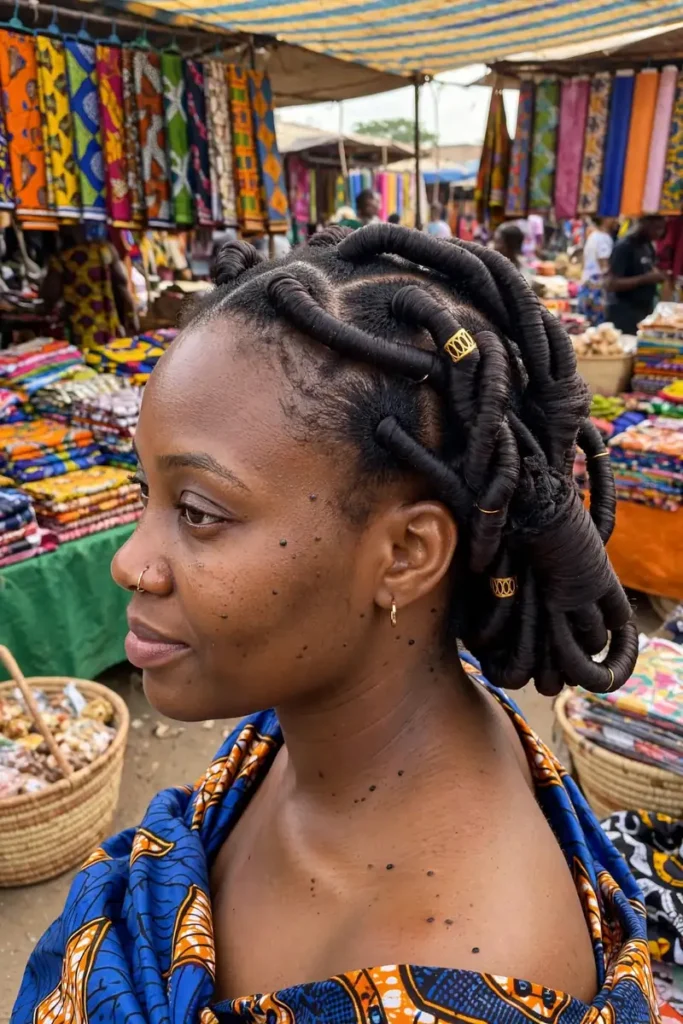
An older, traditional technique using thread wrapped around sections of hair from root to tip to stretch and shape it without heat, genuinely one of the most effective ways to manage high shrinkage hair, since the thread physically holds the stretch in place through the entire drying process rather than relying on the curl pattern to hold a shape it naturally resists.
Braid-Outs Using a Stretching Pre-Styling Step
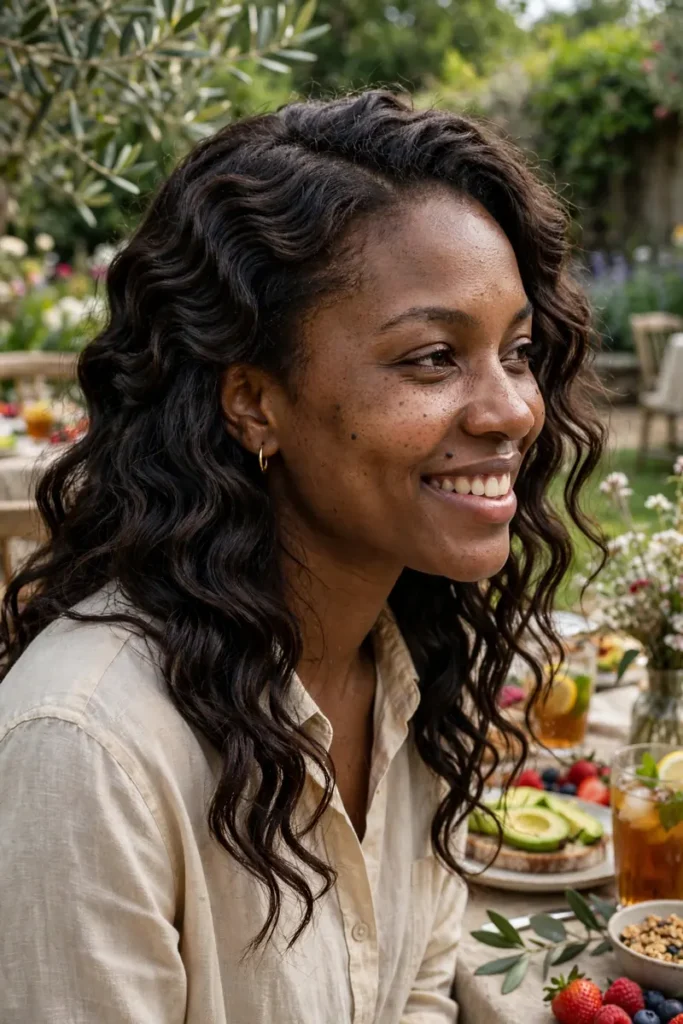
Starting with hair blow-dried on a low, cool setting with a comb attachment, or stretched overnight on large rollers, before braiding, gives high shrinkage hair a head start on length that a plain wash-and-braid approach can’t achieve, since the stretching happens before the shrinkage-prone curling process even begins.
Finding Your Own Shrinkage Percentage
Take a small section of clean, product-free hair and measure its length while fully stretched, either pulled taut by hand or measured after a gentle blow-dry. Then let that exact section air dry completely without any manipulation and measure it again in its natural, curled state. The percentage difference between those two measurements is your actual shrinkage rate, a more useful number than guessing based on how your hair looks on any single day, since humidity and product can both temporarily exaggerate or minimize how much shrinkage appears to happen.
Why the Same Technique Can Look Completely Different on Two People
Two people can follow an identical twist-out tutorial, use the same products in the same amounts, and end up with visually different results purely because of differing shrinkage rates. This is worth remembering specifically when a tutorial’s results don’t match your own, since the issue often isn’t technique at all but simply a mismatch between the shrinkage shown in the demonstration and your own hair’s natural behavior.
Adjusting Technique Rather Than Fighting Your Shrinkage
Once you know your approximate shrinkage category, a few adjustments help any style perform closer to expectation. For high shrinkage hair, incorporating a stretching step, banding, threading, or a cool blow-dry, before the main styling technique consistently produces more length than skipping straight to twisting or braiding on freshly washed, unstretched hair. For low shrinkage hair, the opposite consideration applies, since these curls hold length well on their own, meaning less time needs to be spent on stretching techniques and more can go toward definition and moisture instead.
Shrinkage Changes With Hair Health, Too
It’s worth knowing that shrinkage level isn’t entirely fixed either. Well-moisturized, healthy hair with intact elasticity often shrinks more than dry, damaged hair, somewhat counterintuitively, since healthy elastic strands have more spring to snap back with. This means a noticeable increase in your own shrinkage over time can actually be a sign of improving hair health rather than something to worry about, even though it means some previously reliable styling techniques might need slight adjustment to keep producing the same results.
Afro hairstyles don’t fail because of bad technique nearly as often as people assume, they fail because the technique was built around a shrinkage rate that doesn’t match the hair actually being styled. Measure your own shrinkage once, choose from the category that matches it, and adjust the pre-styling steps accordingly, and far more of these techniques will produce the result you were actually expecting.