16 Spa Bathroom Ideas So Calming, You May Forget You Are Still at Home
My first “home spa” was not glamorous. I put three candles around the tub, played ocean sounds on my phone, and tried to relax. Then the smoke alarm joined the playlist. Still, that funny little evening taught me something: a spa bathroom is less about owning a giant tub and more about creating calm on purpose.
You can do that in a small apartment, a busy family bathroom, or a full primary suite. Some of these ideas cost less than dinner out. Others are smart renovation choices to save for. This list moves like a real spa visit: first we quiet the room, then wake up the senses, and finally add a few luxuries worth planning. Grab a robe—fluffy is strongly encouraged—and let’s turn an everyday bathroom into your favorite room in the house.
Phase One: Quiet the Visual Noise
A spa feels peaceful before anyone hands you cucumber water. Start with what your eyes see: color, clutter, texture, and light. These changes create the biggest mood shift, even if you never move a pipe.
1. Wrap the Room in Warm Neutrals

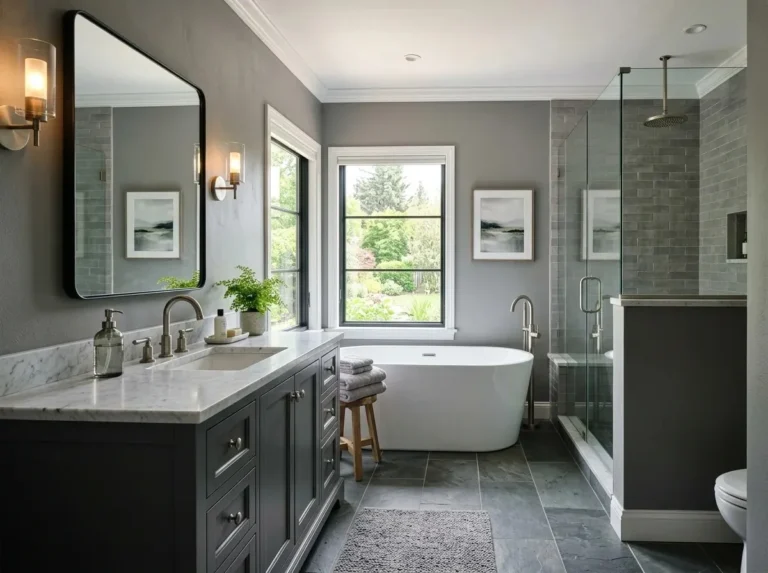
Soft cream, mushroom, sand, and warm gray make a bathroom feel quiet without making it boring. Paint is the easiest starting point, usually about $40 to $80 for a gallon of good bathroom paint. Choose a mildew-resistant satin or semi-gloss finish. If you rent, bring the palette in through towels, a shower curtain, bath mats, and storage baskets instead. Keep the colors close together so the room feels layered rather than busy. A black vanity or dark tile can still work; warm bulbs and pale textiles will soften the mood.
2. Try a Clean White Reset

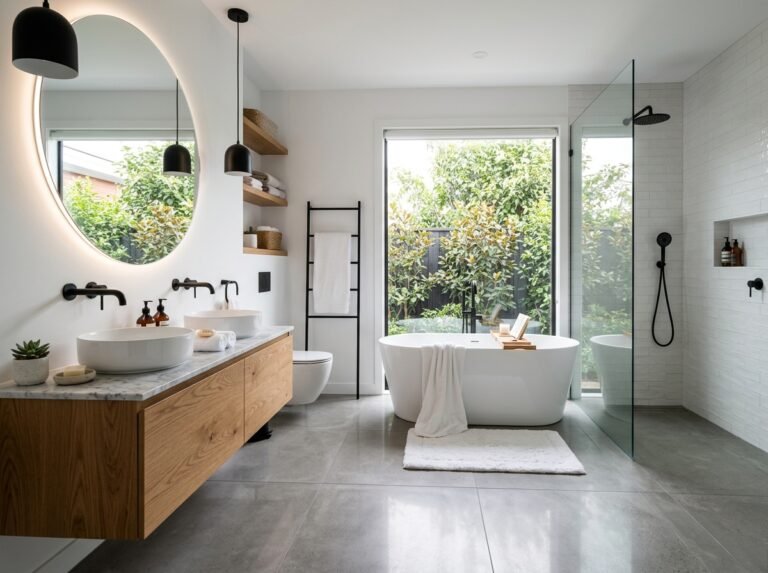
White creates the fresh, just-cleaned feeling we love in spas. The trick is avoiding a room that feels like a dentist’s office. Mix white tile with an ivory curtain, creamy towels, pale wood, and one living plant. In a tiny bathroom, matching the wall and shower curtain color also reduces visual breaks, making the space look wider. A washable white curtain can cost $25 to $50, while a simple towel refresh may run $60 to $150. Washable items are especially useful in a shared home, where “spa day” can become “toothpaste day” very quickly.
3. Make the Tub the Calm Focal Point

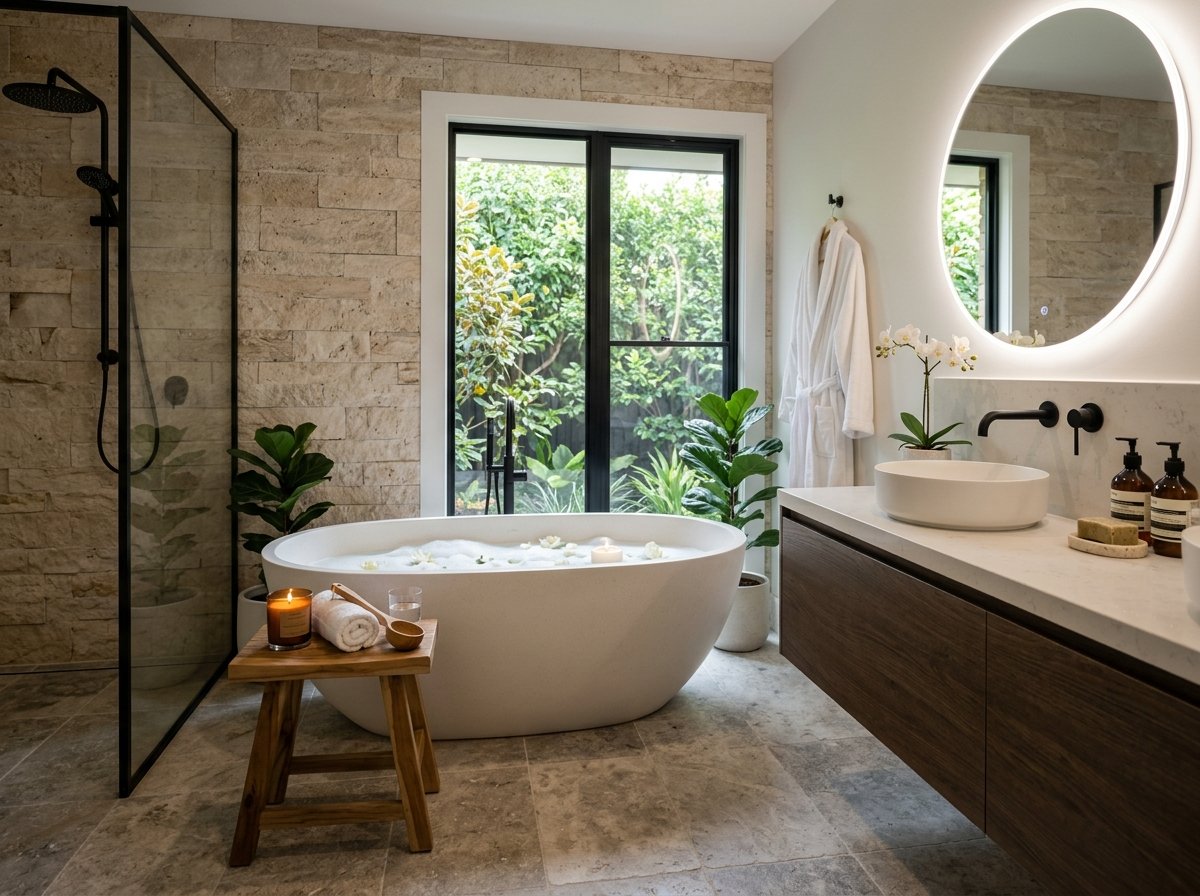
If you are remodeling, a freestanding tub creates an instant destination. Entry-level acrylic models often begin around $700, but installation, plumbing, and floor support can push the full project into several thousand dollars. Measure carefully before falling in love online; a beautiful tub that blocks a cabinet is simply expensive furniture. No renovation budget? Style the tub you have. Clear the rim, hang one lovely bath brush, and place a slim tray across it. A $30 tray and tidy styling can give the eye one peaceful place to land.
4. Borrow Warmth from a Japanese Soaking Room

Japanese-inspired bathing spaces use warm wood, low lines, simple objects, and a strong connection to nature. You do not need to import a deep soaking tub. Add a cedar stool, teak bath mat, bamboo shade, or wooden tray. Keep only items you use and give everything else a drawer. Teak stools generally cost $50 to $150 and also help in a small shower. Renters can create the look with removable bamboo window film and wood accessories. Just keep untreated wood away from standing water so calm does not turn into mold.
Phase Two: Build a Better Daily Ritual
Now that the room looks calmer, make it feel better to use. Texture, water, scent, and organization are the parts you notice when the door closes and the real world can wait.
5. Give the Shower a Rainfall Feeling

A wide rainfall showerhead can make a basic shower feel slower and softer. Many screw-on models cost $40 to $150 and are renter-friendly if you save the original fixture. Check your lease and water pressure first. If you are renovating, a ceiling-mounted head plus a handheld wand gives luxury and practicality, but moving plumbing may cost $500 to $2,000 or more. The handheld part matters for cleaning, washing hair, and rinsing the mysterious conditioner blob that always lands six feet away.
6. Turn an Ordinary Mirror into a Soft Glow

Harsh ceiling light can make even a beautiful bathroom feel tense. Add warm bulbs around 2700K to 3000K and light the face from the sides when possible. Plug-in wall sconces, a small lamp on a dry counter, or an LED strip behind a mirror can cost $25 to $200. Renters should use plug-in or battery options rather than changing wiring. Keep task light near the mirror for makeup, then switch it off during a bath. Dim light is relaxing; trying to draw eyeliner in dim light is an adventure nobody requested.
7. Create a Candle Corner, Safely

One grouped candle moment looks more polished than little candles scattered everywhere. Place two or three unscented or lightly scented candles on a stone tray, well away from towels, curtains, pets, and splashing water. Battery candles offer the same glow for $15 to $40 and are the smarter choice in rentals or homes with children. If you use real flames, never leave them alone. I learned this after my smoke-alarm concert, and I would like you to enjoy a less dramatic spa soundtrack.
8. Add a Tub Tray for Your Tiny Luxuries

A tub tray holds bath salts, a washcloth, and a drink without covering the rim in random bottles. Look for an adjustable bamboo or sealed wood tray, usually $25 to $70. No tub? Use the same idea beside the shower: a narrow stool can hold folded towels and a small plant. Keep electronics far from water; your phone does not need a spa treatment. In a small room, choose a folding stool or tray that can slide behind the door when not in use.
9. Upgrade the Towels You Touch Every Day

Plush towels are not just decoration. They are the ending of every shower, so buy the best set your budget allows. Midweight cotton dries faster than extra-heavy hotel towels and is easier in humid bathrooms. Expect about $15 to $40 per bath towel. Choose two matching colors and fold or roll them neatly. A plug-in towel warmer starts around $80, while a hardwired rail costs more and needs an electrician. A warm towel on a cold morning feels wildly fancy for something that still has to visit the laundry basket.
10. Hide Clutter Inside a Vanity Zone
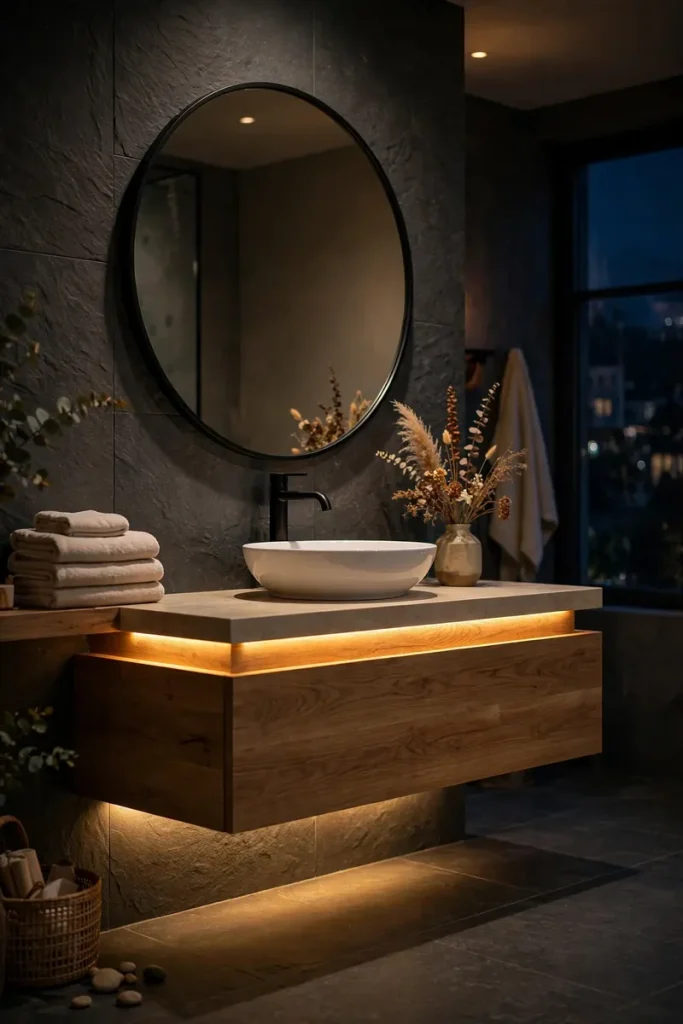
Nothing ruins a spa mood faster than six half-empty bottles arguing on the counter. Use drawer dividers, labeled bins, and one small daily tray. Keep backups elsewhere. Organizers may cost $20 to $60, while a new floating vanity can range from $400 to well over $2,000 before installation. In a rental, add under-sink pullout bins or a narrow rolling cart. Give each person one basket. When everything has a home, cleaning takes minutes, and you will stop buying shampoo because you “couldn’t find any.”
11. Build a Simple Shower Niche System

A built-in niche keeps products off the floor and makes a shower look intentional. During a remodel, plan it before tile goes up; cutting one in later can risk the waterproofing. Depending on tile and labor, a niche may add roughly $300 to $800. For a no-renovation version, use a tension-pole caddy or adhesive shelves made for wet areas, usually $25 to $80. Decanting products into matching bottles looks pretty, but label them underneath. Hair conditioner and body lotion should not become surprise twins.
12. Bring In Stone Texture Without the Stone Bill
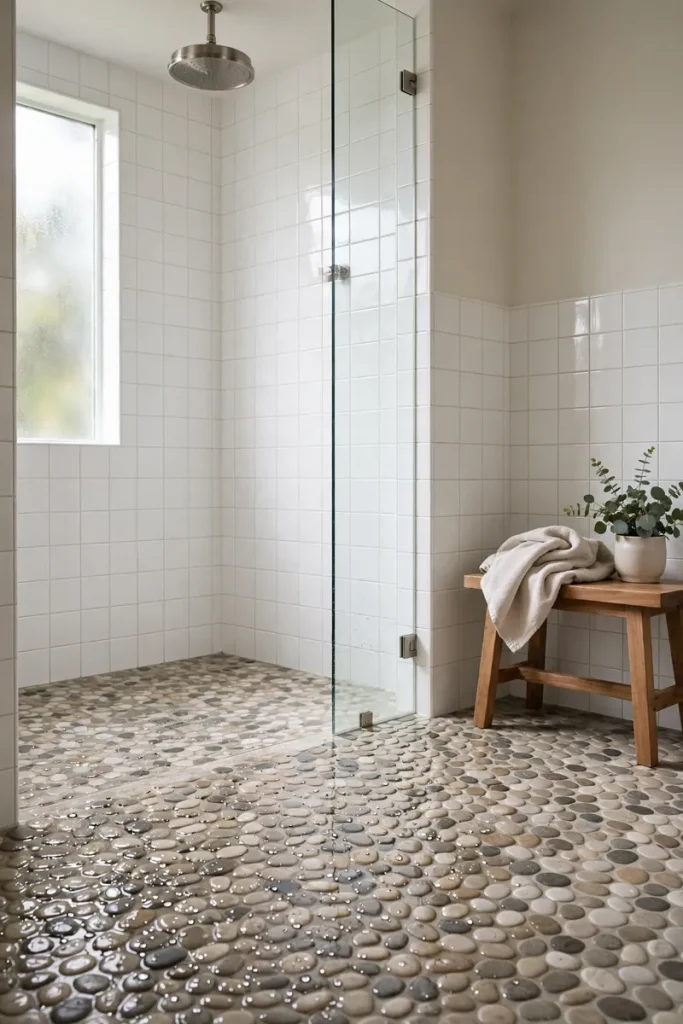
Stone adds the earthy texture found in high-end spas, but real slabs are costly and need care. Get the feeling with porcelain stone-look tile, a pebble bath mat, travertine tray, or concrete-look accessories. A small stone tray costs around $20 to $50; porcelain tile projects vary widely but are usually more budget-friendly than natural stone. Use texture in one or two places, not everywhere. In a small bath, one textured wall behind the vanity has more impact than five competing surfaces.
Phase Three: Add the “I Booked This Room” Details
The final layer is not about stuffing the bathroom with decor. It is about adding a few thoughtful details that make a normal Tuesday feel cared for.
13. Warm the Room with Natural Wood

Wood keeps white, gray, or black bathrooms from feeling cold. A wood vanity is a major update, but smaller pieces work too: framed art, a stool, floating shelves, or a slatted bath mat. Plan $30 to $150 for accessories or several hundred dollars for quality shelving and installation. Choose sealed, moisture-resistant wood, and run the exhaust fan after showers. Renters can place a narrow bamboo ladder against the wall for towels—no drilling needed, and it adds vertical storage without swallowing floor space.
14. Go Moody with One Dramatic Wall
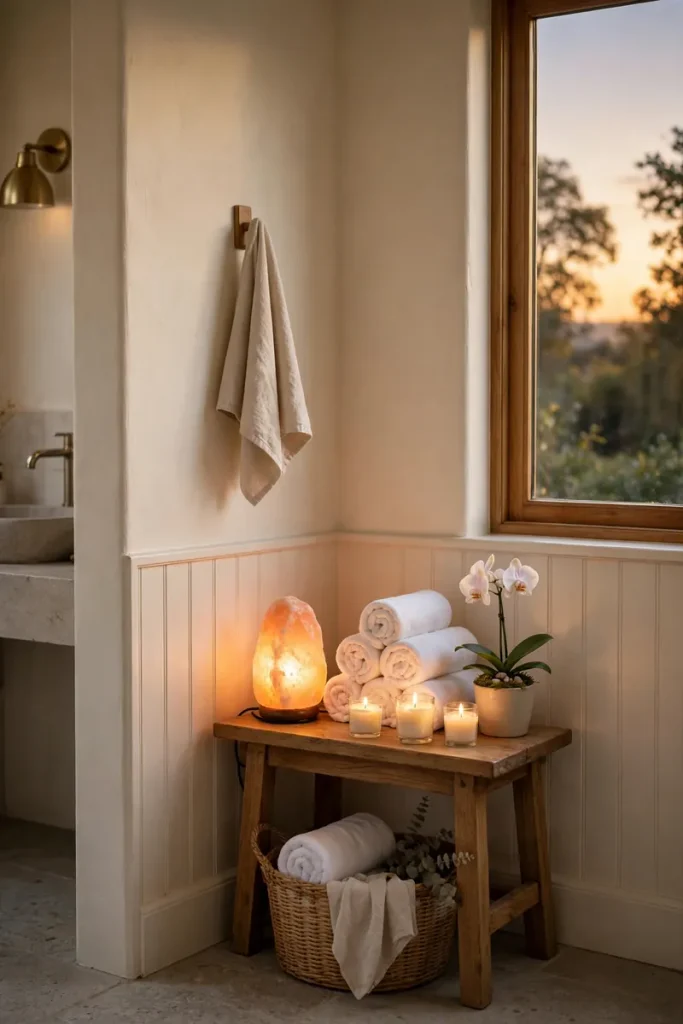
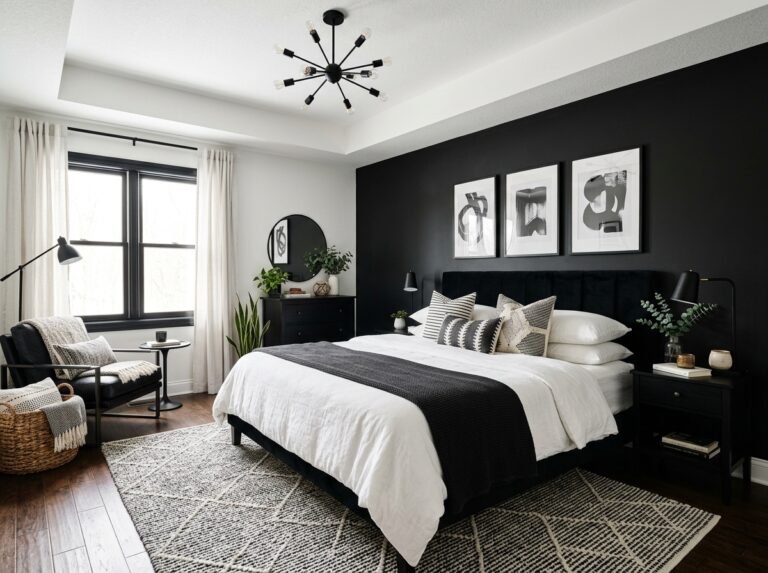
Spas are not always bright. Charcoal, forest green, or deep brown can feel warm and cocooning when balanced with soft light. Paint one dry wall for about $40 to $80, or use removable wallpaper outside the splash zone. Add warm metal, pale towels, and a dimmer so the space feels dramatic rather than gloomy. In a windowless bath, test a large paint sample for a few days. Dark color is like eyeliner: a little can look elegant; the wrong amount at 7 a.m. may raise questions.
15. Keep the Floor Warm and Comfortable

Cold tile can end a peaceful shower in one icy step. The budget fix is a thick, washable bath mat with a nonslip backing, usually $25 to $70. For a remodel, electric radiant heat under tile often adds about $10 to $25 per square foot for materials, plus professional labor and electrical work. It works best when planned before flooring. In a rental, try a compact towel warmer or keep slippers in a basket by the door. Spa energy can absolutely include practical socks.
16. Finish with a Botanical Bathing Corner

Plants make a bathroom feel alive and connect the space to nature. Try pothos, heartleaf philodendron, or a bird’s-nest fern if the room has suitable light. Most small plants cost $15 to $40. A no-window bathroom needs a grow light or a very realistic faux plant; humidity cannot replace sunlight. Group plants near the tub or shower, but keep walkways clear. One leafy corner looks lush. Twelve tiny pots around the sink look like you accidentally opened a garden center.
Your One-Weekend Spa Plan
If sixteen ideas feel like too much, do not remodel the whole room by Monday. Start with a simple three-part plan. First, remove everything from sight that you do not use daily. Second, pick one calm color and repeat it in towels, a curtain, and a bath mat. Third, improve one sense: warmer light, softer towels, a rainfall showerhead, or a gentle scent.
My own bathroom never became a five-star resort. It still has a laundry basket that somehow fills itself overnight. But after I cleared the counter, changed the bulbs, added two thick towels, and gave one plant the sunny corner, the room finally felt like a place to pause. That is the real goal. Your bathroom does not need to impress a hotel critic. It only needs to help you breathe a little deeper before the next part of your day begins.