15 Bridal Hairstyle Ideas and Which Veils Actually Work With Them
Most brides choose their hairstyle first and figure out the veil situation later, which is backward. A veil needs somewhere secure to attach, and certain styles make that attachment nearly invisible while others fight against it the entire day. Before falling in love with a particular look, it helps to know whether your dream style and your dream veil can actually coexist, or whether one needs to bend slightly for the other.
This list covers fifteen bridal hairstyles organized by how well they pair with different veil placements, plus the ceremony-to-reception transition each one allows, since very few brides want to wear exactly the same look all night.
Styles Built for a Veil Attached at the Crown
The Classic Low Chignon
A smooth, structured bun positioned at the nape, timeless and the single most veil-friendly style on this entire list. A crown-attached veil sits naturally above it with nothing to fight against, and the veil can be lifted and removed cleanly after the ceremony without disturbing a single pin in the bun itself. This is the safest choice for brides who want zero veil-related stress on the day.
The Textured Low Bun with Face-Framing Pieces
A slightly undone, twisted bun with soft pieces left loose around the face, romantic rather than severe. A crown veil pins in easily at the point where the hair gathers back, and because the overall style already has a relaxed, piecey quality, any small disturbance from veil removal later simply blends in rather than showing.
The Braided Low Bun
A bun wrapped with a thin braid at its base instead of bare pins, adding a detail that reads as intentional even before any veil goes in. The braided wrap gives a veil comb something genuinely secure to grip, since braids hold bobby pins and combs more firmly than smooth hair does.
Styles Built for a Veil Attached Underneath, at the Back
The Half-Up with Loose Waves
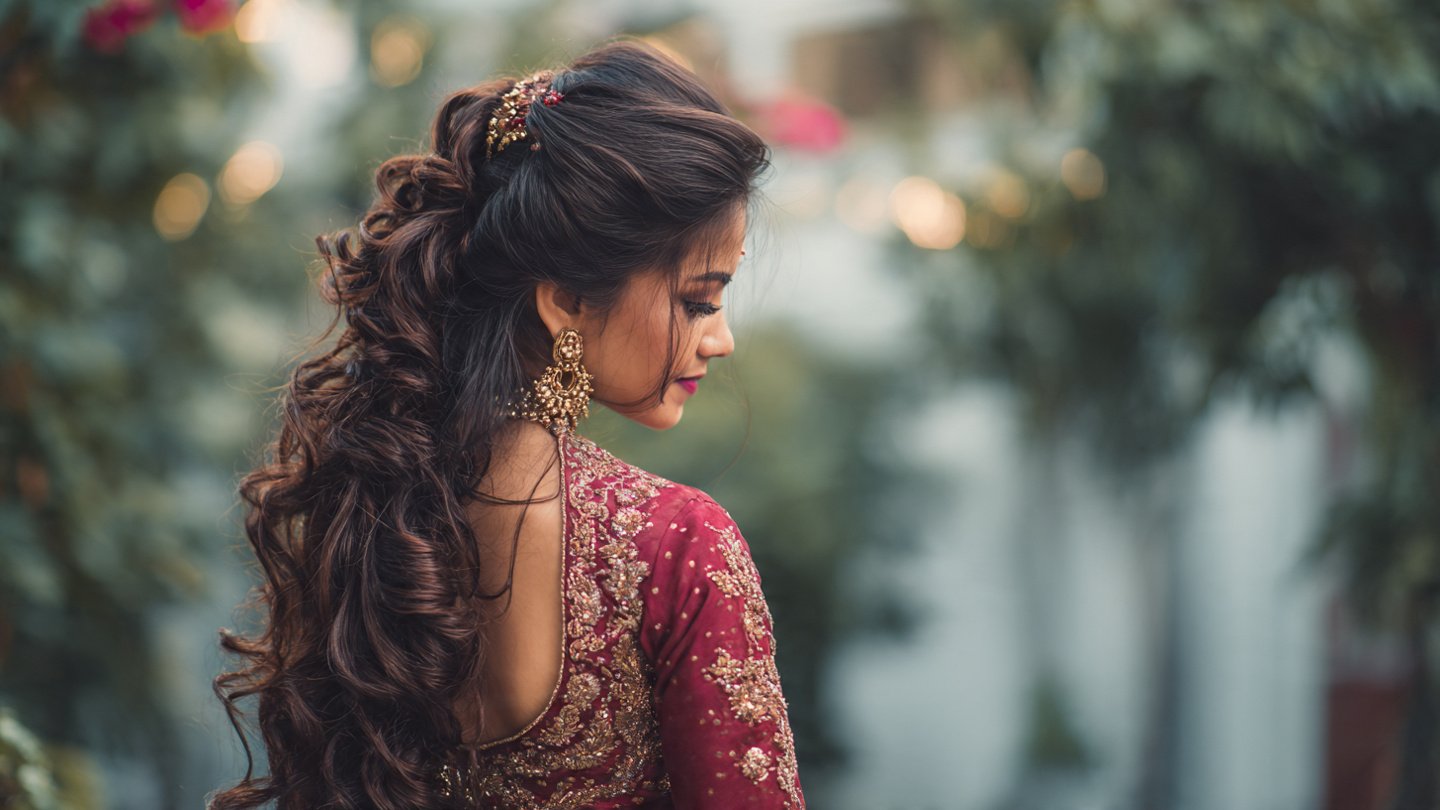
The top section gathered back, the rest left down in soft waves, one of the most popular bridal looks for good reason. A veil attached underneath this half-up section, rather than on top of it, creates a layered effect where the veil appears to flow from beneath the hair naturally. This placement also means the veil can be removed later while the half-up style stays completely intact for the reception.
The Voluminous Blowout, Worn Down
Full, bouncy volume with the hair down in its entirety, glamorous and dramatic. The veil attaches at the crown but tucks underneath the top layer of volume, which hides the comb completely and lets the hair itself become the star during the reception once the veil comes off.
Loose Curls Cascading Down
Soft, romantic curls throughout, worn fully down with no gathered section at all. A veil placed underneath the top layer of curls near the crown disappears into the texture almost entirely, and removing it afterward leaves barely a trace since there’s no structured base to disturb.
Styles Suited to a Birdcage or Short Veil Instead
The Finger Wave Updo
Close, sculpted waves set against the head in a vintage-inspired pattern, dramatic and specific in its era. A full-length veil tends to overwhelm this particular style’s clean lines, but a short birdcage veil pinned at an angle complements the vintage mood perfectly without competing with the waves underneath.
The Side-Swept Updo
Hair swept dramatically to one side and secured, elegant and a little bold. A long veil attached at the crown can pull the asymmetry out of balance, but a birdcage veil positioned on the opposite side from the sweep creates a genuinely striking, editorial look instead.
The Sleek Low Ponytail
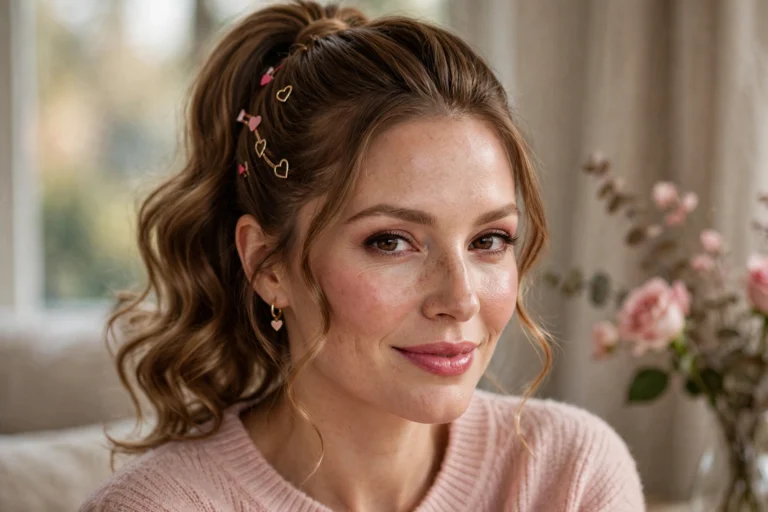
A polished, smooth ponytail pulled tight and wrapped at the base, modern and minimal. Traditional veils generally don’t suit this style’s clean simplicity, but a small birdcage veil or a single decorative comb at the crown adds just enough bridal detail without disrupting the sleekness.
Styles That Work Best Without Any Veil at All
The Flower Crown Half-Up
Loose waves with the top half gathered back and a flower crown wrapped across the crown instead of a veil, an increasingly popular choice for outdoor and garden weddings. This style was genuinely designed around the idea of skipping a veil entirely, and adding one on top of the florals tends to look cluttered rather than layered.
The Braided Crown
One or two braids wound around the head like a halo, already a complete, finished look on its own. The braided structure leaves no natural gap for a veil comb to sit without flattening the braid’s shape, so brides who love this style typically skip the veil or save it only for the walk down the aisle, removing it immediately after.
Styles That Transition Beautifully From Ceremony to Reception
The Loc Updo with Curls at the Ends
For brides with locs, gathering them into a sophisticated updo while the ends are curled with a flexi rod creates a style substantial enough to hold a veil securely at the crown, and elegant enough to stand completely on its own once the veil comes off for dancing.
The Natural Curl Half-Up
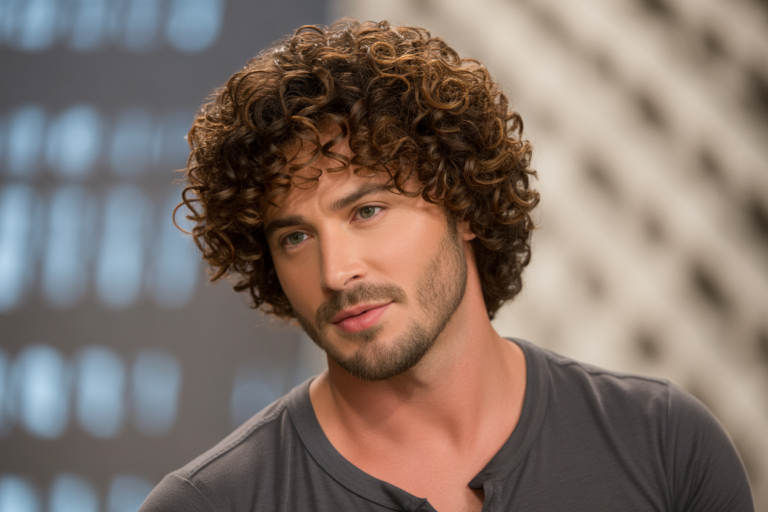
For curly and coily hair left in its natural pattern, with just the front section pinned back, a veil attaches easily at the pinned-back crown section, and removing it afterward reveals a style that was already reception-ready underneath the entire time.
The Twisted Half-Up
Two small twists pulled back and secured at the crown, with the rest left down, a quick but polished option. The twisted base gives a veil comb real grip, and because the style already looks finished without a veil, the transition between ceremony and reception requires no additional touch-up at all.
The Full Updo with Intricate Partings
An elaborate, structured updo with deliberate sectioning, typically for brides with longer or thicker hair who want their hairstyle itself to be a focal point. A veil attaches at the crown and removes cleanly afterward, but this style is substantial enough that many brides choose to keep a small decorative hairpiece in place even after the veil comes off, letting the intricate base work continue carrying the look into the evening.
How to Communicate Veil Placement to Your Stylist
Bring your actual veil, or at minimum a clear photo of how and where it attaches, to your trial appointment rather than describing it verbally. Veil attachment comes down to millimeters in some cases, and a stylist who can see and handle the actual comb or clip will place pins far more precisely than one working from a description alone. If you’re still deciding between veil styles when you book your trial, try to narrow it down beforehand, since testing multiple veil placements in one trial session often runs long and makes it harder to judge any single combination fairly.
The Trial Run Timing Question
Schedule your hair trial close enough to the wedding date that your hair length and color will genuinely match the day itself, but early enough that you have time to request changes if something doesn’t photograph the way you hoped. Many stylists recommend a trial about four to six weeks before the wedding specifically so there’s still room to adjust the plan without rushing a final decision days before the event.
A Quick Note on Hair Health Before the Big Day
Whichever style you choose, the months leading up to a wedding are not the time to experiment with major color changes or try a new heat styling routine for the first time. Hair that’s been recently and heavily processed holds pins and curl differently than hair in its usual condition, which can throw off even a perfectly planned trial. If a change is genuinely wanted, making it several months ahead rather than in the final weeks gives your hair time to settle into its new normal before the day it actually needs to perform.
Choosing a bridal hairstyle around how your veil will actually sit, rather than adding the veil as an afterthought, saves a surprising amount of stress on the wedding morning itself. Decide on your veil placement first, match it to a style from the right category above, and the rest of the planning tends to fall into place far more smoothly.