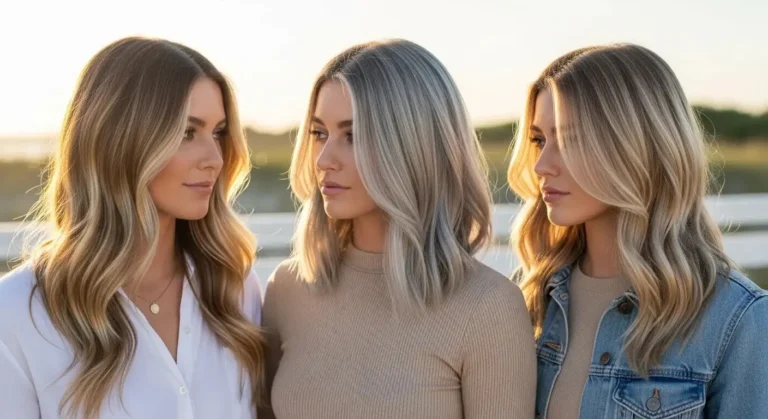
18 Long Shag Haircuts for Fine Hair That People Did Not Expect
For a decade, I believed my hair was the problem. Too thin, too flat, too slippery to hold a style past noon. I bought the volumizing mousses. I teased. I cried a little every time I saw someone with thick hair shake it around like it was nothing. Then a stylist in Karachi, a woman with the sharpest scissors I have ever seen, looked at my hair and said the sentence that changed everything: “Your hair isn’t thin. Your haircut is boring.”
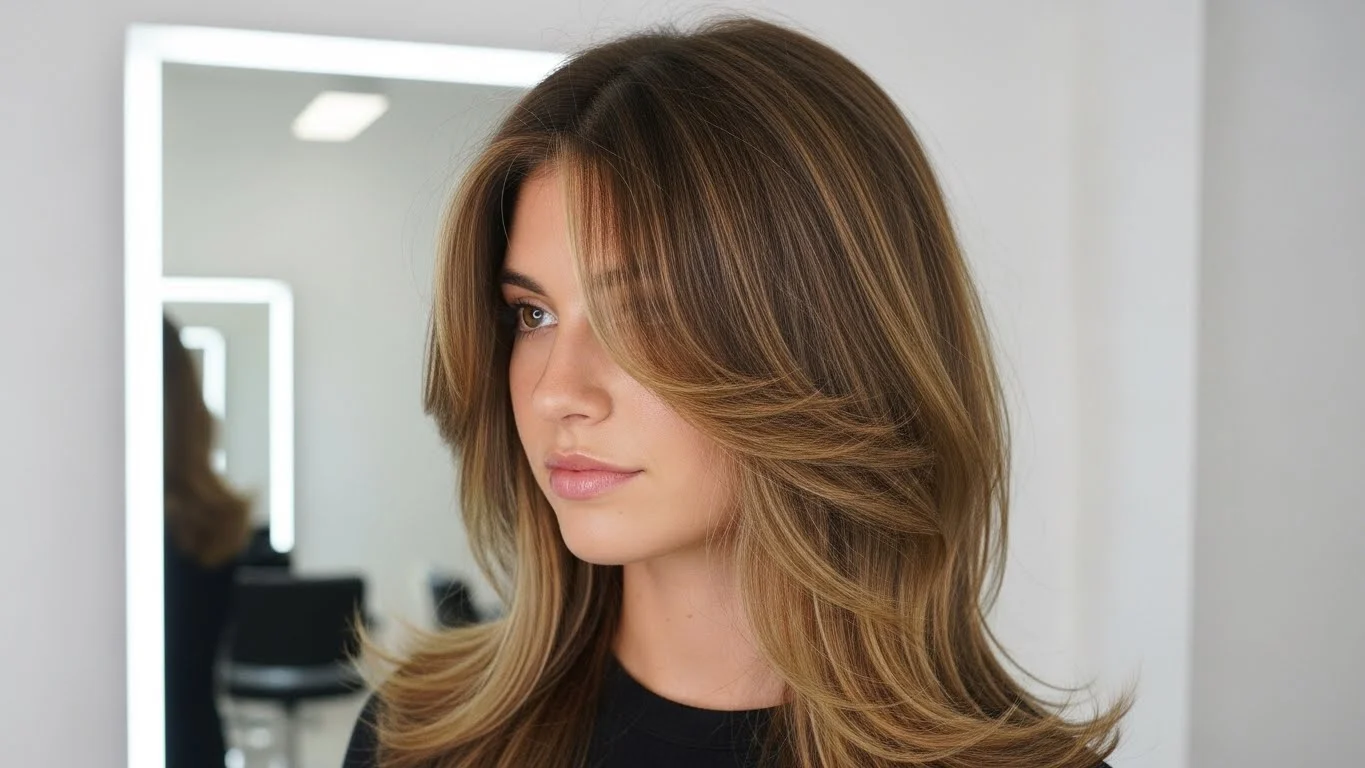
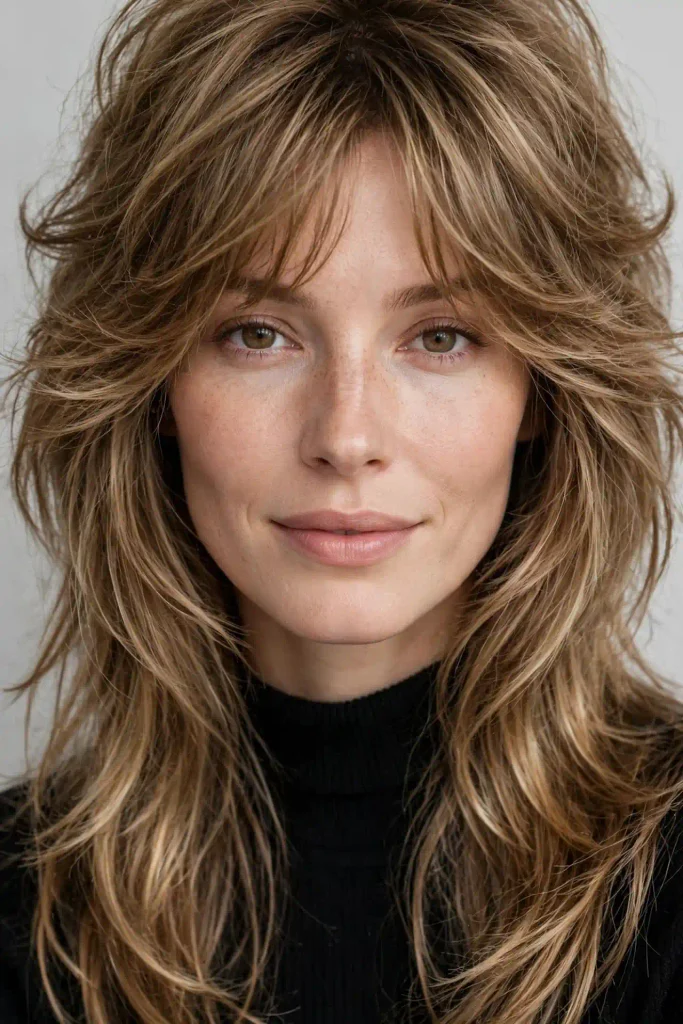
She was right. Fine hair does not need more hair. It needs architecture. And the long shag, done correctly for fine hair, is the best architecture there is. Layers that create the illusion of density. Texture that fakes fullness. Movement that makes people assume you have twice the hair you actually do.
This is not another list of haircuts with a sentence each. This is everything I have learned in six years of wearing long shags on genuinely fine hair: the cuts, the diary of a real wash week, the commandments, the mistakes, and the exact script to hand your stylist. Let’s get into it.
What a Long Shag Actually Does for Fine Hair
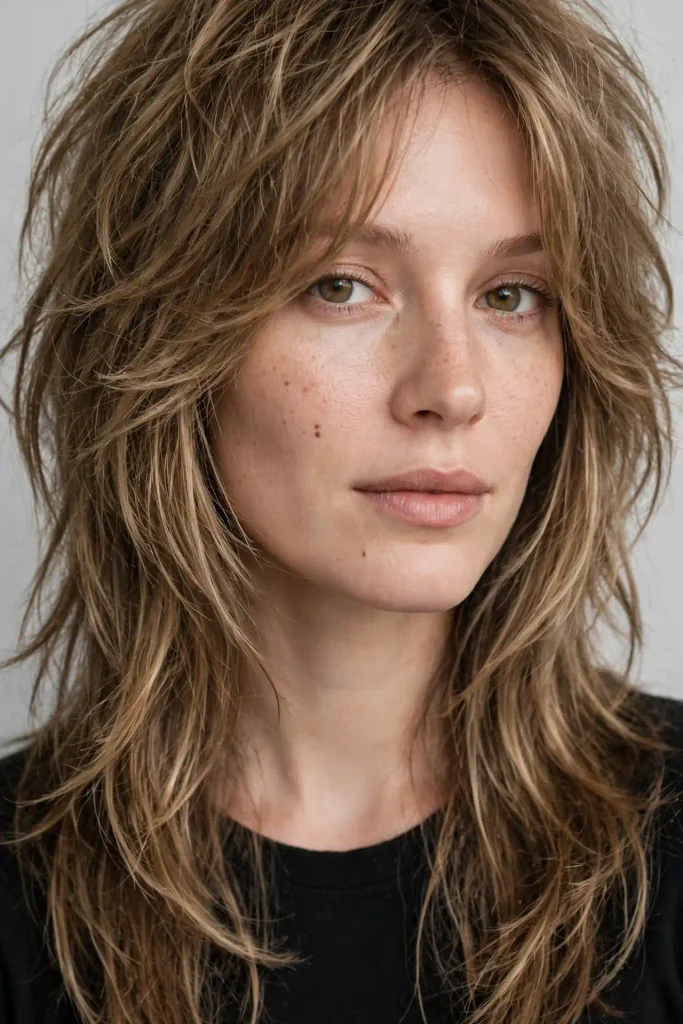
Here is the expert bit, because I promised you an expert. Fine hair falls flat for one reason: weight. Every inch of length pulls down on the roots, and fine strands do not have the strength to push back. A long shag fixes this with physics, not products.
Shorter layers on top remove weight from the crown, which lets the roots lift. Choppy, textured ends break up the solid curtain of hair so light hits it at different angles, which reads as thickness. Face-framing pieces draw the eye forward and create fullness around the face, where people actually look. None of this adds a single hair to your head. It just stops wasting the hair you have.
The critical difference between a shag for thick hair and a shag for fine hair: restraint. Thick hair gets carved aggressively. Fine hair gets layered strategically, with the perimeter kept relatively solid so the ends do not go wispy and sad. If your stylist starts thinning your fine hair with thinning shears, stand up and leave. I am only half joking.
Find Your Shag in 30 Seconds
Before you scroll the 18 cuts, answer this honestly. What bothers you most about your hair right now?
If it goes flat by lunchtime: you need the Volume Cheats, numbers 1 to 5. Crown layers are your religion now.
If it looks fine but feels boring: head to the Cool-Girl Textures, numbers 6 to 11. You do not need more hair, you need more personality.
If you are terrified of losing length: the Grow-It-Long Keepers, numbers 12 to 18, were made for you. Maximum length, strategic shape.
If you want bangs but fear commitment: start with number 1 or number 8. Both give you the fringe feeling with an exit strategy.
The Volume Cheats
These five cuts are engineered for one job: making fine hair look like more hair. They are the hardest-working haircuts on this list.
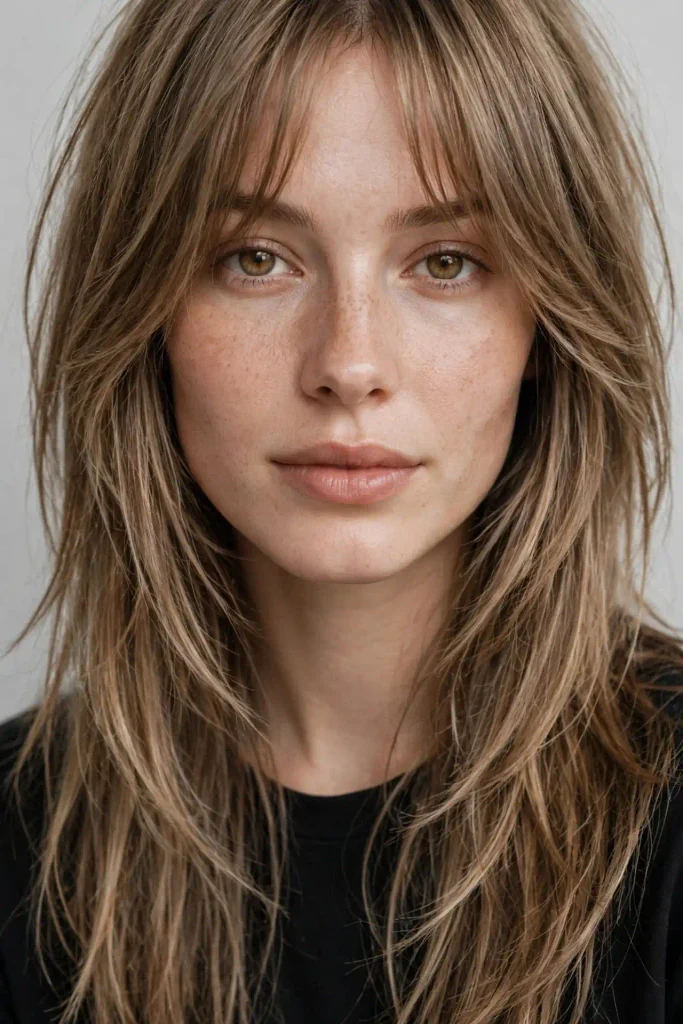
1. The Curtain Bang Shag
The vibe: French girl who never thinks about her hair, except she absolutely does.
I got this cut before a destination wedding in Hunza, and the mountain wind did half my styling for me. Curtain bangs that part in the middle and melt into long shaggy layers. The bangs create instant fullness around the face, which is where flatness shows most.
Steal this detail: ask for the bangs to start at the cheekbones, not the forehead. Longer curtain bangs grow out into layers instead of growing out into a problem.
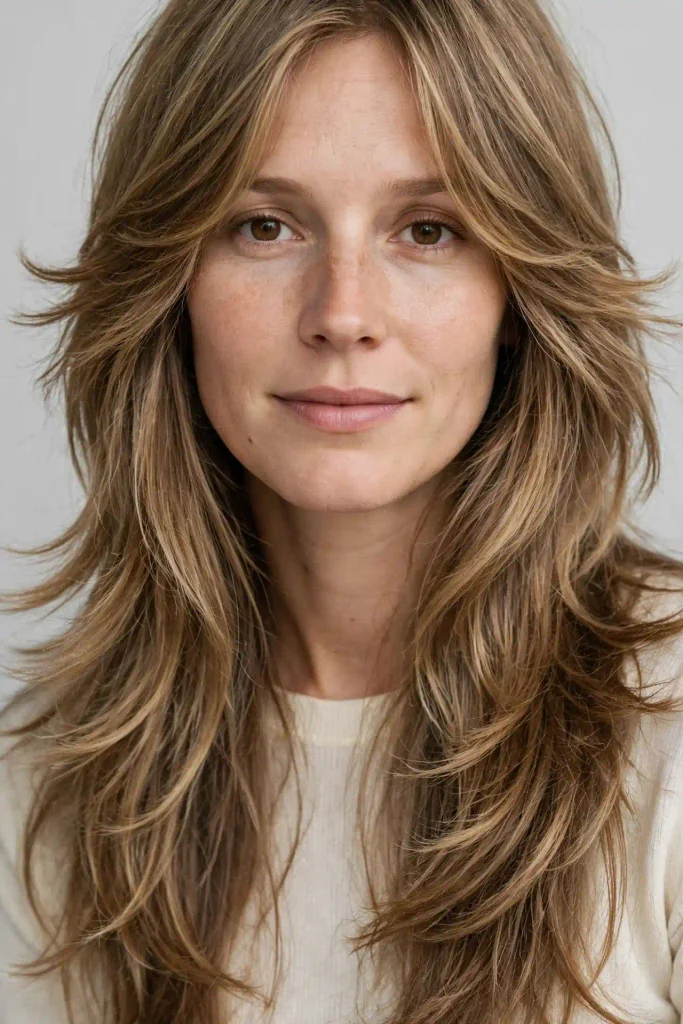
2. The Feathered 70s Shag
The vibe: your cool aunt in 1976, but with better shampoo.
Feathered ends are the oldest volume trick in the book, and they work because each feathered piece flicks outward instead of hanging straight down. I wore this for an entire winter and my hair looked windblown in the best way even on still days. Strangers asked if I had “done something different” for months.
Steal this detail: feathering works best when the ends are point-cut, not blunt-cut. Ask your stylist to point-cut the last two inches.
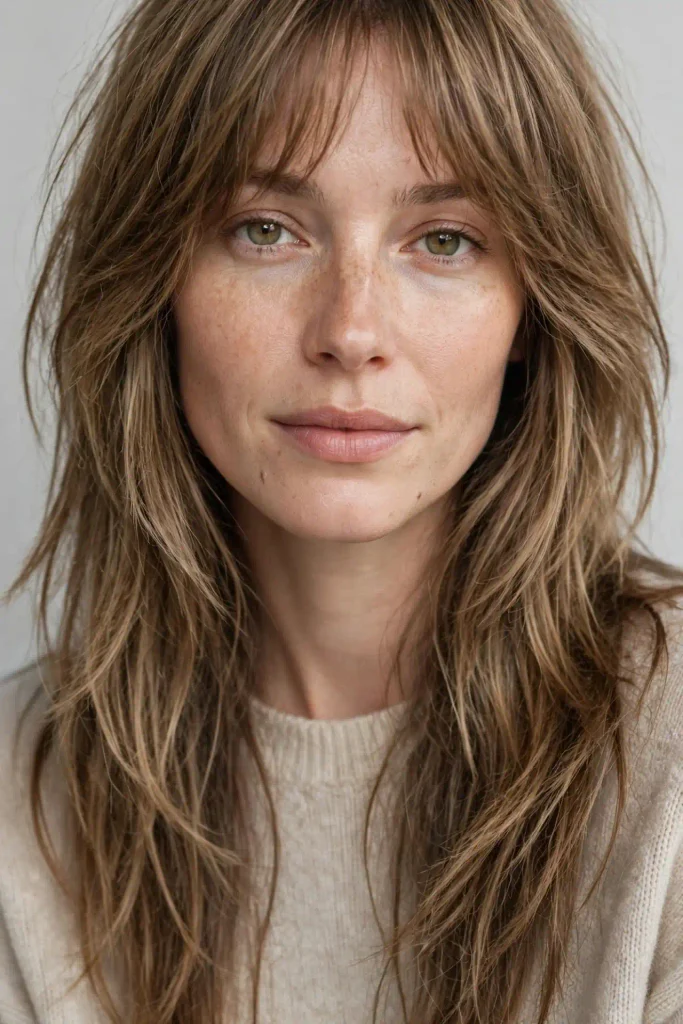
3. The Bottleneck Bang Shag
The vibe: soft, narrow at the top, opening up like the neck of a bottle. Very now.
Bottleneck bangs are genius for fine hair because they are wispy by design. You are not asking thin hair to be a thick fringe, which never works. You are letting it be wispy on purpose, and the shaggy layers behind it do the heavy lifting. I tried this after seeing it everywhere and it is the lowest-maintenance fringe I have ever had.
Steal this detail: bottleneck bangs look best slightly grown out, so this cut actually improves in weeks two through six.
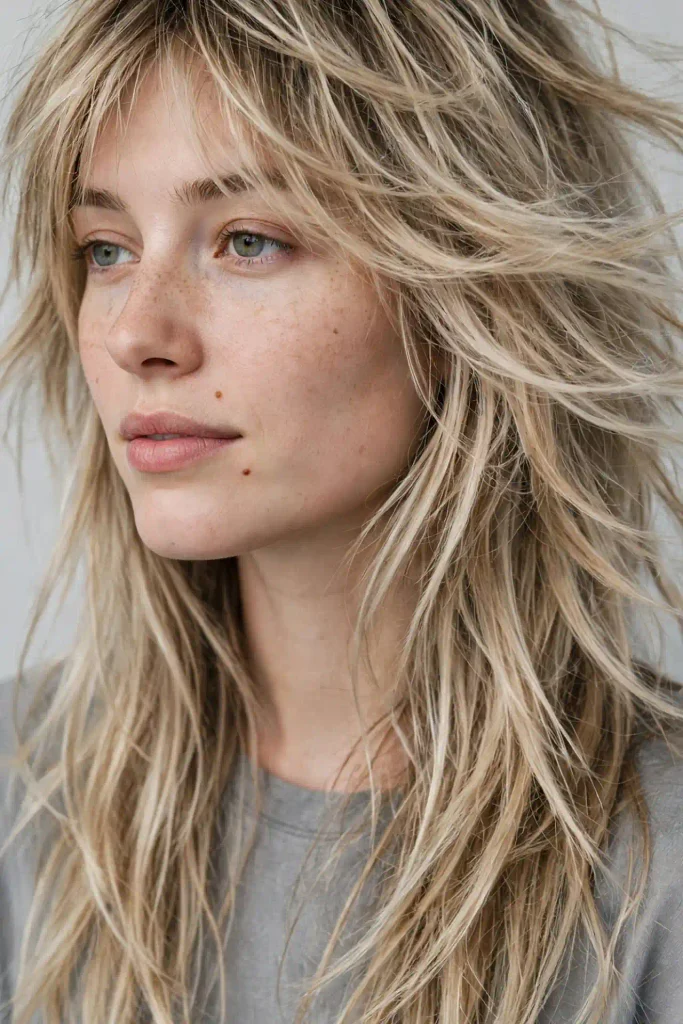
4. The Airy Wolf-Shag Hybrid
The vibe: wolf cut’s cool younger sister who got a proper education.
The full wolf cut can eat fine hair alive, too many short layers and suddenly there is nothing left. This hybrid keeps the wolf’s attitude but stretches the layers longer, so you get the edgy silhouette without sacrificing density. My twenty-three-year-old niece got this and I immediately felt underdressed standing next to her.
Steal this detail: the hybrid only works if the shortest layer stays below the chin. Anything shorter on fine hair and the top goes flat while the ends go wild.
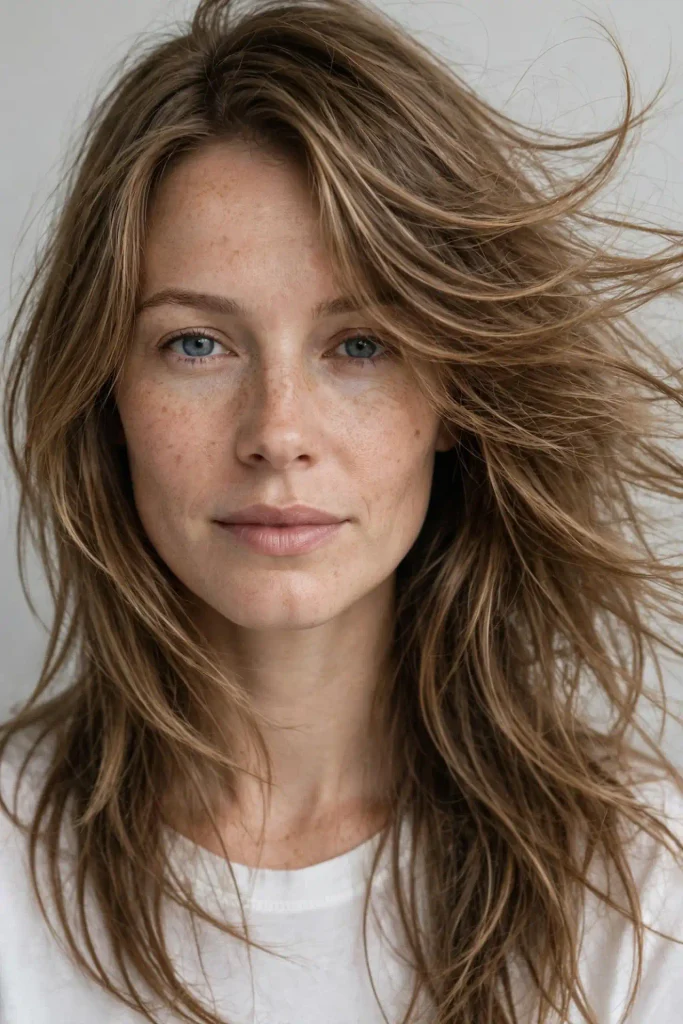
5. The Side-Part Swing Shag
The vibe: old Hollywood meets modern texture.
A deep side part is free volume. It genuinely is. Flipping your part to the side lifts the roots on the heavy side and creates an instant swing. Combine that with long shag layers and you have a cut that moves when you move. I switched to a side part two years ago and my middle-part era feels like a different person now.
Steal this detail: train a new part when your hair is damp, not dry. Damp roots are persuadable. Dry roots are stubborn.
The Cool-Girl Textures
These six are for the days when your hair behaves fine but bores you. Texture is the difference between hair that exists and hair that has a point of view.
6. The Choppy Ends Shag
The vibe: deliberately undone, like you cut it yourself but better.
Choppy ends on fine hair sound scary. They are not, if the chop stays in the bottom three inches. Everything above stays smooth and the ends get piece-y and interesting. I did this before a concert and spent the whole night flipping my ends around like I was in a music video. Zero regrets.
Steal this detail: choppy ends need a tiny bit of texture spray or they just look uneven. One product, ten seconds, done.
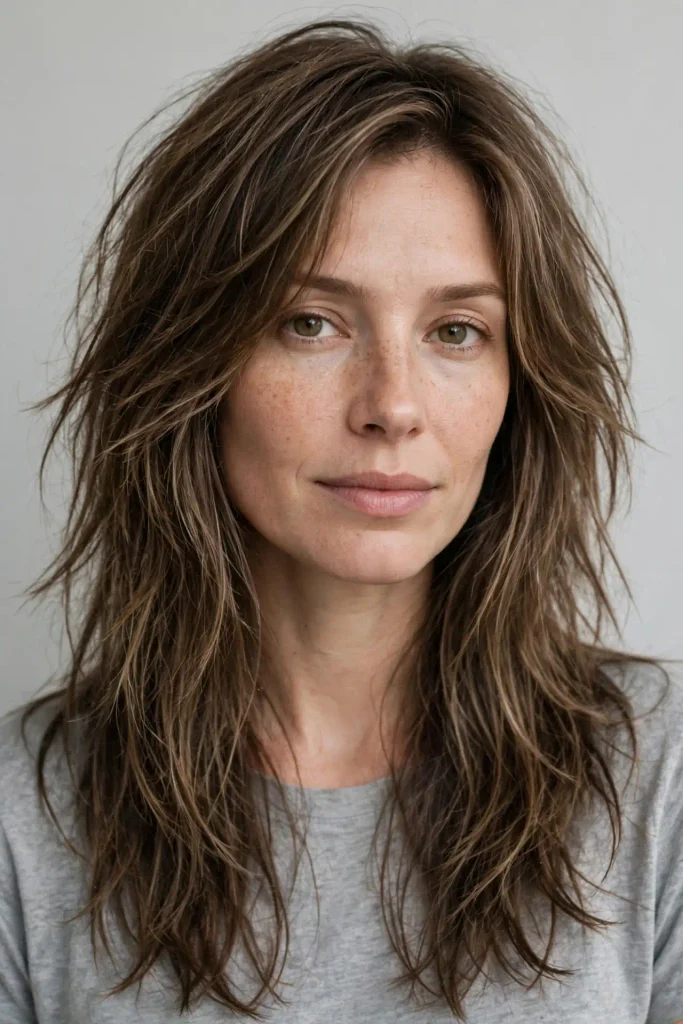
7. The Lived-In Beach Shag
The vibe: three days after the beach, forever.
This is long layers with soft, slept-in waves, and it is the most forgiving cut on the list. Bedhead is the style. I wore this through a humid August and it was the first summer my hair ever looked intentional without heat styling. The layers are cut so the natural wave pattern does everything.
Steal this detail: sleep with your hair in a loose high bun and this cut wakes up styled. It is practically cheating.
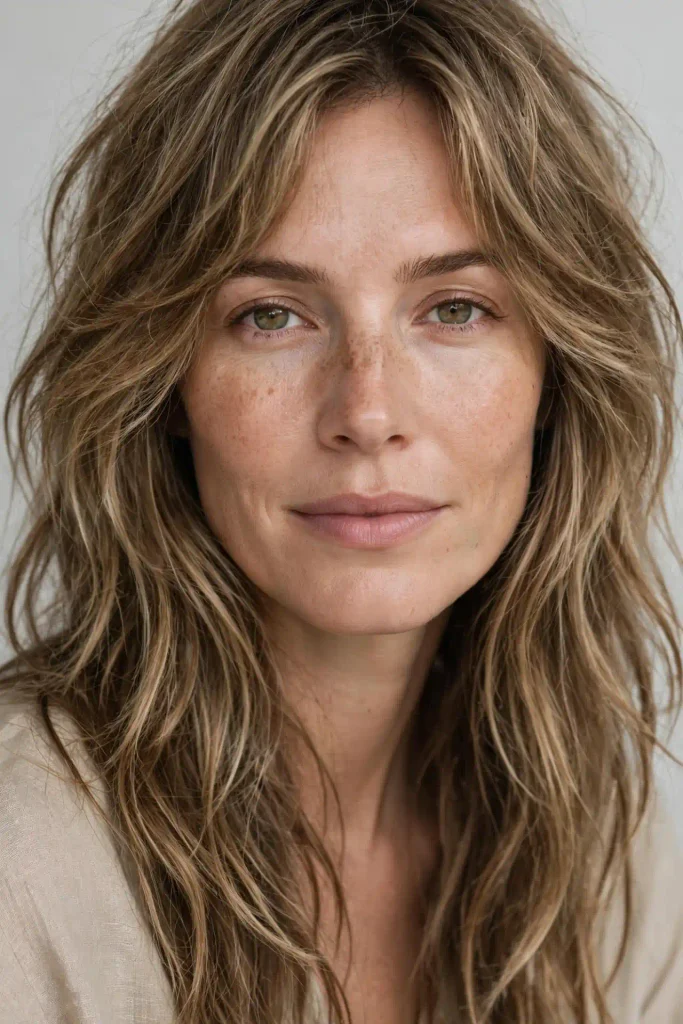
8. The Wispy Fringe Shag
The vibe: soft bangs, strong opinions.
A wispy fringe across the forehead with long shaggy layers behind it. This is the fringe for people who have been burned by fringes before. Because it is wispy, it does not demand thickness your hair does not have, and because the shag gives you movement everywhere else, the whole thing balances. I resisted fringes for years after a bad blunt-bang incident in college. This one healed me.
Steal this detail: wispy fringes grow out into curtain bangs, which grow out into face-framing layers. It is three haircuts in one.

9. The Razored Texture Shag
The vibe: editorial, piece-y, a little bit rock and roll.
A razor, in skilled hands, creates soft, separated texture that scissors cannot quite replicate. On fine hair, razored ends look thicker than blunt ends because the eye reads all those separated pieces as fullness. I was terrified of the razor the first time. Now I ask for it by name. Find a stylist who trained in razor cutting specifically, not someone experimenting on you.
Steal this detail: razored hair and heat damage are enemies. If you razor, commit to heat protectant every single time.
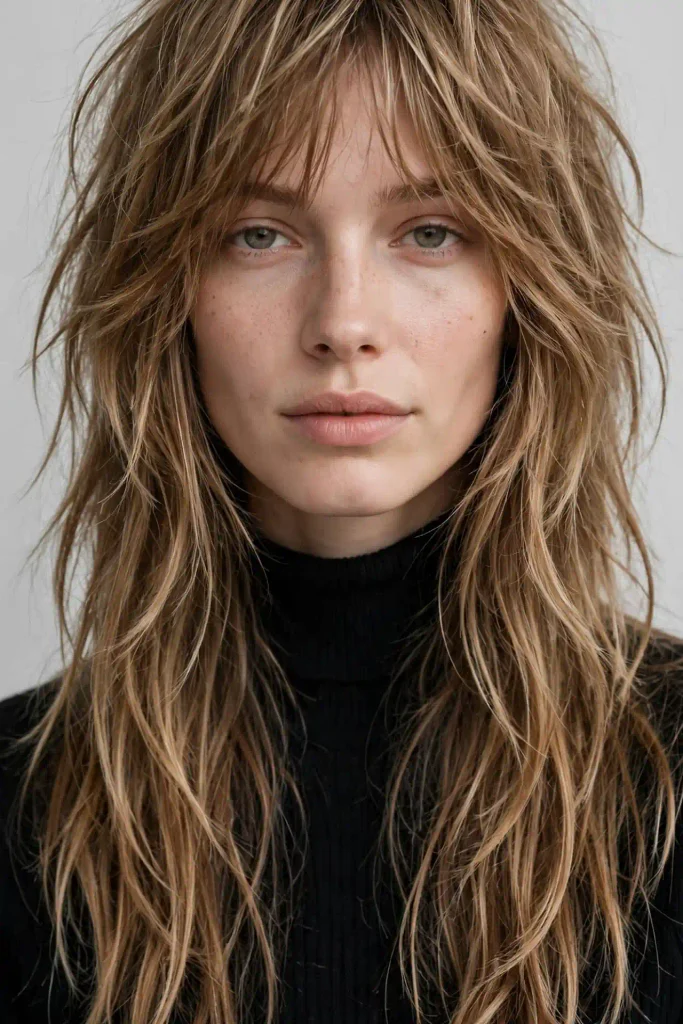
10. The Undone Rocker Shag
The vibe: backstage pass energy.
Longer layers, messier texture, ends that do whatever they want. This is the shag for people who hate “done” hair. I got this cut during a phase where I was overthinking everything, and having hair that was supposed to look messy felt like permission to relax about other things too. Hair is never just hair.
Steal this detail: this cut looks best on day-two hair. Wash day is actually its worst day. Plan accordingly.
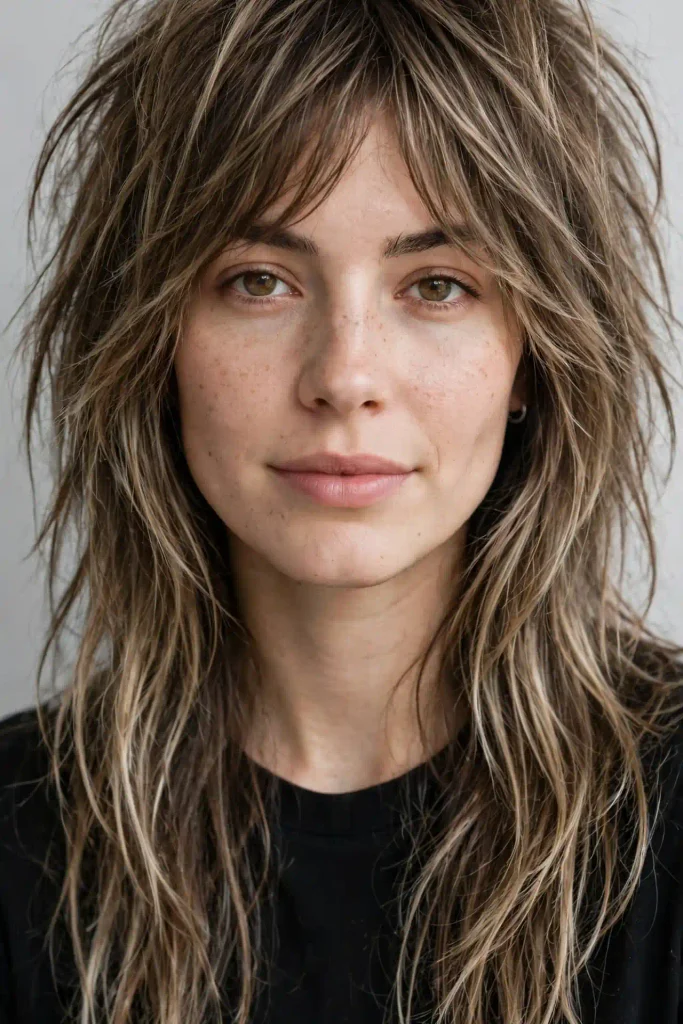
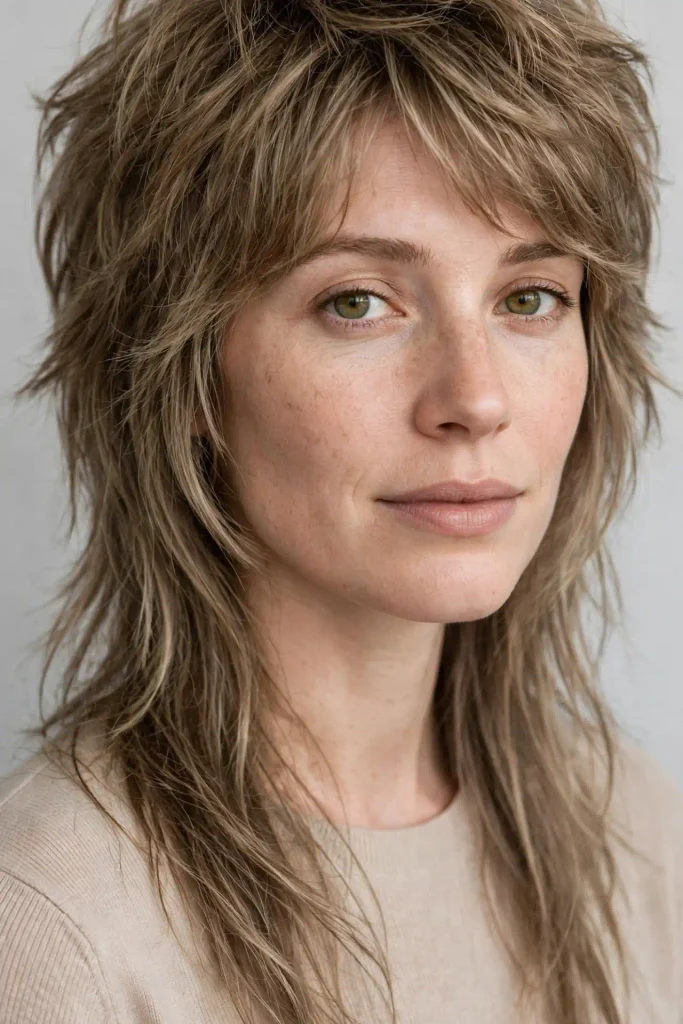
11. The Soft Shaggy Mullet
The vibe: whisper it: mullet. But make it soft.
Before you scroll past, hear me out. The modern soft mullet on long fine hair is not the 80s hockey situation. It is shorter, piece-y layers through the crown with length preserved in the back, and on fine hair it creates shocking volume up top. A friend got this and her fine hair suddenly had more crown volume than my thick-haired sister. I checked. It was real.
Steal this detail: the word to use with your stylist is “soft.” Soft mullet, soft shag. The adjective is doing important work.
The Grow-It-Long Keepers
These seven cuts are for the length-loyal. Every one of them keeps your length while quietly engineering shape, movement, and the illusion of thickness underneath.
12. The One-Length Illusion Shag
The vibe: looks blunt, moves like layers. Magic trick haircut.
The perimeter stays nearly one length, which keeps the ends looking thick, while invisible internal layers remove weight and create movement. From the outside it reads as a blunt cut. In motion it behaves like a shag. I wore this for a year and people assumed my hair had gotten thicker. It had not. It had gotten smarter.
Steal this detail: this cut photographs the thickest of all eighteen. If your life is lived on camera, start here.
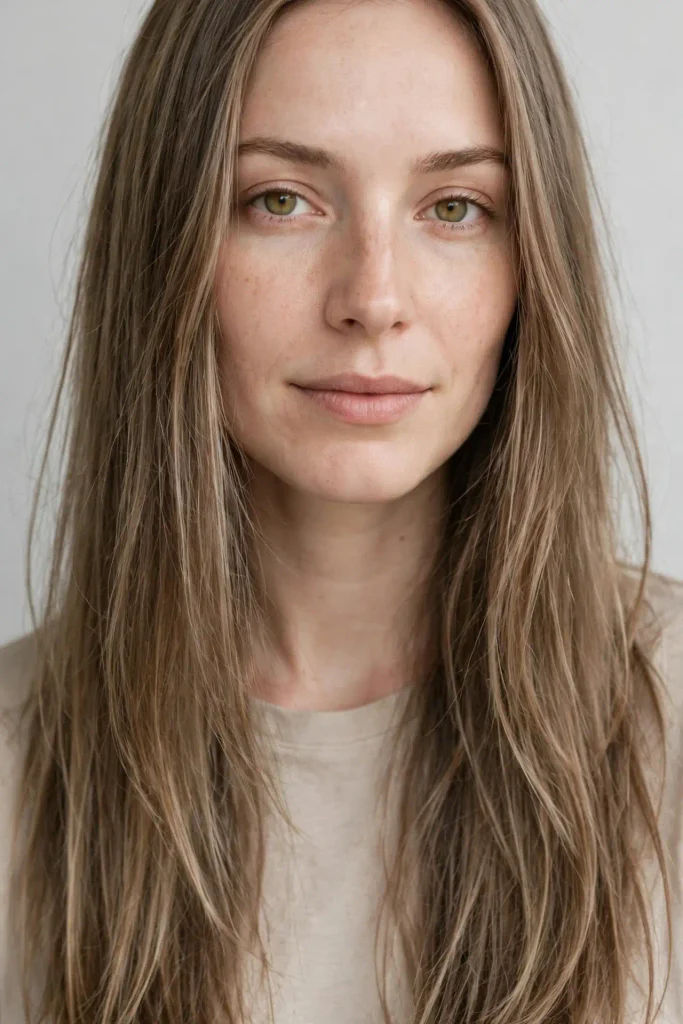
13. The Long Butterfly-Shag Crossover
The vibe: two great trends, one head of hair.
Butterfly wings in the front, shaggy texture through the lengths. The face-framing of the butterfly plus the piece-y ends of the shag. It is the most requested combination at salons right now for a reason: it gives you the flattering front of one trend and the cool texture of another. I consider this the diplomat of haircuts. Everyone gets along.
Steal this detail: ask for the butterfly wings to start at the chin or below. Higher wings plus shaggy ends can get busy around the face.
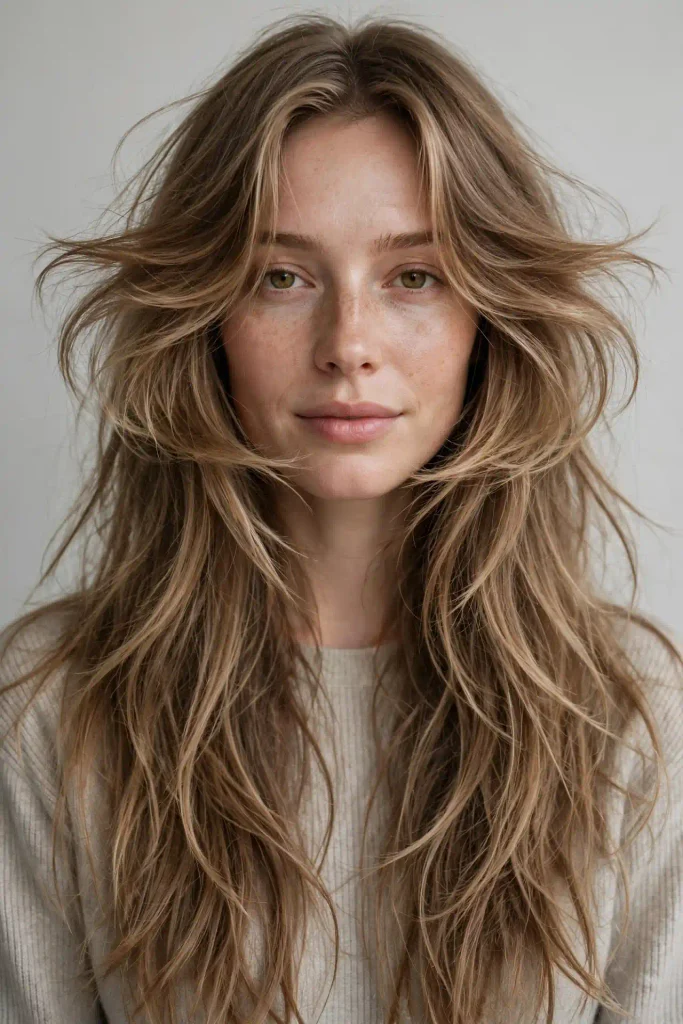
14. The U-Cut Shag
The vibe: classic long-hair shape, secretly textured.
The U-cut, where the perimeter dips lower in the back, is the traditional long-hair shape. Add shaggy internal layers and you keep the beloved U silhouette while gaining all the movement. This was my gateway shag, the first one I tried when I was still scared of the word “shaggy.” It eased me in gently and I never went back.
Steal this detail: the U shape makes ponytails look fuller instantly, because the shorter sides wrap around the base.
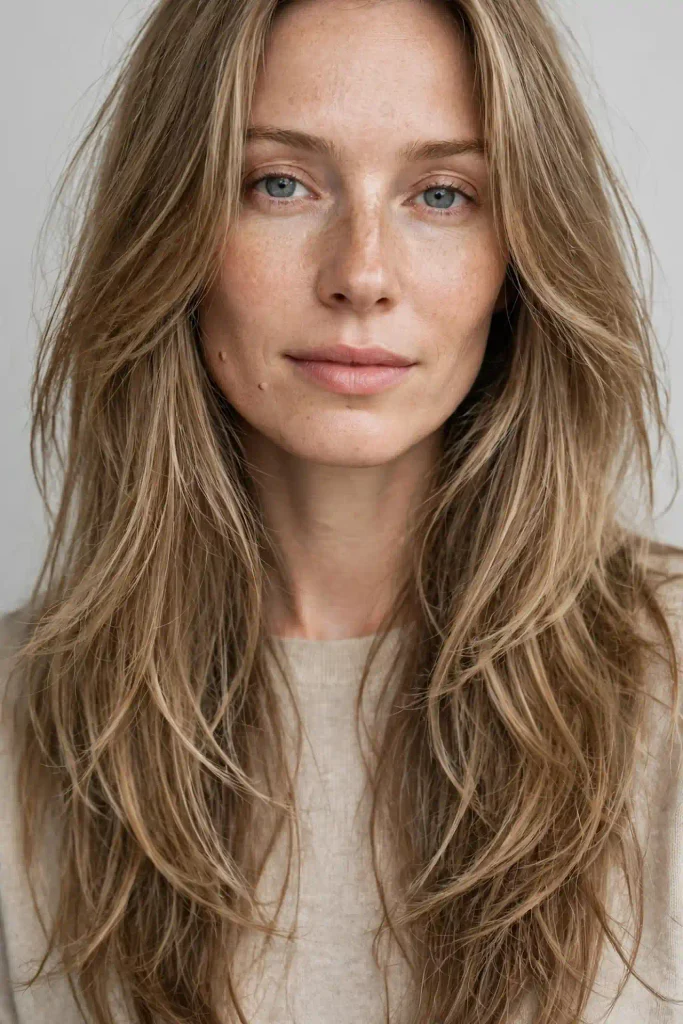
15. The Invisible Layers Shag
The vibe: “Is your hair layered?” “No.” It is, though.
Layers so long and so blended that nobody can see them, but everybody can see the movement. This is the stealth option, perfect for workplaces or families where a dramatic shag might raise eyebrows. My mother never noticed I had layers for six months. She just kept saying my hair looked “healthy.” Mothers notice health, not haircuts.
Steal this detail: invisible layers need trimming every ten to twelve weeks or they turn into visible unevenness. The stealth requires maintenance.
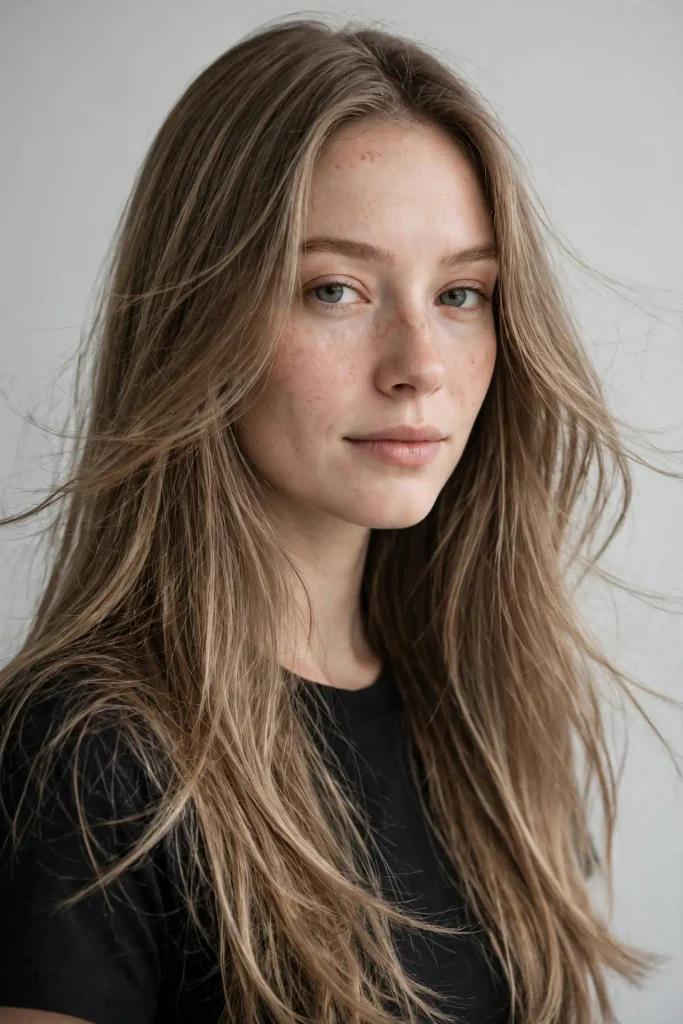
16. The Face-Frame Only Shag
The vibe: minimum commitment, maximum face.
Only the front is layered. The back stays long and simple. This is the training-wheels shag, and I recommend it to every fine-haired friend who is nervous. You get the face-framing fullness where it matters most, and the back keeps every millimeter of length and density. If you hate it, the front grows out in weeks.
Steal this detail: this is also the cheapest shag to maintain, because trims only touch the front.
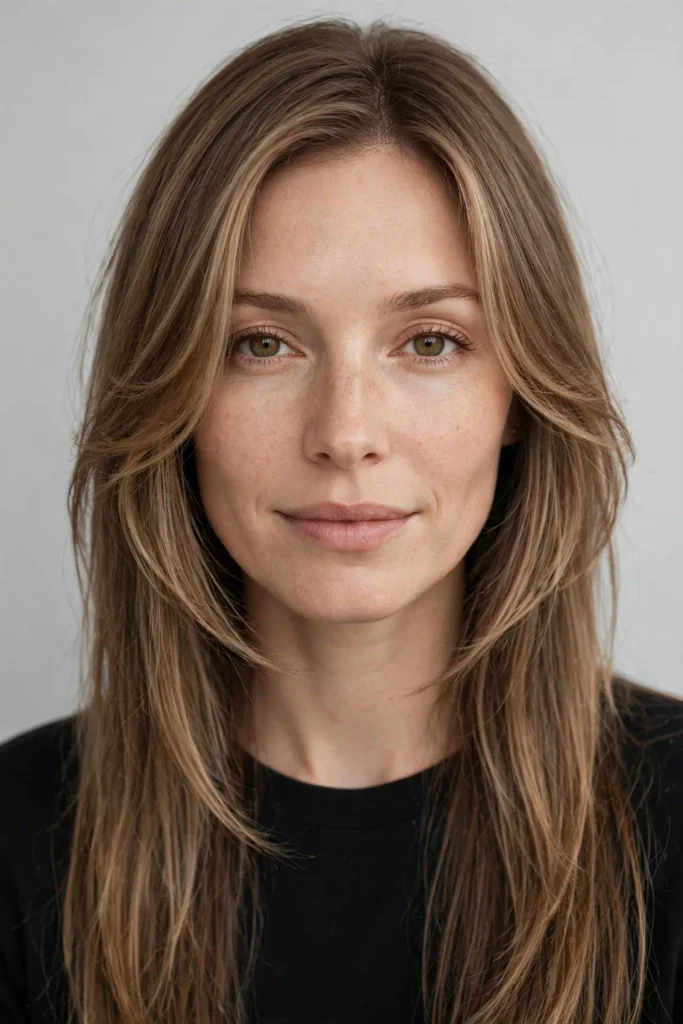
17. The Long Shaggy Lob
The vibe: the lob grew up and got interesting.
Sitting between the shoulders and the chest, the long shaggy lob is the shortest cut on this list and the bounciest. Less length means less weight, which means the roots lift like they finally got permission. I cut to this length last spring “just to try” and kept it for eight months, which for me is basically a marriage.
Steal this detail: collarbone length is the sweet spot. Shorter loses the shag swing, longer loses the bounce.
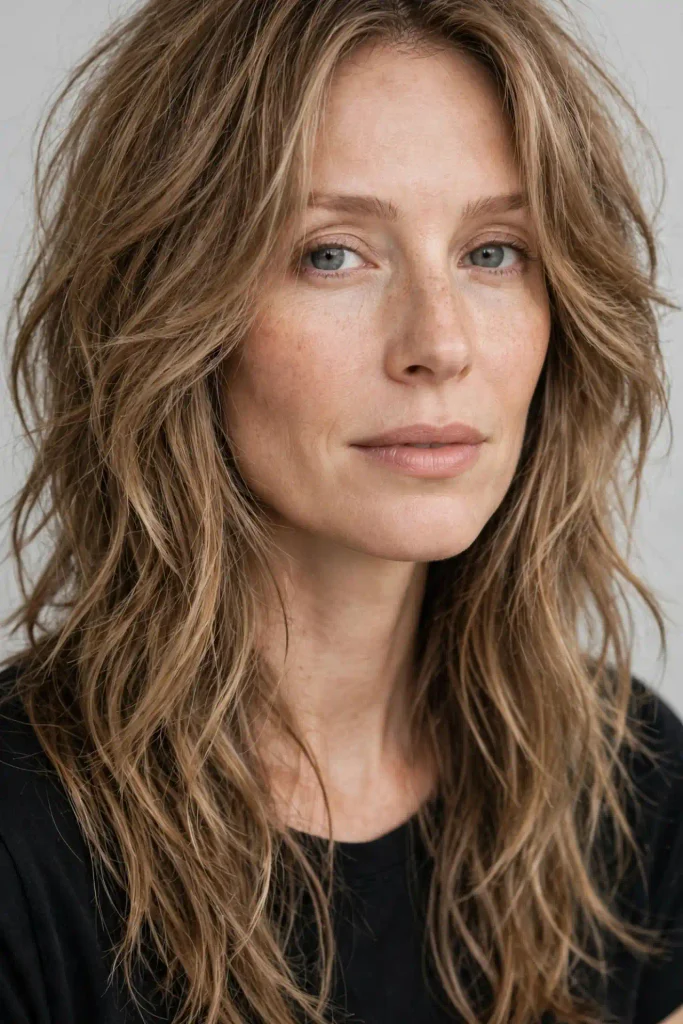
18. The Romantic Bardot Shag
The vibe: 1960s icon, modern fine hair.
We end with the dreamiest one. Bardot-inspired volume at the crown, soft shaggy lengths, that undone French bombshell feeling. On fine hair, the crown volume comes from layering rather than teasing, so it does not damage anything. I wore this to an anniversary dinner and felt like the main character of a film I would actually want to watch.
Steal this detail: a large round brush on the crown layers, just for two minutes, gives you the Bardot lift without a full blowout.
The 5 Fine-Hair Commandments
After six years of shags, these are the rules I would tattoo on my arm if tattoos were not permanent and arms were not visible.
One: Thou shalt not over-layer. Fine hair needs fewer layers than you think, placed strategically. More layers equal less hair. It is math.
Two: Honor thy perimeter. Keep the bottom edge relatively solid. Wispy ends on fine hair look thin. A solid perimeter looks thick, even with layers above it.
Three: Thou shalt not fear the scissors. Regular trims make fine hair look thicker, not shorter. Split ends travel upward and thin everything out. Trim every ten to twelve weeks.
Four: Remember thy roots. Volume lives at the roots. Blow-dry the crown upward, sleep with roots lifted, flip your part sometimes. The ends take care of themselves.
Five: Thou shalt not covet thy neighbor’s thick hair. Fine hair does things thick hair cannot: it goes sleek, it takes color evenly, it dries in twenty minutes. The shag is not about becoming someone else. It is about being the best version of your hair.
My Wash-Day Diary: One Week With the Shag
Monday, wash day. Double shampoo, light conditioner only on the ends. The shag looks a bit flat when wet, and every time I panic a little. Every time I am wrong.
Tuesday, day two. This is the shag’s best day and it is not close. The layers have settled, the texture has woken up. I do nothing except a little dry shampoo at the crown. Total styling time: four minutes.
Wednesday, day three. Ends are getting piece-y in the good way. I twist two front sections away from my face while my coffee brews, and that is the entire style.
Thursday, day four. Crown needs help. I flip my head upside down, blast the roots with the dryer for sixty seconds, flip back up. Volume restored. This trick works because the layers are light enough to actually lift.
Friday, day five. Low ponytail with the face-framing pieces left out. The shag makes a basic ponytail look styled. People at work assume I tried. I did not try.
Saturday, day six. Wash day eve. Hair goes up in a claw clip, shaggy pieces fall out around my face, and honestly it looks like an intentional style. The shag is the only cut I have owned that looks good while dirty.
Sunday. We wash again, and the cycle restarts. Six years in, and I still get a little excited on wash day. The cut does that.
Copy-Paste This: What to Tell Your Stylist
Save this on your phone and read it in the chair. Seriously.
“I have fine hair and I want a long shag. Please keep the perimeter solid and put the layers internally so I don’t lose density. I want face-framing starting at [chin/cheekbones], the shortest layer no higher than [chin], and everything point-cut or razored, not blunt. No thinning shears. I want it to grow out softly for three months.”
Fill in the brackets, hand over the phone, and watch your stylist’s face. A good stylist will nod and get excited. A bad one will look confused. You now know the difference before a single hair is cut, which is the whole point.
3 Mistakes That Kill a Fine-Hair Shag
Mistake one: too many short layers. This is the number one shag killer for fine hair. Short layers remove the exact hair you need for density. If your shag made your hair look thinner, this is why. The fix is growing out the top layers, which takes patience, or a skilled stylist who can rebalance.
Mistake two: heavy products. Fine shaggy hair plus heavy oils or butters equals flat, stringy sadness. Your layers cannot lift under product weight. Switch to lightweight mousses and texture sprays, and keep oils to the very ends only.
Mistake three: skipping trims. Shaggy ends plus split ends look identical at first, and then one day they do not. Split ends make the texture look damaged instead of deliberate. The twelve-week trim is not optional for this cut. It is the cut.
Ask Me Anything
Will a shag make my fine hair look thinner? A bad shag will. A fine-hair shag, with a solid perimeter and strategic internal layers, makes it look thicker. The difference is entirely in the technique, which is why the stylist script above exists.
Can I get a shag if my hair is very long? Yes, and long hair might benefit most, because long fine hair suffers the worst from weight. Numbers 12 through 16 keep serious length.
How do I style a shag without heat every day? You mostly do not need to. The wash-day diary above is ninety percent heatless. The cut is doing the work that your flat iron used to do.
What if I hate it? Shags grow out better than almost any cut because the layers blend as they grow. And number 16, the face-frame only shag, is the lowest-risk entry point ever invented.
Six years ago a stylist told me my haircut was boring, and she was right, and I have never been more grateful for an insult. If your fine hair has been telling you the same lie mine told me, consider this your permission to stop believing it. Pick a number, save the script, and go get the architecture your hair deserves.