17 Halloween Activities Worth Actually Planning For
I used to think Halloween activities meant one of two things: trick-or-treating, or a party with a bowl of candy and hope. It took me a long time to realize the holiday has a lot more room in it than that — quiet nights in, big group gatherings, things for toddlers, things for teenagers who think they’re too old for any of it.
The activities that actually work aren’t the ones pulled off a generic list. They’re the ones that fit the people you’re actually spending the evening with. So that’s how I’ve organized this: not by budget or effort, but by who’s in the room. Find your group, and start there.
If It’s Just You Tonight
There is nothing wrong with a solo Halloween, and honestly, some of my favorite ones have been exactly that.
1. Build a proper spooky movie lineup, with a twist.
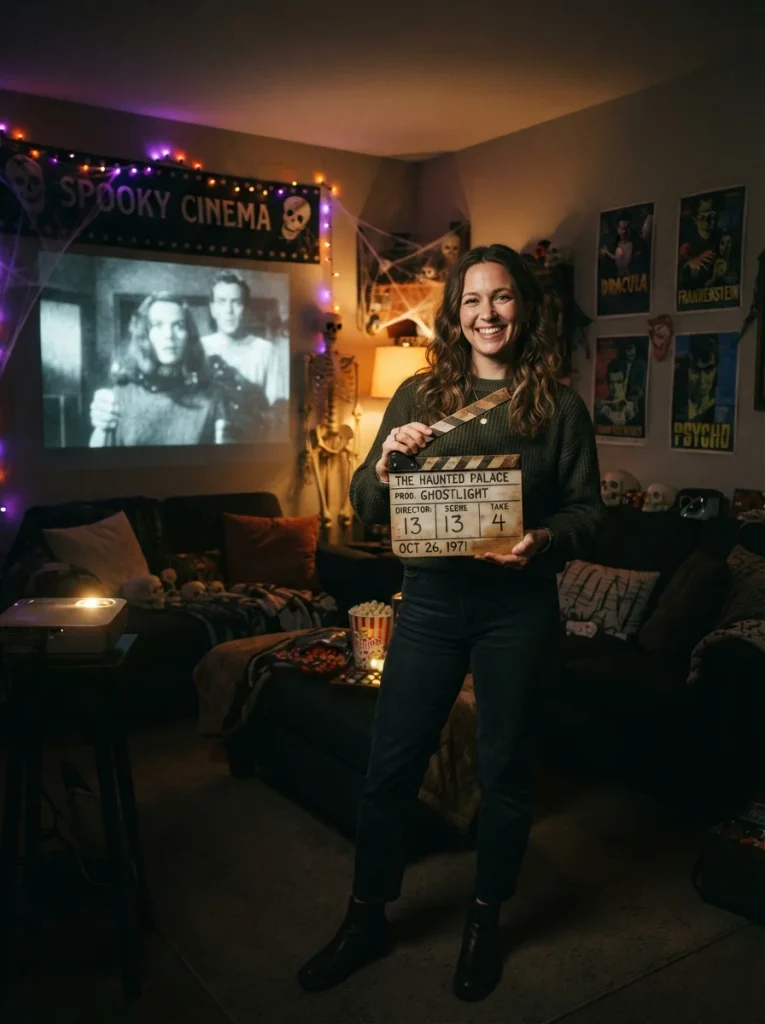
Instead of picking three random films, choose a theme for the night — decade, director, or even just “movies where the house is the real main character.” Having a through-line makes the evening feel curated instead of random.
2. Cook something with a seasonal ingredient you never use.
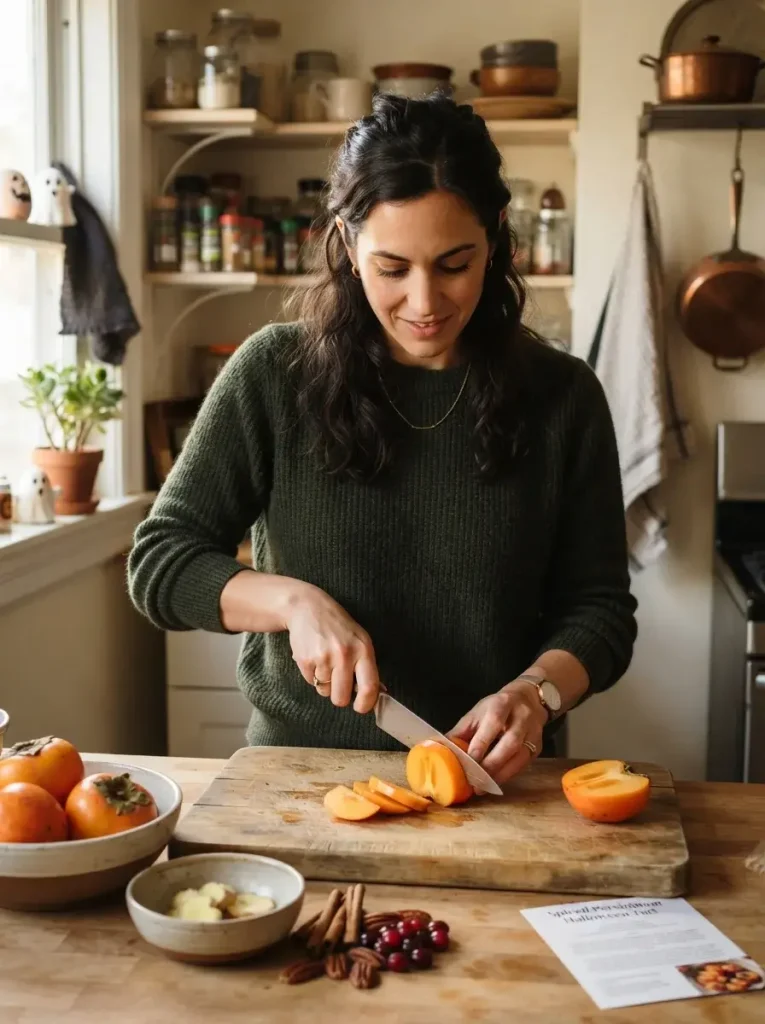
Not candy corn. Something like roasted pumpkin seeds, a proper mulled cider, or a spiced baked good. Halloween is one of the few nights a year that gives you a real reason to use ingredients that otherwise sit in the cupboard.
3. Do a candlelit tarot or journaling night.
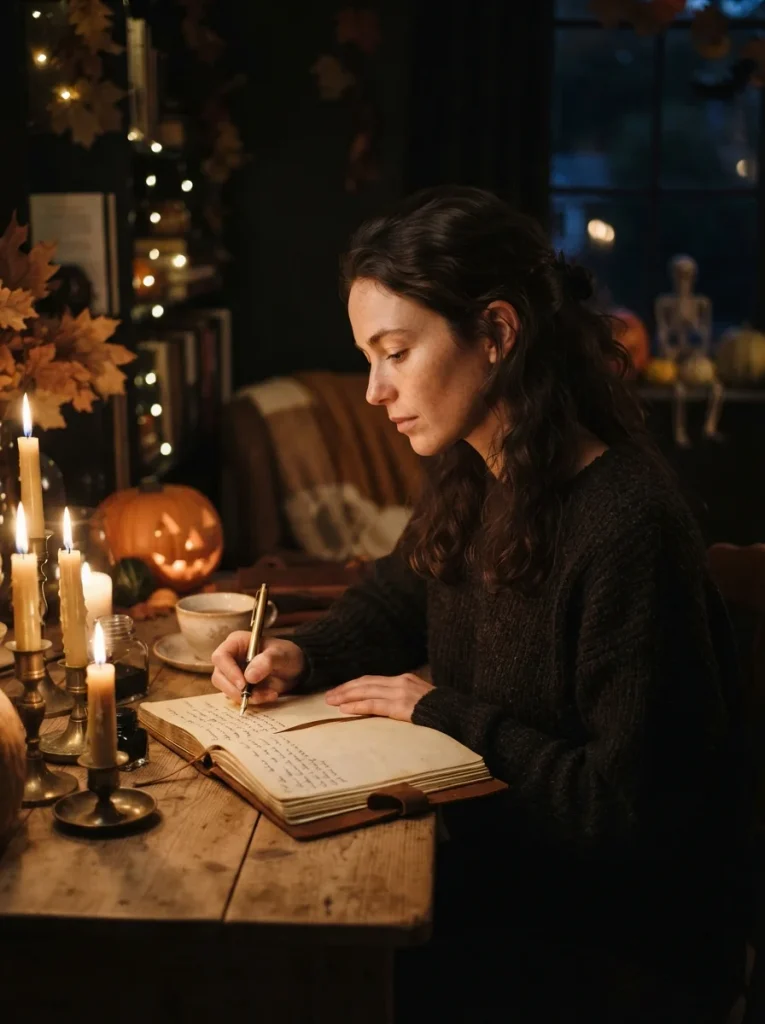
You don’t need to believe in anything mystical for this to feel good. Low light, a warm drink, and a few reflective prompts about the year so far make for a surprisingly calming solo evening.
4. Rewatch something from your own childhood Halloween.
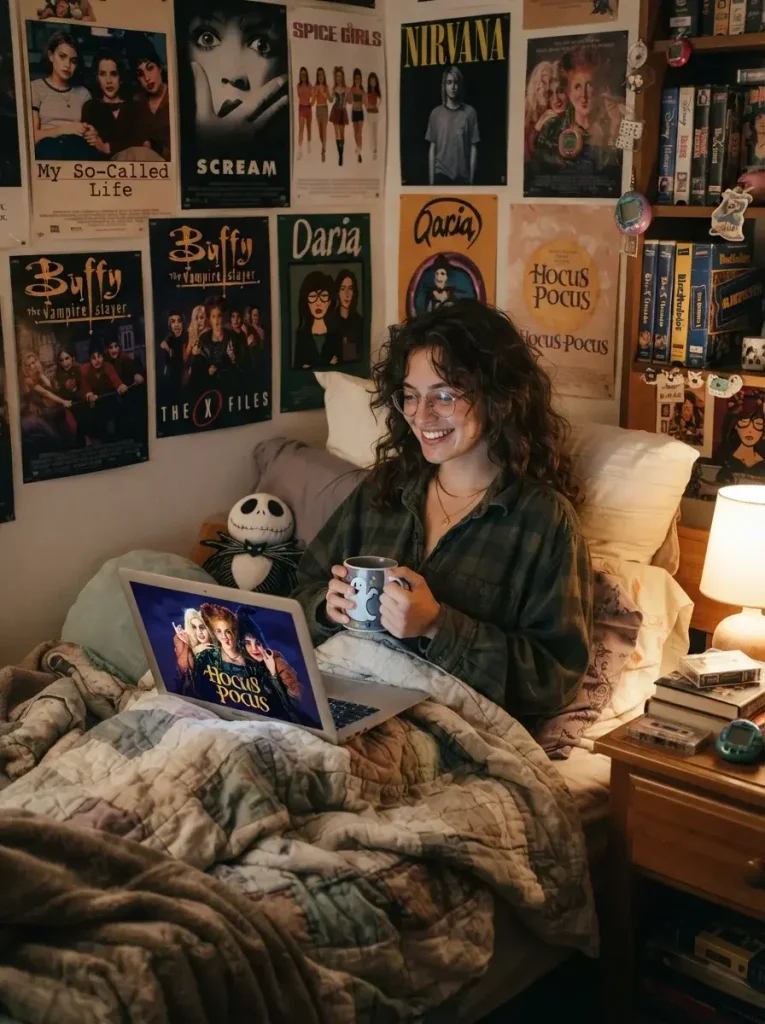
Not a new spooky release — something you watched as a kid. There’s a specific kind of nostalgia that only shows up once a year, and it’s worth revisiting on purpose.
Prep-to-payoff ratio: low prep, high payoff. This entire category can be assembled in the time it takes to light one candle.
If It’s You and a Couple of Close Friends
Small groups are my favorite Halloween setting, honestly. Enough energy in the room to do something fun, small enough that nobody has to perform.
5. A blind taste-test with seasonal snacks.
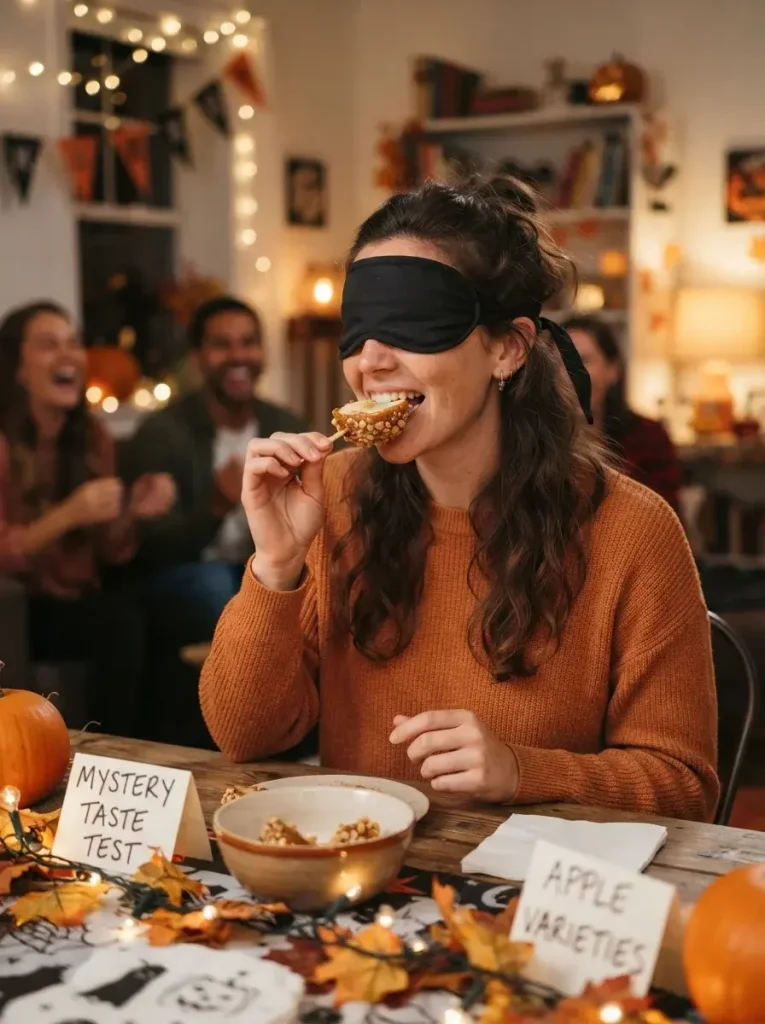
Blindfold each other and guess flavors — different types of apples, spiced drinks, or even a candy-only round. It’s simple, it gets loud fast, and it needs almost no setup.
6. Tell true stories, not scary ones.
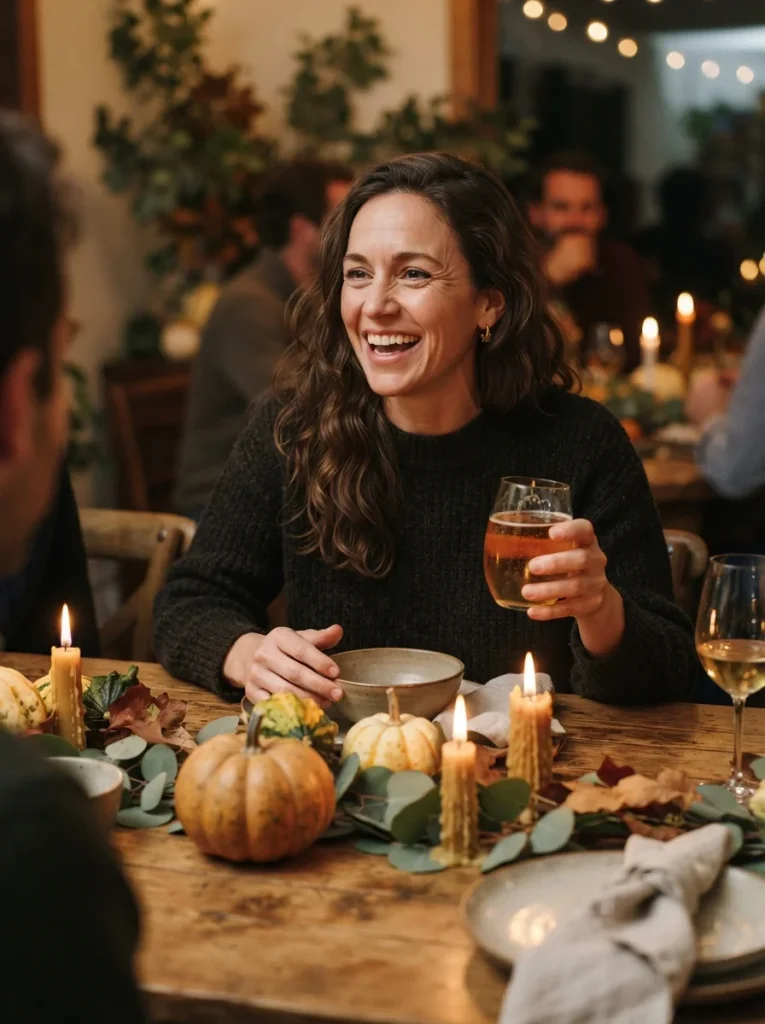
Skip the ghost stories and go around the room with real, slightly unsettling things that actually happened to each of you. People tend to have at least one, and they’re always more interesting than made-up ones.
7. A costume swap night, a week or two before the actual holiday.
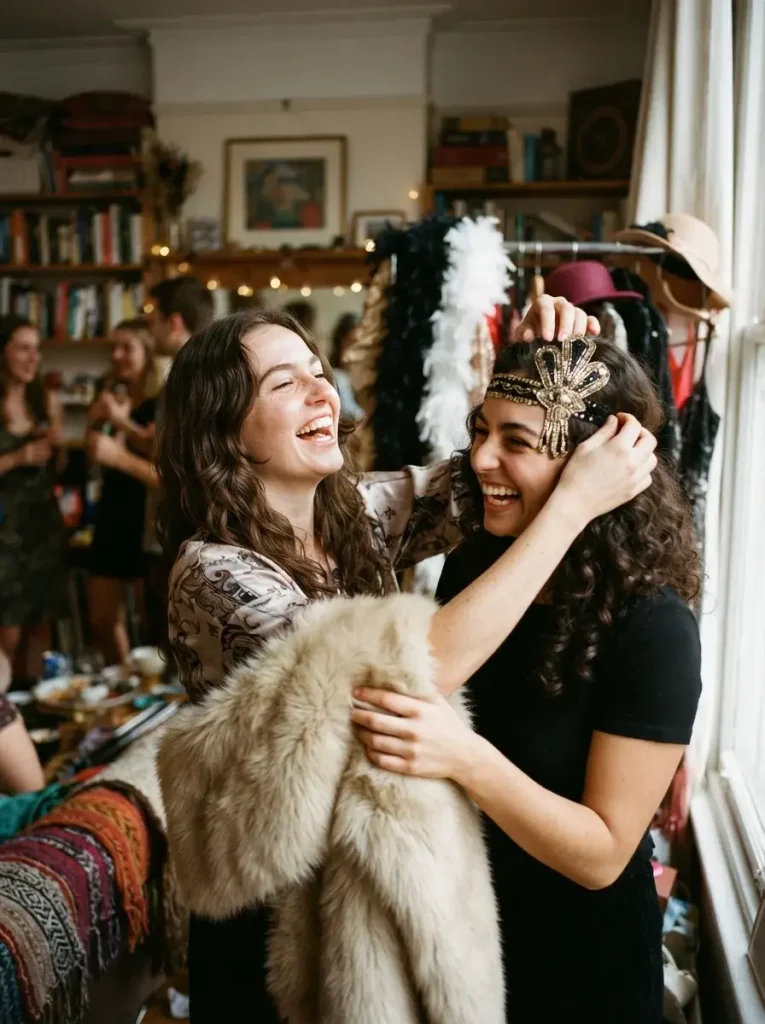
Everyone brings old costume pieces they don’t want anymore, lays them out, and takes turns picking. It’s a genuinely fun way to build a costume for free while spending an evening together.
8. Carve, but make it a competition with actual categories.
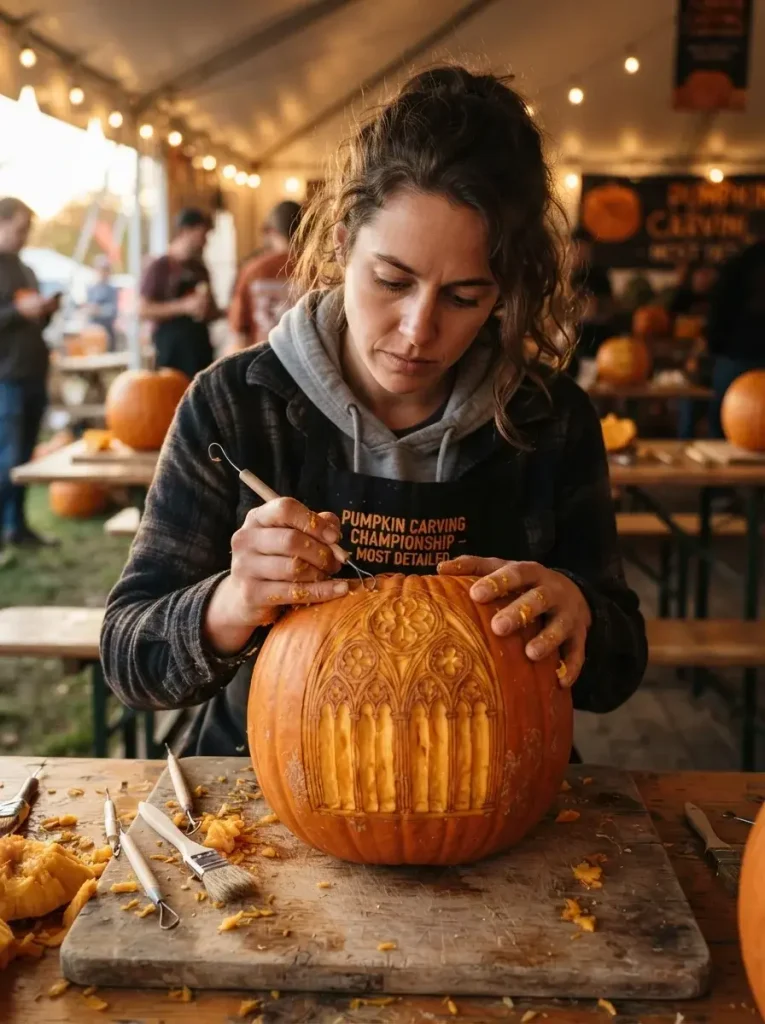
Instead of one winner, do “funniest,” “most ambitious,” and “most likely to still be intact by morning.” Giving out more than one winner keeps the whole thing lighter.
9. A neighborhood scavenger hunt, adult version.
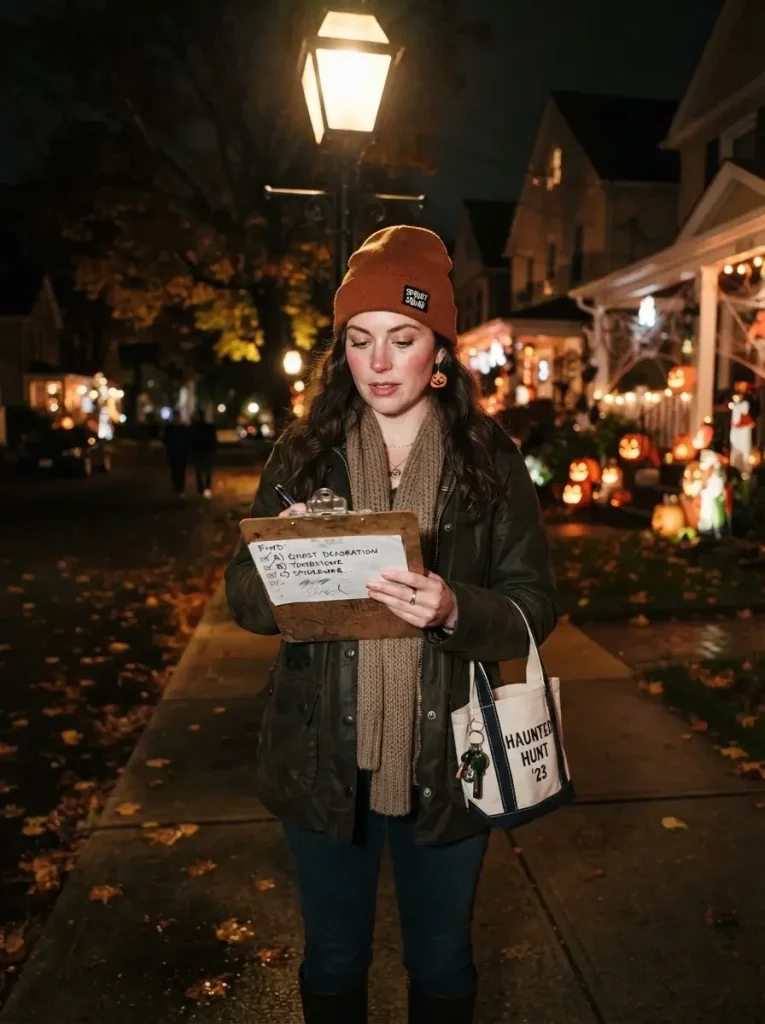
Build a list of things to spot on a walk through decorated streets — a specific decoration, an over-the-top display, a particular color of pumpkin. It turns a normal walk into something with a little momentum behind it.
Prep-to-payoff ratio: moderate prep, very high payoff. Most of these need one trip to the store, at most.
If There Are Kids Involved
Different pacing entirely. Shorter attention spans, earlier bedtimes, and a much lower tolerance for anything genuinely frightening.
10. A daytime pumpkin patch trip, treated as the main event.

Not just a stop on the way somewhere — an actual outing, with time to wander, pick pumpkins slowly, and take photos. For younger kids, the patch itself is often more exciting than the night part of Halloween.
11. A simple obstacle course in the yard or living room.
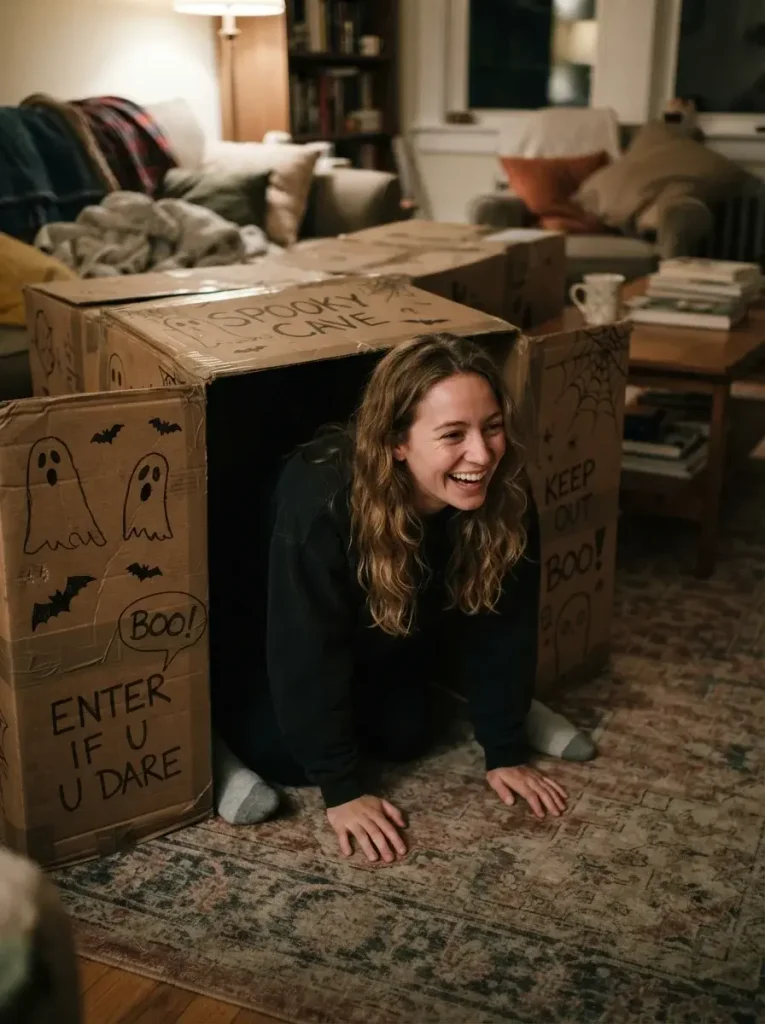
A few pillows to jump over, a path to crawl through, a “web” made of yarn to navigate. Costumes make everything more exciting for kids, and an obstacle course gives them a reason to move around in theirs before the actual candy part of the night begins.
12. Decorate cookies instead of buying pre-made ones.
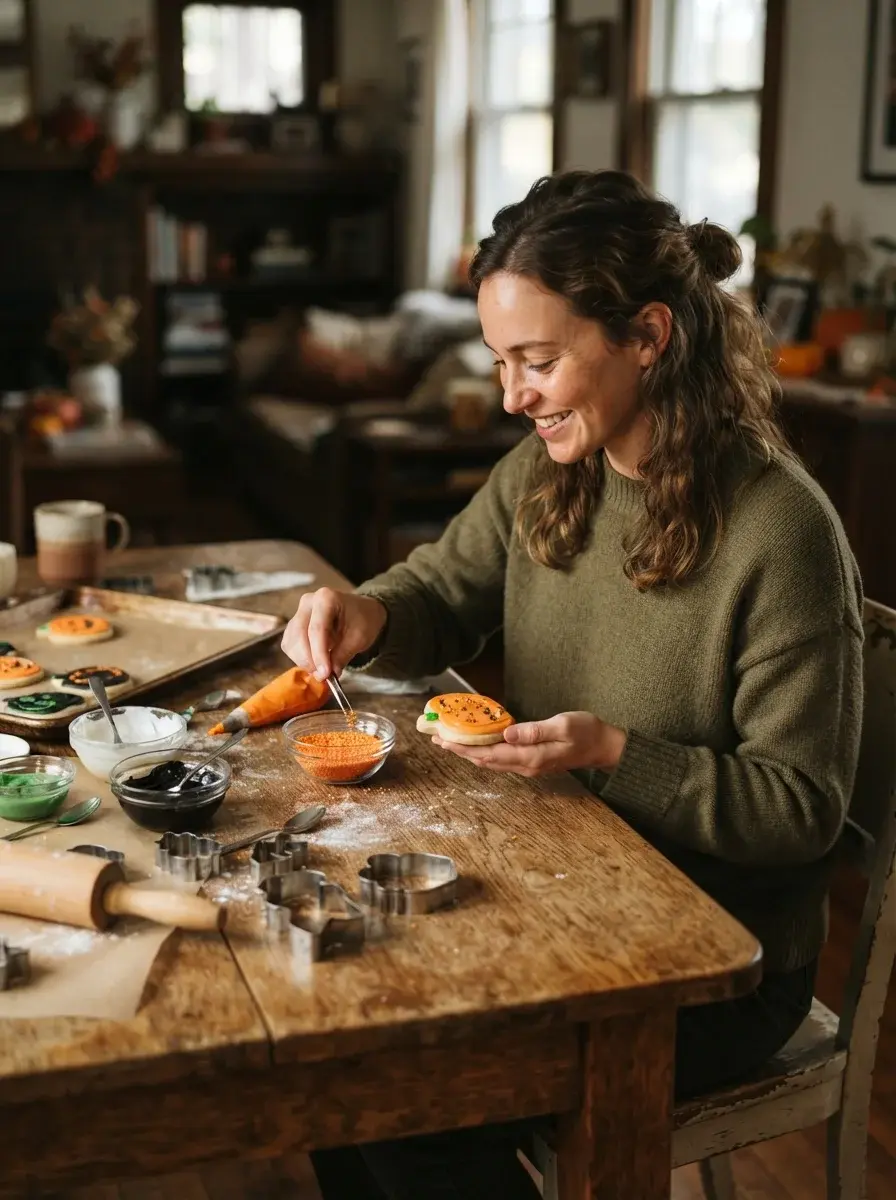
Plain sugar cookies, orange and black icing, and let the kids go as wild as they want with the decorating. The mess is part of the appeal, not a problem to avoid.
13. A flashlight story time, indoors, nothing frightening.
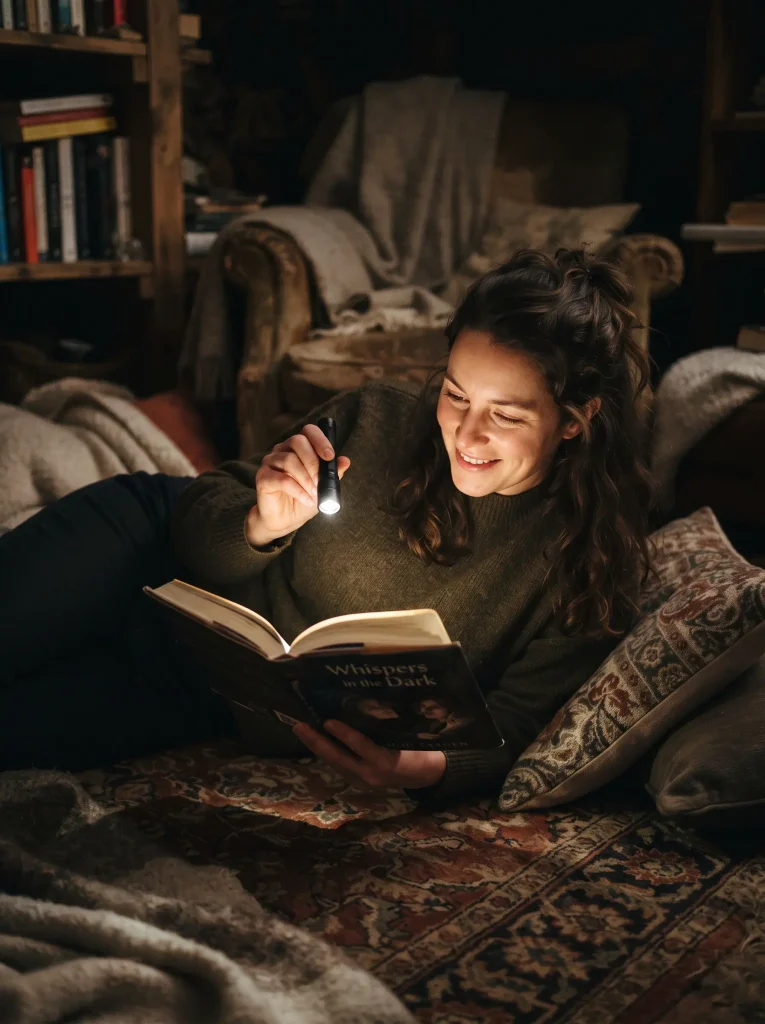
Read age-appropriate seasonal books by flashlight in a blanket fort. It gets the “spooky” feeling across without anything that’ll cause nightmares.
Prep-to-payoff ratio: moderate prep, but plan for shorter windows of attention. Thirty minutes per activity is usually the ceiling.
If You’re Hosting a Bigger Group
This is its own category entirely, because hosting changes the math. You’re not just picking a fun activity — you’re managing flow, food, and a room full of different energy levels.
14. A build-your-own hot drink station, self-serve.
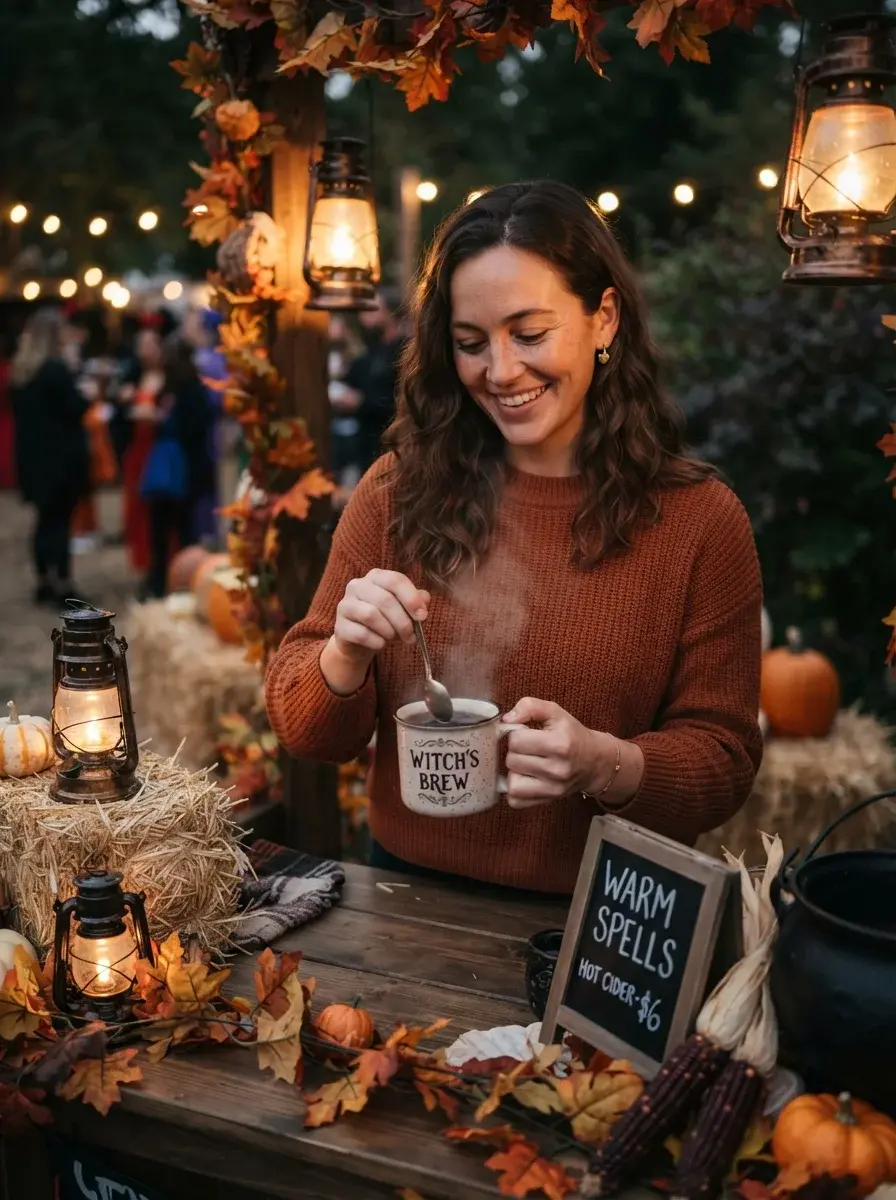
Cider, hot chocolate, and a spread of mix-ins, set up so people can serve themselves throughout the night. This solves the problem of you being stuck refilling drinks all evening instead of actually hosting.
15. A costume contest with categories, not just one winner.

Same logic as the small-group version, scaled up — funniest, most creative, most last-minute, best group effort. More categories means more people leave feeling like they won something, which keeps the whole room in a better mood.
16. A playlist that changes with the night, not one static loop.
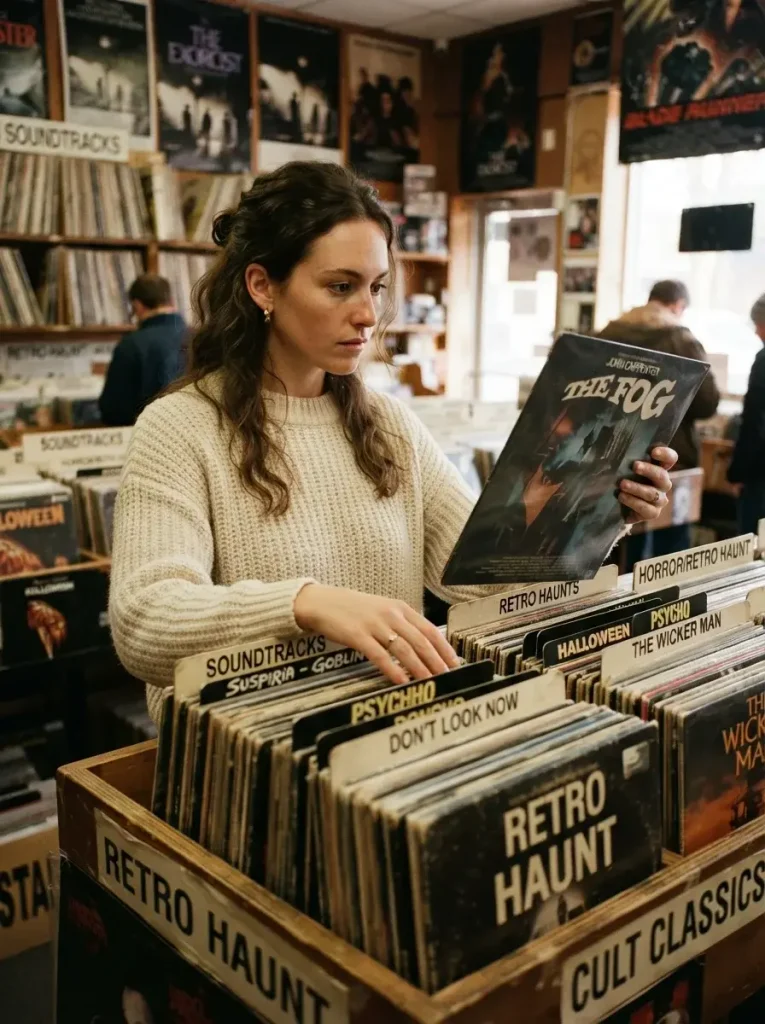
Start upbeat while people are arriving, shift to something moodier once things settle, and end on something people can dance to. A single Halloween playlist on repeat gets old fast; a playlist with an arc holds attention much longer.
17. A designated quiet corner.
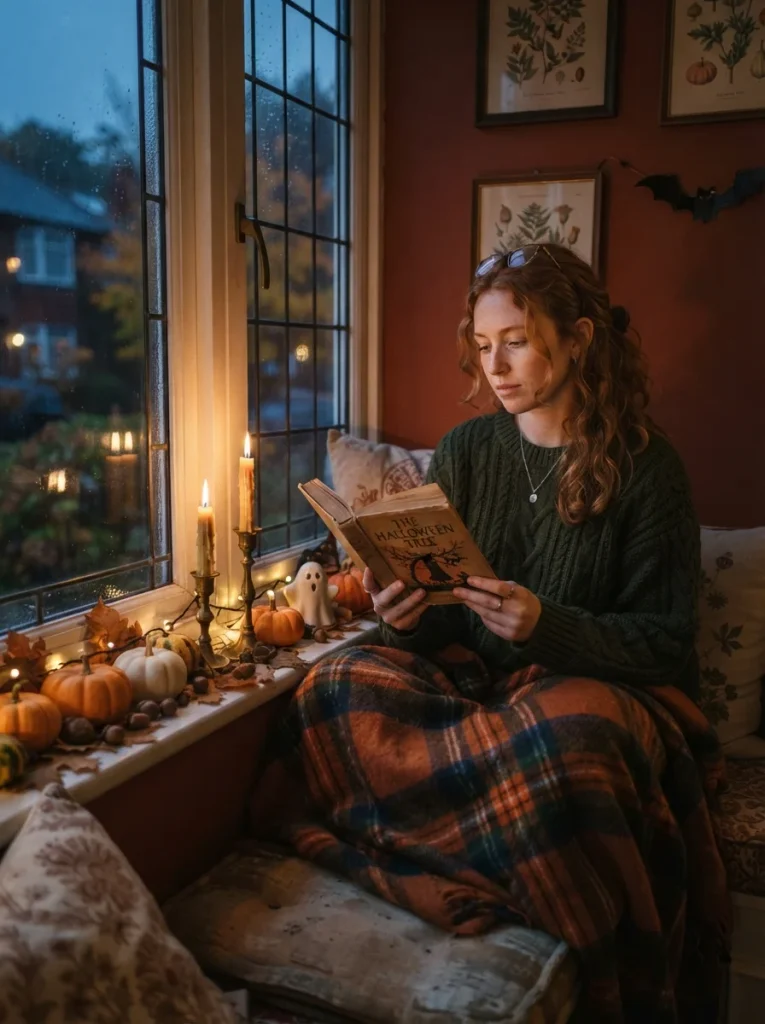
Not every guest wants to be in the middle of the loudest part of the party all night. A separate room or corner with lower lights and a board game or two gives people a place to reset without leaving entirely. Hosts who plan for this tend to have guests who stay longer, not shorter.
Prep-to-payoff ratio: highest prep of any category here, but also the one where planning ahead matters most — most of these fail specifically when they’re improvised on the night itself.
The Weather Backup Plan
Something I genuinely never see on activity lists: what happens when the actual weather doesn’t cooperate. Halloween falls at an unpredictable point in the season, and I’ve hosted through both a heat wave and a night so cold nobody wanted to leave the porch.
Before you settle on your plan, ask one question: does this activity survive being moved indoors with an hour’s notice? If a scavenger hunt is rained out, does your group have a card game or a movie ready as the fallback? If an outdoor bonfire gets canceled, is there a stovetop version of the same warm-drink idea ready to go?
I keep a simple rule now: for every outdoor activity I plan, I have one indoor equivalent already thought through, even if I never end up needing it. It takes five minutes of extra planning and has saved more than one Halloween night from turning into everyone standing around unsure what happens next.
The Leftover Candy Rescue
Nobody plans for this part, and everybody ends up dealing with it anyway. Here’s what actually works once the night is over and there’s a bowl of candy nobody’s finishing.
Sort it before you decide anything — some of it is worth keeping, most of it isn’t, and sorting first stops you from just eating your way through the whole bowl out of indecision. Bake with the chocolate-based pieces; they melt into cookies or brownies better than people expect. Freeze anything you genuinely want to save for later, since candy holds up in the freezer far longer than most people realize. And if your workplace, gym, or kid’s school does a candy donation drive, that solves the rest of it in one trip.
It’s a small thing, but it’s the part of Halloween planning that actually extends past the night itself, and it’s worth having a plan for before the bowl’s just sitting there for two weeks.
Picking Your Night
If I’m being honest, the biggest mistake I made in my early Halloween-hosting years wasn’t picking bad activities — it was picking activities meant for a different group than the one actually in my house that night. A quiet tarot evening doesn’t work with six kids running around. A big costume contest falls flat with two tired friends on a couch.
Look at who’s actually going to be there before you look at any list, including this one. Match the energy of the activity to the energy of the room, plan one indoor backup if you’re doing anything outside, and figure out the candy situation before the candy situation figures out you. Everything else tends to sort itself out from there.