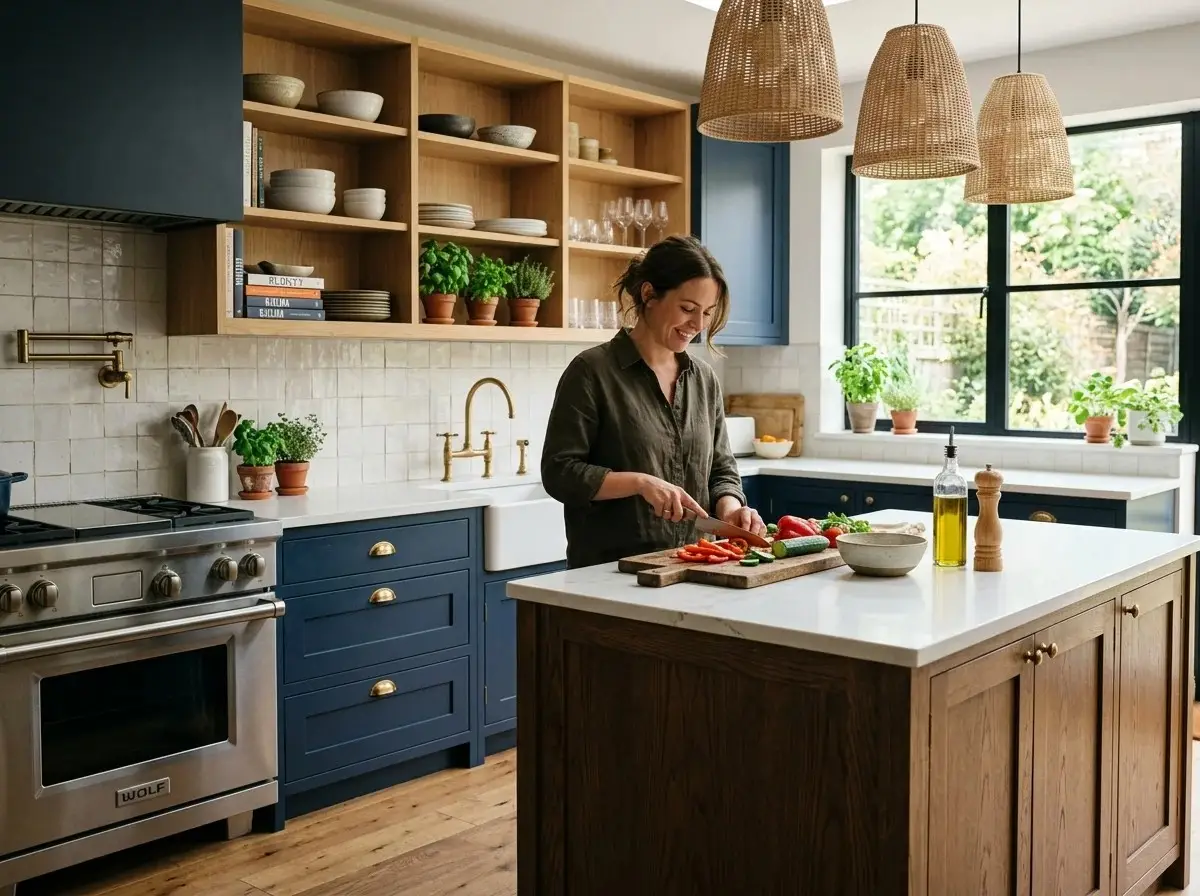
18 Trending Kitchen Ideas That Will Make Your Old Kitchen Look Shockingly New
Kitchen trends used to make me nervous. I pictured a designer pointing at my perfectly normal cabinets and whispering, “Those are so last year.” Then I realized the best trends are not rules. They are smart ideas you can borrow, bend, and make your own. A kitchen should still work when the pretty fruit bowl is empty, the dishwasher is full, and somebody has left one lonely spoon in the sink.
This trend report is organized by what is changing in real homes: color is getting warmer, storage is becoming prettier, and small spaces are working harder. You do not need a full remodel to join in. Some updates cost less than a dinner out, while others belong on a long-term wish list. The rough budgets below are planning ranges, not quotes; prices vary by material, labor, room size, and where you live in the USA. Ready to make your kitchen feel fresh without making your bank account cry into the cereal box? Let’s look at the 18 ideas worth saving.
Trend Signal One: Kitchens Are Warming Up
1. Creamy Cabinets Instead of Bright White
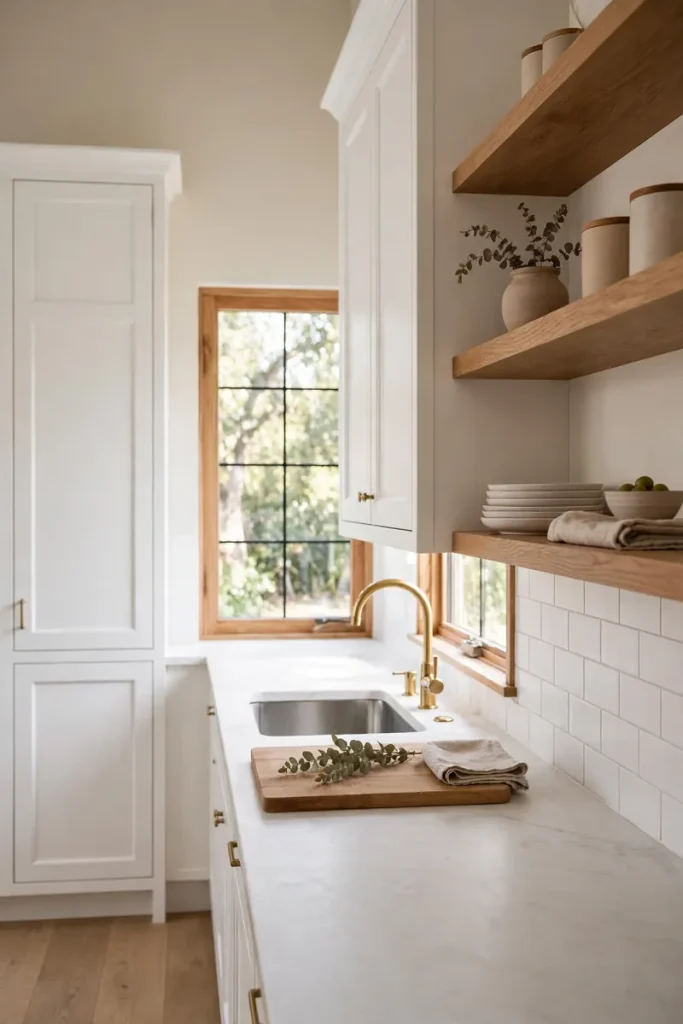
Bright white kitchens are not disappearing, but softer cream is moving into the spotlight. Cream cabinets feel warm in morning light and pair easily with wood, stone, black, or brass. If your cabinets are sound, paint can create the look for roughly $200 to $600 as a careful DIY project; professional cabinet painting can run into the thousands. Test a large paint sample first because some creams turn yellow beside cool flooring. Renters can bring in the color through a cream cart, dish towels, or removable cabinet-front panels. In a small kitchen, keep the walls light too so the room still feels open.
2. Rich Wood Tones Make a Comeback
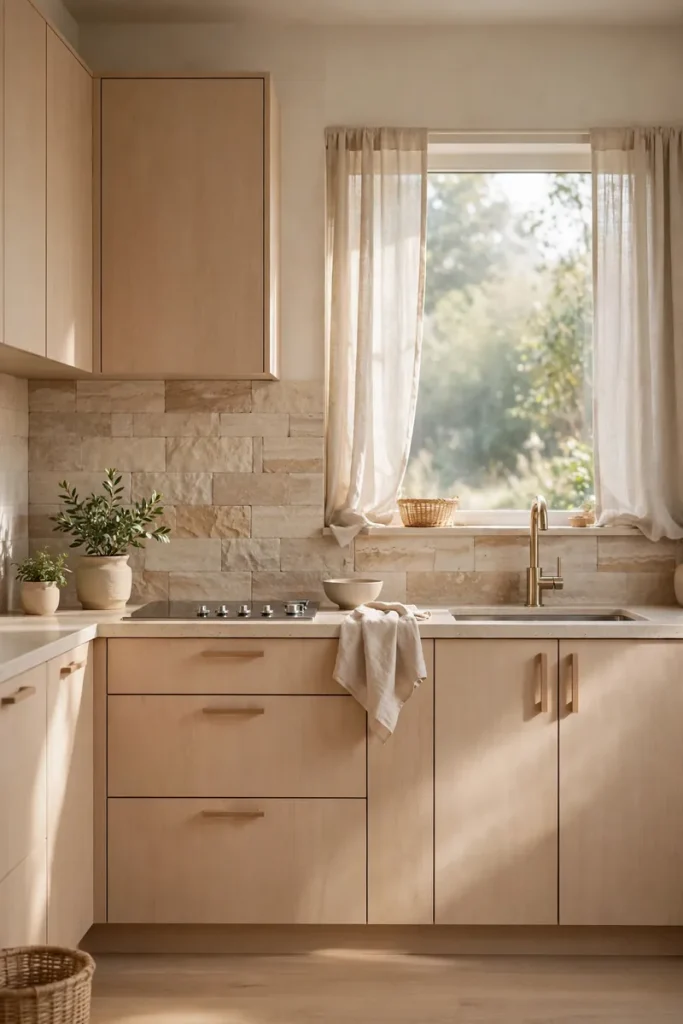
After years of covering wood with paint, we are finally letting the grain show again. Walnut, oak, and medium brown finishes add depth without making a kitchen feel old. You can go big with new wood cabinets, but a smaller move works too: add two floating shelves, a wood range hood cover, or a butcher-block cart. A simple shelf project may land around $75 to $300, depending on wood and brackets. Mix wood tones instead of forcing a perfect match. I once carried a cabinet door around three stores trying to match it exactly. The final match was still wrong, and my arm was tired. A planned contrast looks more natural.
3. Burgundy and Wine-Colored Accents
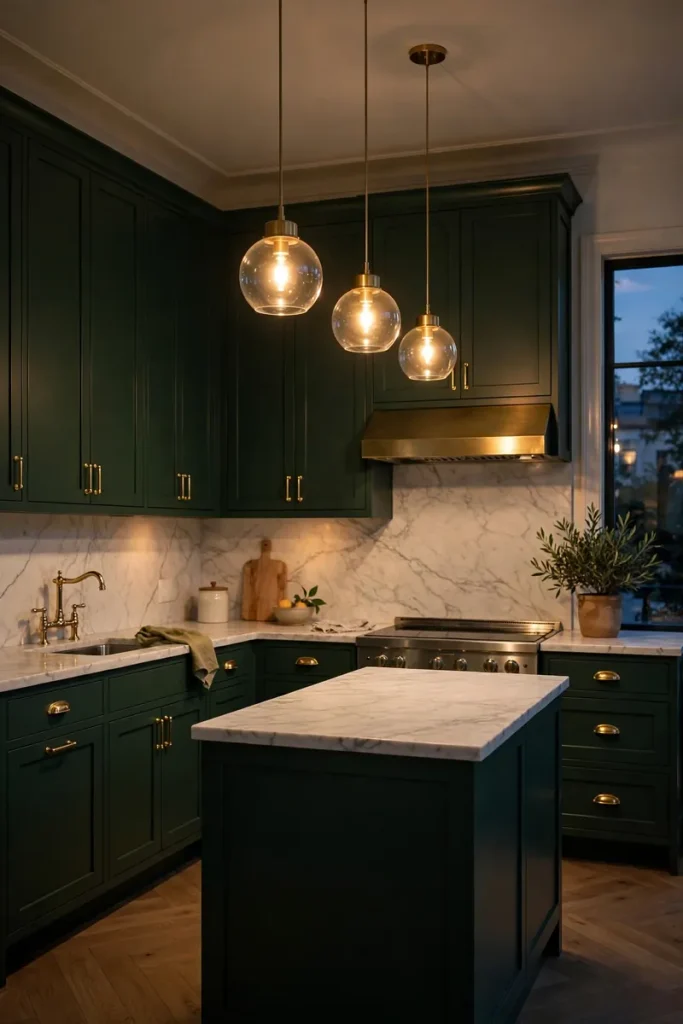
Deep burgundy is appearing in kitchens because it gives neutral rooms a little drama. It looks beautiful on a small island, lower cabinets, stools, or even a painted pantry door. The color works especially well with cream, warm wood, and aged brass. If painting cabinetry feels risky, start with two burgundy counter stools, a runner, or stoneware. A small accent update can stay under $150, while a painted island may be a few hundred dollars DIY. In a tiny kitchen, keep burgundy below eye level so it grounds the room rather than closing it in. It is moody, but not “forgot to turn on the lights” moody.
4. Earthy Green as a New Neutral
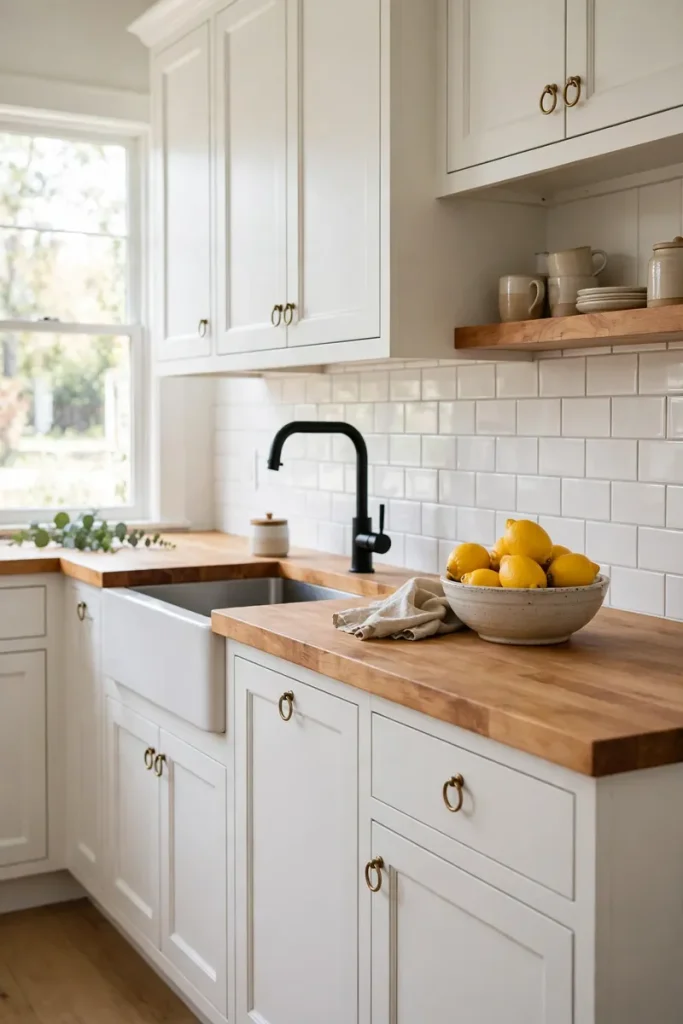
Sage has been popular for a while, and now deeper olive and moss tones are joining it. Green feels calm, natural, and surprisingly easy to live with. Paint the island, a breakfast nook wall, or the back of open shelves. For a renter-friendly version, use peel-and-stick wallpaper in a soft botanical print or line glass cabinets with removable green paper. A gallon of quality paint plus supplies often makes this a low-hundreds project. Pair green with warm white rather than icy gray. Add a small herb pot near the window, and suddenly the room says “garden kitchen,” even if the basil is surviving on pure optimism.
Trend Signal Two: Texture Is Replacing Flat, Perfect Surfaces
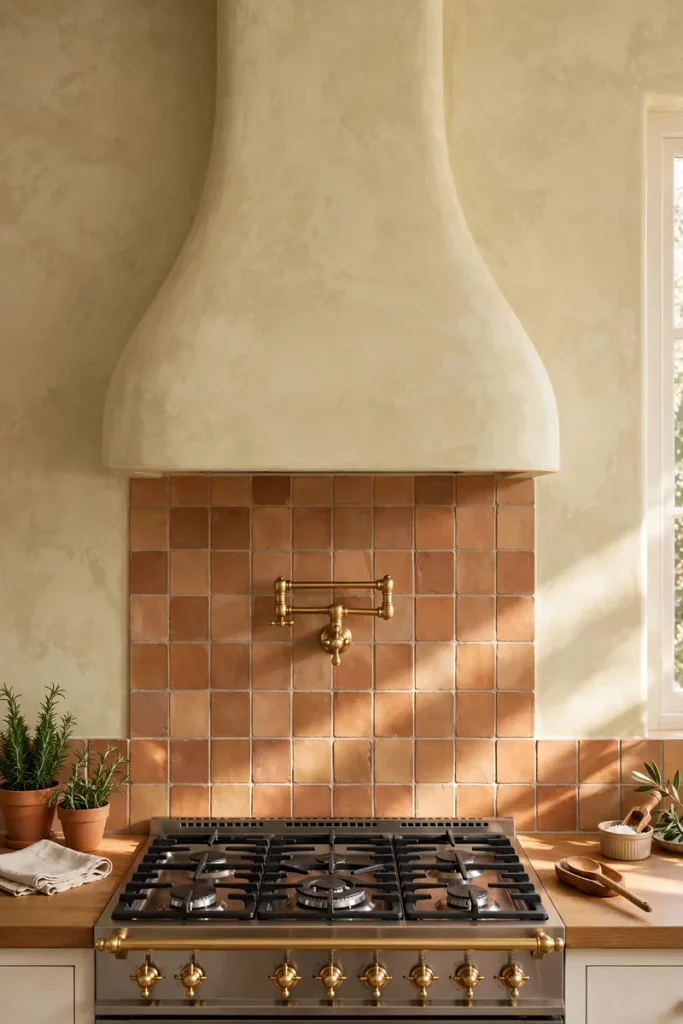
5. Handmade-Look Backsplash Tile
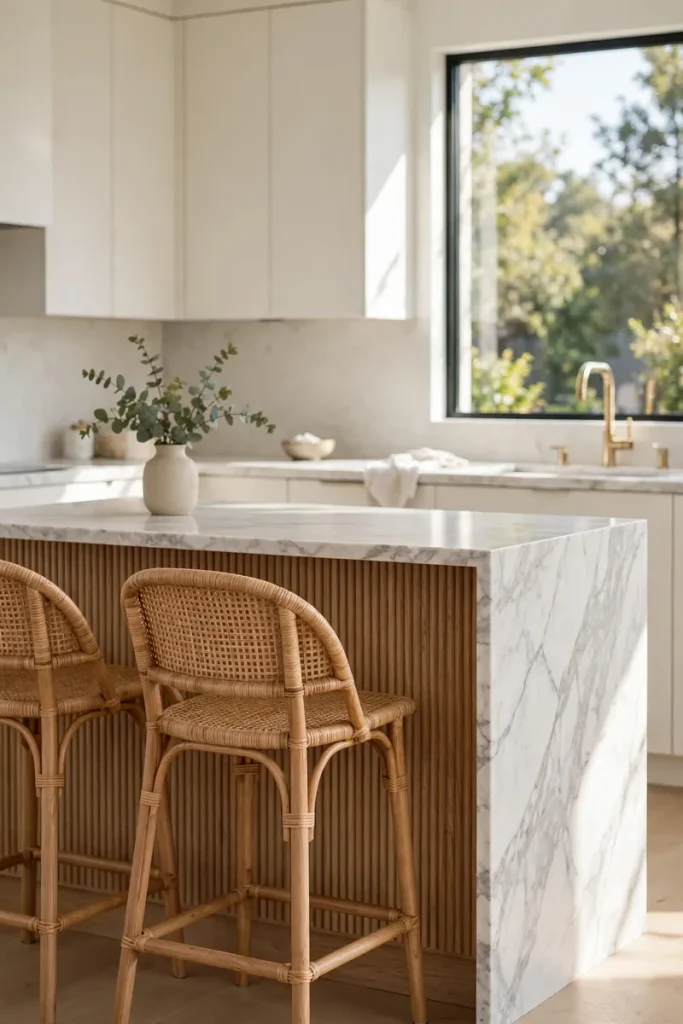
Perfectly flat subway tile is giving way to tile with soft waves, uneven edges, and color variation. These little flaws catch the light and make a new kitchen feel collected over time. A full installed backsplash can range from several hundred dollars to a few thousand, depending on tile and labor. For a smaller budget, tile only the area behind the range. Renters can try removable tiles with a handmade look, but test one in a hidden spot before covering a wall. Keep grout close to the tile color for a calm finish. Dark contrast grout shows every line, including the one that somehow wandered uphill after lunch.
6. Fluted Details on Islands and Cabinets
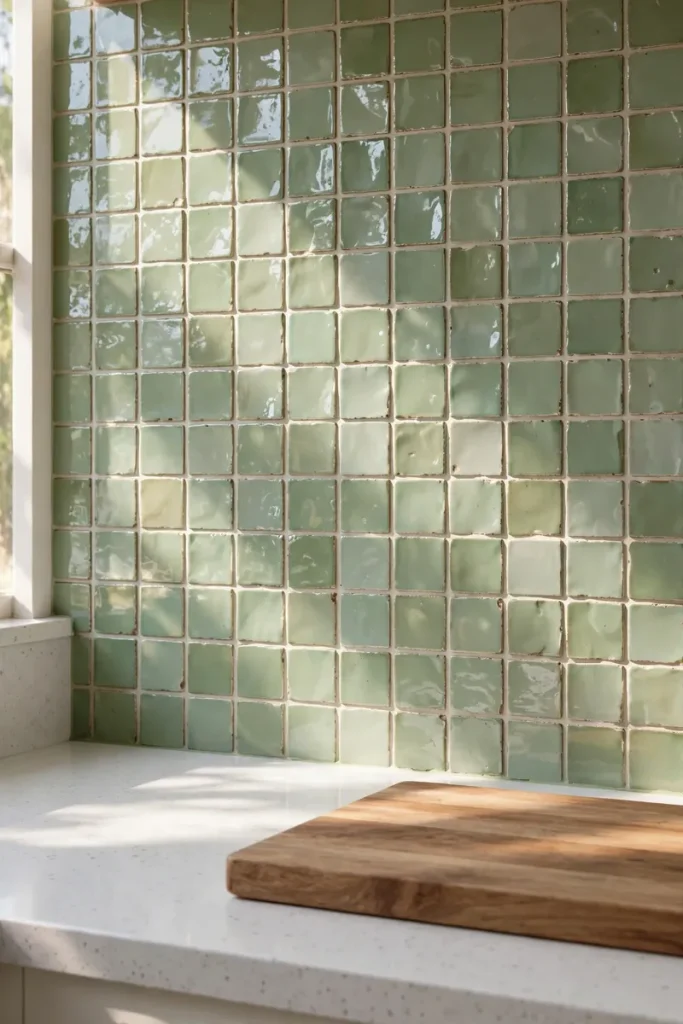
Fluted wood has slim vertical grooves that add shadow and movement. It looks especially good on the back of an island, a peninsula, or a plain cabinet end panel. You can buy ready-made reeded panels or create a similar effect with narrow wood strips. A small DIY island treatment might cost about $100 to $500 before painting or staining. Because the grooves collect dust, use the effect on vertical areas away from heavy splashes. In a small kitchen, fluting can make the island feel taller and more custom without taking any extra floor space. It is basically architectural jewelry, only you clean it with a soft brush.
7. Statement Stone With Strong Veining
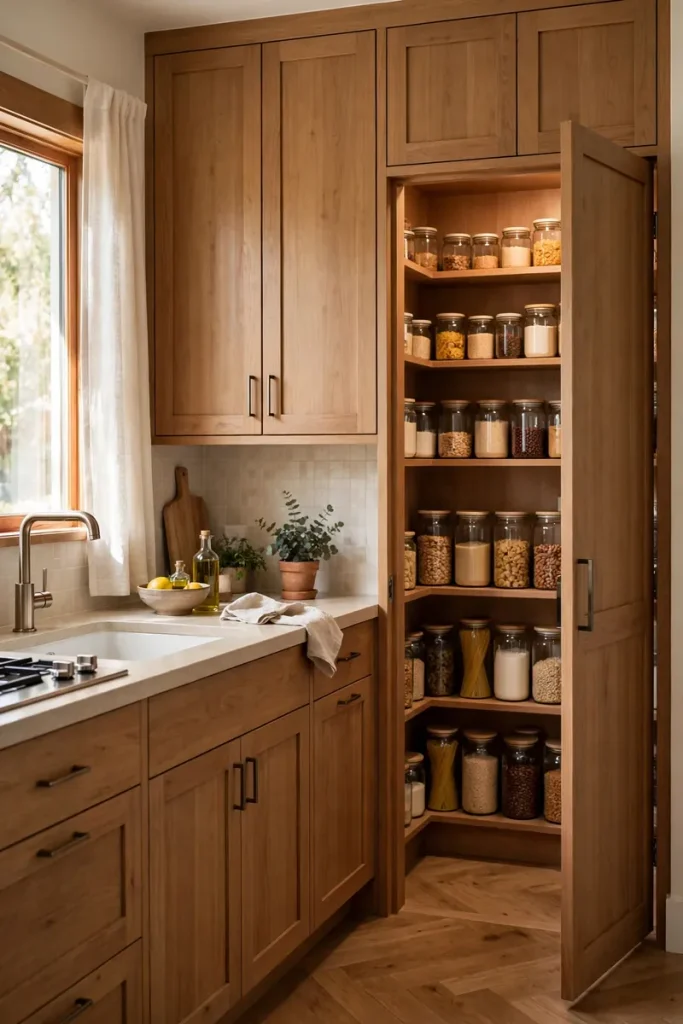
Bold stone is becoming the artwork of the kitchen. Large gray, brown, or gold veins bring movement to counters and backsplashes, especially when the rest of the room stays simple. Natural slabs can be a major investment, so ask for a written quote that includes fabrication, cutouts, delivery, and installation. A smaller stone remnant on a coffee station or side counter gives the same mood for less. Porcelain slabs and quartz can offer a dramatic look with different care needs. Renters can use a marble-look washable mat or removable counter film. Just avoid covering damaged or uneven counters; pretty paper is not a licensed contractor.
8. Warm Metal Finishes, Mixed on Purpose
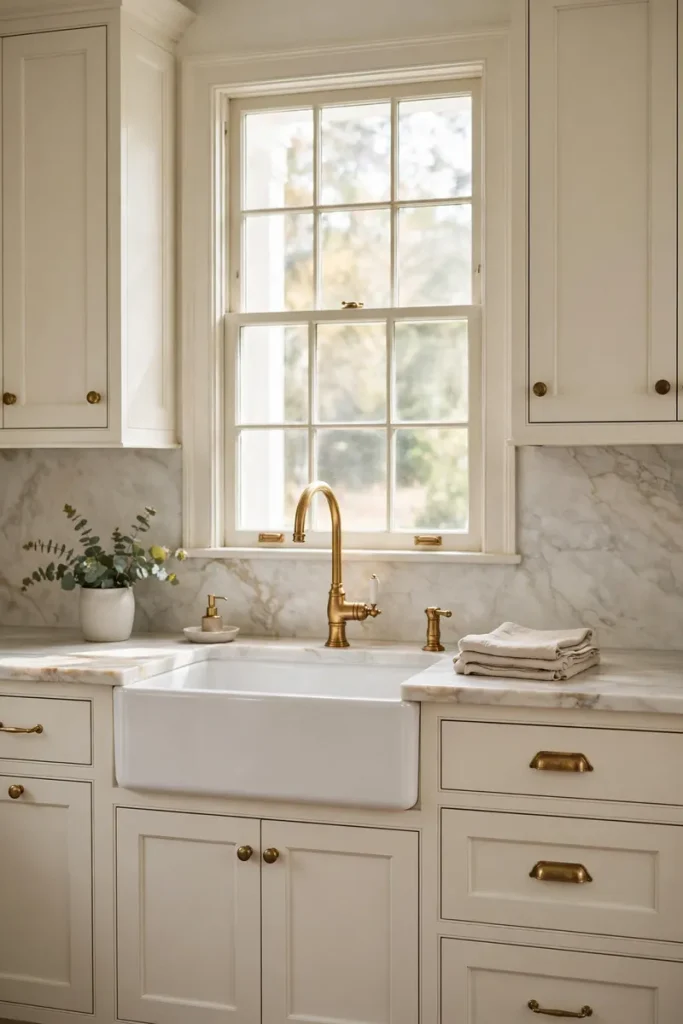
You no longer have to choose one metal and repeat it on every surface. Aged brass lights can live happily with a polished nickel faucet and dark bronze pulls. The trick is to repeat each finish at least twice, so the mix looks intentional. Changing knobs may cost $30 to $200, while faucets and lighting add more. Measure the distance between existing screw holes before ordering pulls. I skipped that step once and learned that “almost the same size” is not a real size. Renters can store the original hardware and reinstall it when moving. Mixed metal works beautifully in small kitchens because the tiny shifts add interest without adding clutter.
Trend Signal Three: Storage Is Becoming Part of the Decor
9. The Appliance Garage Returns
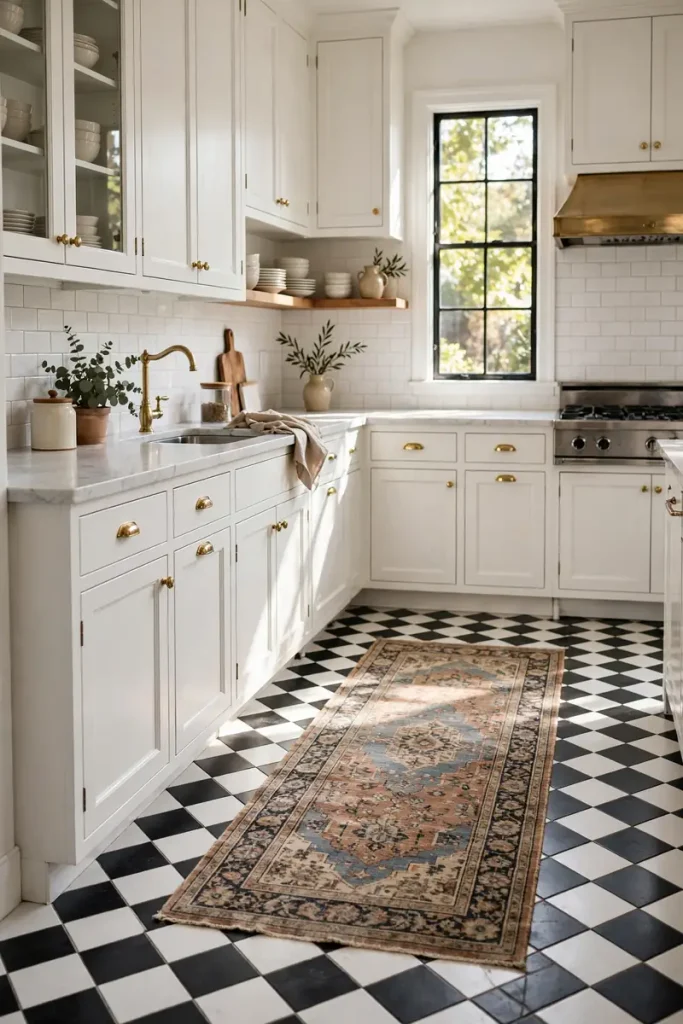
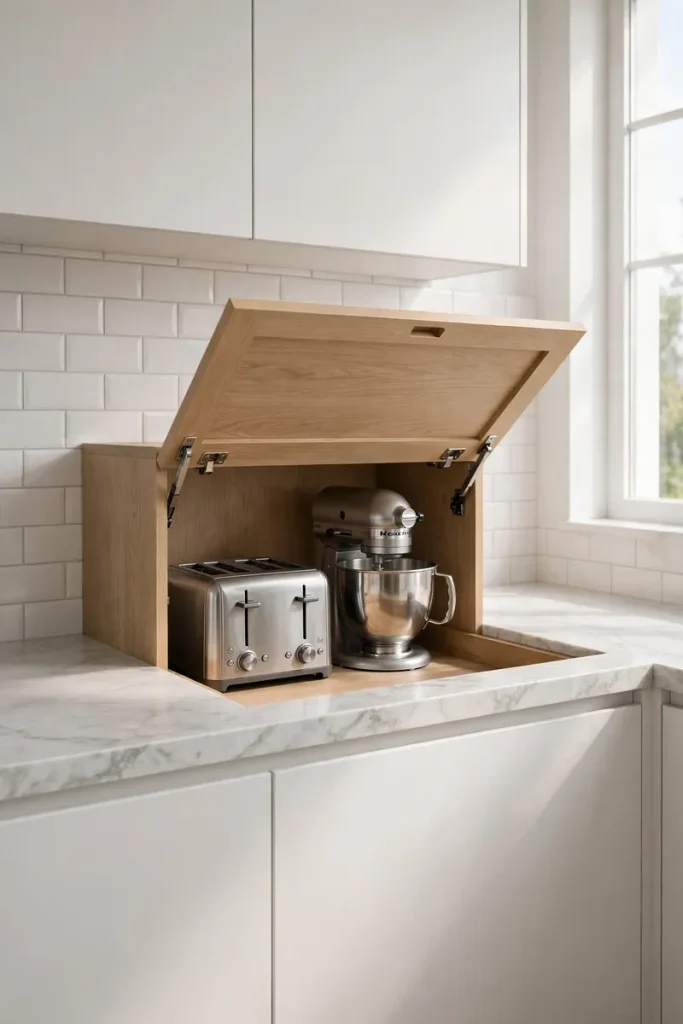
An appliance garage hides the toaster, blender, and coffee supplies behind a lift-up or pocket door. It keeps counters calm while leaving everyday tools easy to reach. A custom built-in can cost hundreds to several thousand dollars, depending on cabinetry and electrical work. Never trap a hot appliance in a closed cabinet, and have any new outlet handled safely. For a budget version, group appliances on one tray inside a deep corner, then screen them with a simple roll-top box or tall plant. In a small kitchen, the real win is visual quiet. Your toaster still exists; it just stops being the loudest member of the family.
10. Open Shelves, but Only Where They Make Sense
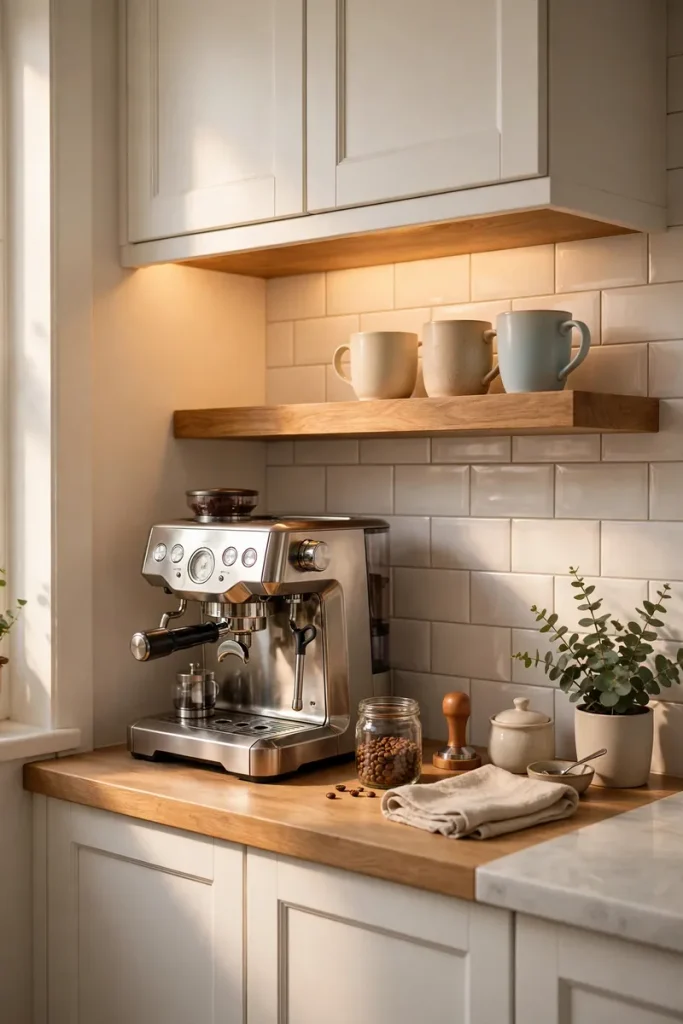
The newest open-shelf look is more practical than the wall-to-wall version. Use one or two short shelves for items you reach every day, such as mugs, bowls, and glasses. Because those pieces move often, they have less time to collect dust. A DIY pair may cost $75 to $300, while custom shelves cost more. Install into studs or use the correct anchors for the wall and expected weight. Renters can get a similar look with a narrow freestanding shelf or countertop riser. Keep the color palette tight so it feels styled. If you own nineteen novelty mugs, rotate them. The shelf does not need your full life story.
11. Full-Height Pantry Cabinets
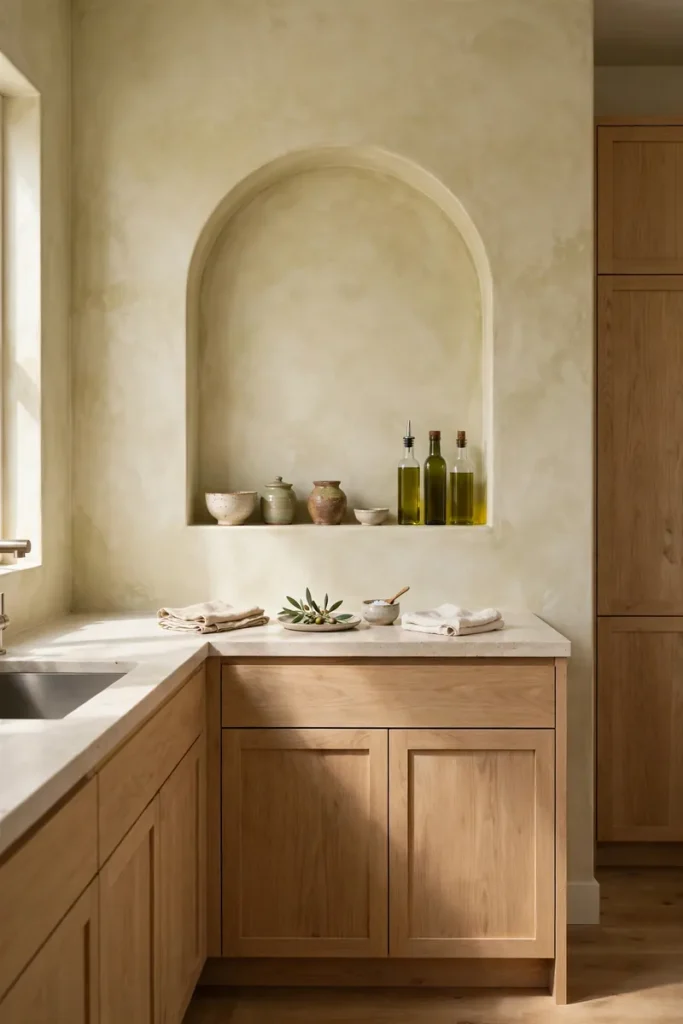
Storage that reaches the ceiling is trending because it uses space that normally gathers dust. A tall pantry can hold food, small appliances, serving pieces, and the giant salad spinner you use twice a year. New custom cabinetry is a larger investment, but you can add matching boxes above existing cabinets for less. In a small kitchen, paint tall units the same color as the wall so they blend instead of looming. Use the top shelves for light, rarely used items and keep a stable step stool nearby. Renters can choose a tall freestanding pantry and secure it to the wall with approved anti-tip hardware.
12. Deep Drawers Instead of Lower Doors
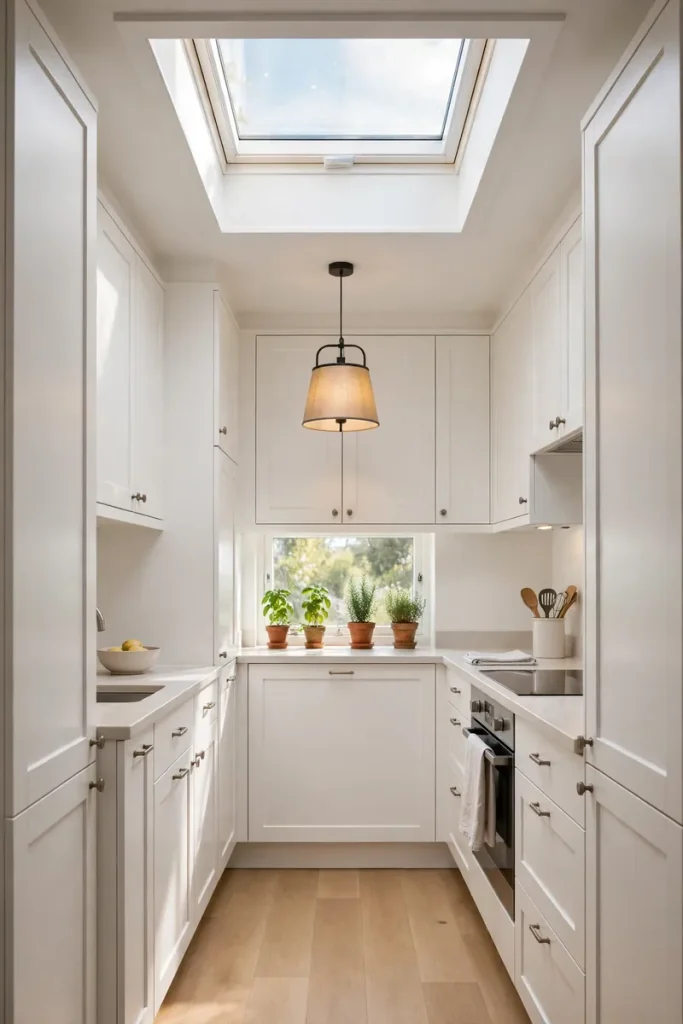
Lower cabinets with doors often become dark caves where lids go to retire. Deep drawers bring the contents to you, which is easier on knees and better for organization. During a remodel, choose drawers for pots, plates, food containers, and even pantry goods. Retrofitting existing cabinets with pull-out trays can provide much of the benefit at a lower price, often starting in the low hundreds per cabinet depending on hardware and installation. Renters can use sliding wire baskets or bins with handles. Measure the cabinet opening, hinges, and plumbing before buying organizers. Nothing ruins a storage victory faster than a basket that misses fitting by half an inch.
13. A Styled Coffee or Drink Station
A small drink station makes daily routines feel special and keeps traffic away from the main cooking zone. Use a corner counter, a rolling cart, or one shelf near an outlet. Add the machine, favorite mugs, sweeteners, and one small lamp or piece of art. A simple setup can cost under $100 if you reuse what you own; a new cart or cabinet raises the budget. Keep water access in mind and leave space for steam. In a tiny kitchen, put supplies in a drawer directly below the machine. My first coffee station had six jars and three signs. It looked cute, but making coffee felt like clearing a tiny gift shop.
Trend Signal Four: Layouts Are Softer, Smarter, and More Social
14. Curved Island Corners
Rounded island ends and softly curved counters make kitchens feel less boxy. They also remove sharp corners from busy walkways, which is helpful in family homes and narrow rooms. A custom curved stone top is a renovation-level choice, so request detailed quotes before committing. For a smaller update, choose a freestanding oval table, rounded cart, or counter stools with curved backs. Leave comfortable walking space around every side. In a small kitchen, a round pedestal table can fit better than a square one and allows chairs to tuck in. Curves make a hard-working room feel friendly, as if the kitchen has finally unclenched its jaw.
15. The Furniture-Style Kitchen Island
Instead of a heavy built-in block, many kitchens are using islands that look like worktables or vintage furniture. Legs, open shelves, and a different finish give the room a relaxed, collected feeling. A freestanding island may cost a few hundred dollars, while a custom piece can reach several thousand. Measure floor space with painter’s tape and live with the outline for two days before ordering. Renters can choose a movable cart with locking wheels. Small-kitchen tip: pick an island with open space underneath so you can see more floor. The room will feel lighter, and dropped onions will be much easier to locate.
16. A Small Eat-In Nook With Personality
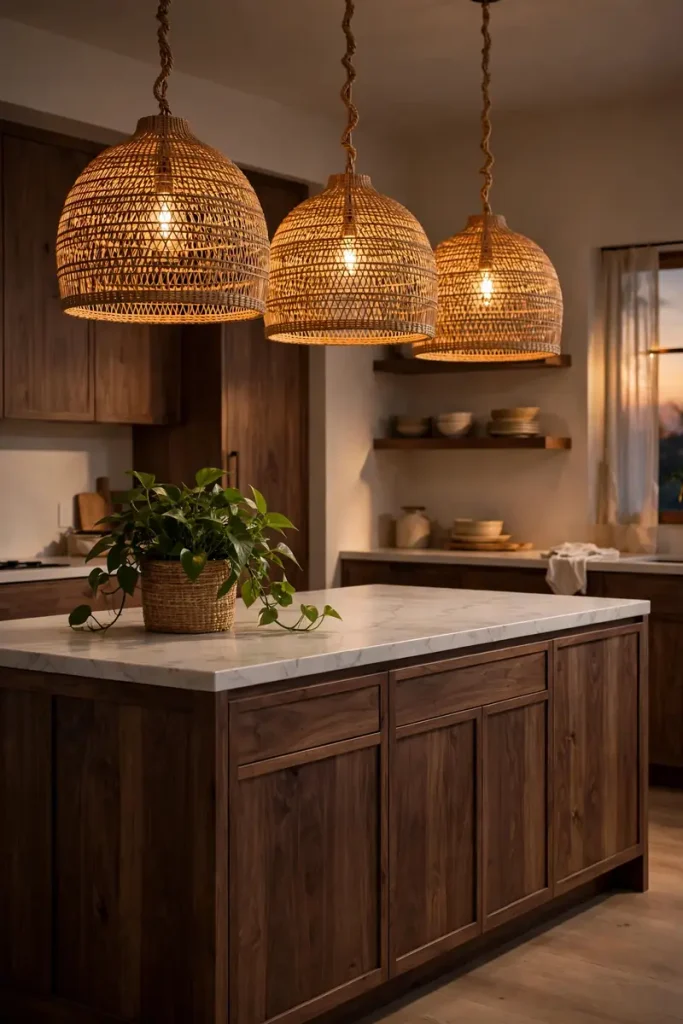
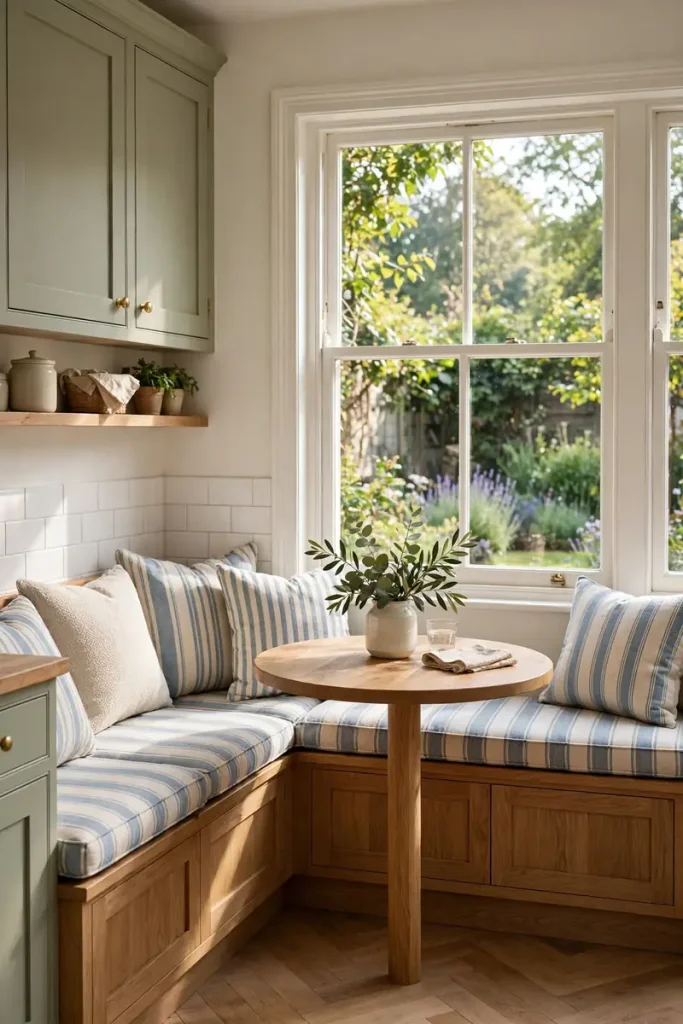
The eat-in nook is back, but it is less formal and more personal. A bench, round table, washable cushions, and a little gallery wall can turn a bare corner into the favorite seat in the house. Build-in banquettes are a bigger project, while a simple bench-and-table setup can begin around a few hundred dollars. Use under-seat baskets for hidden storage. Renters can create the look with a freestanding bench and removable picture strips. In a narrow room, a pedestal table makes it easier to slide in and out. Choose wipeable fabric if kids, pets, or enthusiastic pasta sauce are part of your household.
Trend Signal Five: The Finishing Touches Feel Personal
17. Layered Lighting Beyond One Ceiling Fixture
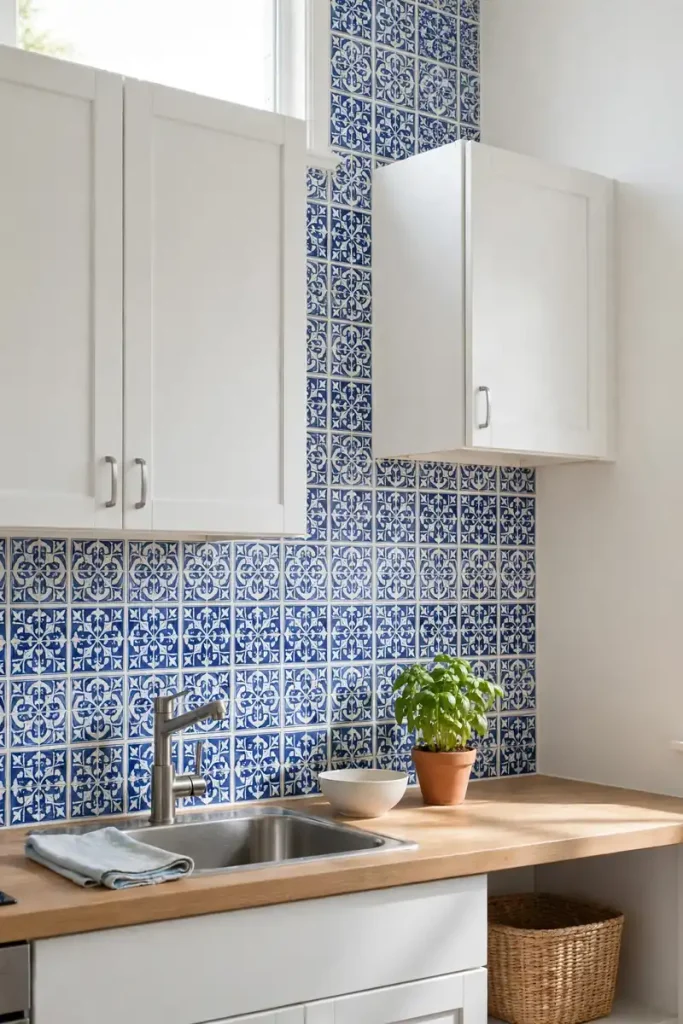
A single ceiling light makes even a lovely kitchen feel flat. Layered lighting combines overhead fixtures, task lighting under cabinets, and a warm accent lamp. Plug-in under-cabinet bars are a renter-friendly update and can cost well under $100 for a small run. New hardwired pendants or sconces require a larger budget and a qualified electrician. Choose bulbs with the same color temperature so one corner does not look like noon while another looks like sunset. A tiny cordless lamp on the counter adds instant charm after dinner. Just keep cords and fixtures safely away from sinks, burners, and any splash-prone area.
18. Collected Art and Useful Vintage Pieces
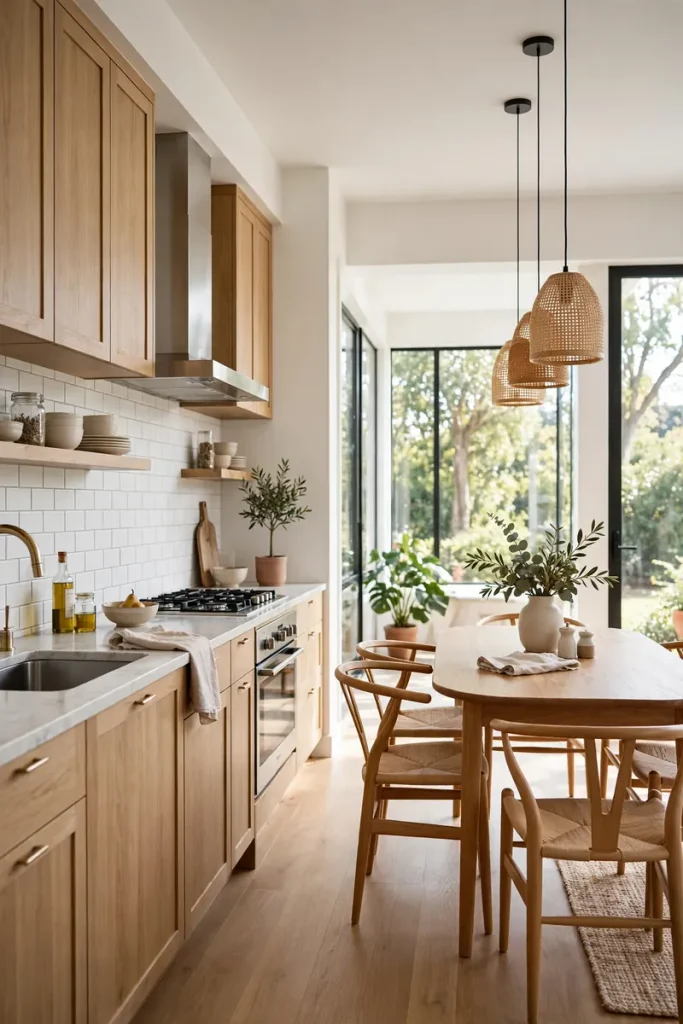
The strongest kitchen trend is personality. Framed art, old cutting boards, pottery, family recipes, and thrifted trays keep a kitchen from looking like a showroom. Start with one wall or shelf and mix useful pieces with meaningful ones. A thrifted collection can grow slowly for $20 to $150, while professional framing costs more. Keep paper and fabric away from open flames, and use washable or protected art near food prep. Renters can lean frames on a ledge or use removable hooks. I hung a tiny painting beside my pantry, and it made the cereal shelf feel important. That is the magic: ordinary routines begin to feel like home.
The Trend Forecast I Would Actually Follow
If you are not sure where to begin, choose one idea from each level. Make a quick change this weekend, such as new hardware or a warm lamp. Plan a medium project for the next few months, such as painting the island or adding shelves. Keep one larger dream—perhaps pantry cabinets, new counters, or deep drawers—for the future. This approach gives you progress without turning the kitchen into a construction zone forever.
Also, let your real life make the final decision. A glossy backsplash may be gorgeous, but easy-clean paint might matter more in a busy home. Open shelves look beautiful, but closed storage wins if visual clutter stresses you out. The best kitchen is not the one that copies every trend. It is the one that makes breakfast easier, dinner friendlier, and cleanup slightly less annoying. Slightly is doing a lot of work there.
My favorite kitchens always have one thing that could not have come from a catalog: a worn wooden bowl, a funny little lamp, a paint color chosen on a brave afternoon. Start with the trend that solves a problem, then add the detail that makes you smile. That is how a fashionable kitchen becomes your kitchen—and that look never goes out of style.