15 Curly Hairstyles Wigs, Organized by How the Wig Is Made
My first wig was a big, bouncy curly unit I bought for a friend’s 30th birthday. I’d never worn one before, and I had no idea what “lace front” or “glueless” meant. I put it on in the bathroom ten minutes before the party, tugged it slightly to one side, and spent the whole night pushing it back into place.
Since then, I’ve learned that the secret to a curly wig you love isn’t just the curl pattern. It’s how the wig is made. A headband wig, a glueless wig and a lace front wig all feel different, look different at the hairline and take different amounts of skill to wear.
So I’ve organized these 15 curly wig styles by wig construction. For each one, you’ll see whether it’s beginner-friendly and how it looks at the hairline, along with a few real stories from friends and from my own wig adventures.
Wig Cap Anatomy
A quick guide to the parts of a wig:
- Cap: the base the hair is attached to.
- Lace: a thin, sheer material at the front or throughout the cap that mimics a natural hairline.
- Wefts: strips of hair sewn onto the cap.
- Combs: small combs inside the cap that grip your natural hair.
- Adjustable strap: an elastic strap at the back to tighten or loosen the fit.
Headband Wigs
Headband wigs come with a fabric headband attached at the front, so there’s no lace to blend.
1. The Big Curly Headband Wig

A full, voluminous curly wig with a wide headband at the front. It’s quick, comfortable and perfect for busy days.
My cousin, a nurse, keeps one of these by her front door. She says it takes her less than a minute to put on before a shift.
Beginner-friendly: yes
At the hairline: the headband covers it completely.
2. The Kinky Curly Headband Wig With a Scarf

A kinky curly headband wig that closely mimics natural coily hair. Swap the included headband for a silk scarf to match your outfit.
Beginner-friendly: yes
At the hairline: covered by the scarf or headband.
Glueless Wigs
Glueless wigs are secured with combs, an adjustable strap or an elastic band, without any adhesive.
3. The Glueless Deep Wave Bob
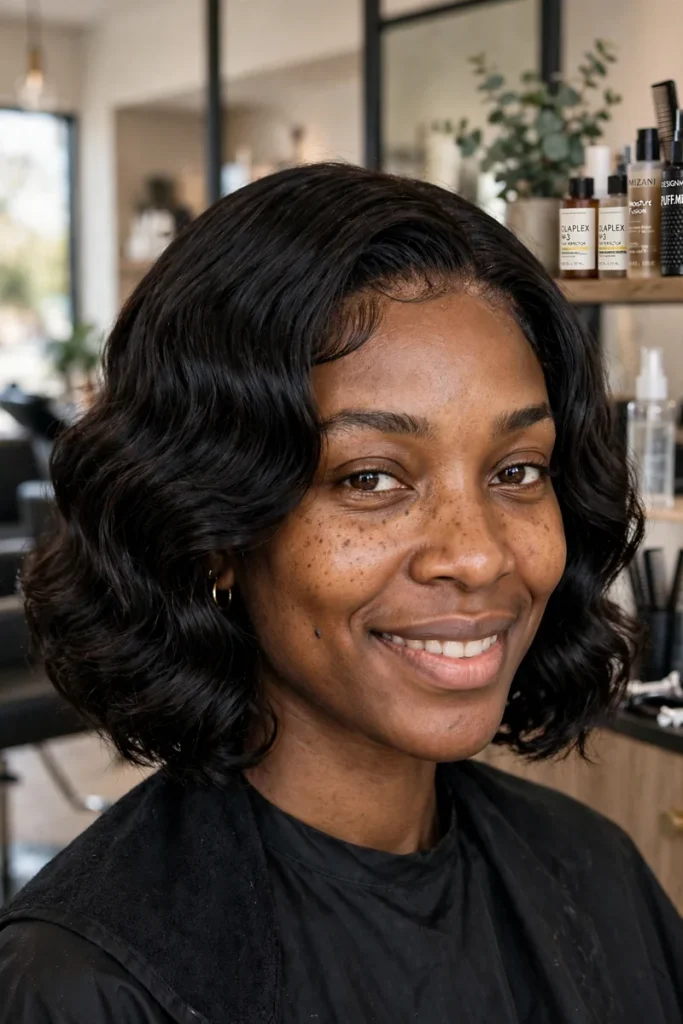
A chin-length bob with defined deep wave curls. It’s playful, easy to wear and perfect for everyday life.
Beginner-friendly: yes
At the hairline: natural-looking, especially with a lace part.
4. The Glueless Water Wave Wig

Mid-length water wave curls with a relaxed, wet-look pattern. It looks soft and natural and stays secure with an elastic band.
Beginner-friendly: yes
At the hairline: soft and natural.
5. The Glueless Kinky Curly Wig

A kinky curly wig with an adjustable elastic band that sits snugly without glue. It’s perfect if you want natural-looking texture and an easy install.
My best friend switched to this style when she started protecting her natural hair. She said it gave her the volume she loved without any daily styling.
Beginner-friendly: yes
At the hairline: natural, especially when you pull out a few curls to frame your face.
Lace Front Wigs
Lace front wigs have lace along the front hairline, creating a realistic hairline and allowing you to style hair away from your face.
6. Loose Curls With a Middle Part

A lace front wig with loose, bouncy curls and a natural middle part. It looks incredibly realistic and frames the face beautifully.
Beginner-friendly: with practice
At the hairline: very natural when the lace is blended well.
7. Side-Part Curls With Laid Edges
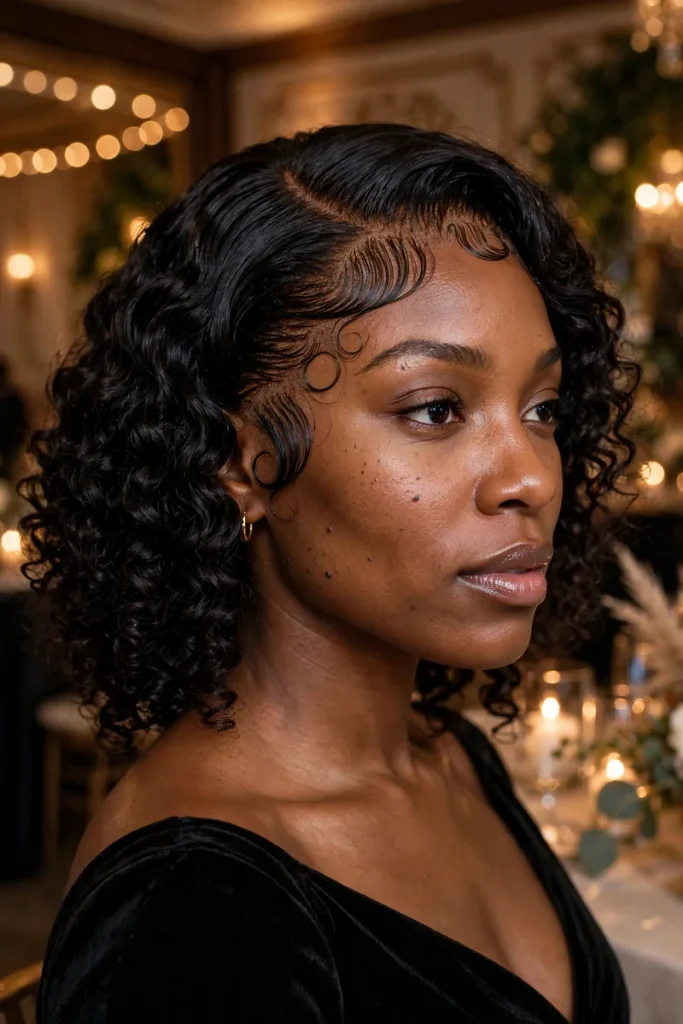
A curly lace front wig with a deep side part and edges styled with edge control. It’s glamorous and very polished.
Beginner-friendly: with practice
At the hairline: natural, with customizable edges.
Fringe and Bang Wigs
These wigs have curly bangs at the front, which hide the hairline without lace.
8. The Curly Bang Wig

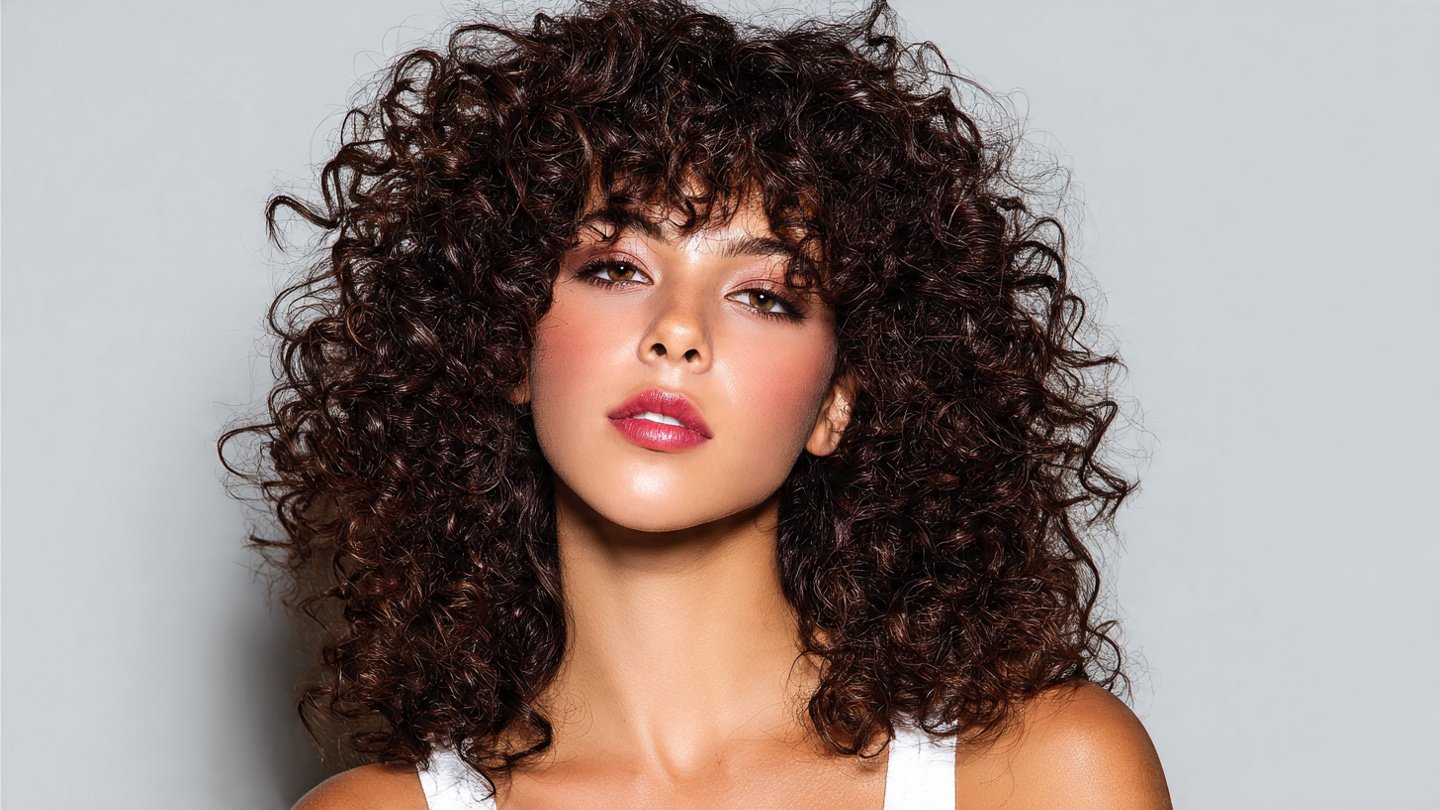
Long curly hair with full, curly bangs at the front. It’s cute, easy to wear and completely beginner-friendly.
Beginner-friendly: yes
At the hairline: hidden by the bangs.
9. The Curly Bob With Bangs

A short curly bob with soft, curly bangs. It’s playful, retro and perfect for trying a short style without a haircut.
Beginner-friendly: yes
At the hairline: hidden by the bangs.
Full Lace and 360 Lace Wigs
Full lace and 360 lace wigs have lace around more of the cap, letting you wear your hair up.
10. The 360 Lace Curly High Ponytail

A 360 lace wig has lace all around the perimeter, so you can pull your curls into a high ponytail with a natural hairline at the front, sides and back.
My friend wore one to her sister’s wedding and pulled it into a curly ponytail for the reception. Nobody guessed it was a wig.
Beginner-friendly: with practice
At the hairline: natural all the way around.
11. The Full Lace Curly Updo

A full lace wig lets you part your hair anywhere and wear it in updos. A curly updo looks elegant and completely natural.
Beginner-friendly: with practice
At the hairline: natural from every angle.
U-Part and V-Part Wigs
These wigs let you blend some of your natural hair with the wig.
12. The U-Part Wig Blended With Natural Curls

A U-part wig has a U-shaped opening at the top, where you leave out a small section of your own hair and blend it over the wig.
Beginner-friendly: with practice
At the hairline: very natural, since it’s your own hair.
Tip: Choose a wig texture that matches your natural curls, so they blend without heat.
13. The V-Part Curly Wig

A V-part wig has a smaller, V-shaped opening, so you leave out less of your natural hair. It’s a good compromise between a U-part and a full wig.
Beginner-friendly: yes
At the hairline: natural, with your own hair at the part.
Synthetic and Color Wigs
Synthetic wigs are often more affordable and come in fun colors and pre-styled curls.
14. The Ombré Curly Wig

A curly wig that fades from dark roots to a lighter color, such as honey blonde, copper or burgundy. It’s a fun way to try color without dyeing your hair.
Beginner-friendly: yes
At the hairline: depends on the construction.
15. The Short Curly Pixie Wig

A short, curly pixie wig is lightweight, comfortable and perfect for trying a short cut.
Beginner-friendly: yes
At the hairline: natural, especially with a lace front.
How to Measure Your Head for a Wig
A well-fitting wig is more comfortable and looks more natural. Use a soft measuring tape:
- Circumference: measure around your head, starting at your hairline, behind your ears and around the nape of your neck.
- Front to nape: measure from your front hairline over the top of your head to the nape.
- Ear to ear: measure from the top of one ear over your head to the other ear.
Compare your measurements with the wig’s size chart before buying.
Making a Lace Wig Look Natural
A few simple customizations help a lace wig look like it’s growing from your scalp:
- Bleaching the knots: lightening the small knots where hair is tied to the lace, so they’re less visible.
- Plucking the hairline: removing a few hairs at the front to create a softer, more natural hairline.
- Tinting the lace: matching the lace color to your skin tone.
- Customizing the part: plucking along the part for a natural look.
If you’re new to wigs, many stylists offer wig customization services.
Protecting Your Natural Hair Under a Wig
- Braid or cornrow your natural hair flat.
- Use a wig cap to keep your hair smooth.
- Try a wig grip band, which holds the wig without glue.
- Moisturize your natural hair regularly.
- Give your scalp a break by taking your wig off at night.
Washing a Curly Wig
Curly wigs need gentle care:
- Detangle with your fingers, starting at the ends.
- Wash with a gentle shampoo in cool water, without rubbing.
- Condition well, focusing on the lengths.
- Rinse and gently squeeze out excess water.
- Reshape the curls with your fingers.
- Air dry on a wig stand.
Reviving a Dry or Frizzy Curly Wig
Over time, curly wigs can lose definition. To bring them back to life:
- Mix water and a little conditioner in a spray bottle.
- Mist the wig until slightly damp.
- Finger-detangle and twist curls back into shape.
- Let it dry completely on a wig stand.
How Long Do Curly Wigs Last?
- Synthetic curly wigs often last a few months with regular wear.
- Human hair curly wigs can last a year or longer with good care.
Rotating between two wigs can help each one last longer.
Wigs for Hair Loss
Many people wear wigs during hair loss from medical treatment, alopecia or other conditions. In some countries, including the United States, certain health insurance plans may cover part of the cost of a wig when it’s prescribed by a doctor, sometimes called a “cranial prosthesis.” Check with your insurance provider and doctor for details.
Final Thoughts
The perfect curly wig depends on more than just the curls. Its construction affects how it looks, how it feels and how easy it is to wear. If you’re new to wigs, start with a headband, glueless or bang wig. When you’re ready, try a lace front or 360 lace wig for even more styling freedom.
Choose the construction that fits your lifestyle, find curls you love, and enjoy every new look.
Which curly wig style are you trying next? Let me know in the comments below.