15 Winter Haircut Ideas, Chosen by What Your Hair Actually Does
I spent one entire December walking around with a haircut I’d picked purely off a photo, completely ignoring the fact that my hair has a mind of its own the second humidity or static gets involved. The cut looked incredible on the model. On me, in a heated apartment with dry winter air, it looked like I’d been standing too close to a Van de Graaff generator.
That’s the thing nobody tells you about winter haircuts specifically — the season itself changes how your hair behaves, regardless of texture. Static, dryness, hats, hoods, indoor heating drying everything out. So instead of sorting this list by length or by vibe, I’ve sorted it by texture, because a cut that survives winter on straight hair and a cut that survives winter on curly hair are often two completely different haircuts, even if they look similar in a picture.
For Straight Hair
Straight hair tends to show static and flatness the most in winter, since there’s no natural texture to disguise dryness or hat-hair.
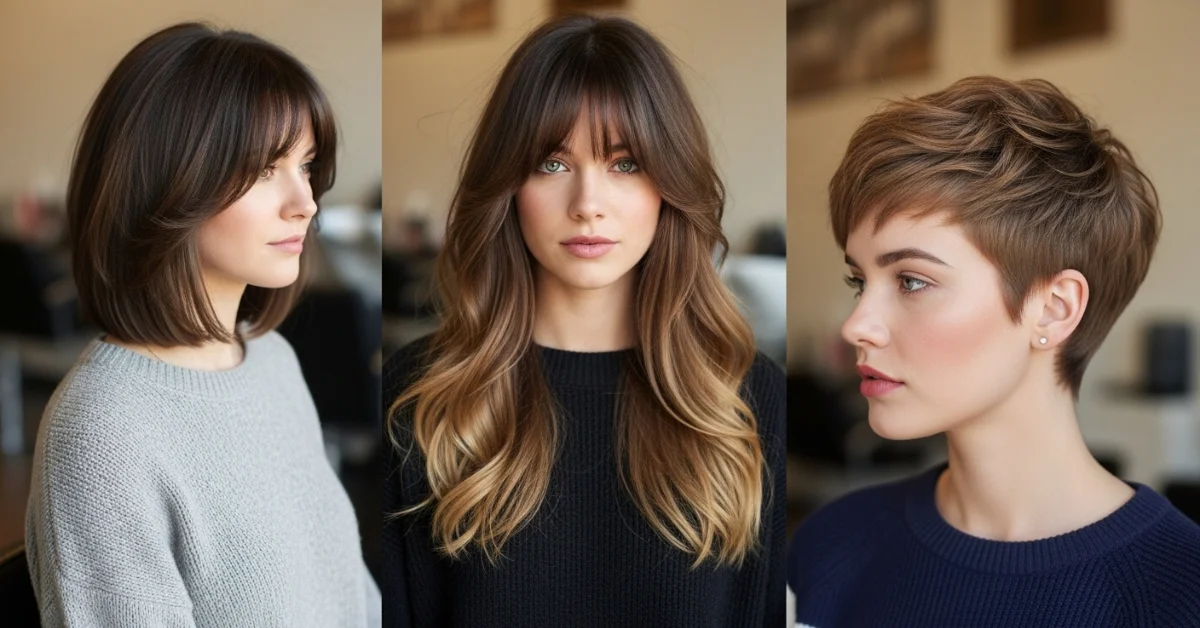
1. The Blunt Lob

A one-length cut hitting just below the collarbone, cut completely blunt with no layers. Blunt lines actually help disguise the flyaways and static that straight hair is so prone to in cold, dry air, since the weight of a solid, unlayered line keeps hair sitting close to itself rather than separating into individual staticky strands.
This is one of the lowest-maintenance options on this entire list for straight hair specifically, because it doesn’t rely on layers falling a certain way to look intentional. It grows out gracefully too, which matters in winter when salon visits often get pushed back due to holiday schedules and general end-of-year chaos.
2. Soft, Face-Framing Layers

Long layers concentrated only around the face, with the rest of the length left mostly untouched. This adds movement without adding the kind of choppy, separated pieces that show static and flatness the way heavier layering can on fine, straight strands.
It’s a particularly good option if you wear hats or hoods regularly, since face-framing layers tend to fall back into place faster after being smashed under a beanie than a fully layered cut does. A few strategic layers near the face genuinely do more work here than a head full of them.
3. The Chin-Length Bob, Slightly Angled

A classic bob with a very subtle forward angle, slightly longer in front than in back. The angle adds a small amount of visual interest without introducing enough layering to invite static, which is exactly the balance straight hair needs in the driest months of the year.
This length also happens to be the easiest to manage under winter headwear, since it’s short enough not to get fully smashed by a hood but long enough to still tuck behind your ears when the wind picks up. It’s the cut I recommend most often to people who complain specifically about winter static, because the blunt-ish shape genuinely helps.
For Wavy Hair
Wavy hair walks a strange line in winter — it can either hold its wave beautifully in cold, drier air, or lose all definition and go limp depending on the cut and the products used.
4. Long Layers Cut Dry

Layers cut while the hair is dry, so the stylist can see exactly where each wave naturally falls before cutting. This matters enormously for wavy hair specifically, since wet-cut layers can shift and land in unpredictable places once the hair dries and the wave pattern reasserts itself.
Dry cutting is a genuinely underused technique for wavy hair, and it’s worth specifically requesting if your salon doesn’t already do it by default. It results in layers that actually enhance your natural wave pattern instead of accidentally working against it, which becomes even more noticeable once winter dryness starts affecting how your waves behave.
5. The Shaggy Mid-Length Cut

Choppy, textured layers throughout, landing around shoulder length. The choppiness gives wavy hair permission to be a little undone, which actually works in its favor during winter, when perfectly smooth styling is harder to maintain against static and dry ends anyway.
This cut also hides the ends that tend to get driest first in cold weather, since the layered, textured shape doesn’t rely on crisp, visible ends the way a blunt cut does. It’s forgiving on days you don’t have time for a full styling routine, which in winter is most days.
6. Curtain Bangs with Wavy Layers

Long, parted bangs that blend into the rest of a layered cut. Curtain bangs work particularly well on wavy hair because the wave naturally pushes them to the side and keeps them from looking too styled or precise, which suits the slightly undone nature of wavy texture.
The one caution here is winter humidity swings — indoor heating dries hair out, but stepping outside into snow or damp air can shift how bangs sit within minutes. Talk to your stylist about cutting them slightly longer than usual to account for that shrink-and-shift, since wavy bangs in particular tend to look shorter on a genuinely humid or snowy day than they do inside a dry salon.
For Curly Hair
Curly hair needs the most texture-specific approach of any category here, since curl pattern dictates almost everything about how a cut will actually behave once you leave the salon chair.
7. The Curl-by-Curl Dry Cut

Each curl cut individually while dry, rather than cutting wet hair and hoping it lands correctly once it dries and springs up. This is genuinely the gold standard for curly hair, and it’s worth seeking out a stylist who specifically specializes in curl cutting if you haven’t already, since a wet cut on curly hair is essentially a guess
In winter specifically, this technique matters even more, because dry indoor air can change how much your curls shrink day to day, and a dry cut accounts for your curl’s actual behavior rather than an idealized, freshly-washed version of it. It’s a bit more expensive and takes longer in the chair, but the result holds up dramatically better through a dry winter than a standard wet cut does.
8. Shoulder-Length with Minimal Layering

Curls cut to shoulder length with only light layering, letting the natural curl pattern create shape rather than the scissors doing all the work. Over-layering curly hair is one of the most common cutting mistakes, since it can create a triangular shape that gets worse, not better, in dry winter air.
Keeping layering minimal lets the curl’s natural weight pull it into a rounder, more balanced shape on its own. This is especially useful in winter, when curls are already more prone to shrinkage and frizz from indoor heating, and you don’t want a haircut actively working against the shape your curls want to form naturally.
9. The Curly Bob

A shorter, curl-friendly bob that hits around the chin or jaw once curls have sprung up to their natural length. Shorter curly cuts tend to be more forgiving in winter specifically, since there’s simply less hair for static, dryness, and hat friction to affect.
This length is also easier to deep-condition thoroughly, which matters more in winter than any other season, since indoor heating pulls moisture out of curly hair faster than curls can naturally replace it. A shorter cut means a faster, more thorough conditioning routine, which becomes a genuinely practical advantage once the driest months hit.
For Coily Hair
Coily hair, the tightest curl pattern, needs winter-specific consideration around moisture retention and protective styling more than almost any other texture on this list.
10. The Tapered Cut
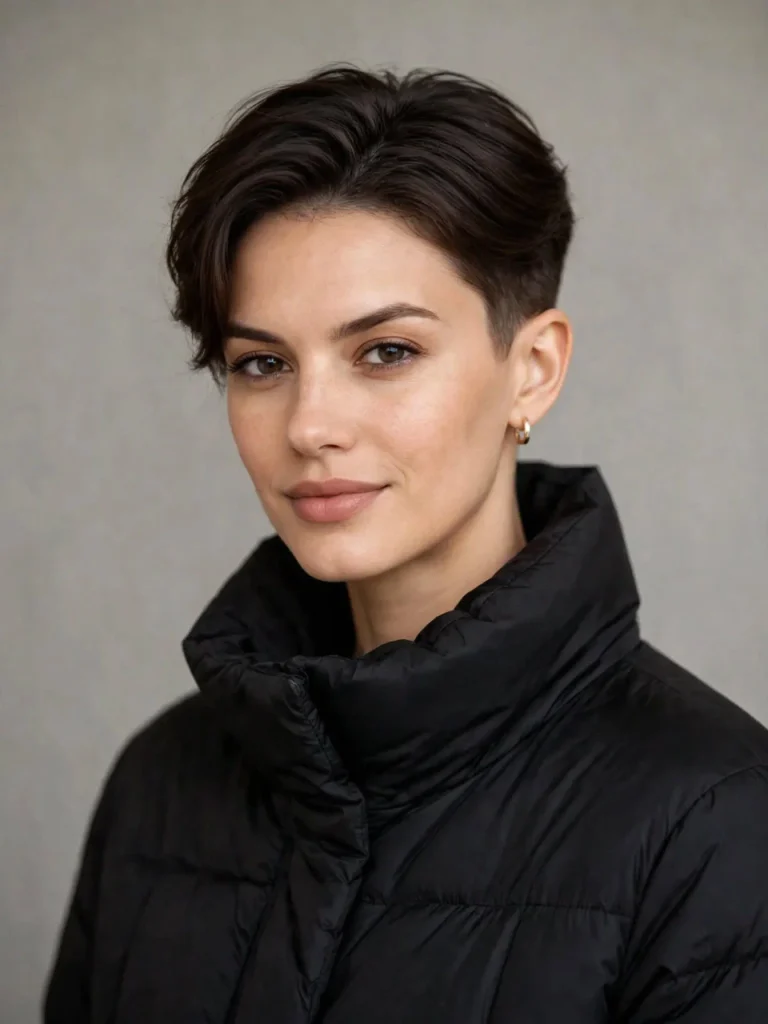
Shorter at the sides and back, gradually lengthening toward the top. This shape works well in winter because the shorter sides are easier to keep moisturized consistently, while the longer top gives you styling versatility for the days you want more length and volume on display.
It’s also one of the more practical cuts for anyone who wears hats or hoods regularly in winter, since the tapered sides don’t get as visibly flattened or disrupted as a fuller, all-over length would. Moisture is really the central concern here, and a tapered shape makes a consistent deep-conditioning routine more manageable simply because there’s less hair overall to treat thoroughly each time.
11. Shoulder-Length Coils, Ends Trimmed Regularly

Coily hair kept at shoulder length, with a strong emphasis on regular trims to prevent the dry, brittle ends that winter air makes worse. This isn’t really about a dramatic new shape so much as a maintenance-forward approach to a length you may already have.
Winter is genuinely the season where skipping trims does the most visible damage to coily hair specifically, since dry ends are more prone to breakage in low humidity, and breakage compounds over a season if it’s not addressed early. If you already have this length, the actual winter haircut “idea” here is simply committing to trims every six to eight weeks through the coldest months, rather than pushing them off the way people often do around the holidays.
12. The Defined Twist-Out Ready Cut
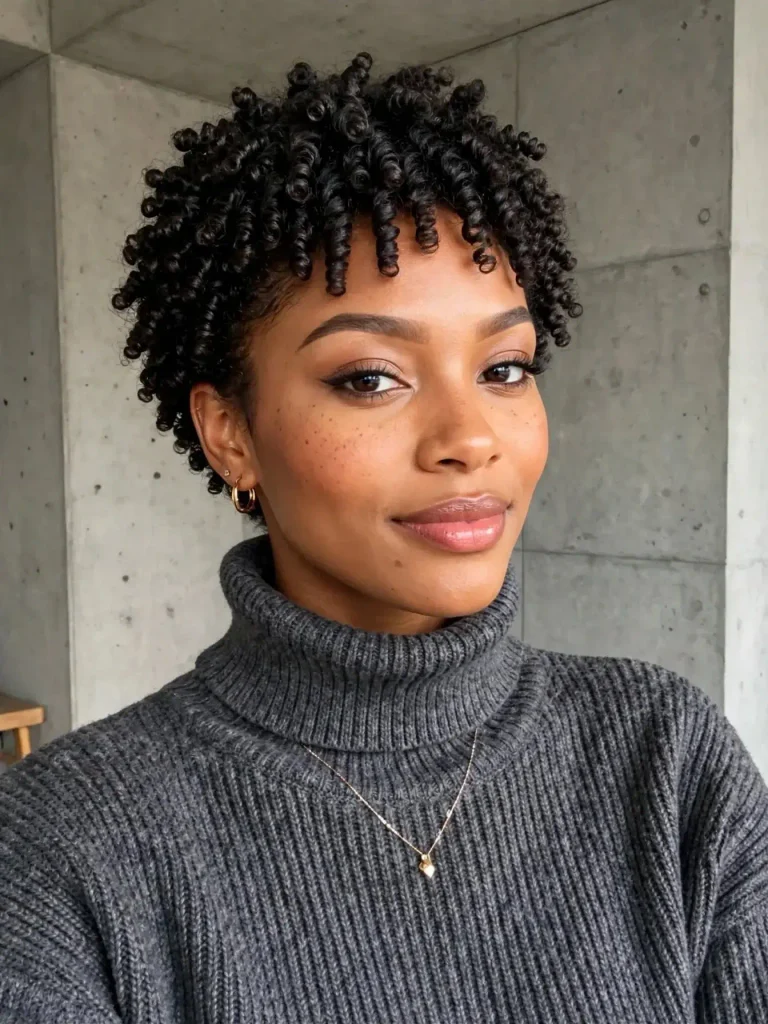
A cut specifically shaped to support twist-outs or braid-outs, with even layering that allows the style to fall evenly once undone. This is less about the cut looking a particular way freshly cut, and more about how well it sets you up for protective styling, which matters enormously in winter when coily hair benefits from more consistent moisture retention than loose styles usually allow.
Talk to your stylist specifically about your regular styling routine before this cut, since a shape that photographs beautifully straight out of the chair isn’t useful if it doesn’t actually support the twist-outs or protective styles you’re realistically going to be doing most of the season.
For Fine or Thin Hair (Any Texture)
Fine hair has its own winter-specific concerns regardless of whether it’s straight, wavy, or curly, mostly centered around volume loss from hat and hood friction.
13. The Textured Crop

A shorter cut with subtle, piece-y texture throughout, landing above the shoulders. Shorter cuts generally read fuller on fine hair than longer ones, simply because there’s less length for the hair’s own weight to pull it flat, which becomes especially relevant once hats and hoods start flattening things further throughout the day.
The piece-y texture also gives you something to work with using minimal product, which matters in winter when heavy styling products can weigh fine hair down even more than usual. This is one of the more forgiving cuts on the whole list for anyone who wants a wash-and-go routine through the busiest, coldest stretch of the year.
14. Blunt Ends with Minimal Layering

Similar logic to the straight-hair blunt lob, but specifically for fine hair of any texture — a solid, unlayered line creates the appearance of thicker, denser hair than heavy layering does. Too many layers on already-fine hair can make ends look wispy and thin, which is exactly the opposite of what most people with fine hair are going for.
This cut pairs especially well with a root-lifting product applied before hat weather, since the blunt shape holds a blowout or air-dry style longer than a heavily layered cut would, giving you more mileage between washes during the season when washing fine hair too frequently can actually make winter dryness worse.
The One Universal Option
15. The Lived-In Shag

Loose, undefined layers throughout, cut to look slightly grown-out even immediately after a fresh trim. This is genuinely the most texture-flexible cut on this entire list — it works reasonably well across straight, wavy, curly, and coily hair alike, because its entire premise is imperfection and movement rather than a precise, texture-dependent shape.
It’s also the most forgiving option for winter specifically, since hat hair, static, and general dishevelment from cold-weather layers all blend seamlessly into a cut that’s already designed to look a little undone. If you genuinely can’t decide which category above fits you best, or your hair does a little of everything depending on the day, this is the safest universal starting point.
The Cold Weather Damage Check
Something almost no haircut guide addresses directly: how to tell, mid-season, whether your winter cut is actually holding up, or quietly getting damaged by the season itself.
Run your fingers slowly down a few strands from root to end, once a week, and pay attention to where you feel a texture change. If the ends feel noticeably rougher or thinner than the rest of the strand, that’s early breakage, and it’s much easier to address with a small trim now than to wait until it’s visible in photos or under salon lighting. Static that seems to be getting worse week over week, rather than staying consistent, is often an early sign of dryness building up faster than your current routine is addressing, and it’s worth adjusting your conditioning routine before it shows up as visible frizz or flyaways.
Check your ends specifically after any week involving a lot of hat or hood wear, since the friction from repeatedly pulling fabric over the same section of hair is one of the most overlooked sources of winter breakage. If you notice consistent breakage concentrated around where a hat sits, it’s worth considering a slightly shorter length in that specific cut, or switching to a lined hat that creates less friction against your actual hair.
The Bangs Commitment Scale
Bangs come up in almost every winter haircut conversation, and I think the advice around them is usually too binary — get them or don’t. Here’s a more useful way to think about it, specifically for the season.
If you’re someone who’s never had bangs before, winter is genuinely one of the more forgiving times to try them, since colder weather and lower humidity generally mean less sweat and oil affecting how they sit throughout the day, which gives you a gentler introduction to managing them. If you already have bangs and you’re deciding whether to keep them through the season, consider how much of your winter involves hats specifically, since bangs and hat-wearing can be a genuinely frustrating combination, requiring constant readjustment every time you take a hat on or off.
If you’re on the fence entirely, curtain bangs are the lowest-commitment option, since they blend into the rest of your length and can be grown out or pushed to the side without ever looking like an obvious, awkward in-between stage. Full, blunt bangs are the highest-commitment choice on this scale, both in terms of maintenance and in terms of how noticeable the growing-out process becomes, so they’re worth saving for a stretch of the season when you know you’ll actually have time for the upkeep they require.
Choosing Your Cut
Start with your actual texture, not the texture of the hair in whatever photo you’re currently obsessed with. A cut that’s designed to work with straight hair’s tendency toward static, or curly hair’s tendency toward shrinkage, is going to hold up through an entire winter in a way that a texture-mismatched cut, however good it looks in a single photo, simply won’t.
Bring your texture, your hat habits, and your realistic weekly styling routine into the consultation, not just a picture. That’s really the whole difference between a winter haircut that still looks good in February and one you’re already regretting by the second week of January.