14 Short Hairstyles for Women, Told From the Salon Chair to Week Six
The day I cut my hair short, I sat in the salon chair with my hands gripping the armrests. Fifteen inches of hair lay on the floor. My stylist spun me around and I felt like someone had taken a weight off my neck and handed me a new personality.
Six weeks later, I felt something else. The shape had softened, the fringe had reached my eyelashes, and I had no idea how to style it. Nobody had told me that a short cut has a life cycle, just like a long one.
That is why this post is built differently. Every hairstyle here comes with its life story: how it looks on day one, how it behaves at week six, what to ask your stylist for, and who it suits best. Short hair is a commitment, and knowing the whole story makes the decision easier and the grow-out much less scary.
The Stories
1. The Classic Pixie
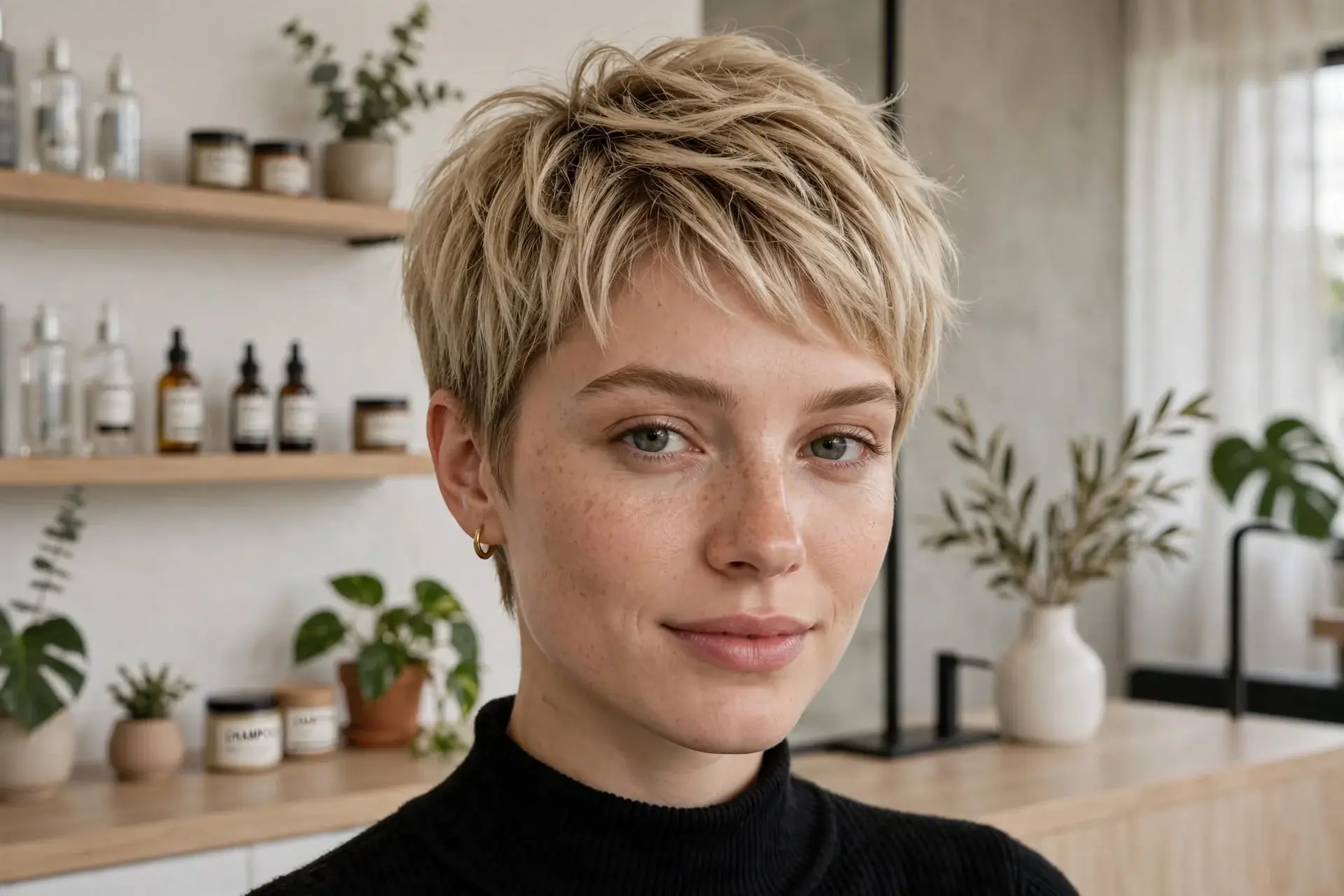
Day one: Very short on the sides and back, with a little length on top that you can push up, sweep sideways, or leave textured. It is sharp, bold, and shows off your cheekbones and neck.
Week six: The sides start to cover your ears and the top loses its shape. You will need a trim to keep it clean.
Ask your stylist for: “A pixie with soft, point-cut texture on top and tapered sides, not clipper-short.”
Best for: Fine to medium hair, oval and heart-shaped faces, and anyone who wants a five-minute routine.
Blogger note: A pixie is the most maintenance-heavy short cut in terms of appointments, but the least in terms of daily styling. Expect a trim every four to five weeks.
2. The Soft Pixie With Long Bangs
Day one: A gentler pixie with a long, sweeping fringe that falls across the forehead. It looks feminine and soft rather than sharp.
Week six: The fringe lengthens and becomes easier to tuck behind your ear, so it actually looks better for a few weeks.
Ask your stylist for: “A soft pixie with a long side-swept fringe and a slightly longer nape.”
Best for: Round or square faces, since the sweeping fringe adds length and softens angles.
Blogger note: This is the best first pixie. The extra length gives you room to change your mind.
3. The Textured Pixie-Bob
Day one: Often called a “pob,” it sits between a pixie and a bob, with a soft cropped back and a bit of length around the ears.
Week six: It grows out gracefully into a short bob, so you never hit an awkward stage.
Ask your stylist for: “A pixie-bob with layers, cut so it grows into a bob.”
Best for: Anyone who wants short hair but is scared of the grow-out.
Blogger note: If you are on the fence about cutting your hair short, this is the safest bridge.
4. The French Bob
Day one: A chin-length bob with a slightly cropped fringe, a little bend at the ends, and a lightly tousled finish. It looks like you woke up in Paris.
Week six: The fringe reaches your eyelashes, so schedule a fringe trim. The length stays lovely.
Ask your stylist for: “A French bob at chin length with a wispy, cropped fringe and soft, blunt ends.”
Best for: Straight or wavy hair, and oval or long faces.
Blogger note: The trick to a French bob is not brushing it smooth. Scrunch in a little texture spray and leave it slightly undone.
5. The Blunt Chin-Length Bob
Day one: Straight across, sharp, and shiny. It looks expensive and polished, especially on thick, straight hair.
Week six: The line softens slightly, but it still looks good. This cut ages beautifully.
Ask your stylist for: “A blunt bob at the chin with no layers, cut with a razor-sharp line.”
Best for: Straight, thick, or medium hair. Not ideal for very fine hair, which can look flat.
Blogger note: Shine serum is the secret. A blunt bob without shine looks like a helmet, and with shine it looks like a magazine cover.
6. The Asymmetrical Bob
Day one: One side is longer than the other, creating a dramatic, modern line. It is confident and eye-catching.
Week six: The shorter side grows faster, so the balance shifts. You will want a trim to reset the angle.
Ask your stylist for: “A subtle asymmetrical bob, with about an inch or two of difference, not a dramatic slope.”
Best for: Round faces, since the diagonal line slims and elongates.
Blogger note: Start with a subtle difference. You can always ask for more at the next trim.
7. The A-Line Bob
Day one: Shorter at the back and gradually longer toward the front, with the ends falling just at or below the chin. It has a graceful forward angle.
Week six: The back grows down and the angle softens. It is one of the easiest bobs to grow out.
Ask your stylist for: “An A-line bob with a slight graduation at the back and longer front pieces.”
Best for: Most face shapes, especially round and square faces.
Blogger note: Ask for a slight stack at the back for volume without needing much styling.
8. The Shaggy Bob
Day one: A bob with lots of choppy layers, movement, and texture. It looks lived-in and effortless.
Week six: It looks even better, since the layers relax and blend. This is a cut that loves a little grow-out.
Ask your stylist for: “A shaggy bob with visible, choppy layers and a soft, feathered fringe.”
Best for: Wavy, curly, and thick hair. Fine hair can look thin with too many layers.
Blogger note: Sea salt spray and a diffuser are the only tools you need.
9. The Curly Bob
Day one: A bob shaped for curls, often cut dry so the stylist can see how each curl falls. It has volume at the sides and a rounded silhouette.
Week six: The curls settle and the shape gets a little wider, so a light shaping helps.
Ask your stylist for: “A curl-specific bob, cut dry, with the shortest layers at the top so curls stack without a triangle shape.”
Best for: Wavy, curly, and coily hair.
Blogger note: Find a stylist who cuts curls dry. A wet cut on curly hair can shrink much higher than you expect.
10. The Bixie
Day one: A cross between a bob and a pixie, with short layers around the crown and a longer, feathered nape.
Week six: It grows into a soft, layered short bob without dramatic changes.
Ask your stylist for: “A bixie with soft layers and a slightly longer nape, not too cropped.”
Best for: Fine to medium hair, and anyone who wants texture without a dramatic cut.
Blogger note: Layers add the illusion of thickness, which makes fine hair look fuller.
11. The Short Wolf Cut
Day one: Choppy layers with volume on top and thinner, wispy ends. It looks a little rock and roll, a little vintage.
Week six: It becomes softer and shaggier, which most people love.
Ask your stylist for: “A short wolf cut with a lot of layers on top and wispy, feathered ends.”
Best for: Wavy and thick hair, and confident personalities.
Blogger note: This cut does its own styling. Air-dry it with a bit of mousse and it is done.
12. The Tapered Natural Cut
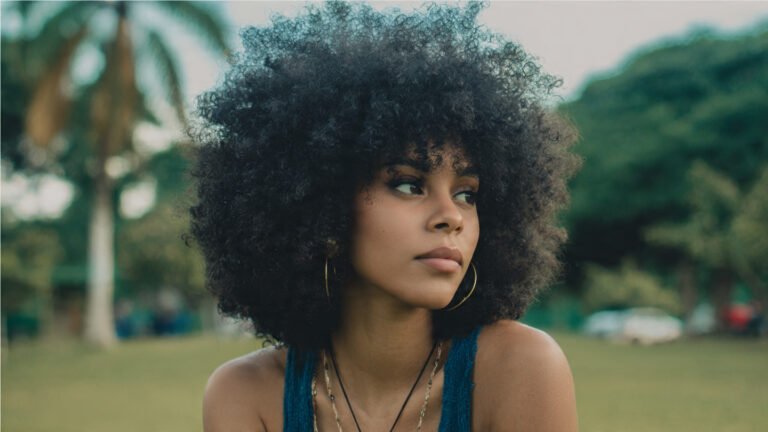
Day one: A short, shaped cut for coily or kinky hair, with tapered sides and a rounded top that shows off the natural curl pattern. It looks clean, strong, and elegant.
Week six: New growth lifts the shape at the edges, so a quick line-up brings it back.
Ask your stylist for: “A tapered cut with a rounded top, cleaned up at the edges.”
Best for: Coily and kinky textures. It works on any face shape.
Blogger note: A weekly moisture routine keeps the coils shiny and the shape clear.
13. The Short Layered Cut With Curtain Bangs
Day one: Chin- to jaw-length hair with soft layers and curtain bangs that part in the middle and sweep to each side. It is soft, romantic, and very flattering.
Week six: The bangs are the star here. They lengthen and blend into the layers, which looks lovely.
Ask your stylist for: “A short layered cut with curtain bangs that blend into face-framing layers.”
Best for: Heart, oval, and long faces. Wavy or straight hair.
Blogger note: Curtain bangs grow out gracefully. Pin them back for a week or two and nobody will know.
14. The Micro Bob With a Nape Taper
Day one: A very short bob that ends at the jaw or just below the ears, with a clean, tapered nape. It looks modern and a little architectural.
Week six: The nape fills in, so book a quick clean-up to keep the line neat.
Ask your stylist for: “A micro bob at jaw length with a tapered, neat nape.”
Best for: Straight and fine hair, and long necks. It highlights earrings beautifully.
Blogger note: Wear big earrings with this cut. It is made for them.
Something New: The Mirror Test (Face Shape Made Simple)
Most face shape guides make you measure your forehead and jaw. Try this instead.
Pull your hair back completely. Stand in front of a mirror and look at where your face is widest.
If it is widest at the cheekbones and tapers toward the chin, you have a heart or diamond shape. Soft fringes, side-swept pixies, and A-line bobs balance this beautifully.
If it is about the same width at forehead, cheekbone, and jaw, you have a square or rectangular shape. Wavy layers and chin-length bobs with soft ends soften the angles.
If it is rounder with soft edges, try asymmetrical bobs, long pixies, and cuts with some length at the front to add length.
If it is longer than it is wide, try French bobs, bangs, and bobs with volume at the sides, which add width.
If it is balanced and slightly oval, you can wear almost anything, so choose by hair texture and lifestyle instead.
Face shape is a guide, not a rule. If you love a cut, the right stylist can adapt it to your face.
The Regret-Proof Trial
Cutting your hair short is the one beauty decision you cannot undo in an afternoon. Here is my trial plan.
Step one: pin it up. Fold your hair under and pin it at the length of the cut you want. Look at yourself from the front and side.
Step two: try it for a day. Wear your pinned-up version for a full day, including a walk outside. Notice how it feels.
Step three: use an app or filter. A hairstyle try-on app can show you a rough idea of the shape, though it will not match your texture exactly.
Step four: go halfway first. Cut to a long bob before going to a pixie. It gives you time to adjust.
Step five: book a consultation. Many stylists offer a short chat before the cut. Use it to ask questions.
If you still love the idea after all five steps, you are ready.
Your Consultation Card
Save this on your phone and show it to your stylist. Fill in the blanks.
The cut I want: (name of style)
Length: (at the chin, jaw, ear)
Fringe or no fringe: (long, curtain, wispy, none)
My hair texture: (straight, wavy, curly, coily)
My daily styling time: (five minutes, ten, twenty)
How I feel about maintenance: (trim every four weeks, six, eight)
Inspiration photos: (attach two or three, from the front and side)
Things I do not want: (for example, “no thin ends” or “nothing above the ears”)
Photos help, but the “things I do not want” line is the one that saves you.
The Three-Minute Morning Routine
Short hair is only easy if you have a routine. Mine takes about three minutes.
- Dampen your hair with a spray bottle or a quick rinse.
- Apply a small amount of styling product, such as a texture cream, mousse, or curl gel.
- Dry with your hands or a diffuser, scrunching for waves or smoothing for a sleek look.
- Shape the fringe and front with your fingers or a small brush.
- Finish with a little shine spray, and check your reflection in natural light.
If your hair is fine, use less product. If it is thick or curly, use more. If it is coily, add a light oil at the end.
The Products Worth Having
Short hair needs fewer products than long hair, but the right ones matter. A texture spray adds grip and movement. A light styling cream smooths and defines. A shine serum makes blunt cuts look glossy. A dry shampoo refreshes roots between washes. A heat protectant helps if you use a flat iron. Skip heavy waxes and thick pomades, which weigh down fine hair.
The Maintenance Calendar
Different cuts need different care. Here is a rough guide.
Every four weeks: Pixies, micro bobs, tapered natural cuts, and any cut with a tapered nape.
Every five to six weeks: French bobs, blunt bobs, and asymmetrical bobs.
Every six to eight weeks: Shaggy bobs, wolf cuts, curly bobs, and layered cuts.
Every two to three weeks: Fringe trims for any cut with bangs. Many salons offer these for free or a small fee between cuts.
Book your next appointment before you leave the salon, since good stylists fill up quickly.
Short Hair Myths
“Short hair is always low maintenance.” It is low maintenance for daily styling but higher for salon visits.
“Only certain women can pull off short hair.” Any face shape can wear a short cut when it is shaped for that face.
“It will make me look older.” The right cut can make you look fresher and more polished.
“I cannot wear my hair up.” True for pixies, but bobs and shaggy cuts can be half-pinned or clipped.
“Fine hair cannot be short.” Fine hair often looks fuller when short, because the weight is removed.
Quick Answers
What is the best short haircut for fine hair? The blunt bob, the bixie, and the pixie, since shorter lengths add fullness.
What is the best short haircut for thick hair? The shaggy bob, wolf cut, and A-line bob, since layers remove weight.
What is the best short haircut for curly hair? The curly bob and the tapered natural cut.
What is the easiest to grow out? The pixie-bob, bixie, and shaggy bob.
What is the best cut for a first-timer? The A-line bob or the soft pixie with long bangs.
One Last Thing
A short haircut is not really about the length. It is about the moment you catch your reflection and realize that you look like yourself, only lighter. The best cut is not the trendiest one. It is the one that fits your hair, your face, your morning routine, and the way you want to feel when you walk out the door.
Take your time, use the trial, and bring the consultation card. Then trust yourself.
Which story are you reading first: the sharp pixie, the polished bob, or the soft, shaggy cut? Save this post for your next salon booking, and send it to a friend who has been thinking about cutting her hair for a year.