16 Brown Fall Outfits, Organized Like a Paint Chip Wall
I have a confession: I own eleven brown items that are, according to the tag, eleven completely different colors. Chestnut. Cognac. Umber. Toffee. Chocolate. For years I thought “brown” was one color I either liked or didn’t, and I genuinely believed I didn’t. Then I held a caramel sweater up next to a chocolate coat one afternoon and realized they weren’t the same color family talking to each other — they were two different moods entirely, and I’d been dismissing an entire season of possibility because I never bothered to learn the difference.
That’s the real secret to brown fall dressing that nobody tells you: brown isn’t a single color, it’s a whole spectrum, and most people only ever wear one shade of it. Once I started thinking of my closet like a paint chip wall — cool browns, warm browns, deep browns, light browns — everything clicked. Suddenly I had range. Suddenly “brown” stopped being the safe, boring choice and started being the most versatile color I owned.
So instead of just handing you sixteen outfits, I’m walking you through this the way I actually think about it: shade family by shade family, like flipping through paint chips at the hardware store. And at the end, I’m giving you something I wish existed when I started — a simple way to figure out which brown shades actually love your skin tone back.
First, a Quick Primer: The Four Brown Families
Every brown outfit lives in one of four families, and knowing which one you’re reaching for changes everything about how you style it.
Warm browns — camel, caramel, cognac, honey — lean orange and gold. They glow under fall light and pair beautifully with cream, rust, and gold hardware.
Cool browns — taupe, mushroom, ash brown, cocoa — lean gray or purple underneath. They feel modern and a little moody, and they pair best with black, white, and silver.
Deep browns — chocolate, espresso, chestnut, mahogany — are rich and saturated. They act almost like a neutral black in an outfit, grounding everything around them.
Light browns — toffee, sand, biscuit, oat — are soft and pale. They work as a gentle alternative to white or cream when you want something a little warmer against your skin.
Sixteen outfits, four families, four outfits each. Let’s go shade by shade.
Warm Browns: Camel, Caramel, Cognac, Honey
Warm brown is the shade most people picture when they think “fall,” and for good reason — it’s the color of the season itself.
1. Camel Coat, Cream Everything.
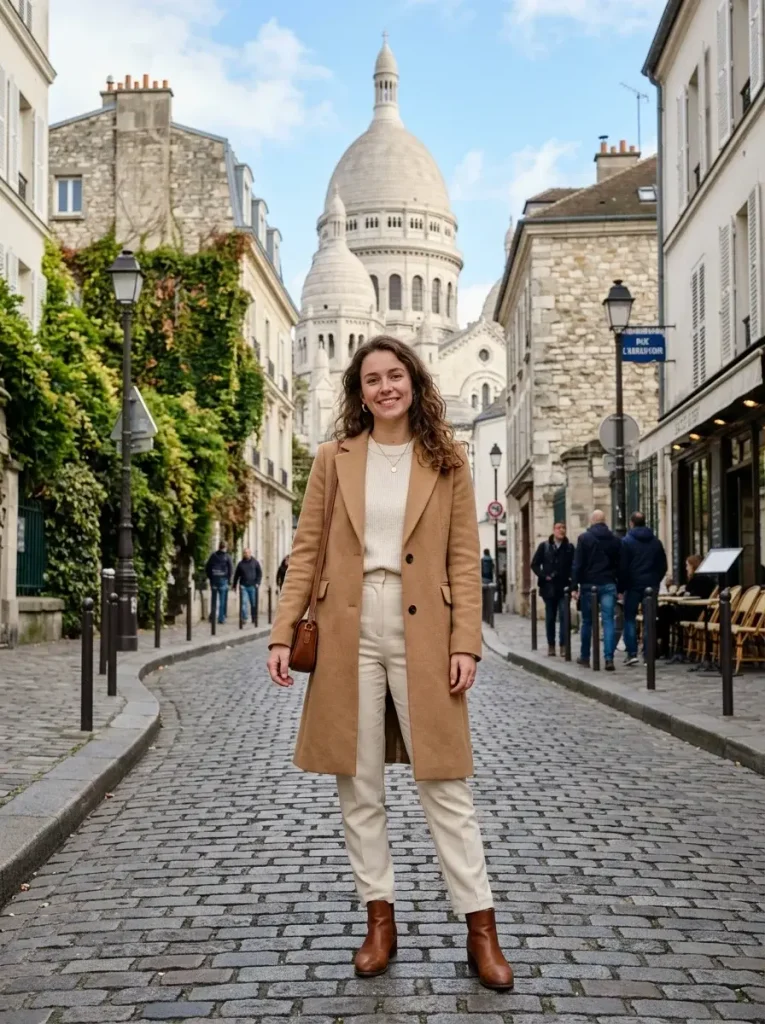
A camel wool coat over a cream turtleneck and cream wide-leg trousers, with tan loafers. Keeping everything in the same warm family, just at different depths, is the single easiest way to look expensive without trying.
2. Caramel Leather and Denim.

A caramel leather jacket over a chambray shirt, straight blue jeans, and cognac boots. This is the outfit I wear when I want “put together” to look like it took no effort at all.
3. Cognac Boots as the Whole Point.

A simple black dress with cognac knee-high boots and a cognac belt cinching the waist. Two cognac pieces are enough to warm up an otherwise cool black outfit without needing a third.
4. Honey Knit and Wide Leg.
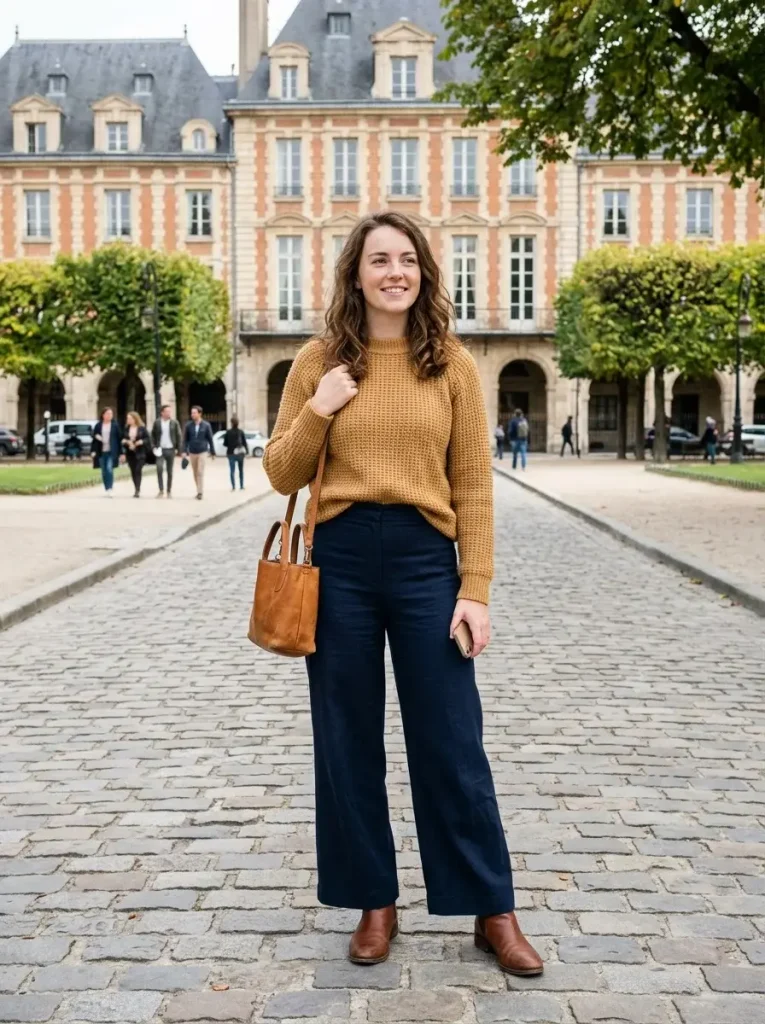
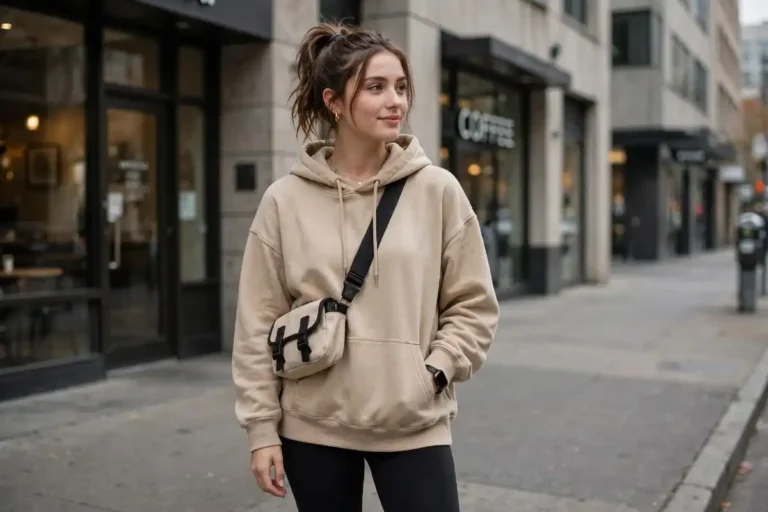
An oversized honey-colored sweater tucked loosely into wide-leg trousers in a slightly darker rust-brown, finished with gold hoops. This pairing — two warm shades, slightly different depths — is what stylists mean when they say “tonal dressing,” and it’s easier to pull off than it sounds.
Cool Browns: Taupe, Mushroom, Ash Brown, Cocoa
This is the family I reach for when I want brown to feel current instead of classic — a little quieter, a little more architectural.
5. Taupe Trouser Suit.

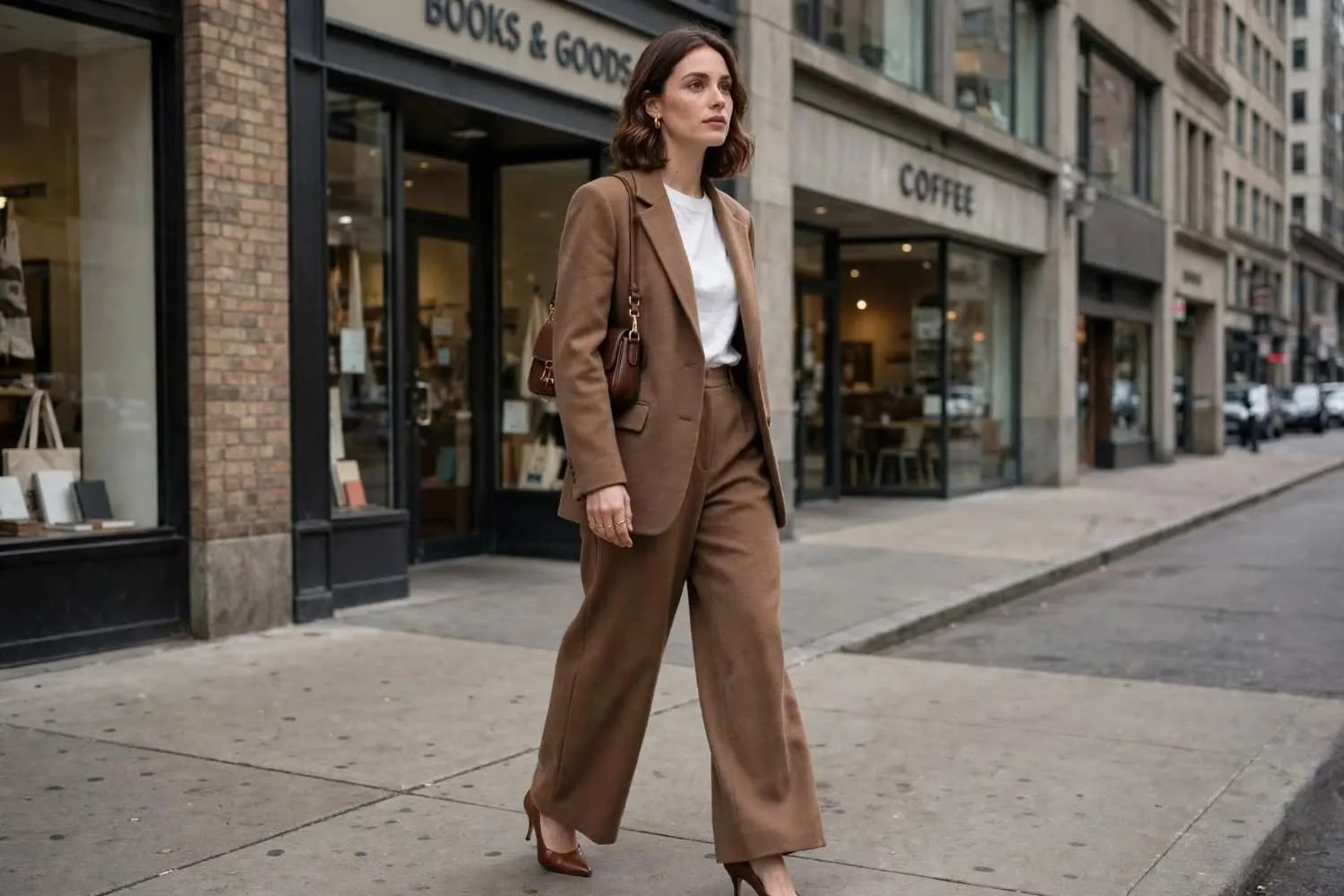
A matching taupe blazer and wide trouser set, worn with a simple white tee and silver jewelry. Cool brown suiting is one of fall’s most underrated power moves — it reads as intentional in a way that black suiting almost feels tired by comparison.
6. Mushroom Midi and Black Boots.
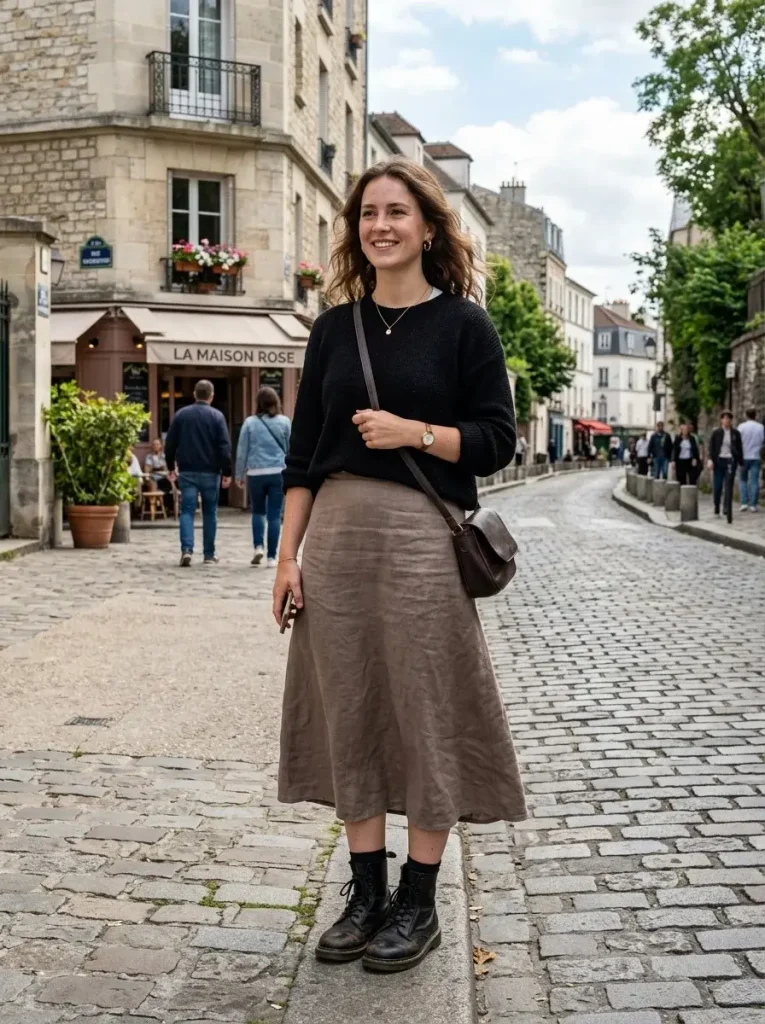
A mushroom-toned slip midi dress layered under a fine black turtleneck, with black ankle boots. The contrast between the cool brown and true black keeps this from feeling washed out.
7. Ash Brown Cardigan Over Everything.

An oversized ash-brown cardigan, nearly floor length, over a black bodysuit and straight black trousers. This cardigan does the same job a coat would, but with a softness that a structured coat can’t offer.
8. Cocoa and White Contrast.
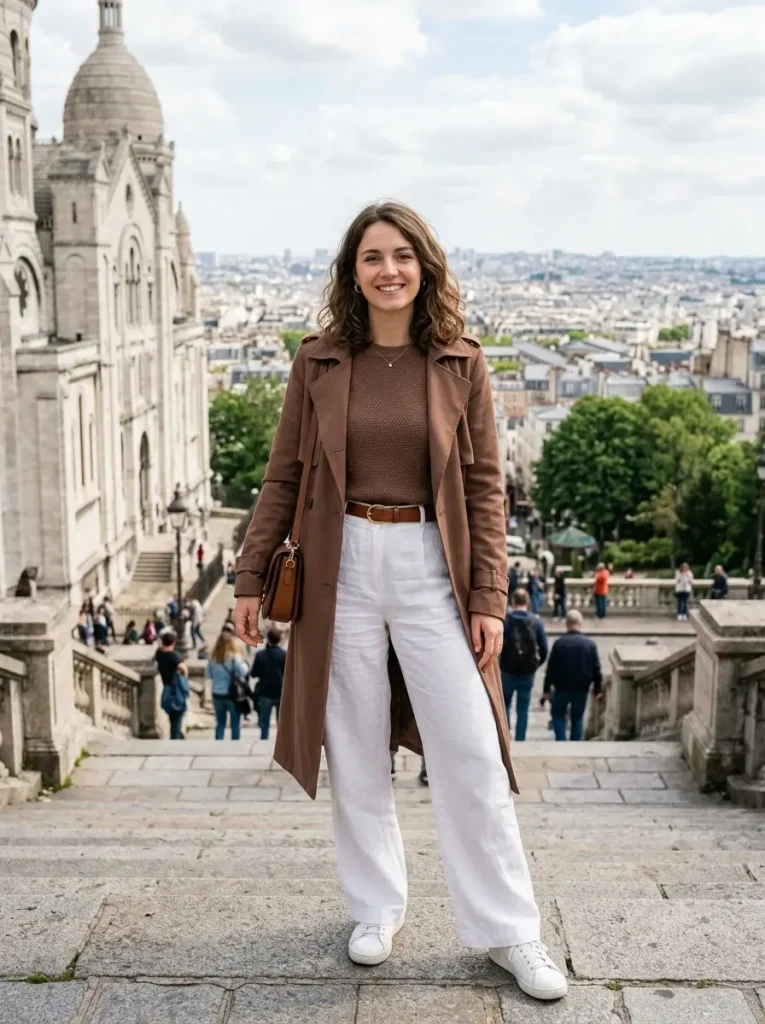
A cocoa-brown knit dress with a crisp white collared shirt underneath, collar and cuffs peeking out, finished with white sneakers. This is a preppy-meets-moody combination I didn’t expect to love as much as I do.
Deep Browns: Chocolate, Espresso, Chestnut, Mahogany
Deep brown is the shade I reach for on the days I want brown to act like black — grounding, dramatic, but somehow warmer.
9. Chocolate Leather Trench.
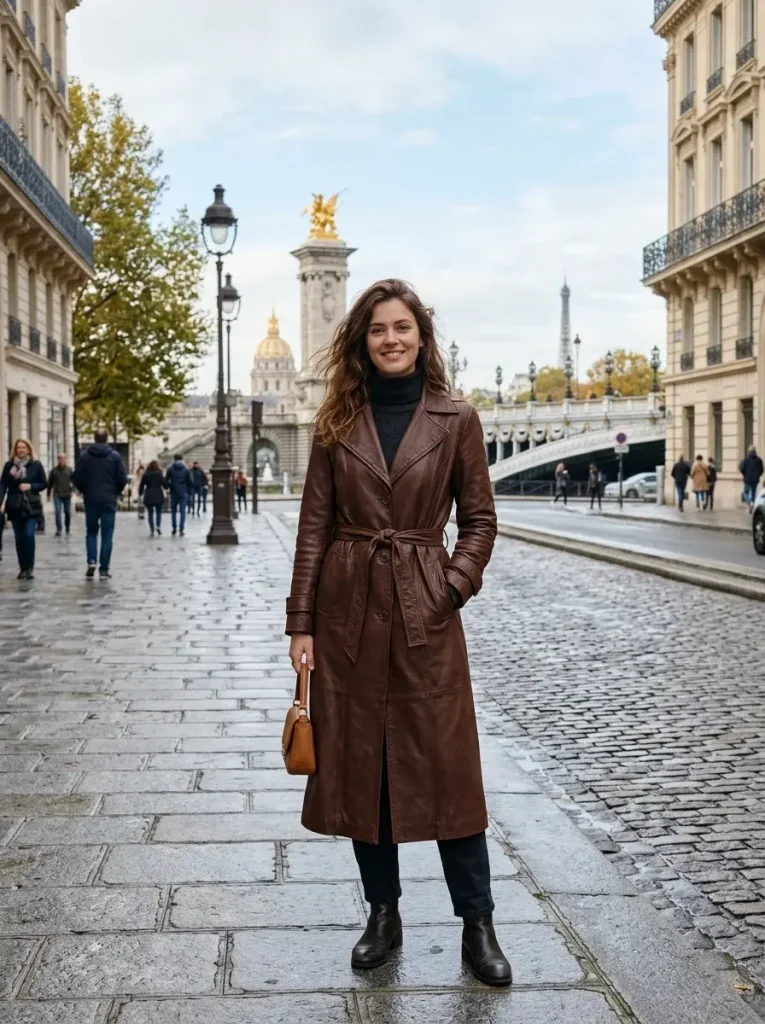
A full-length chocolate leather trench over a simple black slip dress, with black boots. The leather adds shine and weight that a fabric coat can’t match, and it photographs beautifully in low fall light.
10. Espresso Suit, No Shirt Underneath.

An espresso-brown blazer worn with nothing but a bralette underneath, matching espresso trousers, and gold jewelry. This is the deep-brown answer to a black power suit, and it feels less expected walking into a room.
11. Chestnut Sweater Dress.
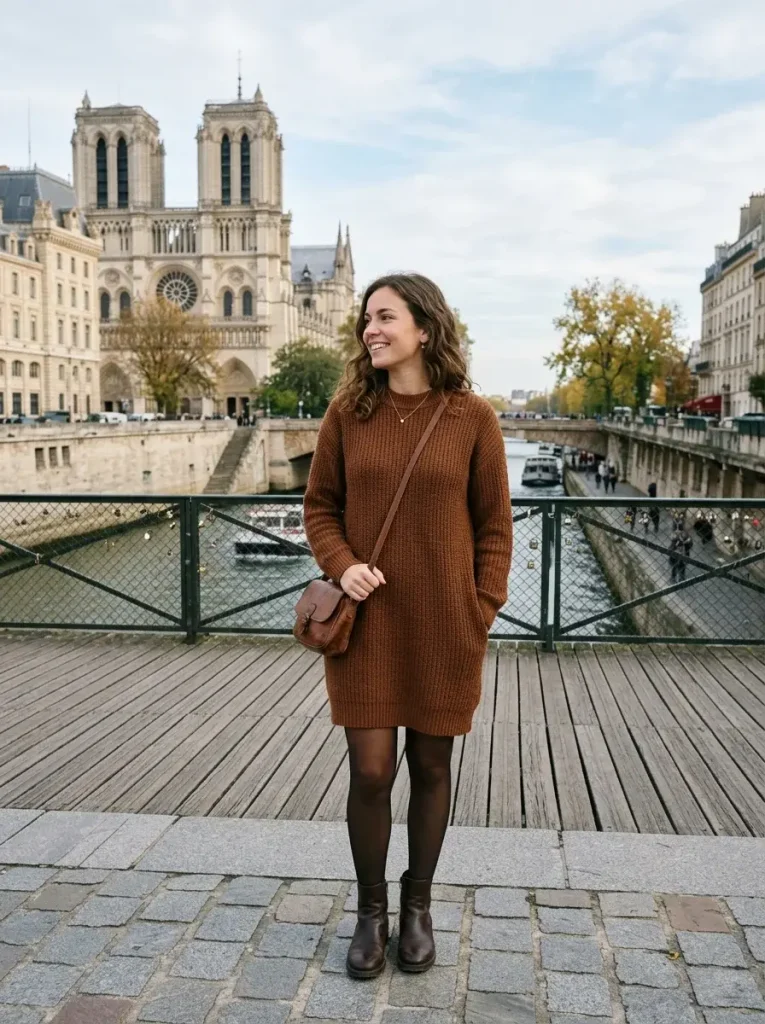
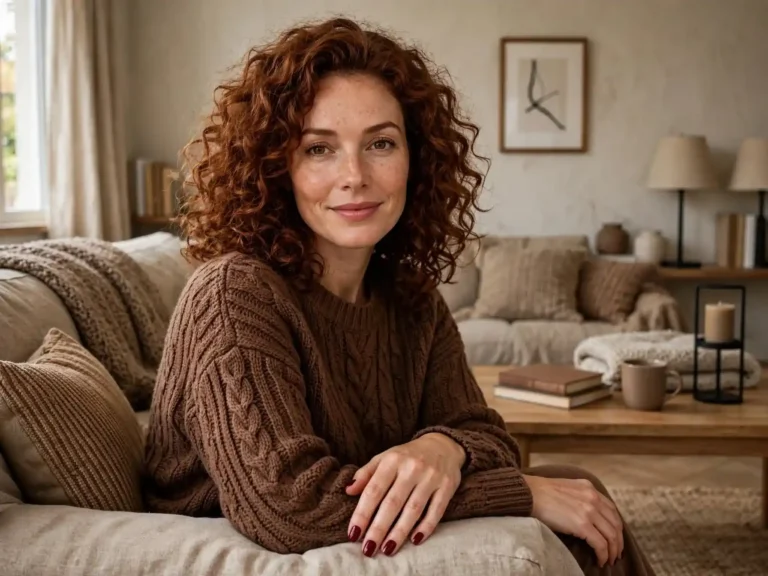
A ribbed chestnut sweater dress, opaque black tights, and knee-high boots in a slightly lighter cognac for contrast. Pairing two different depths of brown in one outfit — deep on top, warmer on the boots — adds dimension instead of flattening everything into one note.
12. Mahogany and Denim.
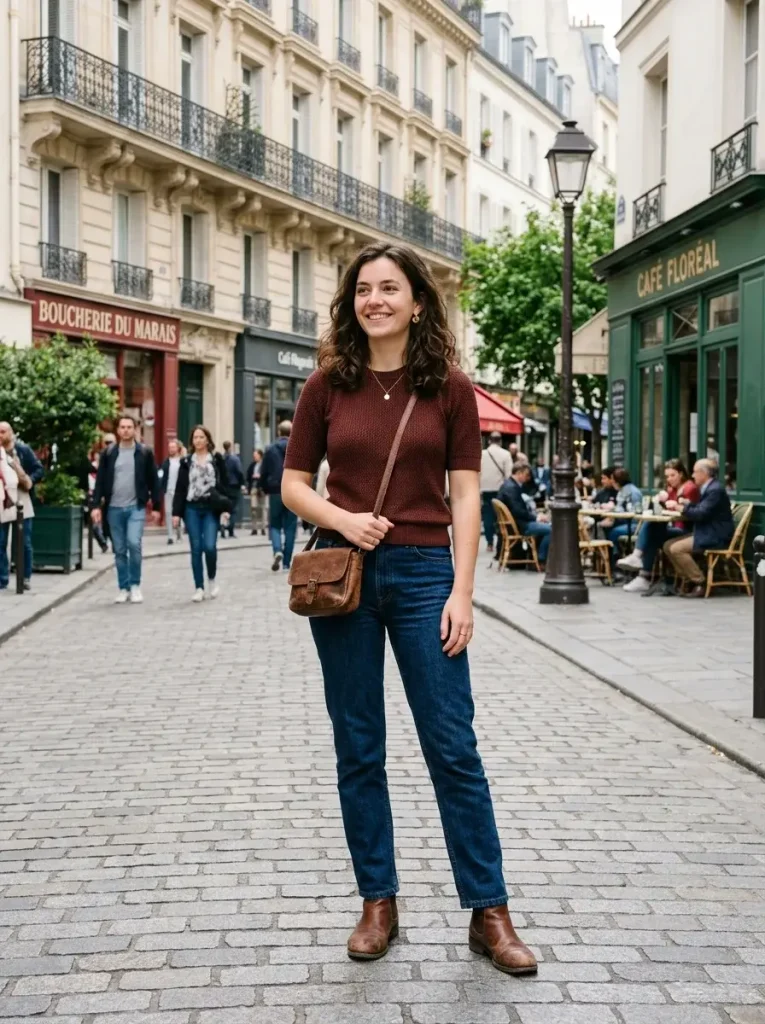
A mahogany-colored oversized shirt worn open over a white tank and straight-leg jeans, with brown Chelsea boots. This is my lazy-Sunday uniform, and it somehow still looks like I planned it.
Light Browns: Toffee, Sand, Biscuit, Oat
The softest family, and the one I recommend if you’ve always found brown “too heavy” — light browns solve that instantly.
13. Toffee Knit Set.
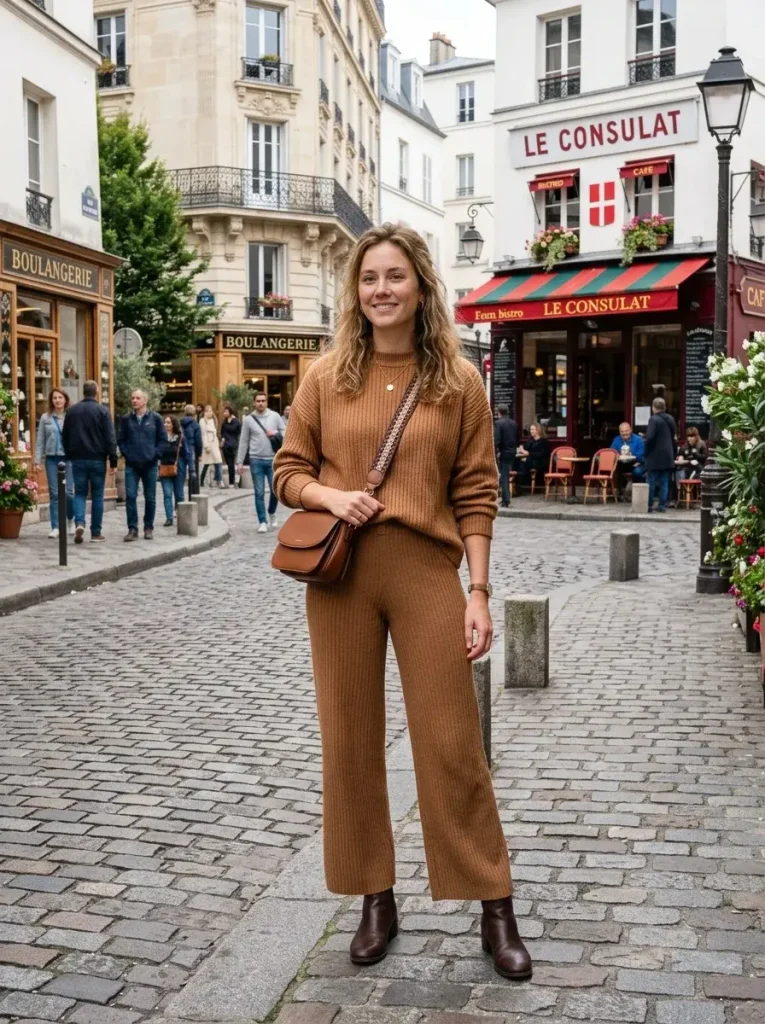
A matching toffee-colored knit top and skirt set, with white sneakers and gold hoops. Light brown knit sets are the color-block alternative to all-black that nobody’s talking about enough.
14. Sand Trench Over Denim.
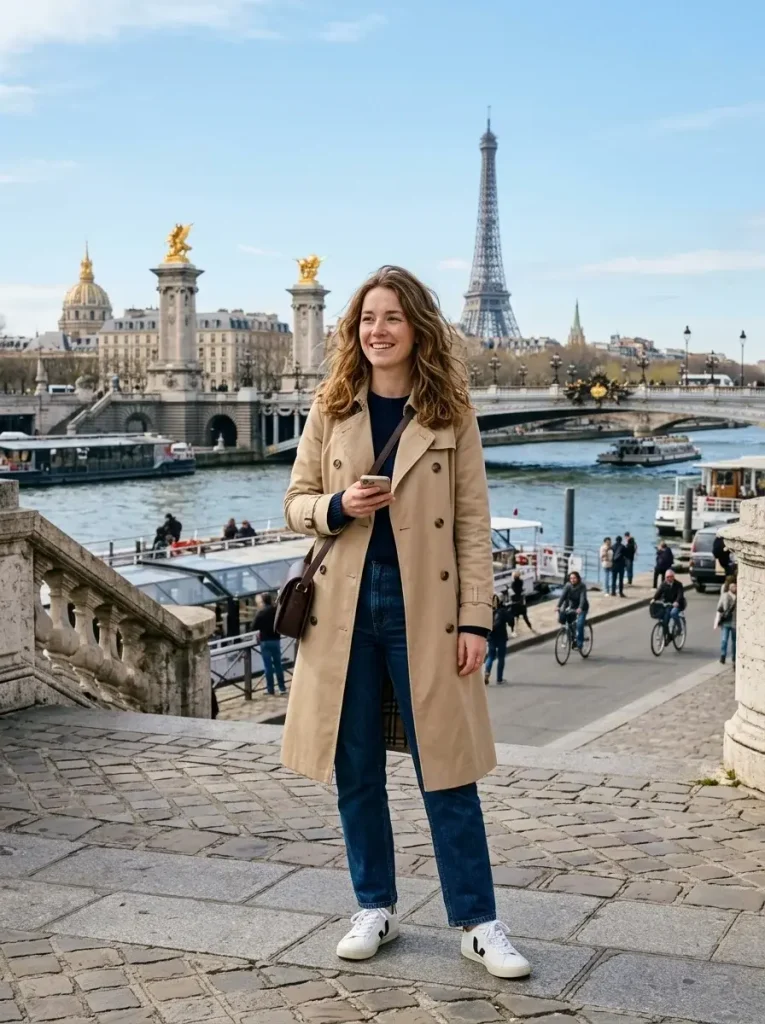
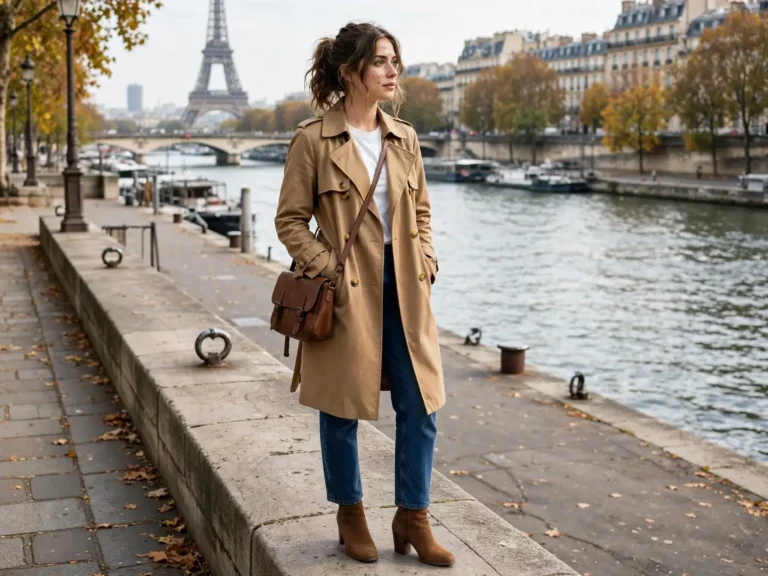
A sand-colored trench coat over a plain white tee and light-wash jeans, with tan sandals or loafers. This is technically a transitional outfit — it works on the warm early-fall days before you need real layers.
15. Biscuit Blazer and Trouser.

A biscuit-toned oversized blazer with matching wide trousers, worn with a simple black cami underneath and black heels. The black cami is doing quiet work here — it grounds an otherwise very light, soft palette so it doesn’t read as washed out.
16. Oat Sweater and Cream Skirt.
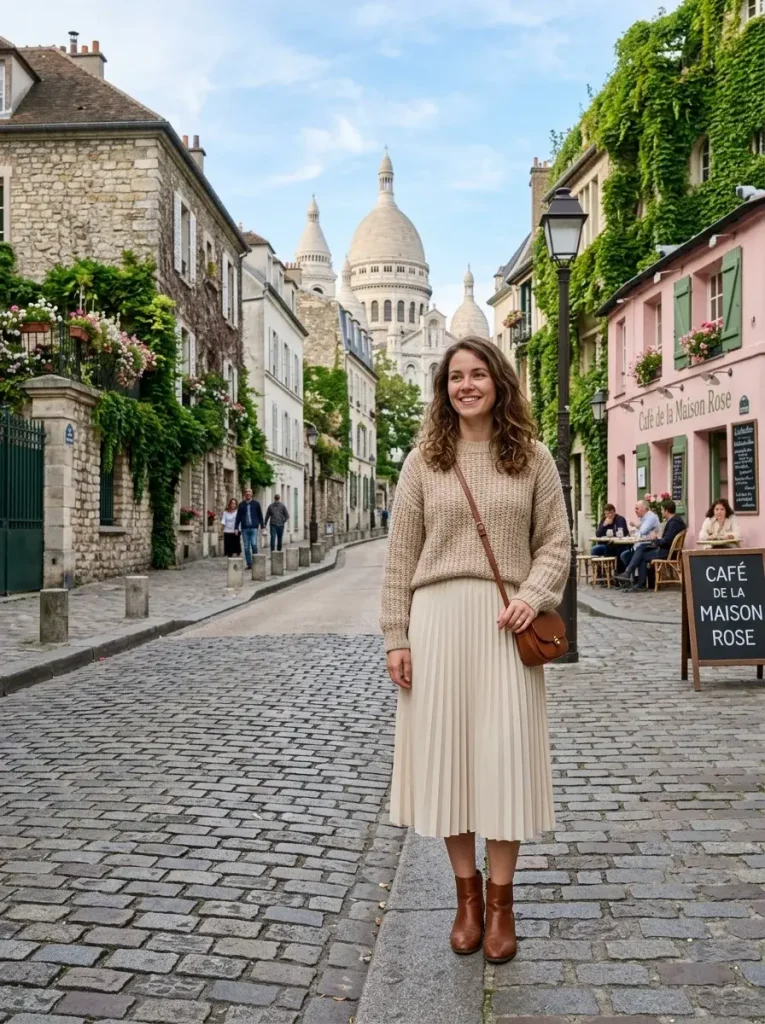
An oat-colored chunky knit sweater tucked into a cream pleated midi skirt, with tan ankle boots. Two very close, very soft shades sitting next to each other create the tonal, almost monochrome effect that’s dominated fall street style the last few seasons.
Something New: Find Your Brown by Skin Undertone
Here’s the part I actually wish someone had told me a decade ago, because I spent years avoiding brown thinking it “didn’t suit me,” when really I was just reaching for the wrong family.
If your skin has warm, golden undertones (you tan easily, gold jewelry looks better on you than silver), reach for the warm brown family first — camel, caramel, cognac, honey. These shades sit close to your natural undertone and will look like they’re glowing rather than sitting on top of your skin.
If your skin has cool, pink undertones (you burn more than tan, silver jewelry suits you better), the cool brown family is your best entry point — taupe, mushroom, ash brown, cocoa. Warm browns can occasionally make cool undertones look a little sallow, while cool browns read as effortlessly chic.
If your skin has neutral undertones (both gold and silver jewelry look fine on you), you genuinely have the most freedom here — you can borrow from every family listed above, which honestly might be the most annoying sentence in this whole article if you have warm or cool undertones and are reading this with a sigh.
And if you have a deeper skin tone, here’s something worth knowing: deep browns like chocolate, espresso, and mahogany tend to create the most striking, richest contrast, while very light browns like oat or biscuit can sometimes flatten against deeper skin the way pale colors can on anyone — worth trying both before you decide, but don’t skip the deep family assuming it’ll disappear into your skin, because it does the opposite.
The Brown Pairing Rule I Use for Everything
One trick, and it’s the one I use more than any other: pick two shades from different families, not the same one, when you want contrast, and two shades from the same family when you want that expensive, tonal, monochrome look. Camel and taupe together can look a little muddy because they’re fighting each other’s undertones. Camel and mushroom, on the other hand — one warm, one cool — creates the kind of contrast that looks deliberate instead of accidental.
Metals, Bags, and the Small Stuff
Gold hardware belongs with warm browns — it’s the family camel, caramel, and cognac were basically made to be worn with. Silver and gunmetal belong with cool browns, especially taupe and mushroom, where gold can occasionally look slightly dated. Deep browns are flexible enough to wear either metal, which is part of why they’re the easiest family to build a whole capsule wardrobe around. As for bags, a structured cognac or chestnut bag is the one accessory I’d tell anyone to buy first — it works across every single family on this list without ever looking wrong.
Mistakes I Made Before I Understood Any of This
I used to buy “a brown coat” without checking which family it belonged to, then wonder why it clashed with brown boots I already owned. Now I check undertone before anything else.
I avoided brown entirely for years because one bad camel sweater made my skin look dull, never realizing the problem was the shade family, not the color itself.
I used to treat brown as the “safe” choice I reached for when I couldn’t decide on anything else, which meant I never actually styled it with any intention — just threw it on and hoped. The outfits above changed that completely; brown, done properly, is not a fallback. It’s a whole wardrobe.
One Last Thing
Brown got a reputation as the boring neutral, but that’s only true if you only ever reach for one shade of it. There are entire moods hiding inside this color — warm and glowing, cool and architectural, deep and dramatic, soft and quiet — and most people have only ever tried one.
Go stand in front of your closet and actually sort your browns by family instead of just “brown.” I promise you’ll find more range in there than you think.
Which family matches your undertone — warm, cool, deep, or light? Save this one before your next shopping trip, and send it to the friend who swears she “doesn’t wear brown.”