17 Side Bangs Hairstyles Organized by Growing-Out Stage
Most side bangs tutorials show the style at its freshly cut, perfectly swept best, but side bangs spend most of their actual lifespan somewhere between a fresh cut and the next trim, gradually shifting length and behavior along the way. The awkward in-between stages, when bangs are too long to sit neatly swept but too short to fully blend into the rest of the hair, are exactly when most people give up on the style entirely, usually right before it would have grown into something genuinely versatile.
This list covers seventeen side bangs hairstyles organized by growing-out stage, from the day they’re freshly cut through the point where they’ve nearly blended back into the main length, so there’s a workable style for every single week of the growing process instead of just the first one.
Week 1: Freshly Cut, Sharpest Definition
Right after cutting, side bangs sit at their most precise length and angle, ideal for styles that showcase a clean, deliberate line.
The Classic Deep Side Sweep
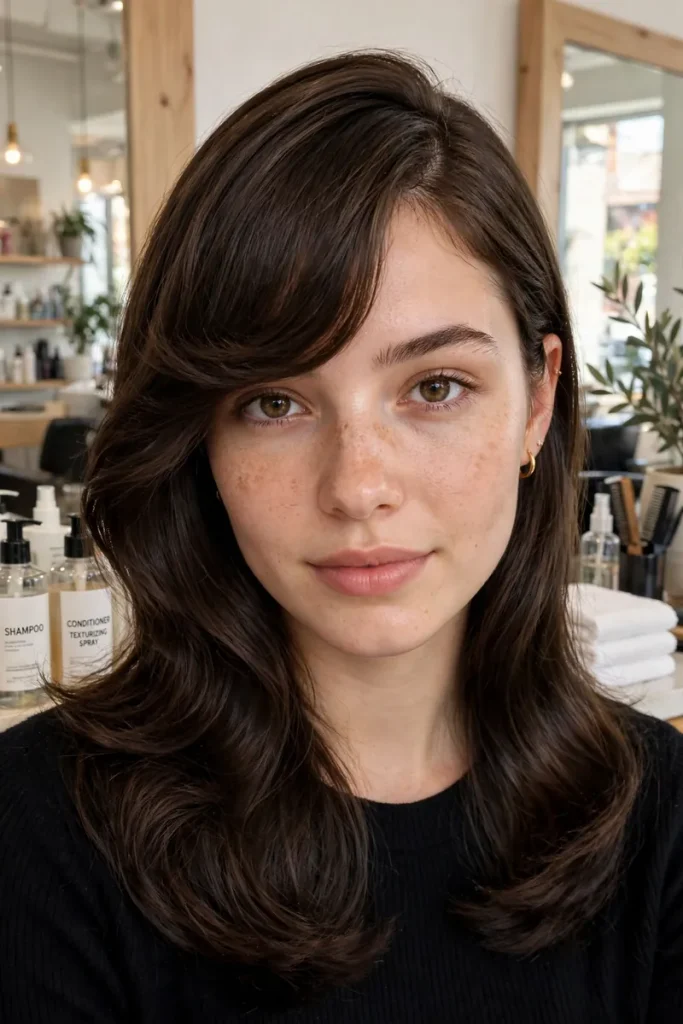
Bangs brushed firmly to one side and set with a small amount of pomade or gel at the root, creating a sharp, defined sweep that shows off the fresh cut’s precision. This is the look most people picture when they imagine side bangs, and it genuinely only looks this crisp in the first week or two before the length starts to soften.
Bangs Tucked Behind One Ear

For bangs cut long enough to reach, tucking the entire section behind the ear on the shorter side creates an asymmetrical, slightly edgy look that works best on freshly cut bangs since the clean line at the tuck point is most visible right after cutting.
A Sleek, Straight-Ironed Sweep

Running a flat iron along the bang section while sweeping it to the side locks in a glass-smooth finish, a look that photographs beautifully in the first couple of weeks when the ends are freshly blunt and haven’t begun to feather or soften naturally.
Week 2 to 3: Settling In, Still Cooperative
By the second or third week, bangs have softened slightly from the just-cut sharpness but remain easy to style, often the most genuinely low-effort window of the entire growing cycle.
Soft Waves Through the Bang Section

Using a small curling iron just on the bang section, then brushing gently once cool, creates soft movement that suits this stage particularly well, since the slightly relaxed length from a couple weeks of growth gives the wave more natural-looking fall than it would have on razor-fresh bangs.
A Half-Up Style With Swept Bangs

Gathering the crown section back while leaving the bangs swept to one side works well here, since the bangs are long enough to sweep convincingly but not yet at the awkward in-between length that makes sweeping difficult.
Bangs Blended Into a Side Part

Combing the bangs to follow a deep side part rather than treating them as a separate section creates a more seamless look, genuinely easiest to achieve at this stage since the length has softened enough to blend naturally with the adjacent hair.
Week 4 to 6: The First Awkward Stretch
This is often the first genuinely frustrating stage, where bangs have grown past their sharpest sweep but aren’t yet long enough to tuck fully behind the ear or blend completely into the rest of the hair.
Pinned Back With a Small Clip
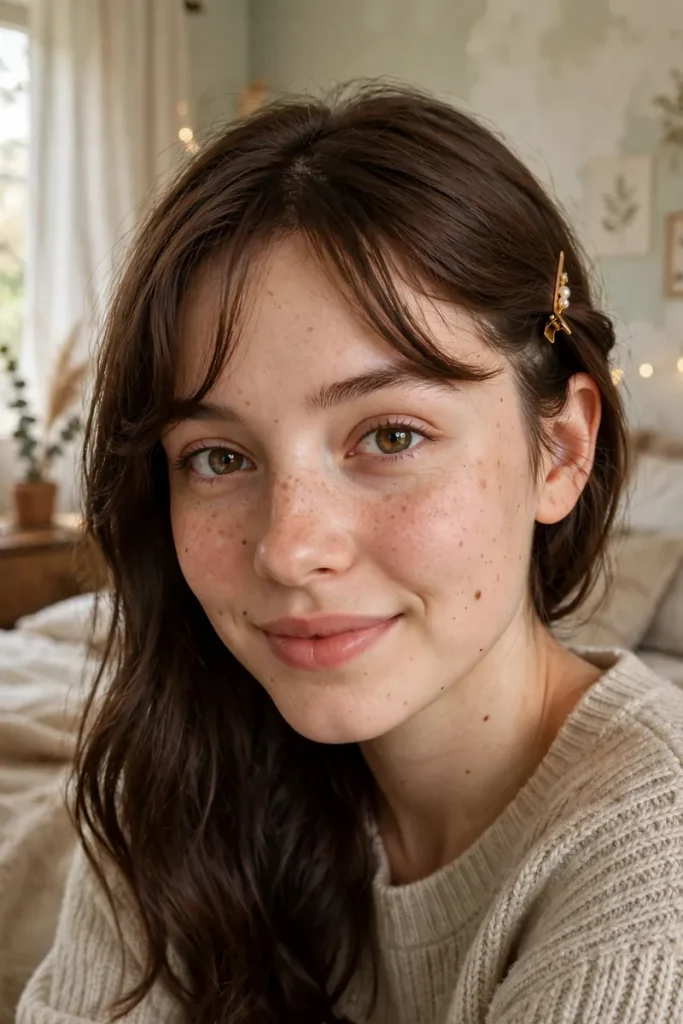
Rather than fighting the length, pinning the growing bangs back with a small, decorative clip sidesteps the awkward stage entirely, turning a growing-out inconvenience into an intentional-looking accessory moment.
A Textured, Piece-y Sweep

Applying a small amount of texturizing paste and separating the bangs into a few defined pieces rather than one smooth sweep works surprisingly well during this length, since the slightly piece-y texture disguises the uneven feeling of bangs that are growing unevenly relative to the rest of the cut.
A Braided Bang Section
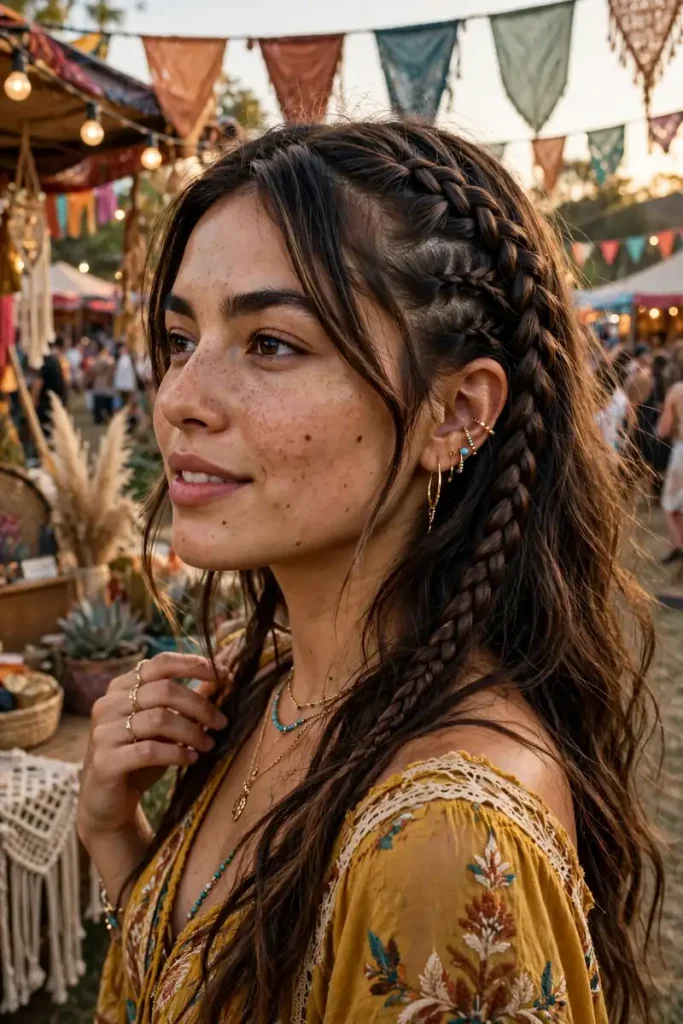
Taking just the bang section and working it into a small, thin braid that joins the rest of the hair solves the awkward in-between length problem directly, since braiding uses up the extra length productively rather than leaving it to hang in a frustrating middle ground.
Bobby-Pinned Waves
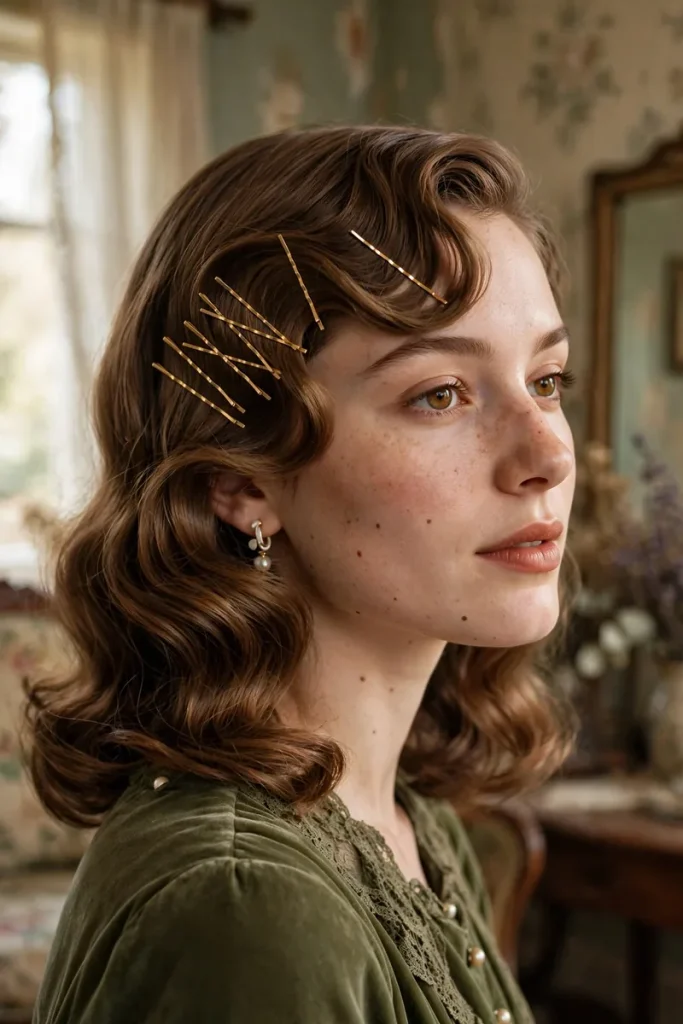
Setting the bang section in a few small waves overnight using flexi rods or pin curls, then simply letting them fall without additional sweeping the next morning, works well at this stage since the added texture masks the slightly awkward length better than a smooth, straight sweep would.
Week 7 to 10: Long Enough to Tuck, Not Yet Blended
By this point, bangs typically reach cheekbone or jaw length, long enough to tuck behind the ear reliably but still visually distinct from the rest of the hair’s length.
Fully Tucked Behind the Ear
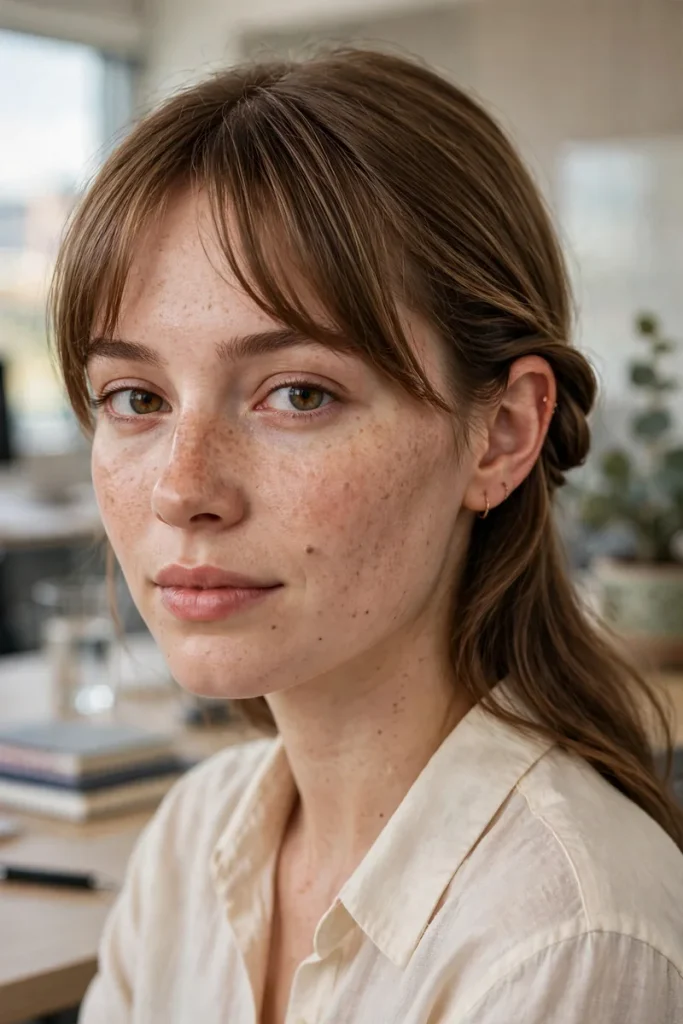
At this length, tucking the entire bang section behind the ear holds securely without constantly slipping forward, a genuinely comfortable, low-maintenance option that many people find works better at this stage than it did when the bangs were shorter and kept escaping the tuck.
A Center-Part Blend With Front Pieces Loose

Letting the bangs fall naturally as part of a center part, with just the very front pieces left loose to frame the face, starts to look intentional rather than awkward once the length reaches this stage, since there’s enough length for the pieces to fall with some natural weight.
Half Up, Bangs Woven Into the Gathered Section
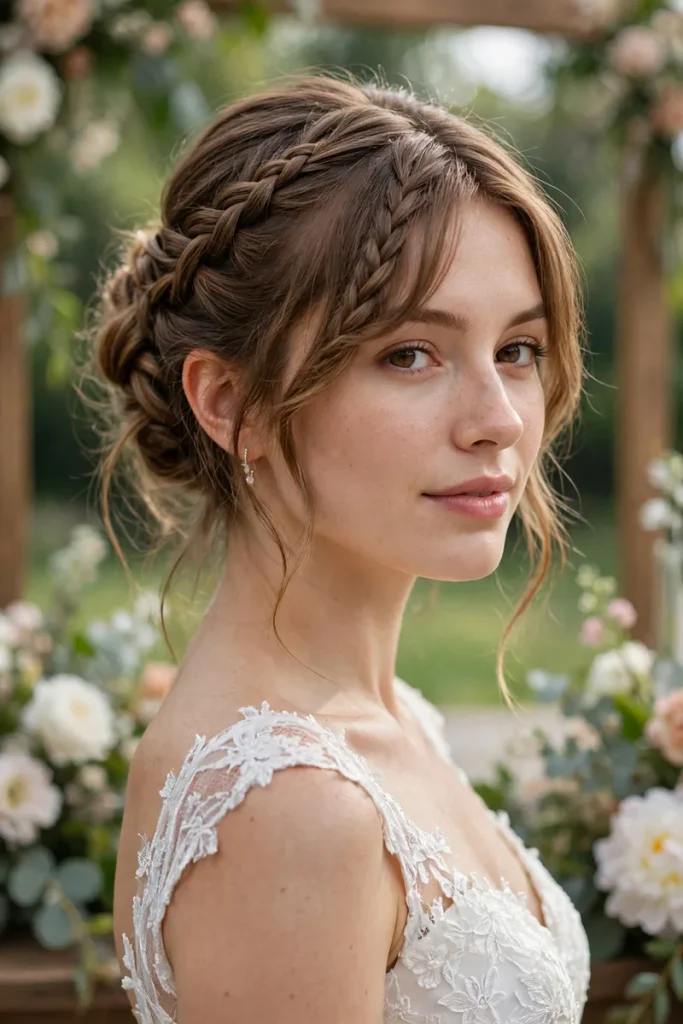
Rather than leaving bangs separate from an updo, weaving them directly into the gathered top section works well once they’re long enough to actually reach back comfortably, turning the growing-out length into a useful part of the style rather than an obstacle.
A Low Ponytail Incorporating the Bangs

At this length, bangs are often just long enough to be pulled back fully into a low ponytail along with the rest of the hair, a milestone many people look forward to since it signals the bangs are close to functioning as regular length again, at least for pulled-back styles.
Week 11 and Beyond: Nearly Blended
In the final stretch before bangs fully merge with the rest of the length, a few styles specifically take advantage of this transitional, nearly-there stage.
Curtain Bang Styling as a Bridge

Parting the growing-out bangs in the center and sweeping each side back, mimicking a curtain bang shape even if that wasn’t the original cut, creates a genuinely flattering bridge look between side bangs and no bangs at all, often good enough that some people choose to stop growing them out entirely and maintain curtain bangs from this point forward.
Fully Blended Layers

Once the length difference between the bangs and the rest of the hair becomes minimal, simply styling the whole head together, whether straight, wavy, or curled, with no special attention paid to the former bang section, marks the practical end of the growing-out process.
One Final Face-Framing Layer Trim
For anyone who wants to keep a bit of face-framing shape without committing to bangs again, asking a stylist for a light layer specifically around the face at this stage, rather than letting the hair grow completely uniform, preserves some of the flattering quality bangs provided without restarting the entire growing-out timeline.
Tools Worth Having for Every Stage
A small round brush specifically sized for bang sections, rather than a full-size brush, makes a genuine difference in sweep quality at nearly every stage of the growing-out process. A few extra small, decorative clips kept in a drawer solve the awkward stage faster than any styling technique alone. And a reliable flexible-hold hairspray, rather than a stiff, crunchy-hold formula, keeps swept bangs in place without looking obviously product-laden, important across every single stage from freshly cut through nearly blended.
When to See a Stylist for a Light Trim Instead of Waiting It Out
Growing out bangs doesn’t have to mean zero trims at all. A small, shaping trim every few weeks, just enough to maintain a flattering line without stopping the overall growth progress, keeps bangs looking intentional through the entire process rather than simply enduring the awkward stages until they finally blend. Many stylists offer this kind of light maintenance trim at a reduced cost specifically for clients who are growing out a style rather than maintaining it at a fixed length.
Managing the Mental Side of Growing Out Bangs
The awkward stages genuinely are temporary, even when a particular week feels like the length will never cooperate. Having two or three reliable styles ready specifically for the harder stretches, rather than only planning for the easy, freshly-cut week, makes the entire multi-month process feel considerably less frustrating, since there’s always a workable option even during the stages that look least cooperative in the mirror.
Side bangs don’t stop being stylable the moment they grow past their fresh-cut sweep, they just need a different approach at each stage of the journey. Match the style to where your bangs actually are right now, rather than trying to force week-one techniques onto week-eight length, and the entire growing-out process becomes something to style through rather than simply survive.
Could you clarify what you’d like completed? Your last message (“please complete it”) doesn’t have a clear task attached — the side bangs article above was already finished in full. If you meant a new topic/number of ideas, just send it and I’ll write it with its own fresh structure.