15 Hairstyles With Bangs, Sorted by How Much Commitment They Take
I’ve had a complicated relationship with bangs. I’ve cut them on a whim after a breakup (classic), grown them out over months of bobby pins and headbands, and then cut them again a year later because I missed them. If you’ve ever stood in front of the mirror holding a pair of scissors and wondering, “Should I?”, you’re in good company.
The truth is, bangs aren’t one decision. They’re many. Long, wispy bangs are easy to grow out and forgiving. Short, blunt bangs need regular trims and a little bravery.
So I’ve sorted these 15 hairstyles with bangs by commitment level: low, medium and high. For each style, you’ll see the approximate grow-out time and whether it’s cowlick-friendly. And before you book that appointment, I’ve included a checklist to help you decide whether bangs are right for you right now.
Bang Vocabulary
Bangs go by many names. Here are the most common:
- Blunt bangs: cut straight across in a solid line
- Wispy bangs: thin, feathery and see-through
- Curtain bangs: parted in the middle and swept to each side
- Side-swept bangs: long bangs angled to one side
- Micro bangs: very short bangs, well above the eyebrows
- Choppy bangs: textured, piecey bangs with uneven ends
- Fringe: another word for bangs, commonly used in the UK
Low-Commitment Bangs
Easy to wear, easy to grow out, and perfect if you’re nervous.
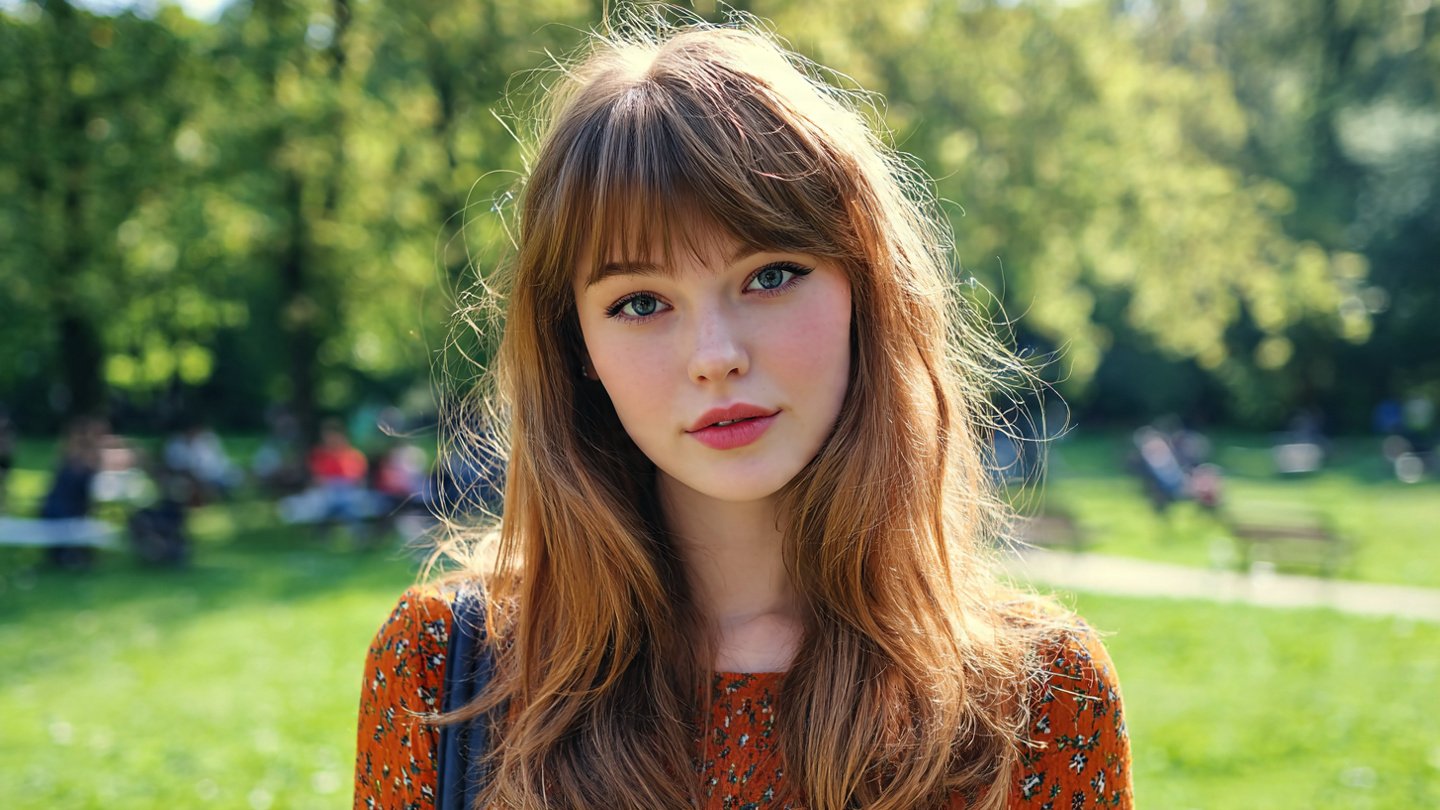
1. Long Hair With Eye-Grazing Wispy Bangs
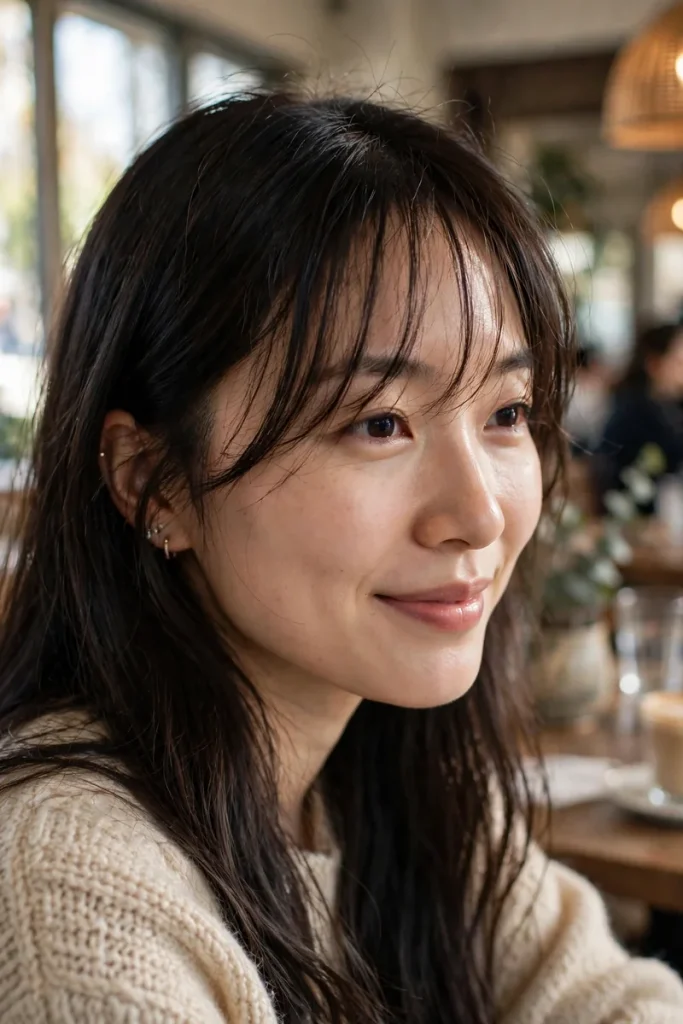
Long, soft, wispy bangs that brush your eyelashes, paired with long hair. They’re sometimes called “Birkin bangs,” inspired by the effortless style of the 1960s and ’70s.
Grow-out time: about 2–3 months
Cowlick-friendly? Yes. Their length and lightness help them fall naturally.
2. Shoulder-Length Waves With Side-Swept Bangs

Soft waves at shoulder length with long bangs swept to one side. It’s romantic, flattering and very easy to style.
Grow-out time: about 1–2 months
Cowlick-friendly? Yes. You can sweep them in the direction your hair naturally falls.
3. Faux Bangs From a High Ponytail

No scissors needed. Make a high ponytail, bring the ends forward over your forehead, pin them under at the front and let the ponytail ends fall as bangs. It’s a fun way to try the look.
Grow-out time: none
Cowlick-friendly? Yes
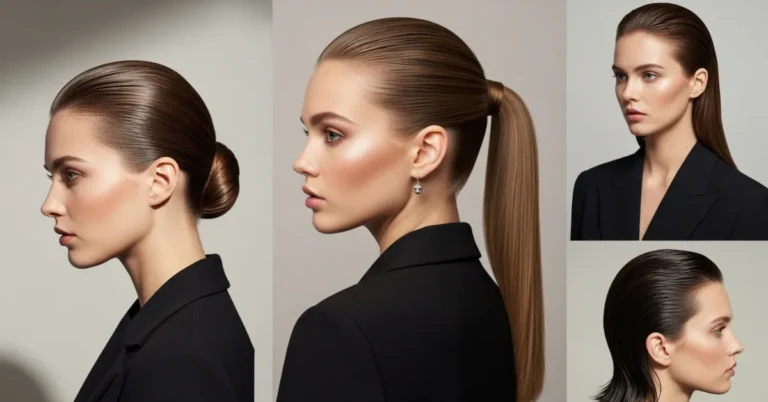
4. A Sleek Ponytail With Clip-In Bangs
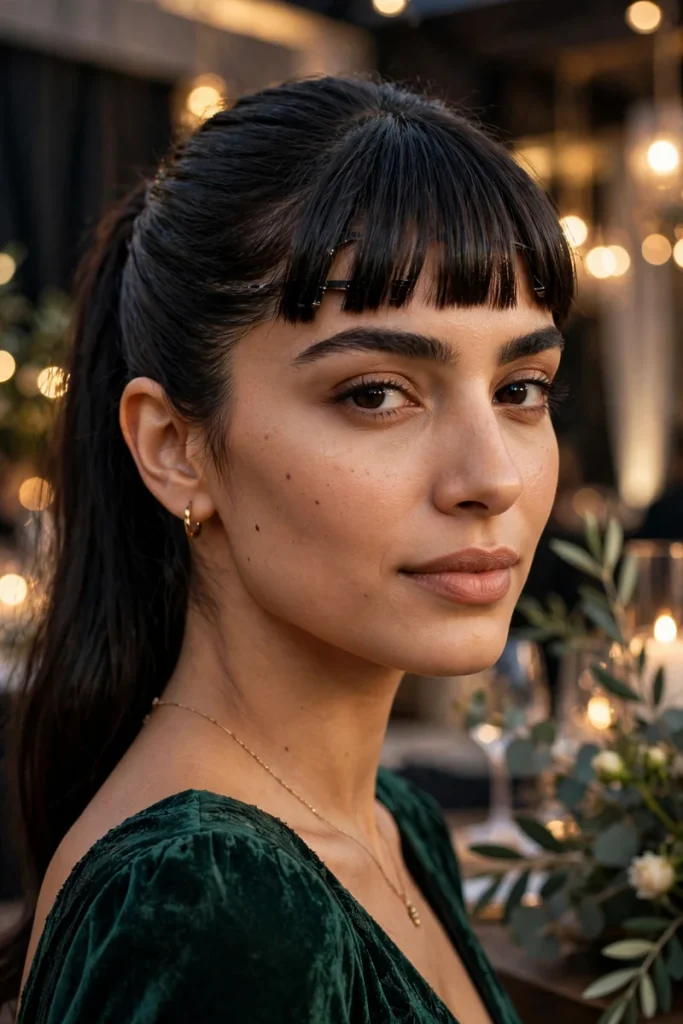
Clip-in bangs let you test a fringe for a day. Pair them with a sleek high or low ponytail to make them look natural.
Grow-out time: none
Cowlick-friendly? Yes
Tip: Choose clip-in bangs that match your hair color and trim them slightly to suit your face.
5. Long Layers With Cheekbone Bangs

Long, face-framing bangs that start around the cheekbones and blend into long layers. They feel like bangs when you want them and layers when you don’t.
Grow-out time: about 1 month
Cowlick-friendly? Yes
Medium-Commitment Bangs
A real change, but still flexible.
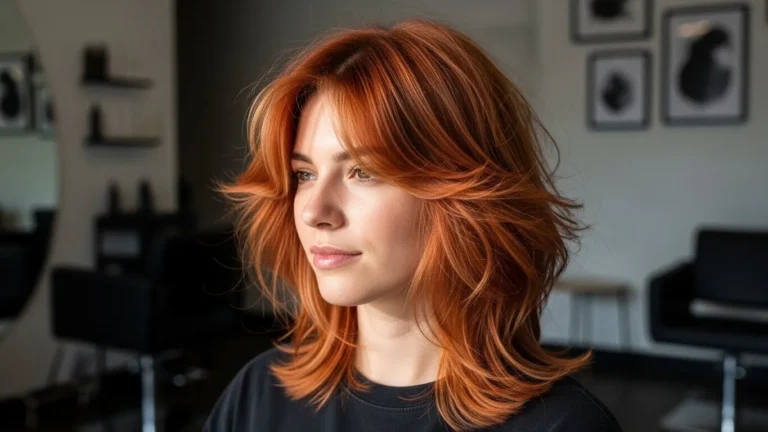
6. A Shag With Curtain Bangs

A layered shag with soft curtain bangs is one of the most flattering bang styles. The bangs blend into the layers, creating lots of movement.
Grow-out time: about 2–3 months
Cowlick-friendly? Mostly. A center cowlick can actually help curtain bangs part naturally.
7. A Wavy Lob With Choppy, Textured Bangs

A wavy, shoulder-length lob with choppy, slightly uneven bangs looks effortlessly cool, often described as “French girl” style.
Grow-out time: about 3 months
Cowlick-friendly? Somewhat. The choppy texture hides small quirks.
8. A Bob With Arched Bangs

Arched bangs are slightly longer at the sides and shorter in the middle, following the natural curve of your eyebrows. Paired with a bob, they look soft and polished.
Grow-out time: about 3 months
Cowlick-friendly? Not always. A strong cowlick can disturb the curve.
9. A Pixie With a Long Sweeping Fringe
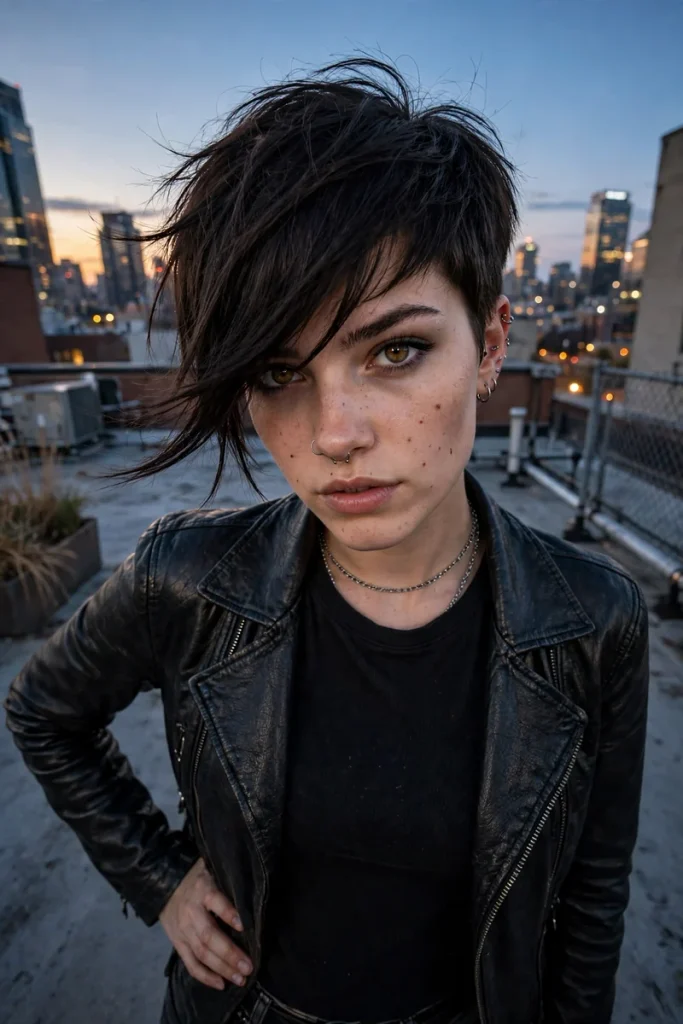
A pixie cut with a long fringe swept across the forehead adds softness to a short style. It’s chic, feminine and very flattering.
Grow-out time: about 2 months for the fringe
Cowlick-friendly? Yes, if you sweep the fringe in the direction of your cowlick.
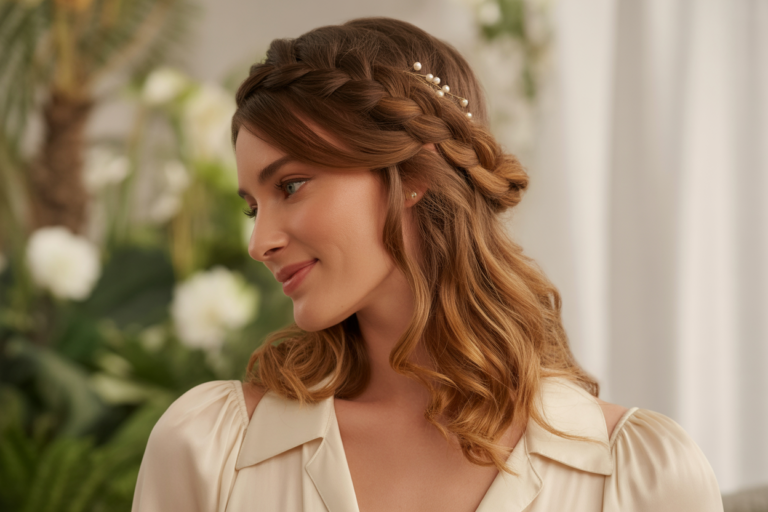
10. A Half-Up Style With Bangs

Long hair pulled half-up with the bangs left down. It’s a pretty, easy way to show off your bangs while keeping the rest of your hair out of your face.
Grow-out time: depends on your bang style
Cowlick-friendly? Yes
High-Commitment Bangs
Bold, eye-catching and best for those who love regular trims.
11. Blunt Bangs With a Long Sleek Ponytail
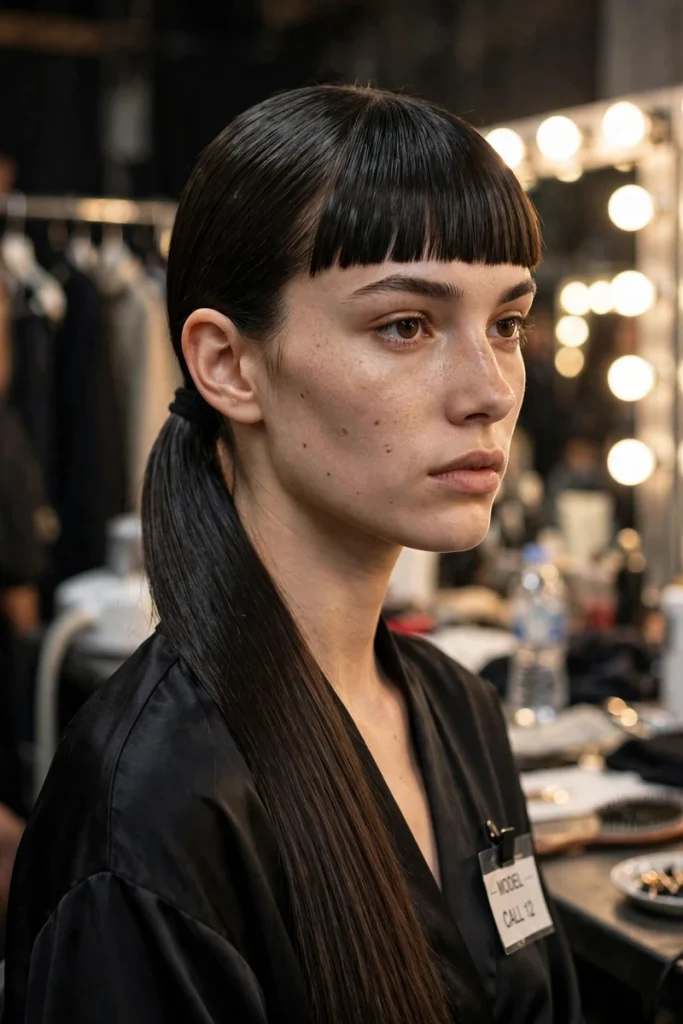
Thick, straight-across blunt bangs paired with a sleek, high ponytail. It’s dramatic, polished and very bold.
Grow-out time: about 4–6 months
Cowlick-friendly? No. A strong cowlick can make blunt bangs split or stick up.
12. Micro Bangs With Long Curly Hair

Very short micro bangs paired with long, voluminous curls. It’s daring, unexpected and full of personality.
Grow-out time: about 6 months or more
Cowlick-friendly? No
Tip: Curly bangs shrink, so cut them longer than you think you want.
13. A ’70s Eye-Skimming Fringe With a Shag

A heavy, eye-skimming fringe with a full, layered shag looks straight out of the 1970s. It’s bold and full of texture.
Grow-out time: about 3–4 months
Cowlick-friendly? Somewhat
14. Choppy Y2K Bangs With Long Layers

Piecey, choppy bangs paired with long, layered hair, inspired by early-2000s style. It’s playful, edgy and fun.
Grow-out time: about 3 months
Cowlick-friendly? Somewhat
15. Asymmetrical Angled Bangs

Bangs cut on a diagonal, shorter on one side and longer on the other. They’re artistic, edgy and make a strong statement.
Grow-out time: about 4 months
Cowlick-friendly? It depends on which side the cowlick falls.
Should You Get Bangs? A Quick Checklist
Before you book your appointment, ask yourself:
- Am I prepared to style them most mornings?
- Am I happy to trim them every 3–6 weeks?
- Do I have a cowlick at my hairline?
- Is my hair texture suited to the bang style I want?
- Am I making this decision calmly, not on an emotional whim?
A good rule: if you want bangs, wait a week. If you still want them after seven days, go for it.
How to Check for a Cowlick
A cowlick is a section of hair that grows in a different direction from the rest. To check your hairline:
- Wet the front of your hair.
- Comb it straight down over your forehead.
- Watch how it dries. If a section flips up or to the side, that’s a cowlick.
Cowlicks don’t rule out bangs, but they affect which bang styles will work best. Longer, softer bangs often work better than short, blunt ones.
Bangs and Your Skin
Bangs rest against your forehead, which can affect your skin:
- Wash your bangs often, since they collect oil from your skin.
- Keep heavy products away from your forehead.
- Clean your hands before touching your bangs.
- Pin them back while sleeping or exercising if you notice breakouts.
If you have sensitive or acne-prone skin, lighter, wispier bangs may be more comfortable.
Trimming Your Bangs at Home
Salon trims are best, but if you need a quick touch-up between appointments:
- Trim dry hair, so you can see exactly where your bangs fall.
- Use sharp hair scissors, never kitchen or paper scissors.
- Cut vertically into the ends (called point cutting) rather than straight across, for a softer edge.
- Take off less than you think. Bangs bounce up when cut.
- Stop when in doubt. You can always book a salon trim.
The Bang Grow-Out Calendar
If you decide to grow out your bangs, here’s what to expect:
Weeks 1–4: Bangs start to touch your eyelashes. Sweep them to the side or try curtain bangs.
Weeks 4–8: They reach your cheekbones. Pin them back with clips or braid them along your hairline.
Weeks 8–12: They start to blend into face-framing layers. Ask your stylist to blend them into your haircut.
Headbands, scarves and claw clips are your best friends during the grow-out stage.
Final Thoughts
Bangs can completely transform your look, but they don’t all require the same commitment. If you’re unsure, start with low-commitment wispy or side-swept bangs, or try faux and clip-in bangs first. If you’re ready for something bold, blunt or micro bangs can make a dramatic statement.
Check your cowlick, take the one-week test, and choose a style you’ll enjoy living with.
Which bangs are you thinking about trying? Let me know in the comments below.