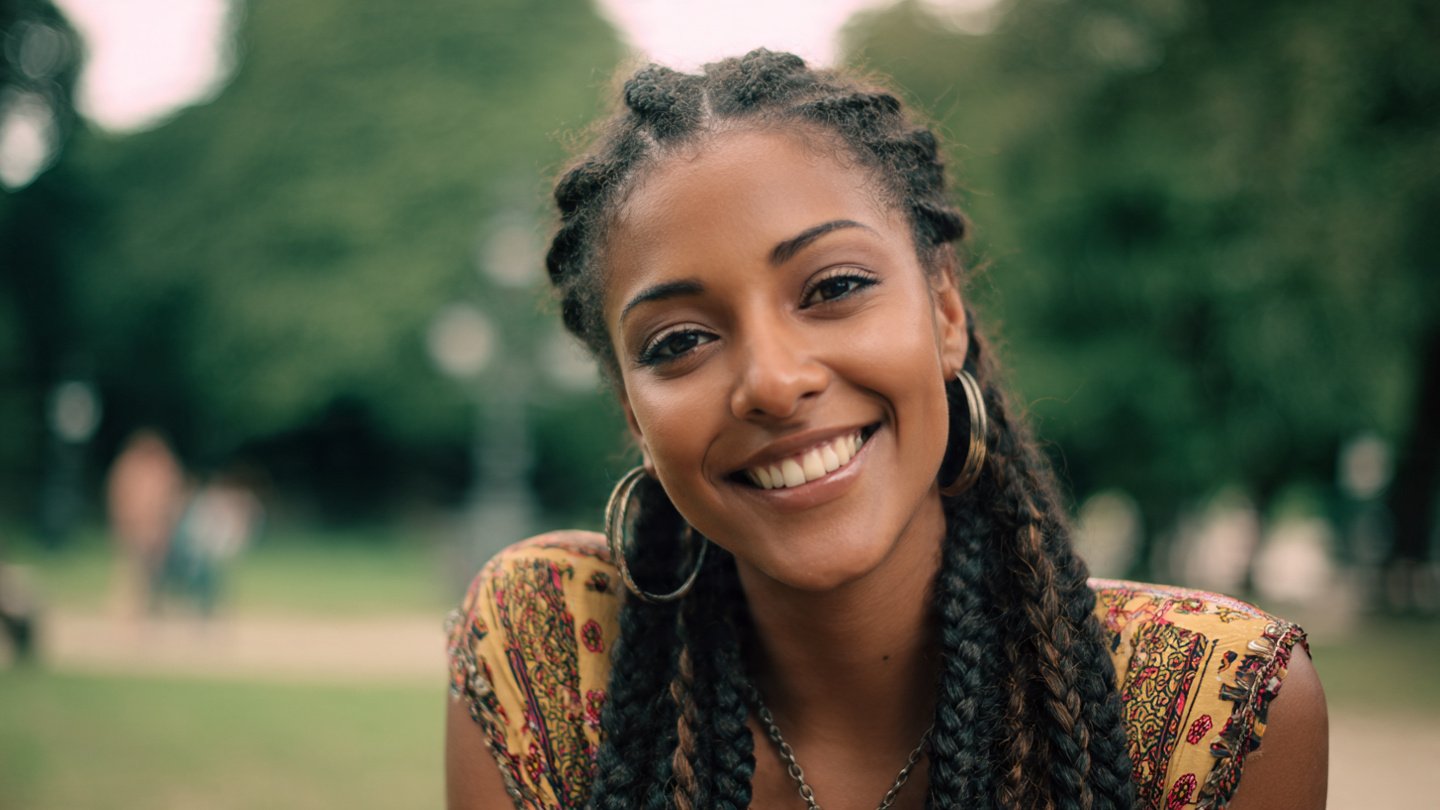
13 Weave Hairstyle Ideas, Organized by Installation Method
My first sew-in was a gift to myself before a big trip. I wanted something that would look polished every single day without hours of styling in a hotel bathroom. I walked out of the salon with silky, bouncy hair that lasted the entire trip and beyond. I was hooked.
What I didn’t realize back then was how much the installation method affects everything: how natural it looks, how versatile it is, how long it lasts and how much of my own hair shows.
So I’ve organized these 13 weave hairstyle ideas by installation method: traditional sew-ins with leave-out, closure sew-ins, frontal sew-ins, quick weaves and versatile sew-ins. For each style, you’ll see whether it uses leave-out (your own hair blended in) and roughly how many bundles you might need. Every stylist and hair brand is different, so think of these as starting points to discuss with your stylist.
What Is a Weave?
A weave is a hairstyle where extensions, usually sold in bundles or “wefts,” are attached to your natural hair. The most common method is a sew-in, where your natural hair is braided flat to your head and the wefts are sewn onto the braids with a needle and thread.
It’s different from a wig, which is a complete unit you can take on and off, and from clip-in extensions, which are temporary.
Traditional Sew-Ins With Leave-Out
Leave-out means some of your natural hair, usually at the top or front, is left out and blended over the extensions. It creates a very natural-looking hairline and part.
1. Sleek Middle-Part Straight Sew-In
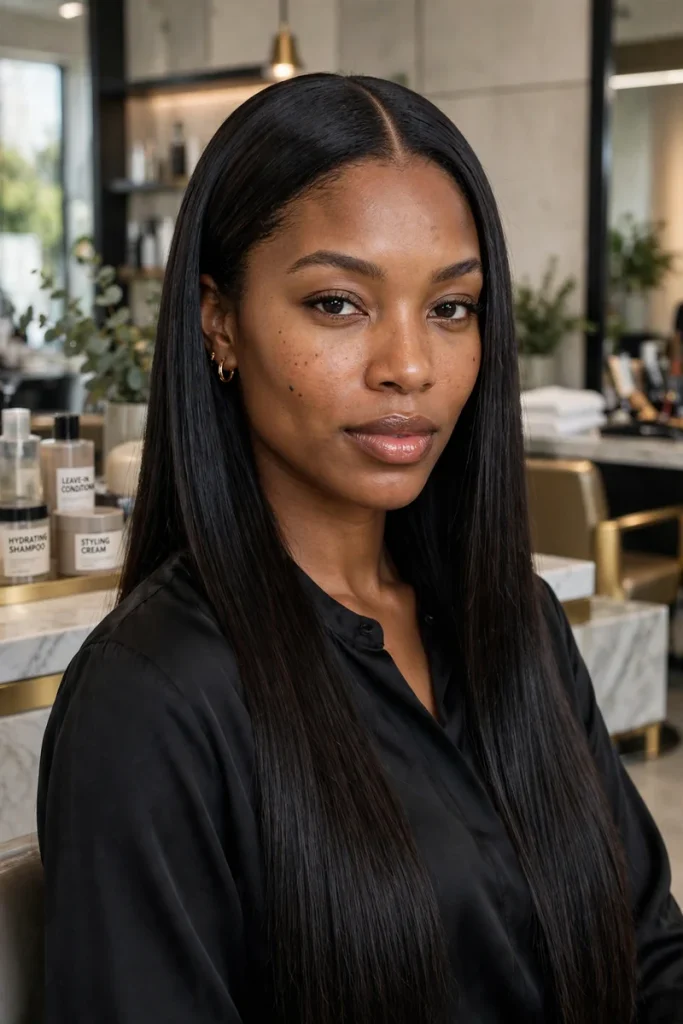
Long, straight, glossy hair with a crisp middle part. Your leave-out is smoothed and blended with the straight bundles for a seamless finish.
Leave-out: yes, at the part
Bundles: usually 3, or more for very long lengths
Tip: Straight bundles often need your leave-out straightened to blend, so use heat protectant and keep the heat low.
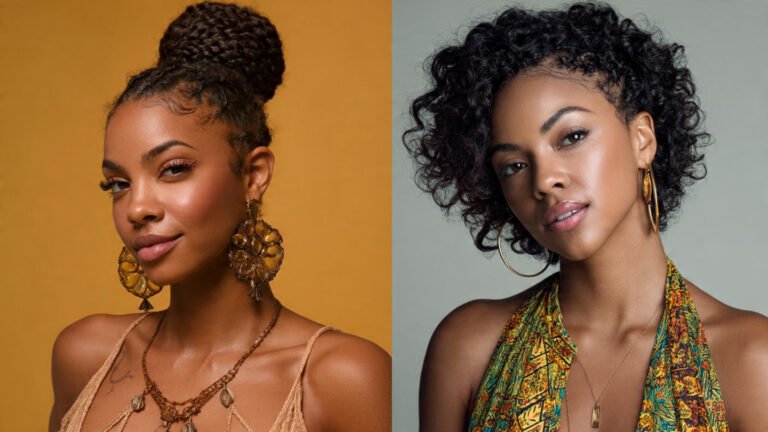
2. Kinky Straight Sew-In
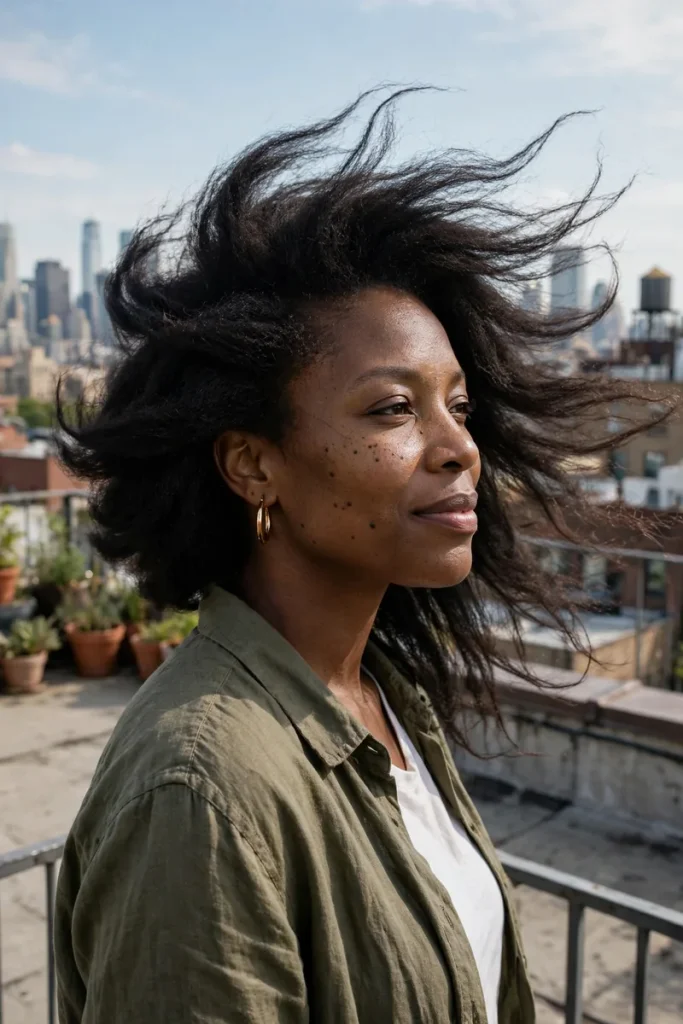
Kinky straight hair has the texture of natural hair that’s been blown out, with a little volume and texture rather than silky straightness. It blends beautifully with natural leave-out without needing a flat iron.
Leave-out: yes
Bundles: usually 3
3. Side-Part Body Wave
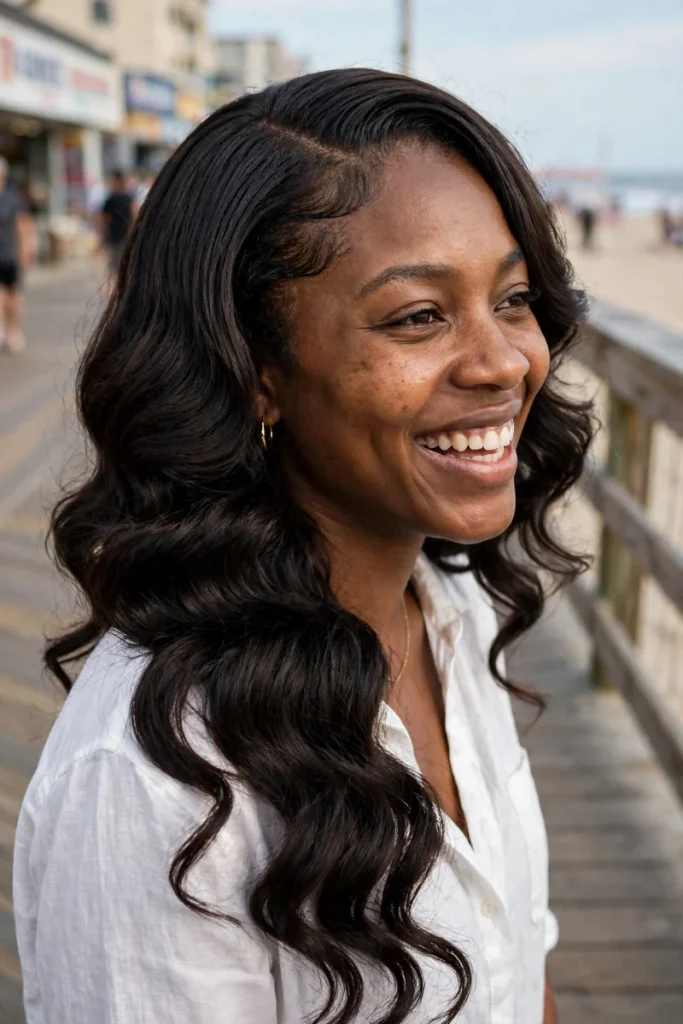
Body wave hair has soft, loose S-shaped waves. Paired with a deep side part, it’s glamorous, bouncy and full of movement.
Leave-out: yes, along the part
Bundles: usually 3
Closure Sew-Ins
A closure is a small hairpiece, often 4×4 or 5×5 inches, sewn at the top of your head where your part would be. It covers your natural hair completely, so there’s no leave-out.
4. The Blunt Bob With a Closure
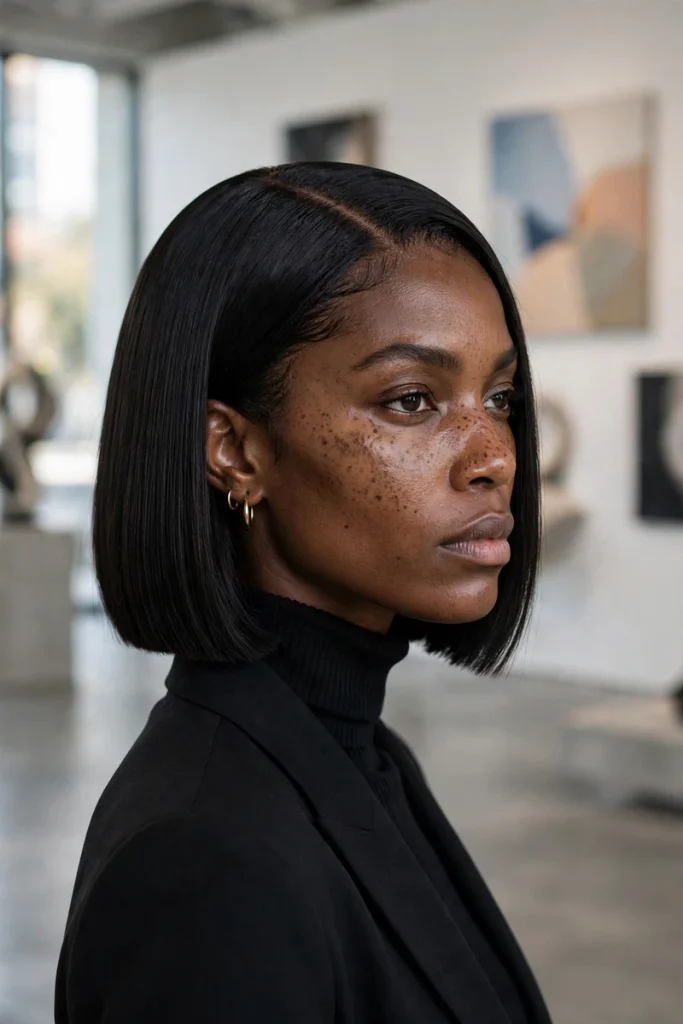
A sleek, chin-length blunt bob with a closure for a realistic part. It’s polished, chic and easy to maintain.
Leave-out: no
Bundles: usually 2
5. Mid-Length Deep Wave
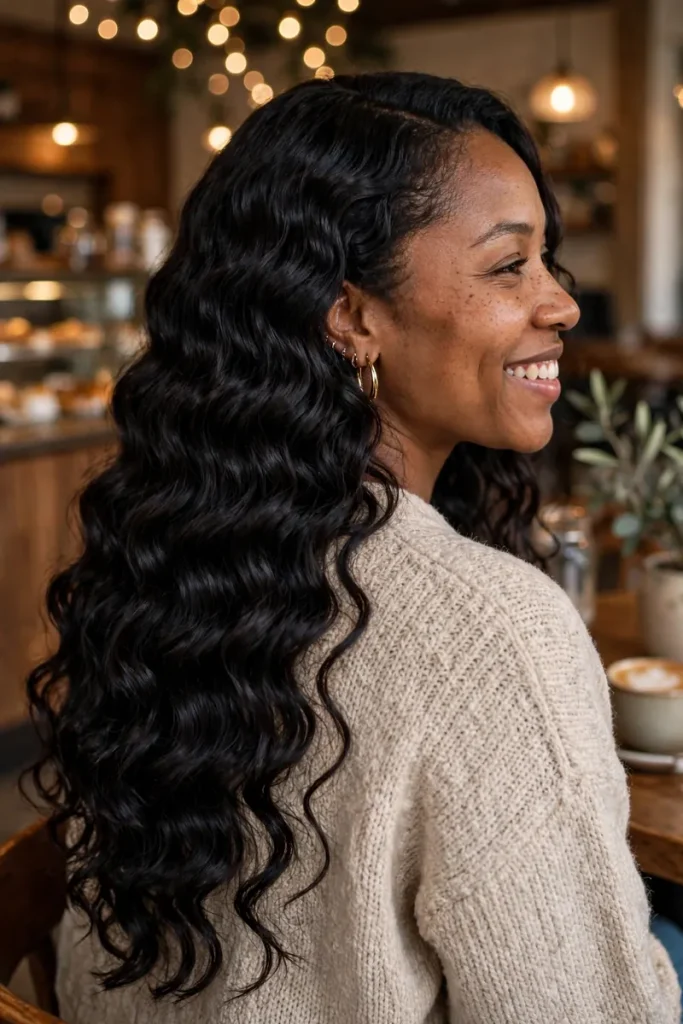
Deep wave hair has defined, tighter curls with lots of volume. At shoulder or mid-back length, it looks full, bouncy and fun.
Leave-out: no
Bundles: usually 3
Tip: Deep wave hair can tangle, so detangle gently with your fingers and a little leave-in conditioner.
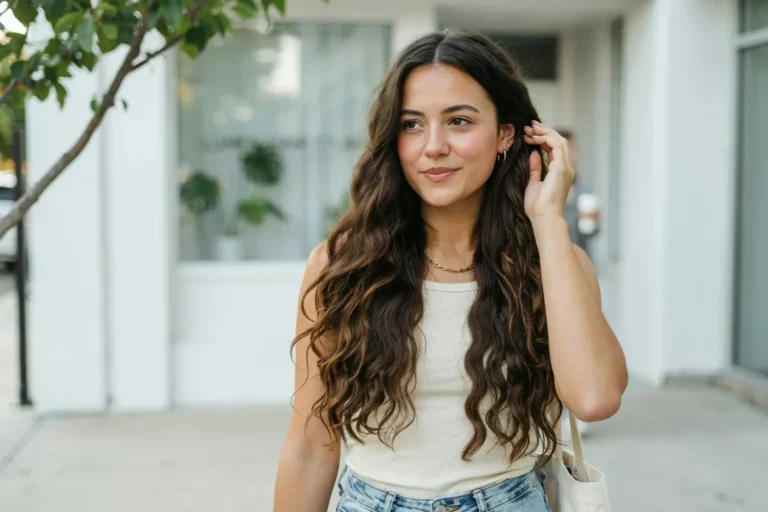
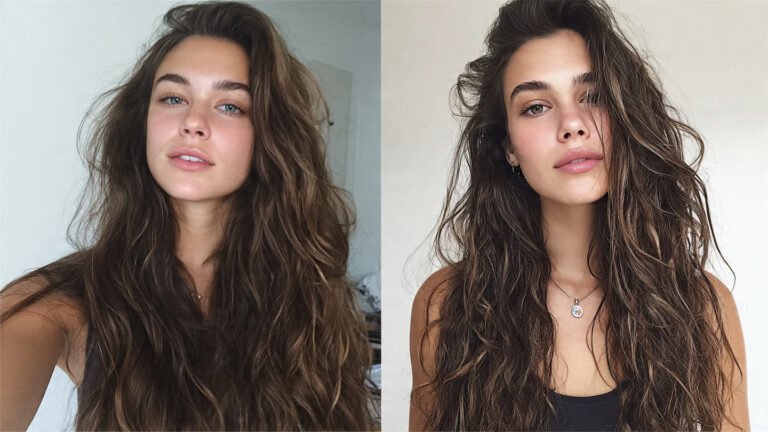
6. Long Water Wave
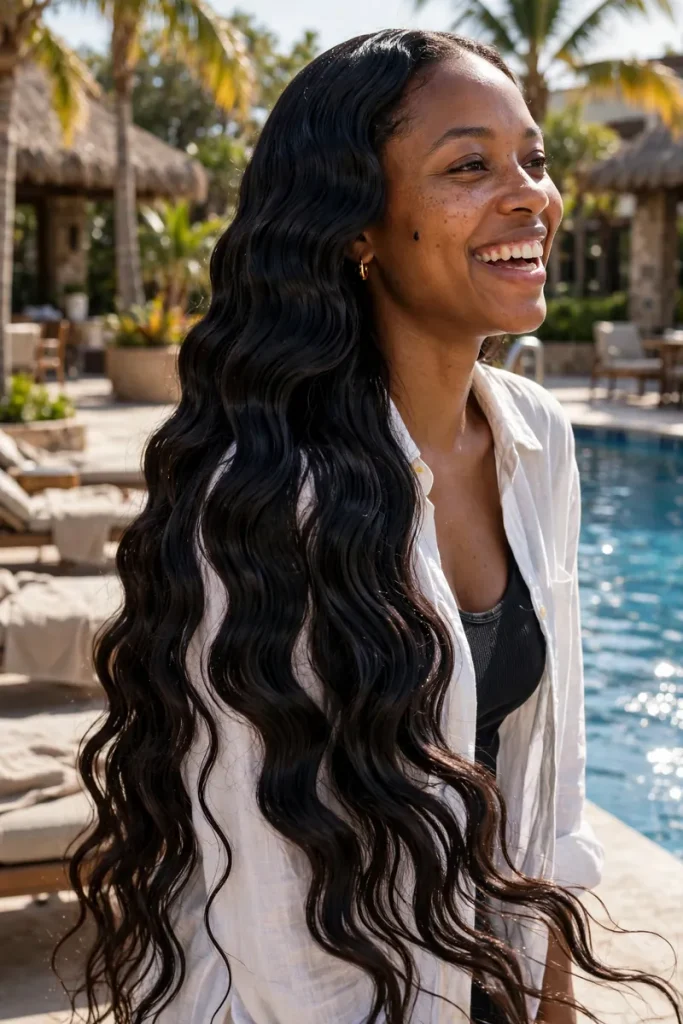
Water wave hair has loose, wet-looking waves that fall in a relaxed, beachy pattern. It’s soft, romantic and beautiful at long lengths.
Leave-out: no
Bundles: usually 3–4
Frontal Sew-Ins
A frontal is a larger hairpiece that runs from ear to ear across the front of your head. It allows more styling freedom, including pulling your hair back.
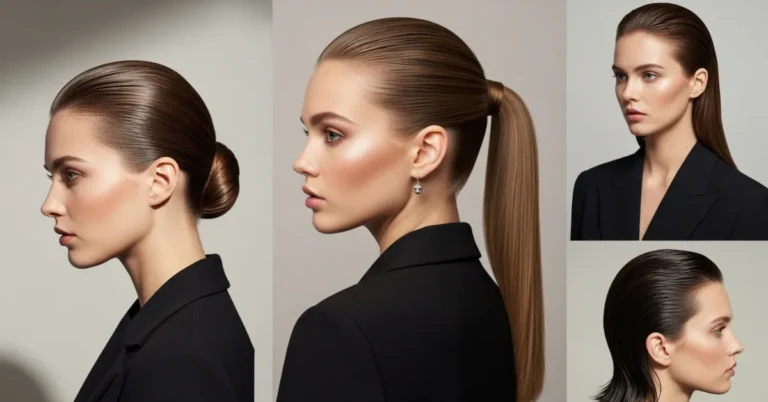
7. The Sleek High Ponytail
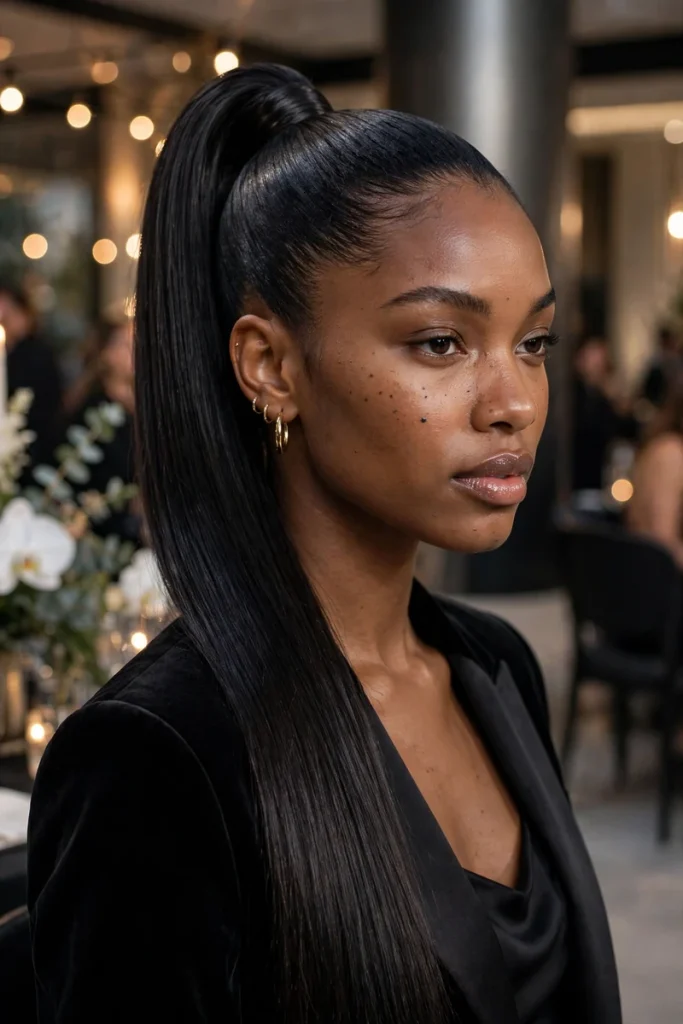
Because a frontal covers your entire hairline, you can pull your hair into a sleek, high ponytail and still have a natural-looking hairline.
Leave-out: no
Bundles: usually 3
8. Glamorous Hollywood Waves
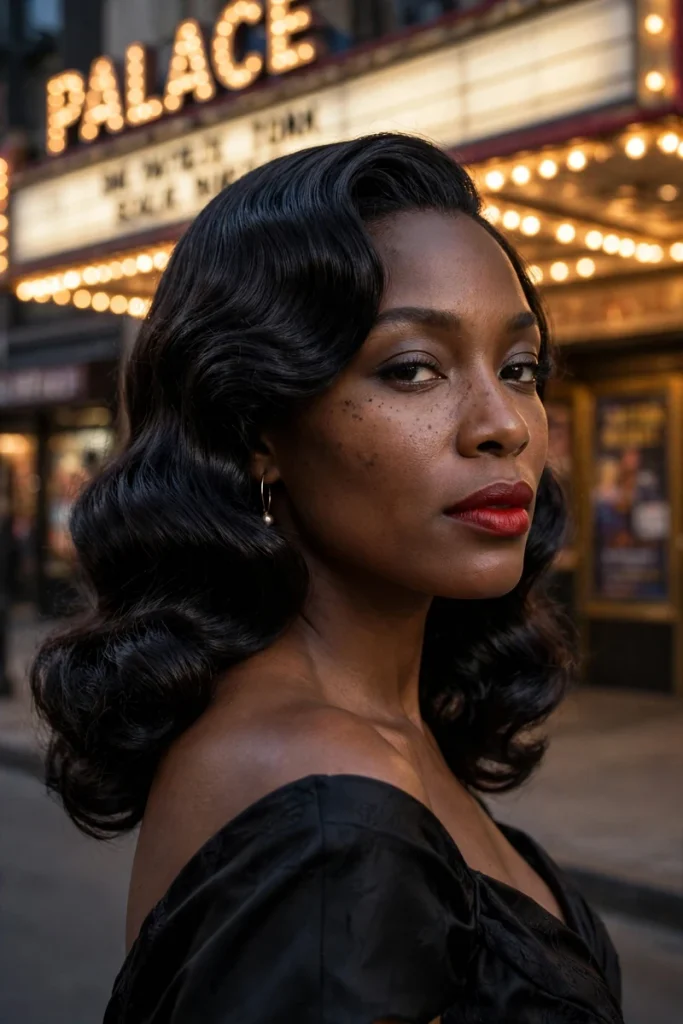
Long, glossy waves swept to one side with a frontal look like they belong on a red carpet. The frontal allows a deep side part and a smooth, natural hairline.
Leave-out: no
Bundles: usually 3–4
9. Long Straight With a Deep Side Part
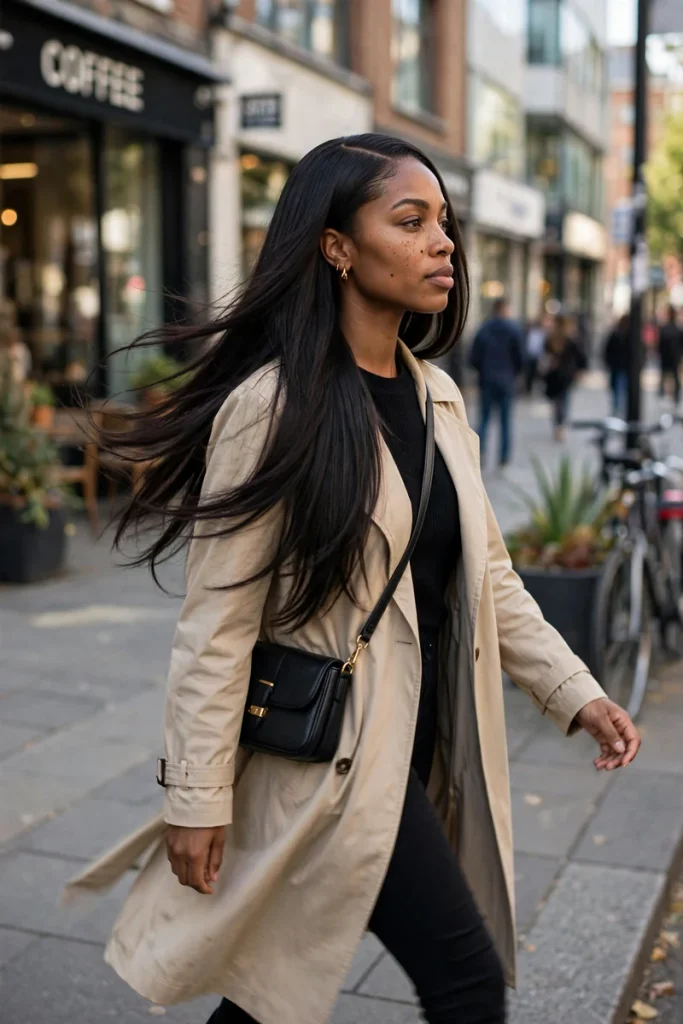
Extra-long, straight hair with a dramatic deep side part. The frontal lets you change your part whenever you want.
Leave-out: no
Bundles: usually 3–4
Quick Weaves
A quick weave attaches wefts to a protective cap, usually with bonding glue, instead of sewing them to braids. It’s faster and often more affordable, but it usually lasts a shorter time.
10. The Short Pixie Quick Weave
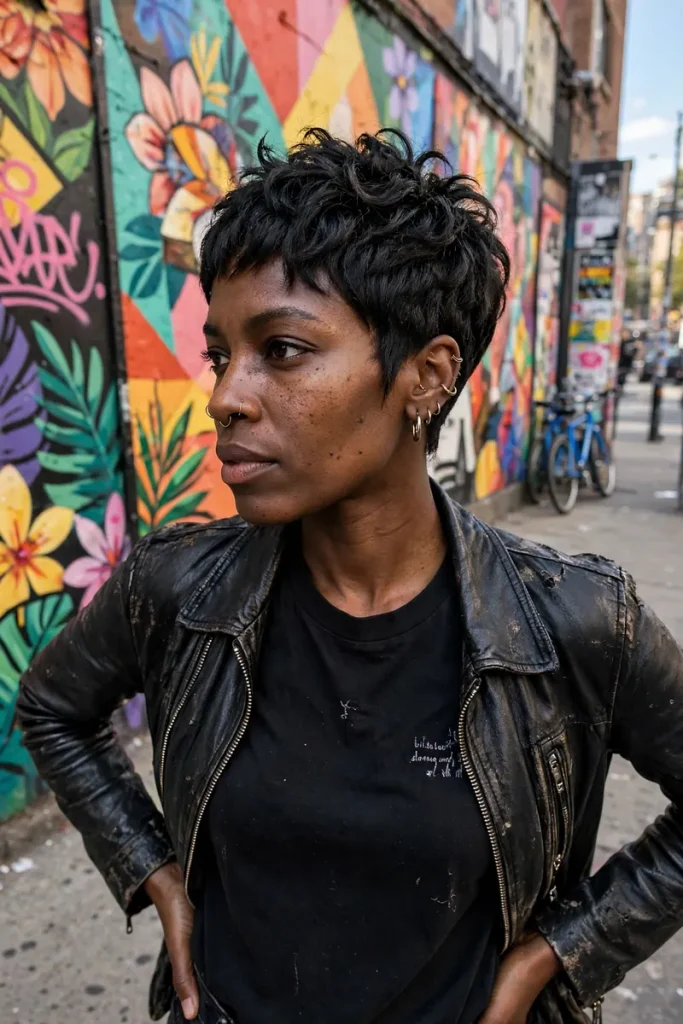
A short pixie created with short, layered pieces of hair glued onto a protective cap. It’s a popular way to try a short, sculpted style without cutting your own hair.
Leave-out: sometimes, at the very top
Bundles: usually 1 pack of short pieces
11. The Layered Bob Quick Weave
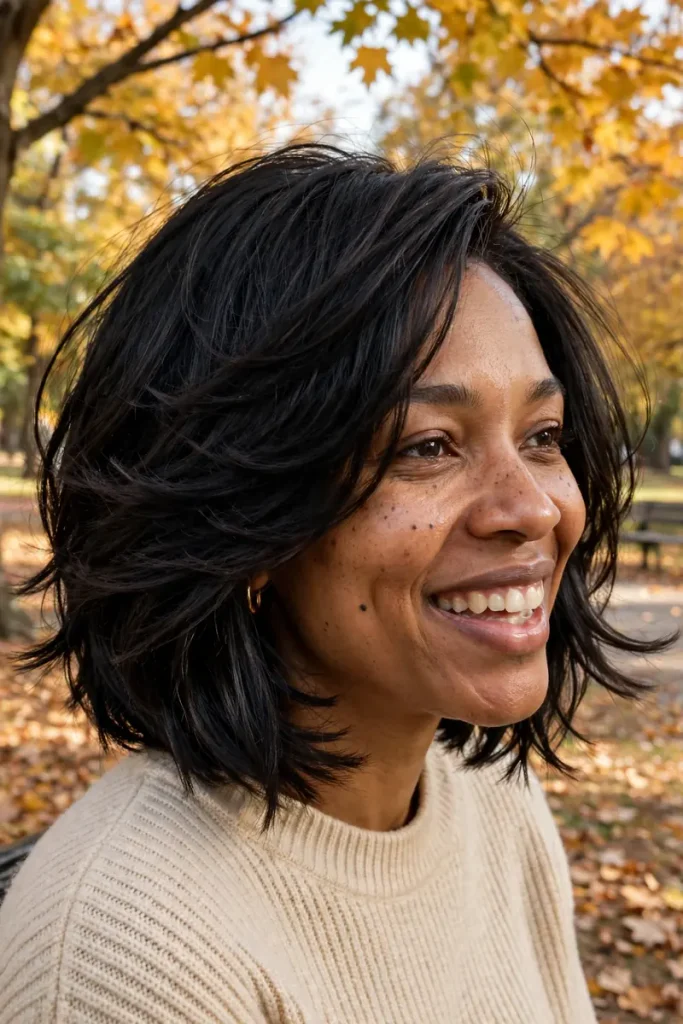
A layered bob with soft volume and movement, created as a quick weave. It’s a great option for a short-term style.
Leave-out: optional
Bundles: usually 1–2
Versatile Sew-Ins
A versatile sew-in leaves out small sections around the perimeter and at the top, so you can wear your hair up, down, in a ponytail or with different parts.
12. Versatile Kinky Curly Sew-In

Kinky curly hair mimics natural, tightly curled hair and blends beautifully with natural leave-out. With a versatile install, you can wear it in puffs, ponytails or down.
Leave-out: yes, around the perimeter
Bundles: usually 3–4
13. Versatile Sew-In With Curtain Bangs
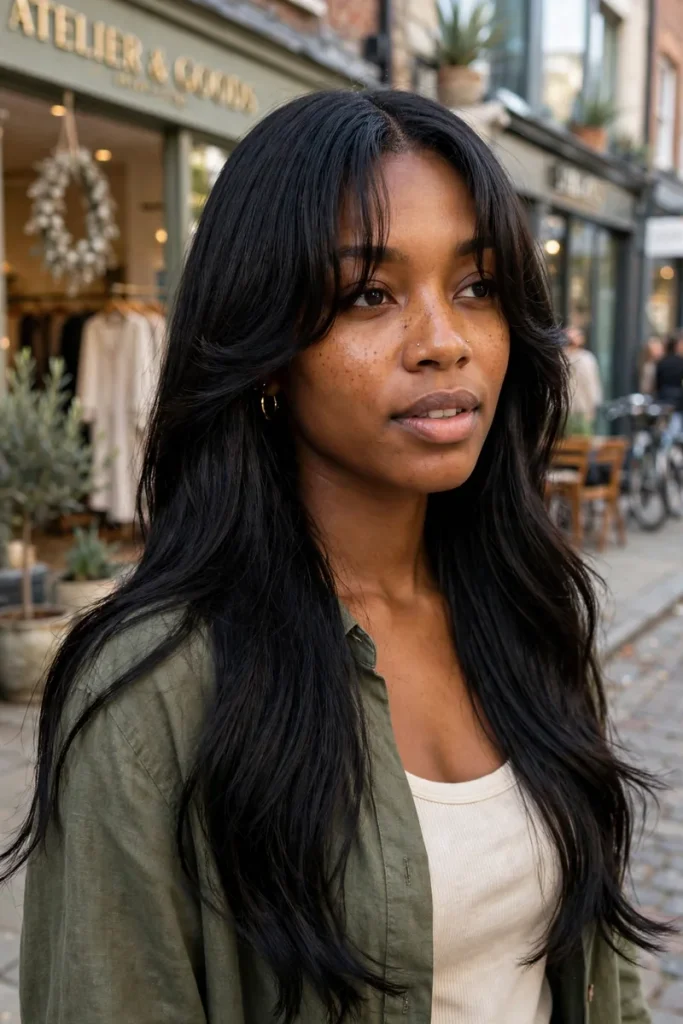
A versatile install with soft curtain bangs cut into the front. You can wear the bangs down, pin them back or pull everything up into a ponytail.
Leave-out: yes
Bundles: usually 3
Choosing Your Hair: Human vs. Synthetic
Human hair: looks the most natural, can be colored and heat styled, and often lasts longer with good care. It’s usually more expensive.
Synthetic hair: more affordable and holds its style well, but usually can’t be heat styled (unless labeled heat-friendly) and doesn’t last as long.
You’ll often see terms like:
- Virgin hair: human hair that hasn’t been chemically processed or colored.
- Remy hair: human hair with the cuticles aligned in the same direction, which helps reduce tangling.
Matching Texture to Your Natural Hair
If you have leave-out, choosing a texture that matches your natural hair makes blending easier and protects your hair from excess heat:
- Relaxed or silk-pressed hair: straight or body wave bundles.
- Natural hair worn blown out: kinky straight or yaki textures.
- Natural curls and coils: kinky curly or curly bundles.
If you don’t want to use heat on your leave-out, choose a closure or frontal instead.
Caring for Your Natural Hair Underneath
A weave can be a great protective style, but only if you care for your natural hair underneath:
- Start with healthy hair. Wash, deep condition and trim before your install.
- Make sure braids aren’t too tight. The foundation braids should feel snug but comfortable.
- Cleanse your scalp with a diluted shampoo in an applicator bottle.
- Dry thoroughly after washing, so your braids underneath don’t stay damp.
- Moisturize your scalp with a light oil or spray.
How Long Should You Keep a Weave In?
Most sew-ins last about six to eight weeks. Quick weaves usually last two to four weeks. Leaving a weave in for too long can cause matting, buildup and breakage as your natural hair grows.
Red Flags of a Poor Installation
Watch for signs that your install is too tight or not done well:
- Pain, throbbing or headaches that don’t go away
- Small bumps or redness along your hairline
- Braids that feel very tight or pull at your edges
- Visible tracks or uneven wefts
If you notice any of these, talk to your stylist. Your comfort and hair health come first.
Quick Weave Safety
Because quick weaves use glue, take a few precautions:
- Always use a protective cap or layer, so glue never touches your natural hair or scalp.
- Do a patch test for glue sensitivity.
- Use a bond remover when taking it out, never pulling the hair off.
- Wash and deep condition your natural hair after removal.
Budgeting for a Weave
The total cost of a weave includes:
- The hair itself, which varies widely depending on length, quality and type.
- The installation, which depends on the method and your stylist’s experience.
- Closures or frontals, if you choose them.
- Maintenance, like touch-ups, styling and products.
Higher-quality human hair often costs more upfront but can sometimes be reused for more than one install.
Removing a Sew-In Safely
- Ask your stylist to remove it, if possible.
- Carefully cut the thread holding the wefts, never your natural hair.
- Remove each weft gently.
- Unbraid slowly, removing shed hair as you go.
- Detangle with conditioner and wash thoroughly.
Final Thoughts
A weave can give you length, volume and a fresh new look while protecting your natural hair, as long as you choose the right method and care for your hair underneath. Whether you love a natural-looking leave-out, the freedom of a frontal or the speed of a quick weave, there’s a style for your lifestyle and budget.
Talk to your stylist, choose your installation method, and enjoy your new hair.
Which weave hairstyle are you planning next? Let me know in the comments below.