
15 Tiny Living Room Ideas 2026: Small Space, Big Style
If you’ve been searching for tiny living room ideas, you already know the pain — a cramped space that feels messy, tight, and hard to enjoy. Small living rooms can kill your mood fast. But here’s the good news: the right layout, color, and furniture choices can turn even a 100-square-foot room into something that feels open, cozy, and completely yours. In this guide, you’ll get 15 real, proven ideas with zero fluff — just practical solutions that actually work.
Quick Stats You Should Know
The average American living room is just 330 square feet — and millions of people live in spaces far smaller.
- 71% of renters in major U.S. cities live in apartments under 700 square feet total.
- Searches for ‘small living room ideas’ grew by 43% in 2025 alone.
- Multifunctional furniture sales jumped 38% between 2023 and 2025.
- Light-colored walls can make a room look up to 30% larger, according to interior design studies.
15 Tiny Living Room Ideas 2026 That Really Work
1. Use a Light Color Palette to Open Up the Space
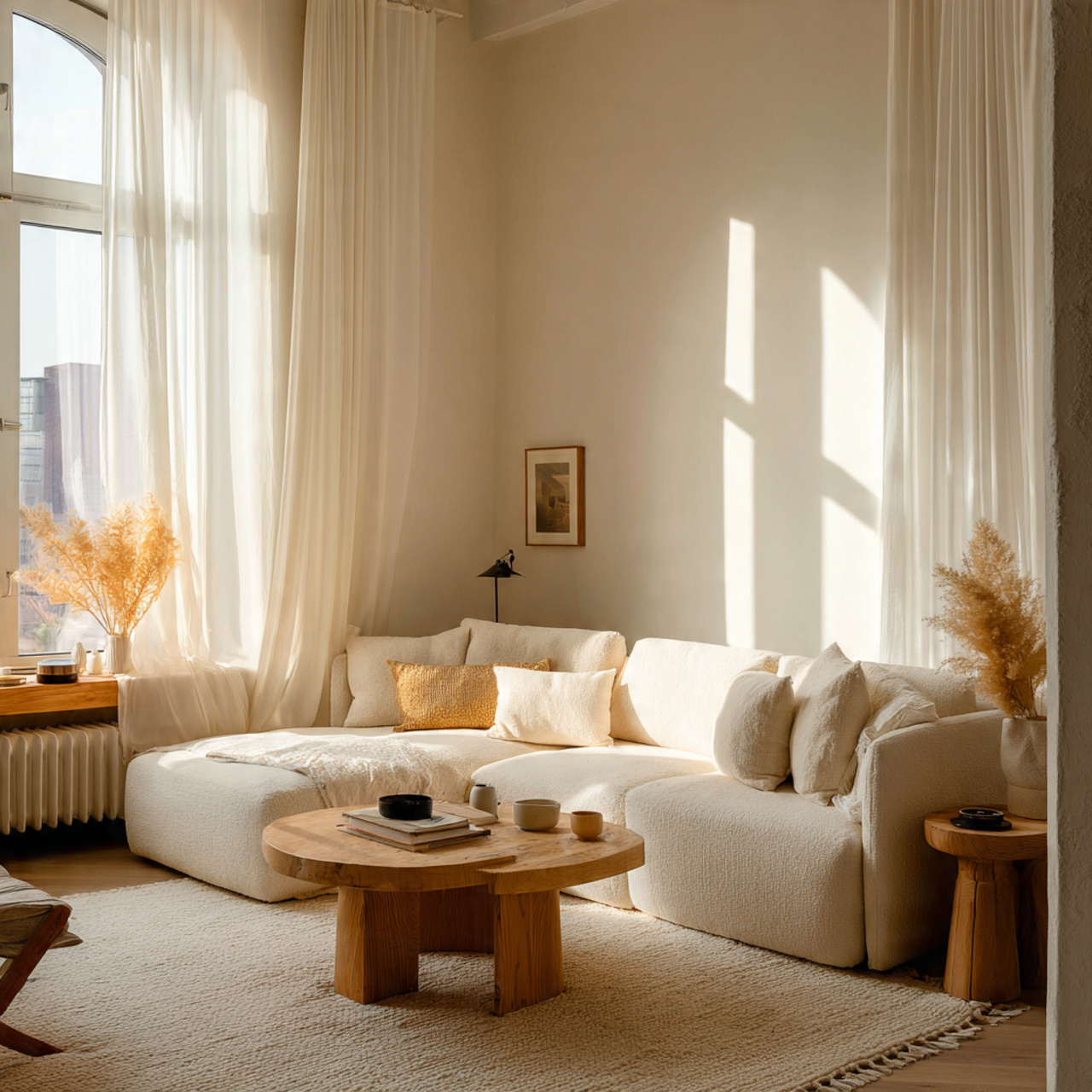
Light colors are the first weapon against a cramped room. Shades like warm white, soft beige, sage green, and pale gray reflect natural light and trick your eyes into seeing more space. My neighbor Sarah painted her 10×12 living room soft white last year. She told me it felt like she added 50 square feet overnight — without moving a single wall.
Stick to one main color for walls, ceiling, and trim. This creates a seamless look that draws the eye outward rather than closing the room in. Avoid dark feature walls in tiny spaces — they add drama but shrink the room. Think of light, airy, and calm as your 2026 small living room color goals.
2. Choose a Sofa That Does Double Duty
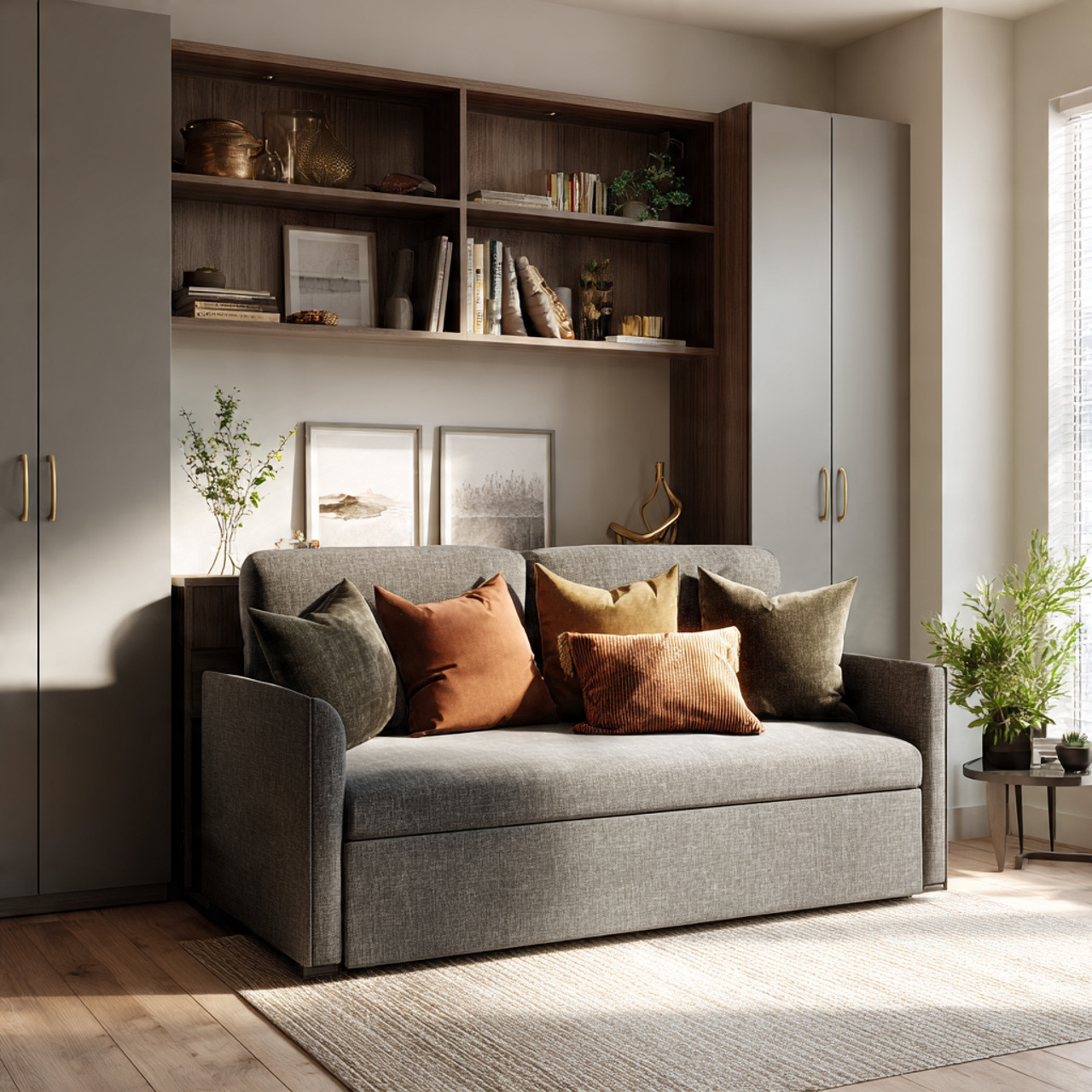
In a tiny living room, every piece of furniture needs to earn its spot. A multifunctional sofa — one that hides storage under its cushions or pulls out into a bed — is one of the smartest buys you can make. Think of it as two pieces of furniture in one, which immediately frees up floor space for other things.
Look for sofas with storage compartments or convertible chaise options. IKEA’s FRIHETEN and Article’s Sven are popular picks that work well in compact layouts. Go for a sofa with slim, raised legs — this creates the illusion of more floor space, which is a small-space design trick that interior designers swear by.
3. Mount Your TV on the Wall
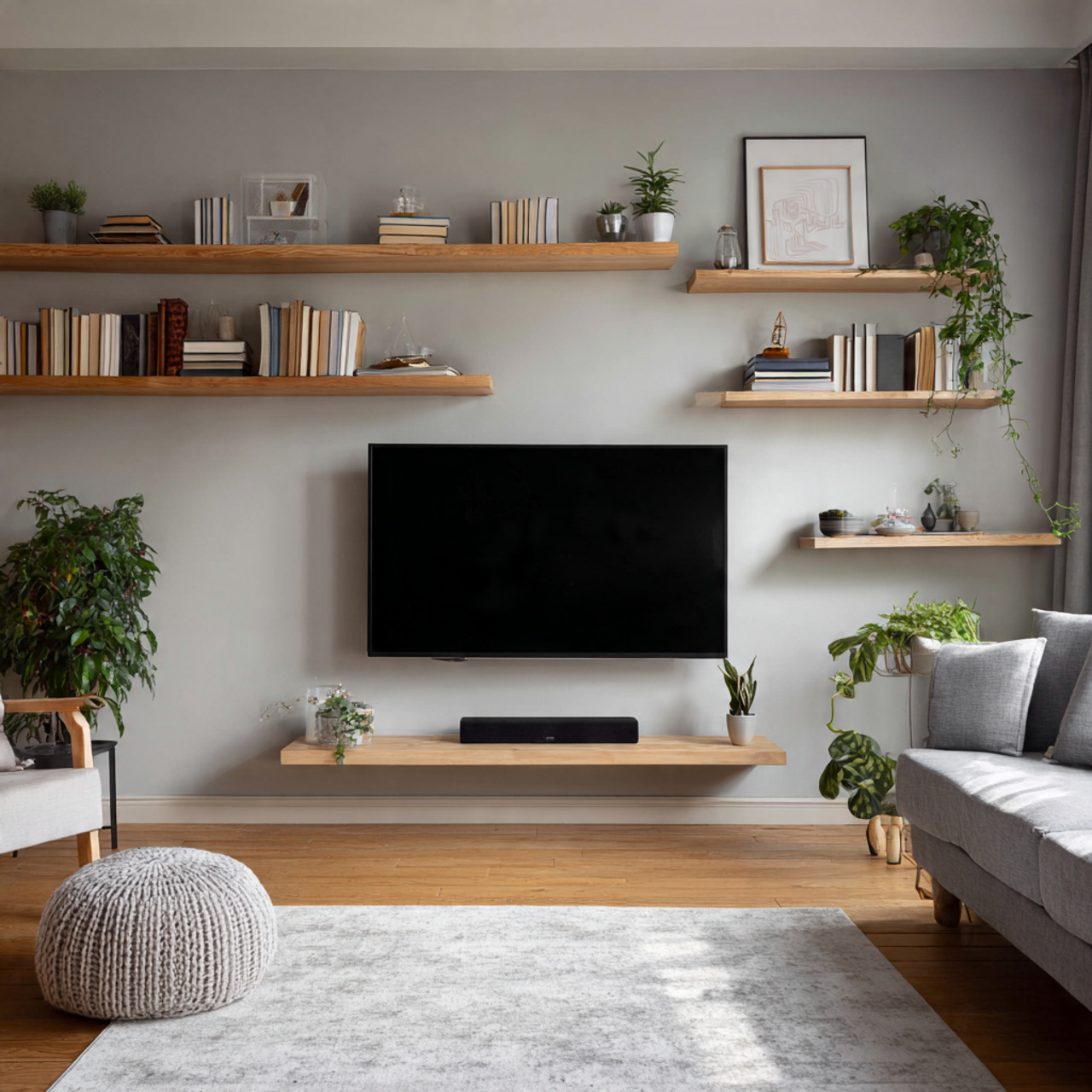
A TV stand or media console takes up serious floor space in a tiny room. Mounting your TV directly on the wall clears that footprint completely. This single change can make a room feel immediately less cluttered and more open. It’s one of those upgrades that costs under $50 in hardware but delivers massive visual impact.
Once the TV is on the wall, add floating shelves on either side for your streaming devices, speakers, and a few decor items. This keeps everything tidy without sacrificing your need for surfaces. My cousin did this in his Brooklyn studio and said it was the single best small-space decision he ever made.
4. Use Mirrors to Create Visual Depth
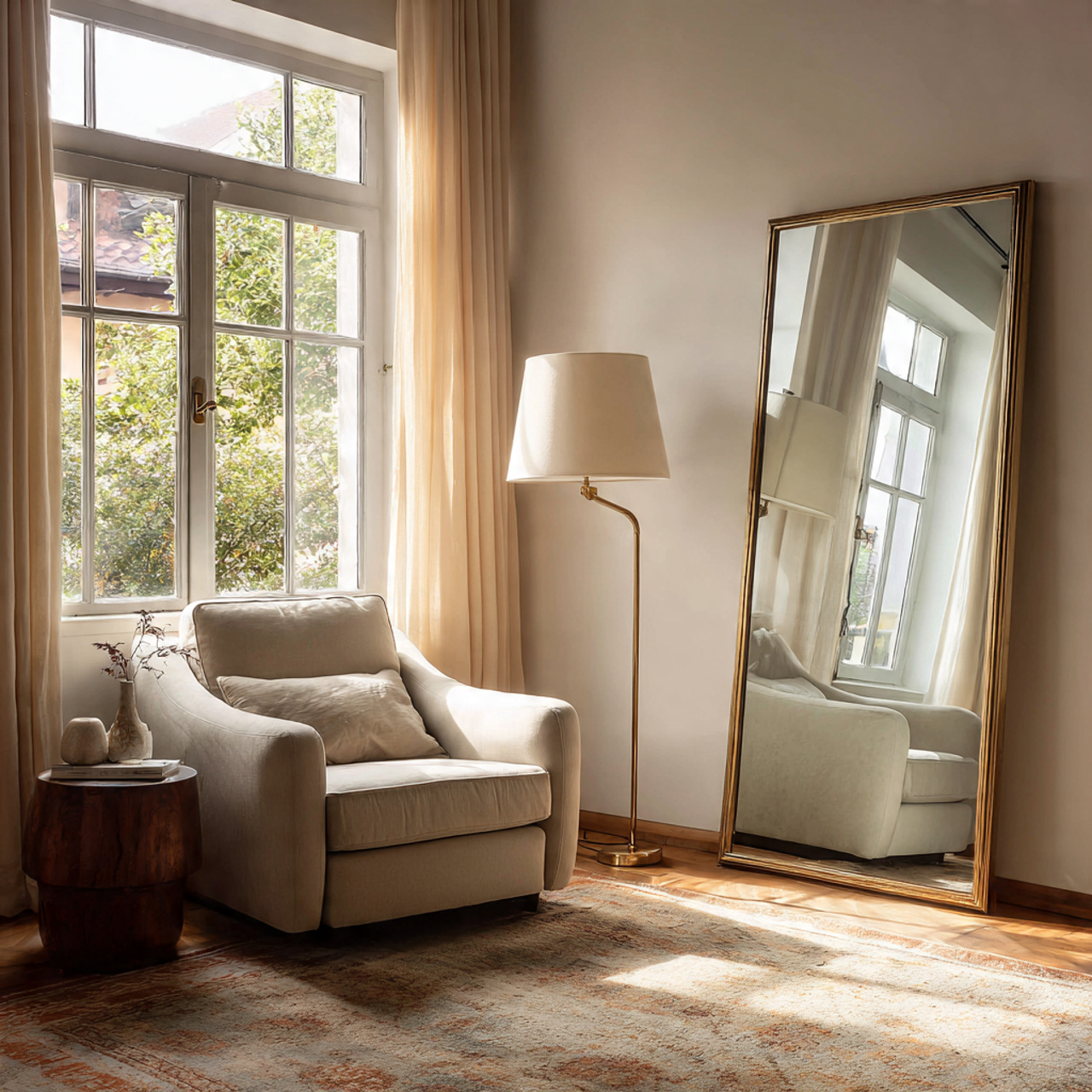
Mirrors are one of the oldest tricks in interior design — and they still work better than almost anything else. A large mirror placed opposite a window bounces natural light around the room and creates the visual illusion of a second space behind the glass. In a tiny living room, this can genuinely make the room feel twice as big.
You don’t need to go expensive here. A simple oversized leaning mirror from IKEA (the HOVET is a fan favorite) leans against the wall with zero installation needed. Place it across from your best light source. If you want something more decorative, try a gallery wall of smaller mirrors in varying shapes — it adds texture and personality alongside the space-expanding effect.
5. Pick the Right Rug Size — Go Bigger Than You Think
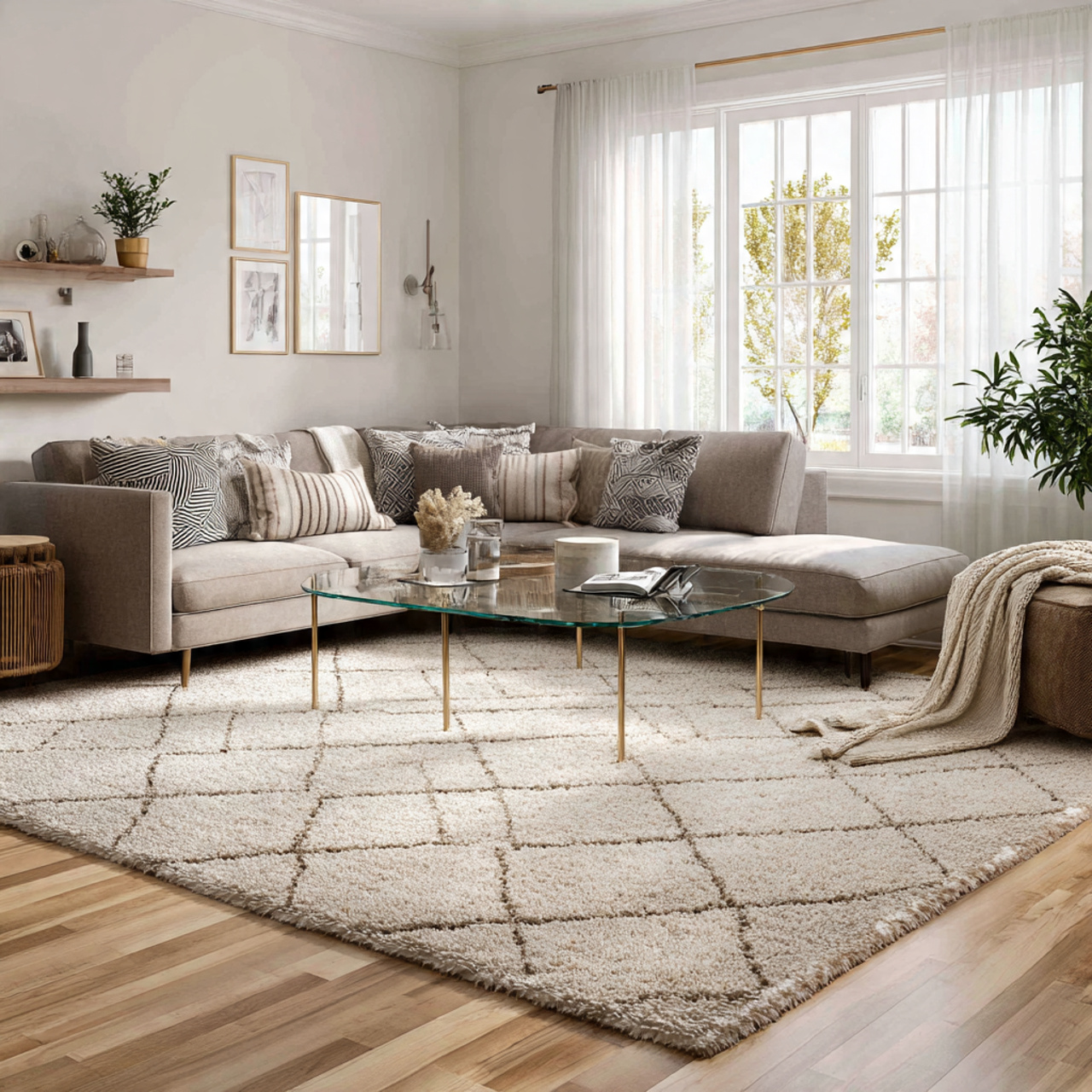
Most people make the mistake of buying a rug that’s too small. A tiny rug placed just under the coffee table actually makes a small room look MORE fragmented. The right move is to go bigger — at minimum, the front legs of all seating should sit on the rug. This grounds the whole furniture arrangement and makes the space feel intentional and cohesive.
For a small living room, aim for a 5×8 or 6×9 rug as your base size. Stick to lighter colors and low-pile materials — they’re easier to clean and won’t make the room feel heavy. A solid-color or subtle geometric pattern works better than loud, busy prints in a tight space. The rug ties the room together like nothing else can.
6. Go Vertical With Your Storage
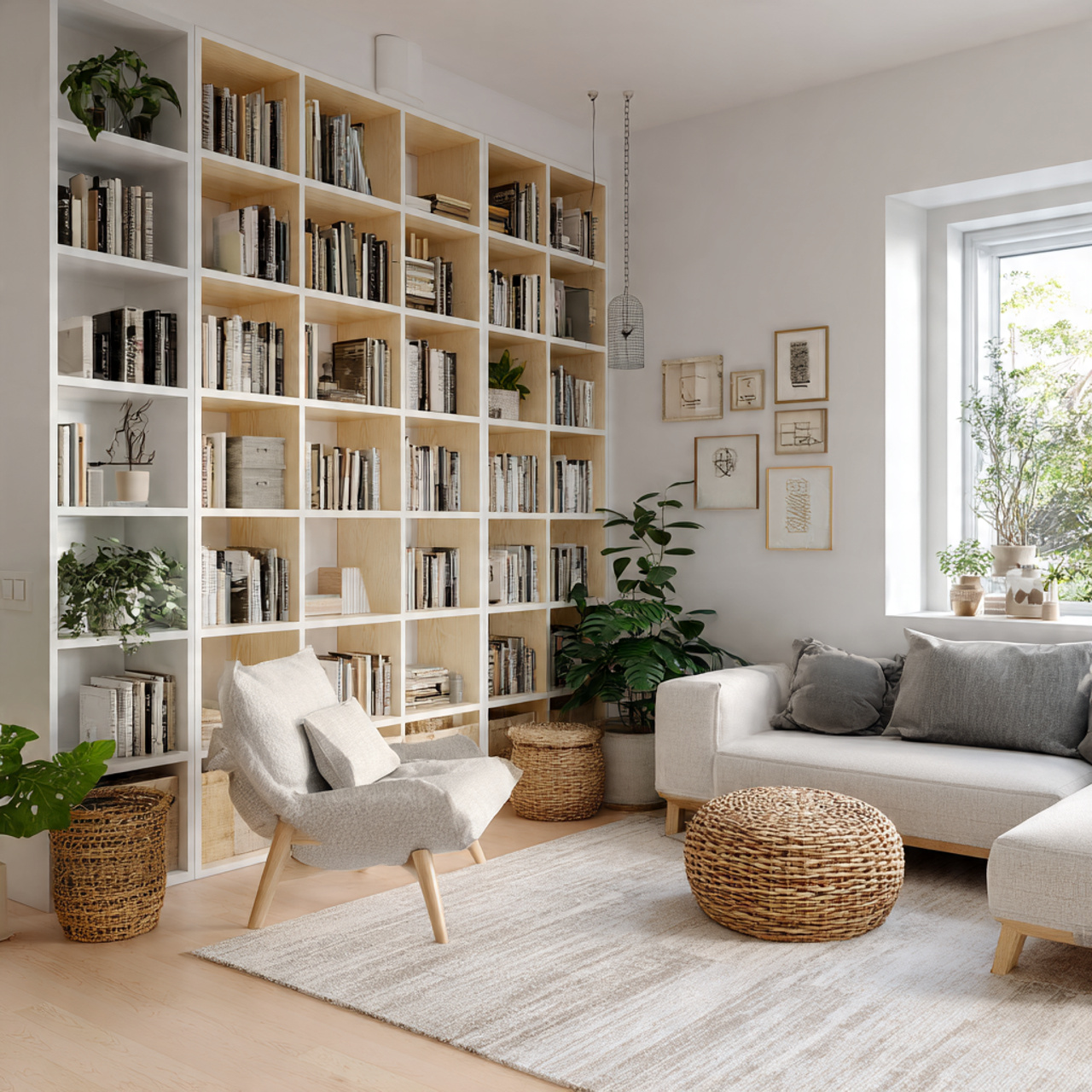
When floor space is limited, the only direction to go is up. Tall bookshelves, floor-to-ceiling built-ins, and vertical wall shelving keep your storage off the floor and draw the eye upward — which makes the ceiling feel higher and the room feel larger. This is called ‘vertical space utilization’ and it’s one of the most powerful tools in small-space design.
Install floating shelves above your sofa, beside the TV, or in unused corner areas. IKEA’s BILLY bookcase system is affordable and can be stacked to reach near the ceiling for a built-in look at a fraction of the cost. Add a mix of books, small plants, baskets, and a few decorative objects. Just keep it organized — vertical storage only helps if it doesn’t look like a cluttered mess.
7. Use a Nesting Coffee Table Instead of a Big One
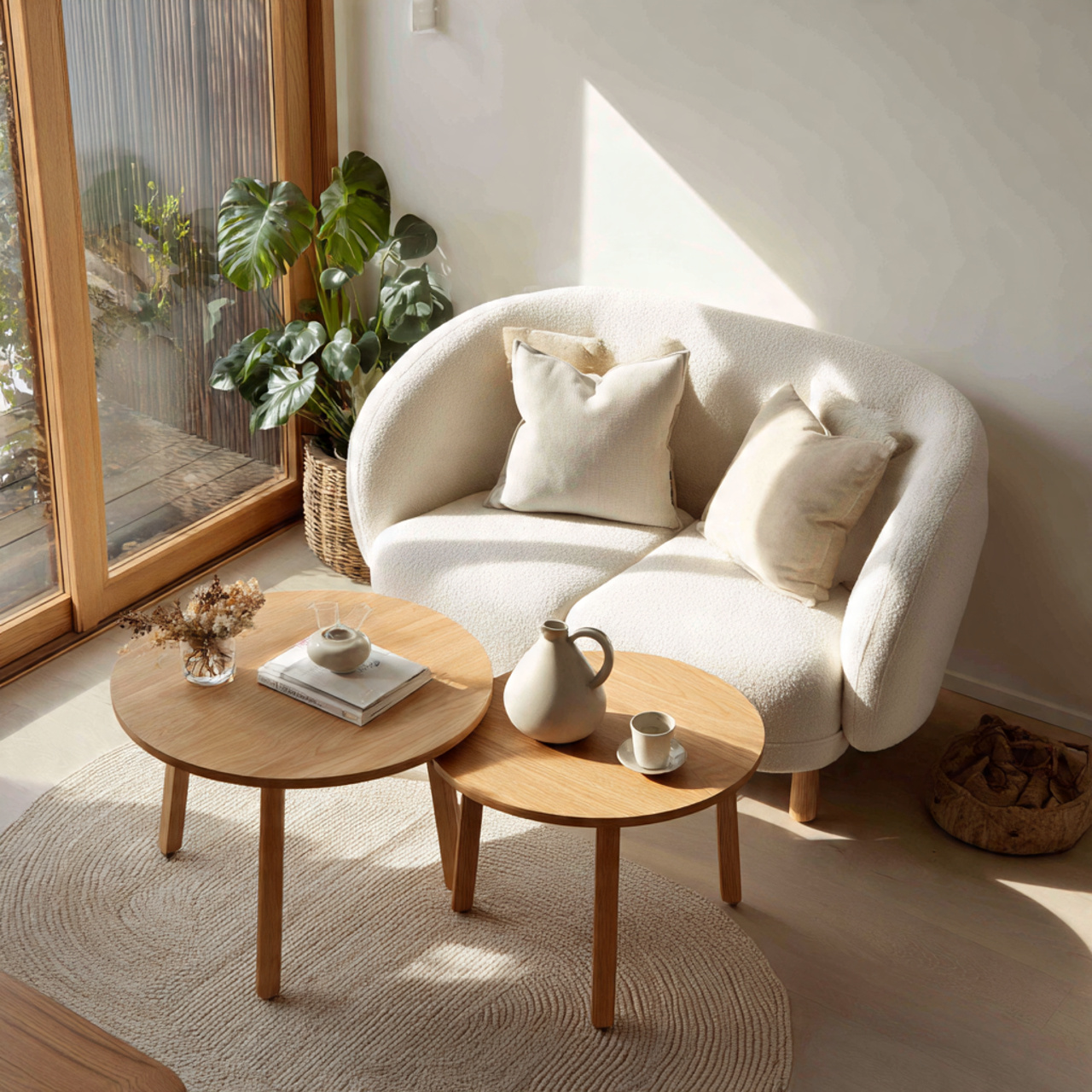
A big, bulky coffee table in a small living room is like putting a pickup truck in a compact parking spot — it just doesn’t fit right. Nesting tables are the smarter choice. They slide under each other when not in use, freeing up walking space. When you need extra surface area, you just pull them apart. It’s flexible, functional, and stylish all at once.
Look for round or oval nesting tables — they have no sharp corners, which makes a tight space feel safer and more open. Materials like glass, acrylic, or light-toned wood work best because they don’t visually weigh down the room. A set of two or three nesting tables gives you options without committing to permanent furniture placement.
8. Hang Curtains High and Wide
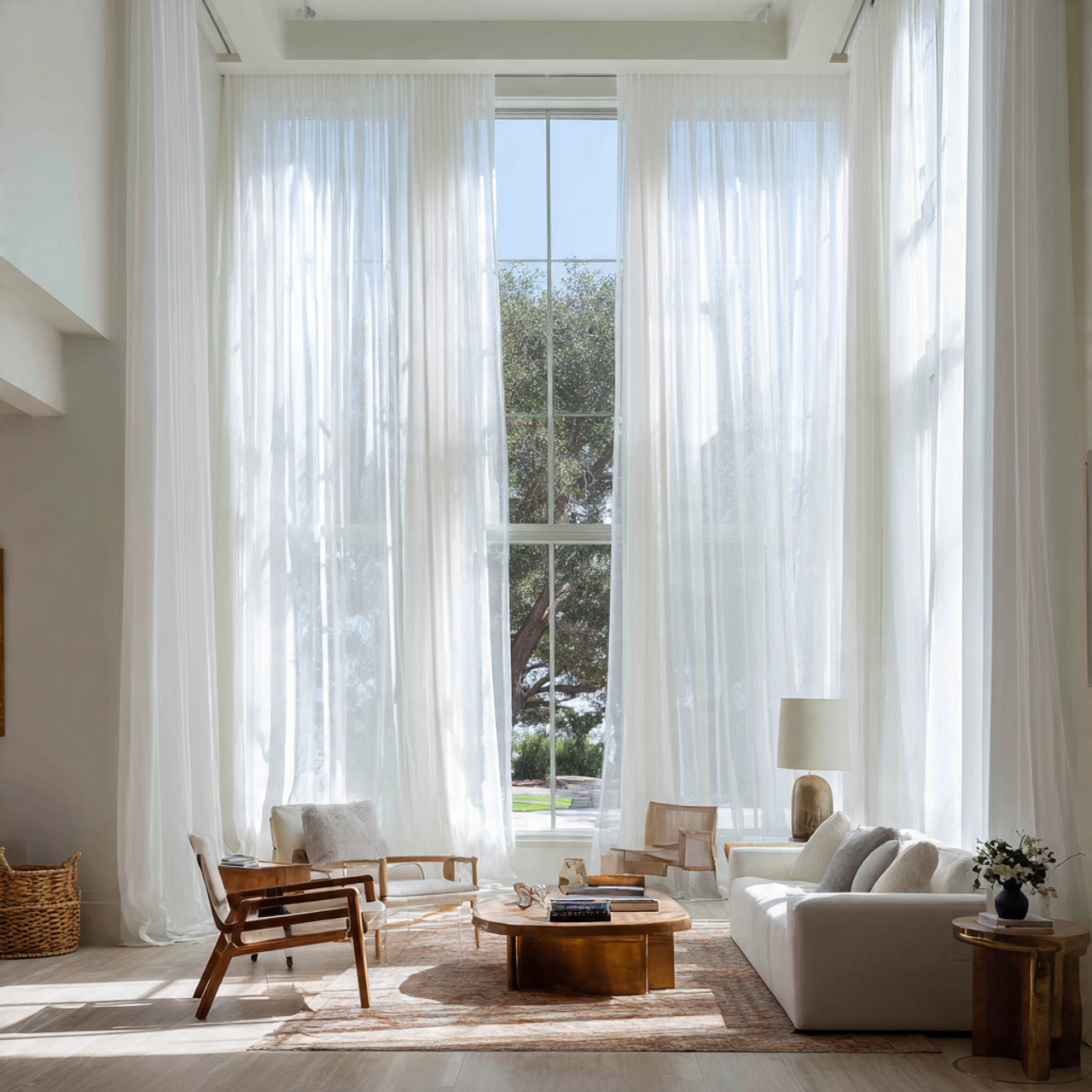
Where you hang your curtains matters more than you might realize. Most people hang curtain rods right above the window frame — but this kills the room’s height. Instead, hang your rod as close to the ceiling as possible and let the curtains fall all the way to the floor. This simple trick makes ceilings look dramatically taller and windows look much larger.
Also extend the rod several inches past the window frame on each side. When curtains are pulled open, they stack outside the window — letting in maximum light and revealing the full window width. Use sheer or linen fabrics in light colors to keep things bright. This one change costs almost nothing but completely transforms how tall and open a room feels.
9. Try a Floating Entertainment Unit
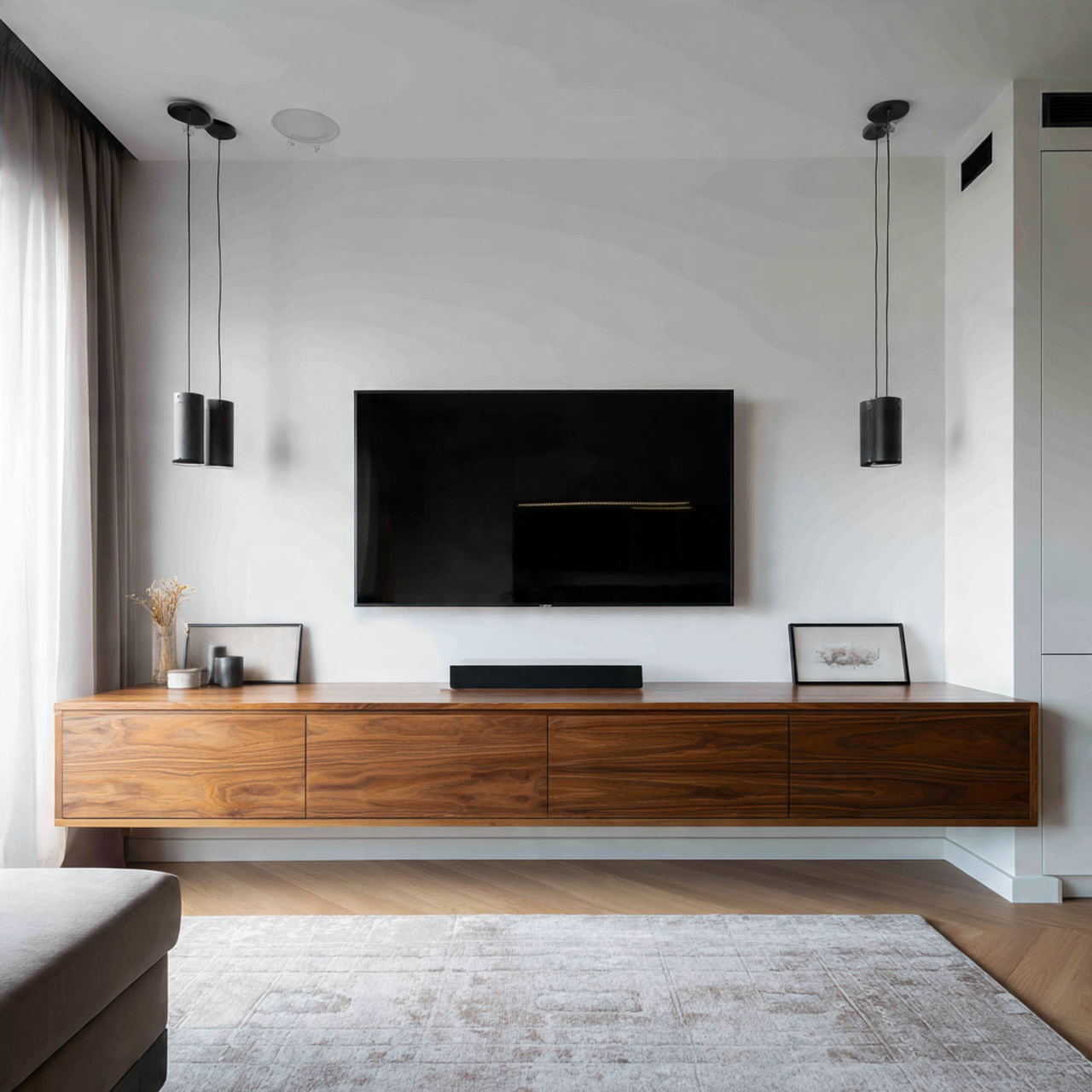
Just like a floating TV, a wall-mounted entertainment unit frees up floor space and creates that clean, open look that makes small rooms breathe easier. A floating unit gives you storage for remotes, gaming controllers, and media devices while keeping the floor completely clear underneath. That visible floor gap is a tiny visual trick that makes the whole room feel bigger.
Choose a unit that’s proportional to your wall — not too wide and not too heavy-looking. Mid-century modern styles with tapered accents or simple flat-front modern units both look great in compact spaces. Stick to one tone — matching the unit to your floor or wall color creates a built-in effect that looks expensive and intentional.
10. Add Plants Without Eating Up Floor Space
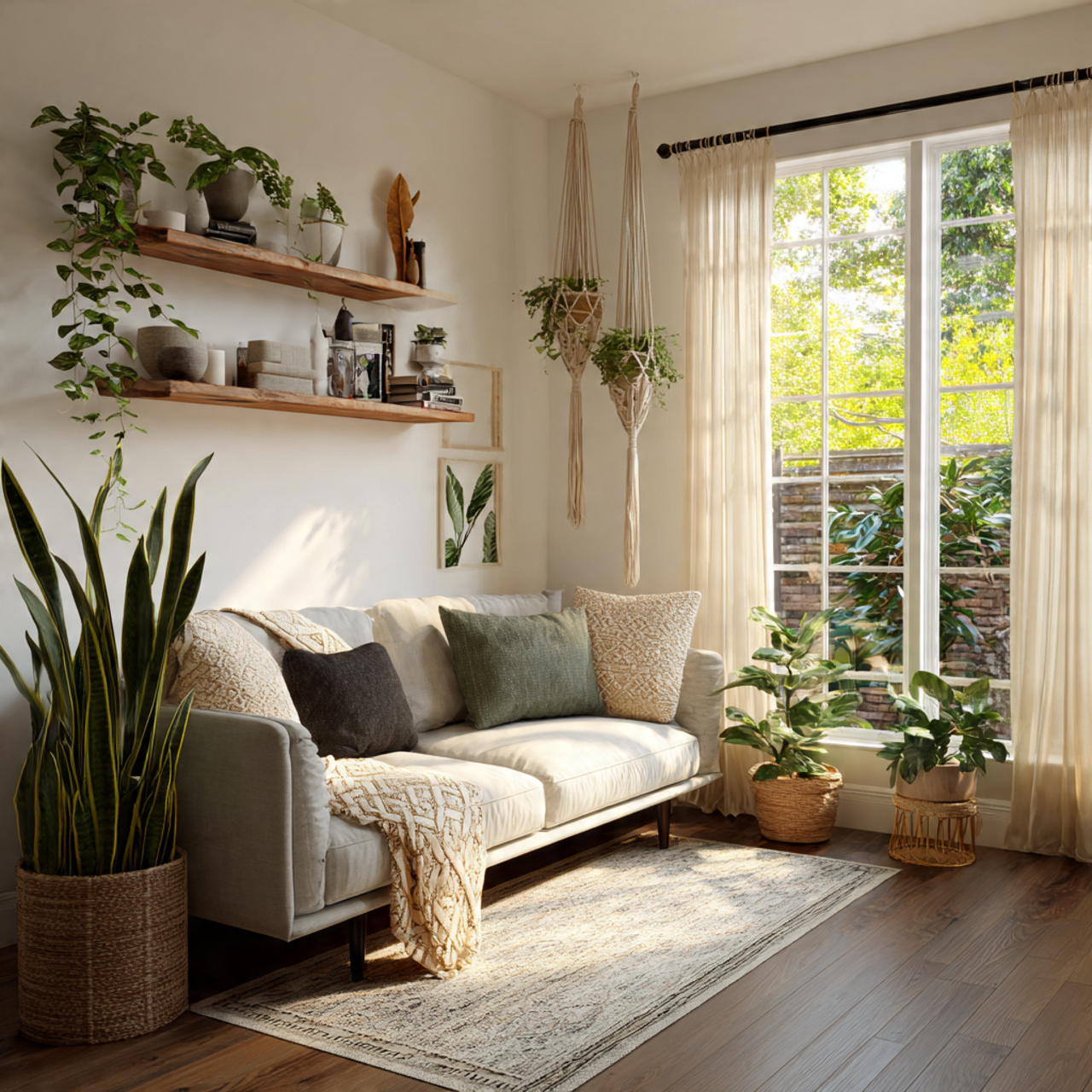
Plants bring life into any room — but in a tiny space, a big floor planter can eat up precious square footage. The solution? Go up. Hang plants from the ceiling using macramé hangers, place trailing vines on high shelves, or use wall-mounted planters. This adds the natural, biophilic energy that 2026 interiors are all about without sacrificing floor space.
If you do want a floor plant, go tall and slim — a snake plant, fiddle-leaf fig, or monstera in a narrow pot takes up minimal floor area while adding dramatic vertical interest. Avoid wide, spreading plants that sprawl outward. One statement floor plant plus two or three hanging or shelf plants gives you that lush, earthy feel that’s trending hard in 2026 interior design.
11. Use a Bench or Ottoman Instead of Extra Chairs
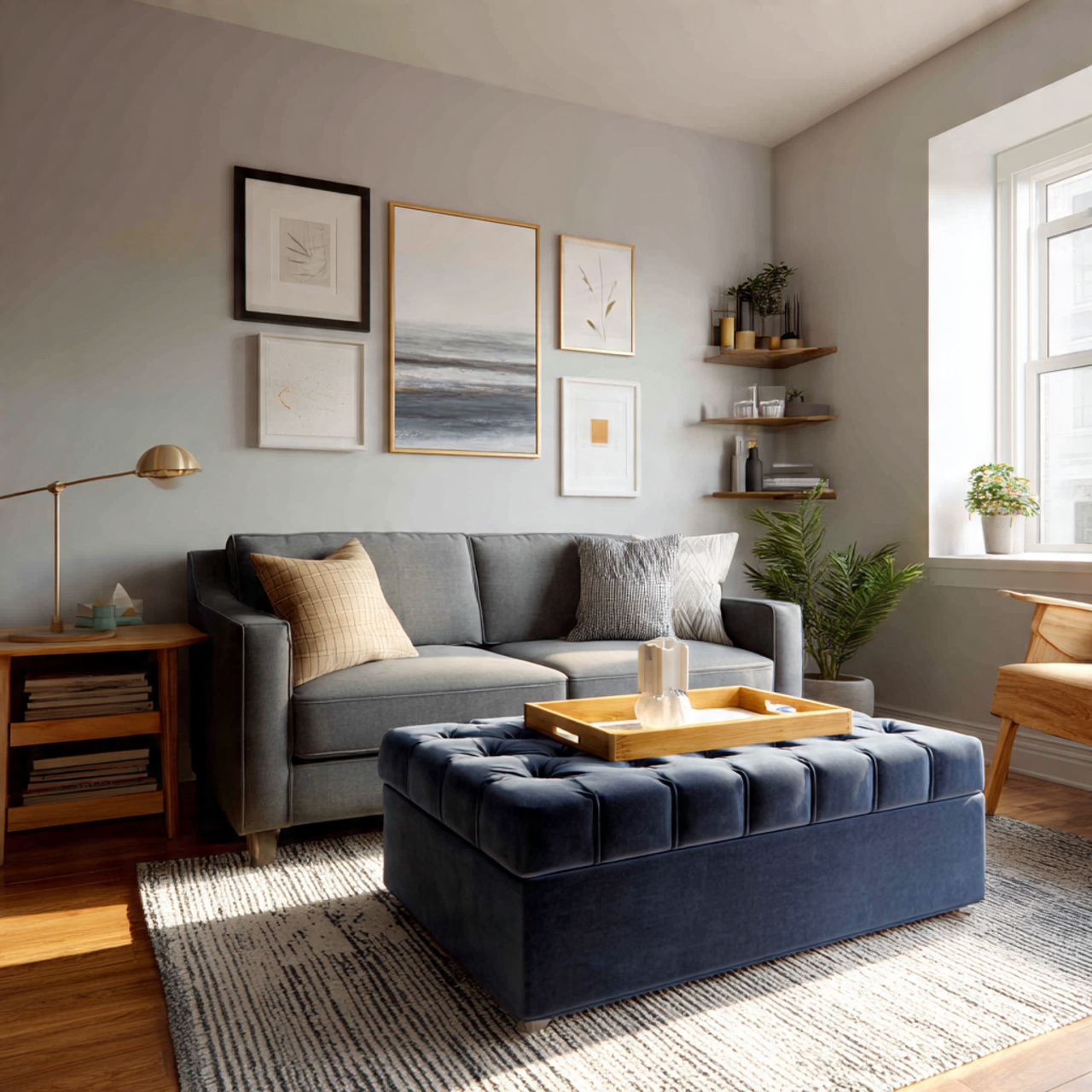
Armchairs are cozy but they take up a LOT of room. In a tiny living room, swapping one armchair for a stylish bench or storage ottoman gives you seating without the visual bulk. An ottoman with storage inside gives you hidden space for blankets, remotes, or magazines. Place a tray on top and it becomes your coffee table, too — three uses from one piece.
Benches are even more space-efficient because they can slide under a console table or be pushed to the wall when not in use. Add a cushion and some throw pillows and a bench becomes a surprisingly comfortable seating option. This kind of flexible, multifunctional thinking is the heart of smart small-space design in 2026.
12. Create Zones With Lighting
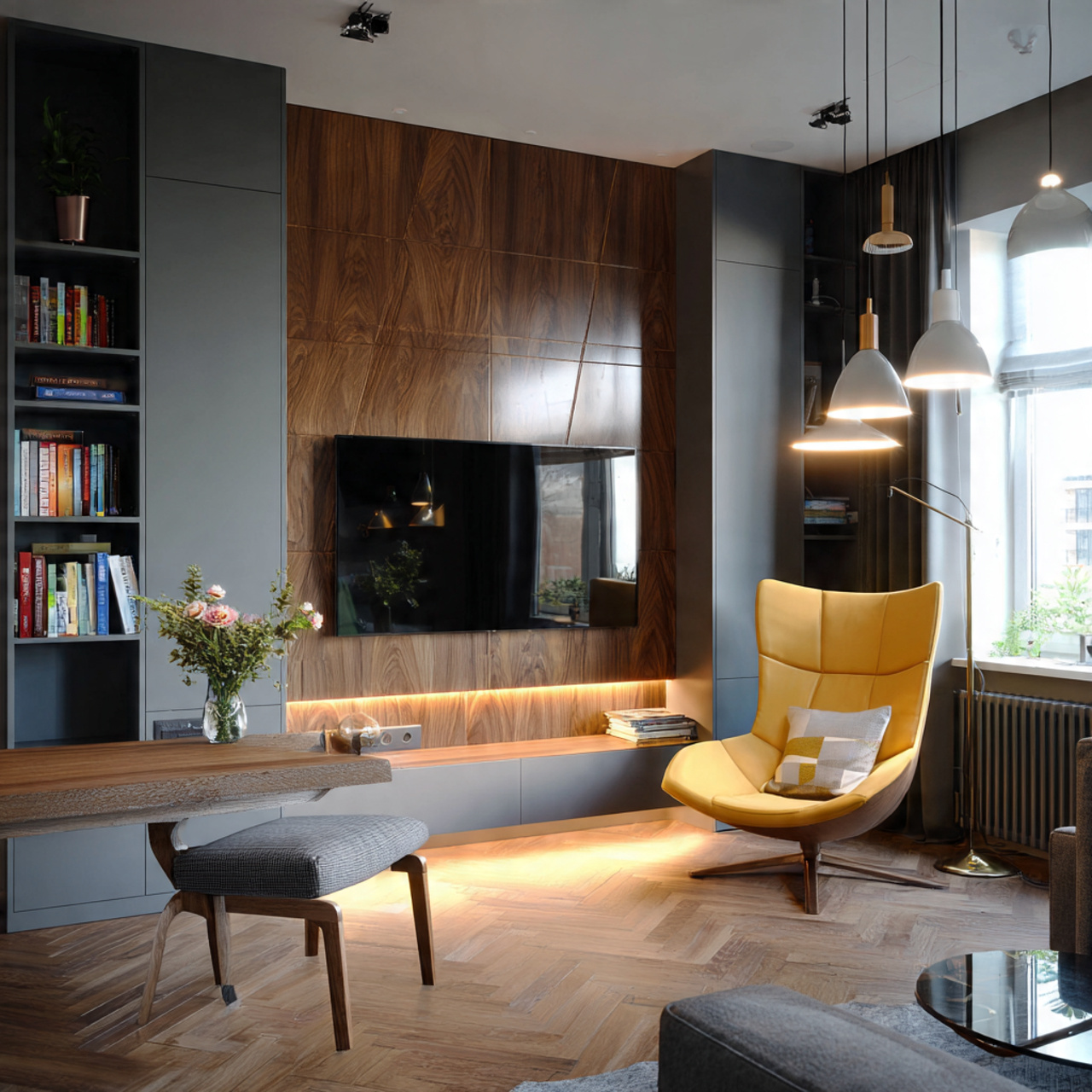
Lighting is one of the most underrated small-space design tools. Instead of relying on one overhead light that washes the whole room flat, use multiple light sources at different heights. A floor lamp in one corner, a table lamp on a side table, and LED strips under shelves or behind the TV all create warmth, depth, and the feeling of distinct zones within a single room.
Layered lighting makes a small room feel cozy and purposeful rather than cramped and chaotic. Use warm-toned bulbs in the 2700K–3000K range for living areas — they’re soft on the eyes and create an inviting atmosphere. Dimmer switches are a small upgrade that dramatically change how a room feels at different times of day. Think of lighting like the mood music for your home.
13. Declutter and Embrace Minimalism
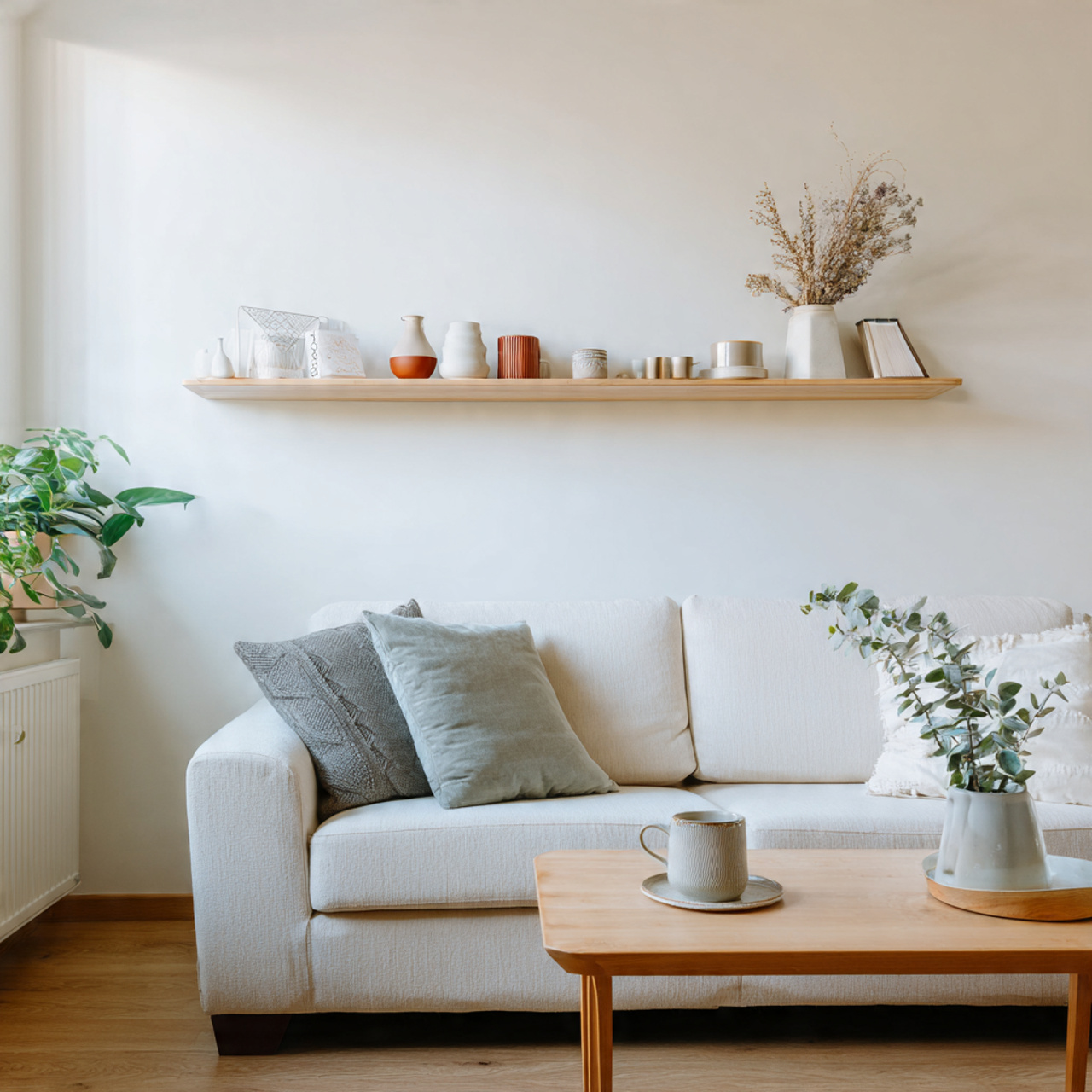
No design trick in the world works if the room is full of stuff. Clutter is the number one enemy of a small living room. You don’t have to be extreme about it — you just need to be intentional. Every object in the room should either serve a purpose or genuinely bring you joy. If it does neither, it doesn’t belong in a tiny space.
A great exercise: take everything out of your living room and only bring back what you truly need. You’ll probably be shocked at how much stuff you had in there that you didn’t even notice anymore. The Japandi aesthetic — a blend of Japanese minimalism and Scandinavian warmth — is the reigning interior design philosophy for small spaces in 2026, and it’s built entirely on the power of less.
14. Use Transparent or Lucite Furniture
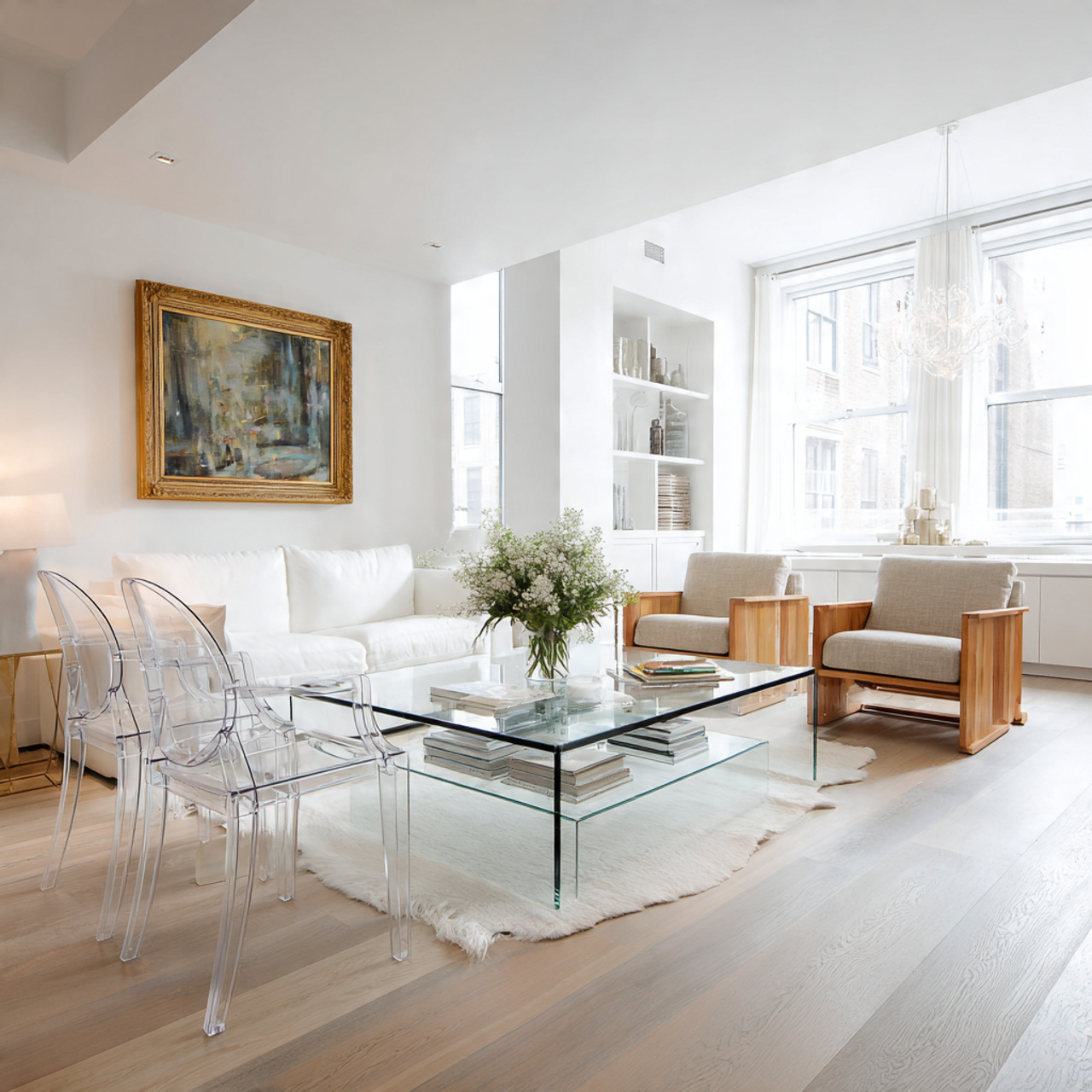
Clear acrylic and lucite furniture is one of the most visually clever tricks for a tiny living room. Because you can see right through the piece, it barely registers as taking up space. An acrylic coffee table, clear side table, or transparent ghost chairs give you the function of furniture with almost none of the visual weight. It’s like having furniture that’s practically invisible.
This trick works especially well in rooms that already feel crowded with color and pattern. Pairing a transparent coffee table with a bold sofa keeps the room feeling balanced. Lucite pieces are also very on-trend right now — they give a modern, slightly retro-chic edge that works beautifully in 2026 compact interior design aesthetics.
15. Use an Accent Wall to Add Depth Without Clutter
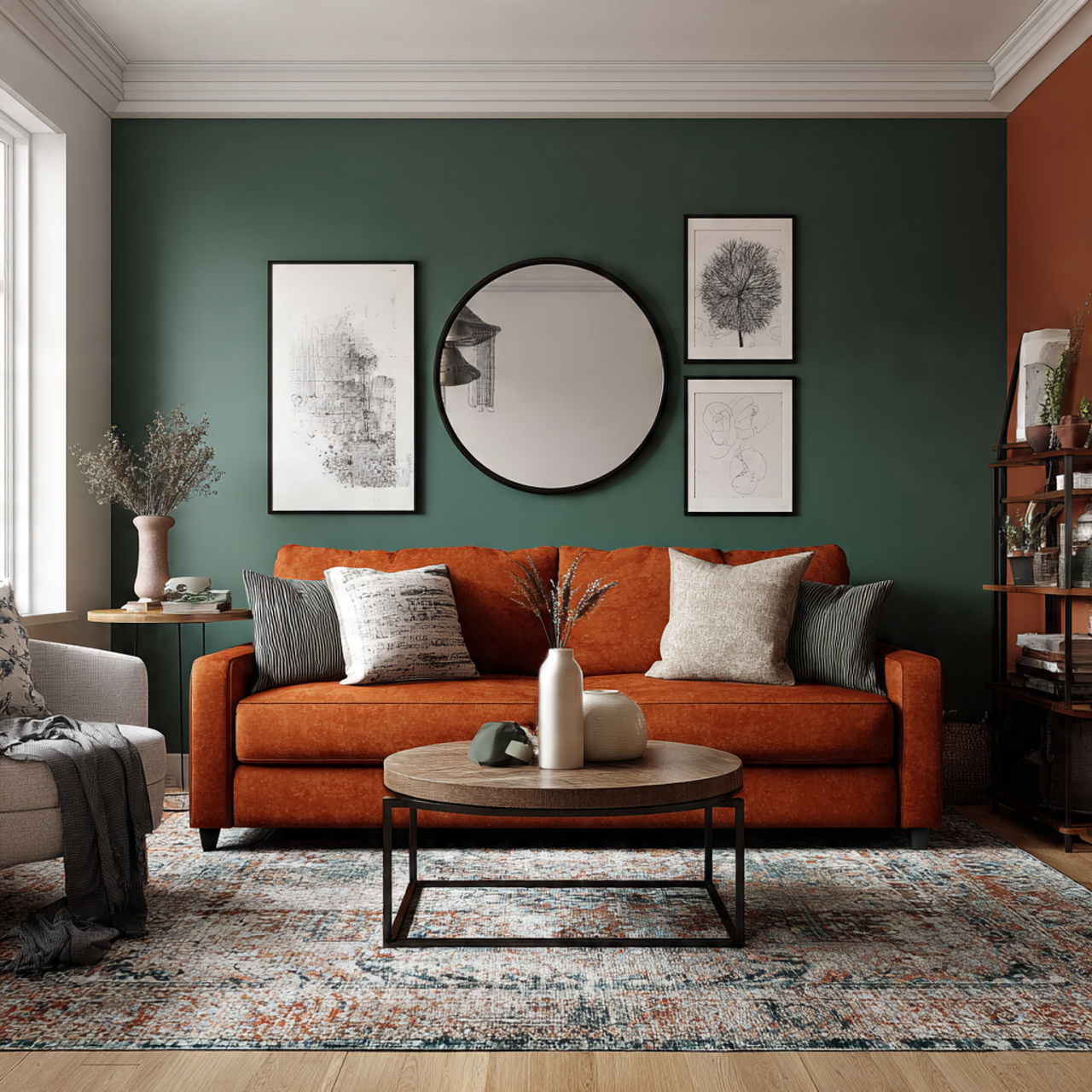
An accent wall done right can give a tiny living room a whole personality. The trick is to pick just one wall — usually the one your sofa sits against — and give it a bolder color or textured treatment like wood paneling or wallpaper. Keep everything else light and neutral. This creates depth and visual interest without overwhelming the space.
In 2026, the most popular accent wall choices for small living rooms are deep terracotta, warm forest green, dusty blue, and earthy clay tones. These colors feel grounded and warm without being too dark. Add a round mirror or a single piece of bold artwork on the accent wall and you’ve got a focal point that makes the whole room feel designed and intentional.
How to Choose the Right Furniture Scale for a Small Living Room
Furniture scale is the biggest mistake most people make in a tiny living room. Oversized pieces — big sectionals, large armoires, chunky recliners — swallow up the room instantly. The rule of thumb is simple: furniture should leave at least 18 inches of walking clearance between pieces, and you should be able to move around the room without squeezing.
When shopping, always measure your room first and tape out the furniture footprint on the floor before buying anything. What looks small in a showroom often looks enormous in an apartment. Choose pieces with slim profiles, raised legs, and clean lines — they feel lighter visually and keep the room from feeling stuffed.
The Best Color Combos for Tiny Living Rooms in 2026
Color psychology plays a big role in how a small room feels. In 2026, the most recommended color strategies for tiny living rooms lean toward warm neutrals paired with earthy accents. Think warm white walls with terracotta throw pillows, or soft greige (grey-beige) walls with sage green plants and warm wood furniture.
These combos feel collected and calm — not sterile. Avoid mixing too many colors in a small space; stick to a palette of two or three tones maximum. One bold accent color through pillows, a rug, or a plant pot goes a long way in a tight room without making it feel chaotic or busy.
Small Living Room Mistakes to Avoid in 2026
Even with the best ideas, certain common mistakes can undo all your hard work. The biggest ones include: pushing all furniture against the walls (this actually makes rooms feel smaller, not bigger), using too many small decorative items that create visual noise, ignoring natural light by blocking windows with heavy furniture, and buying furniture without measuring first. Another common error is using too many different materials and finishes — mixing five different wood tones and three different metals creates confusion.
Keep it cohesive. Pick one metal finish (brass, matte black, or brushed nickel) and stick to it across all hardware and fixtures. That kind of consistency is what separates a thoughtfully designed small room from one that just looks thrown together.
Conclusion
A tiny living room doesn’t have to feel tiny. With the right 15 tiny living room ideas 2026 in your toolkit — from smart furniture choices and vertical storage to strategic lighting and mirror placement — you can turn even the smallest space into something that feels open, stylish, and truly livable. Start with one or two changes, see the difference, and build from there. The best small room is the one that works for your real life, every single day.
Frequently Asked Questions (FAQs)
What makes a tiny living room look bigger?
Light colors on walls, large mirrors, raised-leg furniture, and decluttering are the fastest ways to make a small living room feel larger. Hanging curtains high and wide also adds the illusion of taller ceilings and bigger windows.
What furniture is best for a very small living room?
Multifunctional pieces work best — a storage sofa, nesting coffee tables, a storage ottoman, and floating wall units. Furniture with slim legs and transparent materials like acrylic also help a small room feel open.
What color should I paint a tiny living room in 2026?
Warm whites, soft beige, light sage green, and pale grey are the top choices for 2026. Stick to light, warm tones that reflect light. Avoid very dark colors on all walls — save bold tones for a single accent wall only.
How do I add personality to a small living room without cluttering it?
Use one or two bold statement pieces — a colorful rug, a gallery wall of three curated prints, or a single piece of large artwork. Keep the rest simple and neutral. Less is genuinely more in a compact space, and one strong focal point always looks more intentional than ten small decorative items scattered around.


