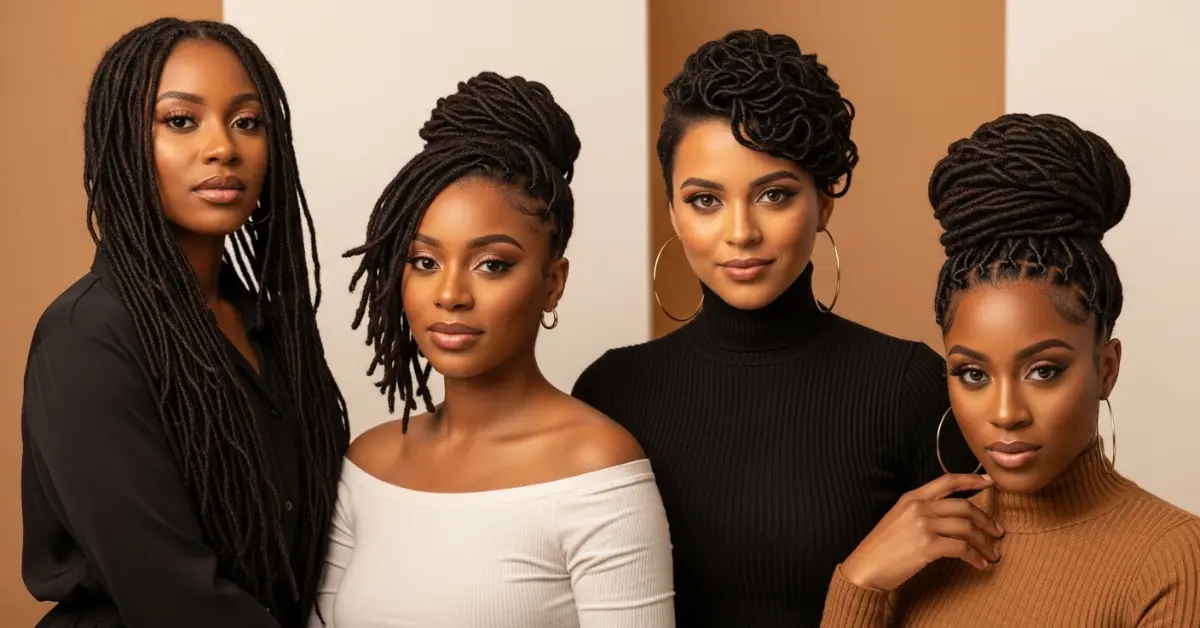
15 Locs Hairstyles for Women ideas, Sorted by Where You Are in the Journey
My cousin started her locs the same month I got a fresh relaxer, back when we were both convinced we knew exactly what we wanted long-term. Nine years later, she’s the one with waist-length, fully mature locs she can pile into any shape she wants, and I’ve changed my mind about my hair roughly six times since. Watching her journey taught me something I didn’t expect: locs aren’t one hairstyle. They’re a years-long process, and what looks good depends enormously on which part of that process you’re actually in.
So this list is sorted by stage, not by occasion or vibe, because a style that looks incredible on locs that are five years mature can look completely different, or just not work at all, on locs that are three months old. Find your stage, and start there.
Starter Locs (0–6 Months)
This is the most fragile stage, when locs are still forming and need protection more than styling drama.
1. The Simple Low Bun
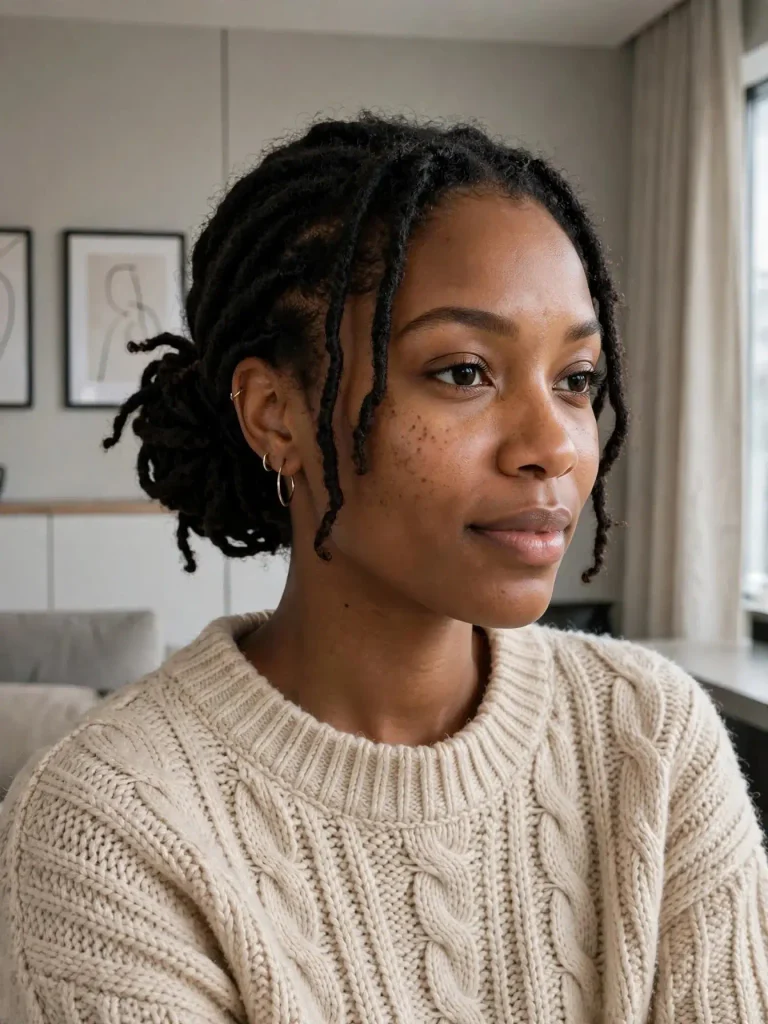
Gather all the starter locs into a soft, low bun at the nape and secure gently with a fabric-covered elastic. At this stage, the priority is minimizing tension on the roots, and a low, loose bun puts almost no strain on hair that’s still establishing its pattern.
2. Flat Twists Along the Crown
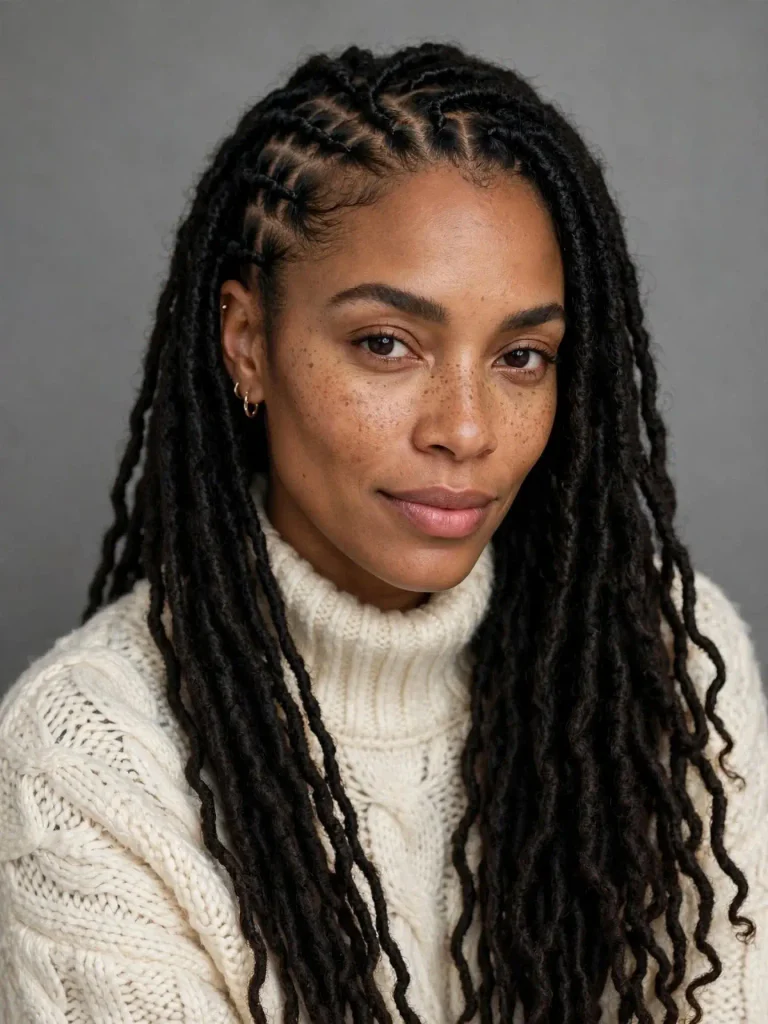
Two or three flat twists running from the front hairline back toward the crown, with the rest left loose or gathered. This keeps hair off the face during the itchy, sometimes uncomfortable early weeks without pulling tightly on any single section.
3. The Loose Half-Up
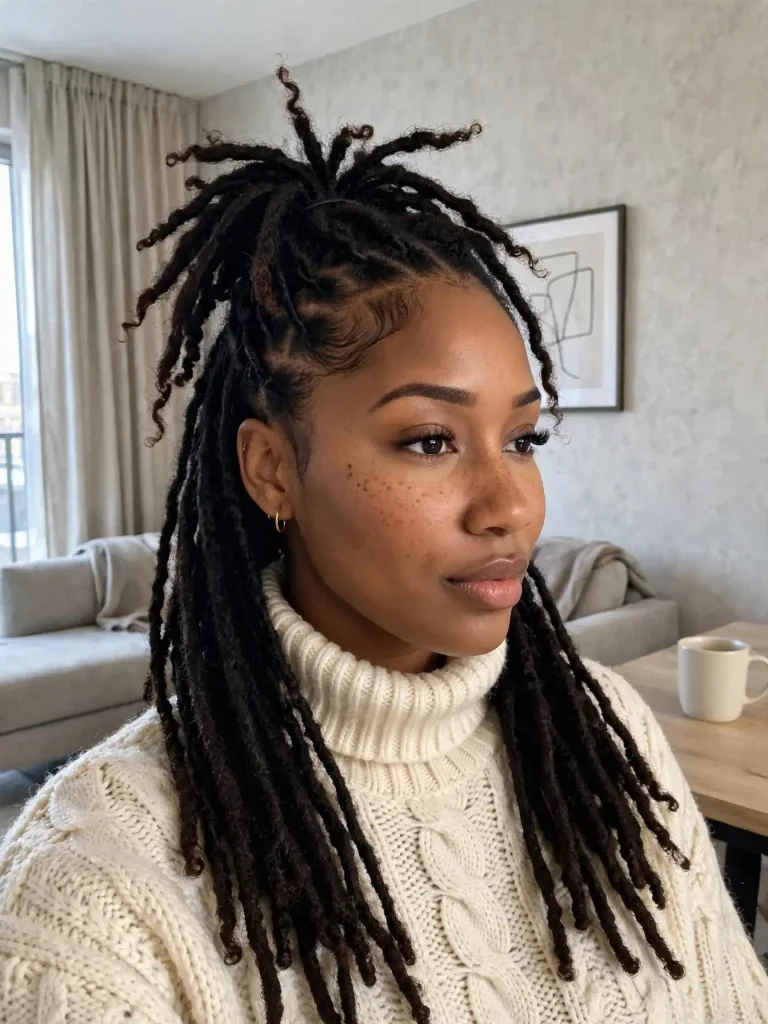
Pull only the very front section back and secure loosely, leaving the rest of the starter locs down. This is about as low-maintenance as styling gets at this stage, and low maintenance is exactly what starter locs need most.
Budding Stage (6 Months to 1 Year)
Locs are starting to hold their shape better and can handle slightly more styling without as much risk, though they’re still not fully mature.
4. Two-Strand Twist Updo
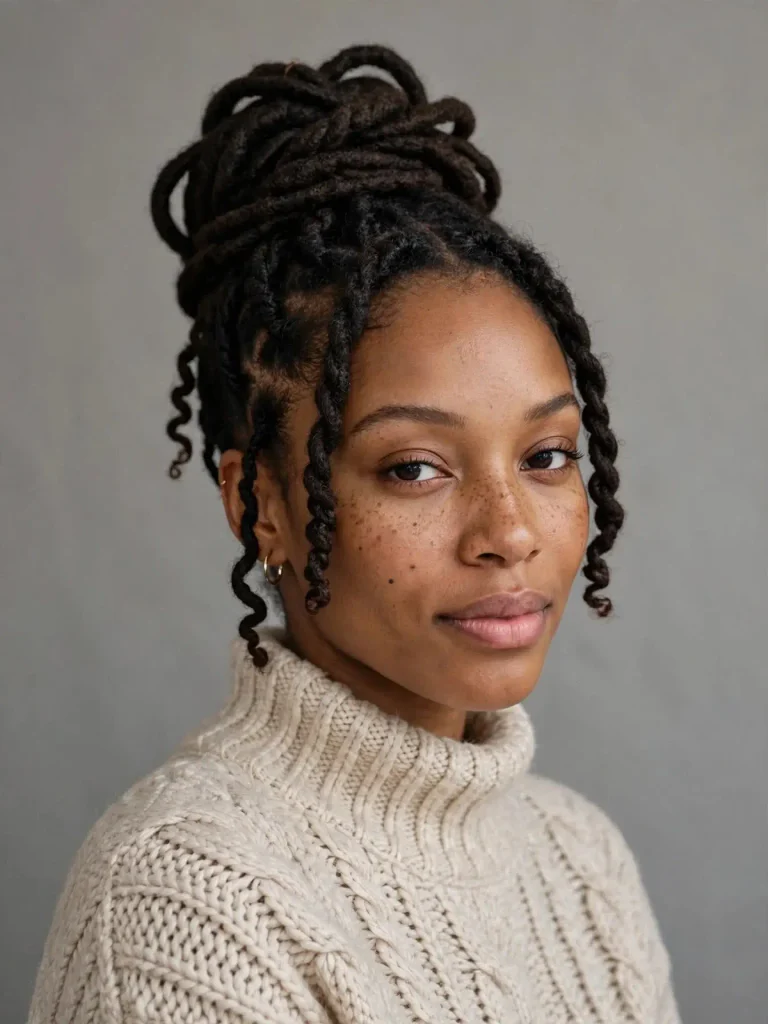
Twist small sections together in pairs and pin them up into a loose, textured updo. The budding stage is usually the first point where locs are secure enough to hold pinned styles for a full day without slipping loose constantly.
5. The Side-Swept Style
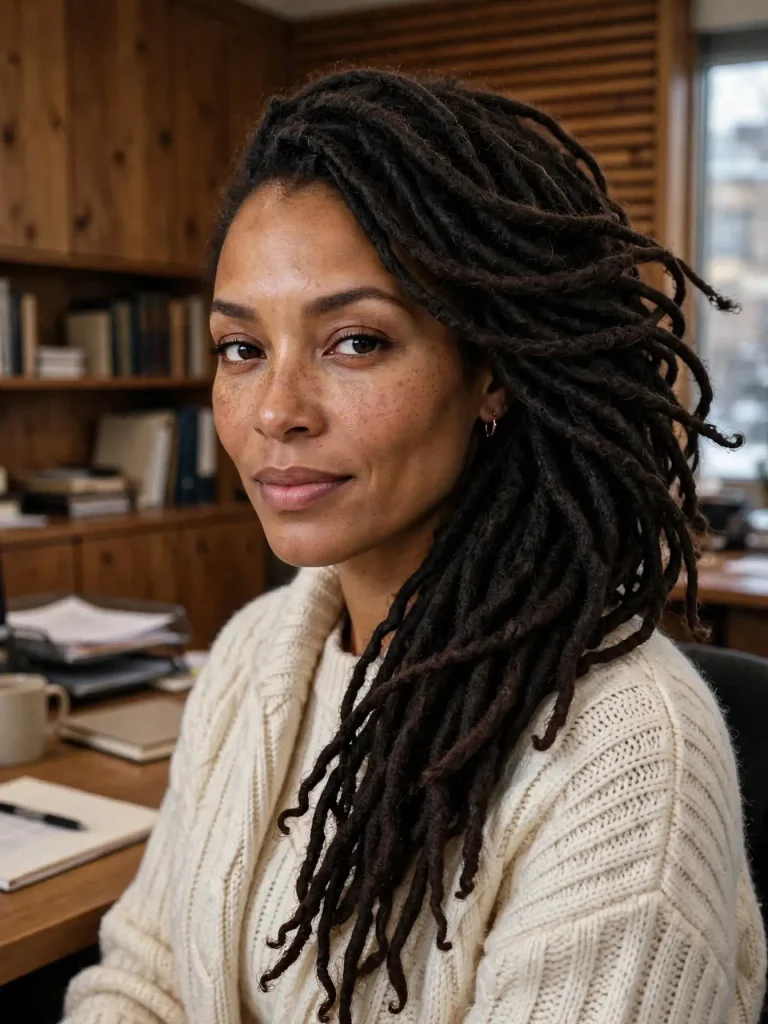
Gather most of the locs to one side, securing with a soft tie or a few pins, letting a couple of pieces fall naturally near the face. This introduces a bit of visual interest without any complex manipulation of the actual locs.
6. Wrapped in a Silk Scarf, Loose Ends Out
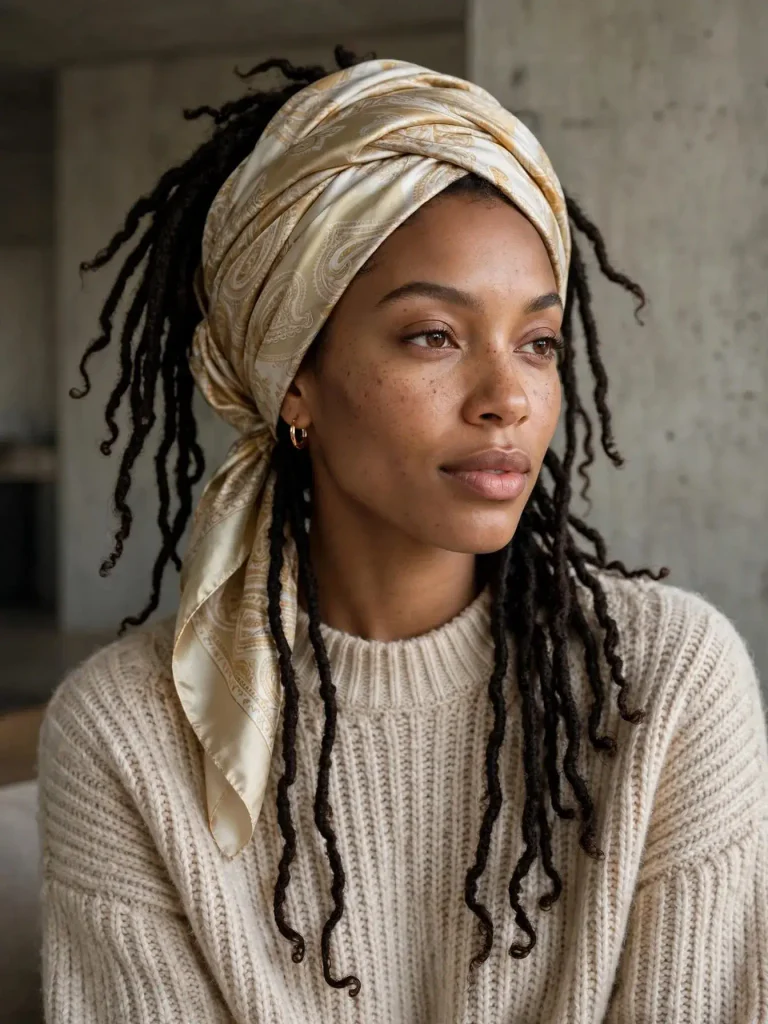
Wrap the roots and midsection in a silk scarf or wide headband, letting the ends hang freely below. This protects the still-forming roots while giving you a finished, styled look rather than just tying everything back out of necessity.
Teenage Locs (1 to 3 Years)
Locs at this stage have real length and are considerably more resilient, opening up genuine styling range for the first time.
7. The High Ponytail with Wrapped Base
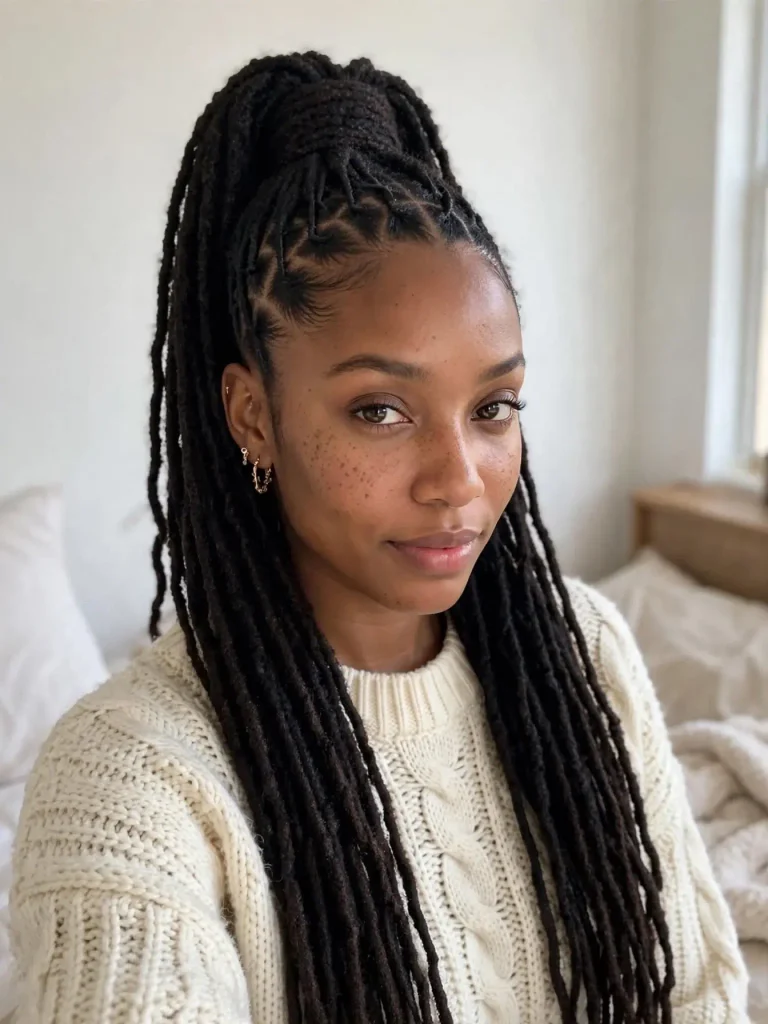
Gather locs into a high ponytail and wrap a few of the locs themselves around the base to hide the elastic. At this stage, locs are usually long and flexible enough to actually be used this way, rather than needing fabric or accessories to hide the tie.
8. Loc Bun with Face-Framing Pieces
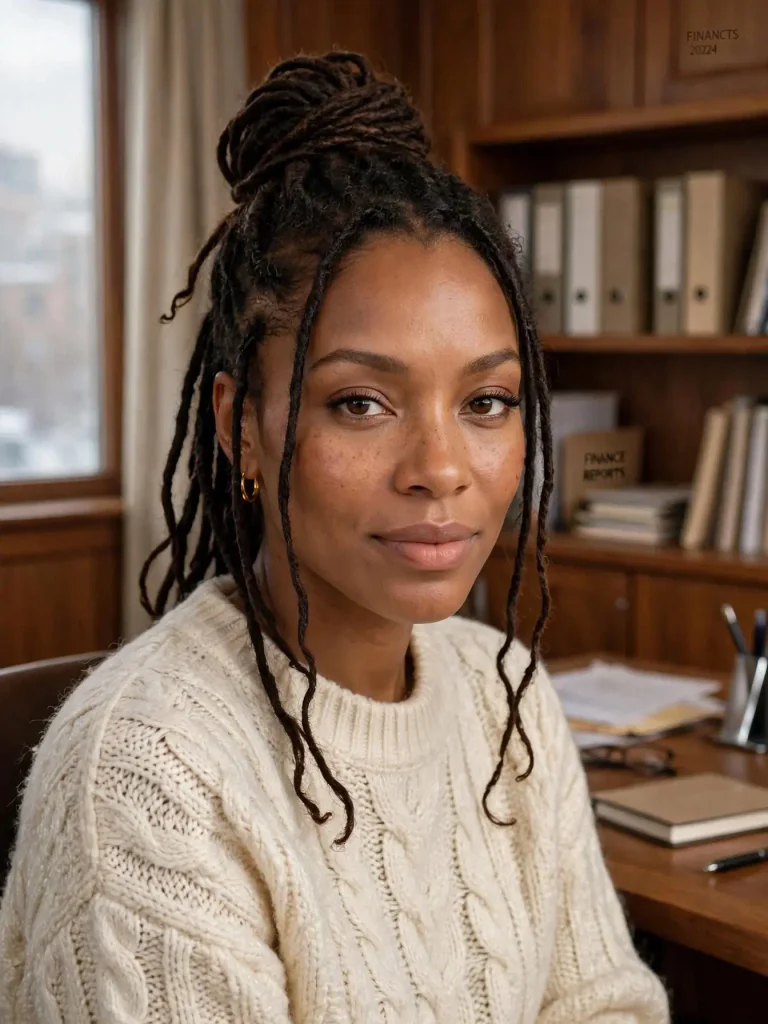
A full bun at the crown, with two or three shorter front locs left loose to frame the face. This works particularly well once you have enough length and flexibility to shape a bun that actually holds without pins slipping out constantly.
9. Half-Up Top Knot
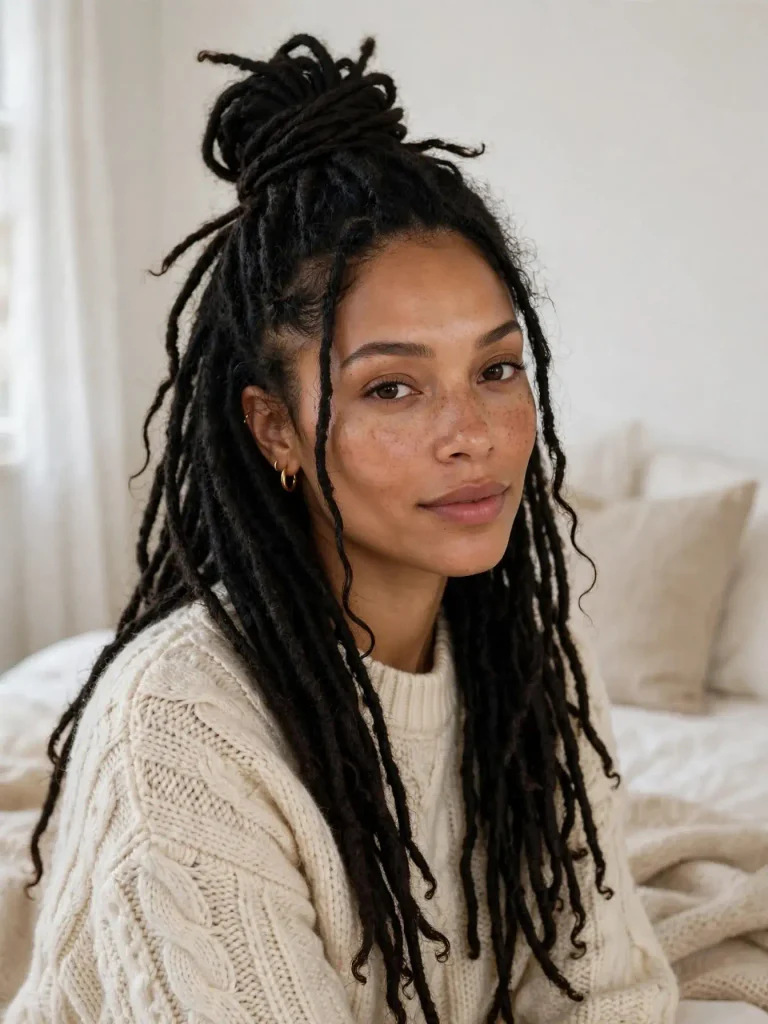
The top half gathered into a small, neat knot, the bottom half left down. This is one of the more versatile styles at this stage, moving easily from a daytime look to something dressier just by adding a single accessory at the base.
10. Loose Curls at the Ends Using Perm Rods
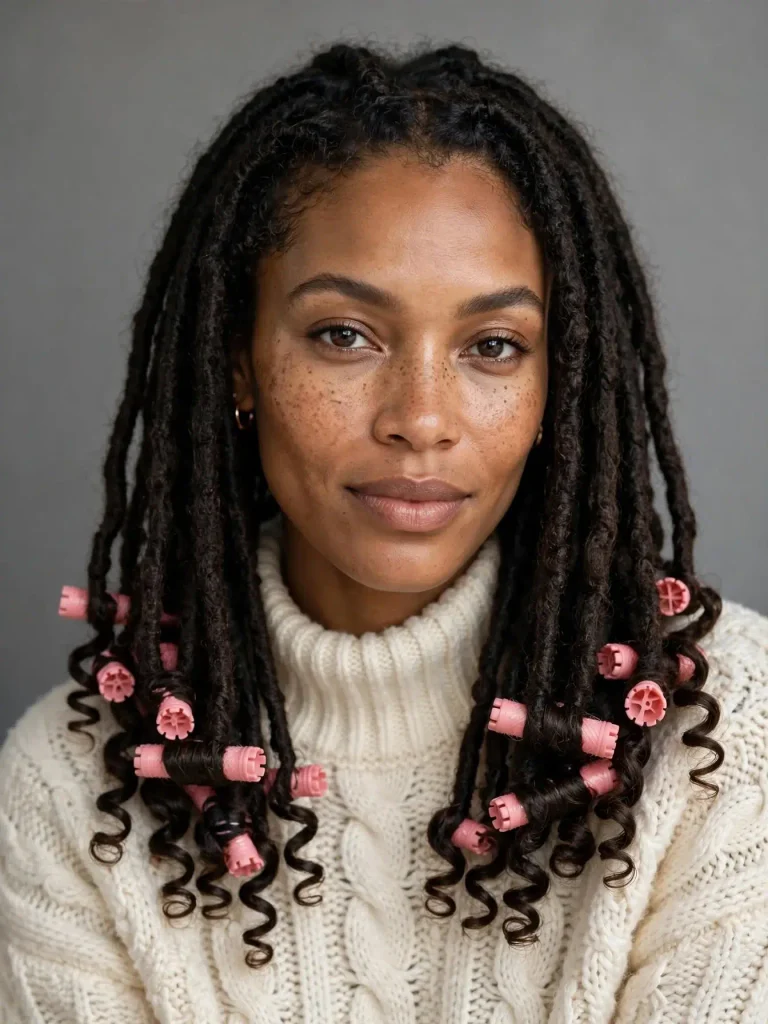
Set only the last few inches of each loc on small perm rods overnight, leaving the roots and midsection untouched. This adds movement and softness at the ends specifically, which tends to look more intentional the longer your locs have had to mature and thicken.
Mature Locs (3+ Years)
Fully mature locs are thick, dense, and hold shape with minimal effort, which means the styling options genuinely expand the most at this stage.
11. The Full Updo with Pinned Sections
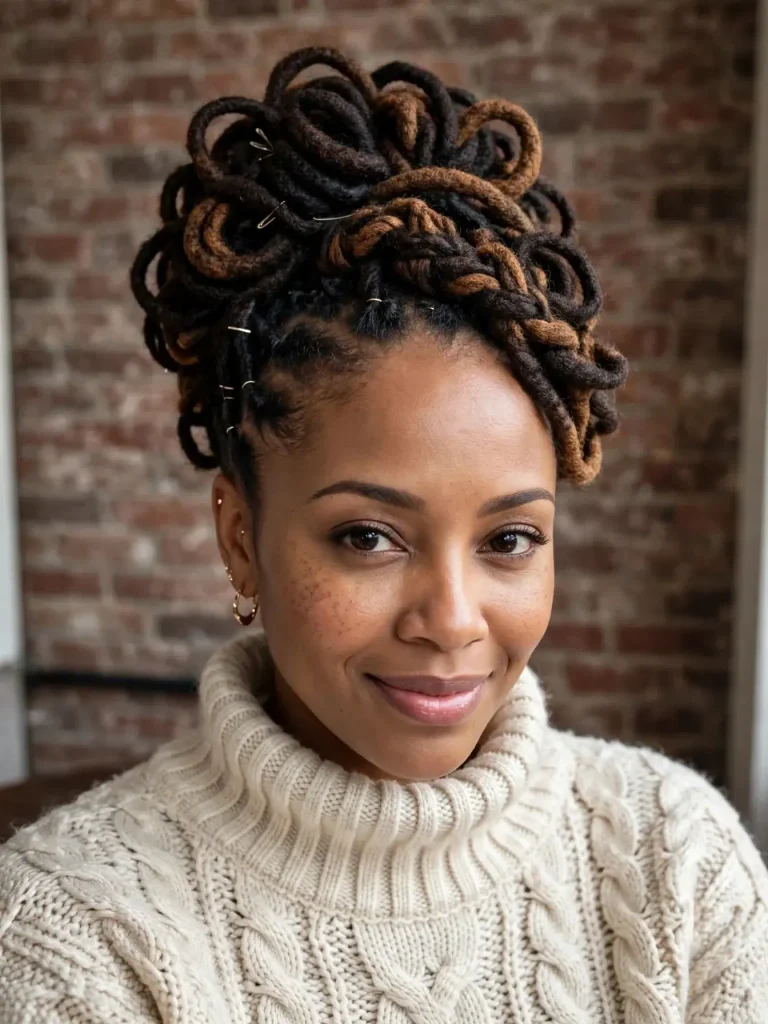
Large sections gathered and pinned into a sculptural updo, sometimes incorporating multiple buns or knots at different heights. Mature locs have the weight and density to hold complex pinned shapes for an entire event without loosening.
12. Loc’d Faux Hawk
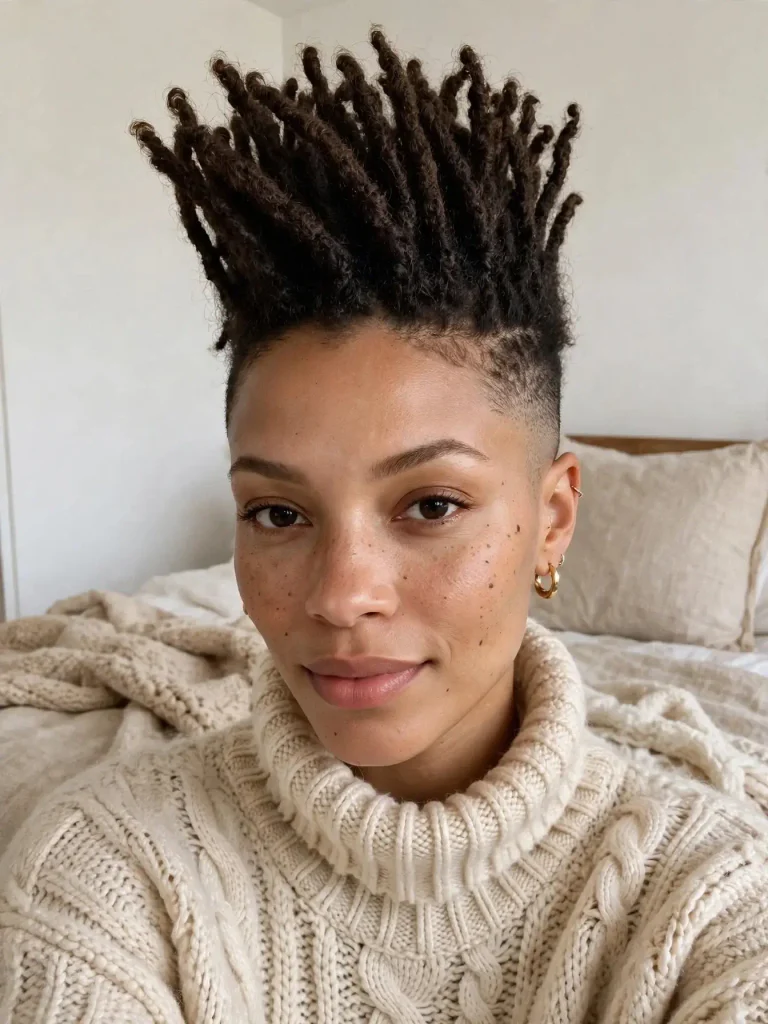
The center section gathered upward and secured, with the sides pinned flat or tucked close to the head. This dramatic, structured style genuinely needs the thickness of mature locs to read properly — the same style attempted on thinner, younger locs tends to look sparse rather than bold.
13. Waist-Length Waves with a Deep Side Part
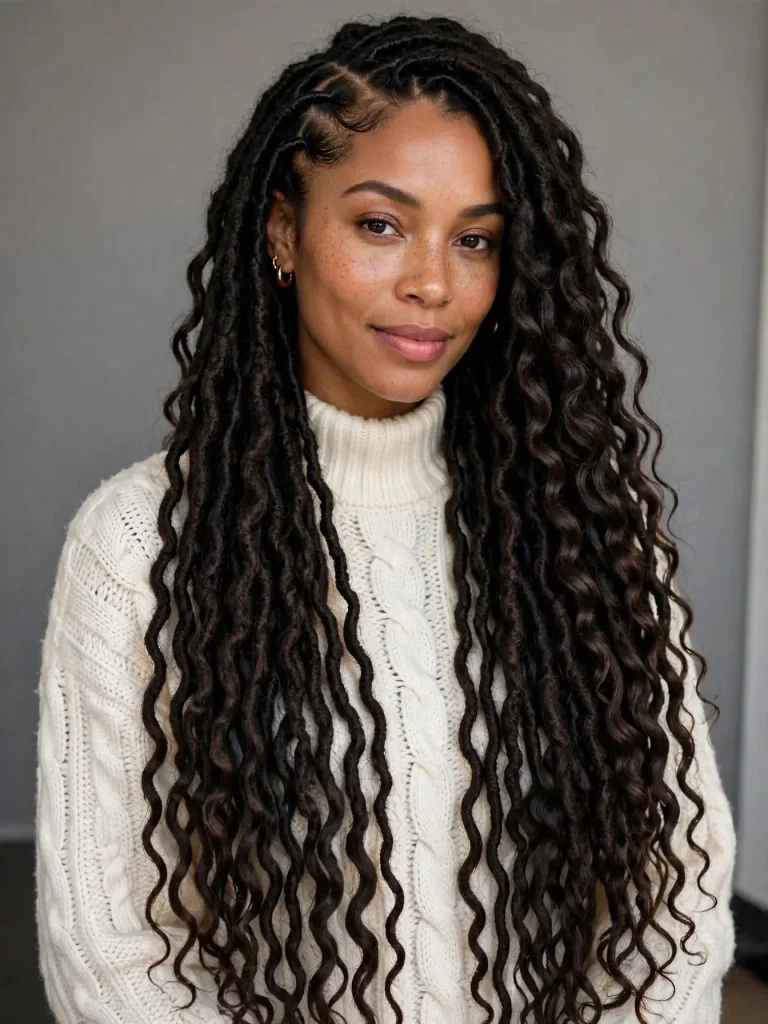
A deep side part, with the full length of mature locs styled into loose, cascading waves down one side. This is really the payoff style of the whole journey — the length and fullness that only comes with years of growth, worn simply and let speak for itself.
14. Loc Updo with Woven Accent Pieces
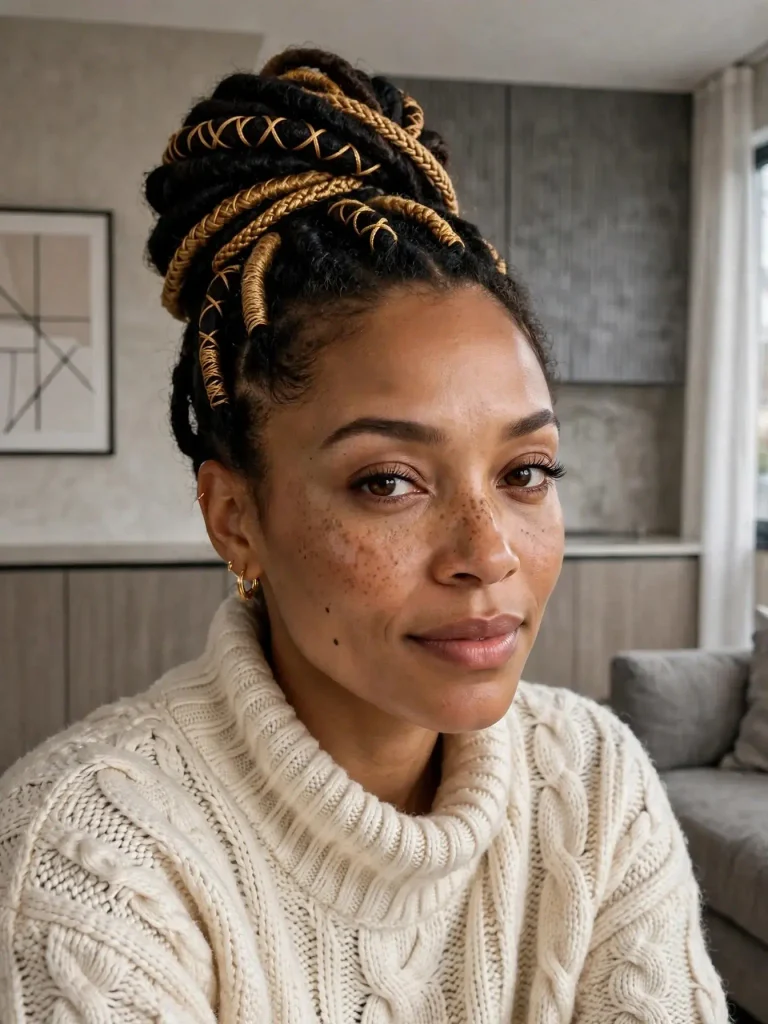
A base updo with a few individual locs pulled out and woven decoratively around the outside, sometimes incorporating thread, beads, or cuffs along the length. Mature locs have enough length to spare for this kind of decorative weaving without compromising the structure underneath.
15. The Structured Low Chignon
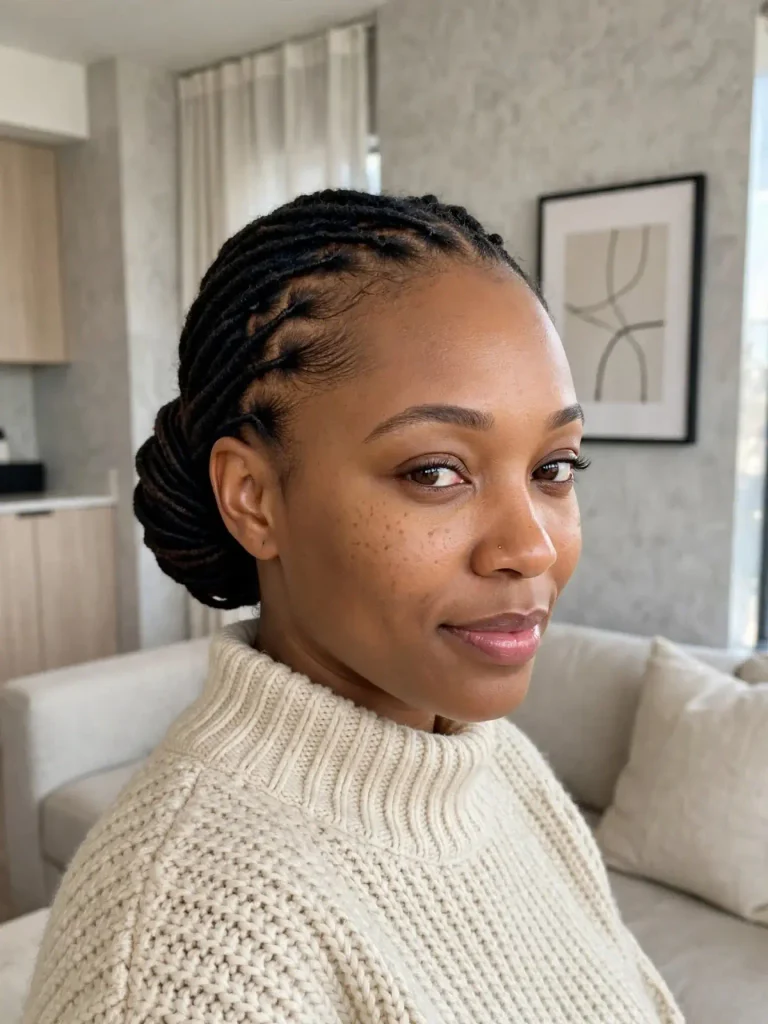
A sleek, low, tightly wrapped bun at the nape, smoothed and pinned for a polished, formal finish. This style relies entirely on the length and flexibility that only comes with fully mature locs, and it reads as effortlessly elegant in a way that simply isn’t achievable at earlier stages.
The Stage-Appropriate Product Check
Something worth knowing regardless of which style you’re drawn to: the product needs of your locs change as significantly as the styling options do, and using the wrong product for your stage can genuinely slow down healthy progress.
Starter locs need very light, minimal product, since heavy oils or waxes at this stage can attract lint and interfere with the natural locking process rather than helping it. Budding and teenage locs generally benefit from a slightly richer moisturizing routine, since the hair is thicker and drier by this point and needs more consistent hydration to stay flexible rather than brittle. Mature locs can typically handle heavier styling products without issue, since the internal structure is fully set and far less vulnerable to the kind of buildup that would disrupt an earlier stage.
If a style on this list isn’t holding the way you expected, it’s worth checking whether the product you’re using actually matches your current stage, rather than assuming the style itself is the problem.
What Nobody Tells You About the In-Between Weeks
Every stage above has a name and a rough timeline, but almost nobody talks honestly about the weeks right at the edge of each transition, when your locs don’t quite behave like the stage you just left, but aren’t quite ready for the stage ahead either.
This is genuinely the most frustrating stretch of the whole journey, and it’s worth knowing in advance that it’s completely normal rather than a sign anything’s going wrong. During these in-between weeks, lean toward the simpler styles from the stage just behind you rather than pushing into anything from the stage ahead, since forcing a style your locs aren’t quite ready for yet is one of the more common causes of unnecessary strain or slower progress. Patience during these specific weeks tends to pay off more than trying to rush ahead based on the calendar alone.
Growth Isn’t Just Length
It’s easy to measure loc progress purely by length, but thickness, flexibility, and how well a section holds a pinned style are just as real a measure of where you actually are, and sometimes a better one than the calendar. Two people who started locs on the exact same day can be at genuinely different practical stages six months later, depending on hair type, care routine, and how the individual locs have matured.