16 French Braid Hairstyles, Answered Like Letters From Real Situations
A friend once texted me in a panic forty minutes before her daughter’s dance recital, her daughter’s hair half-braided and unraveling, asking which French braid actually survives three hours of spinning under stage lights. That question, specific, urgent, tied to a real moment, is a far more useful starting point than “here are some pretty braids.” So instead of listing styles in the abstract, this collection answers seventeen real situations the way I actually would in a text message, with the braid that solves each one and the small detail that made it work when I tried it myself or watched someone else figure it out the hard way.
“I Have a Job Interview Tomorrow and No Time for a Salon”
The Sleek Single French Braid
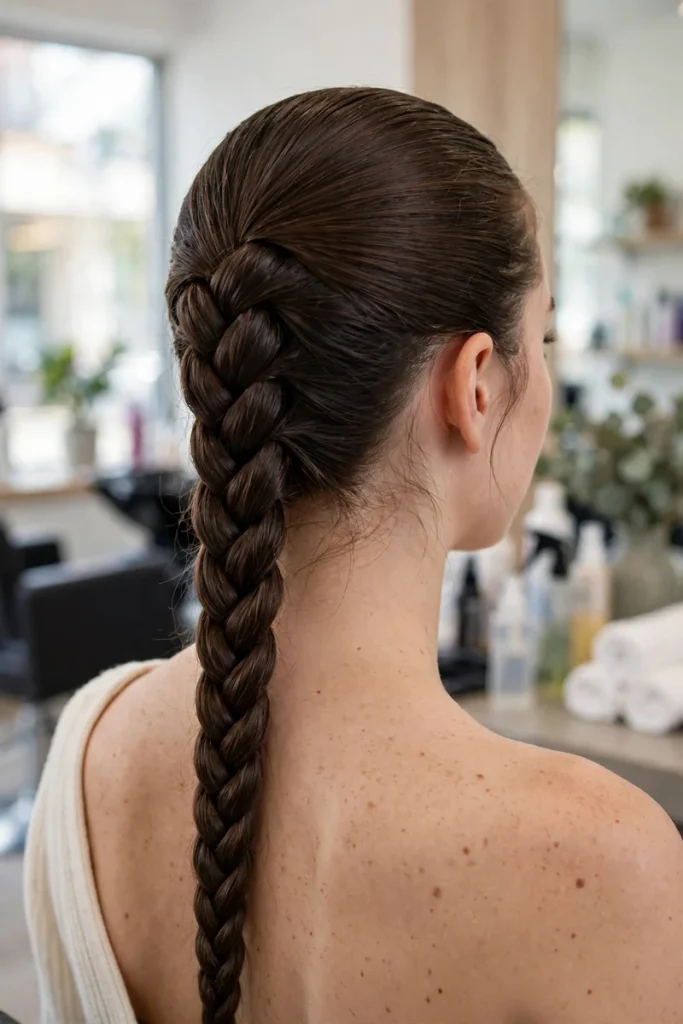
One clean braid from crown to nape, kept tight and close to the head rather than loose and textured, secured with a thin, understated elastic. A colleague of mine wore exactly this to a interview after her blowout fell flat the night before from unexpected humidity, and she told me afterward that two separate people on the hiring panel complimented how polished it looked, with zero idea it had been a five-minute fix. The detail that makes it read as professional rather than casual: comb through the braid gently with a fine-tooth comb before securing, which removes the bumpy, uneven look an unrefined braid can have.
“My Daughter Has a Dance Recital and I Need This to Survive Three Hours Under Stage Lights”
The Double French Braid Into a Bun

Two French braids starting at the front hairline, meeting at the crown, and twisted together into a tight bun, secured with both an elastic and several bobby pins crossed in an X pattern. This is genuinely the style that solved my friend’s recital panic, since the double-braid structure distributes tension evenly and holds through spinning, jumping, and sweat far better than a single braid alone. The detail worth knowing: spray the entire style with a strong-hold hairspray before the braiding even begins, not just at the end, since pre-treating the hair gives the braid extra grip from the start.
“I Want to Hide That I Haven’t Washed My Hair in Three Days”
The Dutch Braid Pulled to One Side
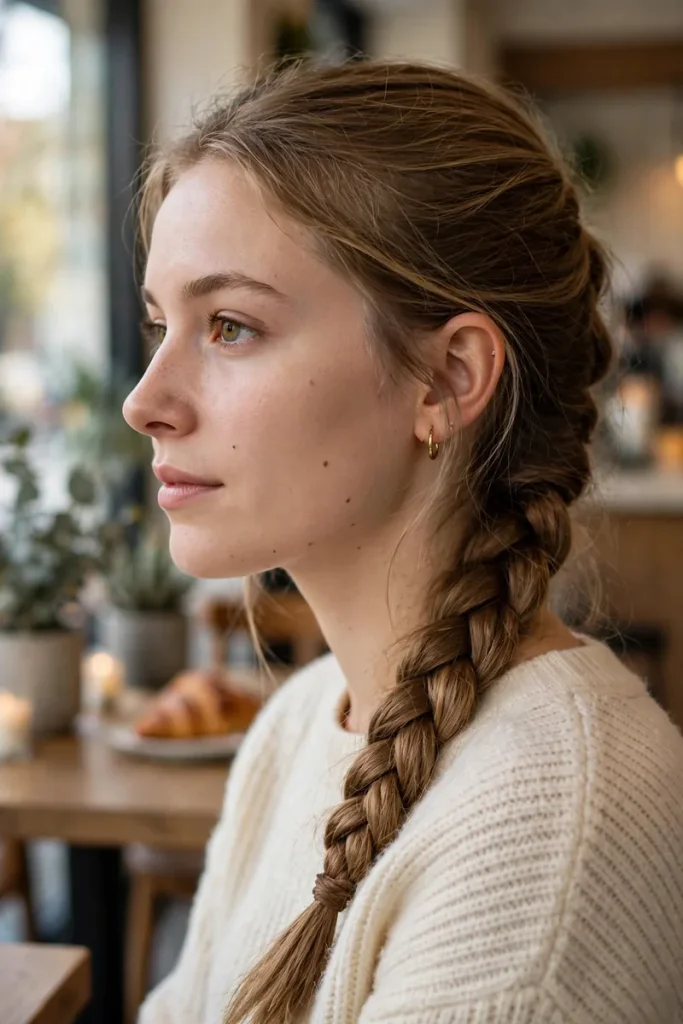
A reverse French braid, strands crossed underneath rather than over, running diagonally from one temple to the opposite side of the head, pulled into a low side ponytail or left loose at the end. Day-old or day-two hair actually braids more easily than freshly washed hair, since there’s enough natural texture for the braid to grip without slipping, something I learned entirely by accident on a morning I genuinely ran out of time to wash. The detail that makes unwashed hair work in your favor here: a light dusting of dry shampoo at the roots before braiding gives even more grip and disguises any oiliness completely once the braid is in place.
“I’m Going Camping and Won’t Be Able to Style My Hair for Four Days”
Two Tight French Braids, Pigtail Style
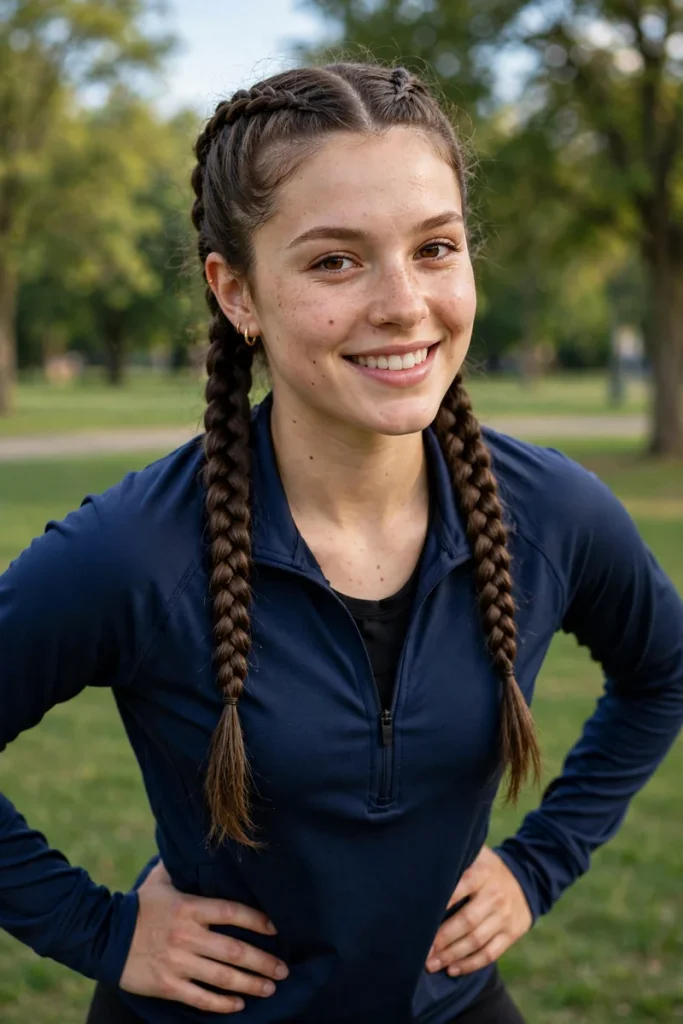
Two braids, one on each side, kept as tight to the scalp as comfortably possible, secured with strong elastics at the ends. A relative who hikes regularly told me she relies on exactly this for multi-day trips, since tight braids resist the tangling and matting that loose hair develops fast without regular brushing access, and they can genuinely be left in for several days without looking unkempt. The detail that extends their life on a trip specifically: braiding slightly damp hair with a small amount of leave-in conditioner before setting off keeps the braids from drying out and frizzing as badly over multiple days without a proper wash.
“I Have Wedding Guest Hair to Figure Out and a Backless Dress”
A French Braid Updo, Fully Gathered
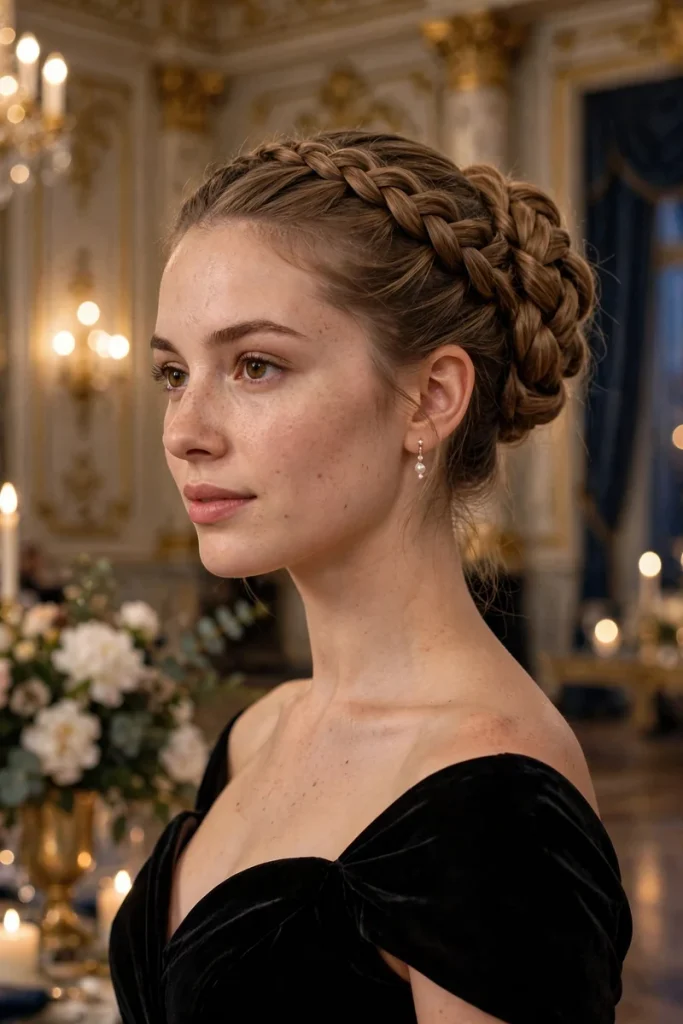
The hair French-braided from the crown downward, then the resulting braid coiled and pinned into a low updo rather than left hanging, keeping the entire back of the neck and dress visible. A cousin of mine wore this to a summer wedding specifically because her dress had a deep open back, and she wanted something that wouldn’t cover it while still feeling more elevated than a plain bun. The detail worth remembering: ask whoever styles it to leave a few soft, curled pieces loose around the face, since a fully severe, scraped-back braid can feel too plain for a dressier event without that small softening touch.
“My Toddler Won’t Sit Still Long Enough for Anything Complicated”
A Single Loose French Braid, Started Quickly From the Front
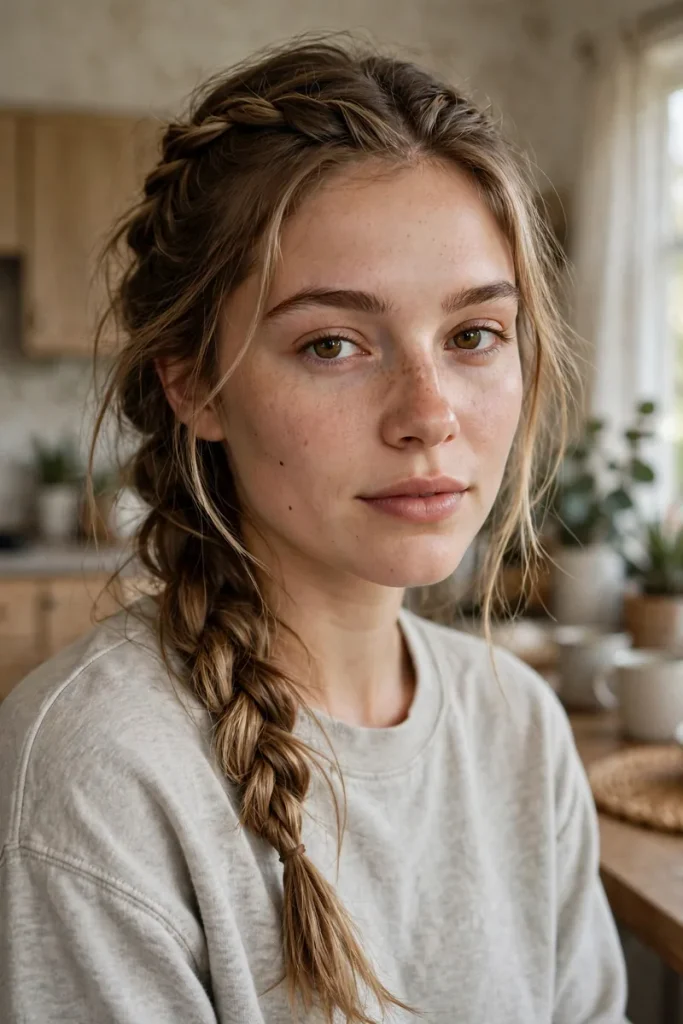
Rather than a tight, precisely sectioned braid, gathering hair loosely from the front hairline and braiding down the back without excessive fussing over perfectly even sections. A friend with a genuinely wiggly three-year-old told me she stopped trying for braiding perfection entirely and just focuses on getting the hair contained reasonably well within about ninety seconds, since a slightly uneven braid on a toddler looks charming rather than sloppy, and insisting on perfection usually just ends the whole attempt in tears, hers or the toddler’s.
“I Want to Look Like I Tried Without Actually Trying”
A Loose, Pulled-Apart French Braid

Braid the hair in a standard French pattern, then go back afterward and gently pull apart each section of the braid with your fingers, widening it and loosening the weave for a deliberately undone, romantic texture. This is the style I reach for most often myself on weekends, since it genuinely looks far more intentional and effort-filled than the actual five minutes it takes. The detail that makes the pulled-apart look work rather than just looking messy: pull evenly from both sides of the braid as you loosen it, rather than tugging randomly, which keeps the widened sections looking balanced.
“My Hair Is Too Short for a Full French Braid but I Still Want the Look”
A Partial French Braid, Front Section Only

Braiding just the front hairline section back on each side, or across the top, and either pinning the ends or letting them blend into the rest of a shorter length, a technique that works on hair as short as chin length as long as there’s enough to grip for the first few crosses. A former coworker with a sharp bob showed me this trick when I assumed her hair was simply too short for any braiding at all, and it completely changed what I thought was possible with shorter lengths.
“I’m Swimming All Day and Need My Hair Out of the Way”
Two Tight French Braids, Secured at the Very End
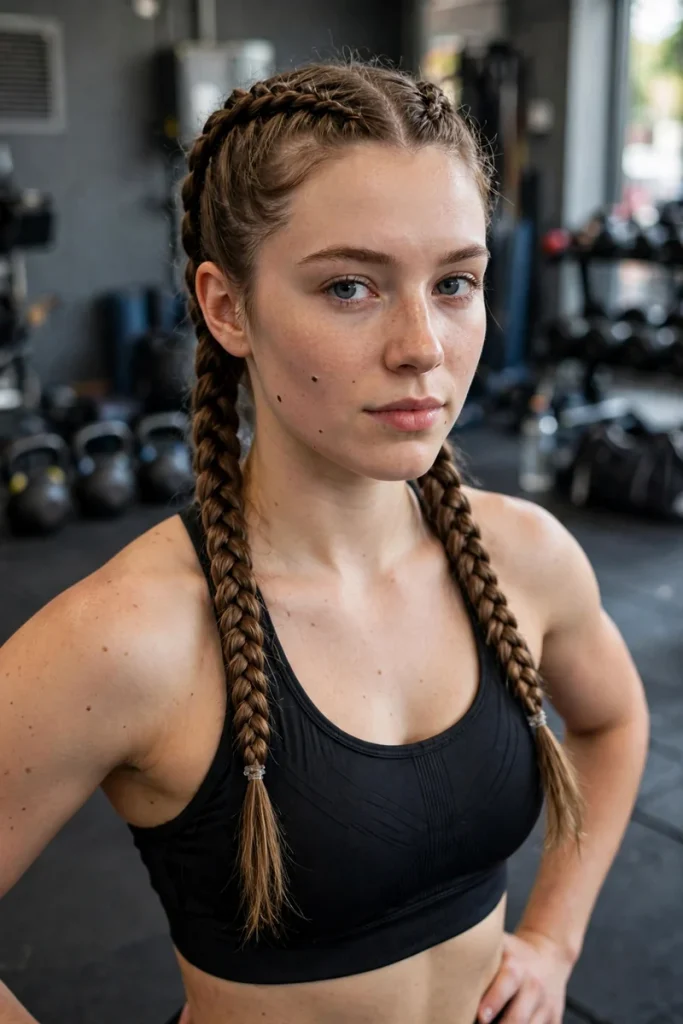
The same pigtail-style double braid mentioned for camping, but with extra attention to tightness right at the nape specifically, since swimming and diving put particular stress on that area. Salt water and chlorine both dry hair out significantly, so braiding beforehand and leaving the style in through multiple swims, rather than restyling between each one, genuinely reduces the cumulative damage compared to repeatedly wetting and restyling loose hair throughout a pool day.
“I Have Thick, Heavy Hair That Makes Every Braid Feel Bulky”
A French Braid With Slightly Thinner Starting Sections
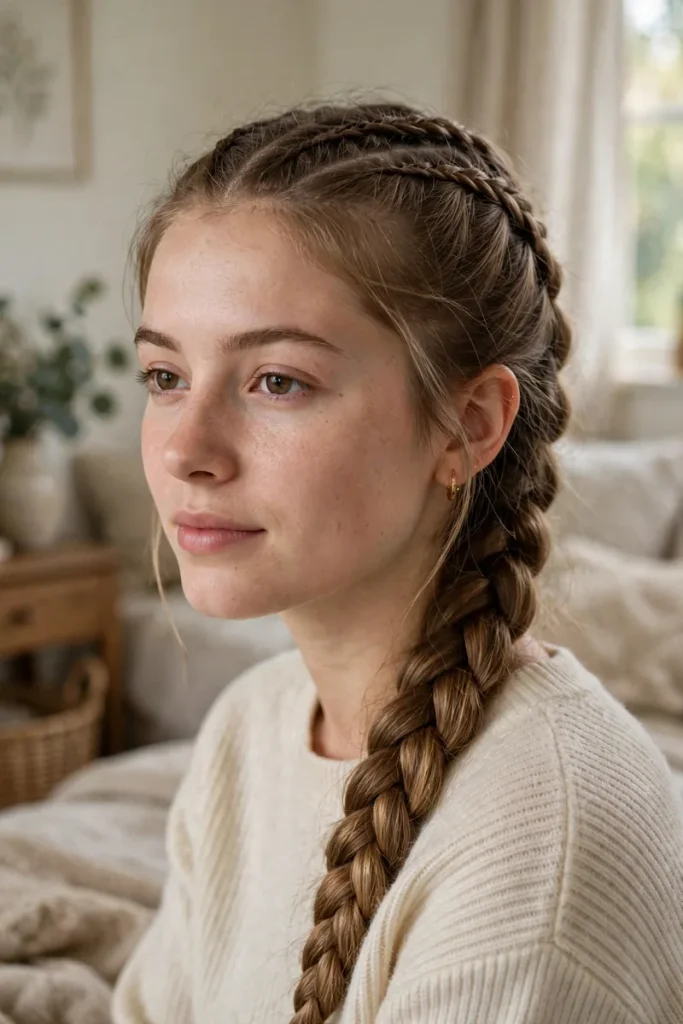
Rather than gathering a large section at the crown to begin the braid, starting with a noticeably smaller initial section and adding hair more gradually as the braid progresses creates a less bulky, more tapered look at the top specifically, which matters most on thick hair where the initial gathering point often looks disproportionately large.
“I Want Something That Photographs Well From Every Angle for a Photoshoot”
A French Braid Crown, Fully Wrapped
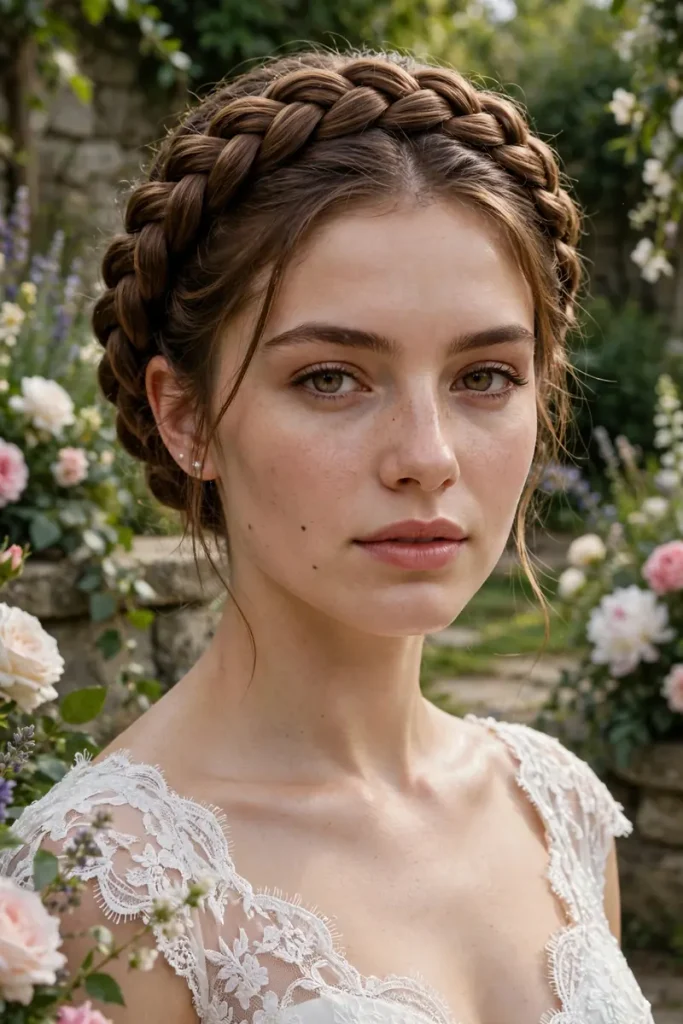
One or two braids wrapped entirely around the head rather than hanging down, pinned so the braid itself is visible from the front, sides, and back simultaneously, genuinely the only style on this list designed specifically around looking equally intentional from every camera angle, which matters for anyone being photographed from multiple directions rather than just face-on.
“My Scalp Is Sensitive and Tight Braids Genuinely Hurt”
A Loose French Braid, Started Below the Crown

Rather than beginning the braid tight against the hairline, starting the gather a couple of inches down from the crown and keeping tension deliberately gentle throughout reduces the pulling that causes scalp discomfort, while still delivering the braided texture and style without the pain some tighter techniques cause on a genuinely sensitive scalp.
“I Need a Style That Transitions From Day to Evening Without a Full Redo”
A Half French Braid, Convertible to a Full Updo
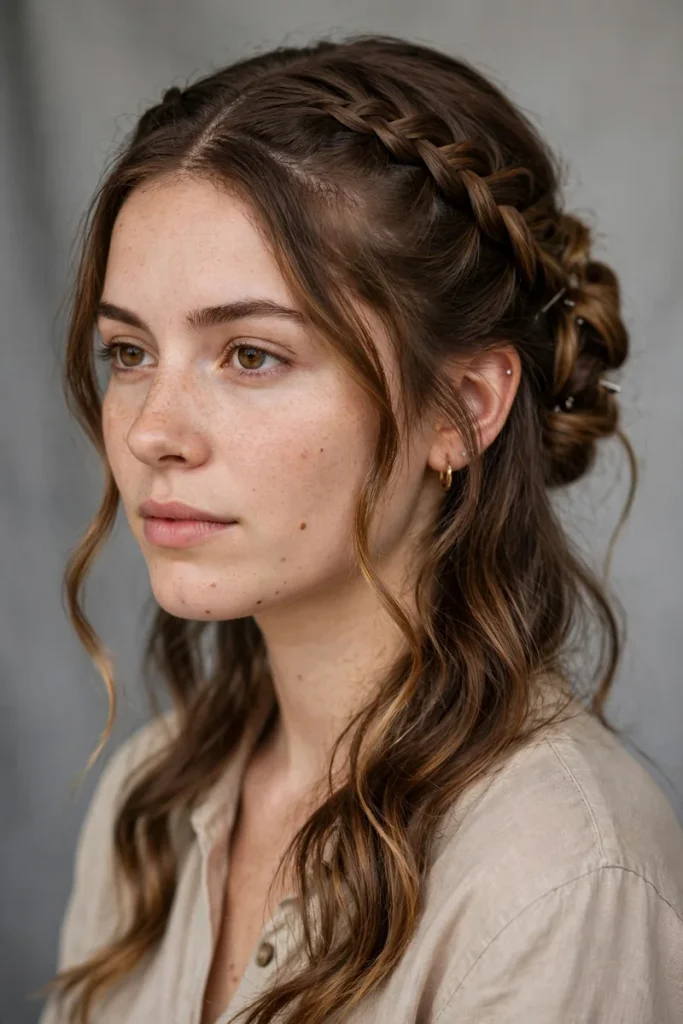
Braiding just the top section in the morning and leaving the rest down for a daytime look, then simply gathering the remaining loose length into the braid’s end and pinning it up for evening, converts one morning style into an entirely different evening look in under two minutes, without needing to start over from scratch.
“I Want to Try French Braiding Myself for the First Time”
A Simple, Forgiving Single Braid Started Loosely

For a genuine first attempt, starting with looser tension and bigger, easier-to-manage sections, rather than attempting a tight, precise braid immediately, builds the muscle memory needed before worrying about a polished final result. Nearly everyone’s first few attempts come out lopsided or loose in places, and that’s a normal, expected part of learning the technique rather than a sign it isn’t working.
“My Hair Won’t Hold a Braid Because It’s Too Slippery and Fine”
A French Braid Set on Day-Old, Textured Hair
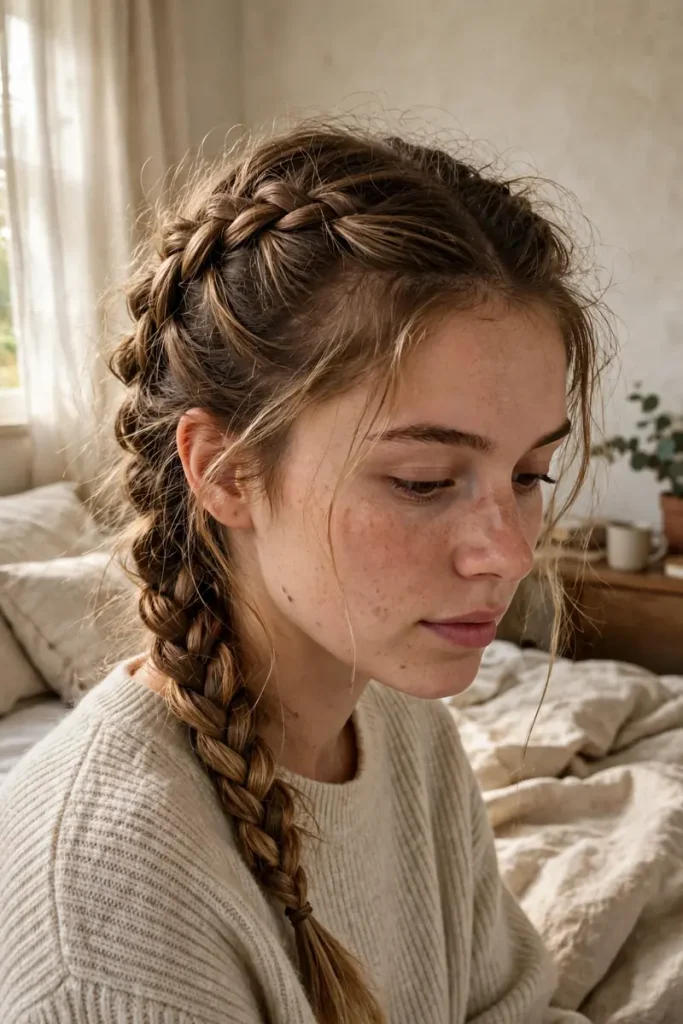
Fine, slippery hair genuinely braids better with a day’s worth of natural oil and texture built up than on freshly washed, slick hair, the opposite of what most people assume. Adding a small amount of texturizing spray at the roots before braiding gives slippery fine hair the grip it needs to actually hold the braid’s shape rather than loosening within the hour.
“I Have a Big Presentation and Want to Feel Put Together Without Looking Like I Tried Too Hard”
A Simple Side French Braid, Low and Understated

One braid gathered from one side of the part, running diagonally down to the opposite shoulder, kept neat but not severely tight, a style that reads as quietly confident and professional without any of the visible effort of a more elaborate updo, genuinely useful for anyone who wants to feel composed walking into a high-stakes meeting without their hair becoming a distraction, to themselves or anyone else.
The One Thing True Across Every Situation Above
Regardless of which specific situation applies, the single most common reason a French braid fails to hold, in a job interview, a dance recital, or a day at the pool, is starting with too little tension at the very first few crosses near the hairline, since that initial section sets the foundation the rest of the braid depends on. Taking an extra few seconds to make sure those first crosses are genuinely secure before moving on saves far more frustration later than any amount of product or extra pinning added after the fact.
Every one of these situations started as a real, specific problem someone actually had, not a hypothetical, and the braid that solved each one did so because it was matched honestly to what that particular day actually demanded, hours under stage lights, a scalp that couldn’t handle tight tension, hair too short for a full braid. Read through for the situation closest to your own, and borrow the detail that made it work rather than just the general idea of a French braid.