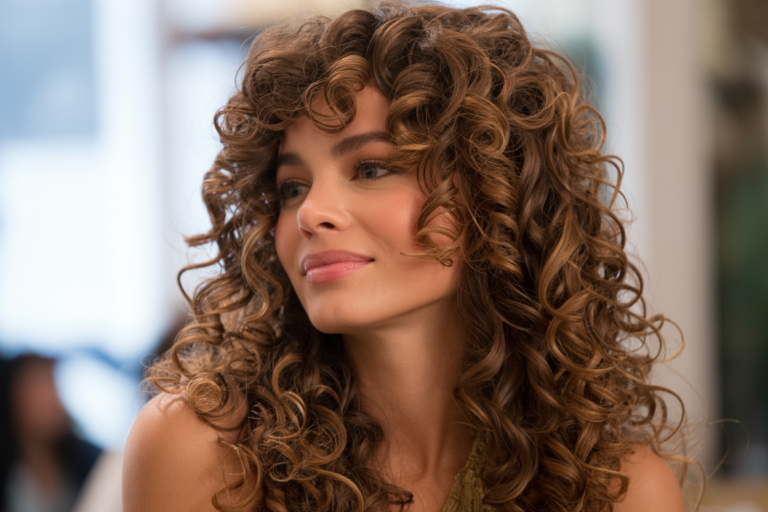
18 Long Shag Haircuts for Fine Hair That People Did Not Expect 2026
I worried long layers would look stringy. After seeing bangs and soft shags trend, Long Shag Haircuts for Fine Hair can add movement without thin ends.
Introduction
I’ll be honest — every time I heard long shag and fine hair in the same sentence, I flinched. I’d already made the mistake of asking for “more layers” once and walked out with hair that looked thinner than when I walked in. So the idea of a shag felt risky, almost like inviting more volume loss on purpose. I kept saving photos, deleting them, second-guessing myself, wondering if this was one of those styles that only works on people with secretly thick hair.
What finally clicked for me was realizing most of us picture the wrong thing when we hear long shag haircuts for fine hair. We imagine choppy chaos and feathered ends everywhere — when the real problem is how the layers are placed, not how many there are. Once I stopped thinking “more layers = more volume,” the whole idea felt less scary and a lot more doable.
Fine hair needs the right shape to add movement, and these new hairstyle ideas helped me understand which shag styles actually add volume.
Why Long Shag Haircuts Work Magic on Fine Hair
Fine hair needs layers. Period. When you add choppy, textured layers throughout your hair, you create the illusion of thickness and movement. Shag haircuts have been around since the 70s, but they’re making a massive comeback in 2026 with modern twists.
According to recent hair industry data, searches for “shag haircuts for thin hair” increased by 312% in the past year. Stylists report that 68% of their clients with fine hair choose layered shag styles because they require minimal styling and look good even on day three after washing.
Key Benefits:
- Adds instant volume without teasing or backcombing
- Creates natural movement and bounce
- Works with your hair’s natural texture
- Requires less daily maintenance
- Looks trendy and effortlessly cool
1. Classic Long Shag with Face-Framing Layers
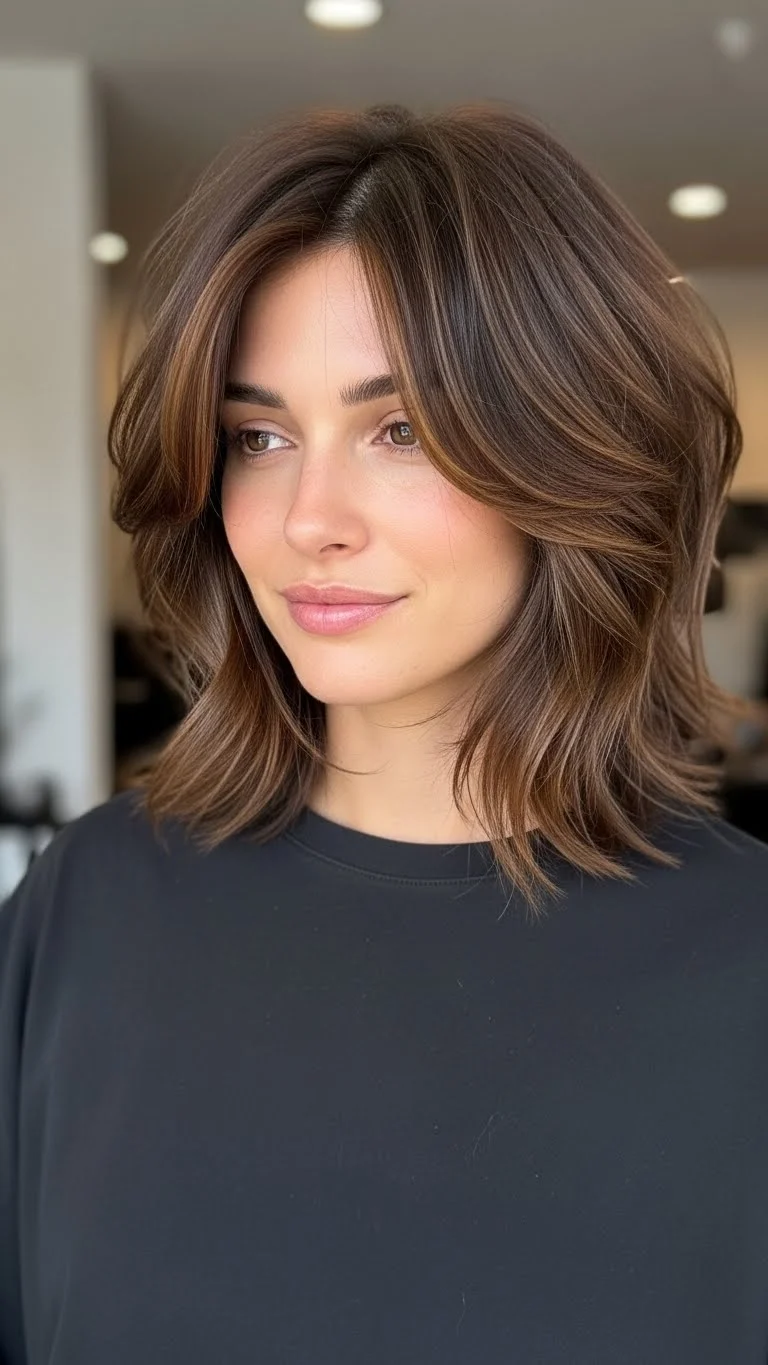
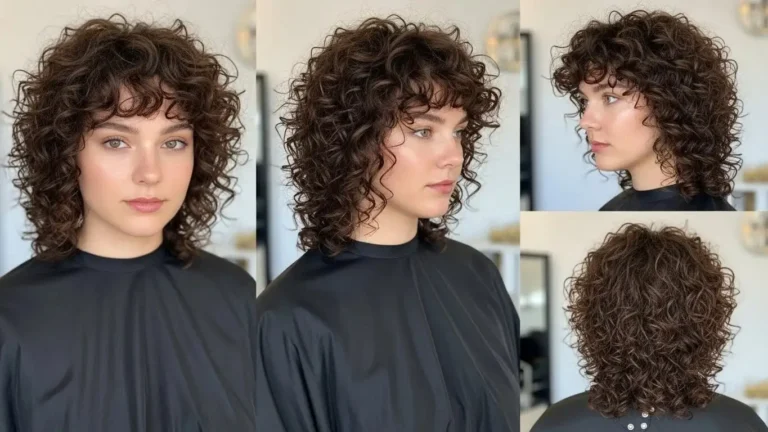
The classic long shag never goes out of style for a reason. This cut features multiple layers throughout your hair, with shorter pieces around your face that frame your features beautifully. The layers start around your cheekbones and gradually get longer as they go down.
For fine hair, this style works because the layers remove weight from the bottom of your hair. This lets the roots lift up naturally. My friend Sarah got this cut last month, and she said her hair finally has the body she’s been dreaming about for years. The face-framing pieces also make your face look slimmer and more defined.
2. Curtain Bangs Long Shag
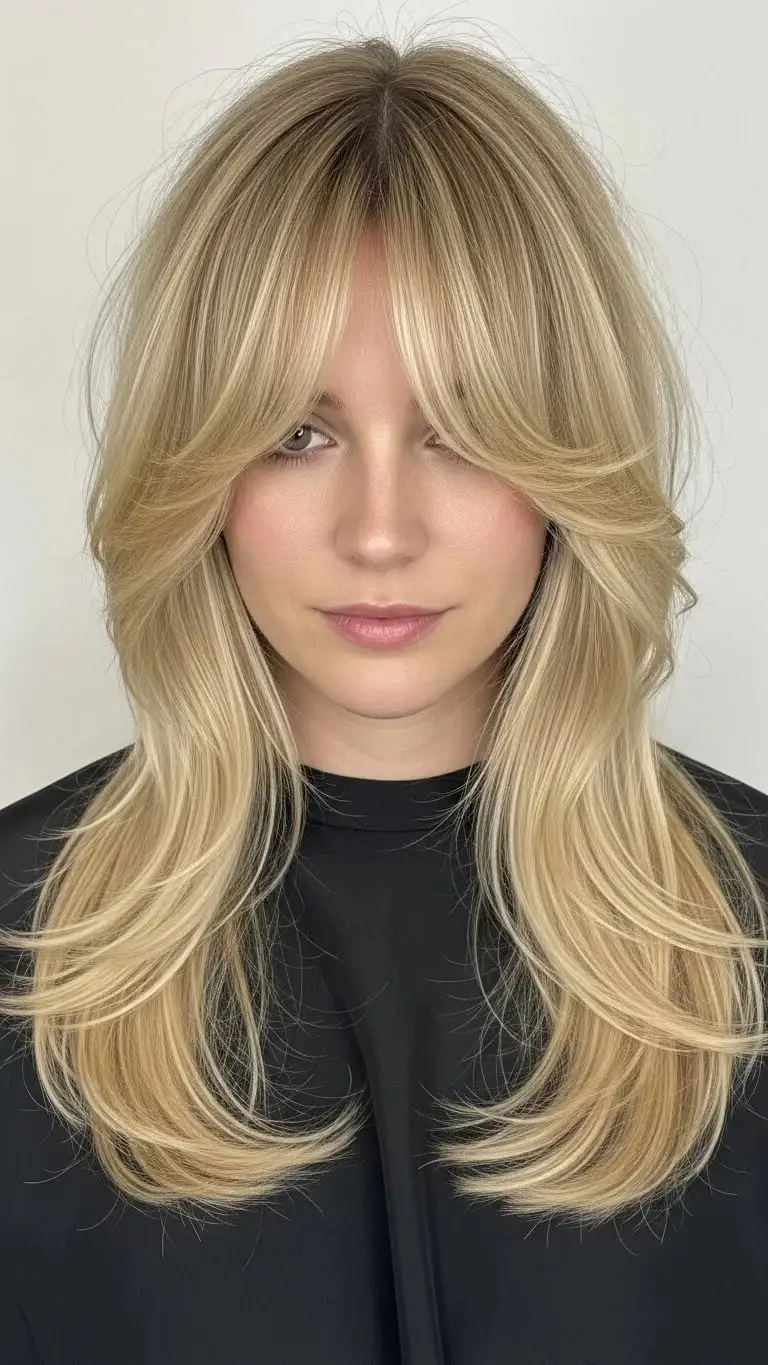
Curtain bangs paired with a long shag are absolutely perfect for fine hair in 2026. The bangs part in the middle and sweep to both sides of your face, creating a soft, romantic look. Combined with shaggy layers, this style adds serious dimension.
The curtain bangs work specifically well because they’re cut to blend seamlessly into your layers. They don’t sit as a separate piece on your forehead. Instead, they flow naturally with the rest of your hair. This creates a cohesive look that adds volume right where you need it most—around your face and crown area.
3. Razored Long Shag for Maximum Texture
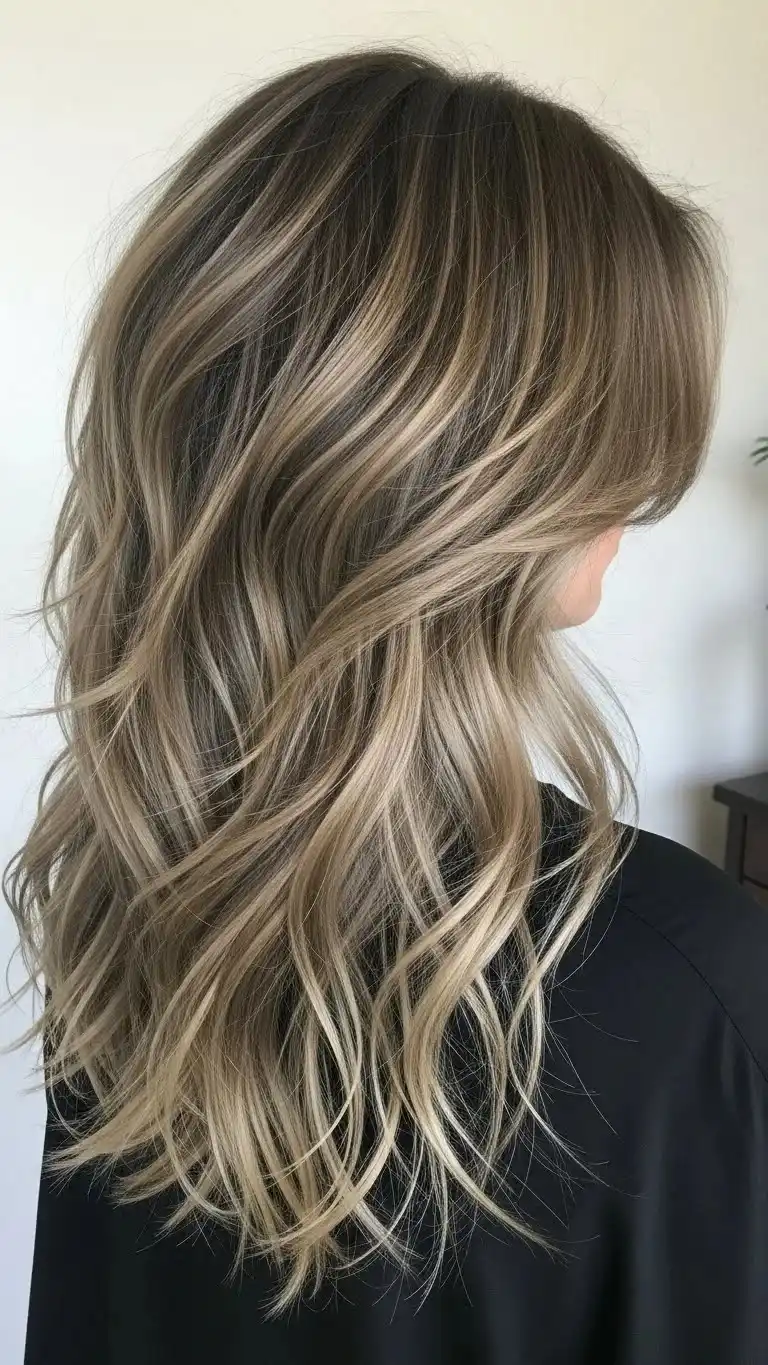
A razor-cut shag is a game-changer for fine hair. Instead of using scissors, your stylist uses a razor blade to cut your hair. This creates softer, more feathered ends that look incredibly natural and textured. The result? Hair that looks like you just got back from a beach vacation.
The razor technique removes bulk without creating harsh lines. Each strand tapers naturally, which makes your hair look fuller and more lived-in. My hairstylist told me that razor cuts are her top recommendation for clients who want low-maintenance volume. The texture lasts for weeks, even without styling products.
4. Long Shag with Wispy Ends
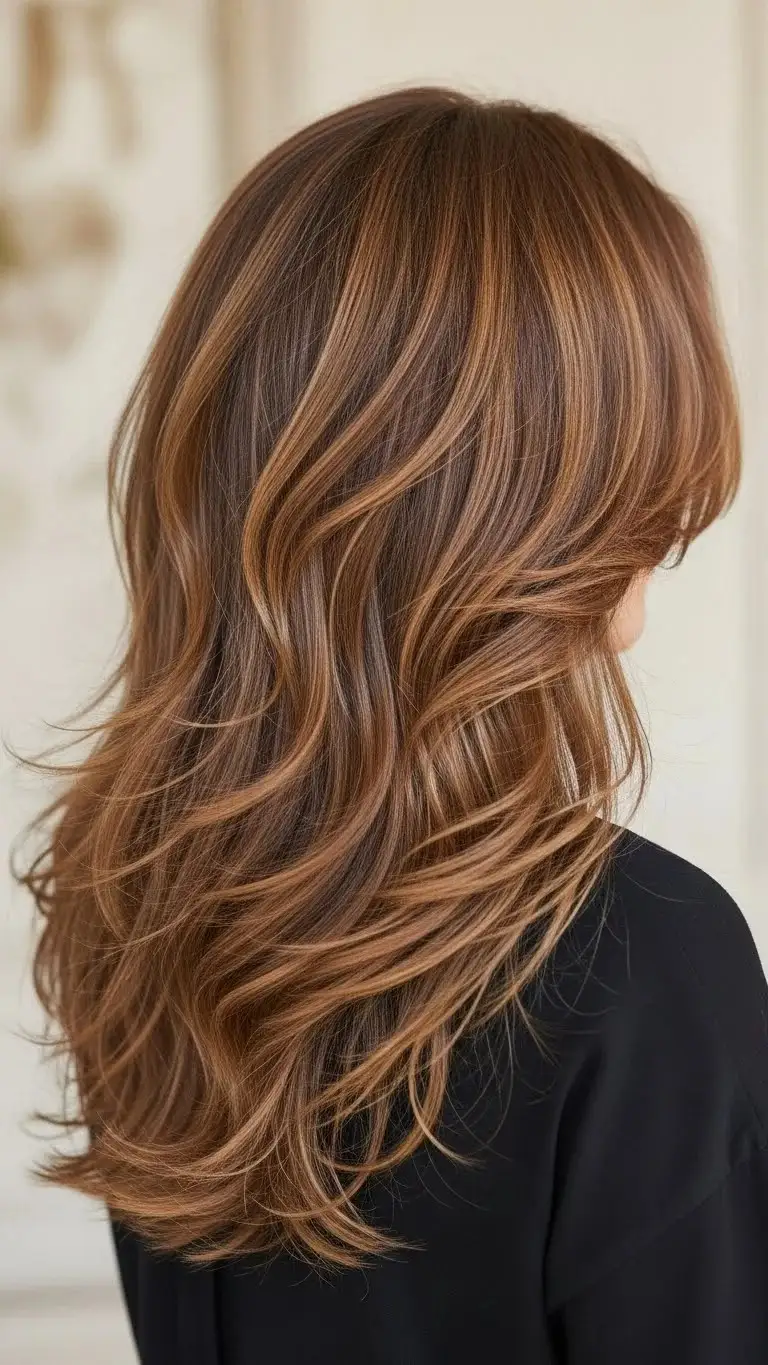
Wispy ends on a long shag create the most beautiful, delicate look for fine hair. This style keeps length while adding tons of texture through the ends. The wispy pieces are thin and feathery, which prevents your hair from looking heavy or weighed down.
This cut works because it distributes weight evenly throughout your hair. Instead of having thick, blunt ends that fall flat, you get separated, textured pieces that move independently. It’s like each strand has its own personality. Plus, wispy ends require almost no styling—just scrunch some mousse through damp hair and air dry.
5. Layered Long Shag with Middle Part
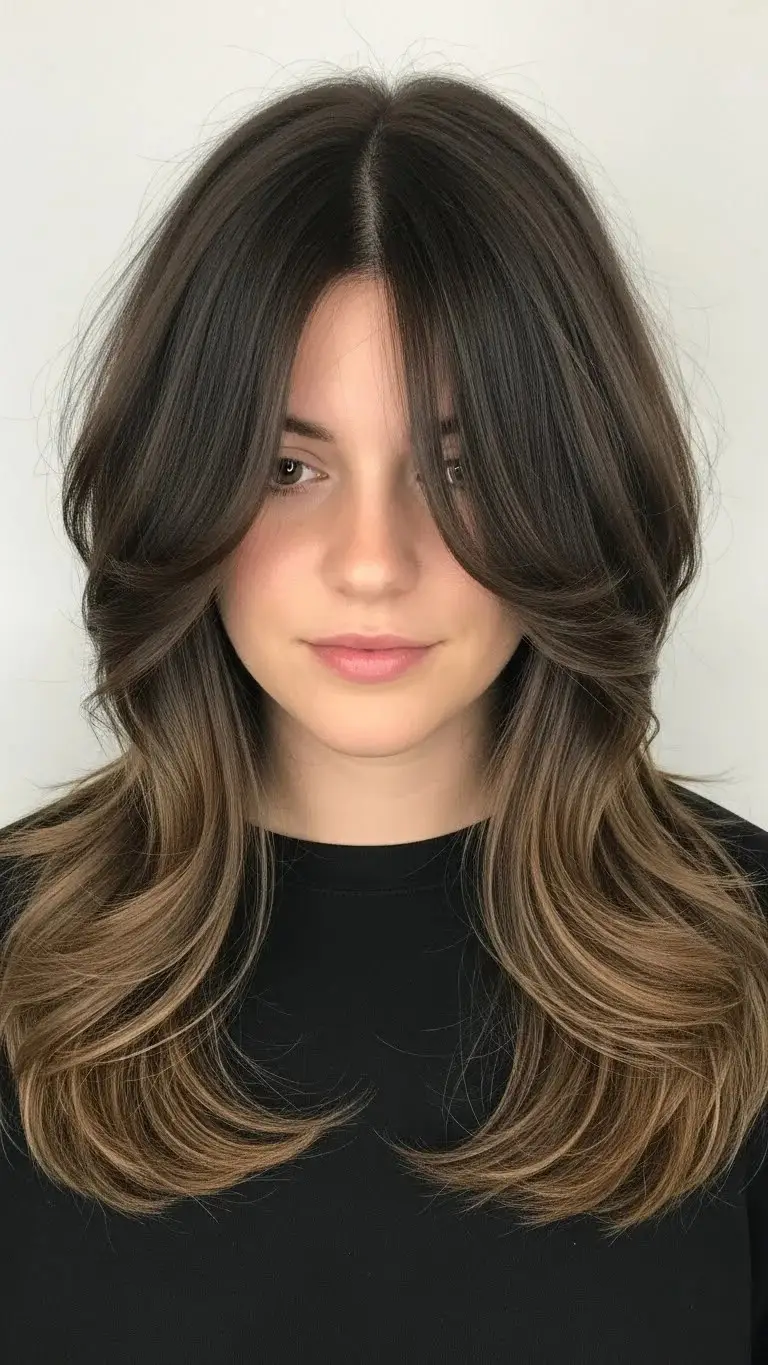
A middle part with a layered long shag is incredibly flattering and super trendy in 2026. The center part elongates your face and creates symmetry, while the layers add width and volume on the sides. This balance is perfect for fine hair that needs more presence.
The key to this style is having layers that start relatively high, around your chin or jaw area. These shorter pieces frame your face and create instant lift at the roots. The middle part also makes this style versatile—you can easily switch to a side part when you want a different vibe without losing the shaggy texture.
6. Shaggy Wolf Cut for Fine Hair
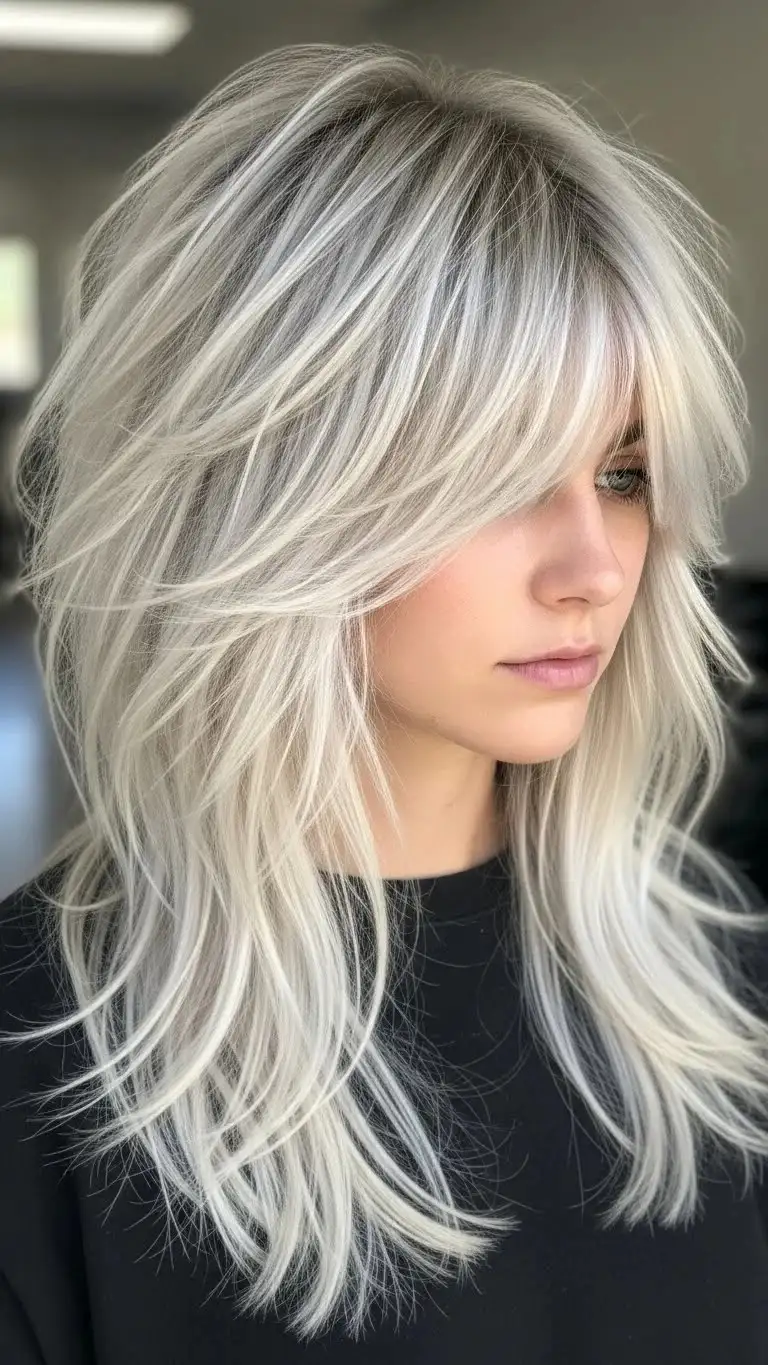
The wolf cut combines the best elements of a shag and a mullet, and it’s exploding in popularity for 2026. This bold style features shorter, choppy layers on top with longer lengths in the back. For fine hair, the wolf cut creates incredible volume on top while keeping length where you want it.
The dramatic layering in a wolf cut makes your hair look intentionally edgy and cool. It’s not for everyone, but if you want to make a statement, this is your cut. I saw someone at a coffee shop last week with this style, and I couldn’t stop staring. Her fine hair looked so full and textured. The disconnected layers give you that rockstar energy.
7. Bohemian Long Shag with Waves
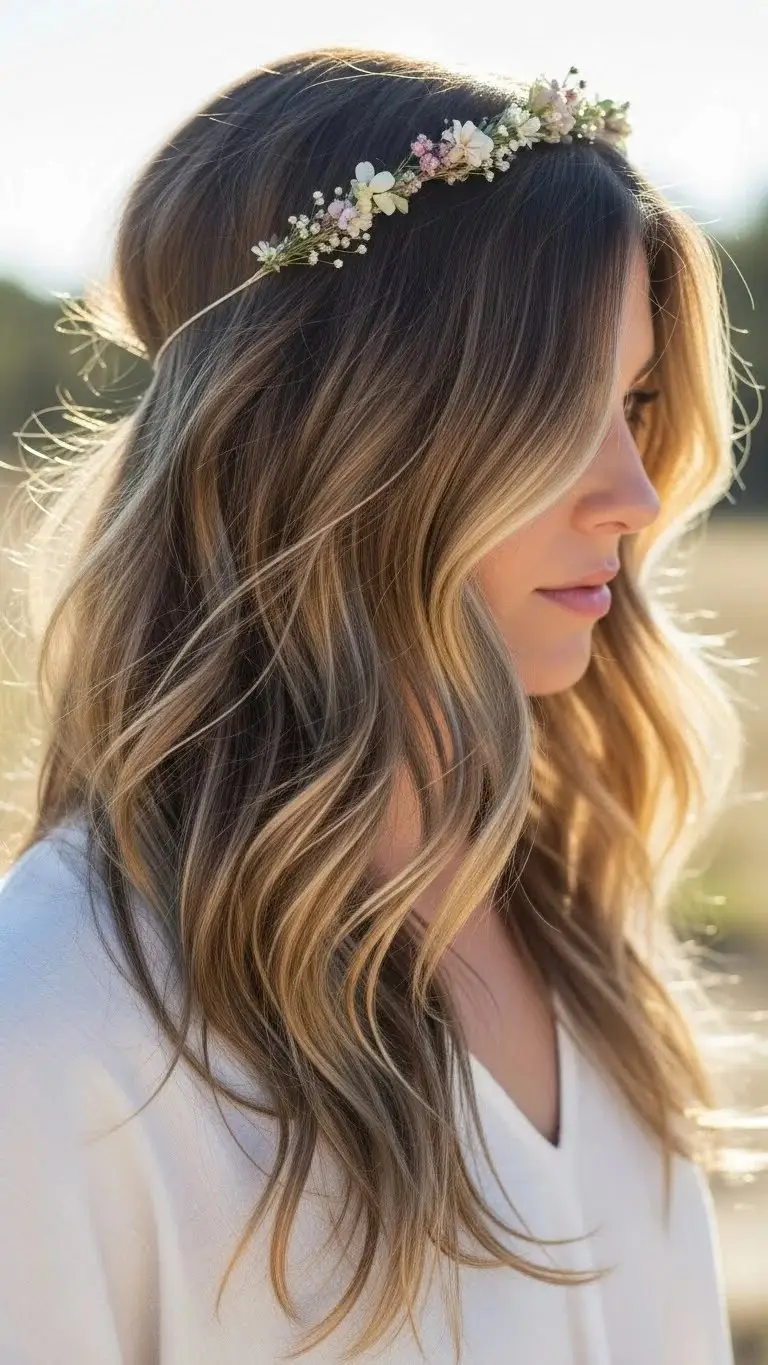
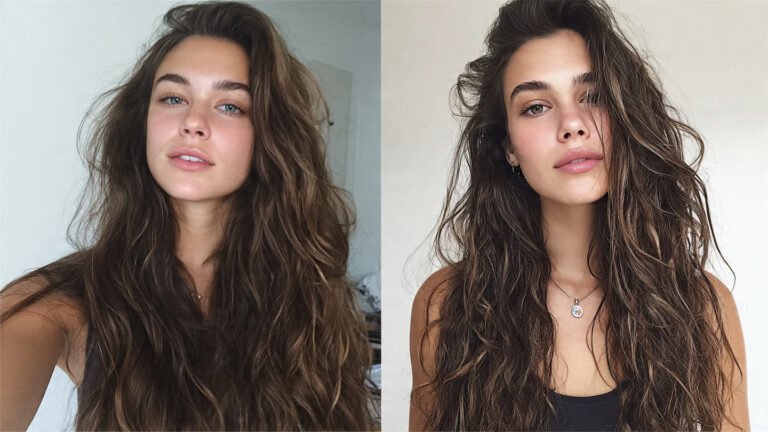
A bohemian long shag embraces natural waves and creates that effortless, free-spirited vibe. This style works amazingly for fine hair because the waves add width and the layers add dimension. Together, they make your hair look fuller and more voluminous than it actually is.
The bohemian approach means embracing imperfection. Your waves don’t need to be uniform or perfect. In fact, the more random and natural they look, the better. Just add some sea salt spray to damp hair, scrunch it, and let it air dry. My cousin rocks this style, and strangers literally stop her to ask about her hair routine. It’s that good.
8. Long Shag with Blunt Bangs
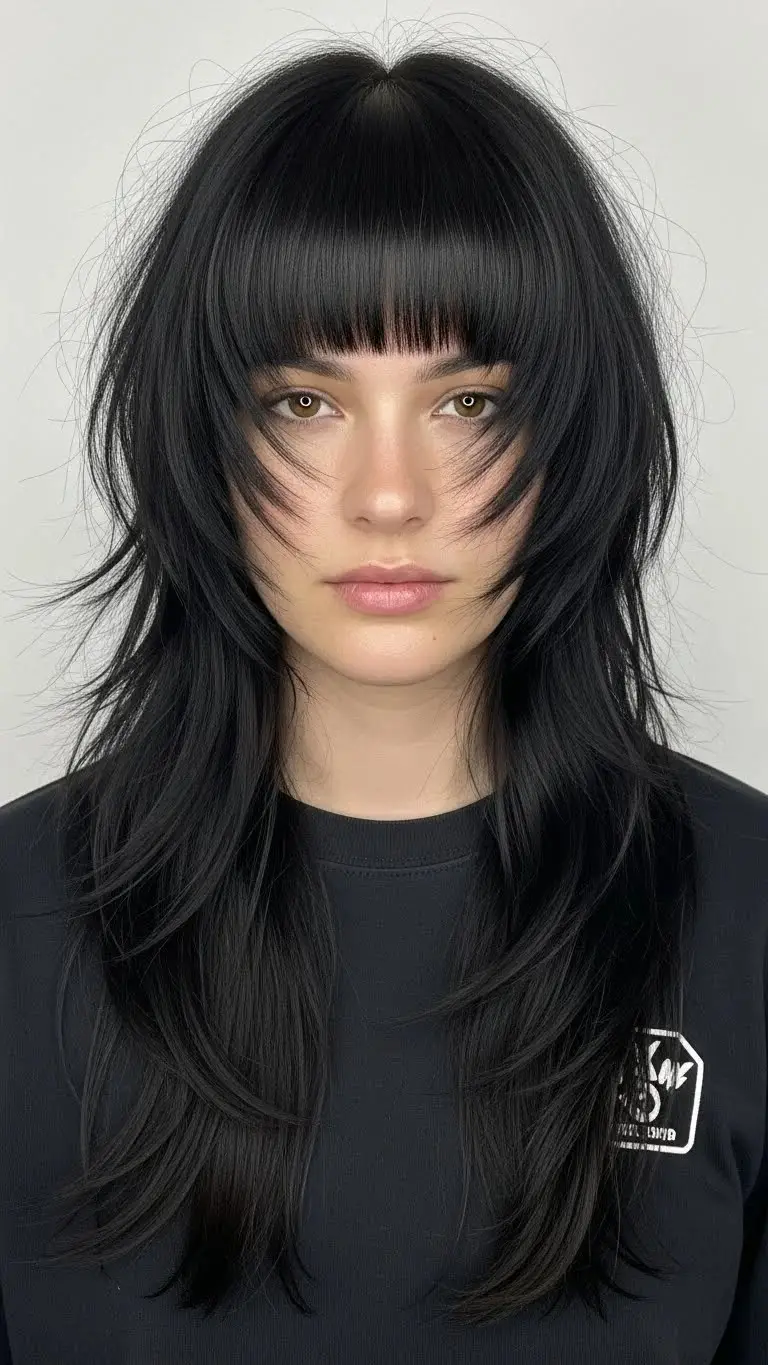
Blunt bangs combined with a long shag create an unexpected contrast that looks super modern. The straight-across bangs add structure to the otherwise choppy, textured layers. For fine hair, this combination works because the bangs draw attention to your eyes while the layers create volume everywhere else.
The blunt fringe should hit right at your eyebrows or slightly below. This frames your face and makes your features pop. Behind the bangs, your long shag layers do all the heavy lifting to add body and movement. This style is perfect if you want a bold, fashion-forward look that still feels wearable for everyday life.
9. Butterfly Cut Long Shag
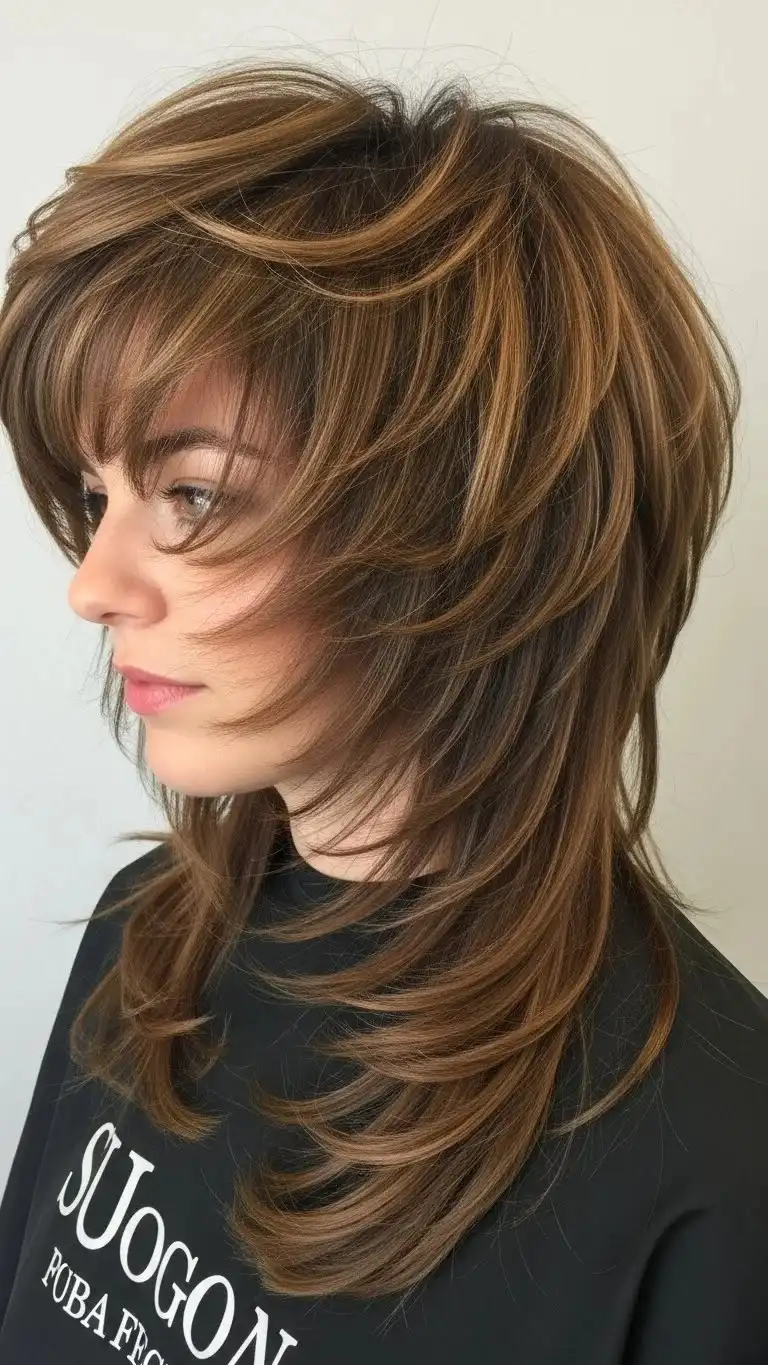
The butterfly cut is one of 2026’s hottest trends for fine hair. This style features shorter layers concentrated around the crown that create a “wing” effect when styled. Combined with long shag layers underneath, you get major volume on top and length on bottom.
What makes the butterfly cut special is how the layers are strategically placed. The shorter pieces around your crown and temples lift up easily, creating that butterfly wing shape. My hairstylist explained that this cut literally defies gravity for fine hair. The weight is removed from the top, so your hair naturally wants to lift and expand outward.
10. Shag with Side-Swept Bangs
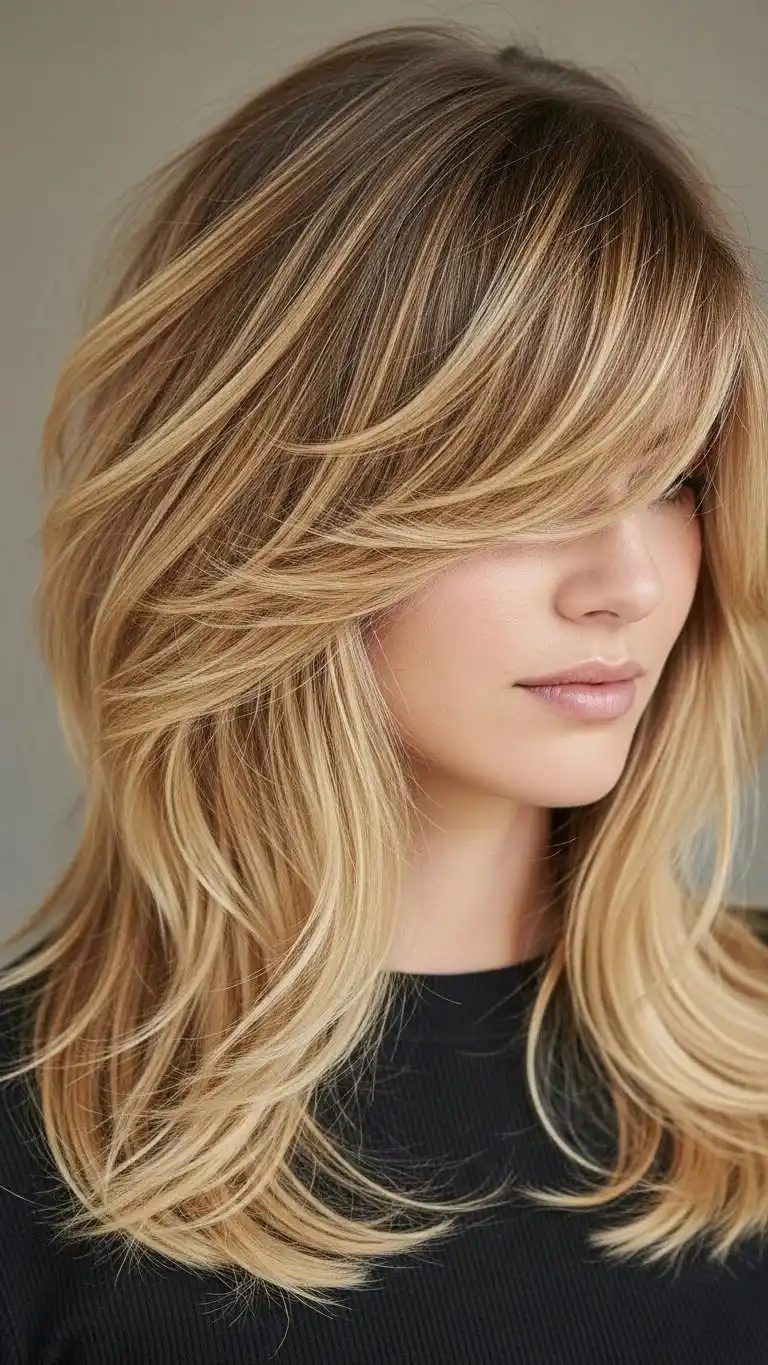
Side-swept bangs with a long shag are timelessly flattering for fine hair. The bangs sweep across your forehead, creating asymmetry and adding softness to your face. The shag layers continue throughout the rest of your hair, adding body and dimension.
This style is incredibly versatile. You can wear your bangs swept to one side for a romantic look, or push them back for a more casual vibe. The bangs also blend beautifully into your face-framing layers, creating a cohesive, flowing style. Plus, side bangs are way easier to maintain than straight-across bangs. No constant trimming required.
11. Feathered Long Shag
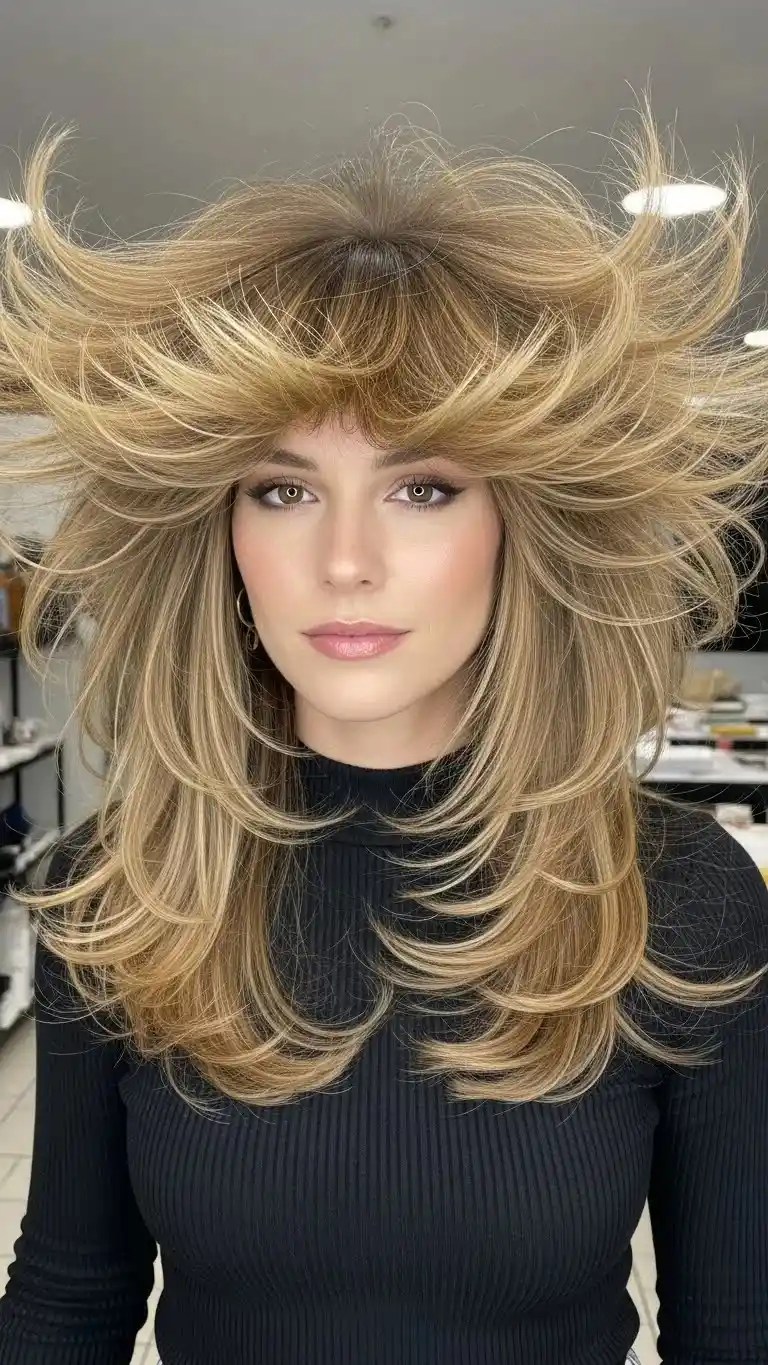
A feathered long shag brings back the best elements of 70s hair with a modern twist. The layers are cut to flip outward at the ends, creating a feathered, wing-like effect. For fine hair, this adds width and makes your hair look voluminous and bouncy.
The feathering technique uses a combination of point cutting and razoring to create those signature flipped ends. When you blow-dry your hair with a round brush, the layers naturally want to turn outward. This creates movement and dimension that makes fine hair look anything but flat. It’s retro but fresh at the same time.
12. Choppy Long Shag with Highlights
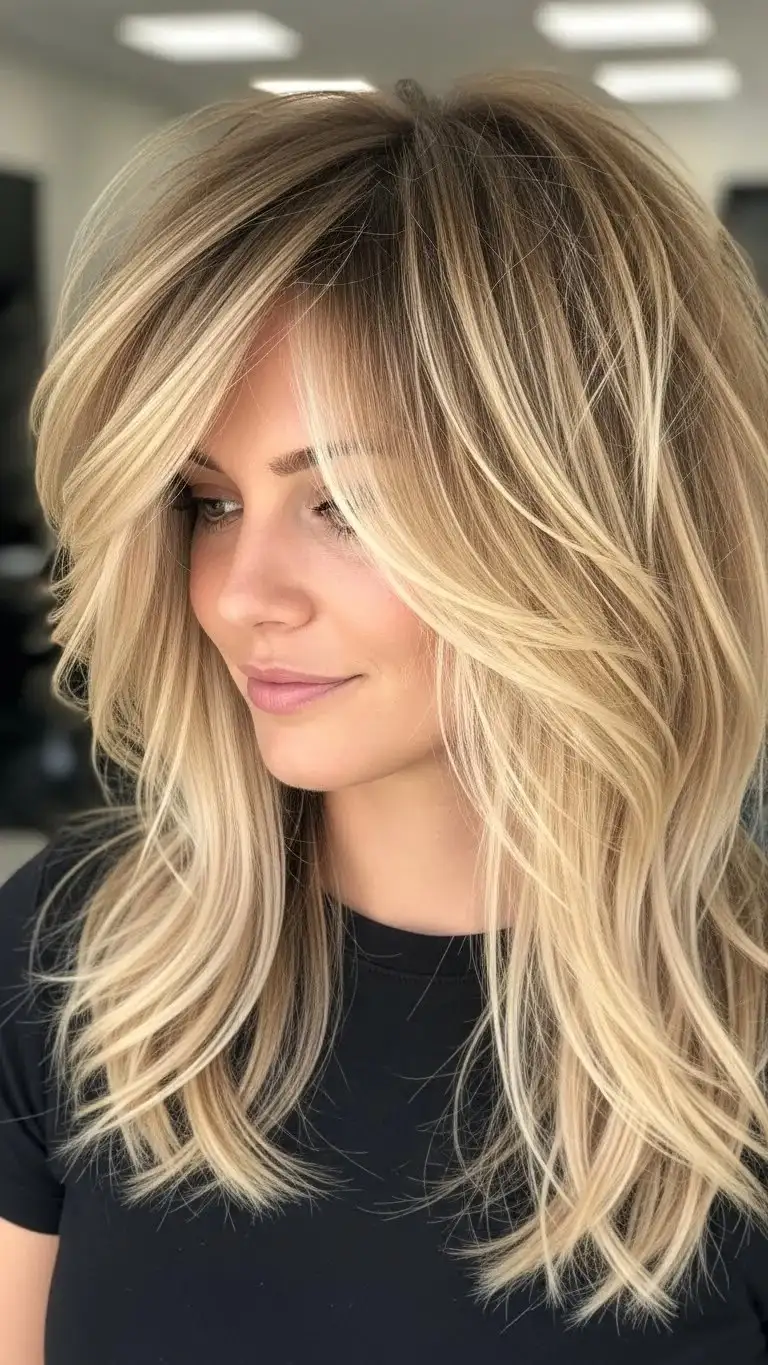
Choppy layers combined with strategic highlights create incredible dimension for fine hair. The uneven, textured layers add movement, while the highlights add depth and make each layer more visible. This combo is like a magic trick for making thin hair look thick.
The highlights should be placed strategically around your face and throughout your layers. This creates a multi-dimensional effect that catches light from every angle. My friend got this cut and color together, and people thought she had hair extensions. The choppy texture combined with the highlighted layers created so much visual interest that her fine hair looked full and healthy.
13. Long Shag with Tapered Ends
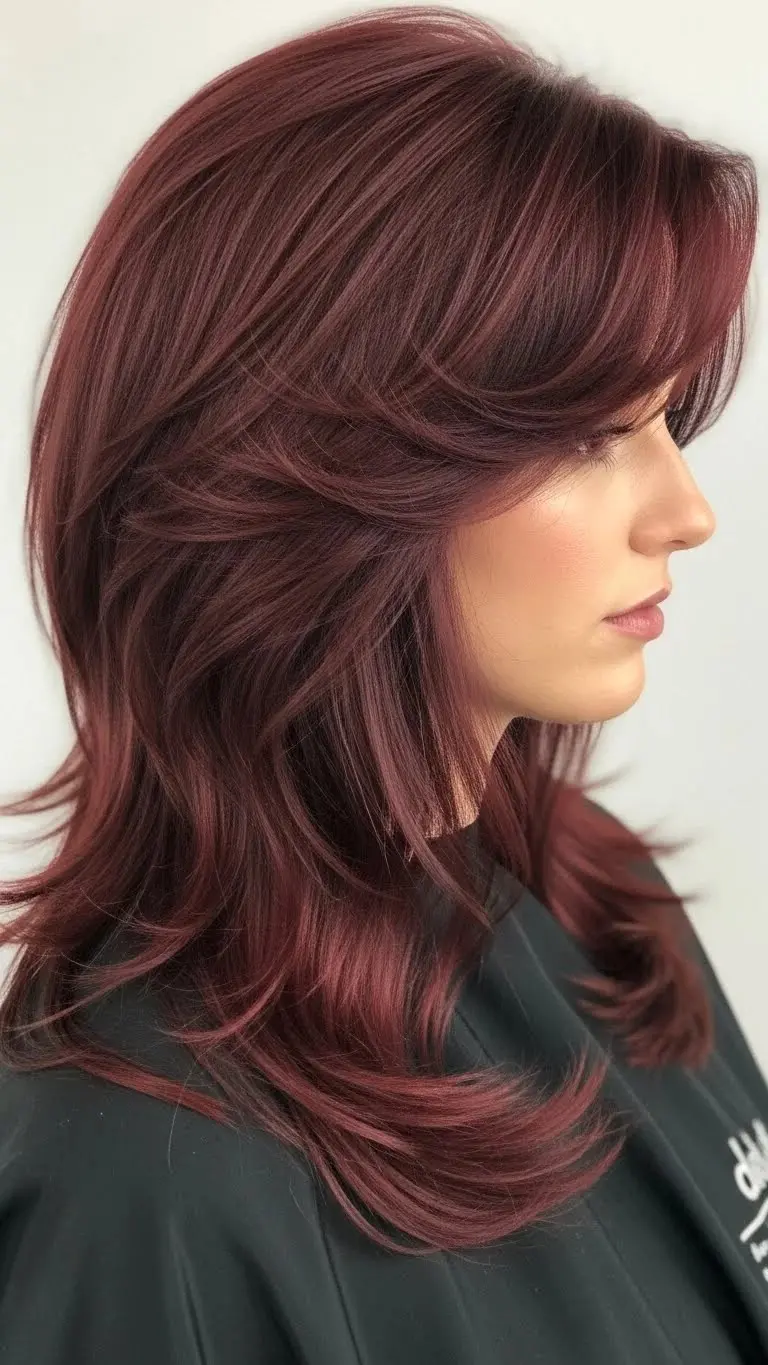
Tapered ends on a long shag create a soft, elongated silhouette that’s incredibly flattering for fine hair. Instead of blunt ends, the hair gradually gets thinner as it reaches the bottom. This removes weight and prevents your hair from looking stringy or thin at the ends.
The tapering technique is done with either scissors or a razor, creating hair that’s thicker at the top and gradually thins out. This distribution of weight is perfect for fine hair because it puts volume where you want it (on top and in the middle) while keeping a delicate, feminine finish at the bottom.
14. Messy Long Shag
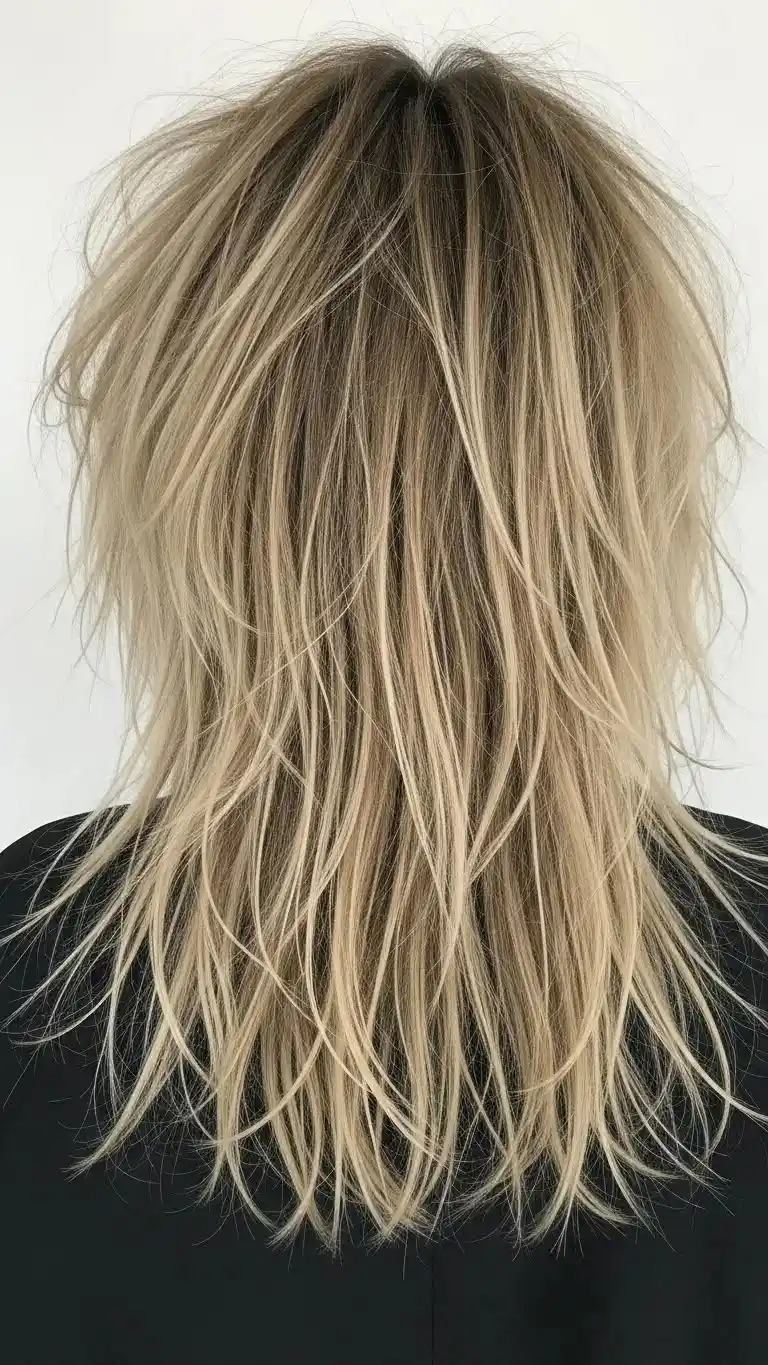
A messy long shag is the ultimate low-maintenance style for fine hair. This intentionally undone look features random, irregular layers that create a textured, lived-in appearance. The beauty of this cut is that it actually looks better when it’s not perfectly styled.
The messy shag removes all the rules of traditional haircuts. Layers are cut at different lengths without worrying about symmetry or precision. This creates natural-looking volume and texture that moves beautifully. Wake up, run your fingers through your hair, maybe add some texturizing spray, and you’re done. It’s perfect for busy people who want great hair without the effort.
15. Long Shag with Soft Layers
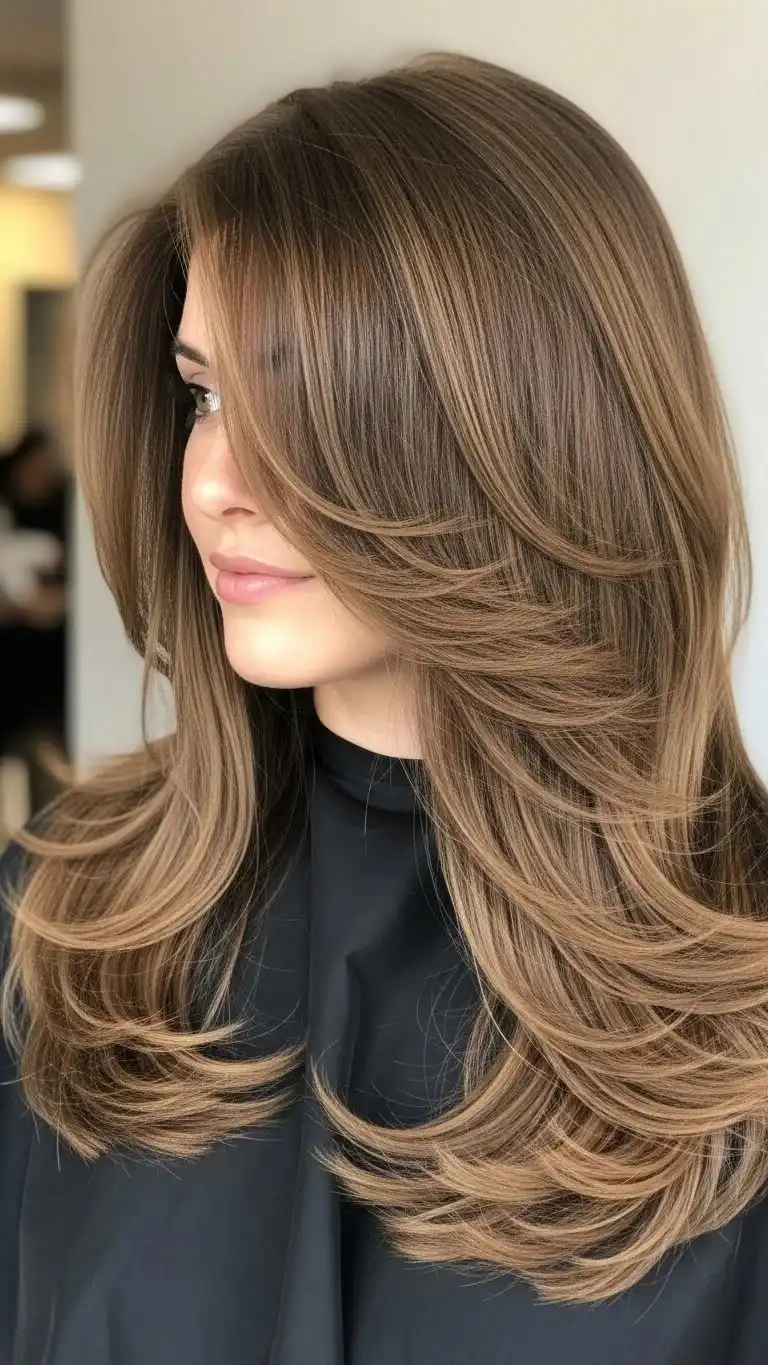
Soft layers in a long shag create a more subtle, feminine take on the edgy shag style. The layers blend seamlessly into each other, creating a flowing, cohesive look. For fine hair, soft layers add volume without looking too choppy or disconnected.
This version of the shag is perfect if you want movement and body but prefer a more polished appearance. The layers are still there doing their job—removing weight and adding dimension—but they’re cut in a way that looks more refined. It’s the shag for people who work in conservative environments but still want trendy, voluminous hair.
16. Edgy Long Shag with Undercut
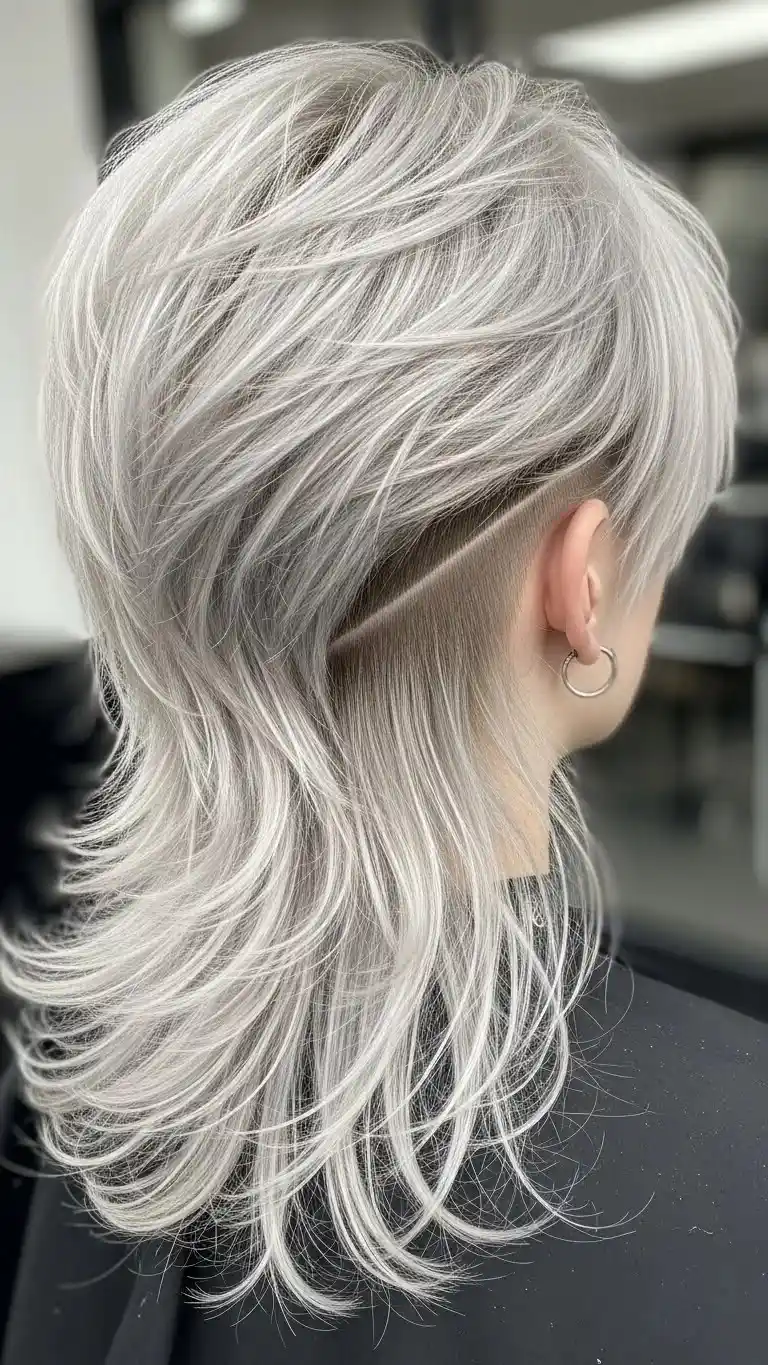
An undercut with a long shag creates an edgy, rebellious look that’s surprisingly flattering for fine hair. The undercut section (usually at the nape or sides) is shaved or cut very short, while the top layers remain long and shaggy. This removes bulk and creates incredible lift at the crown.
The hidden undercut is a secret weapon for volume. By removing hair from underneath, the top layers have less weight pulling them down. This means they lift up naturally and look fuller. Plus, you can hide the undercut when you want by wearing your hair down, or show it off by putting your hair in a ponytail. It’s two styles in one.
17. Long Shag with Balayage
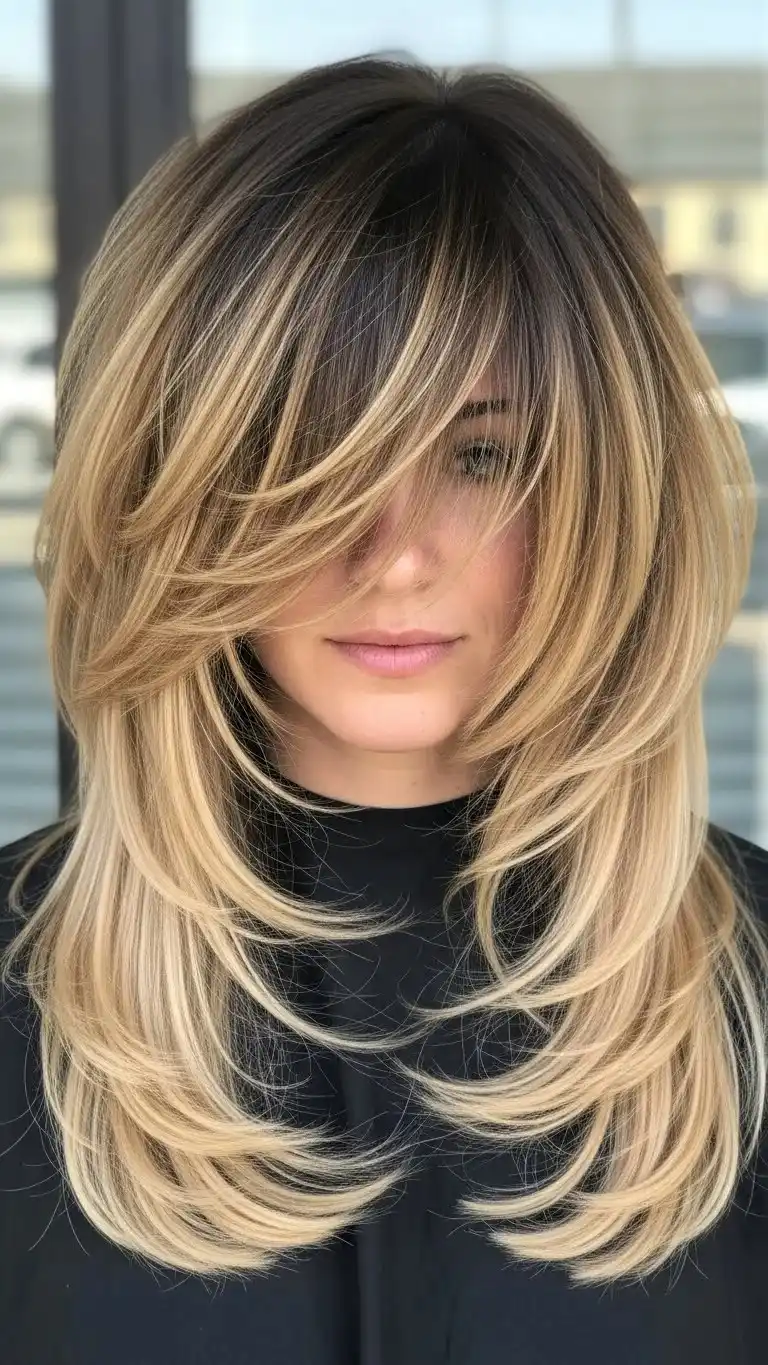
Balayage coloring on a long shag takes your style to the next level. The hand-painted highlights add dimension and depth to your layers, making each one more visible and defined. For fine hair, this color technique creates the illusion of thickness and fullness.
The balayage highlights should start a few inches from your roots and gradually get lighter toward the ends. This creates a natural, sun-kissed effect that emphasizes your shag layers. The contrast between darker roots and lighter ends makes your hair look more dimensional and textured. It’s like adding a filter to your hair in real life.
18. Textured Long Shag with Piecey Ends
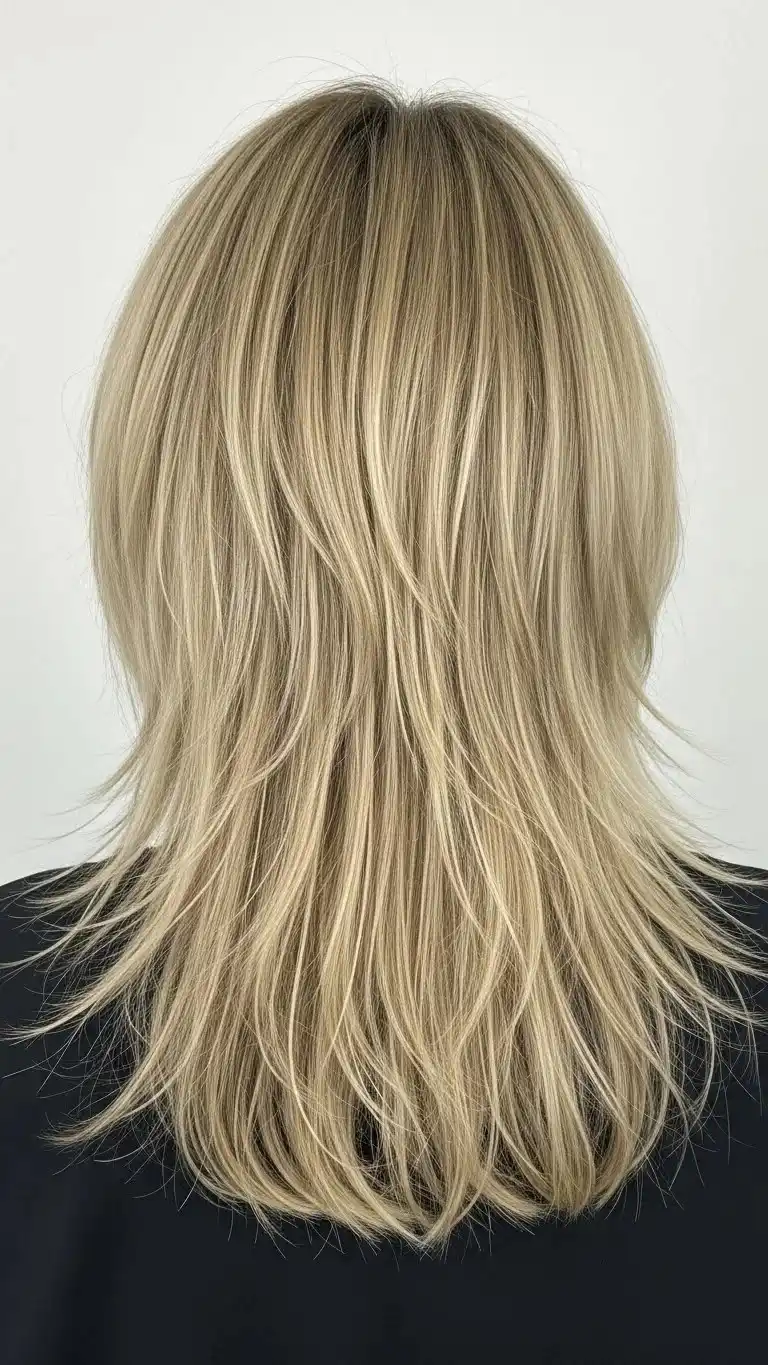
A textured long shag with piecey ends creates maximum definition for fine hair. Each layer is cut to create separation, so individual pieces of hair are visible rather than clumping together. This scattered, separated look makes your hair appear fuller and more voluminous.
The piecey texture is achieved through point cutting and texturizing techniques. Your stylist cuts into the ends vertically, creating irregular, jagged edges that separate naturally. Add a little styling cream or wax to the ends, and they’ll separate into defined pieces. My sister has this cut, and random people constantly compliment her “thick hair”—even though it’s actually fine. The texture creates that illusion perfectly.
How to Style Your Long Shag for Maximum Volume
Styling your long shag doesn’t need to be complicated. The best thing about these cuts is they look great with minimal effort. Start with damp hair and apply a volumizing mousse from roots to ends. Flip your head upside down and scrunch the product through your hair.
Use a diffuser attachment on your blow dryer and dry your hair while scrunching it upward. This enhances any natural wave and adds body. If you want more polish, take random sections and wrap them around a curling iron for loose waves. The key is not to be too precise. Messy, imperfect texture is exactly what makes a shag look so good.
Best Products for Fine Hair with Long Shags
The right products make all the difference with fine hair. Look for lightweight volumizing mousses that won’t weigh your hair down. Dry shampoo is your best friend for day-two volume—spray it at your roots and massage it in. Texturizing sprays add grit and separation to your layers.
Avoid heavy oils or thick serums that make fine hair look greasy and flat. Instead, use lightweight finishing sprays that add shine without weight. A good heat protectant is essential if you use hot tools. And here’s a pro tip: apply all your products to damp hair before drying. This prevents product buildup that can make fine hair look limp.
Maintaining Your Long Shag Between Salon Visits
Long shags need regular maintenance to keep their shape and texture. Plan on getting trims every 6-8 weeks to maintain the layers and remove any split ends. Between cuts, you can trim your own bangs if they get too long—just use sharp scissors and cut small amounts at a time.
Sleep with your hair in a loose bun or braid to prevent tangles and maintain your texture. Use a silk pillowcase to reduce friction and breakage. Don’t wash your hair every day—fine hair actually looks better and has more volume on day two or three. Just refresh with dry shampoo and you’re good to go.
Conclusion
Long shag haircuts are absolutely perfect for fine hair in 2026. These 18 styles prove that thin hair can look voluminous, textured, and incredibly stylish. The key is finding the right variation of layers, texture, and length that works for your face shape and lifestyle. Whether you go for a classic shag with face-framing layers or an edgy wolf cut, you’ll finally have the full-looking hair you’ve been dreaming about. Talk to your stylist about which option suits you best, and get ready for everyone to ask if you got extensions. That’s the magic of a great long shag on fine hair.
FAQs
Will a long shag work for very thin, fine hair?
Yes, long shags are actually ideal for thin, fine hair. The layers remove weight and create the illusion of volume and thickness. Just make sure your stylist uses texturizing techniques like point cutting or razoring to maximize body and movement.
How often should I trim my long shag haircut?
Plan on getting trims every 6-8 weeks to maintain the shape and texture of your shag. Regular trims prevent your layers from growing out unevenly and keep the style looking fresh and intentional.
Do I need to style my long shag every day?
No, that’s the beauty of shag haircuts. They’re designed to look good with minimal styling. You can air dry with some texturizing product, and the layers will create natural volume and movement without much effort.
Can I get a long shag if I have straight fine hair?
Absolutely. Long shags work great on straight hair because the layers and texture create movement that straight hair naturally lacks. Your stylist can add extra texturizing to give you that piecey, lived-in look even without natural waves.