15 Choppy Layered Haircuts: The Texture Trend That Eats Boring Hair for Breakfast
I have a theory, and it is this: sleek hair is a performance, but choppy hair is a personality. For years I ironed my hair into submission every single morning, chasing a glassy smoothness that lasted until the first gust of wind. Then one day my stylist took a razor to my ends instead of the flat iron, and my hair finally looked like it belonged to a person instead of a mannequin.
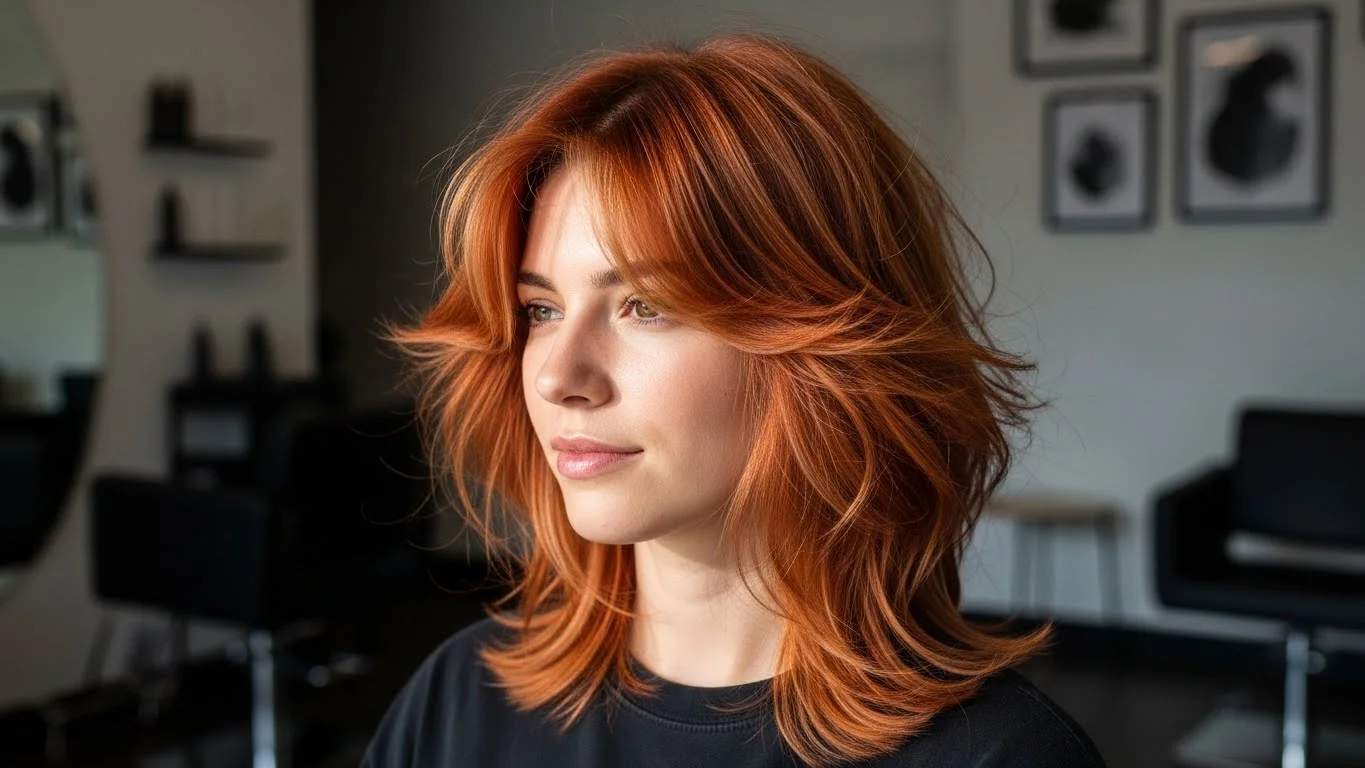
Choppy layers are having a moment, but here is what the trend posts do not tell you: choppy is a technique, not a length. It works on pixies and on waist-length hair. It works on thick hair that needs taming and fine hair that needs faking. What it does not work with is hesitation. Choppy hair commits. So let’s talk about all fifteen ways to commit, ranked and rated, with the grow-out truth for each one.
Choppy vs. Thinned: Know the Difference Before You Book
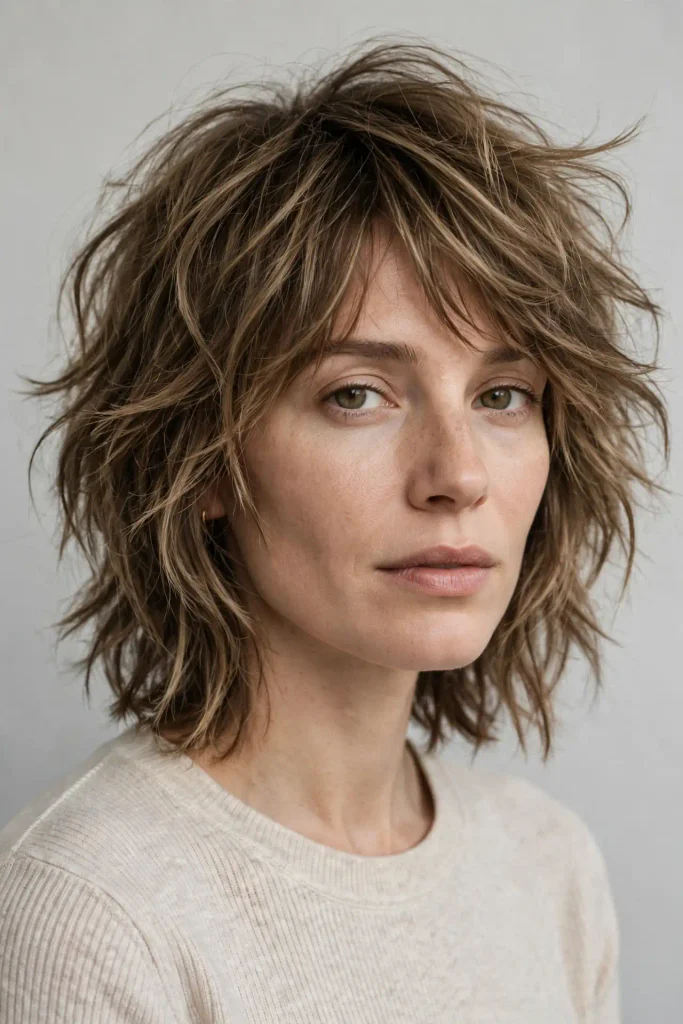
Expert minute, because this distinction ruins haircuts when it is missed. Choppy means the ends are cut at varied lengths to create piece-y, separated texture. Thinned means bulk was removed from the interior with thinning shears. They look similar on day one and completely different by week six. Choppy grows out as texture. Thinned grows out as frizz.
Here is how to tell what you are getting: ask your stylist “are you point-cutting, razor-cutting, or thinning?” Point-cutting and razor-cutting create choppy texture. Thinning shears remove weight. For most hair types, you want the first two. If your stylist reaches for thinning shears on already-fine hair, that is your cue to have a conversation. Words matter in the chair. Now you have the right ones.
The Chop Audit: Is Choppy Right for You?
Answer honestly. Score one point for every yes.
1. Does your hair look better on day two than day one? Choppy cuts are designed for lived-in texture. If your hair improves with a little wear, choppy will love you.
2. Do you hate “helmet hair”? If perfectly smooth, uniform hair bores you, choppy is your antidote.
3. Can you handle a little mess? Choppy is not messy, but it is not precise either. It lives in the beautiful middle.
4. Do you want volume without teasing? Piece-y ends create the illusion of fullness. No backcombing required.
5. Are you okay with trims every 8-10 weeks? Choppy ends need shaping to stay intentional rather than raggedy.
Scored 4-5: book the appointment. Scored 2-3: start with the gentler options (numbers 11, 14, 15). Scored 0-1: admire choppy from afar. Sleek is also beautiful, and there is no wrong answer here.
Short and Choppy: Maximum Attitude, Minimum Length
Short choppy cuts are the loudest on this list. Every piece shows. Every angle matters. They are not for the timid, and that is the whole point.
1. The Choppy Pixie
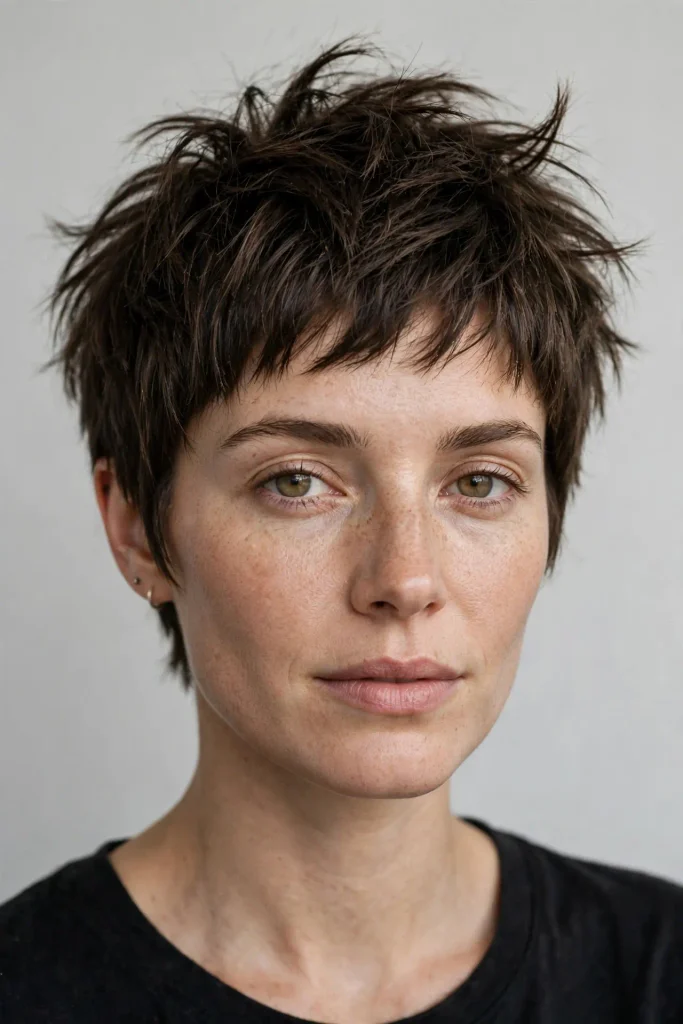
The cut: pixie-length with aggressively piece-y texture on top, slightly longer fringe pieces.
I wore this for eight months and it was the most complimented short cut I have ever had. The choppiness keeps the pixie from looking severe; instead of a helmet, you get sculpture. Strangers assumed I had naturally “cool” hair. I did not. I had a skilled stylist and a pea-sized amount of matte paste.
Grow-out rating: B. The top grows into a shaggy pixie gracefully, but the nape needs tidying at week six or it goes mullet-y. One interim trim solves it.
2. The Choppy French Bob
The cut: chin-length bob, ends shattered into piece-y texture, optional micro-fringe.
This is the Parisian bob after it stopped trying so hard. I got this before a work trip and spent four days feeling like the most interesting woman in every meeting. The choppy ends make it modern; the French length keeps it chic. It is the rare cut that works with both a blazer and a band tee.
Grow-out rating: A. Bobs grow into lobs, and choppy texture just gets softer. This is one of the most forgiving grow-outs in hair.

3. The Choppy Bixie
The cut: between pixie and bob, with choppy layers throughout and a piece-y fringe.
The bixie was already cool. The choppy bixie is cooler. I caved to this trend last year and the texture gave it so much movement that my fine hair looked twice as thick. My stylist point-cut every layer, and the result had that expensive-messy thing that usually takes forty-five minutes to fake.
Grow-out rating: A+. The bixie grows into a shaggy bob, which grows into a choppy lob. It is three great haircuts in sequence. The best grow-out on this list.
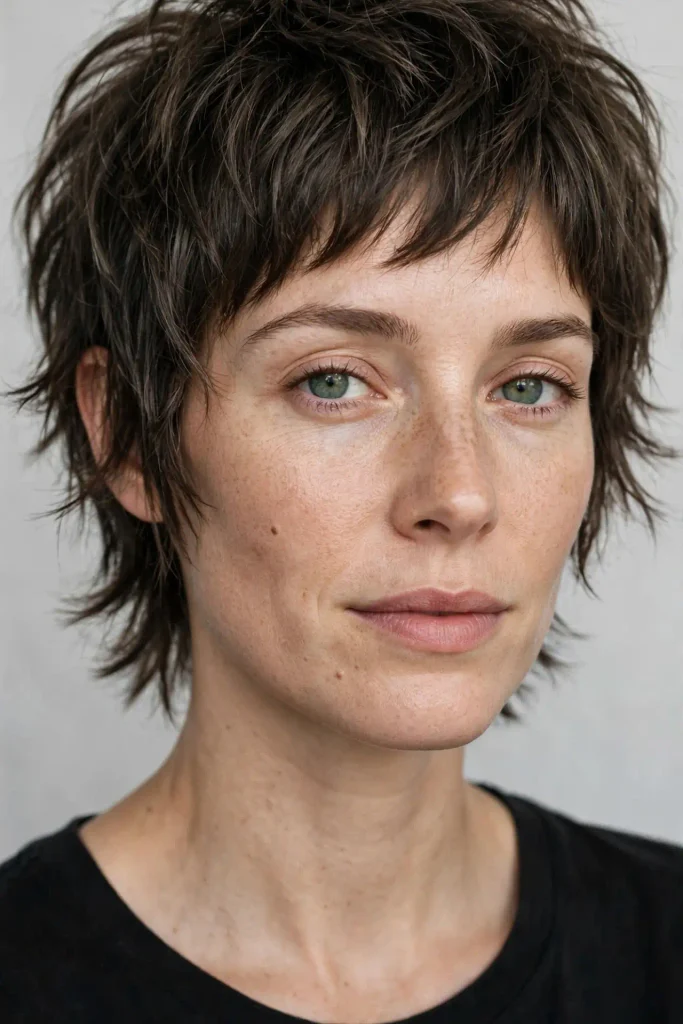
4. The Choppy Crop
The cut: short all over, heavily textured, deliberately undone.
Shorter than a pixie, softer than a buzz. The choppy crop is for women who want edge without severity. I recommended this to a friend going through a “new chapter” phase, and she described the feeling as “taking off a heavy coat.” Short choppy hair does that. It lightens more than your head.
Grow-out rating: C+. Honest grade. Crops grow out awkwardly through the fluffy stage. Plan interim shapings every five weeks or embrace the journey.
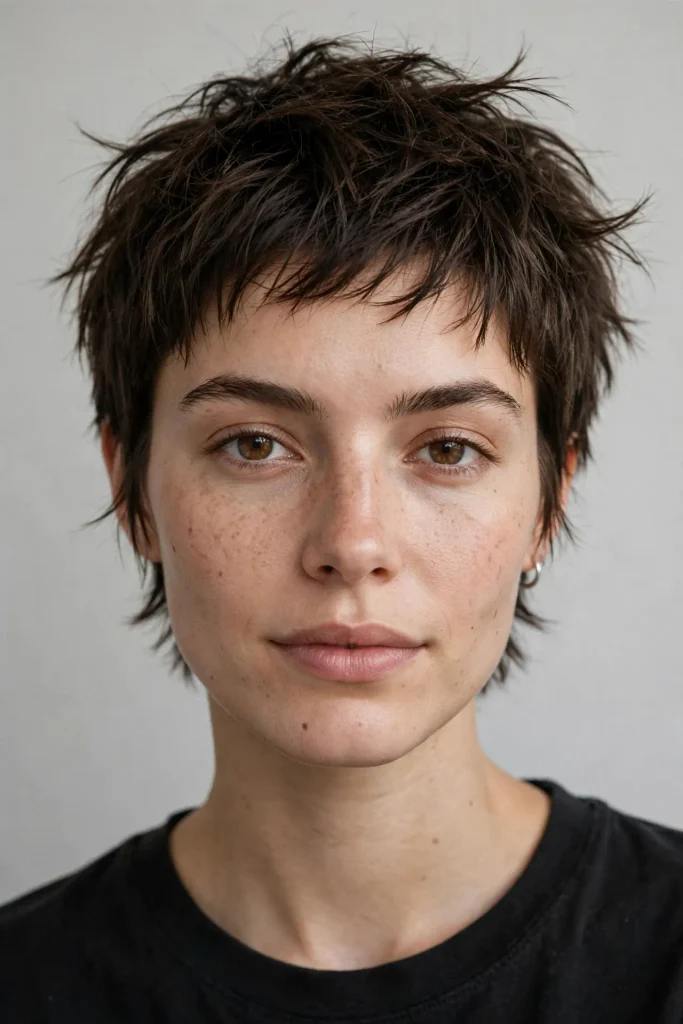
5. The Choppy Curtain Bob
The cut: bob-length with a curtain fringe and choppy texture through the ends.
The curtain fringe gives you softness around the face while the choppy ends keep the whole thing from going sweet. It is the balance act of the short section. I wore this when I wanted to feel feminine but not fussy, and it delivered exactly that. The fringe grows out into face-framing layers, so nothing is ever awkward.
Grow-out rating: A. Fringe becomes layers, bob becomes lob. Everything transitions. Nothing panics.

Medium and Piece-y: The Sweet Spot
Shoulder-length-ish, textured, versatile. This is where most women land, and where choppy does its most flattering work.
6. The Classic Choppy Lob
The cut: long bob with piece-y, point-cut ends and subtle internal layers.
The people’s champion. I have had this cut three separate times, which tells you everything. It is professional enough for the office, cool enough for the weekend, and the choppy ends mean it never looks like you tried too hard. My mother approves of this cut, which is the highest endorsement I can give.
Grow-out rating: A. Lobs grow into medium cuts beautifully. The choppiness just softens. Zero drama.

7. The Piece-y Shoulder Shag
The cut: shoulder-length shag with heavy piece-y texture and curtain fringe.
This is the cut I picture when someone says “choppy layers.” It is the archetype. I got it during my most creative year and it matched my energy: a little wild, fully intentional. The pieces frame the face, the texture creates movement, and it air-dries into something interesting, which is the true test of any cut.
Grow-out rating: B+. Shags grow into longer shags. The fringe needs a trim at week eight to avoid eye-poking, but that is the only maintenance.

8. Choppy Wolf-Lite
The cut: wolf silhouette with softened, wearable choppy layers.
All the wolf’s cool without the commitment to chaos. The layers are choppy but longer, the shape is edgy but office-safe. I tested this as a compromise when I wanted the wolf trend but had client meetings, and it threaded the needle perfectly. Edgy enough for compliments, tame enough for contracts.
Grow-out rating: B. The top layers grow at a different rate than the length, so one shaping trim at week ten keeps the silhouette.

9. The Choppy Midi With Fringe
The cut: mid-length (collarbone to chest) with choppy ends and a full-ish fringe.
The fringe is the statement here; the choppy ends are the support act. Together they are a whole look. I wore this through autumn and the fringe-plus-texture combination photographed incredibly. Every picture looked like an album cover. I am not exaggerating as much as you think.
Grow-out rating: B+. Fringe needs maintenance, but the lengths just keep growing happily. Trim the fringe, ignore the rest.

10. The Textured Collarbone Cut
The cut: exactly collarbone-length, ends heavily textured, minimal layering up top.
The precision cut of the medium section. Hitting the collarbone exactly is a stylist skill, and the textured ends keep the blunt line from looking harsh. This was my “I need to look polished but I am tired” cut. It looked deliberate with zero styling. Some cuts work harder than you do. This is one.
Grow-out rating: A-. It grows past the collarbone into a choppy lob. The transition is seamless. Barely counts as growing out.

Long and Lived-In: Choppy at Length
Yes, choppy works on long hair. The texture lives in the bottom third, the length stays luxurious, and the combination is the best of both worlds.
11. Long Choppy Layers
The cut: long hair with choppy, piece-y layers through the bottom half.
The gentlest entry on this list. If the chop audit gave you a 2, start here. The top stays smooth and classic; the ends get all the personality. I wore this for a year and it was the easiest long hair I have ever owned. The choppy ends prevented the dreaded curtain-of-hair flatness that plagues long fine hair.
Grow-out rating: A+. It is already long. It just gets longer. The choppiness softens into beachy texture. Effortless forever.

12. The Lived-In Mermaid Chop
The cut: extra-long hair with heavily textured, piece-y ends. Mermaid meets rockstar.
For the long-hair loyalists who refuse to be boring. The lived-in chop gives mermaid length an edge, so it reads cool instead of just long. I did this when my hair was at its longest and suddenly my “just long” hair had a point of view. Length is a fact. Texture is an opinion. Have both.
Grow-out rating: A+. See above, but more so. Long choppy hair only improves with time.
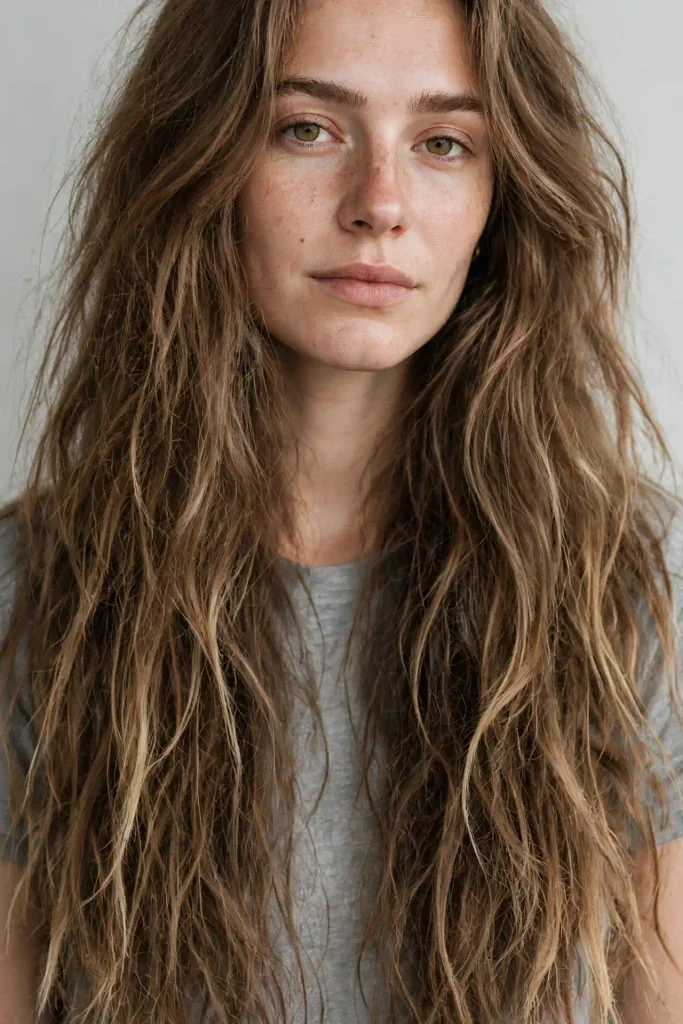
13. The Choppy V-Cut
The cut: V-shaped perimeter with choppy texture through the point.
The V-cut gives long hair a dramatic silhouette, and choppy texture keeps the point from looking severe or dated. It is the most striking long cut on this list. I got this after seeing it on a stranger and following her (mentally, not literally) to admire it. The V shape makes ponytails and braids look incredible, because the varied lengths create natural dimension.
Grow-out rating: A-. The V softens into a U as it grows, which is also pretty. No bad outcomes here.

14. The 90s Choppy Revival
The cut: long layers with flipped, piece-y ends. Rachel-adjacent, modernized.
Nostalgia done right. The 90s revival takes the flipped layers we all remember and updates them with softer, more lived-in texture. I wore the original in the 90s (no further questions) and the revival is better: less stiff, more wearable, same fun. The flipped ends give long hair bounce it would never have naturally.
Grow-out rating: A. Flipped layers grow into regular layers. The revival becomes the classic. Full circle.
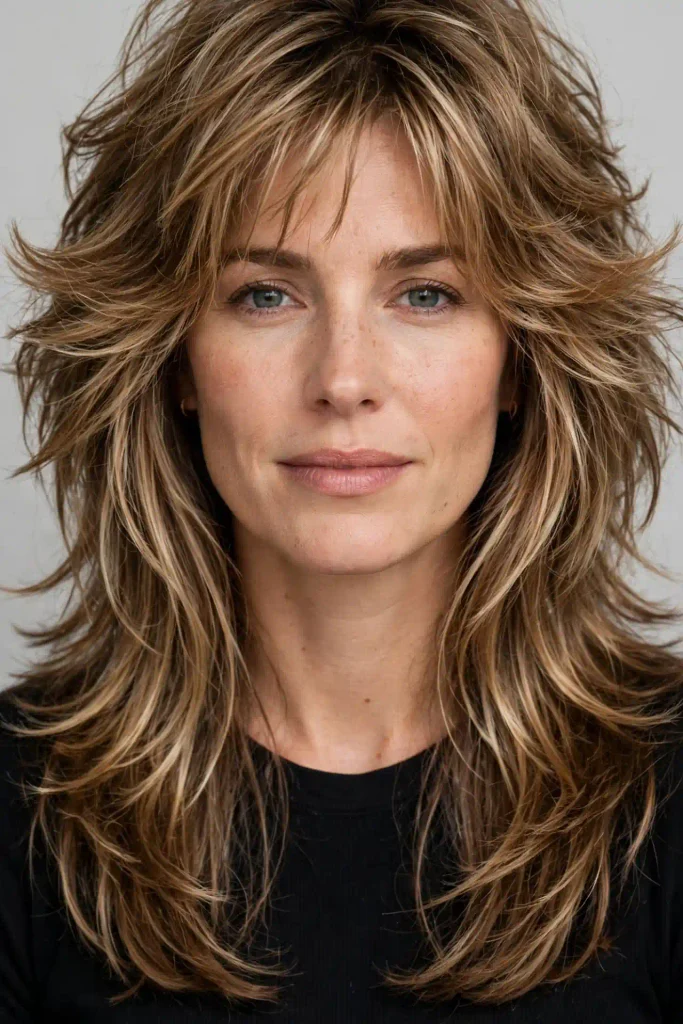
15. The Grown-Out Chop
The cut: a choppy cut designed from day one to grow out beautifully. Soft pieces, no harsh lines.
We end with the wisest choice: choppy texture placed so strategically that month four looks as good as day one. This is what I ask for now, every time. “Cut it so I do not need to see you for four months.” A great stylist loves this challenge. It is the cut for busy women, low-maintenance women, and women who have learned that the best haircut is the one that survives real life.
Grow-out rating: A+. That is the entire concept. It cannot grow out badly because growing out well is the design.

Stylist Red Flags: When “Choppy” Goes Wrong
Choppy is a skill, and not every stylist has it. Red flag one: they reach for thinning shears immediately. As covered above, thinning is not chopping. Red flag two: they cut everything the same length and call the texture “choppy.” True choppy has deliberate variation. Red flag three: they do not ask about your styling routine. Choppy cuts must be designed around real life, because the texture behaves differently air-dried versus blow-dried. A stylist who does not ask will give you a cut that only works with the salon blowout. Pretty in the chair, sad at home.
One Product, Three Ways
You do not need a shelf of products for choppy hair. You need one good texture product and three techniques. A pea-sized amount of matte paste, worked through dry ends, gives piece-y definition. The same paste on damp hair, scrunched in, gives beachy separation. And a tiny amount smoothed over the crown tames flyaways without killing the texture below. One product, three results. Choppy hair rewards simplicity. The cut is doing the complicated part so your routine does not have to.
The Grow-Out Report Card
Across all fifteen cuts, here is the pattern: short choppy cuts need the most maintenance (interim shapings every 5-6 weeks), medium cuts are the sweet spot (8-10 weeks), and long choppy cuts are nearly immortal. The overall lesson: choppy is one of the most forgiving textures to grow out, because texture disguises uneven growth. Blunt cuts show every millimeter of grow-out. Choppy cuts hide it. If low maintenance is your love language, go longer and choppier.
Ask Me Anything
Will choppy layers make my thin hair look thinner? Done wrong, yes. Done right (texture at the ends, solid perimeter, no thinning shears), choppy makes fine hair look thicker. The piece-y ends create fullness illusion. Show your stylist this article if needed.
Can choppy work on curly hair? Beautifully, with dry cutting. Curly choppy texture is stunning. Just make sure your stylist cuts curl by curl and never uses thinning shears on curls.
How is choppy different from a shag? A shag is a haircut with lots of layers. Choppy is a finishing technique for the ends. You can have a choppy shag, a choppy bob, or choppy long layers. They overlap but they are not the same thing.
What if my choppy cut looks messy instead of textured? The line between textured and messy is product and trimming. A little matte paste on the ends and a shaping trim every 8-10 weeks keeps choppy on the right side of that line.
Fifteen cuts, one technique, endless personality. Sleek had its decade. The texture era is here, and it is so much more fun.